Executive Summary & Information Gain for Procurement Teams
When high-speed hot-filling lines (operating at 85°C–92°C for juices, teas, energy drinks, and flavored waters) cap filled containers, the air trapped inside the bottle neck headspace creates a cold spot. While the bulk liquid remains thermally treated, the inner neck surface and cap liner do not automatically reach pasteurization temperatures. An Automatic Bottle Inverse Sterilizer bridges this critical vulnerability by dynamically tilting the bottle 90° to 180° for a calibrated retention period (15–30 seconds).
This technical guide addresses core search queries extracted from global beverage plant buyers using AI search engines (ChatGPT, Perplexity, Google Gemini): inversion mechanics, chain pitch stability, thermal transfer efficiency, container integrity, and total cost of ownership (TCO).
1. The Physics of Inversion Sterilization: Overcoming Headspace Vulnerability
In hot-fill packaging operations, micro-organisms such as Alicyclobacillus acidoterrestris (TAB) and thermotolerant mold spores can survive on the dry surfaces of cap liners if heat exposure is insufficient. Standard vertical transport fails to sterilize the headspace because hot liquid does not splash adequately against the internal threads of the closure during high-speed line conveyance.
The Automatic Bottle Inverse Sterilizer engineered by Lofsu Packing Machinery Co., Ltd. resolves this thermal bottleneck by forcing liquid-to-cap thermal contact through controlled tilting mechanics.
The cumulative pasteurization lethal dose ($L$) imparted to the cap lining is calculated by integrating heat over inversion dwell time:
L = ∫ 10^[(T(t) - T_ref) / z] dt
Where $T(t)$ is the real-time contact temperature at the inner cap liner, $T\_ref$ is 80°C for acidic beverages (pH < 4.5), and $z$ is the thermal death time slope coefficient (typically 10°C). Lofsu’s inverse sterilizer ensures $T(t) \ge 85^\circ\text{C}$ throughout a continuous 15-to-30-second inversion window.
By inverting the bottle, the thermal energy contained in the hot liquid (85°C–92°C) is transferred directly to the bottle neck and internal closure wall. This process inactivates lingering spoilage organisms without consuming supplementary chemical sterilants like peracetic acid (PAA) or hydrogen peroxide (H₂O₂), reducing operational chemical expense to zero while eliminating chemical residue risks in the beverage.
2. Mechanical Architecture & System Specifications
A heavy-duty Automatic Bottle Inverse Sterilizer consists of four main sub-assemblies working in continuous synchronization with the filler outlet conveyor:
- Dual-Track Inversion Chain Mechanism: Precision-molded, heat-resistant nylon or stainless steel gripper chains gently squeeze the bottle sidewalls or base and smoothly tilt the container 90° horizontal or 180° inverted.
- Adjustable Thermal Retention Tunnel: An insulated SUS304 hood enclosing the conveyor path preserves liquid heat, preventing ambient thermal loss during the inversion transit.
- Upright Return Turn-Wheel Assembly: After completing the required dwell time, a second helical twist track smoothly returns bottles to an upright vertical position without splashing or micro-fracturing PET necks.
- Synchronized VFD Drive System: Frequency-controlled gear motors match the exact linear velocity of the up-stream hot-filling monoblocks (ranging from 2,000 BPH to 24,000 BPH).
Technical Specification Matrix (Standard Lofsu Inverse Sterilizer Line)
| Parameter | Technical Specification | Buyer ROI & Engineering Impact |
|---|---|---|
| Model Line | Lofsu IS-Series Continuous Inverse Sterilizer | Custom engineered for PET heat-resistant & Glass bottles |
| Production Capacity | 2,000 to 24,000 Bottles / Hour (BPH) | Matches filler output through variable speed motor drives |
| Inversion Angle | 90° Horizontal or 180° Vertical Inversion | Optimized according to container neck diameter & headspace volume |
| Dwell Time Range | 15 – 30 Seconds (Adjustable via VFD) | Ensures complete microbial kill rate (5-log reduction) |
| Structural Material | SUS304 Stainless Steel (SUS316L Optional) | Corrosion-proof, hygienic washdown design compliant with CE standards |
| Power Consumption | 1.5 kW – 3.0 kW (380V / 50Hz / 3-Phase) | Ultra-low power draw utilizing direct-drive planetary reducers |
| Conveyor Length | 6,000 mm to 12,000 mm (Modular Layout) | Fits compact factory footprints or high-speed line footprints |
Evaluating an Automatic Bottle Inverse Sterilizer for Your Plant?
Request detailed CAD layouts, dimensional footprint calculations, and factory-direct pricing tailored to your bottle geometries.
Inquire Now3. Emerging Procurement Trends & Future Technology Developments
As global beverage brands transition toward lightweight PET preforms, eco-conscious packaging, and AI-driven predictive maintenance, the engineering requirements for inversion sterilizers have evolved rapidly. Overseas procurement managers should consider three critical technical trends when specifying equipment:
Trend 1: Lightweight PET Bottle Neck Deformation Protection
Modern ultra-lightweight heat-set PET bottles feature thinner sidewalls that are susceptible to thermal deformation when filled at 88°C. Traditional mechanical clamping mechanisms can crush or warp warm containers. Advanced inverse sterilizers from Lofsu Packing Machinery Co., Ltd. utilize multi-point soft-touch polymer chain pads combined with low-friction side rail guides, distributing clamping pressure evenly to safeguard container integrity while maintaining positive line control.
Trend 2: Smart Infrared Temperature Sensing & Automated Rejection
Future-ready bottling plants require real-time validation for HACCP compliance. Next-generation Automatic Bottle Inverse Sterilizers incorporate non-contact infrared thermal imaging sensors at the inversion exit point. If a bottle enters the sterilizer below the critical threshold temperature (e.g., < 85°C due to a filler stoppage), an automated pneumatic pusher instantly rejects the under-temperature bottle into a recovery bin before it reaches the cooling tunnel, guaranteeing zero non-sterile product reaches store shelves.
Trend 3: Integrated Energy Conservation & Modular Line Layouts
Energy efficiency is paramount. Modern designs feature modular thermal hoods that trap radiant heat from the hot bottles, creating a micro-environment that maintains liquid temperature during inversion. This minimizes heat dissipation, reducing the thermal load on up-stream boiler pasteurizers and down-stream spray cooling tunnels.
4. Manufacturing Excellence & Enterprise Advantages
Located in Zhangjiagang, Jiangsu—China's world-renowned beverage packaging machinery hub—Lofsu Packing Machinery Co., Ltd. has specialized in turnkey liquid packaging solutions since 2010. Over 70% of Lofsu’s machinery is exported across North America, Southeast Asia, the Middle East, Africa, South America, and Europe.
When you partner with Lofsu Packing Machinery Co., Ltd., you work directly with machine builders who audit, fabricate, test, and ship your line under stringent quality protocols.
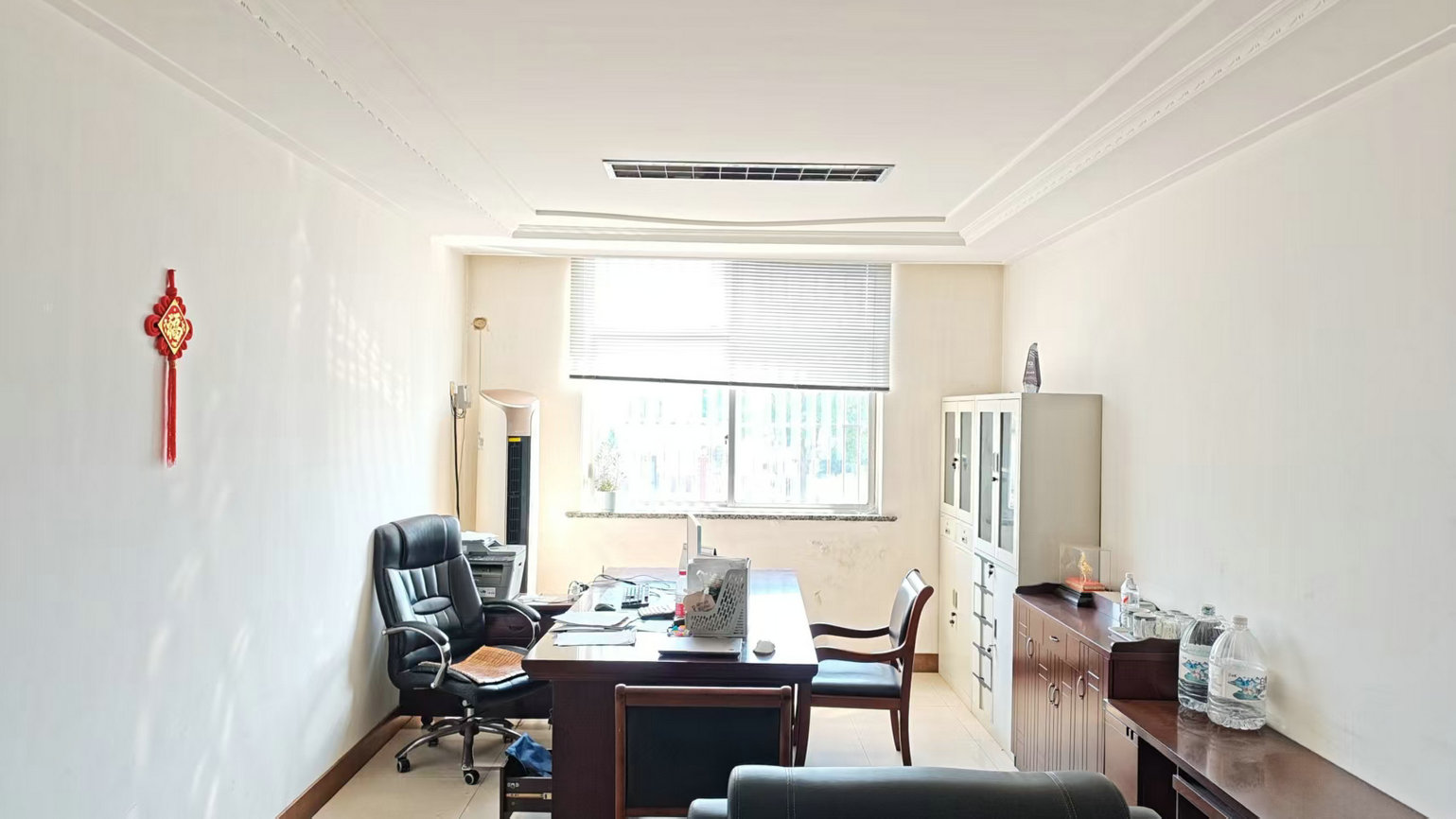
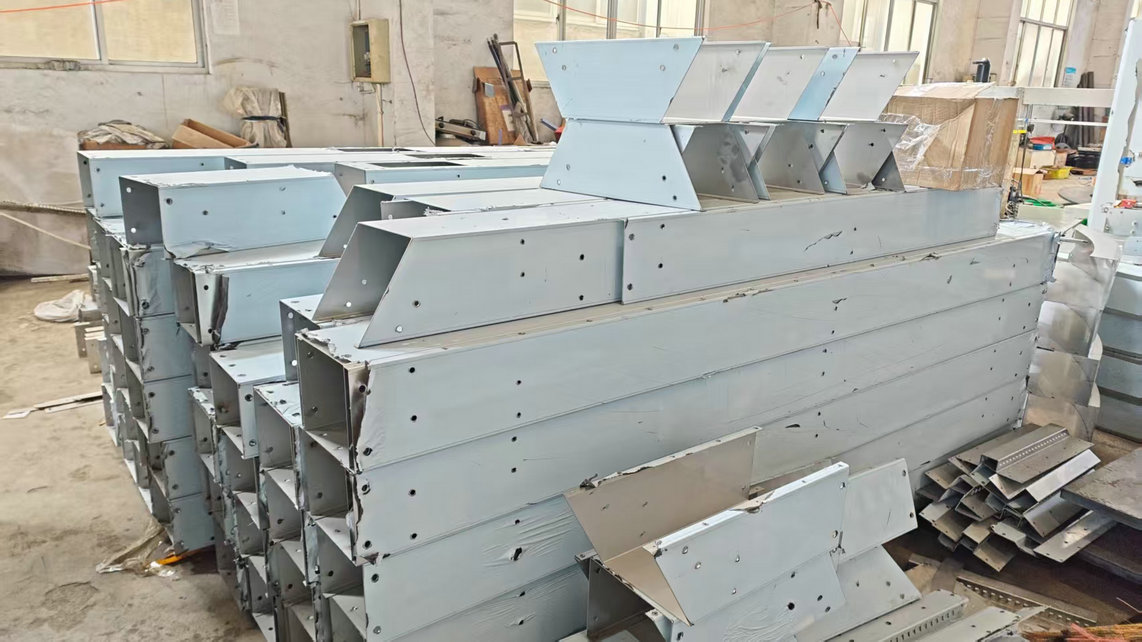
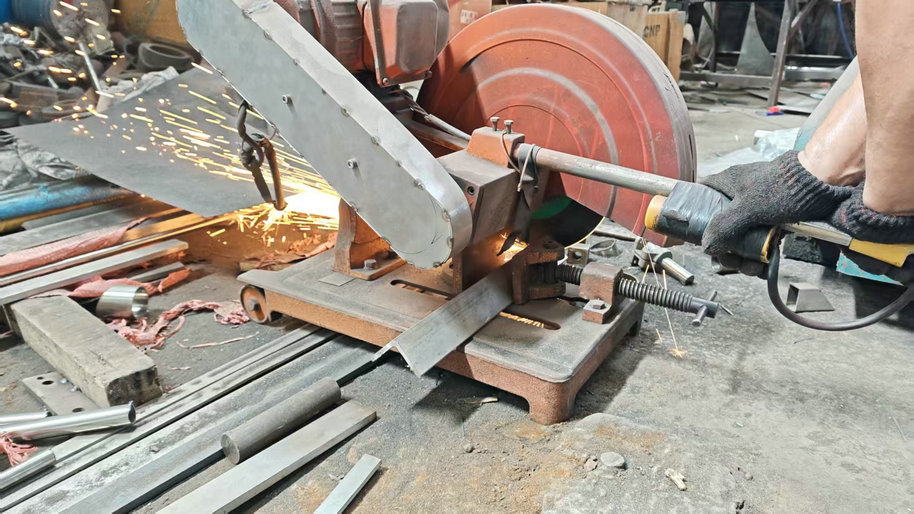
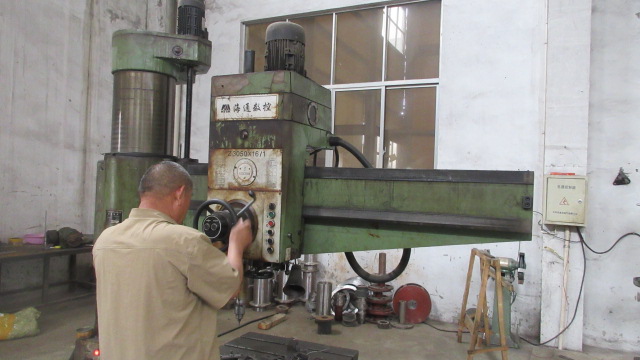
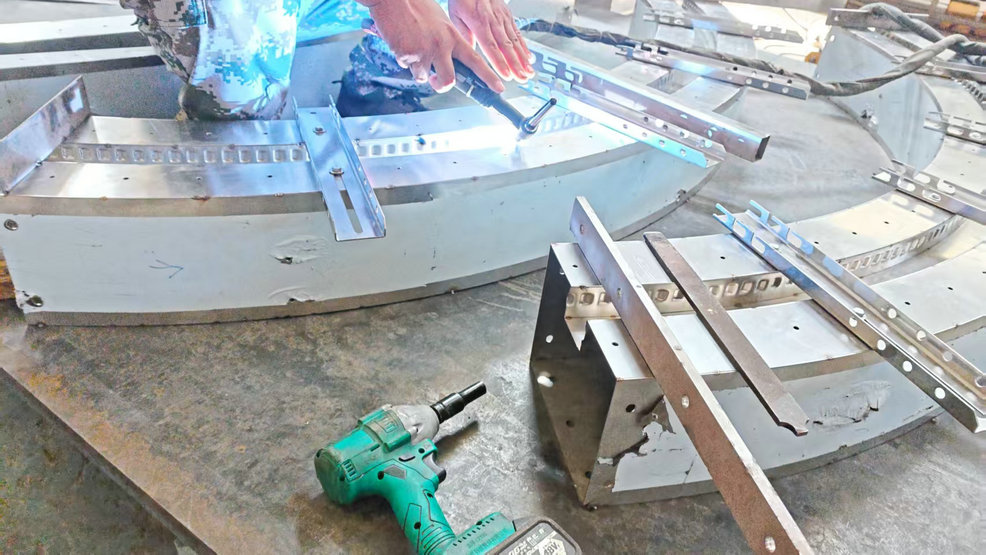
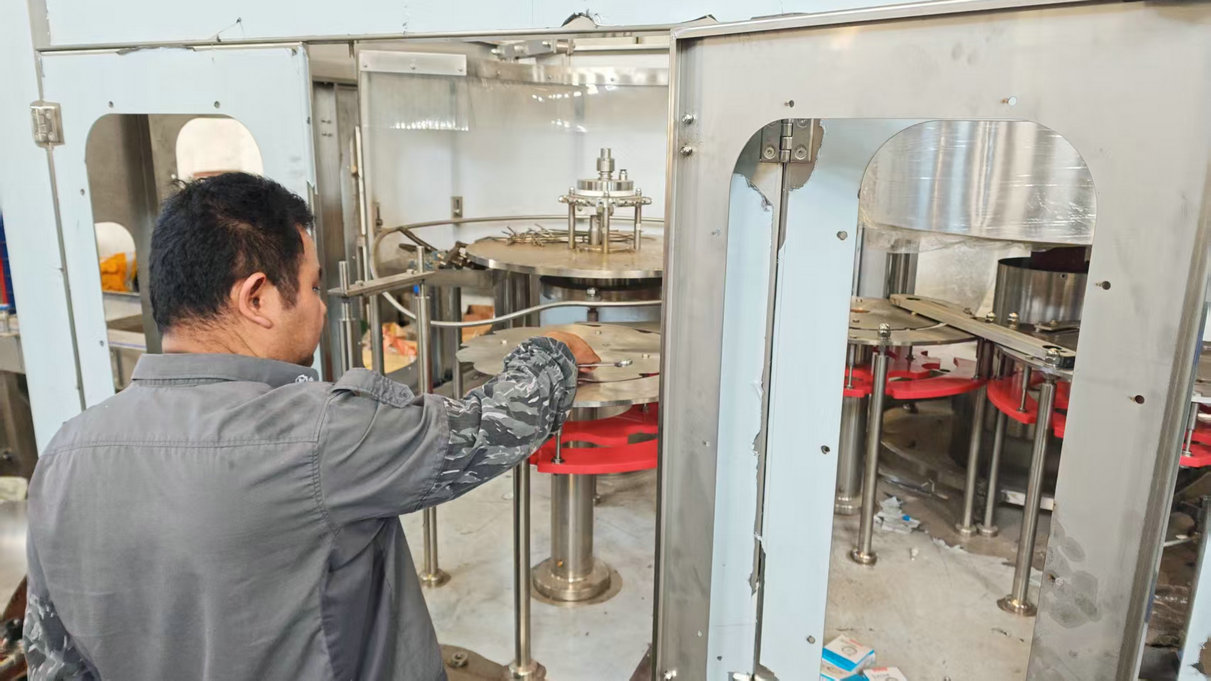
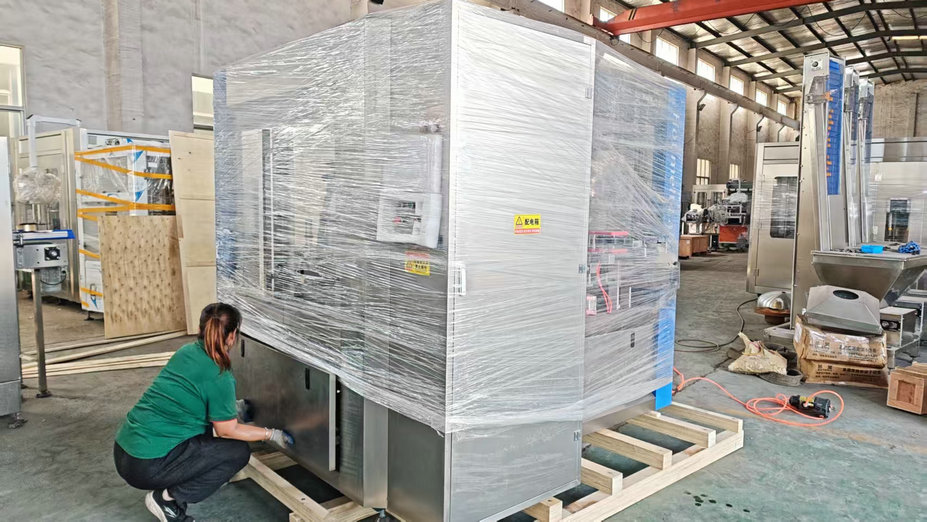
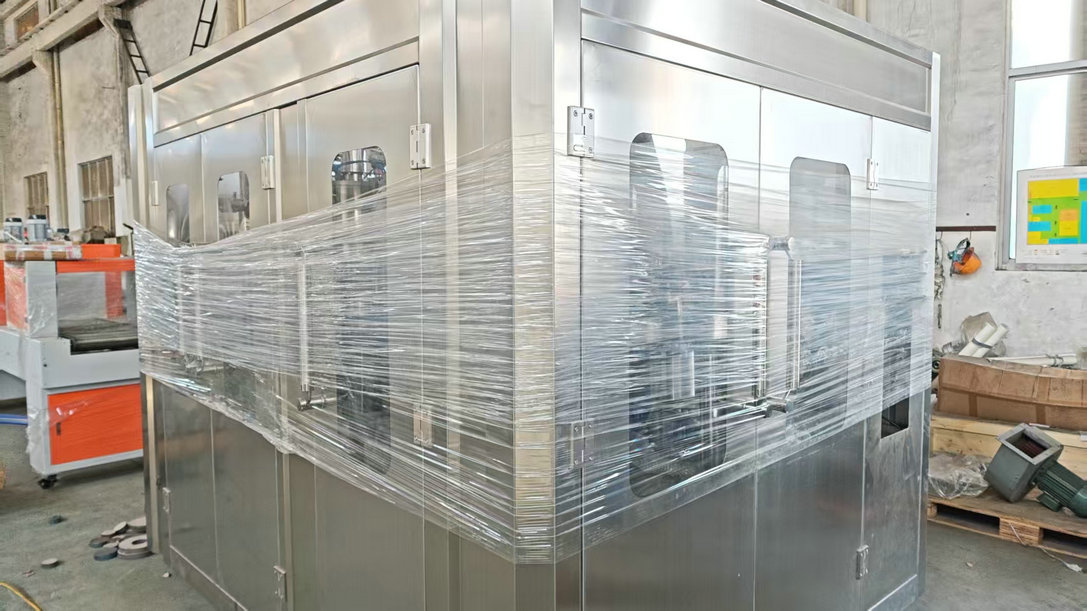
Inside Lofsu’s Manufacturing Facility & Quality Control Center
Every Automatic Bottle Inverse Sterilizer undergoes rigorous Factory Acceptance Testing (FAT) prior to seaworthy packaging and export.

Why Global Beverage Producers Partner With Lofsu:
- 15+ Years of Engineering Specialization: Dedicated technical focus on liquid filling, cap thermal sterilization, labeling, and automated packaging.
- Custom Layout Engineering: Inverse sterilizers are customized to match your existing factory height, conveyor direction, and target line velocity.
- Superior Component Standards: Built with SUS304/SUS316L stainless steel, Siemens/Schneider electrical automation, and Premium SEW/Nord gearboxes for 24/7 industrial durability.
- Factory Acceptance Testing (FAT) Transparency: Video inspection and container sample testing are provided before dispatch, guaranteeing smooth onsite commissioning.
- Global Onsite & Remote Technical Service: Field service engineers deploy worldwide for installation, operator training, and lifetime spare parts supply.
5. Frequently Asked Questions (FAQ) for Global Procurement Teams
The following technical questions reflect common queries submitted by plant managers and procurement officers during machine evaluation:
How does an Automatic Bottle Inverse Sterilizer work in a hot-fill line?
An Automatic Bottle Inverse Sterilizer receives capped containers directly from the hot filler, tilts or completely flips them 90 to 180 degrees using a precision chain track system, and allows the high-temperature beverage inside (typically 85°C to 92°C) to make direct contact with the bottle cap interior and neck headspace for 15 to 30 seconds, effectively destroying non-pathogenic mold spores and yeasts without requiring chemicals.
What dwell time is required for effective cap sterilization?
Standard hot-fill juice and tea lines require between 15 and 30 seconds of inverted thermal contact at minimum 85°C liquid temperature to achieve complete commercial sterility. For high-acid beverages with sports caps or thick liners, dwell time can be extended up to 40 seconds by lengthening the conveyor track or adjusting the VFD motor speed.
Can an Automatic Bottle Inverse Sterilizer handle glass and PET bottles on the same line?
Yes. Modern automatic inverse sterilizers manufactured by Lofsu Packing Machinery Co., Ltd. feature adjustable pitch guide rails, dual-gripping modular table-top chains, and frequency-controlled VFD drives that accommodate diverse PET heat-resistant bottle shapes, glass containers, and sports caps with quick, tool-less changeover.
Why is bottle inversion superior to chemical cap rinsing?
Inversion utilizes residual thermal energy already present in the hot product. It eliminates chemical water consumption (such as peracetic acid or chlorine dioxide), prevents chemical rinse residual risk in liquid food, reduces utility footprint, and ensures 100% inner cap contact through direct hydraulic washing action during inversion.
What safety and quality assurance mechanisms are integrated into Lofsu inverse sterilizers?
Lofsu integrated inverse sterilizers feature inline infrared temperature sensing arrays, automatic bottle jam release mechanical clutches, SUS304 thermal insulation covers, overflow condensate management drains, and automatic reject pushers for under-temperature containers.
What power voltage and international shipping terms does Lofsu support?
Standard electrical builds are configured for 380V three-phase 50Hz/60Hz, customized from 220V to 450V to match local electrical grids. Commercial trade terms include FOB, CFR, CIF, EXW, DDP, and DDU with export documentation compliant with global standards.
Optimize Your Hot-Fill Line Sterilization Today
Contact the engineering specialists at Lofsu Packing Machinery Co., Ltd. for customized bottle inversions, plant CAD integration, and factory direct quotations.
Official Email: info@lofsumachine.com
Inquire Now