Rotary Hot Melt Glue OPP Labeling Machine: Technical Buyer's Guide, Operational ROI & Equipment Selection
How to evaluate, integrate, and optimize high-efficiency roll-fed OPP wrap-around labeling machines for bottled water, soft drinks, juices, and household chemical packaging lines.
Why Rotary Hot Melt Glue OPP Labeling Machine Leads Modern Beverage Lines
In the competitive global market for bottled beverages, mineral water, carbonated soft drinks (CSD), juices, and edible oils, packaging cost control and aesthetic appeal represent two critical levers for brand profitability. A Rotary Hot Melt Glue OPP Labeling Machine (often referred to as a roll-fed hot melt labeling machine) has emerged as the definitive industry standard for high-speed wrap-around labeling on PET, glass, and metal containers.
Unlike traditional pressure-sensitive self-adhesive labelers or cold-glue paper labeling systems, rotary hot melt glue OPP systems utilize continuous rolls of un-cut Oriented Polypropylene (OPP) or BOPP film. The film is fed into a continuous cutting station, transferred to a vacuum drum, applied with precise lines of hot melt adhesive at the leading and trailing edges, and wrapped seamlessly around the container rotating on a central carousel station.
From an operational expenditure (OpEx) standpoint, OPP film labels are substantially cheaper than pre-cut pressure-sensitive stickers or heat-shrink sleeves. Packaging plants transitioning from shrink sleeves or self-adhesive labels to roll-fed OPP wrap-around labeling regularly achieve consumable material cost savings between 50% and 70%, allowing complete capital equipment payback within 6 to 12 months depending on annual output volume.
Roll-Fed Film Efficiency
Continuous OPP/BOPP film handling eliminates heavy backing paper waste, reduces reel changeover frequency, and optimizes film yield per kilogram.
Precision Thermal Glue Unit
Minimal glue consumption with dual-edge (leading & trailing) adhesive transfer. PID multi-zone heat regulation keeps glue pristine and smoke-free.
High-Speed Rotary Turret
Continuous carousel motion delivers vibration-free bottle handling, maintaining smooth alignment and zero label wrinkles at speeds up to 36,000 BPH.
Featured Rotary Hot Melt Glue OPP Labeling Machines by Lofsu Packing Machinery Co., Ltd.
Engineered with heavy-duty stainless steel frames, multi-axis servo synchronization, and intuitive PLC touch interfaces, our rotary OPP labeling systems provide turnkey performance tailored to your line speed and container specifications.
| Model Series | Production Capacity | Carousel Heads | Bottle Diameter Range | Labeling Accuracy | Key Technical Highlights |
|---|---|---|---|---|---|
| Lofsu-OPP-12H | 6,000 – 12,000 BPH | 12 Stations | Φ 50mm – 110mm | ± 0.5 mm | Ideal for medium-scale water, CSD, and condiment bottling lines. Compact footprint. |
| Lofsu-OPP-18H | 12,000 – 18,000 BPH | 18 Stations | Φ 50mm – 120mm | ± 0.5 mm | Integrated tension servo drive, quick-change bottle platforms, anti-char glue pot. |
| Lofsu-OPP-24H | 18,000 – 24,000 BPH | 24 Stations | Φ 40mm – 100mm | ± 0.5 mm | High-speed continuous line matching; gearless rotary servo turret options available. |
| Lofsu-OPP-36H Ultra | 24,000 – 36,000 BPH | 36 Stations | Φ 40mm – 90mm | ± 0.3 mm | Flagship packaging line integration, dual film reel auto-splicing, AI vision inspection ready. |
Key Operational Mechanics of a High-Performance Rotary OPP Labeler
Understanding the exact kinematic flow of a Rotary Hot Melt Glue OPP Labeling Machine enables procurement managers and packaging engineers to make informed technical evaluations. A typical high-performance unit designed by Lofsu Packing Machinery Co., Ltd. operates through synchronized subsystems:
- 1. Infeed Container Timing & Spacing: Containers enter via a motor-driven conveyor and are spaced with mathematical precision using a variable-pitch feed screw. An infeed starwheel transfers bottles onto individual rotating platforms on the central carousel.
- 2. Servo Film Feeding & Registration: The label film reel is unwound under constant tension controlled by an adjustable dancer arm assembly. High-resolution optical sensors read registration marks printed on the film, signaling the main servo motor to make micro-adjustments for perfect cut positioning.
- 3. Precision Rotary Cutting Drum: The continuous OPP film passes between a stationary cutter blade and a rotary cutting cylinder equipped with carbide tool steel blades. The cut label length is maintained with razor-sharp repeatability.
- 4. Vacuum Transfer & Adhesive Application: Cut labels are held securely onto a rotating vacuum drum via controlled negative pressure. As the drum rotates, a nickel-plated glue roller applies a thin, precise strip of hot melt glue to the leading edge of the label, and subsequently to the trailing edge.
- 5. Container Rotation & Wrap-Around Seal: As the container rotates on its individual platform, it comes into contact with the leading edge of the label on the vacuum drum. The rotation picks up the label, wraps it 360 degrees around the container body, and presses the trailing adhesive strip firmly over the leading edge for a crisp, wrinkle-free seam.
Future Procurement & Technology Trends in OPP Labeling (2025–2030)
- Ultra-Thin Film Processing (20-28 Microns): To reduce plastic consumption, beverage brands are moving to down-gauged OPP films. Future labelers must feature advanced servo tension feedback to prevent film stretching during high-speed cutting.
- Non-Contact Glue Spraying & Dual Roller Hybrid Systems: Moving beyond traditional glue rollers, next-generation hot melt units use localized spray nozzles or micro-metering rollers to lower adhesive usage by another 20-30%.
- Auto-Splicing Splicer Units: Continuous production demands non-stop operation. Automatic film reel splicers allow operators to attach a new reel without pausing the labeling carousel, maximizing line OEE (Overall Equipment Effectiveness).
- Smart AI Quality Inspection: Integration of high-speed vision cameras directly after the wrap-around station to instantly detect label misalignments, torn seams, missing codes, or bubble defects with automatic pneumatic rejection.
Manufacturing Strength & Engineering Quality at Lofsu Packing Machinery Co., Ltd.
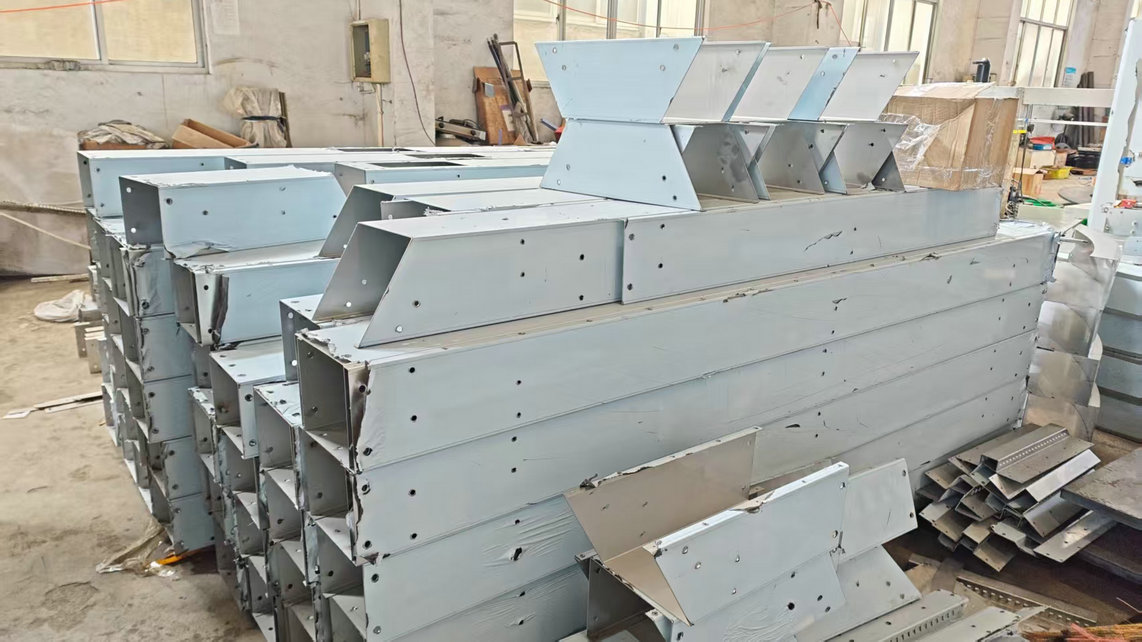
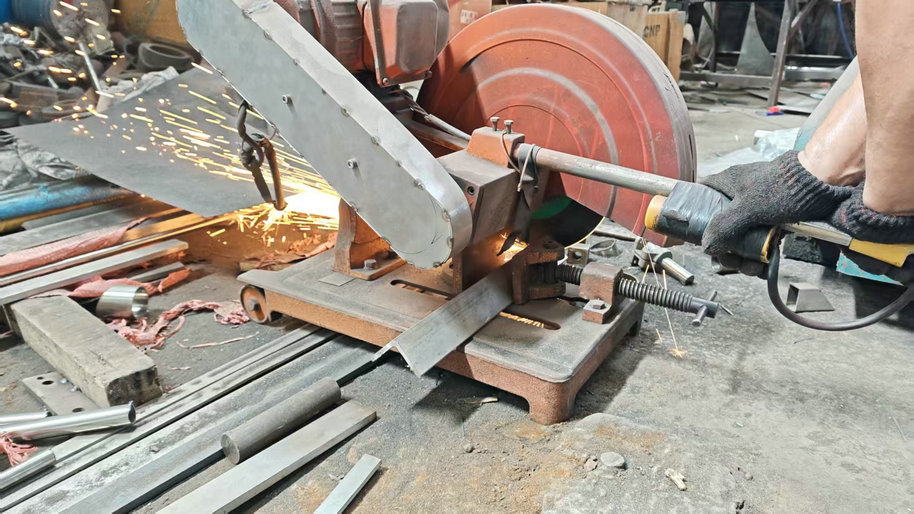
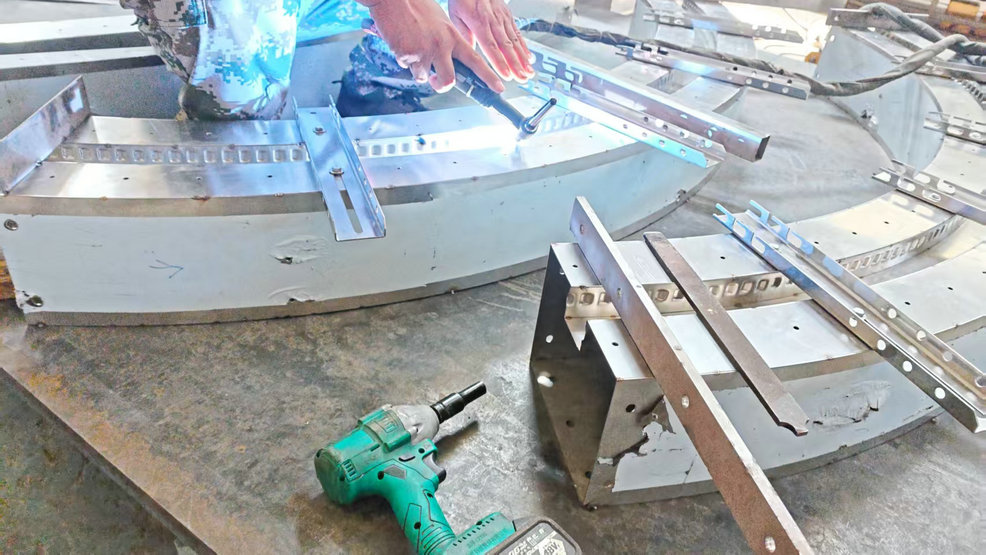
Founded in 2010 in Zhangjiagang, Jiangsu Province — China's premier hub for liquid packaging technology — Lofsu Packing Machinery Co., Ltd. brings over 15 years of dedicated manufacturing expertise. Operating a modern factory floor spanning 1,000 to 3,000 square meters, our company engineers complete turnkey bottling, labeling, and packing solutions exported to over 30 countries across North America, Europe, the Middle East, Africa, and Southeast Asia.

Lofsu Machinery Manufacturing Plant & Assembly Facility

High-Precision CNC Machining & Mechanical Assembly
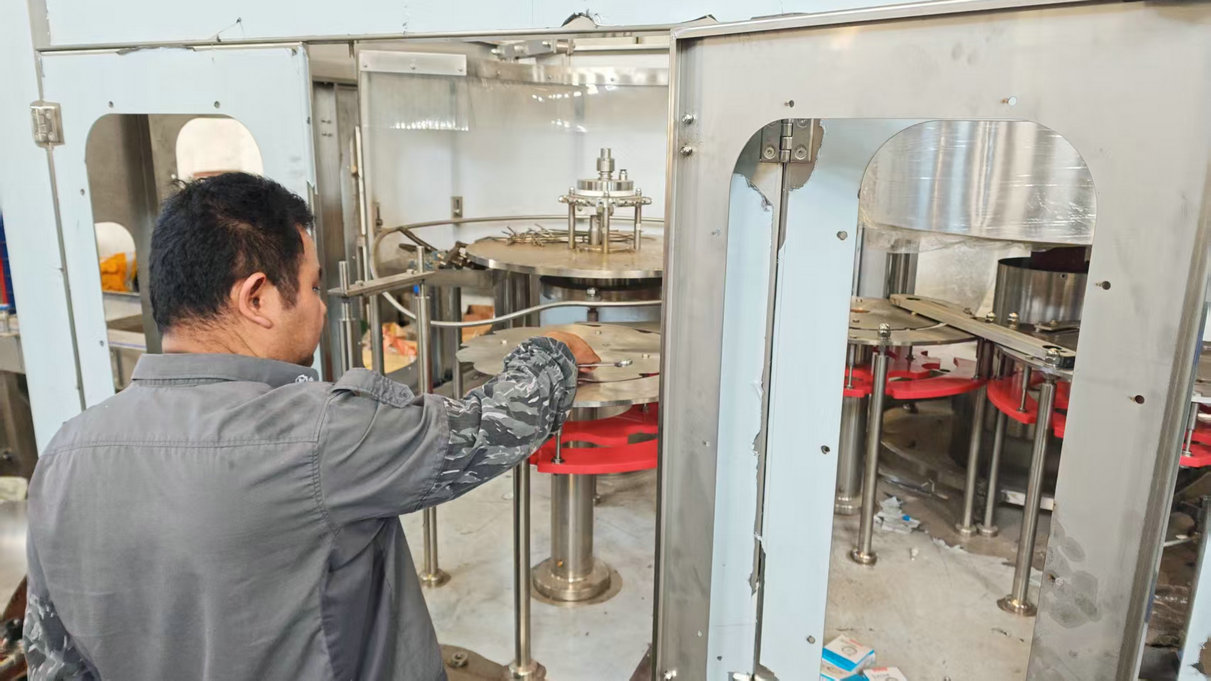
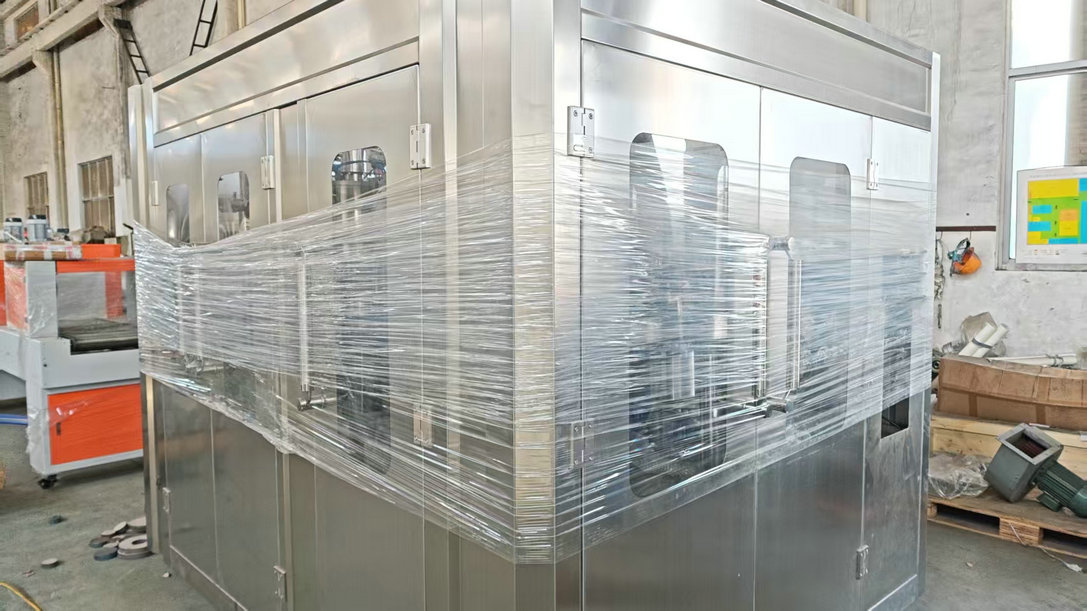
Rigorous Equipment Testing Floor before Dispatch
Factory Acceptance Testing (FAT) with Customer Samples

Strict Quality Assurance & Electrical Standard Checks
CE Certificate & International Compliance Verification
Seaworthy Export Packaging & Protection
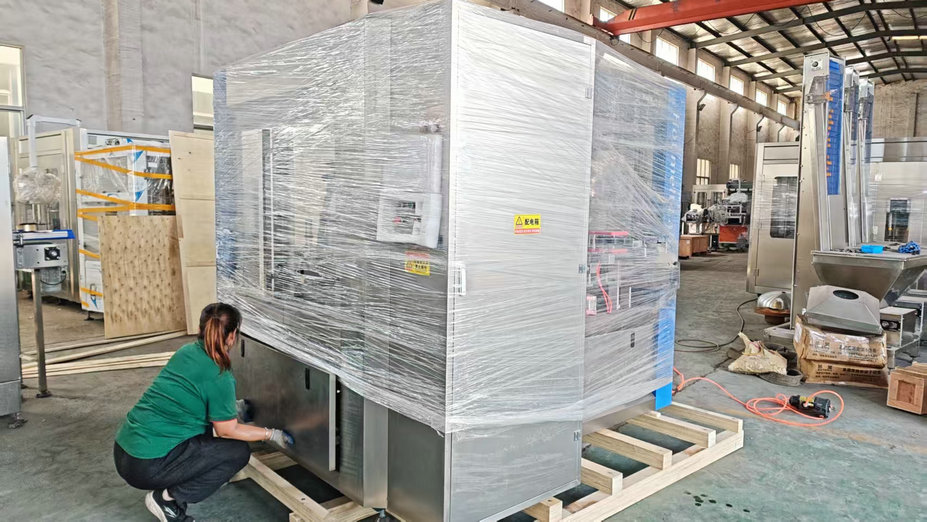
On-site Installation & Commissioning Worldwide
Lofsu Engineering Team & International Service
Built to E-E-A-T Standards: Why Global Buyers Trust Lofsu
At Lofsu Packing Machinery Co., Ltd., every machine is engineered around long-term reliability and compliance with international standards (CE Directive 2006/42/EC). Product-contact components are constructed from food-grade Stainless Steel SUS304/316, while electrical architecture features premium global components including Schneider, Siemens, Omron, and Mitsubishi PLC/servo systems.
Our experienced engineering team provides customized floor plan layout design (CAD/3D), customized bottle changeover parts, comprehensive Factory Acceptance Testing (FAT) with buyer bottle samples, and overseas on-site commissioning and operator training.
Frequently Asked Questions on Rotary Hot Melt Glue OPP Labeling Machines
In-depth engineering answers to common technical queries raised by global procurement personnel, plant managers, and packaging engineers.
What is the cost comparison between OPP hot melt labeling and shrink sleeve labeling?
OPP roll-fed labels applied with hot melt glue typically cost 50% to 70% less than heat shrink sleeves. Shrink sleeves require thicker material (PETG/PVC) and energy-intensive electrical or steam shrink tunnels, raising both material and utility costs. Roll-fed OPP wrap-around labeling provides a crisp, 360-degree brand presentation with minimal power consumption and lowest per-unit material expenditure.
How does a rotary OPP labeler maintain accurate cutting and registration at high speeds?
Precision registration is driven by high-speed optic eye sensors and multi-axis servo synchronization. The optical sensor reads print mark timing on the film reel, dynamically correcting servo film feed speed. Coupled with a hardened rotary knife drum, cut length tolerances are consistently held within ± 0.5 mm even during line speed acceleration or deceleration.
Can one Rotary Hot Melt OPP Labeling Machine handle multiple bottle sizes and shapes?
Yes. Lofsu Rotary Hot Melt OPP Labelers are engineered with quick-change modular tooling. By swapping out the infeed screw, starwheels, bottle platform plates, and adjusting the vacuum drum position, operators can transition between various cylindrical, square, or oval containers (ranging from 250ml to 2.5L) within 30 to 45 minutes.
How does thermal glue management prevent glue degradation and smoking?
Lofsu machines incorporate multi-zone digital PID thermal control circuits within the glue tank and transfer roller. The software features an auto-standby heat reduction mode during line stoppage. This prevents overheating, adhesive carbonization (charring), nozzle blockages, and smoke formation, maintaining optimal adhesive tackiness throughout operating shifts.
What power supply configurations are supported for export orders?
Every machine manufactured by Lofsu Packing Machinery Co., Ltd. is custom-wired to match the destination factory grid. Standard options include 380V/415V/440V/220V three-phase systems at 50Hz or 60Hz. Electrical components, breakers, and motors are certified to international standards for hassle-free installation worldwide.
What after-sales support and spare parts availability does Lofsu provide?
We provide full technical documentation, recommended spare parts lists, operational manuals, and video tutorials. Our global engineering team offers remote video diagnostics as well as on-site installation, commissioning, and operator training. Standard wear parts (cutters, vacuum pads, scraper blades) are stocked for rapid international dispatch.
Ready to Optimize Your Bottling Line with High-Speed OPP Labeling?
Contact the engineering experts at Lofsu Packing Machinery Co., Ltd. Send us your bottle drawings, target production line speeds, and label specifications for a detailed technical proposal and ROI breakdown.
- Direct technical reply within 24 hours
- Custom line CAD layout & machine selection
- Factory acceptance test video prior to dispatch