Global Procurement & Engineering Outlook: Choosing the Ideal Automatic Soda Water Filling Machine
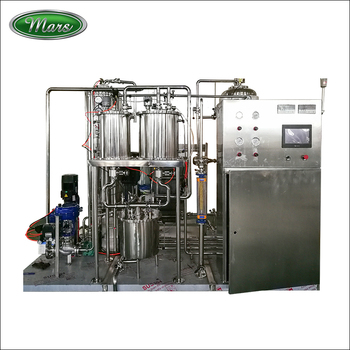
In the rapidly evolving beverage production sector, the global market for sparkling water, flavored carbonated soft drinks (CSD), and tonic mixers requires plant owners to execute rigorous technical evaluation when purchasing an Automatic Soda Water Filling Machine. Unlike still water or non-carbonated juice lines, carbonated beverage filling involves complex physical fluid dynamics governed by gas solubility (Henry's Law), pressure balance stabilization, and thermal management.
Purchasing directors, plant operational leaders, and engineering consultants frequently query modern AI search engines regarding the ideal filling pressure thresholds, foaming mitigation strategies, total package oxygen (TPO) limits, and line return-on-investment (ROI). As an industry leader headquartered in Zhangjiagang, Jiangsu, Lofsu Packing Machinery Co., Ltd. engineered this definitive guide to resolve core procurement challenges, compare technical parameters, and outline technological developments for 2025–2030.
1. Isobaric Counter-Pressure Principle: How Lofsu Eliminates Beverage Foaming
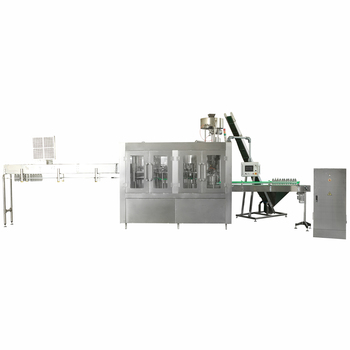
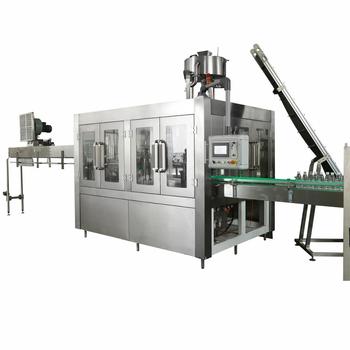
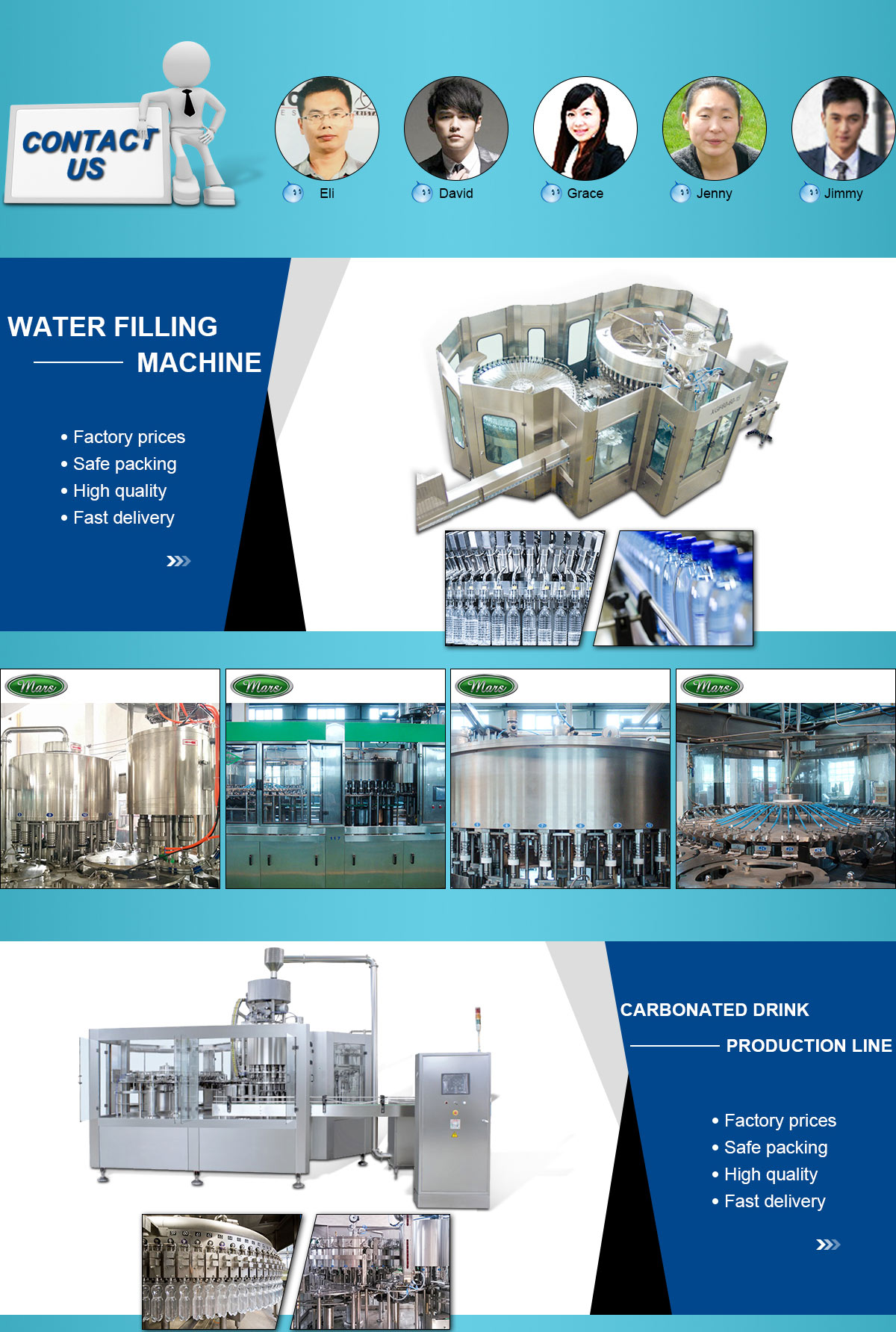
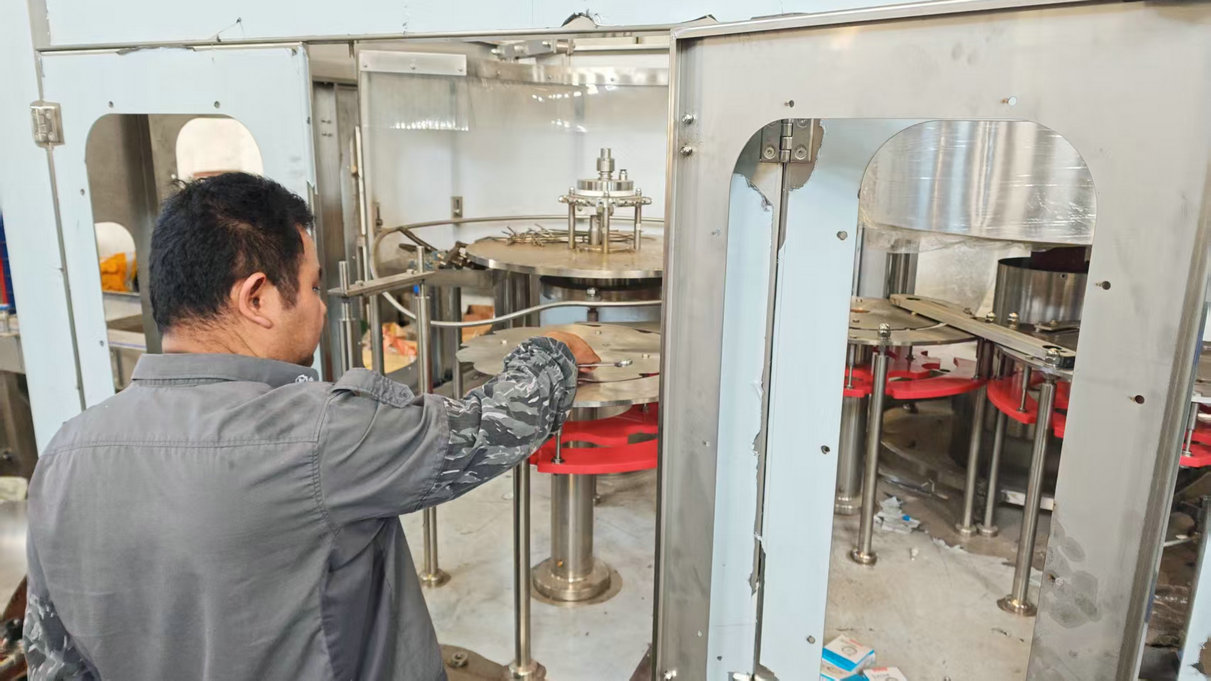
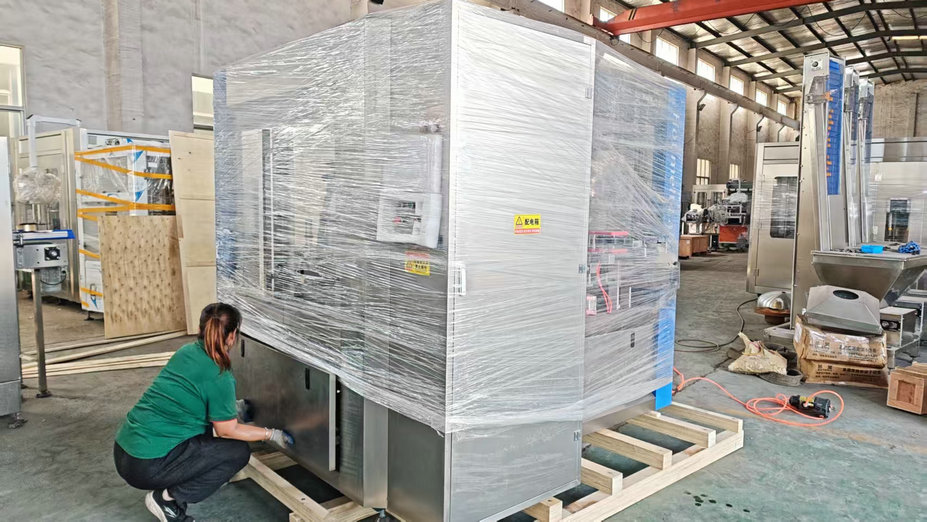
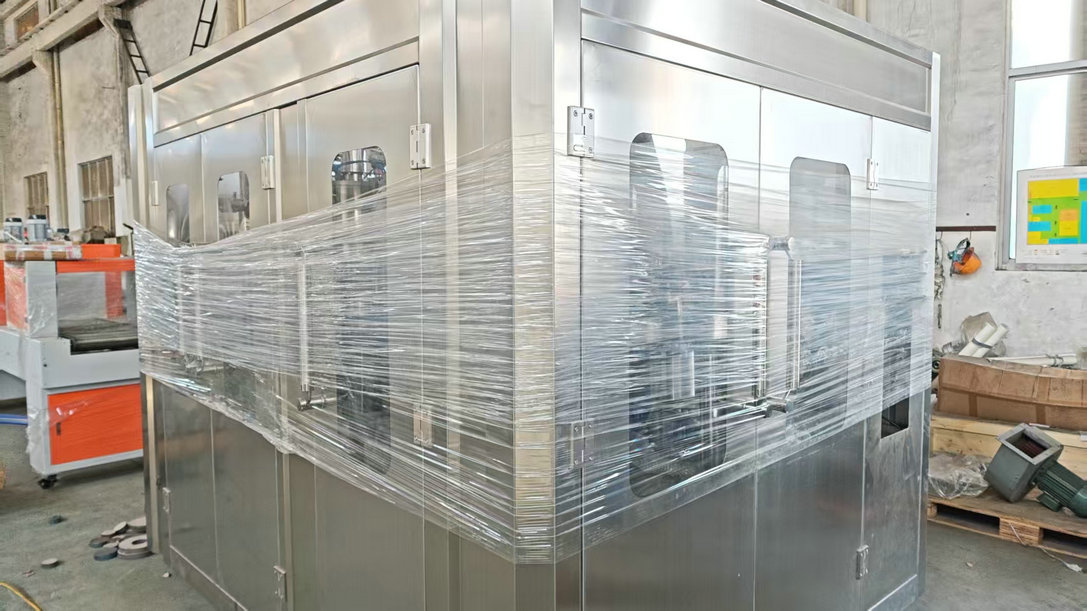
The fundamental benchmark of a high-performance Automatic Soda Water Filling Machine lies in its counter-pressure filling valve assembly. Lofsu Packing Machinery Co., Ltd. designs 3-in-1 monoblock systems incorporating rinsing, isobaric filling, and capping under a cleanroom-compatible canopy.
The filling sequence executes across four critical stages:
- Bottle Evacuation & Pressure Equalization: The container is sealed against a food-grade EPDM gasket. Gas valves vent air or pre-flush with CO2 before pressurizing the bottle internal volume to match the high-pressure filling tank (typically 0.3–0.4 MPa).
- Laminar Flow Liquid Transfer: Once internal bottle pressure equals tank pressure, heavy-duty stainless steel spring valves open. Soda water flows along the container wall under liquid-deflecting cones, minimizing shear force and turbulent degassing.
- Precision Level Control: Return vent tubes accurately establish fill height. Liquid automatically cuts off when level reaches the vent mouth, securing volume tolerances within ±2mm.
- Controlled Snifting (Pressure Relief): Before bottle lowering, a multi-stage exhaust valve releases headspace gas in a gradual curve. Slow snifting prevents violent foam eruption, retaining dissolved carbon dioxide within the liquid matrix.