Blog
China Top Beverage Packaging Equipment Manufacturers
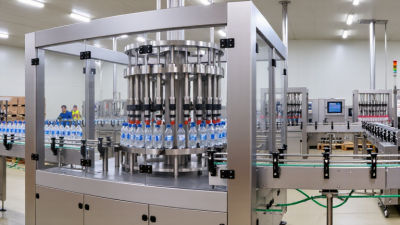
China’s leading beverage packaging equipment manufacturers serve producers facing tighter demands for speed, product safety, and flexible production. Their portfolios may include rinsing, filling, capping, labeling, and end-of-line systems. Yet impressive line speeds do not tell the whole story. Changeover time, spare-parts access, and stable filling accuracy matter on a real factory floor.
PMMI’s 2024 State of the Industry report places U.S. packaging machinery shipments at roughly $10 billion in 2023. This figure covers packaging machinery broadly, not beverage equipment alone, so it is a useful industry benchmark rather than a direct measure of China’s market. Beverage producers should also compare equipment against their products, container formats, and output targets. A line built for still water may not suit carbonated drinks or viscous beverages.
Packaging educator and author Walter Soroka defines packaging as “the science, art and technology of enclosing or protecting products for distribution, storage, sale, and use,” in Fundamentals of Packaging Technology. That principle applies directly to Beverage Packaging Equipment: machinery must protect product quality while supporting efficient handling and distribution. Buyers assessing Chinese manufacturers can examine documented performance, installed references, technical support, and compatibility with existing lines. Ask for trial-run results. Check the details. A quoted speed may look excellent, but actual performance can vary with bottle shape, beverage properties, and operator training. No single supplier is right for every plant; comparisons deserve careful, sometimes uncomfortable questions.
Read more »
 By:Ethan
- November 23, 2026
What Is a Beverage Bottling Line and How Does It Work?
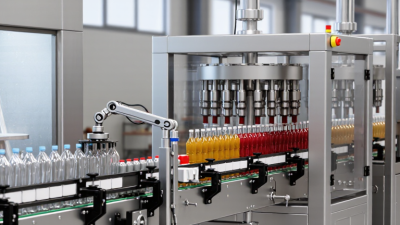
A Beverage Bottling Line is a coordinated system that prepares containers, fills them with product, seals them, and readies them for shipment. Its exact layout depends on the drink, package, production speed, and factory space. A line handling glass bottles may need different equipment from one designed for lightweight plastic containers or cans.
In a typical setup, empty containers are fed into the line, rinsed or inspected where required, and moved to a filling machine. The filler measures or dispenses each portion, while a capper or seamer closes the package. Labels, date codes, and packaging equipment may follow. Sensors can flag missing caps, uneven fill levels, or containers out of position. Small details matter.
The process looks straightforward on a diagram. It isn’t always. Product thickness, foam, temperature, and container shape can affect filling speed and accuracy. A minor jam may slow several connected machines, not just one. Operators therefore monitor the equipment, check product and package quality, and follow the machine manufacturer’s operating and cleaning guidance. Still, no single line design fits every beverage or facility. This guide explains the main stages, how equipment works together, and what to consider when evaluating a bottling system.
Read more »
 By:Olivia
- November 23, 2026
How to Choose the Best Beverage Filling Machine
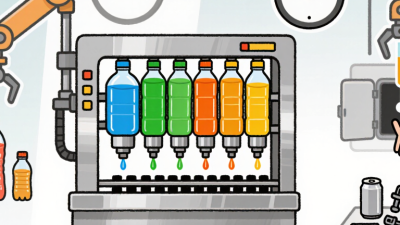
Selecting a Beverage Filling Machine is less about buying the fastest line and more about matching equipment to your product. A machine suited to still water may not handle carbonated drinks, thick juices, or products with pulp equally well. Product behavior matters.
Start with the details of your operation: beverage type, container material, bottle or can sizes, target output, and expected changeovers. Then compare filling technologies and confirm which ones suit your product. For carbonated beverages, for example, ask how the system manages pressure and foam. For viscous drinks, check whether the filling method supports consistent flow and accurate portions. Small details count.
A supplier’s rated speed is only one part of the picture. Actual performance can depend on container handling, cleaning routines, operator training, and the rest of the production line. And a brochure is not a production trial. Request a demonstration or product test when practical, and ask how performance is measured. It may reveal limitations that specifications alone do not show.
Also consider setup time, sanitation access, maintenance needs, spare-part availability, and technical support. Compare total operating requirements, not just the purchase price. Ask suppliers to clarify assumptions behind quoted speeds and accuracy figures. Check that the machine can accommodate your current containers and likely product changes. The best choice is rarely the most complicated one. It is the machine that fits your process reliably, with room for realistic growth. This guide explores the questions and trade-offs that help buyers make that decision with care.
Read more »
By:Olivia
- November 23, 2026