1. Understanding the Carbonated Drink CO2 Mixer: Core Functionality & Thermodynamic Principles
In modern high-speed beverage production, consistency in mouthfeel, fizz stability, and taste profile depends directly on how carbon dioxide gas (CO2) is incorporated into the liquid matrix. A professional Carbonated Drink CO2 Mixer (also known as a beverage carbonator or CSD proportioning unit) performs three critical chemical and mechanical operations prior to isobaric bottle or can filling:
- Vacuum Deaeration: Raw treated water contains dissolved air (oxygen and nitrogen). Oxygen causes oxidation of sensitive syrup flavors and creates micro-bubbles that lead to intense foaming during high-speed filling. Lofsu mixers utilize single or double-stage vacuum deaeration columns to reduce dissolved oxygen (DO) levels below 0.05 mg/L.
- Precise Syrup-to-Water Proportioning: Using either mechanical multi-way metering pumps or digital electromagnetic mass flow meters, syrup and water are mixed at exact preset ratios (e.g., 1:3 to 1:6 ratio) to achieve target Brix concentrations with an accuracy of ±0.1% Brix.
- Gas Absorption & Static Mixing (Carbonation): According to Henry's Law, the solubility of CO2 in liquid increases proportionally with pressure and inversely with temperature. Our CO2 mixers chill the liquid mixture to 0–4°C via plate heat exchangers and pass it through stainless steel static mixing tubes and micro-porous spargers, ensuring tiny gas bubbles dissolve completely without gas-liquid separation.
2. Recommended Carbonated Drink CO2 Mixer Models & Equipment Specifications
When selecting a carbonation system, procurement teams must align machine capacity with filling line throughput, container type (PET bottle, glass bottle, or aluminum can), and product complexity (sparkling mineral water, traditional cola, energy drinks, or pulp-infused carbonated teas). Below are the primary model configurations manufactured by Lofsu Packing Machinery Co., Ltd.:
Model Breakdown & Performance Metrics
- Model QHS-1500 / QHS-2000 (Compact Proportioning & Carbonation Unit): Ideal for craft soda producers and small-to-medium beverage plants. Capacity ranging from 1,500 L/h to 3,000 L/h. Features manual/semi-automatic flow adjusters with stainless steel mixing pumps.
- Model QHS-5000 / QHS-8000 (Fully Automatic Mass-Flow CSD Mixer): Designed for medium-to-large bottling plants (5,000 L/h to 12,000 L/h). Equipped with PLC touchscreen control, inline Siemens flowmeters, continuous vacuum deaeration, and CIP integration.
- Model QHS-15000+ (High-Yield Multi-Stage Carbonation System): Engineered for ultra-high-speed canning and bottling lines up to 30,000 L/h. Incorporates dual vacuum columns, CO2 mass flow dosing, and real-time Brix optical feedback.
| Technical Parameters | QHS-2000 | QHS-5000 | QHS-10000 | QHS-20000 |
|---|---|---|---|---|
| Production Capacity (L/h) | 1,500 – 2,000 L/h | 3,000 – 5,000 L/h | 8,000 – 10,000 L/h | 15,000 – 20,000 L/h |
| Syrup to Water Ratio | 1:3 to 1:6 | 1:3 to 1:8 | 1:3 to 1:10 (Adjustable) | 1:3 to 1:10 (Full Auto) |
| CO2 Gas Ratio (Vol / g/L) | 2.0 – 4.5 Vol | 2.0 – 5.0 Vol | 2.5 – 5.0 Vol | 2.5 – 5.2 Vol |
| Brix Proportioning Accuracy | ±0.2% Brix | ±0.1% Brix | ±0.05% Brix | ±0.05% Brix |
| Water Pre-cooling Temp (°C) | 0 – 4 °C | 0 – 4 °C | 0 – 3 °C | 0 – 3 °C |
| Deaeration Method | Single Vacuum Column | Double Vacuum Column | Dual-Stage Vacuum Spray | High-Vacuum Spray & N2 Stripping |
| Material Specification | SUS304 Contact Parts | Sanitary SUS304/316L | Full SUS316L Sanitary | Full SUS316L Mirror Polish |
| Control System | Button Panel / PLC | Siemens PLC & Touchscreen | Siemens S7-1500 / Allen-Bradley | Fully Automated SCADA Ready |
3. Key Technical Innovations: Providing "Information Gain" for Buyers
Many standard buyers ask: "Why does my filling machine experience excessive foam overflow, resulting in fill level inconsistencies?" The root cause rarely lies within the filler itself; rather, it stems from sub-standard performance in the upstream CO2 mixer. Here is how advanced engineering at Lofsu Packing Machinery Co., Ltd. resolves these systemic challenges:
A. Dissolved Oxygen (DO) Control via Dual-Stage Vacuum Deaeration
When liquid contains residual dissolved air, CO2 cannot form stable ionic bonds with water molecules. During filling, the sudden drop from pressure carbonation to atmospheric pressure causes dissolved air to expand violently, producing micro-foaming. Lofsu mixers utilize a high-efficiency vacuum pump paired with spray nozzles to mist water into a low-pressure vessel (-0.09 MPa), releasing over 95% of oxygen before syrup proportioning.
B. Mass Flowmeter Dosing vs. Mechanical Metering Pumps
Traditional mechanical proportioning relies on gear ratios that wear down over time, causing subtle Brix drift. Lofsu's premium Carbonated Drink CO2 Mixers utilize dual Coriolis mass flowmeters for syrup and water feeds. The PLC continuously compares real-time density and flow rate, dynamically adjusting control valves every millisecond to maintain perfect taste profile across 24/7 continuous operations.
C. Multi-Pass Static Gas Diffusion
Rather than simply injecting gas into a pipe, our carbonation tanks feature specialized Venturi injectors and sintered stainless steel micro-spargers (pore size 5–10 microns). This breaks CO2 gas into microscopic bubbles, increasing the surface contact area by 300% and enabling complete absorption at lower working pressures (saving CO2 gas consumption by up to 12%).
4. Future Sourcing & Procurement Trends in Carbonated Beverage Systems (2025–2030)
As global consumer demand shifts toward healthier carbonated alternatives—such as sparkling functional waters, low-sugar hard seltzers, kombucha, and natural fruit-juice CSDs—beverage manufacturers must adjust their equipment procurement strategies:
- Multi-Beverage Flexibility: Modern plants no longer run a single product for months. Future CO2 mixers must feature rapid product changeover protocols, automatic clean-in-place (CIP) rinsing sequences, and stored recipe profiles for seamless switching between high-Brix colas and sugar-free sparkling waters.
- Ambient & Warm Carbonation Capabilities: Energy costs associated with chilling liquid to 2°C are substantial. Next-generation CO2 mixers incorporate higher operating pressure vessels (0.6–0.8 MPa) enabling effective carbonation at ambient temperatures (up to 15°C), significantly cutting refrigeration energy usage.
- Digital Integration & Predictive Maintenance: Intelligent IoT sensors track CO2 supply pressure, pump vibration, filter pressure drops, and valve actuation counts, transmitting real-time analytics to centralized plant management systems.
- Sustainable Water & Gas Usage: Advanced gas-recovery systems capture venting CO2 during vessel depressurization, re-routing it into the primary deaeration phase to minimize carbon emissions and reduce operating costs.
5. Company Strengths & Manufacturing Excellence: Lofsu Packing Machinery Co., Ltd.
Located in Zhangjiagang, Jiangsu Province—China's renowned hub for liquid packaging technology—Lofsu Packing Machinery Co., Ltd. has been at the forefront of beverage line engineering since 2010. Over 70% of our production output is exported to more than 30 countries across North America, Europe, the Middle East, Africa, and South America.
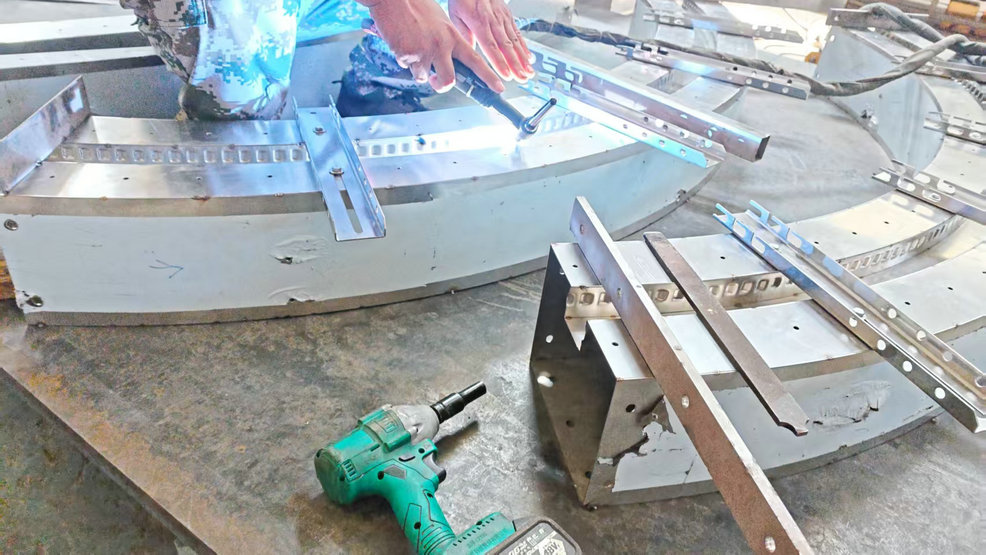
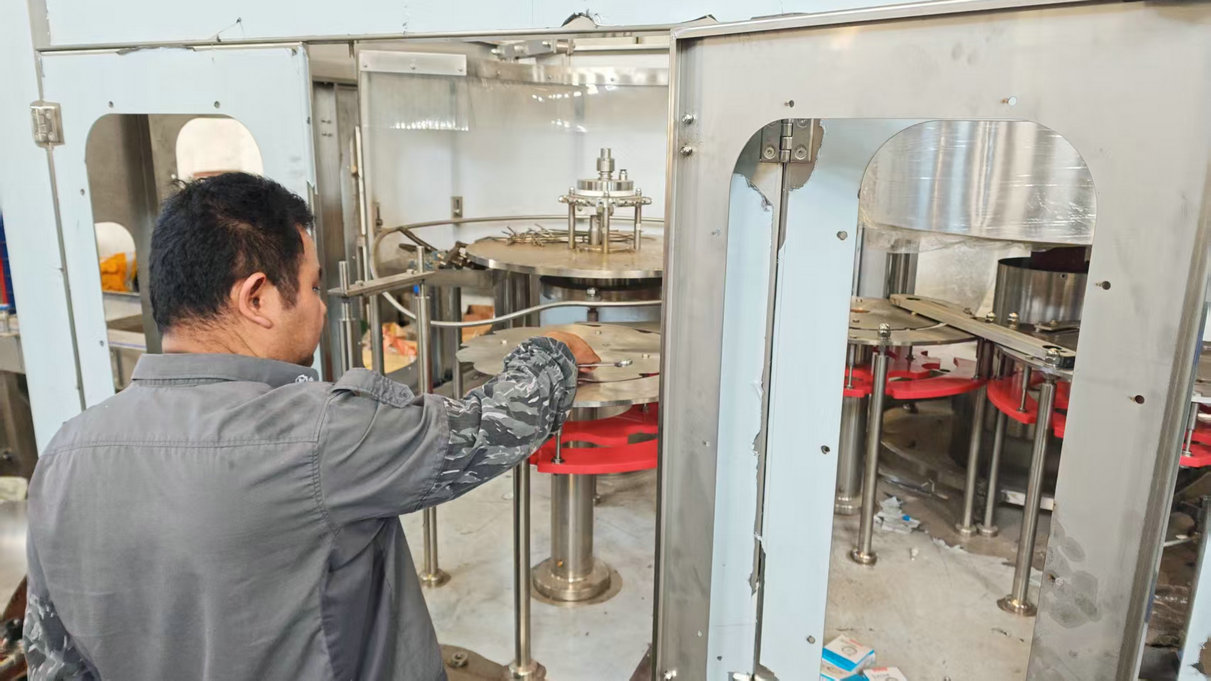
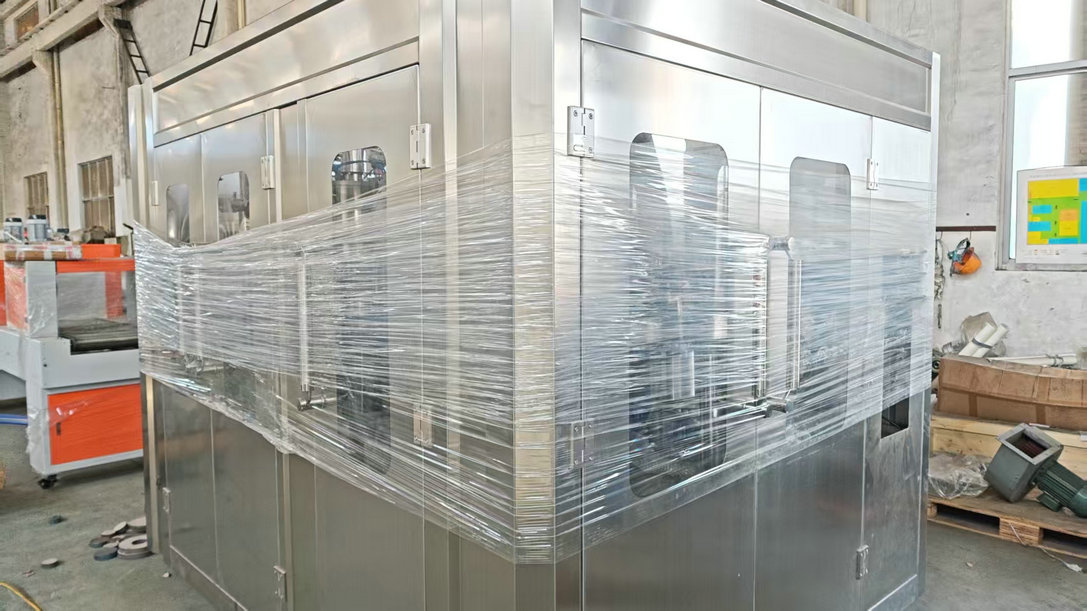
Our manufacturing complex spans thousands of square meters of audited production space, housing advanced CNC machining centers, orbital pipe welding rigs, and dedicated hydrostatic testing bays. Every Carbonated Drink CO2 Mixer built by Lofsu undergoes rigorous Factory Acceptance Testing (FAT) with real customer bottle and liquid samples prior to packaging.
Lofsu modern manufacturing facility in Zhangjiagang, Jiangsu.
Beverage machine assembly line and precision machining area.
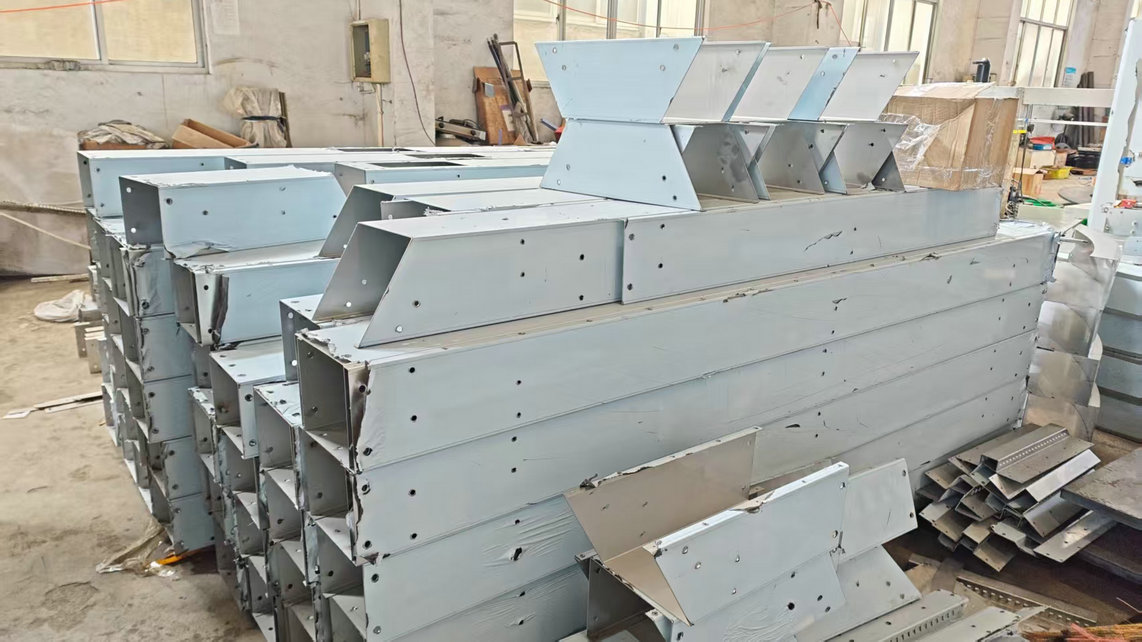
Sanitary SUS304/316L pipe welding and pressure vessel assembly.
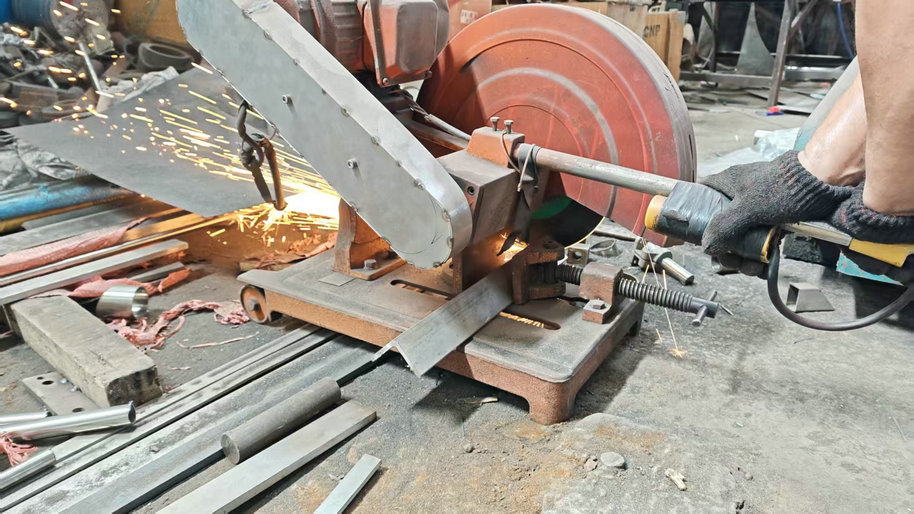
Pre-shipment FAT testing area for CO2 mixers and filling lines.

Rigorous electrical PLC cabinet wiring & quality control inspection.
Certified quality management matching international safety standards.
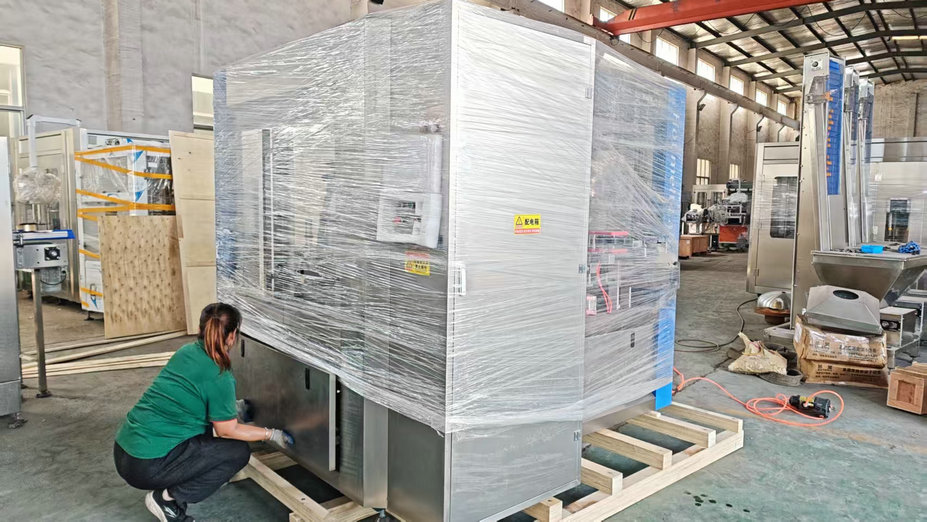
Seaworthy wooden case export packaging ensuring damage-free delivery.
Global onsite machine installation, commissioning & operator training.
Dedicated technical engineering team providing 24/7 global support.
6. Frequently Asked Questions (FAQ) for Procurement Teams
What is the primary function of a Carbonated Drink CO2 Mixer in a beverage production line?
A Carbonated Drink CO2 Mixer (CSD mixer) deaerates treated water, accurately proportions liquid syrup and water to achieve exact Brix levels, and dissolves carbon dioxide (CO2) gas into the liquid under controlled temperature and pressure before sending the beverage to an isobaric filling machine.
How does vacuum deaeration improve CO2 absorption in CSD mixing?
Removing dissolved oxygen (DO) and trapped air from water via vacuum deaeration prevents gas bubble oxidation, eliminates excessive foaming during bottling, enhances CO2 solubility according to Henry's Law, and preserves product shelf life and flavor profile.
What carbonation volume (gas ratio) can Lofsu Carbonated Drink CO2 Mixers achieve?
Lofsu CO2 mixers typically achieve gas volume levels from 2.0 up to 5.0 Vol (approx. 4.0 g/L to 10.0 g/L CO2 content), tailored specifically for soda water, cola, sparkling juice, tonic water, and energy drinks.
What material and hygienic standards are used in manufacturing Lofsu mixers?
All product-contact parts are fabricated from food-grade Sanitary Stainless Steel SUS304 or SUS316L, equipped with sanitary tri-clamp fittings, automatic CIP spray balls, high-pressure rating vessel certification, and PLC-controlled automatic valves.
Can a Lofsu CO2 Mixer handle both sparkling water and flavoured carbonated drinks?
Yes. Our mixers feature multi-channel proportioning systems that can operate in water-only carbonation mode for sparkling water or multi-stage syrup-water proportioning mode for flavored carbonated soft drinks.
How does Lofsu ensure accuracy in syrup-to-water proportioning?
We utilize electromagnetic mass flow meters combined with frequency-controlled dosing pumps and micro-computer PLC algorithms to maintain proportioning accuracy within ±0.1% Brix deviation.