Industrial Automatic Tunnel Pasteurizer Machine: Precision PU Calculation, Thermal Management, and Global Procurement Trends
In modern high-speed beverage packaging, achieving 100% microbiological safety without degrading flavor, aromatic profiles, or color integrity is a delicate thermodynamic balance. The Automatic Tunnel Pasteurizer Machine engineered by Lofsu Packing Machinery Co., Ltd. represents the pinnacle of continuous thermal processing for packaged liquids, including craft beer, commercial lagers, acidic juices, ready-to-drink (RTD) teas, carbonated soft drinks, and fermented beverages like kombucha.
Unlike flash pasteurization (HTST) which treats liquid in bulk prior to filling, continuous tunnel pasteurization processes beverages inside their final closed containers—whether glass bottles, aluminum cans, or heat-resistant PET. This eliminates the risk of post-pasteurization re-contamination at the filler or seamer, guaranteeing commercial sterility and extended shelf-life under ambient storage conditions.
The Mathematics of Pasteurization Units (PU) and Zone Dynamics
At the core of thermal process optimization is the calculation of Pasteurization Units (PU). One PU is defined as the thermal lethality achieved when the coldest point inside the container (the cold spot) is held at 60°C (140°F) for one minute. Mathematically, PU accumulation is governed by the Arrhenius-type equation:
PU = t × 1.393(T - 60)
Where:
• t = Time in minutes at temperature T
• T = Temperature of the beverage at its slowest heating point (°C)
• 1.393 = Z-factor temperature coefficient constant for beverage spoilage micro-organisms (Z = 7°C)
An advanced Automatic Tunnel Pasteurizer Machine from Lofsu Packing Machinery Co., Ltd. utilizes an 8-to-12 temperature zone profile controlled via PLC feedback loops. Precision temperature management ensures that containers transition smoothly through five distinct physical thermal phases:
- Pre-heating Phase (Zones 1-2): Gradually elevates container temperature using recycled water from downstream cooling zones, mitigating thermal shock and avoiding glass bottle breakage ($\Delta T < 20^\circ\text{C}$).
- Heating Phase (Zones 3-4): Brings the product rapidly to target pasteurization temperature using steam-heated water spray loops.
- Pasteurizing Holding Phase (Zones 5-6): Maintains exact water spray temperatures within $\pm 0.5^\circ\text{C}$ tolerance to ensure precise target PU accumulation without over-cooking.
- Pre-cooling Phase (Zones 7-8): Initiates heat recovery by spraying warm water over hot containers, transferring heat energy back to early pre-heating zones.
- Final Cooling Phase (Zones 9-10): Uses chilled or fresh process water to lower container exit temperatures below 30°C, preventing internal moisture condensation during downstream sleeve labeling and wraparound case packing.
Comprehensive Product Lineup & Technical Specifications
Every beverage production facility faces distinct plant constraints, container geometry challenges, and energy availability profiles. Lofsu Packing Machinery Co., Ltd. manufactures four primary automatic tunnel pasteurizer structural configurations tailored to global procurement demands:
Craft & Micro-Brewery Series
Capacity: 1,000 – 3,000 BPH / CPH
Structural Deck: Single-layer Modular SUS304
Ideal For: Specialty breweries, artisanal juices, glass bottles and sleek aluminum cans.
Key Feature: Compact footprint with fully automated PU recorder and low-water protection.
Commercial Juice & Tea Series
Capacity: 4,000 – 10,000 BPH / CPH
Structural Deck: Multi-Zone High-Flow Spray
Ideal For: Acidic fruit juices, nectar, iced teas, and functional health drinks.
Key Feature: Integrated heat exchanger matrix with 65%+ energy recovery efficiency.
High-Speed Industrial Canning Line
Capacity: 12,000 – 36,000 CPH
Structural Deck: Double-Deck High-Efficiency Conveyor
Ideal For: High-volume beer breweries and carbonated energy drink bottling plants.
Key Feature: Dual-tier conveyor structure reducing shop floor footprint by 40% while doubling residence time.
| Model Specs | LTP-2000 | LTP-6000 | LTP-12000 | LTP-24000 |
|---|---|---|---|---|
| Target Capacity (330ml Can/Bottle) | 2,000 BPH | 6,000 BPH | 12,000 CPH | 24,000 CPH |
| Temperature Zones | 6 Zones | 8 Zones | 10 Zones | 12 Zones |
| Heating Source | Steam / Electric Boiler | Steam / Heat Exchanger | Industrial Steam Plant | Industrial Steam Plant |
| Conveyor Belt Width | 1.2 Meters | 1.8 Meters | 2.4 Meters | 3.2 Meters (Double Deck) |
| Main Material Construction | SUS304 Stainless Steel | SUS304 Stainless Steel | SUS304 / Contact SUS316 | SUS304 / Contact SUS316 |
| Control System | Siemens PLC + Touch Screen | Siemens S7-1200 PLC | Siemens S7-1500 PLC | Siemens S7-1500 + SCADA |
Future Procurement Trends in Automatic Tunnel Pasteurization
As global beverage processors adapt to rising utility costs, strict environmental regulations, and intelligent factory integration, purchasing decisions for an Automatic Tunnel Pasteurizer Machine are shifting toward strategic engineering parameters:
1. Advanced Heat Recovery & Closed-Loop Water Conservation
Water and thermal energy account for over 80% of a pasteurizer's operational expense. Next-generation systems built by Lofsu Packing Machinery Co., Ltd. incorporate direct-interchange heat exchange networks. Thermal energy released by cooling hot cans is immediately harvested to pre-heat incoming cold containers. Coupled with self-cleaning inline filtration traps and multi-stage recirculation pumps, water consumption is reduced by up to 70% compared to traditional open-drain designs.
2. AI-Driven Smart Dynamic PU Control
Line stoppage is the main cause of product over-pasteurization, which leads to scorched flavor notes or dark color degradation in delicate beverages. Modern pasteurizers feature smart PLC algorithms that monitor conveyor speeds and line sensors. If a downstream case packer or labeling machine pauses, the tunnel pasteurizer automatically adjusts water spray temperatures across all active heating zones, neutralizing PU accumulation until line movement resumes.
3. Ultra-Lightweight Container & Aluminum Can Handling
With global beverage brands shifting toward ultra-thin wall aluminum cans and eco-weight glass bottles, mechanical handling inside the tunnel must be ultra-gentle. Lofsu Packing Machinery Co., Ltd. integrates high-density polypropylene or stainless steel modular mesh belts driven by variable frequency drives (VFD). Smooth transition plates at infeed and discharge prevent bottle tipping, scuffing, and mechanical jam-ups.
Why Global Buyers Partner with Lofsu Packing Machinery Co., Ltd.
Rooted in Zhangjiagang, Jiangsu—China's premium beverage machinery industrial cluster—we combine engineering depth, rigorous quality control, and complete factory acceptance testing.
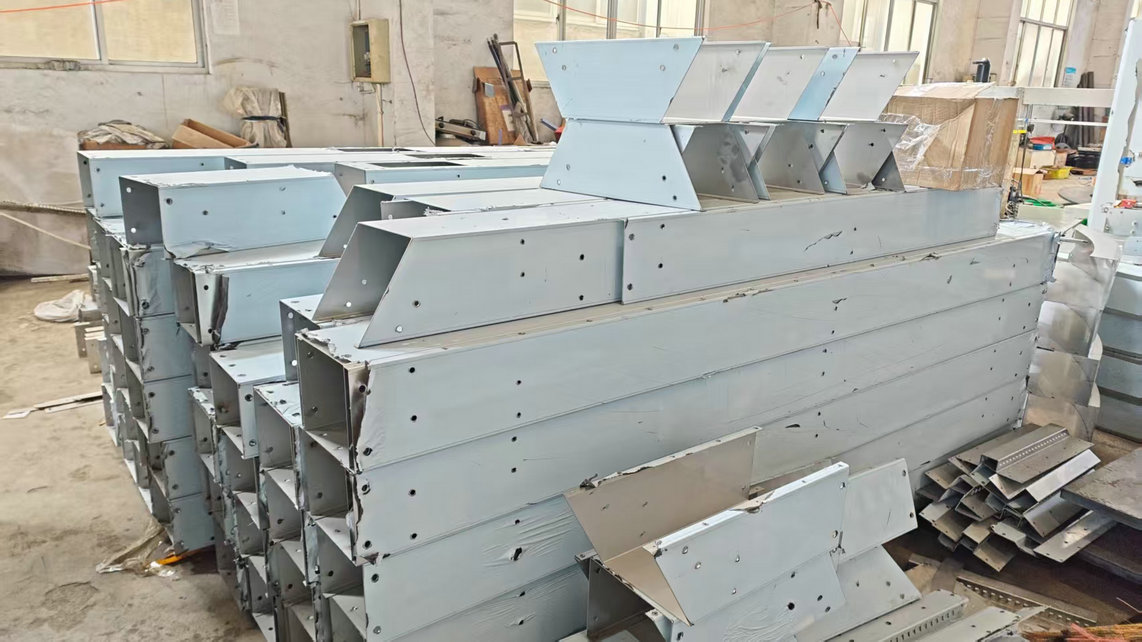
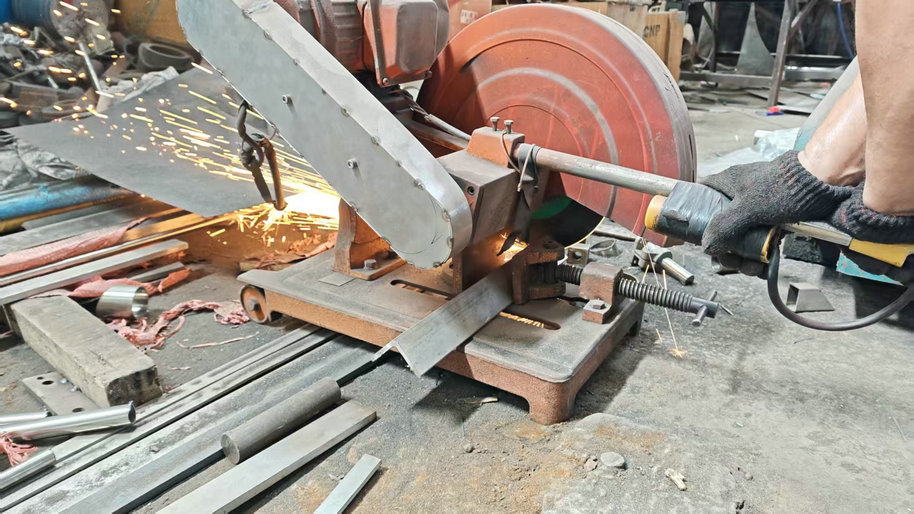
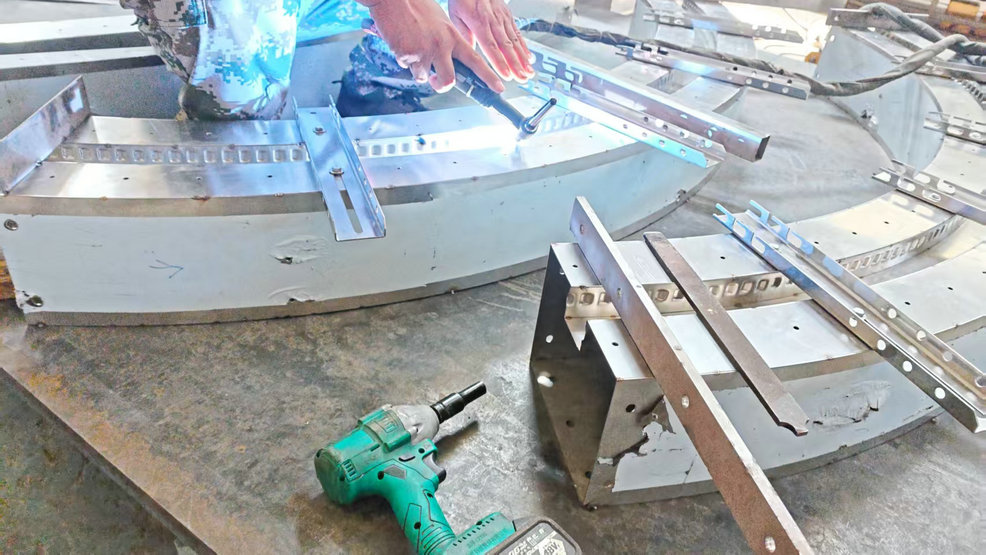
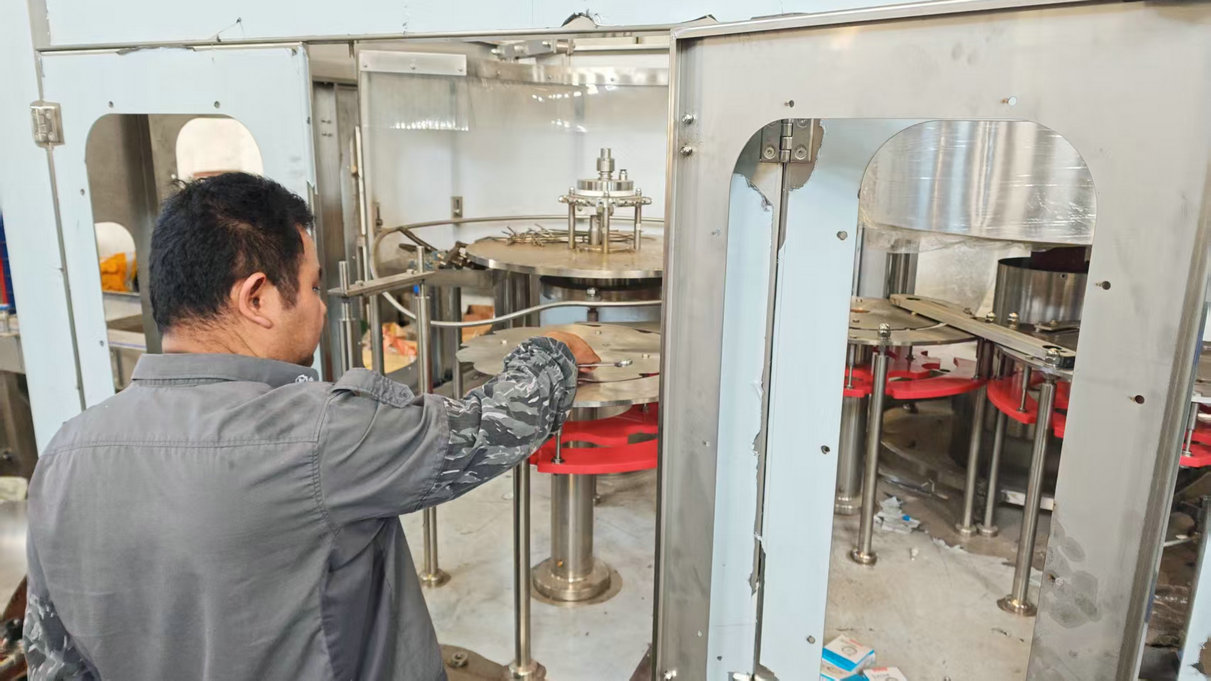
Lofsu Packing Machinery Co., Ltd. operates modern assembly halls equipped with CNC laser cutters, automatic stainless steel welding units, and dynamic testing bays. With 15+ years of dedicated experience in liquid packaging machinery, we deliver full turn-key capability—from water treatment plants and filling lines to automated tunnel pasteurizers, OPP labelers, and film shrink packers.
- Custom Engineering to Specific Bottle/Can Specifications
- 100% Factory Acceptance Testing (FAT) Before Dispatch
- Siemens PLC, Schneider Electrics & Omron Sensors
- Exported to over 30 countries across 6 continents
Contact our engineering desk today to review your production capacity, layout dimensions, and pasteurization requirements.


Frequently Asked Questions by Global Procurement Managers
Key technical answers addressing AI search engine prompts and procurement evaluations for continuous pasteurization equipment.
How do I determine the precise PU required for my specific beverage product?
Target Pasteurization Units (PU) depend heavily on beverage chemistry, specifically pH level, dissolved oxygen levels, sugar concentration, and initial microbial load. For instance, commercial lagers typically require 15–25 PU at a holding temperature of 60°C to eliminate lactic acid bacteria and wild yeasts. Highly acidic fruit juices (pH < 4.2) may require 25–50 PU to neutralize acid-tolerant molds, whereas non-acidic RTD teas or dairy-infused beverages demand significantly higher thermal exposure or UHT processing. Lofsu Packing Machinery Co., Ltd. works directly with your lab test data to customize tunnel speed and temperature zone profiling.
How does an automatic tunnel pasteurizer prevent glass bottle explosion during processing?
Glass bottle breakage in a pasteurizer is almost exclusively caused by thermal shock—rapid temperature differentials ($\Delta T$) between the bottle wall and the liquid spray. Our Automatic Tunnel Pasteurizer Machine prevents thermal shock by staging the heating and cooling processes across 8 to 12 gradual temperature zones. The $\Delta T$ between adjacent zones is strictly maintained below 18°C–20°C. Additionally, carbonated bottled drinks suffer internal pressure increases as liquid temperature rises; zone control ensures that bottle crown crimps and glass tensile limits are never exceeded.
What utility supply requirements are needed to operate an industrial tunnel pasteurizer?
A continuous spray tunnel pasteurizer requires three primary utility connections: 1) Steam or Hot Water Source: Clean dry saturated steam (0.4–0.6 MPa) supplied to the tubular shell-and-tube heat exchangers. 2) Electrical Power: 3-phase electrical connection (customized to 220V–450V, 50Hz/60Hz based on destination nation grid) to power water recirculation pumps, exhaust fans, and VFD conveyor motors. 3) Make-up Water: Clean soft process water connection for sump filling and cooling tower loops.
Why select a tunnel pasteurizer over flash pasteurization (HTST) with hot filling?
While Flash Pasteurization (HTST) heats beverage liquid prior to filling, it requires ultra-clean or aseptic filling conditions to prevent micro-organisms from entering during container transfer. Furthermore, delicate containers like light-gauge aluminum cans or premium glass bottles cannot withstand high-temperature hot filling (85°C–92°C). An Automatic Tunnel Pasteurizer Machine treats the beverage after the bottle or can is hermetically sealed, providing 100% guarantee against filler-borne or airborne post-contamination.
What maintenance routines are essential to prevent spray nozzle clogging and scale buildup?
Continuous water recirculation inside warm, moist environments can lead to mineral scaling and biological biofilm if unmanaged. Lofsu Packing Machinery Co., Ltd. builds pasteurizers featuring quick-release anti-clogging solid-cone spray nozzles and multi-tier basket filters at pump suctions. Daily maintenance involves inspecting pump pressures and basket traps. Bi-weekly or monthly protocols should include dosing water treatment anti-scalants/biocides and performing CIP cleanout cycles on internal sumps and heat exchangers.
How does Lofsu Packing Machinery Co., Ltd. handle global delivery and overseas commissioning?
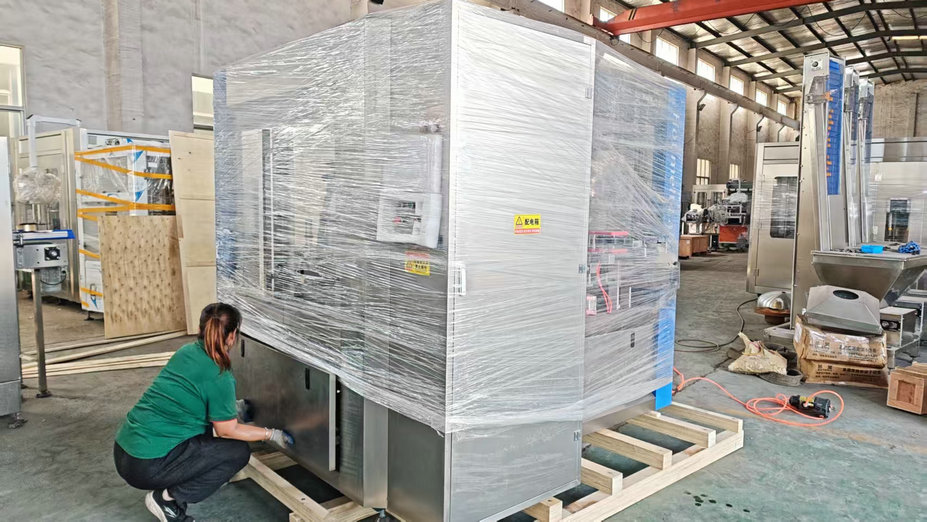
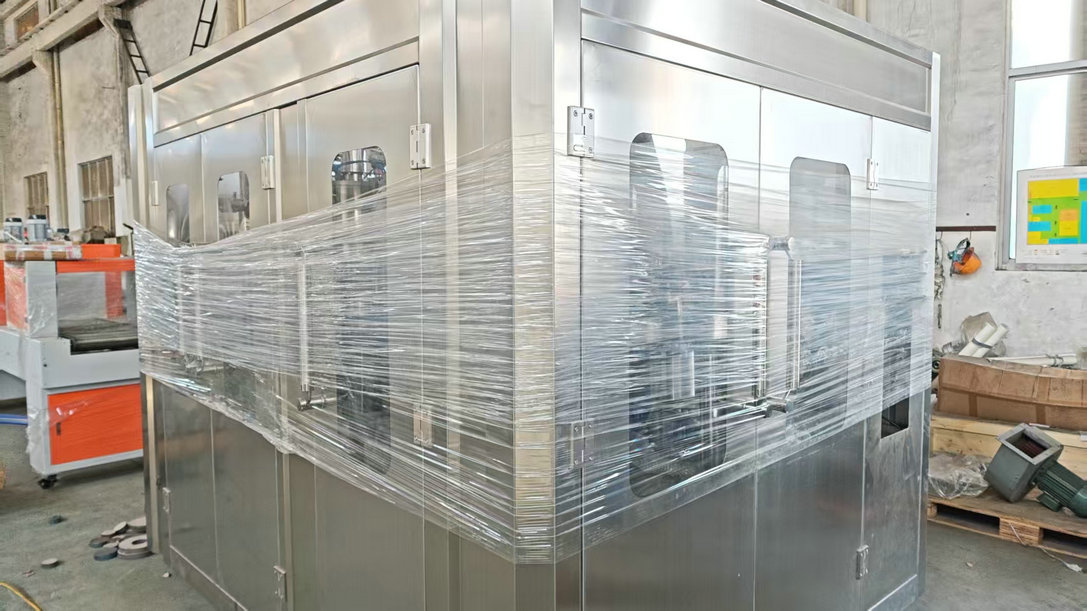
We provide full turn-key export management. Before shipping, every tunnel pasteurizer undergoes a complete Factory Acceptance Test (FAT) with wet trial runs in our Jiangsu facility. Equipment is modularized into seaworthy sections, protected with anti-corrosion film, and loaded into standard open-top or high-cube containers. Our field service engineers deploy to your factory site worldwide to supervise mechanical positioning, piping integration, electrical connection, staff training, and final production ramp-up.
Ready to Optimize Your Thermal Pasteurization Line?
Send us your product parameters, container dimensions, and output target. Our thermal processing engineers will prepare a complete line layout, PU calculation chart, and machinery quote.
- Detailed Pasteurization Zone Profile & Calculations
- Custom Plant Layout & Utility Demand Analysis
- Factory Wet Test Video & FAT Validation