Industrial UHT Plate Sterilizer Engineering Guide: Thermal Efficiency, Intent Mining & Aseptic Systems Evaluation
How global beverage manufacturers, commercial dairy processors, and contract copackers calculate thermal FO values, reduce operational steam consumption by up to 92%, prevent cross-contamination, and select robust Industrial UHT Plate Sterilizer configurations.
Product Recommendation: High-Efficiency Industrial UHT Plate Sterilizer Systems
Engineered by Lofsu Packing Machinery Co., Ltd. for high-throughput continuous thermal processing of low-to-medium viscosity liquids.
In modern high-speed liquid food and beverage manufacturing, the Industrial UHT Plate Sterilizer represents the thermal heart of the production facility. Designed to deliver continuous Ultra-High Temperature (UHT) thermal treatment ranging from 110°C up to 140°C with holding times between 4 to 15 seconds, these continuous pasteurization and sterilization plants effectively eliminate micro-organisms, heat-resistant bacterial spores, and enzymatic catalysts. This precise heat treatment extends product shelf life up to 12 months at ambient room temperature while preserving delicate nutritional compounds, natural fruit color, and fresh organoleptic flavor profiles.
Lofsu Packing Machinery Co., Ltd. engineers multi-section plate thermal sterilizers specifically configured for clarified fruit juices, tea infusions, functional vitamin waters, plant-based beverages (soy milk, almond milk, oat milk), reconstituted dairy products, and ESL (Extended Shelf Life) milk products. By pairing micro-corrugated chevron stainless steel plates with automated pressure differential management and Siemens S7 PLC automation, Lofsu delivers continuous thermal stability with minimal thermal stress on sensitive liquid matrixes.
Information Gain: Why Choose Plate UHT Over Tubular Thermal Systems?
While tubular sterilizers handle high-viscosity pastes with large fibers, an Industrial UHT Plate Sterilizer provides significantly higher heat transfer coefficients (U-values up to 4,000–6,000 W/m²K) in a footprint 60% smaller than tubular arrays. The narrow corrugated fluid channels create intense turbulent flow even at low Reynolds numbers, enabling thermal recovery efficiency up to 92%. For low-viscosity drinks (under 300 cP), plate sterilizers deliver lower total cost of ownership (TCO), smaller steam boiler footprints, and faster thermal response times during CIP/SIP transitions.
Technical Specifications Matrix: Lofsu Industrial UHT Plate Sterilizer Range
Below are standard engineering configurations offered by Lofsu Packing Machinery Co., Ltd. custom-tailored to buyer plant capacities and container cold/hot filling thermal targets:
| Technical Parameter | Model LPS-3000 (3,000 L/h) | Model LPS-6000 (6,000 L/h) | Model LPS-12000 (12,000 L/h) |
|---|---|---|---|
| Nominal Flow Rate | 3,000 Liters / Hour | 6,000 Liters / Hour | 12,000 Liters / Hour |
| Sterilization Temperature | 110°C – 138°C (Adjustable) | 110°C – 140°C (Adjustable) | 110°C – 142°C (Adjustable) |
| Holding Duration | 4s, 15s, 30s (Custom Tube) | 4s, 15s, 30s (Custom Tube) | 4s, 15s, 30s (Custom Tube) |
| Thermal Heat Recovery Rate | 88% – 90% | 90% – 92% | 90% – 92% |
| Outlet Temperature Options | Cold Fill: 25°C / Hot Fill: 85°C | Cold Fill: 25°C / Hot Fill: 85°C | Cold Fill: 25°C / Hot Fill: 85°C |
| Wetted Material Grade | Sanitary AISI 316L Stainless Steel | Sanitary AISI 316L / Titanium | Sanitary AISI 316L / Titanium |
| Gasket Metallurgy / Material | Clip-on EPDM (FDA 21 CFR 177) | Clip-on EPDM / High-Temp FKM | Clip-on EPDM / High-Temp FKM |
| Control System Interface | Siemens S7-1200 + 7" Touchscreen | Siemens S7-1500 + 10" Touchscreen | Siemens S7-1500 + 15" Touchscreen |
| Steam Pressure Requirement | 0.4 – 0.6 MPa (Clean Dry Steam) | 0.5 – 0.7 MPa (Clean Dry Steam) | 0.6 – 0.8 MPa (Clean Dry Steam) |
| Booster Pump Pressure Rating | 0.6 MPa Positive Differential | 0.8 MPa Positive Differential | 1.0 MPa Positive Differential |
Manufacturing Strength & E-E-A-T Quality Commitment
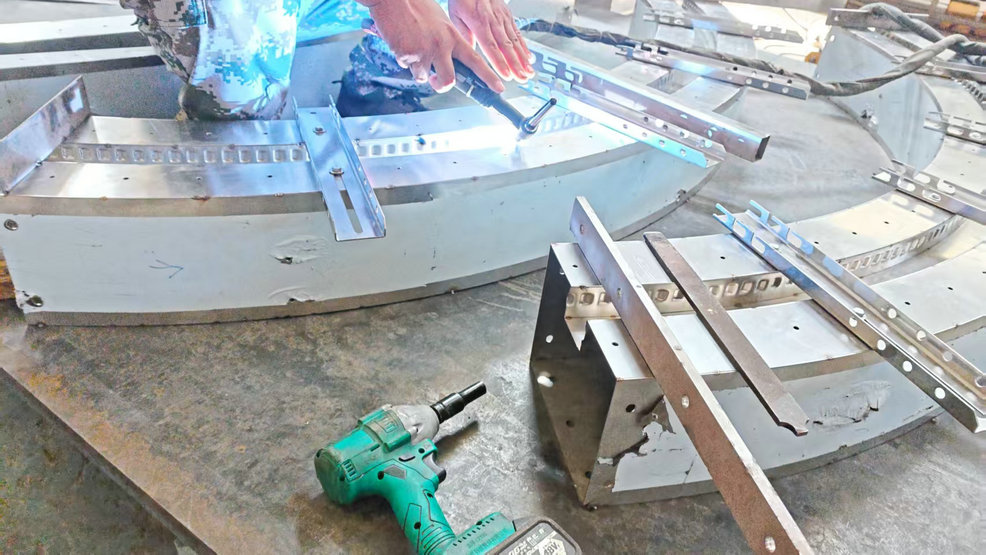
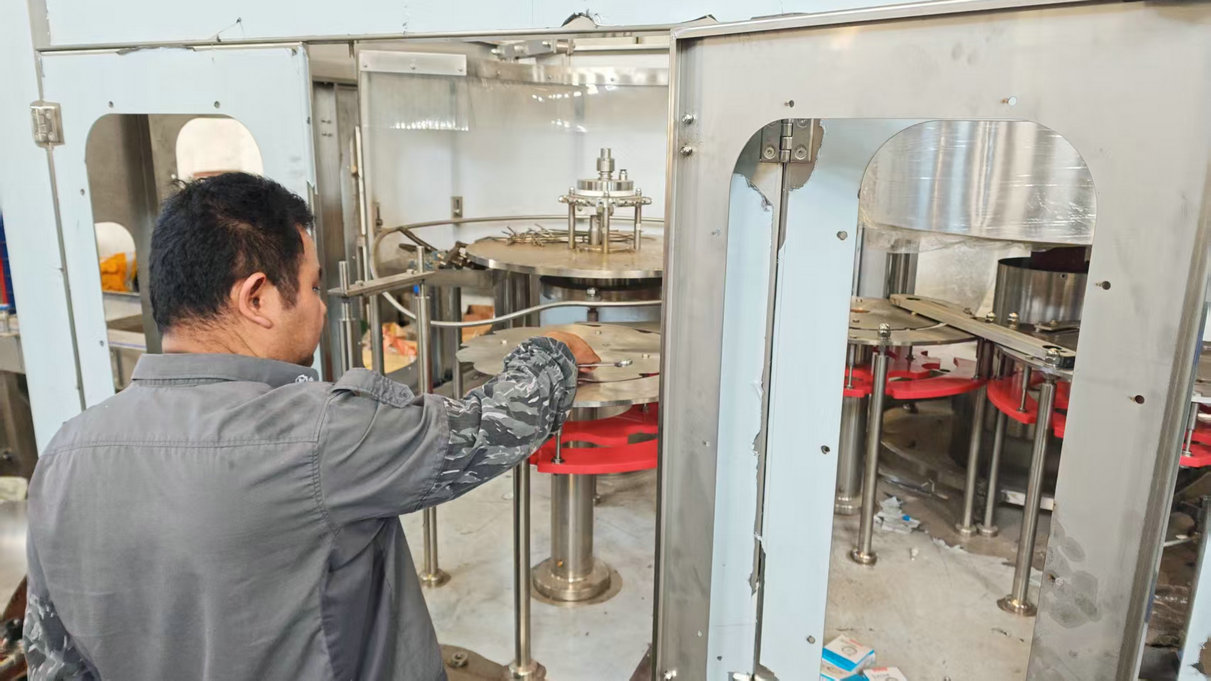
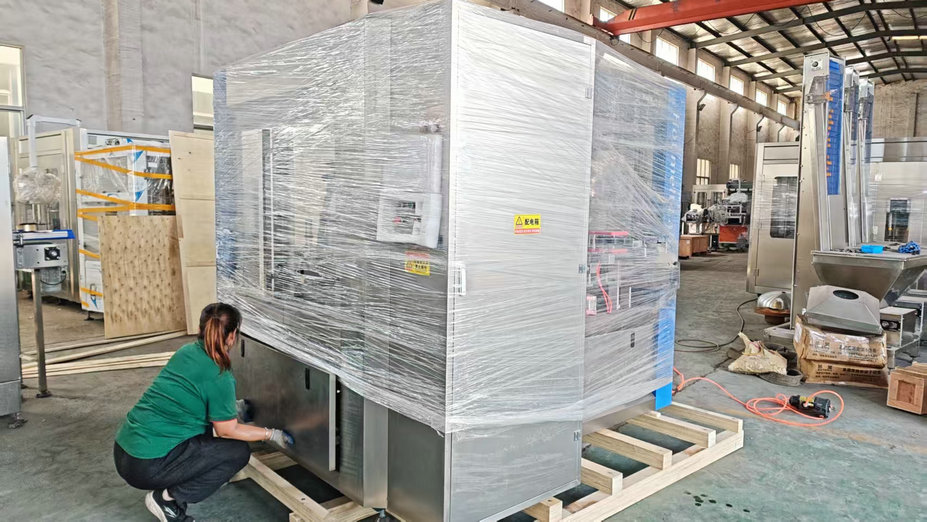
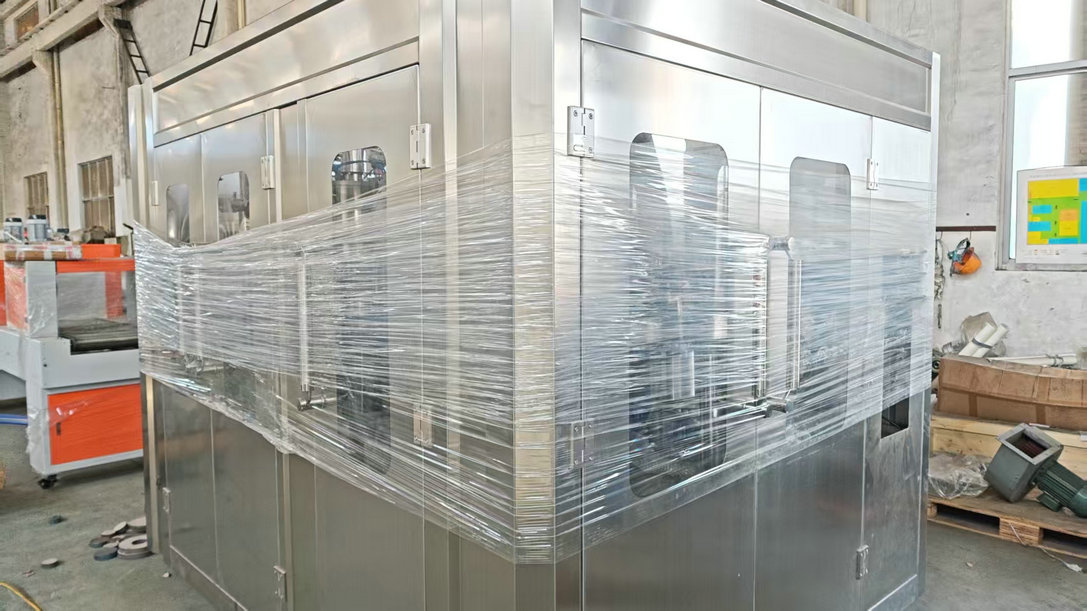
Real images and verified capabilities from Lofsu Packing Machinery Co., Ltd.’s state-of-the-art production base in Zhangjiagang, Jiangsu.
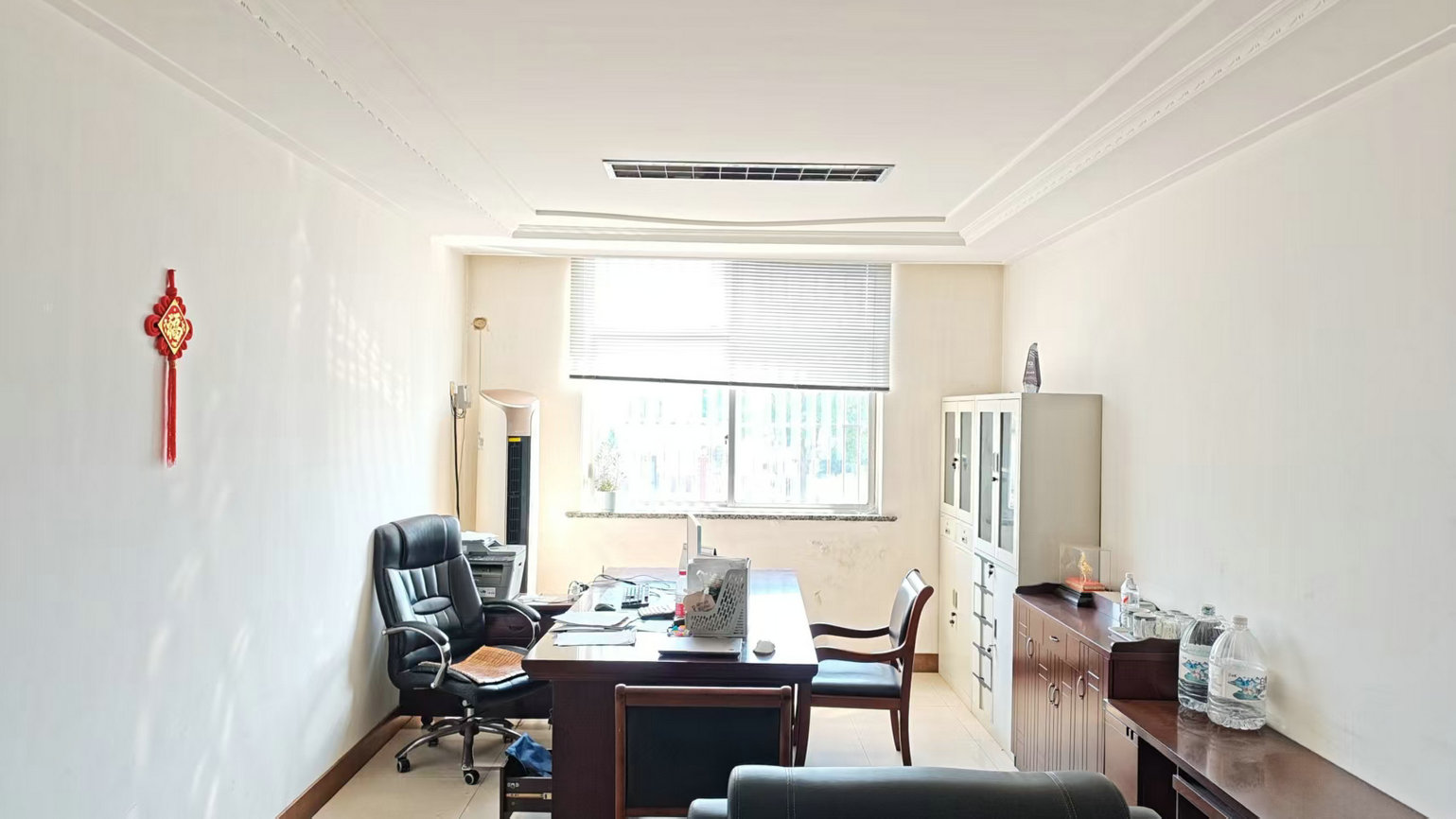
Engineering Rigor Backed by ISO 9001 & CE Certification
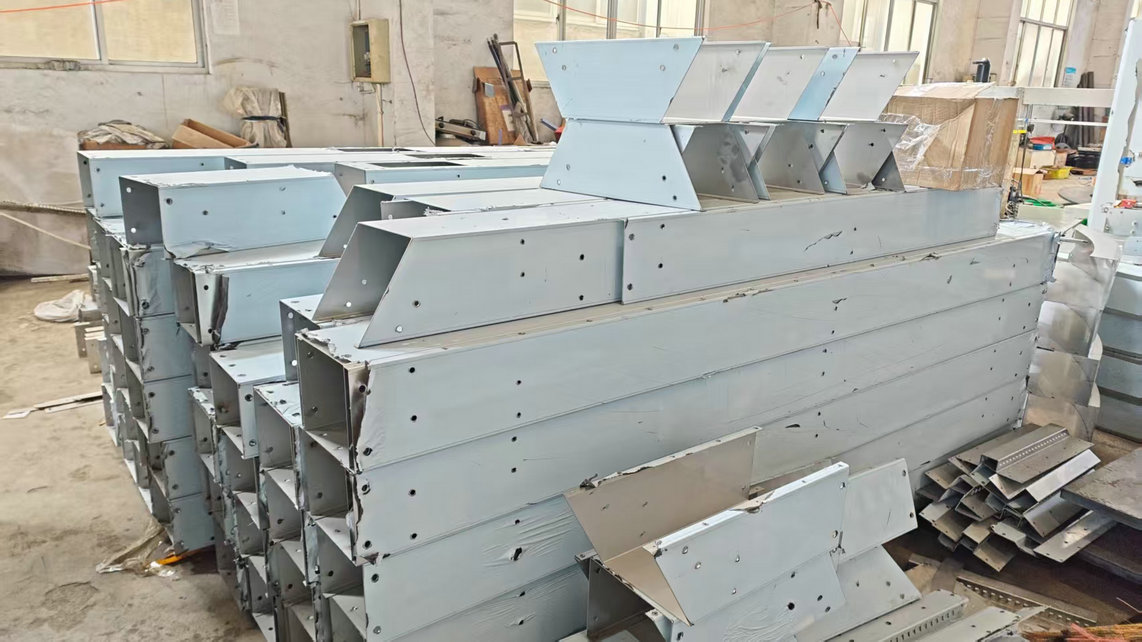
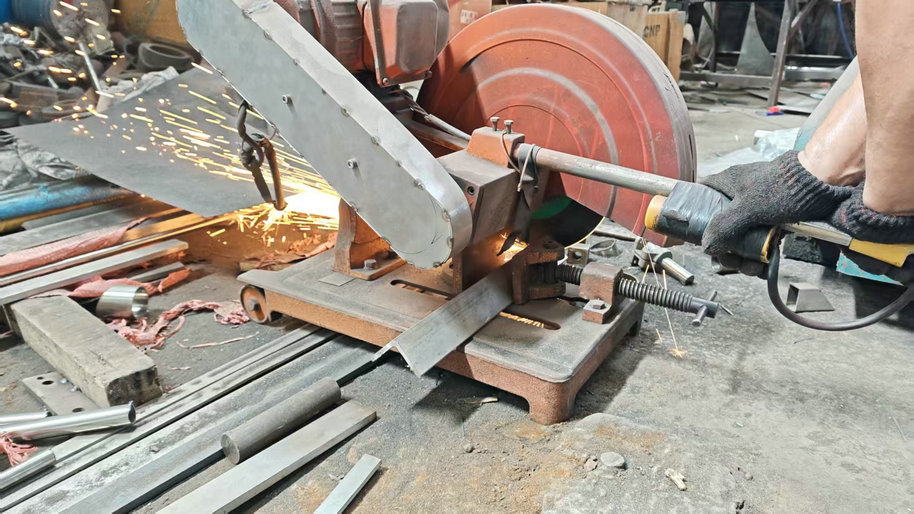
Founded in 2010, Lofsu Packing Machinery Co., Ltd. has established itself as an authoritative global manufacturer of turnkey liquid filling lines, high-pressure processing equipment, and Industrial UHT Plate Sterilizers. Situated in Zhangjiagang, Jiangsu, China's premier beverage machinery engineering hub, our 3,000 m² audit-verified manufacturing facility houses heavy-duty CNC machining centers, automated orbital TIG welding rigs, laser sheet metal cutting, and dedicated hydraulic pressure testing benches.
Every industrial sterilizer leaves our factory floor after undergoing a rigorous Factory Acceptance Test (FAT). We test complete thermal cycles using client product samples or liquid proxies to verify sterilization Fo values, backpressure regulation stability, flow balancing valve responsiveness, and zero-leakage frame tightness under maximum operating pressures.
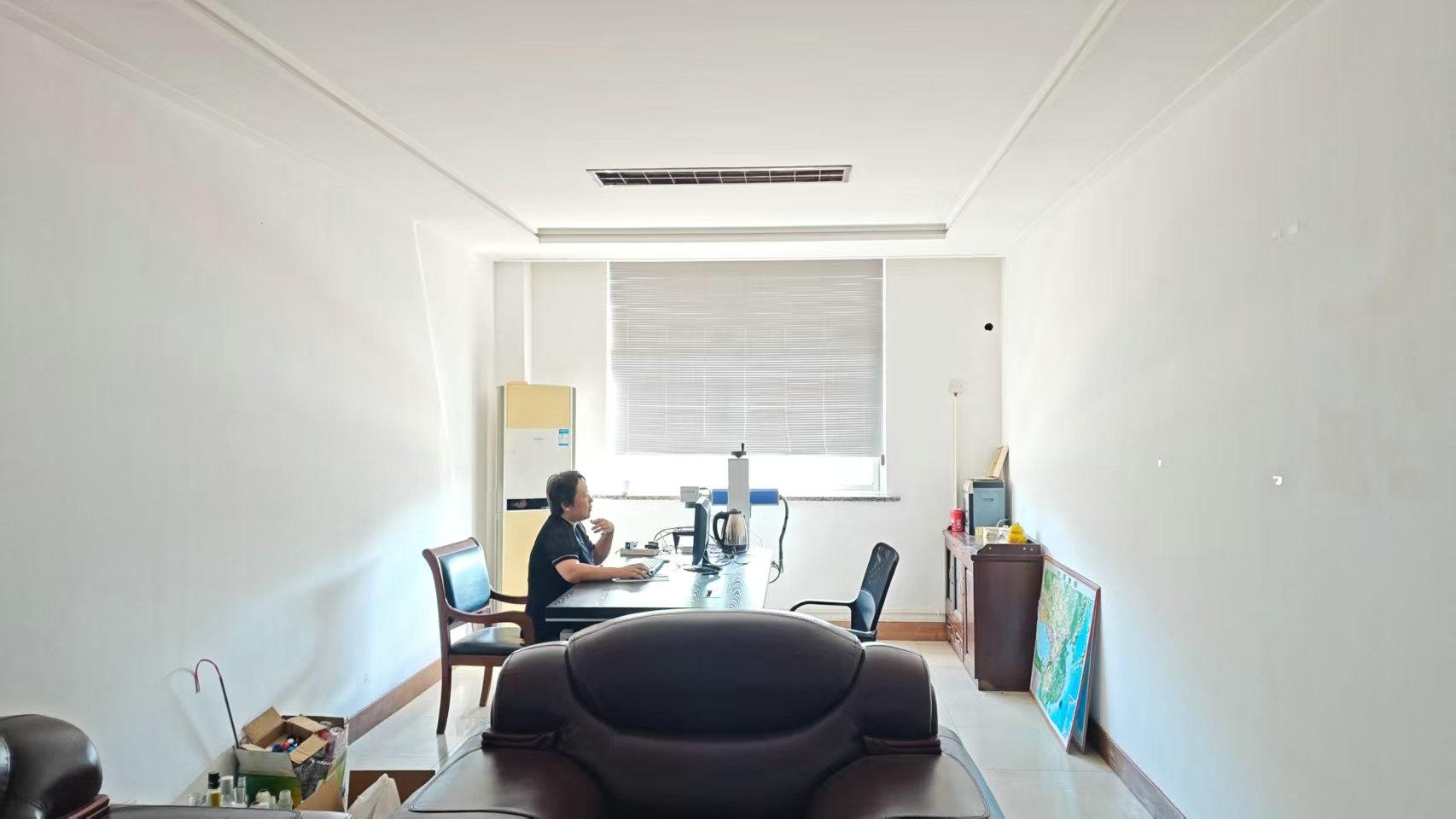
Production Floor, Workshop Assemblies & Export Verification
Inspect our engineering infrastructure, precision component fabrication, and international quality documentation.

Future Procurement Trends in Industrial UHT Thermal Processing Equipment
Key economic, regulatory, and technological vectors shaping how B2B procurement leaders evaluate UHT sterilizers over the next decade.
As global energy volatility increases and consumer demand shifts toward preservative-free, clean-label beverages, procurement managers and plant operations directors are re-evaluating their capital equipment investment strategies. Purchasing decisions are moving away from simple initial purchase price (CapEx) toward comprehensive Total Cost of Ownership (TCO) models. The modern buyer evaluates an Industrial UHT Plate Sterilizer across four critical purchasing vectors:
1. Maximizing Thermal Regeneration & Decarbonized Heat Integration
Steam production accounts for up to 60% of thermal processing operating costs. Advanced procurement teams now demand multi-section heat regeneration arrangements capable of recovering 90% to 92% of sensible heat. By transferring thermal energy directly from outgoing 138°C sterilized product to incoming 15°C raw feed product, boiler steam requirements drop by over 45% compared to older 75% recovery systems. Furthermore, modern plate sterilizers are being designed to integrate with high-temperature industrial heat pumps and electric reboilers, helping food companies achieve net-zero carbon goals.
2. Transition to Predictive Maintenance & IIoT Pressure Differential Monitoring
Unscheduled thermal shut-downs caused by severe plate fouling or gasket failure lead to product loss and costly sanitation delays. Today's smart procurement specifiers select UHT plants equipped with continuous differential pressure transmitters across each plate zone. Digital twins and AI predictive maintenance algorithms track real-time friction coefficient increases across the plate pack, alerting operators to initiate scheduled CIP backwashes *before* fouling causes channel flow blockage or thermal deviation.
Technical Deep-Dive: Positive Differential Pressure Safety Systems
To guarantee zero cross-contamination under strict ISO 22000 and FDA 21 CFR rules, Lofsu integrates an automated booster pump situated after the holding section. This booster pump maintains the sterile product side at a pressure minimum 0.5 to 1.0 bar HIGHER than the raw feed product side and utility cooling water circuits. In the unlikely event of a plate pinhole fatigue fracture, sterile product leaks OUTWARD into the unsterilized product channel rather than non-sterile liquid entering the sterile stream, maintaining absolute microbiological integrity.
3. Multi-Product Operational Agility & Rapid Product Switchovers
Modern copacking plants require equipment capable of running high-acid clear fruit juice (pH < 4.6) in the morning, followed by low-acid plant-based oat milk or ESL dairy (pH > 4.6) in the afternoon. Future-proof procurement requires Industrial UHT Plate Sterilizers engineered with multi-holding tube loops, variable speed inverter-driven positive displacement feed pumps, and dual-mode automated temperature profiles that allow rapid recipe changes on HMI touchscreens with minimal inter-product water flushing volume.
Key Technology & Development Trends in Plate Sterilizer Design
How metallurgy, fluid dynamics modeling, and hygienic automation are transforming industrial pasteurization and UHT processing.
Advanced Plate Corrugation Geometry
Traditional chevron corrugated patterns are giving way to micro-grooved, asymmetrical herringbone plate patterns. Optimized CFD (Computational Fluid Dynamics) modeling eliminates stagnant fluid dead-zones, promotes uniform wall shear stress, and reduces organic protein/calcium fouling build-up by 35%, significantly extending operational continuous run times between CIP cycles.
Glue-Free Snap-In Gasket Engineering
Older glued elastomer gaskets required hours of chemical solvent removal during routine maintenance. Modern Lofsu Industrial UHT Plate Sterilizers feature tool-less, clip-on EPDM/FKM gasket systems. Gasket replacement during annual maintenance overhauls takes 70% less downtime, while offering superior resistance to aggressive 85°C caustic soda and nitric acid CIP wash solutions.
Integrated Deaeration & Homogenization
To prevent oxidation, preserve Vitamin C, and eliminate foaming during high-speed filling, modern plate UHT sterilizers are fully integrated with vacuum deaeration modules and two-stage aseptic homogenizers. Downstream aseptic homogenizer placement guarantees fat globule micronization (under 1 micron) for rich mouthfeel without risk of re-contamination.
Fully Automated SIP & Self-Diagnostic Divert Valves
If thermal sensors detect a temperature drop of even 0.2°C below setpoint in the holding tube, automated 3-way pneumatic flow diversion valves instantaneously divert product back to the balance tank within 0.5 seconds. Fully automated SIP superheated water cycles (121°C–130°C for 30 min) ensure sterile piping compliance before any product enters the plant.
Need technical help selecting the correct holding tube length, plate surface area, or steam valve configuration for your plant?
Speak With a Lofsu Thermal EngineerIndustrial UHT Plate Sterilizer Procurement FAQ
Expert engineering answers to the most common questions asked by global beverage procurement directors and plant engineers when sourcing thermal processing systems.
What is an Industrial UHT Plate Sterilizer and how does it achieve ultra-high temperature sterilization?
An Industrial UHT Plate Sterilizer is a continuous thermal processing plant engineered to rapidly heat liquid foods (such as clear juice, tea, dairy, and plant milks) to ultra-high temperatures (110°C to 140°C) for a precisely controlled holding duration (usually 4 to 15 seconds) inside insulated holding tubes. The rapid heating and rapid cooling are achieved using multi-section corrugated stainless steel plate heat exchangers. By subjecting micro-organisms and heat-resistant bacterial spores to extreme temperature for a very short duration, the system achieves commercial sterility (Fo value compliance) while preserving fresh flavor, color, and nutritional vitamins far better than batch retort autoclaves.
What liquid viscosity range is best suited for plate UHT sterilizers vs. tubular UHT sterilizers?
Industrial UHT Plate Sterilizers are optimal for low-to-medium viscosity liquids under 250–300 centipoise (cP) with zero or very low particulate size (particles under 0.5mm). Ideal products include clarified apple/grape juice, orange juice with minimal fine cells, black and green tea, functional waters, soy milk, coconut water, reconstituted milk, and ESL dairy. If your product line contains thick pulp, fruit fibers, tomato paste, or high viscosity sauces (above 500 cP), a tubular sterilizer or scraped-surface heat exchanger is recommended to prevent narrow plate channel clogging and excessive pressure drops.
How does heat regeneration work in a Lofsu Industrial UHT Plate Sterilizer to lower plant operating costs?
Lofsu UHT plate sterilizers utilize multi-section plate pack designs incorporating dedicated heat regeneration sections. In these sections, cold incoming raw liquid (e.g., entering at 15°C) flows directly counter-current against hot outgoing sterilized liquid (e.g., leaving the holding tube at 138°C). The thermal energy transfers through the thin AISI 316L plates, pre-heating incoming feed to ~115°C while pre-cooling sterilized product to ~38°C. This closed-loop recovery achieves 88% to 92% thermal regeneration efficiency, drastically minimizing steam boiler output and reduced chiller refrigeration loads.
How does the machine prevent cross-contamination between unsterilized raw feed and pasteurized product?
Lofsu prevents cross-contamination by integrating an automated hygienic booster pump after the holding section. This pump maintains a positive pressure differential, forcing the sterilized product side to operate at 0.5 to 1.0 bar higher pressure than both the raw incoming feed product section and the cooling utility water section. If a mechanical gasket micro-leak or plate defect ever occurs, sterile product will leak outward into the raw product channel rather than unsterilized fluid penetrating the sterile product stream, guaranteeing strict HACCP and FDA 21 CFR biological compliance.
What automated CIP and SIP capabilities are integrated into Lofsu UHT sterilizers?
Every Lofsu Industrial UHT Plate Sterilizer comes integrated with fully automated Clean-In-Place (CIP) and Sterilization-In-Place (SIP) automation routines managed by Siemens PLC logic. The CIP process automatically routes hot water pre-rinses, 80°C–85°C sodium hydroxide (caustic) wash cycles to remove organic fats and proteins, intermediate water rinses, and 65°C–70°C nitric acid wash cycles to dissolve mineral milk-stone or calcium deposits. The SIP process circulates pressurized superheated water at 121°C–130°C through all product piping, holding tubes, and filling valve interfaces for 30 minutes to guarantee complete system sterility before production startup.
What utility supply connections are required to install a continuous plate sterilizer line?
To commission a Lofsu Industrial UHT Plate Sterilizer, your factory site requires four primary utility supply lines: 1) Clean Dry Industrial Steam (0.5 to 0.8 MPa) supplied from a steam boiler; 2) Cooling Utility Water (chilled glycol water at 2°C–4°C or cooling tower water at 20°C depending on cold/hot fill requirements); 3) Compressed Instrument Air (0.6–0.8 MPa oil-free dry air) to actuate pneumatic sanitary valves; and 4) Electrical Power Supply (standard 380V–440V, 3-phase, 50/60Hz configured to match your destination national grid).
Looking for an Industrial UHT Plate Sterilizer Tailored to Your Production Goals?
Contact the engineering team at Lofsu Packing Machinery Co., Ltd. Send us your hourly liquid output target, beverage viscosity profile, container type, and thermal processing requirements for a complete engineering quote and floorplan layout.
- Direct consultation with senior thermal process engineers
- Custom P&ID drawings, energy balance calculations & line CAD layouts
- Comprehensive Factory Acceptance Testing (FAT) with product validation