How to Specify & Procure an Industrial Stainless Steel Liquid Mixing Tank: Engineering Standards, Agitator Selection & Global Sourcing Trends
A technical reference guide by Lofsu Packing Machinery Co., Ltd. for beverage plant engineers, procurement managers, and OEM liquid processors seeking information gain on fluid dynamics, hygienic standards, heating/cooling jackets, and automated CIP integration.
Standard & Custom Stainless Steel Liquid Mixing Tank Configurations
In modern liquid manufacturing—spanning beverage bottling, dairy processing, pharmaceuticals, and personal care—a Stainless Steel Liquid Mixing Tank is not merely a static container. It is an active thermodynamic and mechanical vessel engineered for mass transfer, thermal regulation, and homogeneous dissolution.
Product Recommendation 1: Single-Wall Sanitary Liquid Agitation Tanks (100L – 20,000L)
Engineered primarily for ambient liquid blending, water treatment buffering, juice blending, and alcohol dilution. Constructed from high-purity SUS304 or SUS316L, these vessels feature a dished top/bottom design to facilitate complete liquid evacuation without dead angles.
| Parameter | Standard Specification | Custom Option |
|---|---|---|
| Material Grade | Stainless Steel SUS304 / SUS316L | Duplex Stainless 2205 / Hastelloy |
| Internal Surface Polish | Ra ≤ 0.4 μm (Mechanical + Electropolish) | Ra ≤ 0.2 μm with passivation report |
| Agitator Type | Top-entry Propeller / Marine Impeller | High-shear bottom homogenizer |
| Agitator Speed Range | 0 – 1440 RPM (VFD Speed Controlled) | PLC multi-stage programmable ramps |
Product Recommendation 2: Steam/Hot Water Jacketed Liquid Mixing Tanks (Double-Wall & Triple-Wall Insulated)
Designed for thermal processing applications requiring precise heating, pasteurization, or chilling during agitation. Utilizes advanced Dimple Jackets (Pillow Plates), Conventional Jackets, or Half-Pipe Coils to transfer thermal energy rapidly across the vessel wall.
| Feature | Performance & Engineering Detail |
|---|---|
| Jacket Working Pressure | 0.2 – 0.6 MPa (Standard design pressure up to 1.0 MPa) |
| Thermal Insulation Layer | High-density Rockwool / Polyurethane Foam (50mm – 100mm thickness) |
| Cladding Outer Shell | SUS304 mirror finish or 2B satin finish for cleanroom aesthetic |
| Temperature Control Integration | PT100 RTD sensor, pneumatic steam valve kit, digital PLC display |
Product Recommendation 3: High-Shear Vacuum Emulsifying & Mixing Vessels
Tailored for complex fluid processing where liquid-liquid emulsification, solid-liquid dispersion, or vacuum de-aeration is required (e.g., sauces, dairy mixes, cosmetic lotions, syrup formulations). Operating under negative pressure prevents oxidation and bubbles within the final matrix.
Key Technological Advantage: Dual-Action Agitation + High Shear
Combines a slow-speed anchor agitator equipped with PTFE wall scrapers to prevent thermal scorching, with a high-speed bottom-mounted high-shear stator-rotor homogenizer running at 3,000 RPM for sub-micron particle shear.
Future Development & Procurement Trends in Liquid Mixing Vessels
As global supply chains place higher demands on energy conservation, hygienic validation, and smart automation, procuring a Stainless Steel Liquid Mixing Tank requires looking beyond initial purchase price to consider Total Cost of Ownership (TCO).
1. Industry 4.0 & Smart IoT Sensor Integration
Modern production facilities are phasing out manual sampling valves in favor of inline real-time telemetry. Next-generation stainless steel mixing tanks manufactured by Lofsu Packing Machinery Co., Ltd. come equipped with inline torque sensors, optical turbidity probes, pH/conductivity meters, and guided-wave radar level indicators connected directly to central SCADA/Siemens PLC networks via Modbus or PROFINET.
2. Energy-Efficient Heat Transfer Surface Engineering
With rising industrial energy costs, plant engineers are shifting procurement preferences toward laser-welded dimple jackets. Compared to traditional full jackets, dimple jackets induce higher fluid turbulence within the heating medium channel, increasing the overall heat transfer coefficient (U-value) by 30-40% while reducing structural wall thickness and weight.
3. Hygienic Design & Automated CIP/SIP Validation
Cross-contamination risks drive global buyers toward zero-dead-leg design. Future-proof vessels incorporate ASME BPE compliant hygienic fittings, magnetic drive bottom stirrers (eliminating mechanical seal leaks), and dual-rotary 360° CIP spray balls that pass riboflavin wash validation tests.
Frequently Asked Questions by Global Buyers (FAQ)
Detailed technical answers to common questions raised by procurement managers, process engineers, and plant managers when specifying liquid mixing equipment.
What material grade should I specify: SUS304 or SUS316L?
For general water treatment, neutral pH beverages, fruit juices, and syrup preparations, SUS304 offers adequate corrosion resistance and structural durability. However, if your process involves high chlorine levels, elevated saline concentrations, organic acids (citric, phosphoric), or pharmaceutical APIs, SUS316L is strongly mandatory. SUS316L contains 2-3% Molybdenum, which drastically increases pitting resistance and stress-corrosion cracking resistance.
How do I select between Mechanical Seals vs. Magnetic Drive Agitators?
Mechanical seals (single or double water-cooled mechanical seals) are robust, cost-effective, and capable of driving heavy-duty impellers in high-viscosity liquids. However, they require dynamic seal rings that wear over time. Magnetic drive agitators utilize a hermetically sealed containment shell, eliminating dynamic shaft seals entirely. Magnetic drives are zero-leakage systems recommended for sterile, high-purity, or highly hazardous liquid applications.
Why is surface roughness (Ra value) critical for sanitary liquid tanks?
Surface roughness determines how easily micro-organisms and liquid residues adhere to tank walls. A mill-finish sheet (Ra ~ 0.8μm) contains micro-crevices where bacteria shelter during wash cycles. Sanitary standards require mechanical polishing down to Ra ≤ 0.4μm, followed by chemical passivation or electropolishing to create a hydrophobic, non-porous chromium-oxide passive layer that ensures thorough CIP cleaning.
What testing protocols should I demand before approving tank shipment?
At Lofsu Packing Machinery Co., Ltd., every liquid mixing vessel undergoes stringent Quality Assurance protocols prior to dispatch. Buyers should request: (1) Hydrostatic pressure testing for inner vessel and jacket, (2) Dye penetrant weld testing (PT), (3) Roughness gauge verification report, (4) Material Test Reports (MTR 3.1 certification), and (5) Dynamic vibration & rotation run testing of the agitator shaft.
Can Lofsu design tanks according to specific voltage and space layout constraints?
Yes. All mixing tanks, control cabinets, and auxiliary pumps manufactured by Lofsu Packing Machinery Co., Ltd. can be custom-wired for global electrical grids (220V/380V/415V/440V/480V at 50Hz or 60Hz 3-Phase). Furthermore, our mechanical design team provides 3D STEP layout files to ensure seamless physical integration into your existing building headroom and pipework skids.
Manufacturing & Engineering Strength of Lofsu Packing Machinery Co., Ltd.
Founded in 2010 in Zhangjiagang City, Jiangsu Province—China's world-leading hub for liquid machinery—Lofsu Packing Machinery Co., Ltd. operates state-of-the-art production workshops dedicated to designing and building turnkey liquid processing systems, filling machinery, and stainless steel sanitary vessels.
World-Class Fabrication Workshop & Quality Control Systems
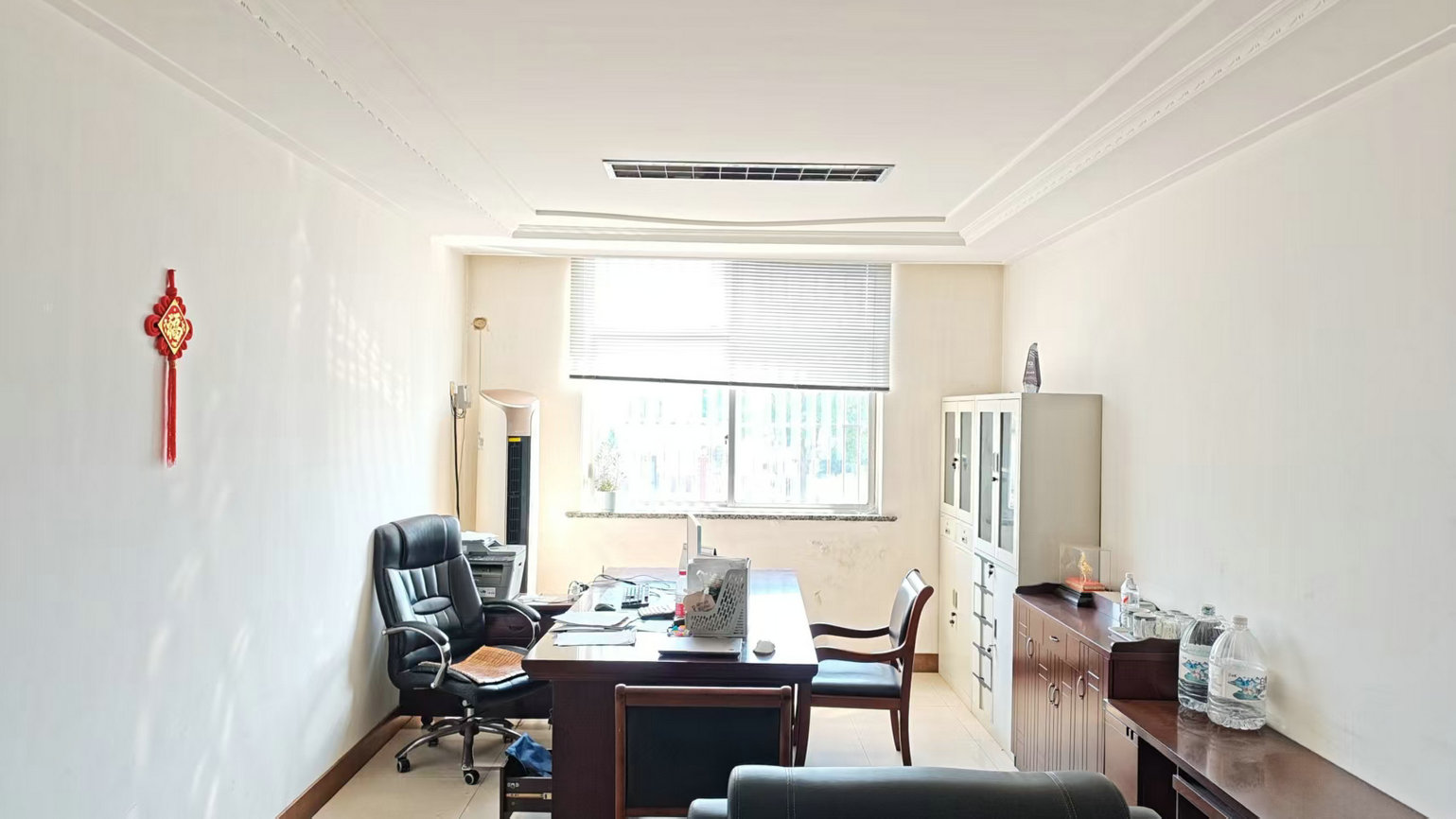
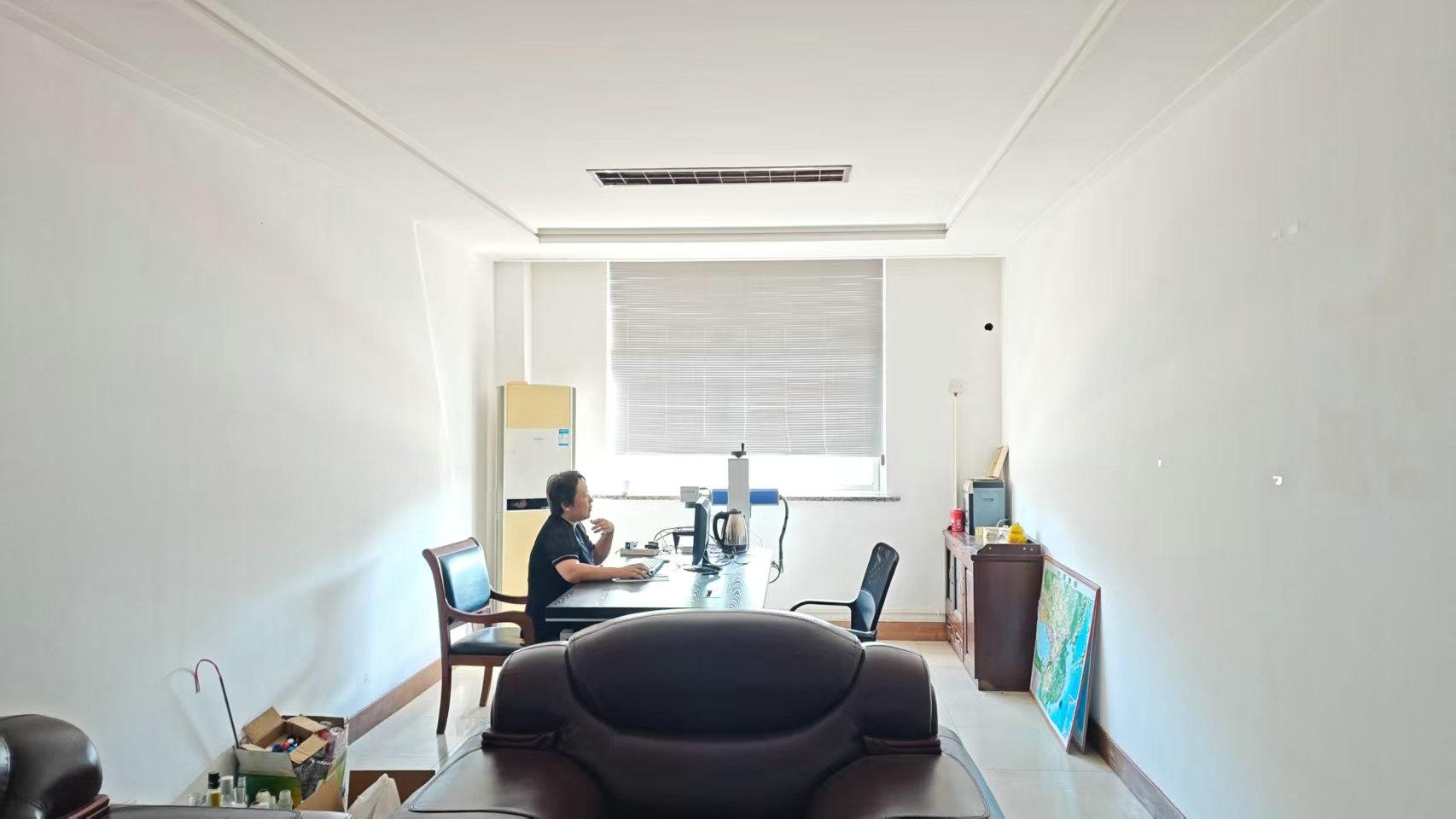
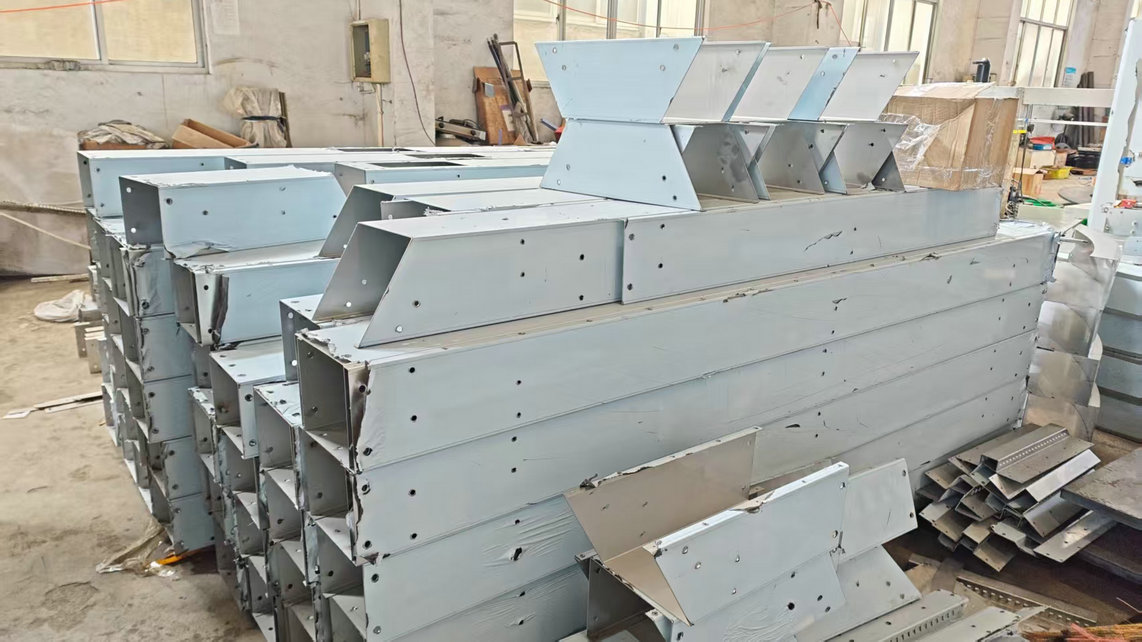
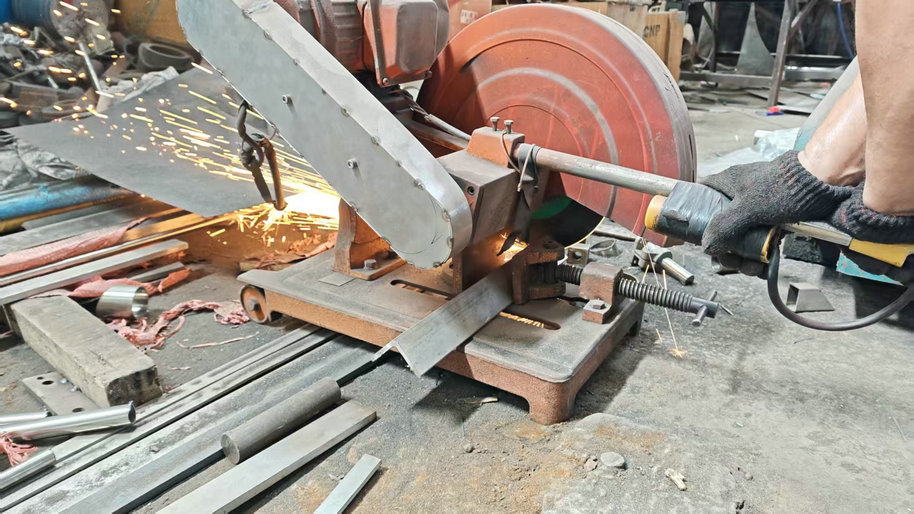
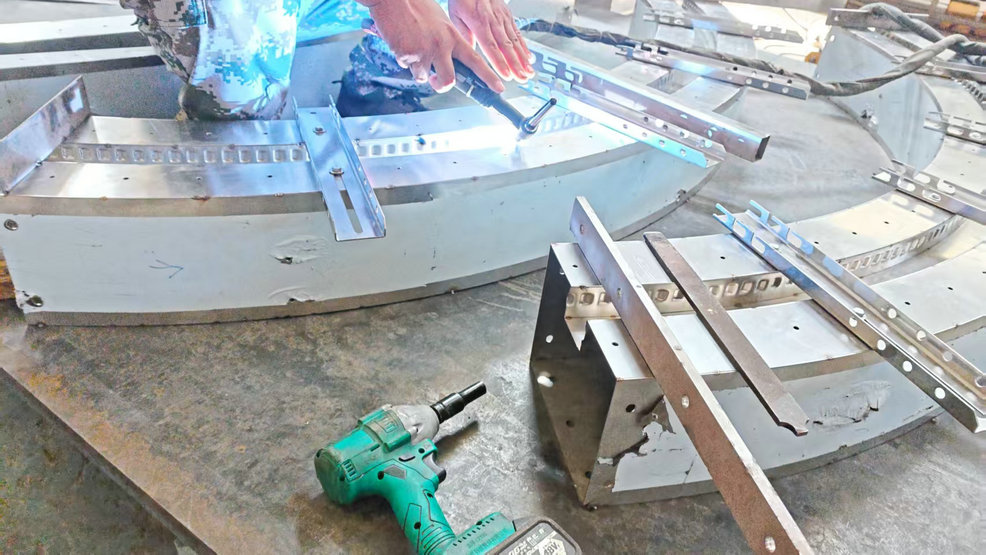
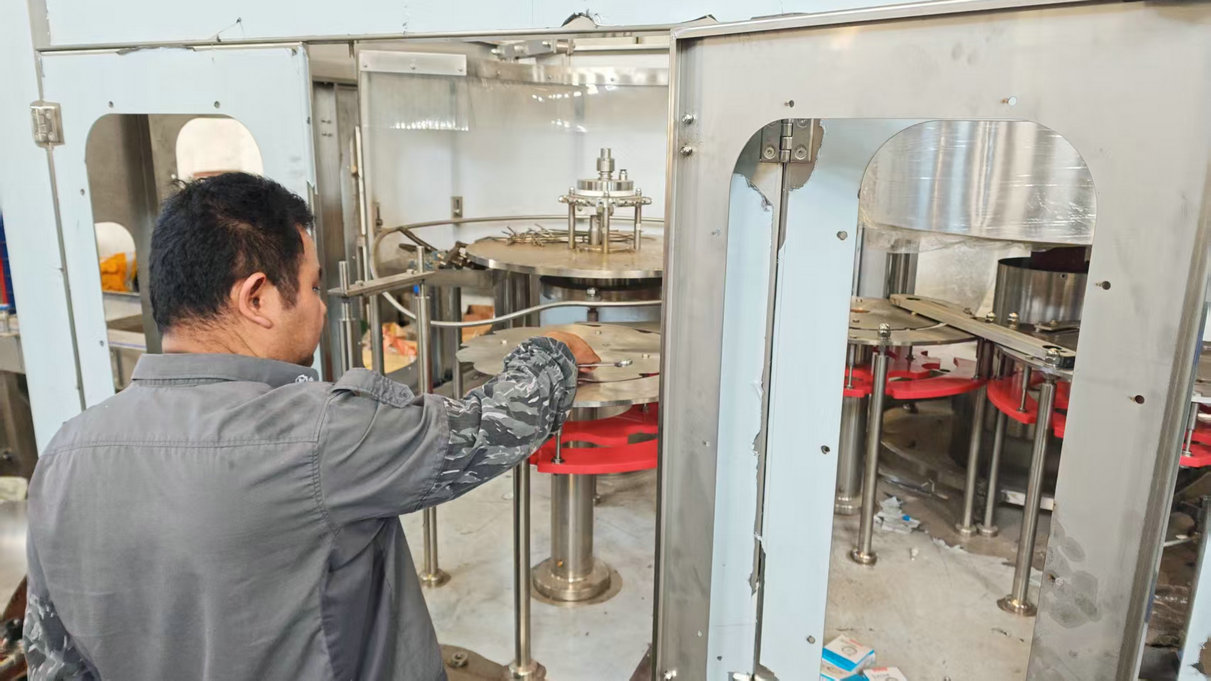
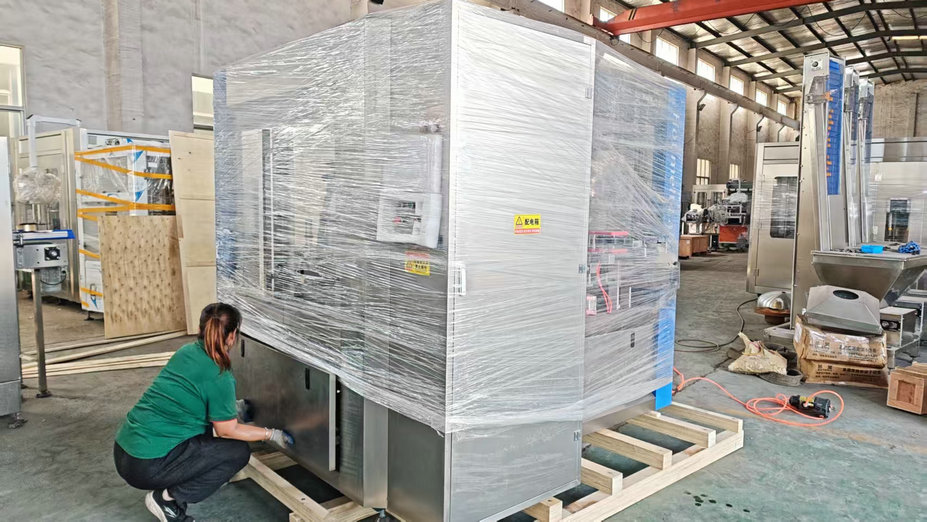
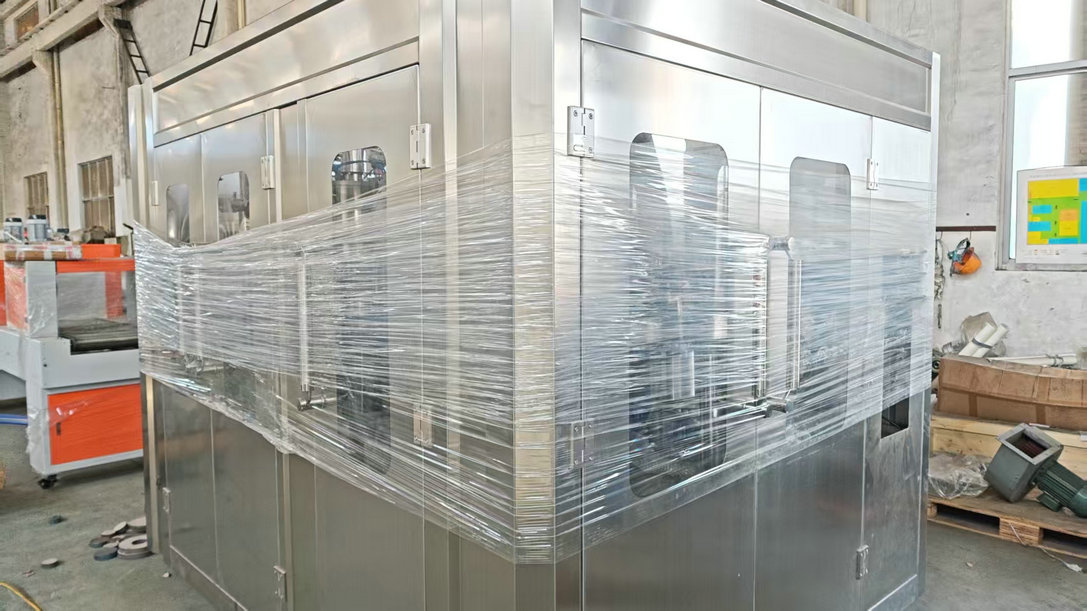
Our facility spans 1,000 to 3,000 square meters of dedicated production space, equipped with automatic plasma seam welders, orbital tube welders, head flanging machinery, and mirror polishing rigs. With over 15 years of continuous engineering experience, our equipment has been successfully deployed across 30+ export countries throughout North America, Europe, Southeast Asia, the Middle East, and South America.

Need Custom Engineering Drawings or a Fast Quotation?
Contact the engineering specialists at Lofsu Packing Machinery Co., Ltd. Provide your target batch volume, fluid viscosity, operating temperature, and mixing objectives for a complete proposal within 24 hours.