Automatic Wraparound Case Packer: Engineering Architecture, ROI Economics & Procurement Strategy
Why modern beverage plants are phasing out traditional slotted RSC cartons in favor of continuous-motion wraparound case packing systems. Discover how Lofsu Packing Machinery Co., Ltd. delivers engineered reliability, 18%+ cardboard material savings, and high-speed box stability.
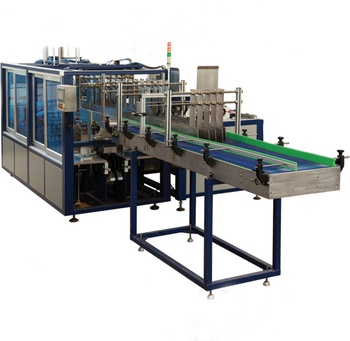
Decoding the Mechanics of the Automatic Wraparound Case Packer
Eliminating packaging structural inefficiency while maximizing pallet load stability for bottling and canning operations.
In modern end-of-line secondary packaging, procurement teams and plant engineering leads face a critical dual challenge: skyrocketing corrugated paperboard costs and stringent retailer demands for pristine box presentation. The traditional method of drop-packing pre-glued Regular Slotted Containers (RSC) introduces inherent vulnerabilities—including container shock impacts, excessive carton blank overlapping, and loose internal product tolerances that lead to transport damage.
An Automatic Wraparound Case Packer fundamentally alters this operational paradigm. Rather than forcing grouped products into a pre-erected cardboard box, the machine feeds a flat corrugated cardboard blank from a motorized magazine, wraps the blank tightly around the precisely grouped container array, and applies micro-beads of hot melt glue under high compression. This tight wrapping action creates a rigid, structural truss effect around the payload.
The Quantifiable Economic Gain: 15% to 22% Corrugated Reduction
Because an Automatic Wraparound Case Packer wraps the flat board directly around the container matrix, it completely eliminates the pre-glued manufacturer's joint overlap inherent to RSC cartons. Additionally, because the container grouping acts as an internal structural mandrel during folding, plants can safely down-gauge corrugated board weight by 10% to 15% without sacrificing vertical stack compression strength (BCT). For a beverage line running 30 cases per minute on two shifts, cardboard material savings typically amortize the capital expenditure within 11 to 14 months.
RSC Drop Packing vs. Automatic Wraparound Case Packing: Technical Comparison
| Performance / Specification Vector | Traditional RSC Drop Case Packer | Lofsu Automatic Wraparound Case Packer |
|---|---|---|
| Flat Blank Surface Consumption | Standard (Requires manufacturer joint + wide flaps) | 15% - 22% Less Cardboard Area (Zero joint waste) |
| Carton Fit & Payload Tightness | Loose clearance required for drop insertion | Zero Clearance Tight Wrap (Eliminates internal friction) |
| Product Impact & Scuffing Risk | High (Free-fall drop into container grid) | Zero Impact (Smooth continuous servo horizontal transfer) |
| Container Compatibility | Limited to rigid cans and sturdy glass | PET bottles, Cans, Glass, Jars, Cartons & Pouches |
| Hot Melt Glue Dispensing Precision | Standard mechanical spray or tape sealing | Closed-Loop Servo Solenoid (Nordson/Robatech matched) |
| Palletization Stack Integrity | Prone to carton bulging and corner buckling | Square-Corner Alignment with 25% higher box column strength |
High-Performance Automatic Wraparound Case Packer Models
Engineered for high-volume beverage bottling lines, brewery canning setups, food processing plants, and daily chemical packaging.
L-WCP50 High-Speed Servo Wraparound Case Packer
Designed for ultra-high output beverage bottling and canning plants requiring continuous-motion case erection, grouping, wrapping, and hot melt adhesive sealing.
- Max Throughput: 50 - 55 Cases / Min
- Motion Control: Multi-Axis Siemens PLC
- Glue System: Nordson ProBlue / Robatech
- Infeed Type: Laned Continuous Servo Drive
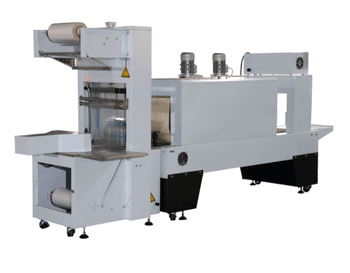
L-WCP30 Medium-Speed Wraparound Packer
Ideal for craft breweries, edible oil processors, and medium-scale condiment lines seeking high flexibility and rapid container size changeovers.
- Max Throughput: 25 - 30 Cases / Min
- Container Matrix: 2x3, 3x4, 4x6 Formats
- Changeover Time: < 20 Minutes (Tool-Less)
- Air Pressure: 0.6 - 0.8 MPa
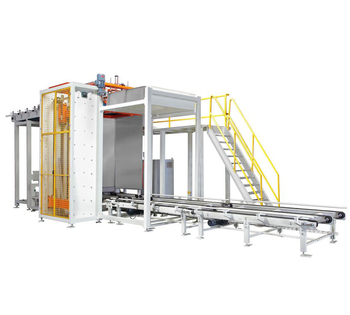
Turnkey End-of-Line Packaging Combo
Seamlessly pairs our Automatic Wraparound Case Packer with upstream bottle depalletizers, inspection systems, inline checkweighers, and pallet wrappers.
- Integration Scope: Depalletizing to Palletizing
- Communication: Profinet / Ethernet IP
- Frame Material: Heavy SUS304 / Carbon Steel
- Safety Rating: CE Enclosure & Interlocks
Global Procurement Trends in Automatic Wraparound Case Packing
Key factors shaping purchasing decisions among international plant directors and CPG operational leaders over the next decade.
1. Rapid Tool-Less Format Changeover Capability
As fast-moving consumer goods (FMCG) brands diversify SKU offerings with varied bottle geometries, volumes (from 250ml to 2.5L), and promo multipacks, global buyers no longer tolerate 4-hour changeover delays. Modern procurement contracts stipulate single-operator, tool-less changeover under 20 minutes. Lofsu Automatic Wraparound Case Packers incorporate digital position indicators, quick-release locking handles, and HMI-driven recipe positioning to meet this requirement seamlessly.
2. Sustainability & Lightweight Cardboard Compatibility
Global sustainability directives require liquid packagers to reduce paper waste and transition toward recycled fluting. Legacy packers frequently jam when handling high-recycled, lightweight corrugated blanks due to inconsistent blank rigidity. Advanced wraparound machinery engineered by Lofsu uses vacuum-assisted blank pick-down arms and gentle mechanical pushers that consistently erect low-grammage corrugated board without tearing or misalignment.
3. Direct Servo Electrification Replacing Pneumatics
Pneumatic actuators introduce variance caused by plant air fluctuation, temperature shifts, and seal wear. The procurement trend strongly favors 100% servo-driven architectures. Lofsu integrates multi-axis synchronized servo drives for blank feeding, bottle grouping, carton folding, and hot melt gluing, decreasing electrical consumption by up to 30% while expanding operational lifespan and operational consistency.
4. Smart IoT Diagnostics & Predictive Maintenance
AI-assisted industrial procurement prioritizes equipment capable of real-time OEE tracking, component wear monitoring, and remote cloud telemetry. Lofsu Automatic Wraparound Case Packers feature Siemens/Schneider PLC hardware with integrated Ethernet connectivity, allowing remote software optimization, predictive glue nozzle health alerts, and instant troubleshooting for overseas plant managers.
Future Technological Trends in Case Packer Design
How mechanical, digital, and material innovations are reshaping end-of-line packaging automation.
Dynamic Servo Infeed & Soft-Touch Grouping
Traditional star-wheel or mechanical pin divider systems often cause scuffing or container tipping on high-speed lines handling non-cylindrical or ultra-lightweight PET containers. Future technological development centers on dynamic servo-track divider gates that continuously synchronize with incoming line speeds. By eliminating rigid stop gates, containers transition softly into desired matrix formations (such as 3x4 or 4x6) without high-speed impacts or label damage.
Micro-Bead Hot Melt Glue Optimization
Adhesive waste represents a major recurring operational cost. Next-generation Automatic Wraparound Case Packers utilize high-frequency solenoid adhesive guns capable of stitching glue patterns into dot-matrix micro-beads rather than continuous solid lines. This engineering evolution reduces hot melt glue consumption by 35% to 50% while maintaining identical fiber-tear bonding strength on corrugated box flaps.
Integrated Vision Quality Inspection
Modern secondary packaging lines are evolving into fully self-verifying cells. Future wraparound packers incorporate inline vision sensors that verify container presence, bottle cap height, bar code readability, and glue pattern integrity prior to final carton flap folding. Defective cases are automatically flagged and rejected without stopping the continuous production stream.
Enterprise Manufacturing Rigor & Technical Capabilities
Lofsu Packing Machinery Co., Ltd. brings over 15 years of dedicated engineering excellence in complete beverage packaging solutions.
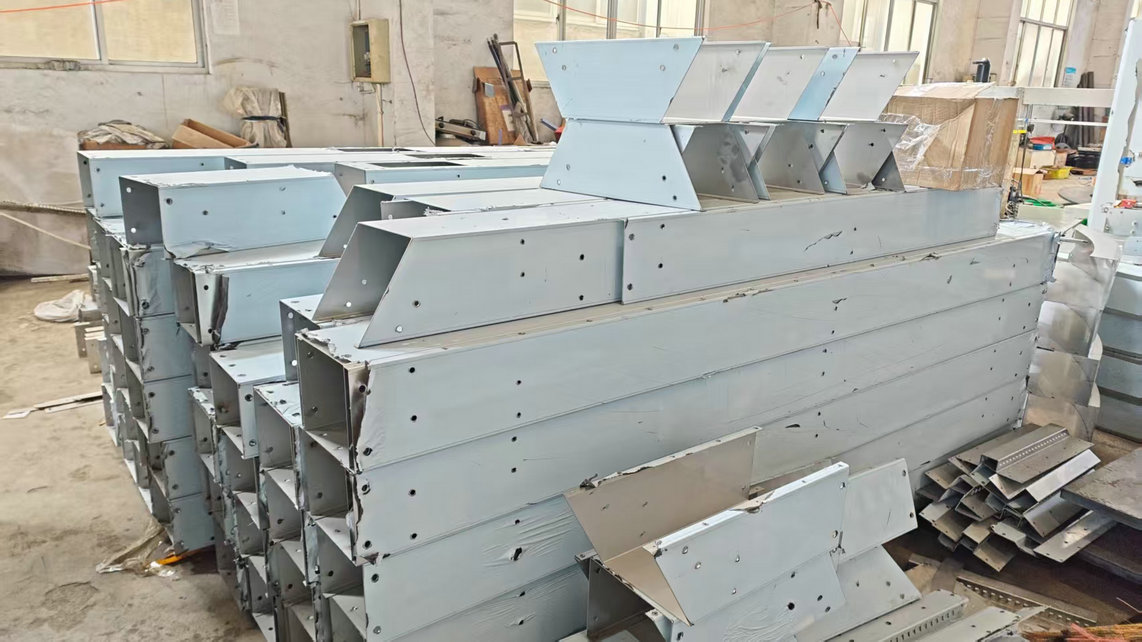
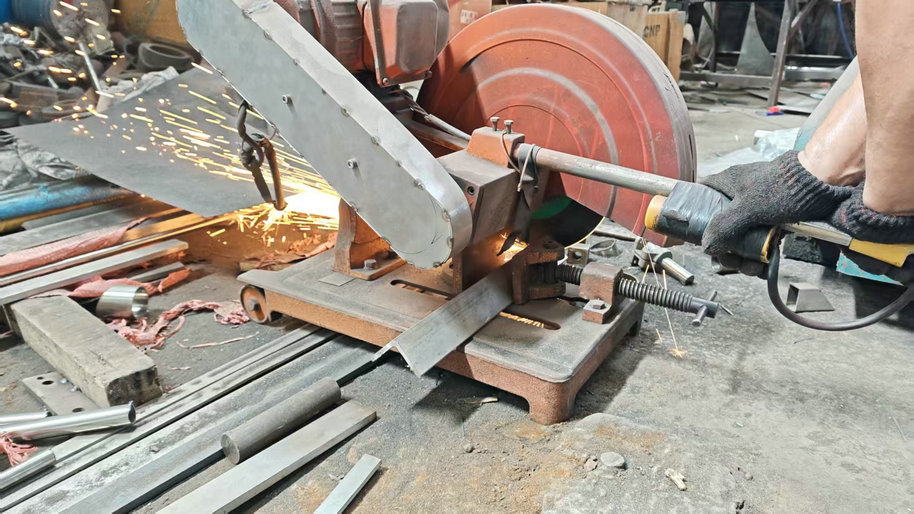
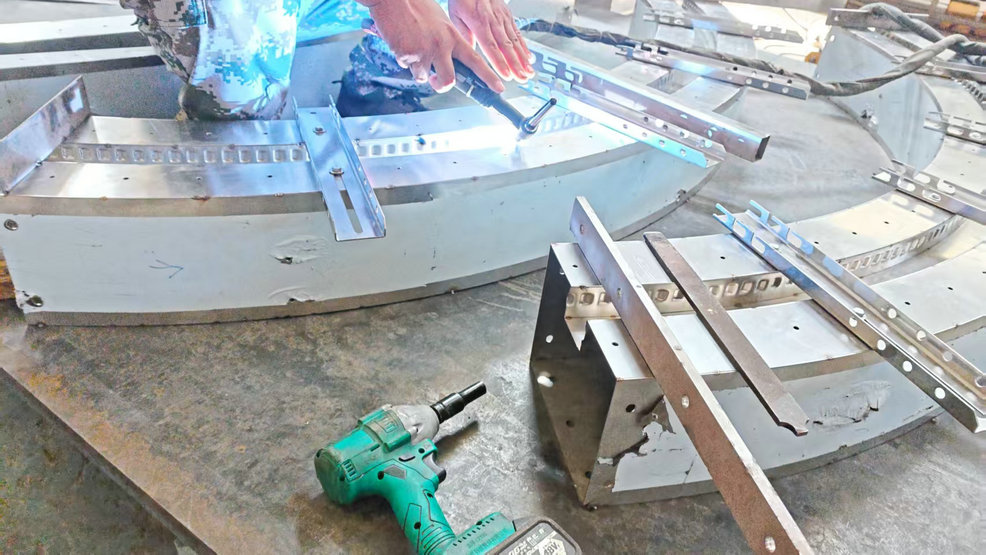
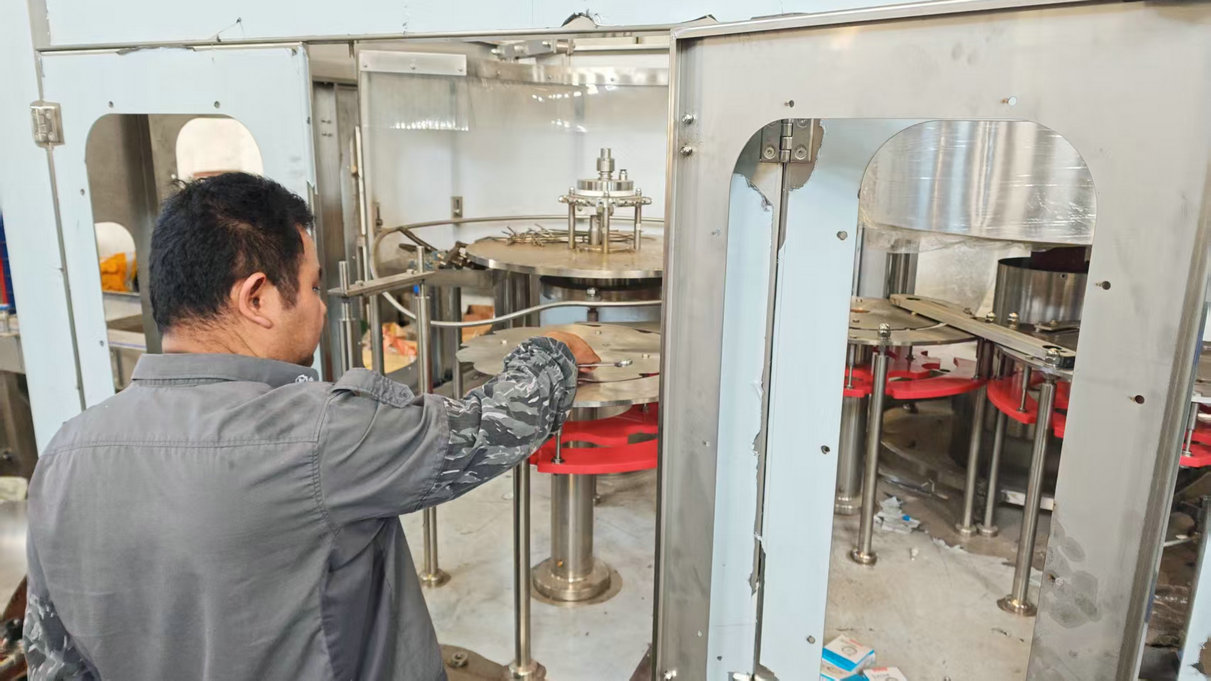
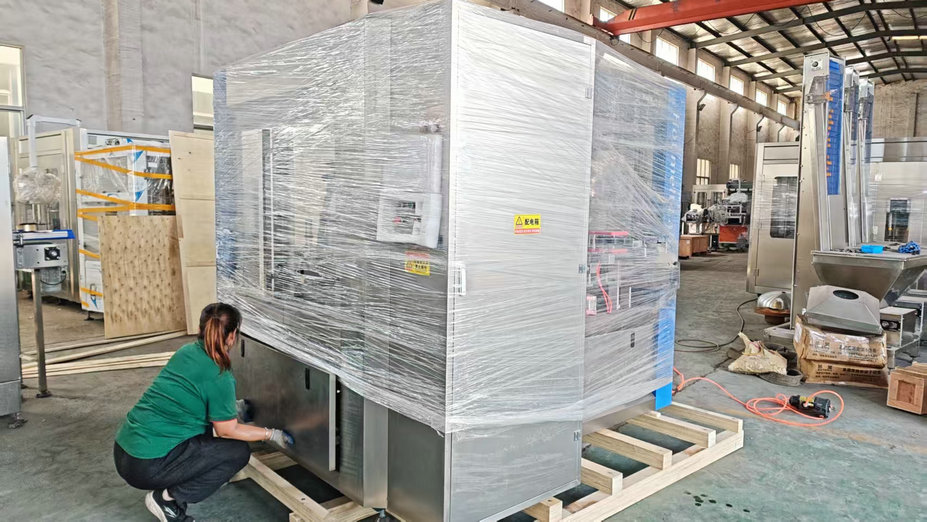
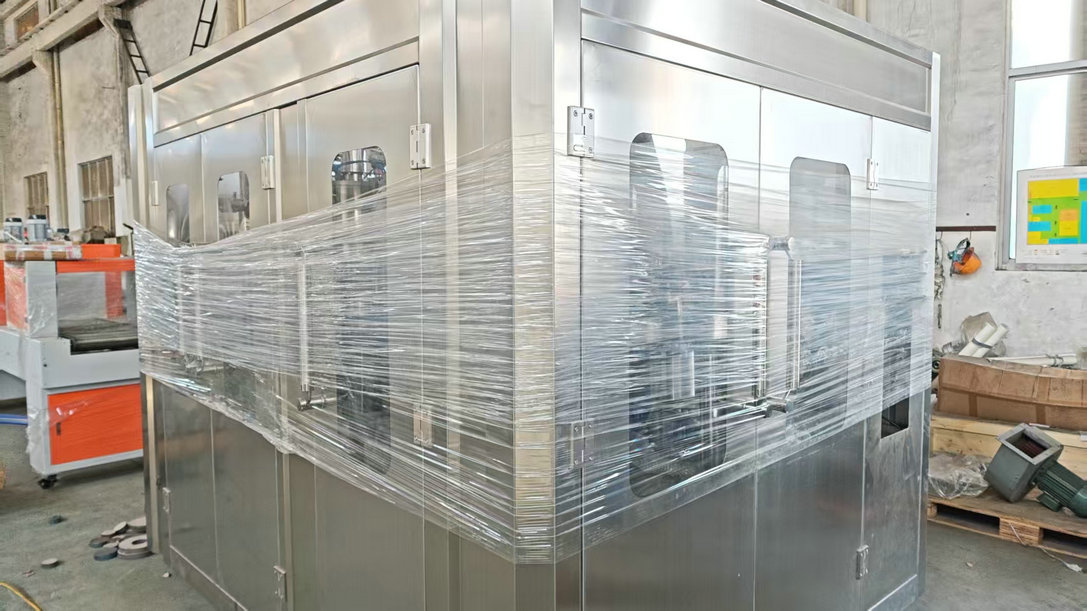
Located in Zhangjiagang, Jiangsu—China's premier manufacturing center for beverage and packaging machinery—Lofsu Packing Machinery Co., Ltd. operates a modern, audit-verified production facility spanning over 3,000 square meters. Founded in 2010, our company specializes in end-to-end liquid production infrastructure, from water treatment and carbonated beverage mixing to high-speed rinsing-filling-capping monoblocks, rotary OPP labeling machines, and automated end-of-line case packing systems.
With over 70% of our production exported across 30+ countries worldwide, our engineering process prioritizes structural durability, strict adherence to European CE safety directives (2006/42/EC), and component standardized sourcing (featuring Siemens PLC, Schneider low-voltage electrics, SMC pneumatic controls, and Nordson adhesive systems). Every machine undergoes rigorous 72-hour continuous testing with actual client container and carton samples before factory acceptance sign-off (FAT).


Frequently Asked Questions on Automatic Wraparound Case Packers
Detailed technical answers addressing core procurement, installation, and engineering queries asked by global buyers.
How does an Automatic Wraparound Case Packer reduce material costs compared to traditional RSC cartons?
An Automatic Wraparound Case Packer forms a tight carton directly around the product matrix using a flat corrugated blank rather than a pre-glued Regular Slotted Container (RSC). This process eliminates manufacturer joint overlaps and reduces blank surface area by 15% to 22%.
Furthermore, because the carton is tightly wrapped around the container matrix, the product containers themselves act as internal load support. This allows bottling plants to downgrade corrugated board grammage by 10% to 15% while achieving equivalent or superior vertical box compression strength (BCT) during warehousing and container shipping.
What speeds and container matrix options do Lofsu Automatic Wraparound Case Packers support?
Lofsu wraparound machinery spans operational speeds from 15 cases per minute (for intermittent medium-output facilities) up to 55 cases per minute on continuous-motion multi-axis servo models. Supported container matrix configurations include standard 2x3 (6-packs), 3x4 (12-packs), 4x6 (24-packs), as well as custom multi-tier setups for PET round bottles, square oil jugs, glass beer bottles, aluminum beverage cans, and aseptic carton boxes.
What hot melt adhesive systems are integrated into Lofsu case packers?
Lofsu equips its Automatic Wraparound Case Packers with market-leading hot melt glue application systems, primarily Nordson ProBlue / Freedom series or Robatech systems. High-speed solenoid jet nozzles apply precise micro-beads of adhesive under closed-loop PLC temperature regulation. This ensures immediate fiber-tear bond tacking within 0.5 seconds of side flap compression, preventing flap pop-open while minimizing annual glue consumption.
How long does a format changeover take on a Lofsu Automatic Wraparound Case Packer?
Format changeovers can be executed by a single line operator in 15 to 25 minutes. Mechanical adjustments rely on quick-release clamp handles, digital counter handwheels, and scale-calibrated changeover parts. Electrical parameters, acceleration curves, glue pattern timing, and box blank feeding parameters switch instantly via the Siemens touchscreen HMI recipe menu.
Can the machine handle lightweight or fragile containers without structural damage?
Yes. Our Automatic Wraparound Case Packers feature continuous-motion multi-lane servo dividers and cushioned conveying channels. The machine transfers containers smoothly horizontally into the blank folding station without vertical drops or forceful mechanical impact. This makes the system ideal for ultra-lightweight PET mineral water bottles, glass wine/beer bottles, and delicate aluminum cans.
What power supply, installation, and after-sales support does Lofsu provide for global clients?
We custom-build electrical cabinets matching destination power grids (220V to 480V, 3-Phase, 50Hz/60Hz). Every machine includes complete English operator manuals, schematic diagrams, and recommended spare parts lists. Lofsu dispatches experienced field engineers for on-site installation, line integration, and operator training worldwide. Additionally, remote PLC diagnostics and rapid DHL/FedEx spare parts dispatch guarantee minimal line downtime.
Upgrade Your End-of-Line Packaging Efficiency Today
Contact the engineering team at Lofsu Packing Machinery Co., Ltd. for a customized Automatic Wraparound Case Packer layout, corrugated blank analysis, and formal quote.