China’s leading beverage packaging equipment manufacturers serve producers facing tighter demands for speed, product safety, and flexible production. Their portfolios may include rinsing, filling, capping, labeling, and end-of-line systems. Yet impressive line speeds do not tell the whole story. Changeover time, spare-parts access, and stable filling accuracy matter on a real factory floor.
PMMI’s 2024 State of the Industry report places U.S. packaging machinery shipments at roughly $10 billion in 2023. This figure covers packaging machinery broadly, not beverage equipment alone, so it is a useful industry benchmark rather than a direct measure of China’s market. Beverage producers should also compare equipment against their products, container formats, and output targets. A line built for still water may not suit carbonated drinks or viscous beverages.
Packaging educator and author Walter Soroka defines packaging as “the science, art and technology of enclosing or protecting products for distribution, storage, sale, and use,” in Fundamentals of Packaging Technology. That principle applies directly to Beverage Packaging Equipment: machinery must protect product quality while supporting efficient handling and distribution. Buyers assessing Chinese manufacturers can examine documented performance, installed references, technical support, and compatibility with existing lines. Ask for trial-run results. Check the details. A quoted speed may look excellent, but actual performance can vary with bottle shape, beverage properties, and operator training. No single supplier is right for every plant; comparisons deserve careful, sometimes uncomfortable questions.
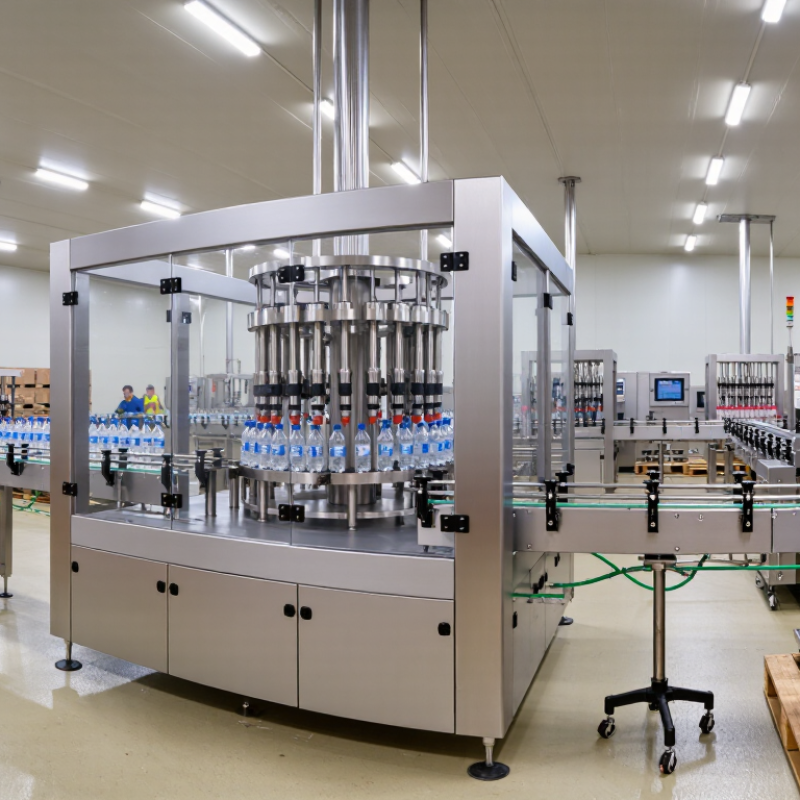
China’s Beverage Packaging Equipment Industry at a Glance
China’s beverage packaging equipment industry serves producers of bottled water, tea, juice, dairy drinks, and carbonated beverages. Local manufacturers commonly build filling, capping, labeling, inspection, and case-packing systems. These machines may operate as a complete line or as separate units. The right setup depends on the drink, container shape, plant space, and expected output. Details matter.
A typical line moves containers along stainless-steel conveyors, fills them, applies caps, and checks labels or seals. Sensors can flag missing caps or misplaced labels before products reach cartons. For buyers, practical questions include changeover time, cleaning access, spare-parts availability, and operator training. A fast machine is not always the best fit. Stable operation counts.
The sector combines equipment production with system integration and customization. Suppliers may adapt conveyors, filling heads, or control settings to suit different bottle sizes. Still, a polished demonstration does not prove reliable performance over a full production shift. Buyers should review material specifications, acceptance-test procedures, and service arrangements. They should also ask how performance changes with a new container or product. Small gaps in documentation can become real delays on the factory floor.
China Beverage Production, 2019–2022
Annual beverage production provides context for packaging-equipment demand; these figures represent beverage output, not equipment sales or market size. Source: National Bureau of Statistics of China.
Beverage packaging lines combine several machines, and each must match the drink, container, and required output. Conveyors feed empty bottles or cans to rinsers, fillers, and cappers or seamers. PET bottles commonly use rotary fillers; cans need controlled filling and seaming. Glass lines require careful handling. Carton systems add forming and sealing steps. Small details matter.
The process usually continues through labeling, date coding, inspection, and case packing. Carbonated drinks need filling systems that limit foam and preserve pressure. Heat-sensitive beverages may require aseptic filling, while some products use hot-fill processes. PMMI’s 2024 State of the Industry report put U.S. packaging machinery shipments at about $10.9 billion in 2023, up 5.8% year over year. This covers packaging machinery broadly, not beverage equipment alone, so it is useful context rather than a beverage-line forecast. There is no perfect line. A fast filler can still cause waste if rinsing, capping, or inspection cannot keep pace. Buyers should compare changeover time, cleaning requirements, fill accuracy, and container flexibility using production trials. One point is easy to underestimate: a small format change can expose weak coordination between machines.
| Equipment Type | Main Function | Typical Packaging Formats | Packaging Process Stage | Key Process Considerations |
|---|---|---|---|---|
| Water Treatment and Beverage Preparation Systems | Prepare process water and blend beverage ingredients before filling. | Used upstream of bottled water, juice, tea, soft drinks, and other beverages. | Water treatment, ingredient dosing, mixing, and product preparation. | System design depends on the beverage recipe, required water quality, and production capacity. |
| Bottle Unscramblers and Infeed Conveyors | Orient and transfer empty bottles to the filling line. | PET, glass, and other compatible bottles. | Container feeding and line transfer. | Conveyor layout and handling settings must suit bottle dimensions and shape. |
| Bottle Rinsers and Air Rinsers | Remove loose particles from empty containers before filling. | Plastic or glass bottles, depending on machine configuration. | Container preparation immediately before filling. | Rinsing method and sanitation requirements vary with the product and packaging process. |
| Liquid Filling Machines | Dispense a controlled amount of beverage into each container. | Bottles, cans, jars, and other compatible containers. | Filling. | Filler type and settings depend on product properties, container design, and the required fill level. |
| Carbonated Beverage Filling Systems | Fill carbonated drinks while managing product pressure and carbonation. | Pressure-rated PET bottles, glass bottles, and beverage cans. | Carbonated product filling. | Product temperature, pressure control, and container suitability are important process factors. |
| Can Filling and Seaming Machines | Fill beverage cans and close them by forming a seam between the can body and end. | Aluminum or other compatible metal cans. | Can filling and closure. | Seam quality must be checked using appropriate inspection procedures. |
| Capping and Bottle Closing Machines | Apply and tighten closures after filling. | Screw-cap bottles and other compatible bottle closures. | Closure application. | Closure type, application force, and container finish must be matched. |
| Labeling Machines | Apply product and regulatory information to containers. | Round, square, or other supported bottle and can shapes. | Product identification and labeling. | Label material, container geometry, and label position affect application accuracy. |
| Date Coding and Marking Equipment | Print batch codes, dates, or other traceability information. | Bottles, cans, caps, labels, and cartons, depending on the marking system. | Product coding, commonly integrated with the packaging line. | Code location and legibility should be verified on the intended package surface. |
| Shrink-Sleeve and Tamper-Evident Application Equipment | Apply sleeves or bands around containers or closures. | Bottles and other compatible packages. | Secondary closure protection and package finishing. | Sleeve dimensions and heat settings must suit the package material and shape. |
| Case Packers and Carton Erectors | Arrange packaged beverages into cases and form or close cartons. | Bottles and cans packed in corrugated cases or trays. | Secondary packaging. | Pack pattern, case dimensions, and product stability determine the configuration. |
| Wrapping and Palletizing Systems | Group cases, build pallet loads, and secure loads for storage or transport. | Cases, trays, and other grouped beverage packs. | End-of-line packaging and pallet preparation. | Pallet pattern and load securing should be selected for the package and handling conditions. |
China’s beverage packaging equipment manufacturers cover several distinct production needs. Some specialize in water and juice filling lines, combining rinsing, filling, and capping in one sequence. Others build machines for carbonated drinks, where controlled filling pressure helps limit foam and product loss. These differences matter on the factory floor.
Packaging format often shapes a manufacturer’s specialty. PET bottle lines may include stretch blow molding and label application, while glass-bottle systems need careful conveying to reduce impact. Can-filling equipment is designed around seaming accuracy and steady product flow. A supplier’s stated speed is useful, but buyers should also check how performance changes with different bottle sizes and frequent changeovers.
Look closely at cleaning access, control-panel clarity, and the availability of replacement parts. Ask for test results using packaging similar to your own, rather than relying only on a catalog figure. Details matter. A brief factory acceptance test can reveal uneven filling or labels that wrinkle near the seam. Brochures make every line look polished; real changeover times can be less tidy. It is worth asking what routine maintenance operators actually perform, and how quickly support can respond when a line stops.
Choosing beverage packaging equipment suppliers in China should start with the product and the line, not the brochure. Ask suppliers to test your actual bottle, cap, label, and liquid, then record sustained output, changeover time, reject rate, and cleaning steps. A quoted speed can describe ideal conditions, not a full shift. Ask for factory acceptance test criteria, installation support, spare-parts lead times, and references from plants with similar formats. Watch a changeover in person if possible.
Material flexibility matters, too. The OECD’s Global Plastics Outlook (2022) reports that packaging generated 40% of global plastic waste in 2019, while only 9% of plastic waste was ultimately recycled. These figures make it sensible to test equipment with the recycled or lightweight materials your production plan may use. Check seal quality, label placement, and jam rates across several runs; one successful sample is weak evidence. Request energy and water use per thousand units, plus written service response times. I would still leave room for doubt: supplier data can be useful, but independent verification on your own line is better.
China’s beverage packaging equipment manufacturers are responding to demand for faster, more adaptable production lines. Many plants now handle several bottle sizes or product types on shared equipment. Quick-change guides, adjustable conveyors, and recipe-based controls can reduce setup time between runs. Changeovers matter. Yet adding automation does not guarantee smooth production; poorly planned settings can still cause delays and wasted packaging.
Energy use and traceability are also shaping equipment design. Buyers increasingly look for efficient motors, lower compressed-air consumption, and monitoring tools that flag irregular filling or capping. On a real production floor, a small drift in fill level can affect hundreds of bottles before staff notice. Sensors help, but they need regular calibration and trained operators. Digital dashboards are useful, though not every factory has the same network or maintenance skills. That gap deserves more attention.
Tips: When comparing equipment, ask for changeover demonstrations using your own container sizes. Check cleaning access, spare-part availability, and the clarity of alarm messages. A fast line looks impressive; consistent output across a full shift matters more.
It may include filling, capping, labeling, inspection, and case packing. Stainless-steel conveyors move containers between stations.
Match the line to the drink, container shape, plant space, and expected output. A fast machine is not always the best fit.
Test containers similar to your own. Watch for uneven fills, wrinkled labels, and the time needed to change bottle sizes.
Glass bottles need careful conveying to reduce impacts. Can lines depend on accurate seaming, while carbonated drinks need controlled filling pressure.
Not by itself. Poor settings can still cause delays and wasted packaging, even with adjustable conveyors and recipe-based controls.
Ask about cleaning access, replacement parts, operator training, and routine maintenance. Clear alarm messages matter when a line stops.
Sensors and monitoring tools can flag irregular fills or missing caps. They need regular calibration and trained operators to work well.
It should show how the line performs across a production shift and during changeovers. A short test may miss real problems.
This article explores China’s beverage packaging equipment industry, from its manufacturing strengths to the processes that help move beverages from production lines into consumer-ready packages. It introduces key equipment types, including filling, capping, labeling, and packaging systems, and explains how they work together across different container formats and production needs. It also outlines common product specialties among Chinese manufacturers without focusing on individual brands.
For businesses comparing suppliers, the article highlights practical evaluation factors such as equipment performance, production capacity, customization options, technical support, and long-term operating costs. It also considers market trends shaping the sector, including automation, smarter production controls, energy efficiency, and flexible packaging solutions. Together, these topics provide a clear overview of how to assess Beverage Packaging Equipment and identify solutions suited to changing production requirements.