Featured Liquid & Condiment Packaging Systems
Explore our core engineering line-up covering container depalletizing, bottle washing, high-accuracy liquid/paste filling, inverse cap sterilization, and high-speed stretch blow molding.

Semi Automatic Rotary Bottle Washing Machine High Pressure Rinser for Glass and PET Bottles
View Specs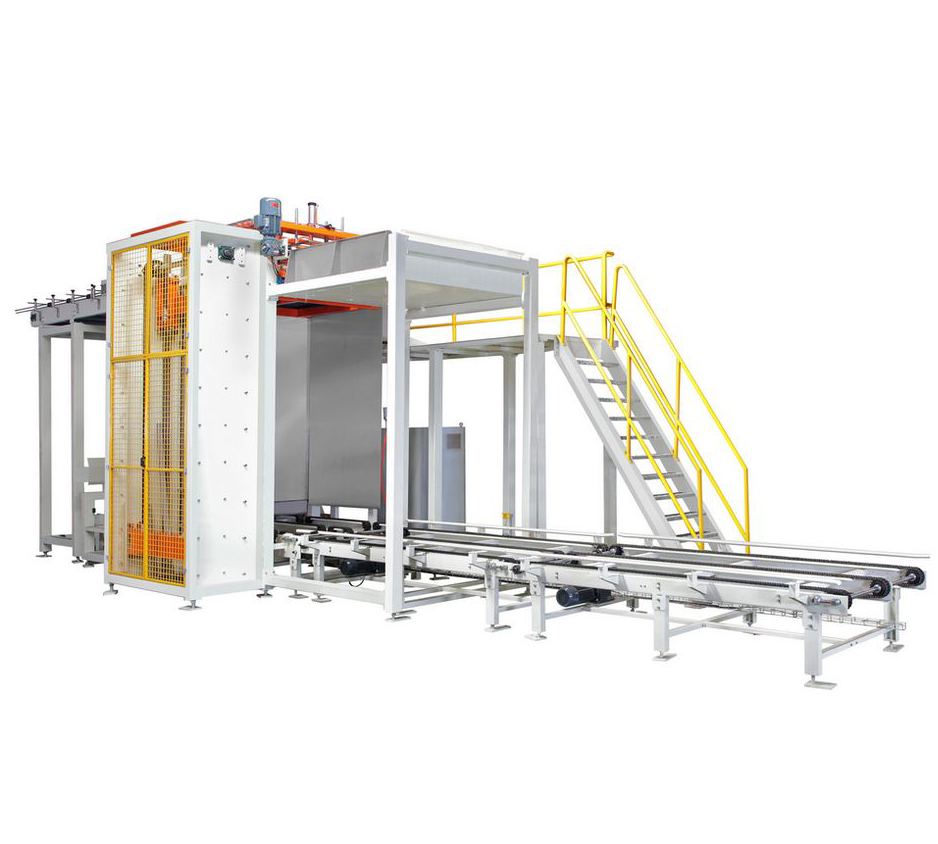
Automatic Bottle Depalletizer Mechanical Packaging Equipment 12KW 220-450V Plastic Beverage Bottle Handling System
View Specs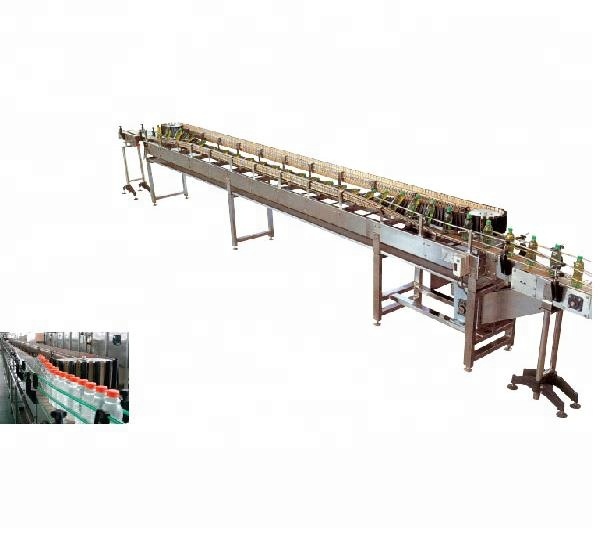
Automatic Bottle Inverse Sterilizer Electric Inline Inverting Machine 304 Stainless Steel for Beverage Glass and Plastic Bottles
View Specs
Automatic Soda Water Filling Canning Machine for Carbonated Soft Energy Drink
View Specs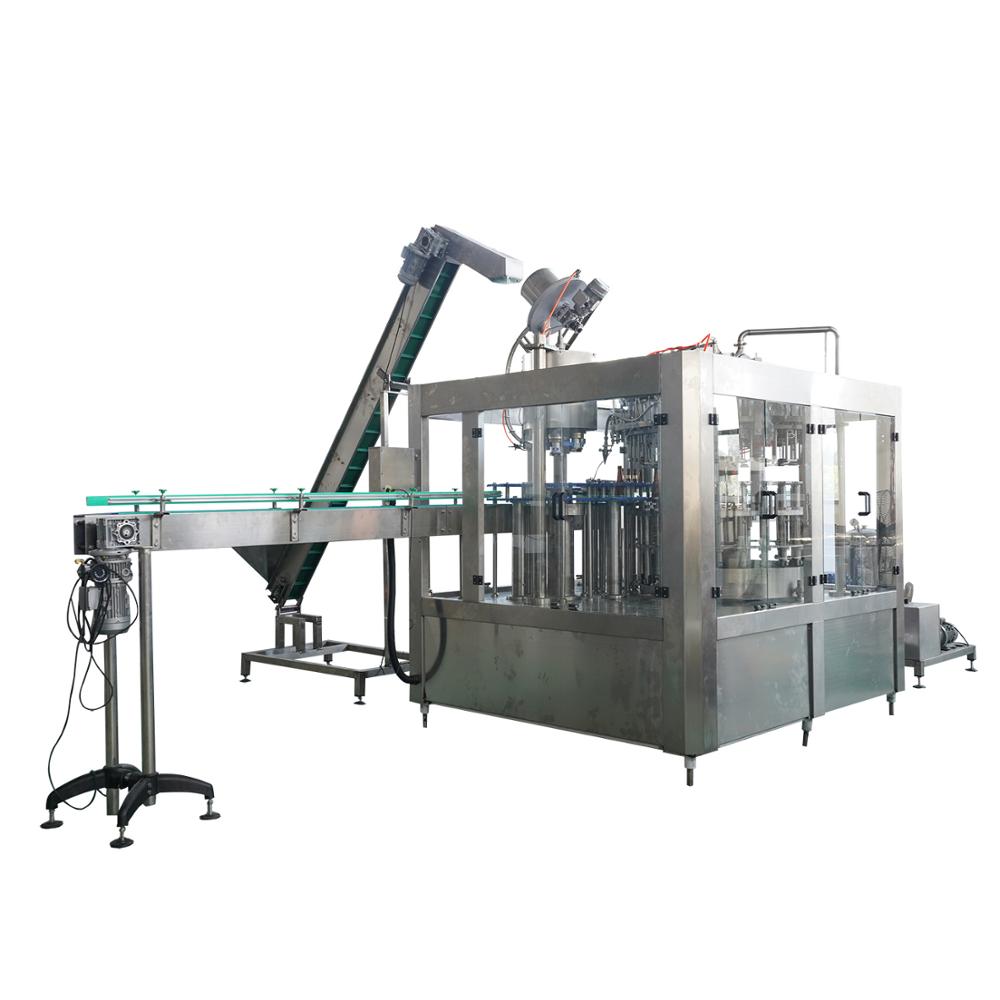
Automatic Beer Bottle Filling Machine 24 Nozzle Crown Capping Labeling System 4000 BPH Glass Packaging
View Specs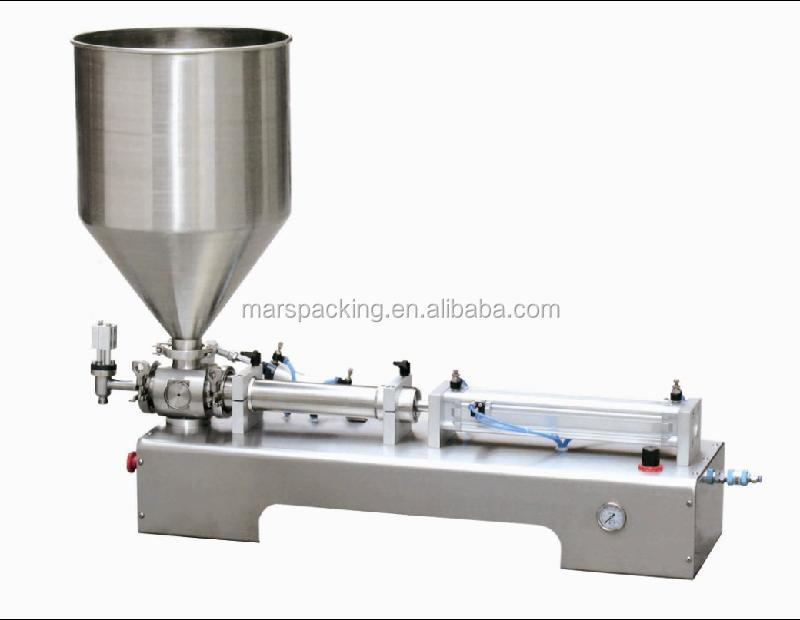
Semi Automatic Double Heads Tabletop Beverage Filling Machine with 2 Nozzles Pneumatic for Plastic & Paper Packaging
View Specs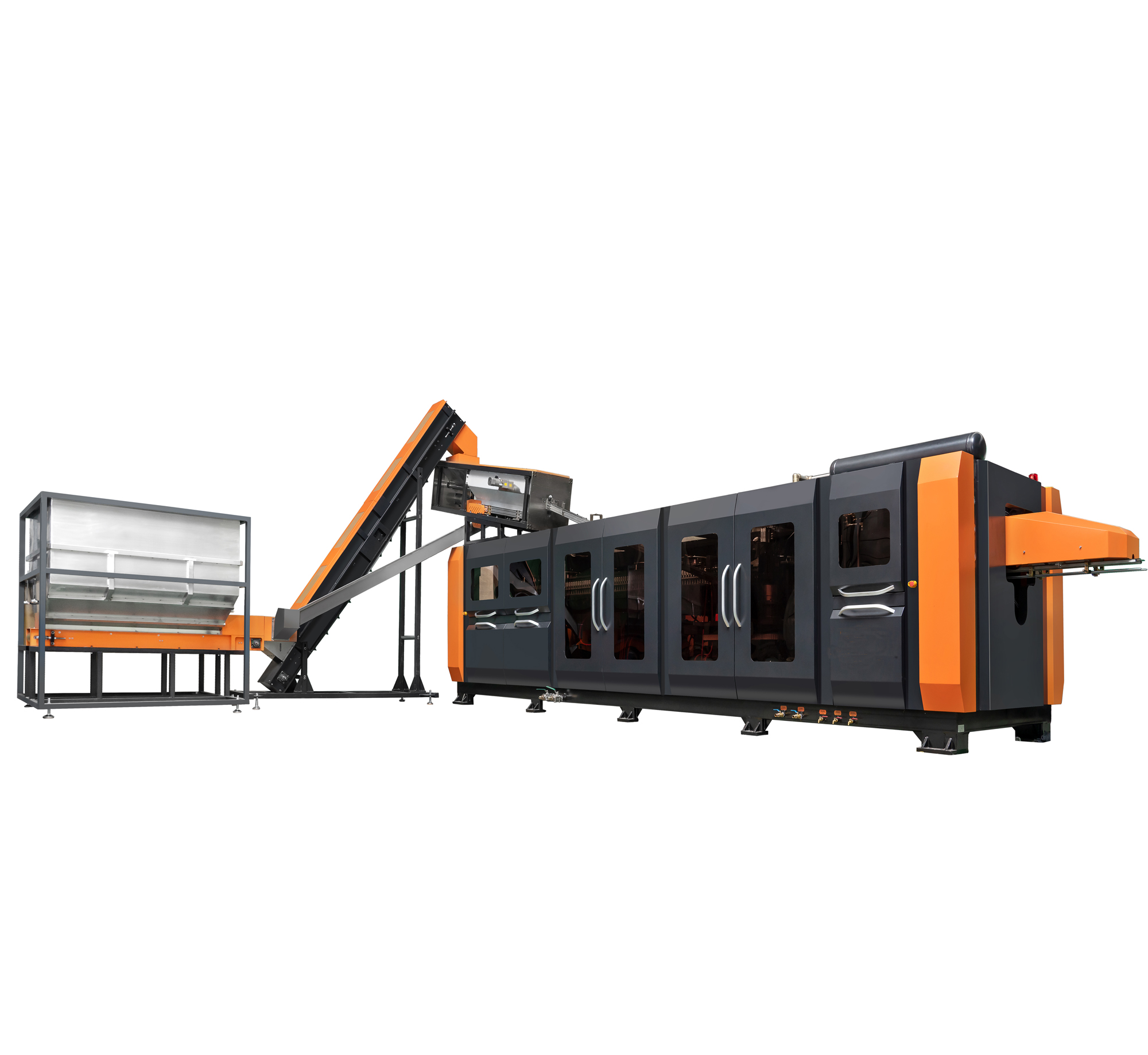
Mars BM-A8 Automatic 8 Cavity PET Bottle Blowing Machine 16000BPH 50Kw Omron PLC CE Certified Stretch Blow Molding Equipment
View Specs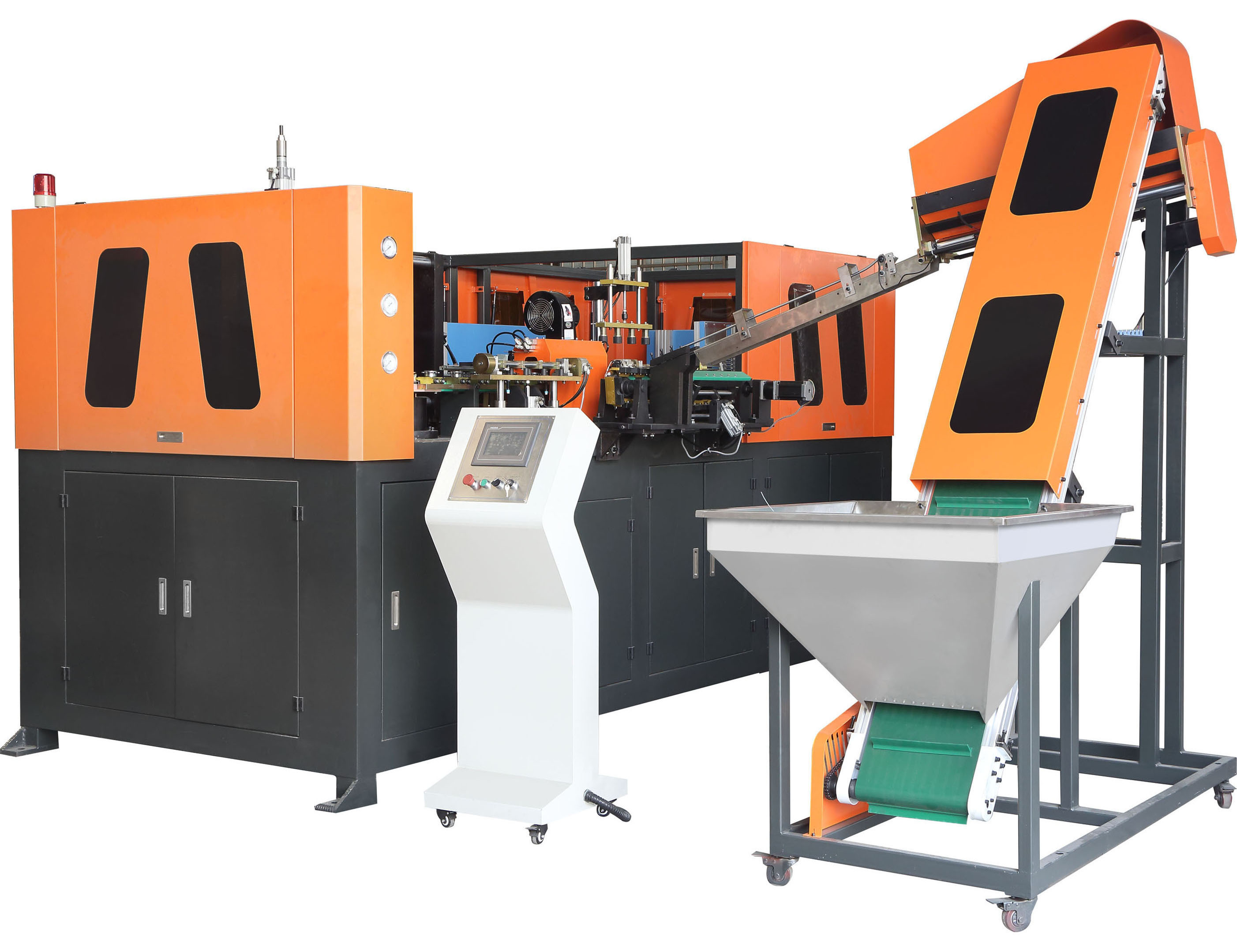
HZ-880B Mars 3 Cavity Automatic PET Plastic Mineral Water Bottle Making Machine PLC Delta Motor High 2200 BPH 2 Years Warranty
View Specs
1. Comprehensive Engineering Whitepaper: Ketchup Rheology & Dosing Dynamics
Packaging tomato ketchup and high-viscosity viscous condiments presents unique mechanical and thermodynamic challenges. Unlike low-viscosity fluids like mineral water or carbonated soft drinks, tomato paste and tomato ketchup behave as non-Newtonian, shear-thinning (pseudoplastic) fluids with a pronounced yield stress (Bingham plastic characteristics). Under static conditions within holding hoppers or feed manifolds, ketchup exhibits high apparent viscosity (ranging from 20,000 to 50,000 cP depending on solids content, pectin concentration, and temperature). Once mechanical shear force is applied by a positive displacement piston or rotary lobe pump, the apparent viscosity drops significantly, allowing fluid motion.
To achieve reliable, drip-free filling at industrial speeds without degrading product texture or causing serum separation (syneresis), equipment manufacturers must design filling architecture around five critical rheological variables:
Shear Rate Control
Proper stroke speed curves prevent structural breakdown of the tomato solids mesh, maintaining natural viscosity and surface gloss post-packaging.
Thermal Retention (80-85°C)
Hot-fill processing demands jacketed hopper insulation and continuous recirculation to preserve microbial sterility and prevent localized scorching.
Pneumatic Cut-Off Valves
Custom blow-back and suck-back nozzle tips eliminate liquid stringing and bottle shoulder contamination during high-speed indexing.
Comparison of Core Dosing Technologies for Condiment Wholesalers
When selecting a CE-certified ketchup filling machine, global procurement teams must evaluate dosing precision, ease of CIP (Clean-in-Place) sanitation, capital expense (CAPEX), and operational downtime. Below is an engineering comparison matrix of primary filling methodologies applied in modern sauce production facilities:
| Dosing Technology | Volumetric Accuracy | Viscosity Range (cP) | CIP / SIP Compatibility | Best Application Fit |
|---|---|---|---|---|
| Servo-Driven Piston Filler | ±0.2% - ±0.5% | 1,000 - 100,000 cP | Excellent (Automated retracting pistons) | Standard PET/Glass bottles, squeeze bottles, high yield paste |
| Rotary Lobe Pump Dosing | ±0.5% - ±1.0% | 500 - 150,000 cP | Good (Requires external flow feedback) | Bulk container filling, IBC totes, high-volume pouches |
| Magnetic / Mass Flowmeter | ±0.2% | 1 - 25,000 cP | Superior (Straight pipe, zero moving parts) | Medium viscosity sauces, homogeneous hot-fill liquids |
| Gravity Time-Pressure Filler | ±1.5% - ±2.0% | 1 - 2,000 cP | Fair | Free-flowing beverages (Unsuitable for tomato paste) |
2. Future Procurement & Technological Trends in Condiment Packaging (2025–2030)
The global condiment and sauce packaging landscape is undergoing a structural shift driven by consumer demand for sustainable packaging formats, strict FDA/EU food safety regulations, and the rapid adoption of Smart Factory (Industry 4.0) automation. Wholesalers and factory directors evaluating capital investment over the next decade must consider three core macro-trends:
1. Transition from Rigid Glass to Ultra-Lightweight Squeeze PET & rPET Containers
While traditional glass packaging retains brand equity in premium markets, food service distributors and retail consumers increasingly favor lightweight, inverted squeeze bottles featuring silicone anti-drip valves. Modern filling lines must be capable of handling delicate, low-grammage PET preforms without bottle buckling during capping. Inline stretch blow molding units—such as our Mars BM-A8 8-Cavity PET System—are increasingly integrated directly with servo-driven filling monoblocks to minimize container handling contamination and transport logistics costs.
2. Full Hygienic Integration: Automated CIP/SIP and Sterile Air Barriers
Manual teardown of filling cylinders for daily sanitization is no longer viable for high-capacity condiment plants. Next-generation CE certified ketchup filling machinery features integrated CIP manifold circuits with pneumatic valve switching. Automated CIP cycles wash contact surfaces with hot caustic wash (75-80°C), acid rinse, and ozonated water purge directly through the nozzle assemblies. HEPA laminar flow air filtration hoods (Class 100 / ISO 5) are standard equipment over the filling wheel to maintain positive pressure and prevent airborne mold spore ingress.
3. Smart Industry 4.0 Diagnostic & Dynamic Viscosity Adjustment
Batch-to-batch variations in raw tomato paste Brix levels and thermal fluctuations can alter fluid viscosity during shifts. Emerging smart packaging lines integrate inline Coriolis mass sensors and PLC-linked feedback loops. If the system detects a density shift or volume deviation, the servo motor automatically modifies the piston stroke profile in real-time without stopping the line, keeping operational overall equipment effectiveness (OEE) above 95%.
3. Factory Credentials & Enterprise Advantages: Why Partner with Us
Rooted in China's premier beverage and liquid packaging machinery manufacturing cluster in Zhangjiagang City, Jiangsu Province, our factory (Lofsu Packing Machinery Co., Ltd.) brings over 15 years of dedicated R&D and specialized production experience. We specialize in designing and delivering turnkey liquid processing, filling, labeling, and end-of-line packaging lines for international buyers across 30+ countries.
Rigorous CE Compliance
Full adherence to EU Machinery Directive 2006/42/EC and Low Voltage Directive 2014/35/EU, certified by accredited European notified bodies.
Sanitary Metallurgy (SUS316L)
All liquid contact components are machined from certified AISI 316L stainless steel with internal surface roughness Ra < 0.4 μm to prevent bacterial adhesion.
Custom Electrical Configuration
Built-to-order electrical cabinets matching local power supplies globally: 220V–450V, 50Hz/60Hz, 3-Phase, incorporating Siemens, Schneider, Omron, or Delta components.
Turnkey Engineering Scope
From RO water purification plants and thermal jacketed batch cookers to automated bottle depalletizers and wrap-around case packers.
Factory Acceptance Testing (FAT)
Every line undergoes rigorous dry-cycle and live-product trial runs in our assembly workshop using customer container samples before ocean freight packaging.
Global On-Site Service
Field commissioning engineers deployed worldwide for line setup, operator training, preventive maintenance protocols, and fast-track spare parts dispatch.
4. Comprehensive B2B Procurement FAQ (Technical & Commercial Guidance)
Below are authoritative responses to common technical, compliance, and operational questions asked by plant managers and procurement officers during contract evaluation:
Accelerate Your Condiment Packaging Operations
Partner with a certified Chinese engineering leader. Request a custom line layout proposal, technical quotation, or factory FAT video demonstration tailored to your exact container dimensions and production capacity targets.