CE Certified Water Bottling & Liquid Packaging Equipment
Explore our factory-direct, high-efficiency liquid processing, blowing, filling, and packaging machinery designed for international bottling standards.
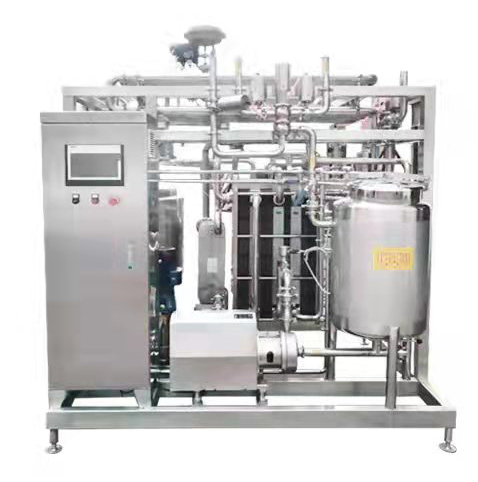
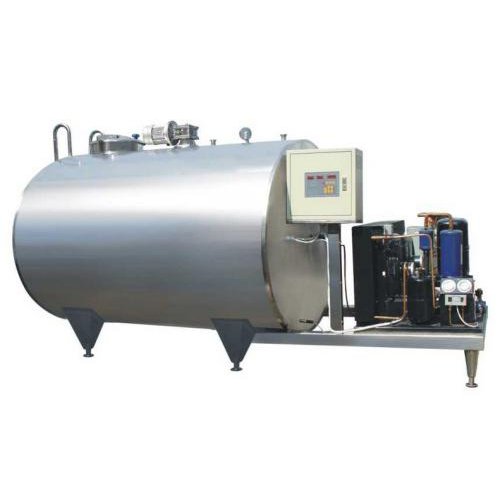


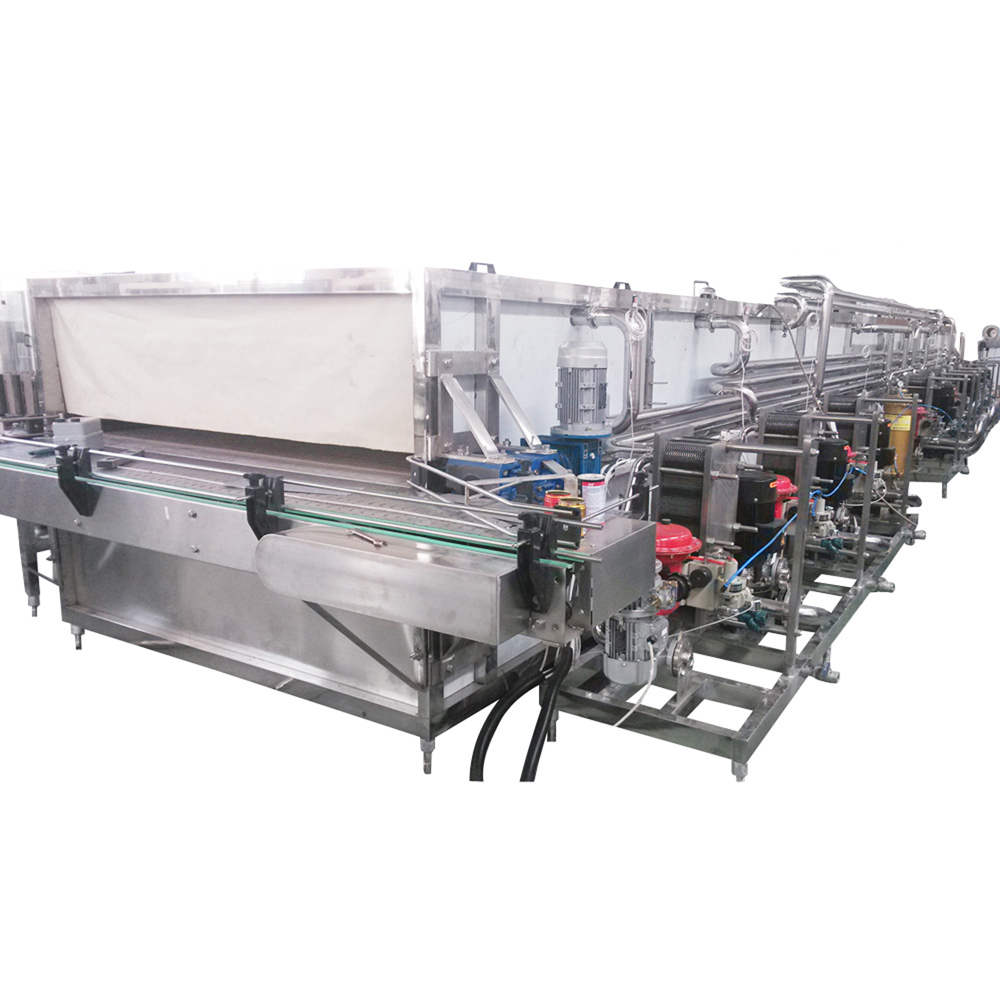

Lofsu Packing Machinery: Factory Strengths & Engineering Pedigree
Located in Zhangjiagang, Jiangsu—China's premier beverage machinery hub—Lofsu Packing Machinery Co., Ltd. delivers end-to-end turnkey bottling solutions optimized for reliability, hygienic purity, and lowest Total Cost of Ownership (TCO).
Integrated Manufacturing Facility
Spanning an audited 1,000 to 3,000 square meter standardized workshop floor, our factory houses high-precision CNC machining equipment, laser cutters, and automated assembly bays dedicated exclusively to liquid processing and packaging machines.
Strict CE & ISO Compliance
All mineral water bottling lines are engineered according to EU Machinery Directive 2006/42/EC and Low Voltage Directive 2014/35/EU. Fluid contact surfaces utilize certified Food-Grade Stainless Steel SUS304 or SUS316L.
Global Deployment & Power Grid Adaptability
Exporting to more than 30 countries across North America, South America, the Middle East, Africa, Southeast Asia, and Europe. Control systems are fully customized for destination electrical grids ranging from 220V to 450V, 50Hz/60Hz, 3-phase power.
Technical Whitepaper: Architectural & Sanitary Standards for CE Certified Mineral Water Bottling Lines
Commercial mineral water production demands meticulous fluid control, microbiological containment, and uncompromising operational efficiency. Sourcing a CE certified mineral water bottling line requires understanding the engineering nuances that separate compliant, long-lasting industrial machinery from low-grade equipment. This whitepaper analyzes the essential mechanical, electrical, and biosecurity criteria governing modern high-speed water bottling infrastructure.
1. Microfiltration, Ozone Sterilization & Raw Water Pre-Treatment
Natural mineral water must retain its native dissolved minerals while remaining completely free of pathogenic bacteria, Cryptosporidium oocysts, and organic contaminants. A complete OEM bottling solution integrates a multi-tier water treatment train preceding the filling monoblock:
- Quartz Sand & Activated Carbon Filtration: Removes turbidity, suspended solids, free chlorine, and organic odors.
- Precision Microfiltration (0.45μm to 0.22μm): Absolute membrane filter cartridges capture microbial matter without altering the mineral composition (Calcium, Magnesium, Potassium) of natural spring water.
- Ozone (O3) Contact System & UV Sterilization: Dual-stage disinfection prevents bio-fouling in storage buffer tanks and guarantees aseptic conditions inside bottles without chemical residues.
2. 3-in-1 Monoblock Rinsing-Filling-Capping Technology
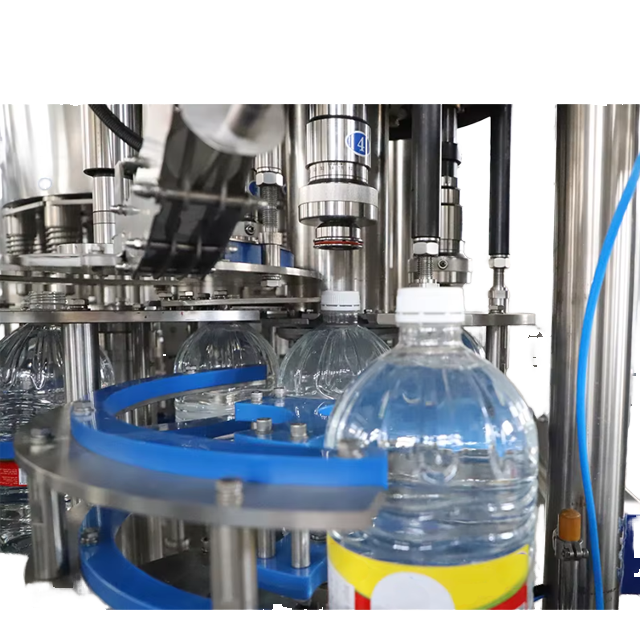
Legacy linear water fillers suffer from environmental exposure and container instability. Modern CE certified mineral water factories utilize integrated 3-in-1 Rotary Monoblock architectures (CGF series) operating inside HEPA-filtered positive-pressure clean enclosures:
- Rotary Bottle Rinsing: Stainless steel grippers invert PET bottles over high-pressure disinfectant/pure-water nozzles, ensuring zero dust or particulate carryover prior to filling.
- Gravity & Isobaric Precision Filling Valves: Engineered with non-contact filling heads or liquid-level probe valves that eliminate turbulence, prevent liquid splashing, and maintain filling accuracy within ±2mm.
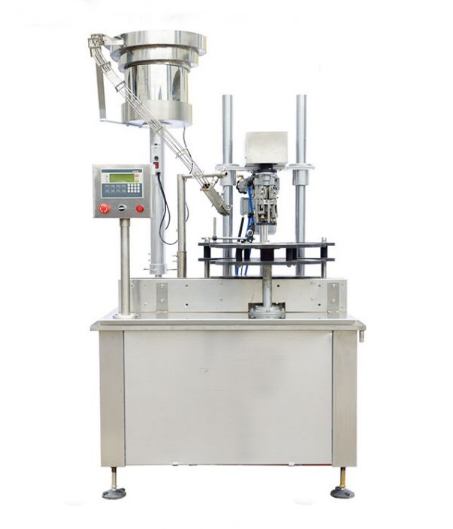
- Magnetic Constant-Torque Capping: Magnetic friction cappers apply plastic screw caps with precise, repeatable torque, eliminating cap damage while achieving 100% hermetic seal integrity.
3. Metallurgy, CIP Hygiene & Structural Durability
Under CE safety mandates, equipment frame integrity and material selection directly correlate with sanitary longevity. Structural components in contact with treated water utilize mirror-polished SUS316L, while outer cladding features heavy-gauge SUS304 stainless steel. Integrated Clean-in-Place (CIP) recirculation loops enable automated chemical washdown and hot-water sanitization cycles, drastically cutting changeover downtime and manual labor.
Future Procurement Trends in Mineral Water Machinery (2025–2030)
As sustainability regulations tighten and energy costs escalate globally, procurement teams evaluating mineral water bottling line factories must align their capital expenditure (CAPEX) with long-term technology trajectories. Industry research highlights four critical trends reshaping water bottling plant investments over the coming decade.
| Technology Trend | Key Engineering Requirement | Operational Impact & ROI |
|---|---|---|
| Ultra-Lightweight PET & Tethered Caps | Neck-handling starwheels, soft-handling air conveyors, and modified capper chucks designed for EU Directive 2019/904 compliance. | Reduces resin usage by 15–25%; lowers raw material transportation costs and complies with strict regional plastic reduction mandates. |
| Combi-Block Blow-Fill-Seal Automation | Direct connection between rotary stretch blow molding machines and filling monoblocks, eliminating air conveyor buffers. | Reduces floor footprint by 30%; cuts energy consumption by up to 25% by retaining preform residual heat; minimizes contamination risks. |
| Industry 4.0 & Predictive Maintenance | IoT-enabled PLC controllers (Siemens/Omron), vibration sensors on rotary carousels, and cloud-connected OEE dashboards. | Enables real-time performance tracking, automatically alerts operators to valve seal wear, and reduces unplanned machine downtime by up to 40%. |
| Water-Saving Rinsing & Energy Recovery | Closed-loop rinse water recirculation with inline UV treatment; VFD-controlled high-efficiency motor drives throughout the conveyor line. | Reduces utility water consumption by 35%; lowers overall factory kWh per 1,000 bottled units produced. |
Financial Evaluation Matrix: Standard OEM vs. European Tier-1 vs. Lofsu CE Turnkey Lines
Procurement directors must balance upfront investment against long-term operational costs (OPEX), spare parts availability, and engineering support. The matrix below illustrates why leading global beverage brands partner with specialized OEMs like Lofsu Packing Machinery:
| Evaluation Parameter | Uncertified Generic OEMs | European Tier-1 Suppliers | Lofsu CE-Certified Turnkey Lines |
|---|---|---|---|
| CAPEX Investment | Extremely Low ($) | Prohibitively High ($$$$$) | Optimal & Competitive ($$) |
| CE & Safety Compliance | Self-Declared / Non-Compliant | Full Certification | Third-Party Audited & CE Certified |
| Customization Flexibility | Rigid / Standard Models Only | High Cost for Changes | Tailored Power, Bottle & Layout Designs |
| Factory Acceptance Testing (FAT) | Minimal or Video Only | Comprehensive On-site FAT | Full Sample Testing & Pre-Shipment FAT |
| Spare Parts Cost & Lead Time | Unstandardized / Hard to Sourcing | Very High Cost / Long Lead Time | Global Brand Components (Schneider/Siemens) |
Frequently Asked Questions for Sourcing Bottling Lines
Technical and commercial answers for plant engineers, purchasing managers, and business owners evaluating mineral water bottling line suppliers.
What production capacities do Lofsu mineral water bottling lines cover?
Our standard monoblock mineral water filling lines range from compact 2,000 bottles per hour (BPH) configurations (e.g., CGF8-8-3 monoblocks with 8 filling nozzles) up to high-speed 36,000 BPH automated rotary combi-block lines for high-volume spring water factories.
Which beverage types and bottle formats can your bottling machines process?
Our equipment handles mineral water, purified water, 5-gallon bottled water, hot-fill fruit juices, carbonated soft drinks (CSD), beer, edible oils, and condiments. Container options include PET bottles, HDPE bottles, glass bottles, and aluminum cans from 200ml up to 5 Liters and 5-Gallon large containers.
How do you ensure equipment compatibility with regional power grids?
Every line built in our factory is custom-wired to match the destination country's electrical grid, supporting 220V to 450V three-phase power at either 50Hz or 60Hz. Electrical cabinets feature international components such as Siemens PLCs, Schneider contactors, and VFD motor drives.
What certification documentation is provided with your water bottling equipment?
All machines ship with full CE documentation under Machinery Directive 2006/42/EC, material compliance certificates for SUS304/SUS316L stainless steel contact points, electrical schematic diagrams, and complete operation and maintenance manuals in English.
Do you offer on-site installation, commissioning, and operator training?
Yes. Lofsu dispatches qualified field service engineers directly to your plant location worldwide to supervise mechanical assembly, perform line integration, commission electrical systems, and deliver hands-on operational and preventative maintenance training to your local staff.
How is machine quality verified prior to factory dispatch?
Prior to shipment, every machine undergoes a rigorous 48-hour continuous Factory Acceptance Test (FAT) utilizing your actual bottle preforms, caps, and water chemistry samples. Live HD testing video feeds and inspection reports are supplied to the buyer before seaworthy packing.
What commercial delivery and trade terms do you support?
We support standard international commercial terms including FOB, CFR, CIF, EXW, DDP, and DDU. Payments are accepted in USD, EUR, or CNY via Telegraphic Transfer (T/T) or Irrevocable Letter of Credit (L/C at sight).
Ready to Build or Upgrade Your Mineral Water Bottling Plant?
Contact our senior engineering team today to receive a customized plant layout design, technical specification proposal, and transparent factory-direct quote tailored to your target output capacity.