

State-of-the-Art Carbonated Soft Drink (CSD) Packaging & Isobaric Bottling Architecture
An authoritative guide to selecting, integration, and operational optimization of European-compliant carbonated beverage filling systems for global plant directors and procurement officials.
The global carbonated soft drink (CSD) and sparkling water market demands exceptional bottling precision, strict oxygen control, and uninterrupted high-speed output. Operating a modern beverage facility requires more than standard liquid displacement; it necessitates an intimate engineering understanding of isobaric (counter-pressure) filling dynamics, carbonation stability, micro-biological safety under CE Directive 2006/42/EC, and seamless modular integration across water treatment, bottle blowing, labeling, and tertiary packing systems.
1. Technical Breakdown: The Isobaric Counter-Pressure Filling Cycle
In modern CE-certified carbonated bottling plants, the 3-in-1 Monoblock (Rinsing, Filling, Capping) serves as the heart of the packaging line. The mechanical sequence must execute precise pneumatic steps within fractions of a second:
Phase I: Evacuation & Pressurization
The bottle neck is tightly clamped against a food-grade EPDM gasket. Sterile CO2 gas is injected into the container until internal bottle pressure perfectly matches the isobaric filler bowl pressure (typically 0.25 to 0.40 MPa).
Phase II: Laminar Gravity Filling
Once pressure equilibrium is established, the liquid filling valve opens via heavy-duty stainless spring tension. Carbonated beverage flows down the inner wall of the PET or glass bottle in a smooth laminar film, displaced gas returning into the ring tank.
Phase III: Snifting & Decompression
The liquid valve seals. A multi-stage exhaust valve ("snift") gradually vents residual pressure from the bottle neck into a quiet manifold. Controlled decompression prevents agitation and carbon dioxide breakout before the bottle exits to the capping turret.
2. Key Equipment Specifications: Standard Monoblock & Turnkey Lines
When specifying a carbonated bottling or water processing system, plant engineers must match mechanical head counts with throughput expectations, utility availability, and container geometry. Below is a engineering overview of machine matrix options available at Lofsu Packing Machinery Co., Ltd.:
| Equipment Model / Line Type | Production Capacity | Applicable Containers | Filling Pressure / Temp | Main Drive & Control |
|---|---|---|---|---|
| CGF 8-8-3 Monoblock | 1,500 – 2,200 BPH | PET Water / Soda (0.3L - 2.0L) | Isobaric 0.3 MPa / 4-8°C | Delta / Mitsubishi PLC + Touchscreen |
| CGF 18-18-6 Isobaric Line | 4,000 – 6,000 BPH | PET / Glass CSD & Beer | Isobaric 0.4 MPa / 0-4°C | Siemens S7-1500 + Servo Star-wheels |
| CGF 24-24-8 High Speed | 8,000 – 10,000 BPH | Lightweight PET Bottles | Counter-pressure / Flowmeter | Full Servo Synchronization + CIP System |
| GDF 12-1 Can Filling/Seaming | 2,000 – 3,000 CPH | Aluminum Cans (250ml-500ml) | Isobaric / Double Seaming | Schneider Electric + Pneumatic Cam |
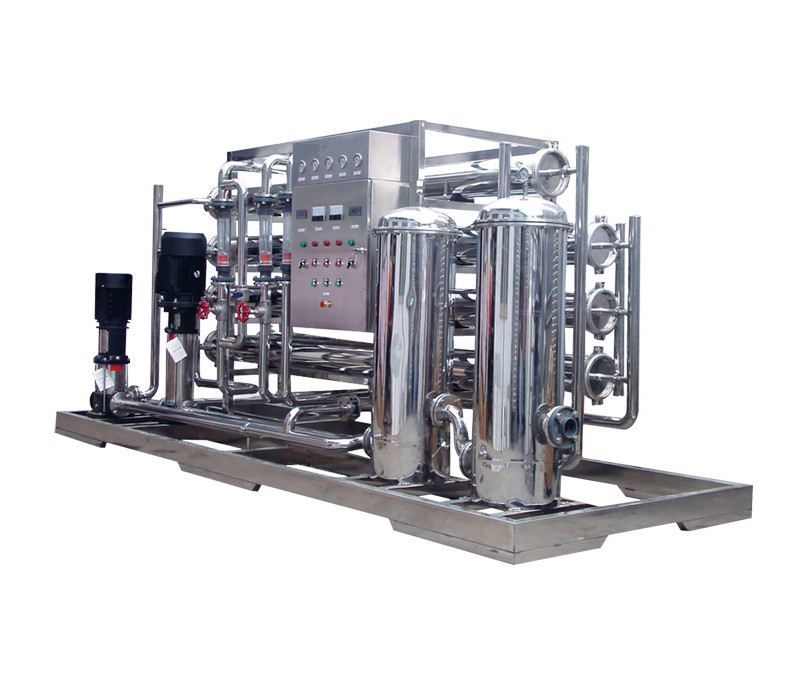
| Mars RO System (3000L/H) | 3,000 Liters / Hour | Raw Well / Municipal Water | High Pressure Membrane 1.5 MPa | Dual-Stage RO + UV Sterilization |
3. Modern Procurement Trends in Beverage Machine Sourcing (2025–2030)
B2B buyers and beverage facility directors are rapidly adapting their equipment procurement criteria. Sourcing is no longer governed solely by initial capital expenditure (CAPEX); total cost of ownership (TCO), energy consumption, dynamic versatility, and regulatory compliance dominate the selection process:
A. Transition to Lightweight PET & rPET (Recycled PET) Compatibility
Environmental mandates worldwide require bottling machinery to process ultra-lightweight bottle preforms and up to 100% rPET materials. Modern soda bottling machinery must feature pneumatic neck-handling collars rather than body-guide grippers to prevent container crushing during high-speed transfer.
B. Energy-Efficient Servo Drives & Reduced Air Consumption
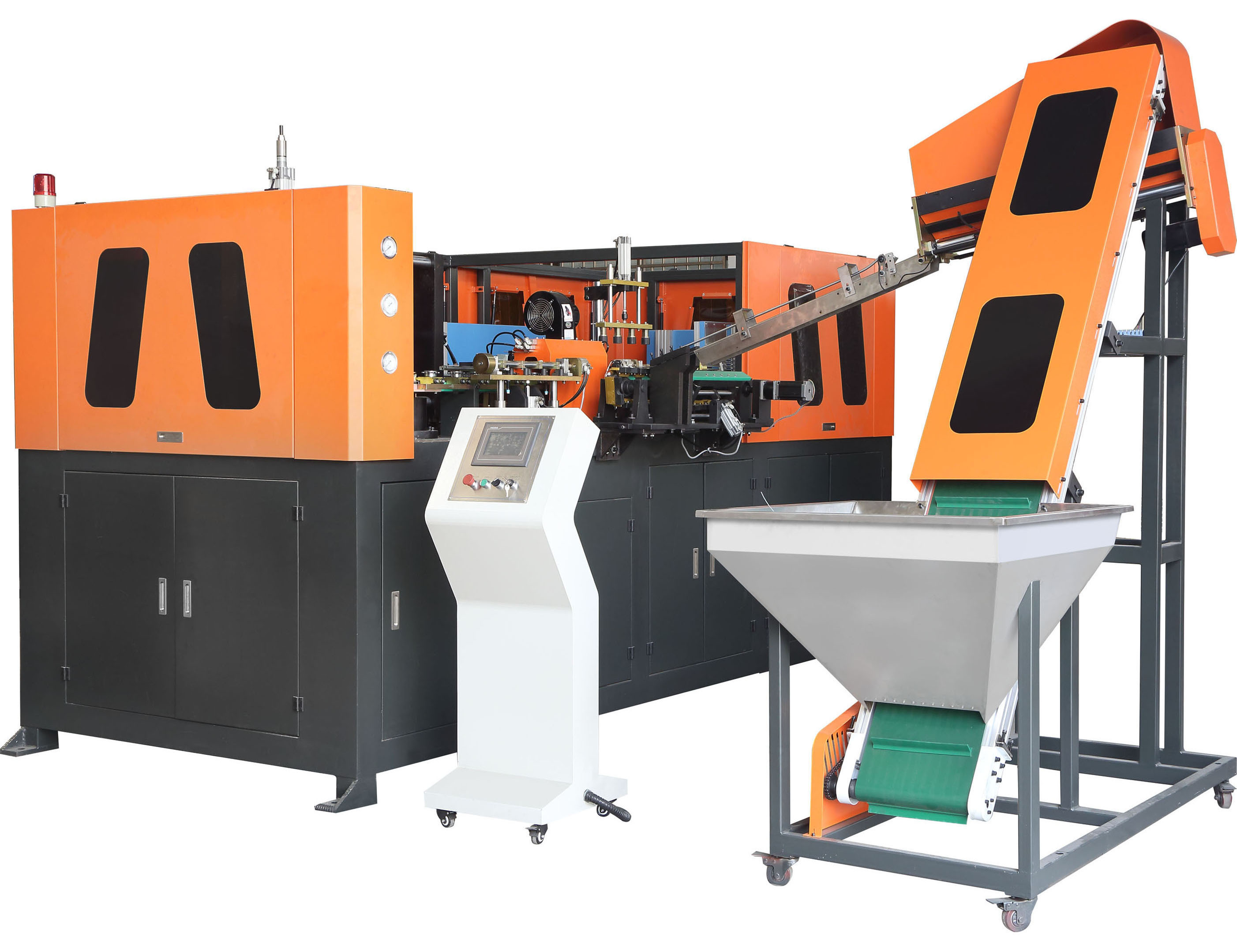
Traditional mechanical gearboxes are being superseded by independent servo-drive starwheels and magnetic torque capping heads. Integrated blow molding machines (such as our HZ-880B Mars series) utilize high-pressure air recovery systems, recycling up to 30% of blowing air back into low-pressure pneumatic control circuits.
C. Automated Clean-in-Place (CIP) & Hygienic Metallurgy
Cross-contamination between sugary carbonated flavors or acidic juice products is unacceptable. Sourcing trends prioritize machine frames constructed entirely from SUS304 and SUS16L stainless steel, fitted with automated CIP dummy cups and sanitized spray rings for complete chemical recirculation without manual teardown.
4. Enterprise Strengths: Why Global Brands Partner with Lofsu
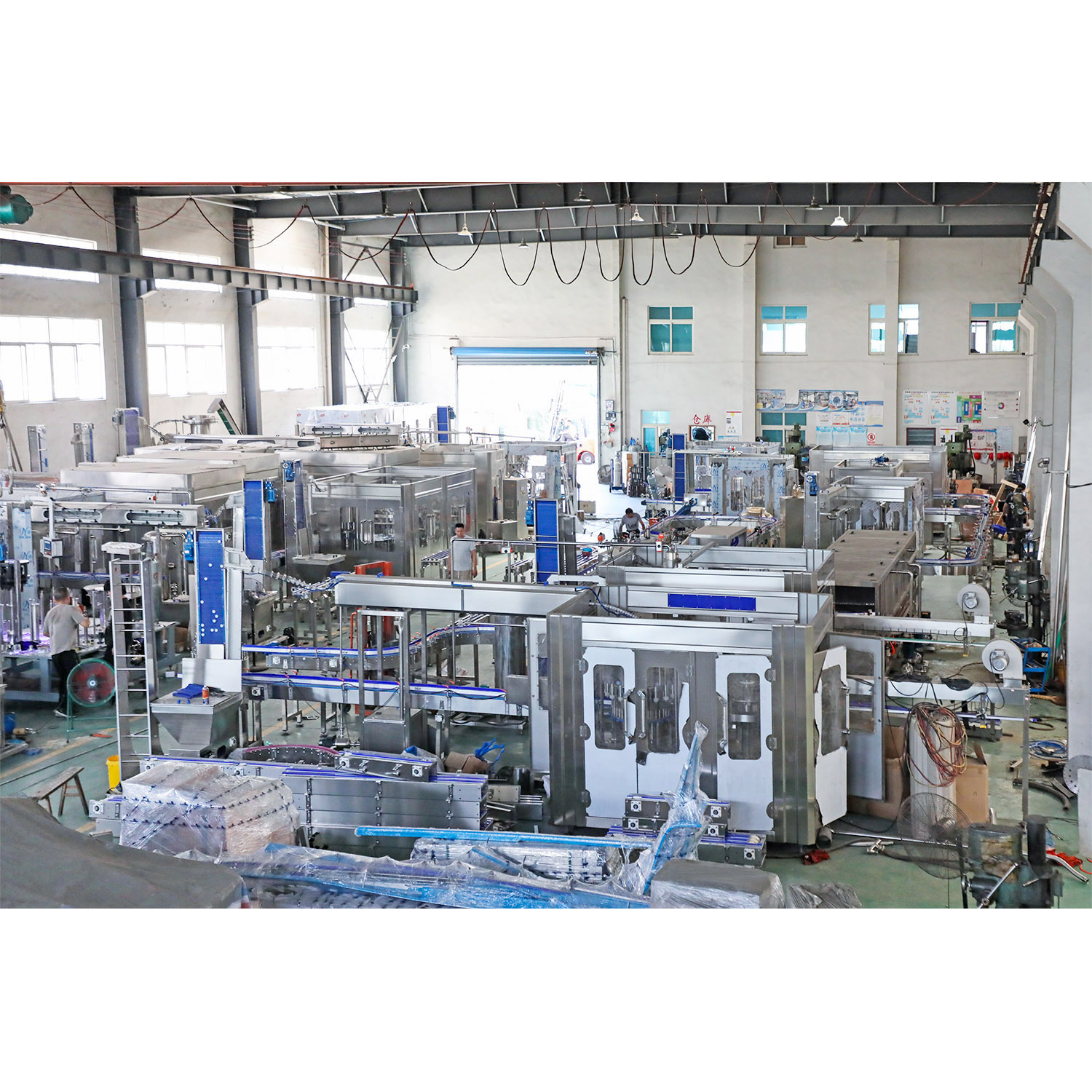
Engineering Mastery from Zhangjiagang's Premier Packaging Hub
Established in 2010 in Zhangjiagang City, Jiangsu Province—China's world-renowned epicenter for beverage machinery manufacture—Lofsu Packing Machinery Co., Ltd. brings over 15 years of continuous research, technological iteration, and international export leadership.
Spanning an audited production facility equipped with high-precision CNC machining centers, automated welding cells, and dedicated pre-shipment assembly bays, Lofsu delivers comprehensive turnkey systems encompassing water treatment, beverage mixing, liquid filling, labeling, and shrink/case packaging.
- 70%+ Direct Export Rate: Trusted across 30+ countries worldwide.
- CE & ISO Compliance: Built to European safety standard 2006/42/EC.
- Factory Acceptance Testing (FAT): Every machine is wet-tested prior to dispatch.
5. Frequently Asked Questions (FAQ) for Procurement & Plant Managers
What production capacities do Lofsu soda bottling lines cover?
Which beverages and container formats can your bottling machines process?
Can electrical voltage and components be customized for my country's power grid?
Do you provide onsite installation, commissioning, and operator training?
How is machine quality and performance verified prior to ocean shipping?
What trade terms and payment methods are accepted?
Ready to Elevate Your Bottling Efficiency?
Contact our sales and engineering team today to discuss your technical specifications, request a factory visit, or obtain factory-direct pricing.
Send an Inquiry