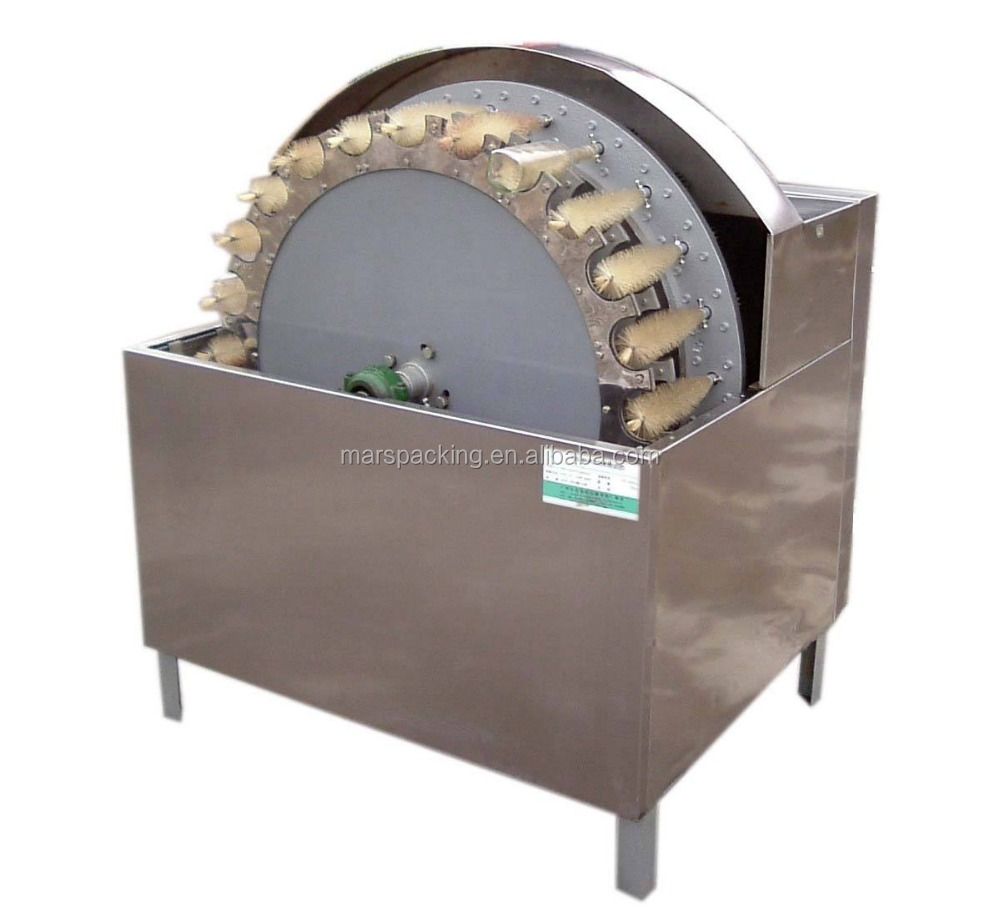
Semi Automatic Glass Bottle Washer Wine Beer Cleaning Machine CE Certified 380V 220V 1.1kW
View Details →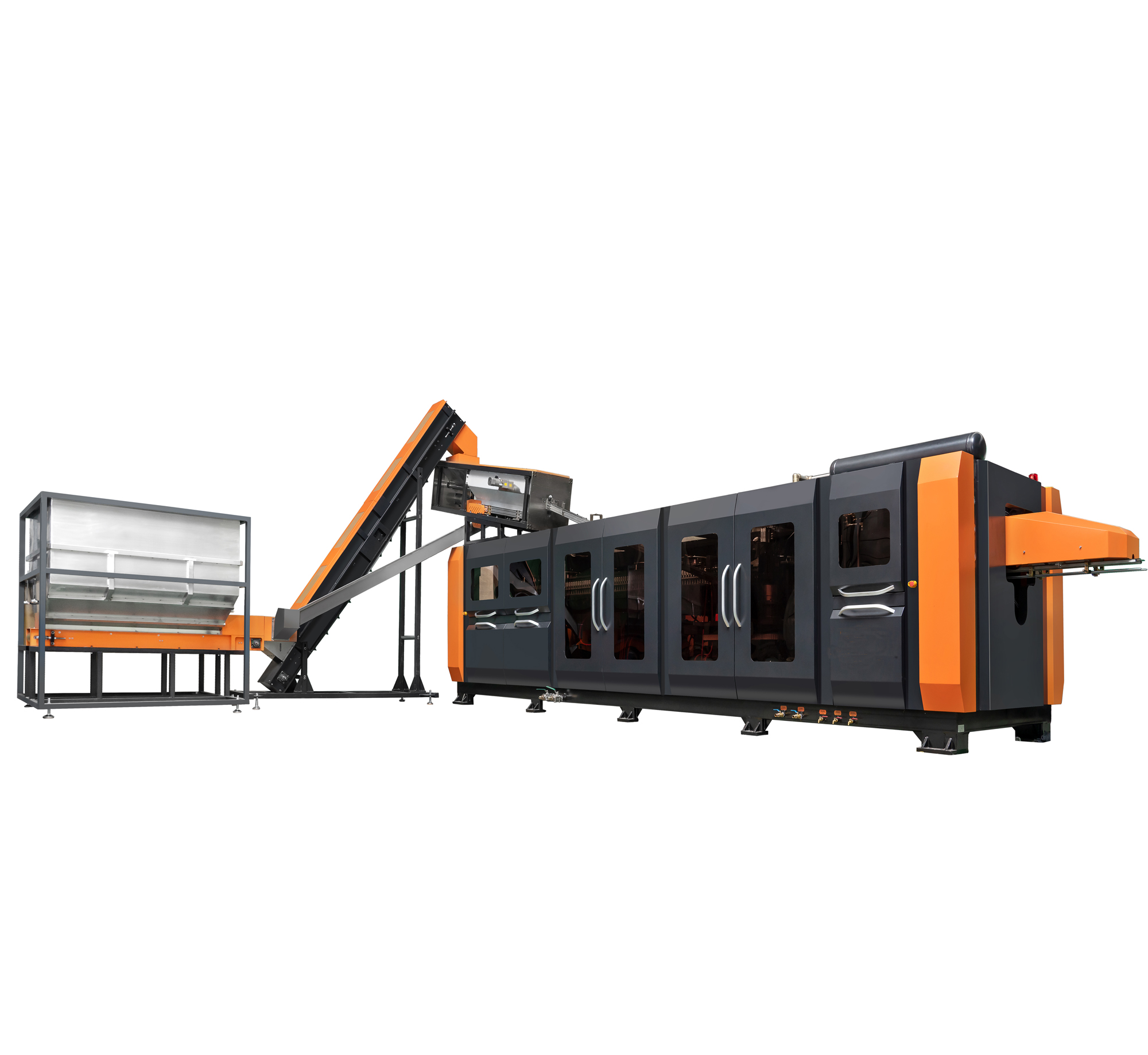
Mars BM-A8 Automatic 8 Cavity PET Bottle Blowing Machine 16000BPH 50Kw Omron PLC CE Certified
View Details →
Automatic Soda Water Filling Canning Machine for Carbonated Soft Energy Drink
View Details →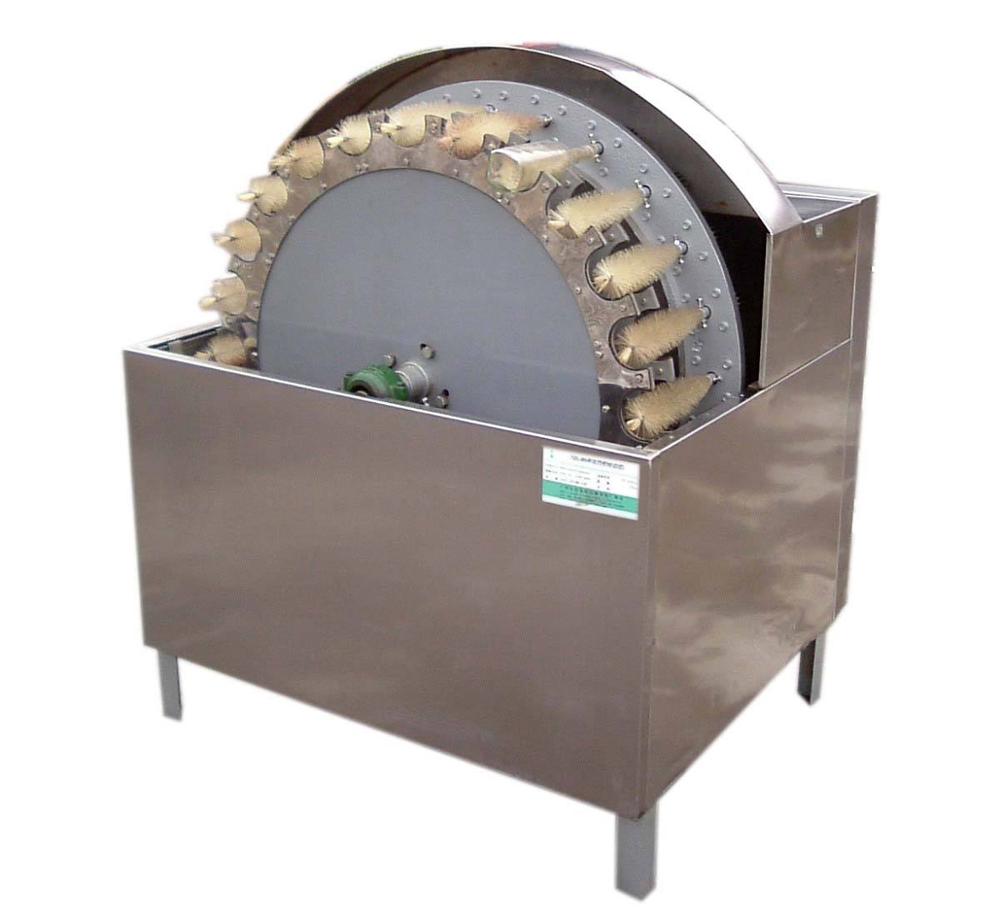
XP-24 Automatic Glass Wine Bottle Washer 380V 1.5KW Bottle Cleaning Machine
View Details →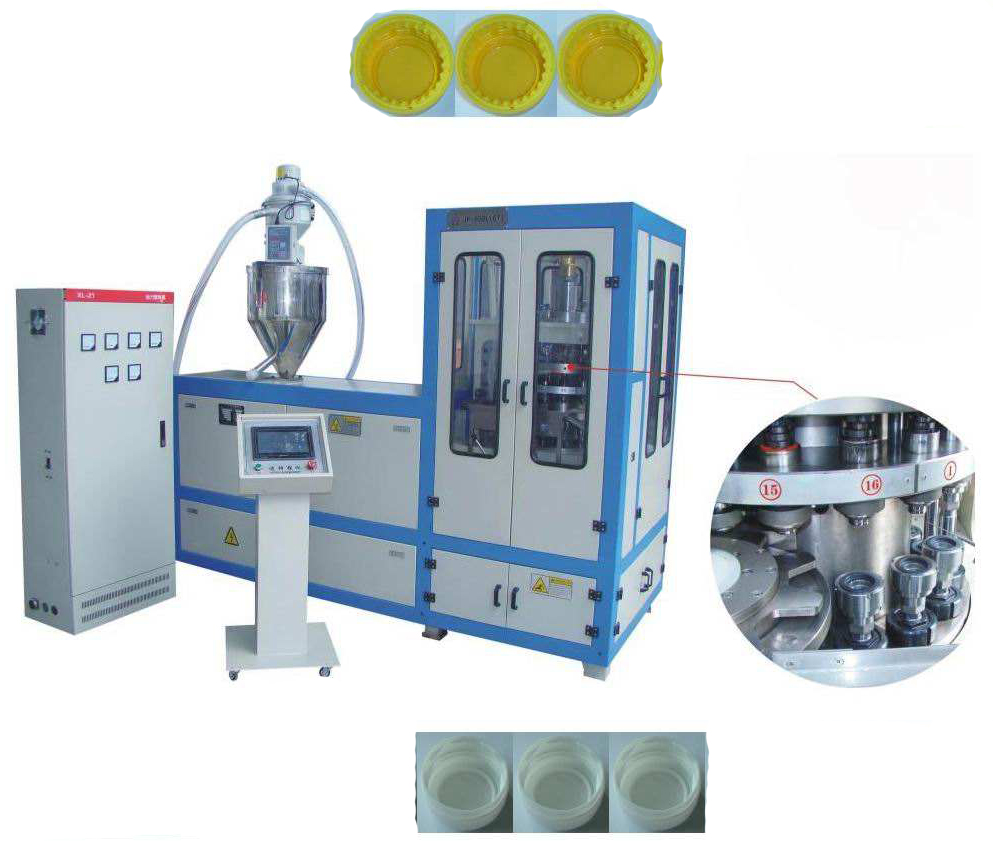
24-Cavity Automatic Injection Blow Molding Machine for PP Thermosetting Compressing Bottle Cap
View Details →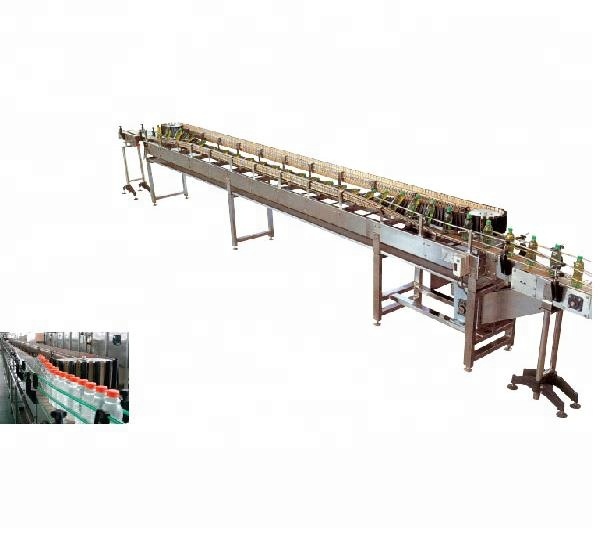
Automatic Bottle Inverse Sterilizer Electric Inline Inverting Machine 304 Stainless Steel
View Details →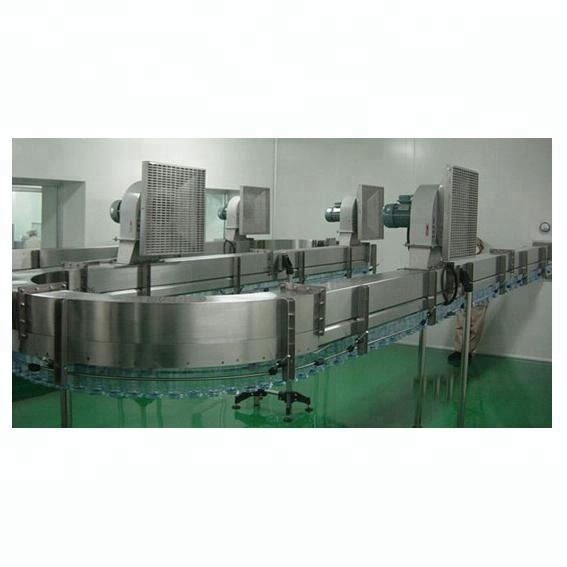
CE Certified Stainless Steel Air Conveyor Pneumatic Conveying System for PET Bottle Line
View Details →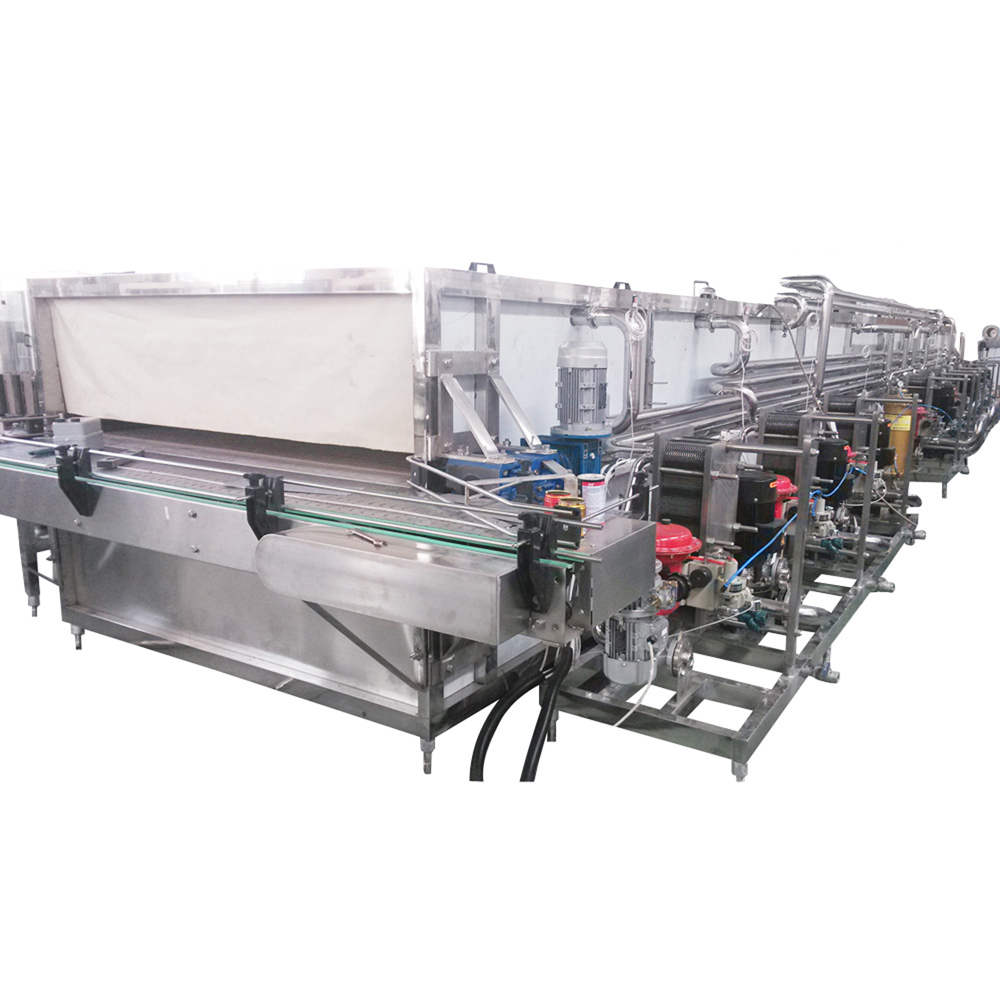
Automatic Tunnel Pasteurizing Machine SUS304 Stainless Steel Bottle Pasteurizer 380V 6.6Kw
View Details →1. Turnkey Soft Drink Production Line Engineering: Industry Executive Summary
The modern carbonated soft drink (CSD) manufacturing ecosystem demands rigorous mechanical reliability, thermal control, and precise gas-liquid balance. As a premier CE Certified Soft Drink Production Line Manufacturer & Factory, Lofsu Packing Machinery Co., Ltd. (operating out of Jiangsu, China's central beverage packaging equipment hub since 2010) delivers integrated, high-throughput line architectures. Manufacturing carbonated beverages—ranging from classic cola formulas and sparkling flavored waters to high-viscosity energy drinks—requires seamless synchronization across syrup preparation, water deaeration, CO2 carbonation mixing, rotary isobaric filling, capping, thermal pasteurization, labeling, and secondary end-of-line packaging.
Our factory facilities house complete design, machining, electronic assembly, and pre-shipment testing bays. Operating strictly under the European Union's Machinery Directive 2006/42/EC and Low Voltage Directive 2014/35/EU, Lofsu engineers turnkey automated packaging lines tailored specifically to global plant layouts. By pairing high-grade food-contact alloys (SUS304/SUS316L) with Omron PLC control platforms and Schneider electrical architecture, our production solutions achieve maximum overall equipment effectiveness (OEE) while minimizing Total Cost of Ownership (TCO).
2. E-E-A-T Verified Enterprise & Manufacturing Strengths
Selecting an industrial OEM for a multi-million-dollar bottling investment requires extensive verification of technical experience, manufacturing depth, and post-installation service capability. Lofsu’s core enterprise architecture is structured around complete transparency and audited engineering standards:
15+ Years Regional Cluster Leadership
Located in Zhangjiagang, Suzhou, Jiangsu Province—China's premier beverage machinery engineering cluster—Lofsu leverages established metallurgical supply chains, precision CNC tooling facilities, and specialized fluid mechanics laboratories.
Audited Quality & CE Certification
Our machinery lines carry complete CE safety compliance certificates. Every structural frame, pressure vessel, and high-speed rotary carousel passes third-party factory inspection, pneumatic pressure testing, and 72-hour continuous trial runs prior to export.
Global Footprint & Onsite Commissioning
With machinery running in over 30 countries across North America, Southeast Asia, the Middle East, Africa, Europe, and South America, our field support teams deliver full turn-key setup, operator training, and electrical adaptability (220V–450V, 50/60Hz).
3. Recommended Production Line Architecture & Equipment Breakdown
A complete, automated CE-certified soft drink production line operates as a continuous synchronization process. Below is the technical breakdown of key modules deployed across our high-speed CSD and beverage packaging projects:
A. Primary Container Forming & Handling Systems
High-velocity carbonated bottling begins with precise container blow molding and sanitary pneumatic transport. Equipment such as the Mars BM-A8 Automatic 8 Cavity PET Bottle Blowing Machine achieves production outputs up to 16,000 BPH. Utilizing infrared heating ovens, servo-driven stretch rods, and high-pressure blowing air recovery systems, container wall thickness distribution is held within micro-tolerances to withstand internal CO2 pressure. Formed bottles are transferred directly into high-cleanliness CE Certified Stainless Steel Air Conveyors, utilizing filtered pneumatic draft to prevent physical container deformation or particulate contamination during transit to the filler.
B. Water Treatment, Syrup Mixing & Carbonation Units
Fluid preparation is the foundation of beverage quality. Municipal or well water passes through multi-stage Reverse Osmosis (RO) filtration, UV sterilization, and dynamic deaeration tanks. Dissolved oxygen is extracted down to <0.05 ppm to preserve flavor profiles and prevent foam generation during filling. The deaerated water is blended with flavored syrup using high-precision mass flow meters, then fed into a multi-stage carbonation mixer where food-grade CO2 gas is injected under controlled temperatures (typically 4°C to 8°C) to maintain stable gas volumes up to 4.2 vol.
C. Isobaric Filling, Capping & Container Cleaning
For carbonated beverages, standard atmospheric filling is impossible due to immediate gas flashing. Our Automatic Soda Water Filling Canning Machine and 3-in-1 rotary monoblocks operate under counter-pressure (isobaric mechanics). The bottle is sealed against the filling valve, pressurized with CO2 to match tank pressure, filled by gravity under equalized pressure, snifted (slowly depressurized to prevent fobbing), and immediately routed to mechanical capping heads. For glass bottle operations, pre-cleaning is executed by automated washing systems such as the XP-24 Automatic Glass Bottle Washer or semi-automatic rotary neck-flushing units.
D. Thermal Pasteurization & Inline Sterilization
For soft drinks containing real fruit juices, dairy proteins, or sensitive preservatives, thermal treatment is mandatory. Inline warmers and Automatic Tunnel Pasteurizing Machines (SUS304 Stainless Steel) utilize multi-zone thermal spray cycles to gradually heat filled containers to target Pasteurization Units (PU) before cooling them to ambient temperatures. This eliminates thermal shock container rupture while destroying spoilage organisms. Additionally, hot-fill line variations employ Automatic Bottle Inverse Sterilizers to tilt filled containers, allowing hot liquid to sterilize the interior cap surface.
E. End-of-Line Packaging, OPP Labeling & Palletizing
Post-pasteurization containers are dried via high-velocity air knives before entering rotary hot-melt glue OPP labeling machines or cold glue paper labelers. Once labeled, containers are grouped by automatic linear collators and processed by wraparound case packers or PE film shrink wrapping equipment with heat tunnels. Automated depalletizers and robotic palletizers complete the line, feeding finished transport pallets directly to warehouse storage.
4. Industry & Technological Future Trends in Soft Drink Manufacturing
The carbonated soft drink sector is undergoing rapid operational transformation driven by environmental regulations, energy costs, and shifting consumer preferences toward healthier, low-sugar, and functional sparkling beverages. Understanding these technological shifts allows procurement directors to future-proof their capital investments:
1. Lightweighting & rPET Processing
Bottlers are aggressively reducing PET bottle weights (e.g., 500ml containers dropping from 18g to under 12g) and introducing up to 100% Recycled PET (rPET). Advanced stretch blow molders must feature adaptive heating profiles to manage rPET resin variations without sacrificing structural burst resistance under high carbonation pressures.
2. Ambient Temperature Carbonation
Traditional CSD lines require energy-intensive ammonia or freon chillers to cool beverage liquids to 4°C prior to filling. Next-generation isobaric filling valves feature ultra-precise mechanical pressure control and electronic mass flow meters, enabling ambient carbonated filling (at 15°C to 20°C), drastically reducing plant refrigeration electricity consumption.
3. Smart Factory IoT & Predictive Diagnostics
Modern production lines integrate Industry 4.0 telemetry. Ethernet-enabled PLCs track key performance indicators including fill level accuracy, valve actuation timing, vibration analysis on rotary carousels, and real-time utility consumption (CO2, water, compressed air), pushing alerts directly to plant engineering management.
5. Strategic Future Procurement Trends: TCO & Modular Line Sizing
Global beverage procurement officers are transitioning away from evaluating equipment purely on initial capital expenditures (CAPEX). Strategic plant investments are now governed by lifetime Operational Expenditures (OPEX), Total Cost of Ownership (TCO), and modular scalability. Key procurement trends shaping the industry include:
- Turnkey Single-Source Accountability: Bottlers increasingly reject piecemeal line sourcing. Sourcing blow molders, mixers, fillers, and end-of-line packers from a unified OEM eliminates inter-machine conveyor bottlenecks, signal handshake mismatches, and vendor blame-shifting during commissioning.
- Rapid Format Changeover Architecture: Consumer market demands require bottling plants to run multiple container sizes (e.g., 250ml sleek cans, 330ml glass, 500ml PET, and 2L family bottles) on the same core line. Quick-change neck handling components and tool-less guide rail adjustments reduce line changeover downtime from hours to under 30 minutes.
- CIP (Clean-in-Place) Automation: Hygiene protocols require closed-loop CIP sanitization circuits. Advanced CSD fillers feature automatic dummy cup placement, multi-stage hot alkali/acid flushing cycles, and real-time conductivity sensors to verify chemical neutralization without manual disassembly.
- Energy & Utility Recovery Systems: High-pressure air from PET blow molding processes (up to 3.5 MPa) is recovered and recycled into low-pressure pneumatic circuits (0.7 MPa) for line conveyors and cylinder actuations, lowering air compressor energy loads by 20%–30%.
6. B2B Procurement Frequently Asked Questions (FAQ)
What production capacities do Lofsu bottling lines cover? +
Standard monoblock lines start at about 2,000 bottles per hour (for example the CGF8-8-3 PET water and beverage line with 8 filling nozzles) and reach around 16,000 bottles per hour on multi-cavity blow molding and high-speed rotary isobaric filling suites. Larger custom rotary configurations are engineered on request after reviewing container dimensions, product viscosity, gas volumes, and overall factory floor layouts.
Which beverages and container formats can your machinery handle? +
Our complete machinery portfolio handles carbonated soft drinks (CSD), purified and mineral waters, 5-gallon bottled water, fruit juices, iced teas (hot filling), beers, wines, vinegars, and edible oils. Supported container formats include lightweight PET plastic bottles, glass bottles with crown or screw caps, standard/sleek/stubby aluminum cans, and tinplate containers.
Can your production equipment be configured for our local power supply grid? +
Yes. While standard factory design utilizes 380V three-phase 50Hz, all electrical enclosures, motors, heating elements, and PLCs are fully customized for destination site grids ranging from 220V to 450V three-phase at either 50Hz or 60Hz. Electrical components are selected from globally accessible brands (Schneider, Omron, Siemens) for effortless localized maintenance.
Do you provide overseas installation, engineering commissioning, and operator training? +
Yes. Lofsu dispatches experienced mechanical and electrical field engineers directly to customer plant sites worldwide. Our engineers manage hardware positioning, line alignment, pneumatic and electrical interconnects, dry/wet testing, and complete operator training covering daily operation, CIP protocols, and preventive maintenance routines.
How is machinery performance and quality verified prior to factory dispatch? +
Every equipment build undergoes a strict Factory Acceptance Test (FAT) inside our manufacturing plant. We run testing trials using customer-supplied container preforms, bottles, caps, and simulated liquid products. High-definition operational videos and detailed inspection checklists are provided for customer approval prior to seaworthy export packaging.
Which international commercial delivery and payment terms do you support? +
We work flexibly under standard Incoterms including FOB, CFR, CIF, EXW, DDP, and DDU. Transactions are settled in USD, EUR, or CNY via Telegraphic Transfer (T/T) or irrevocable Letters of Credit (L/C at sight).
Request a Turnkey Soft Drink Production Line Proposal
Planning a new carbonated soft drink facility, expanding existing bottling capacity, or upgrading legacy equipment? Contact our project engineering team today for custom CAD layout designs, detailed equipment quotations, and utility consumption matrices tailored to your operational targets.
Contact Us