CE Certified Wine Filling Machine Exporter & Wholesaler
Turnkey Automated Bottling Machinery, Total Package Oxygen (TPO) Control Technology, and Hygienic Oenological Packaging Lines Engineed for Global Wineries
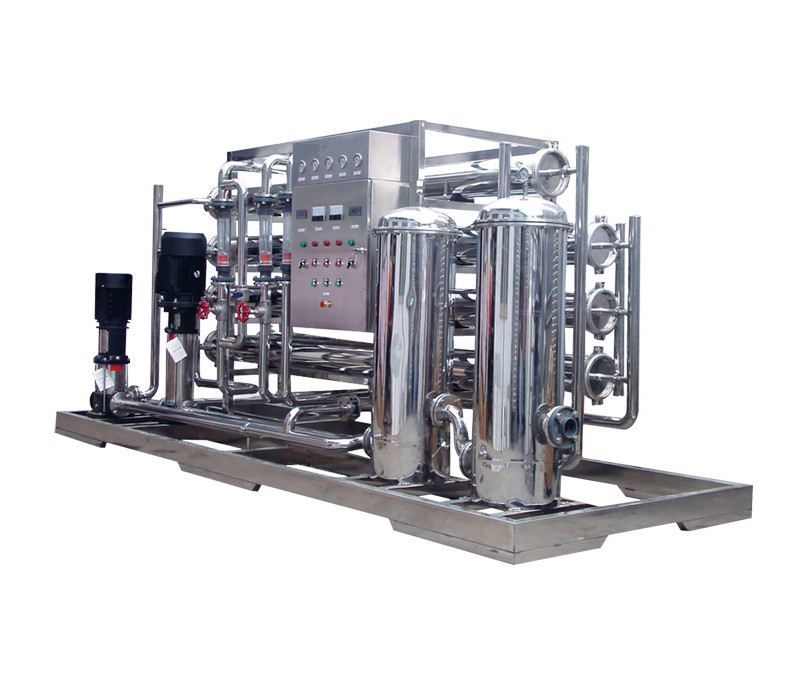
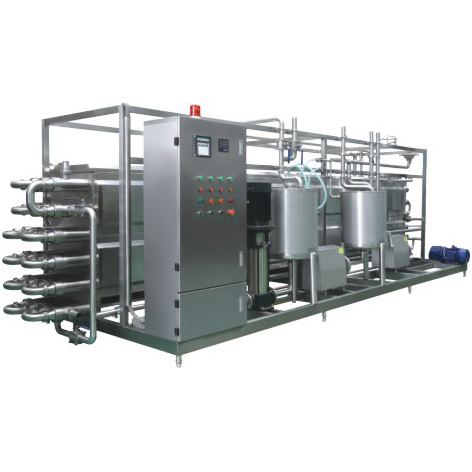
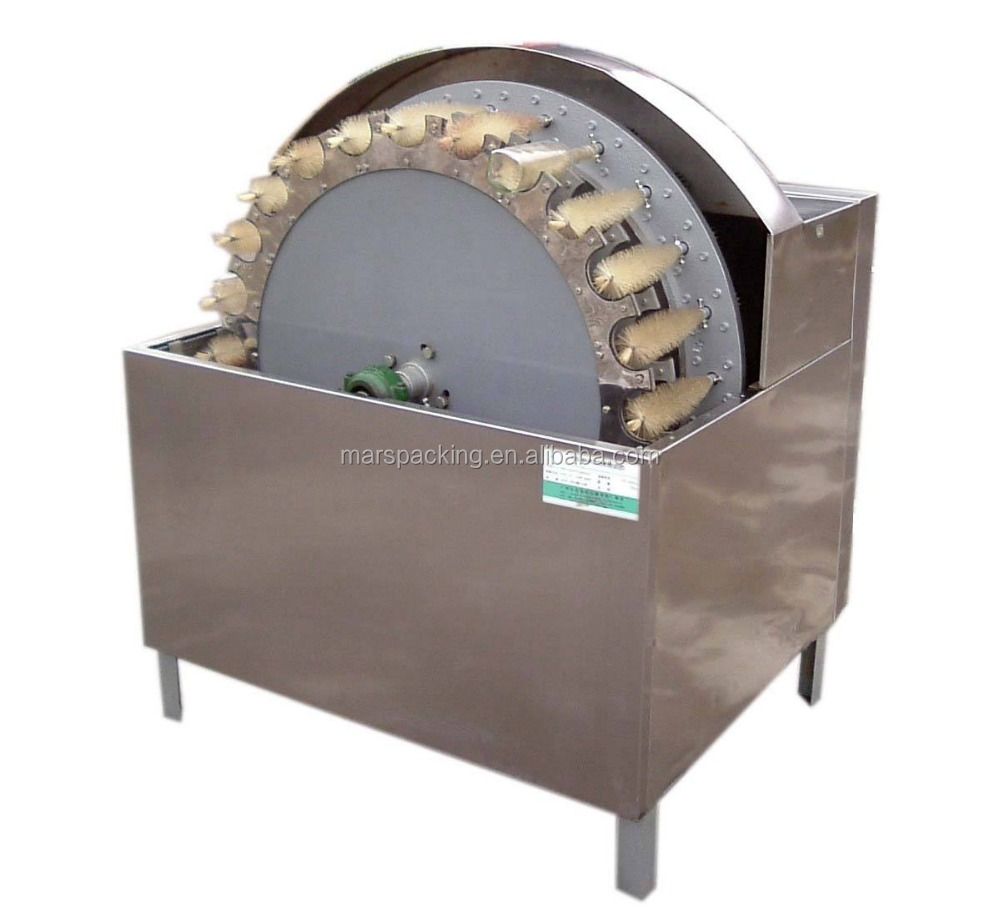
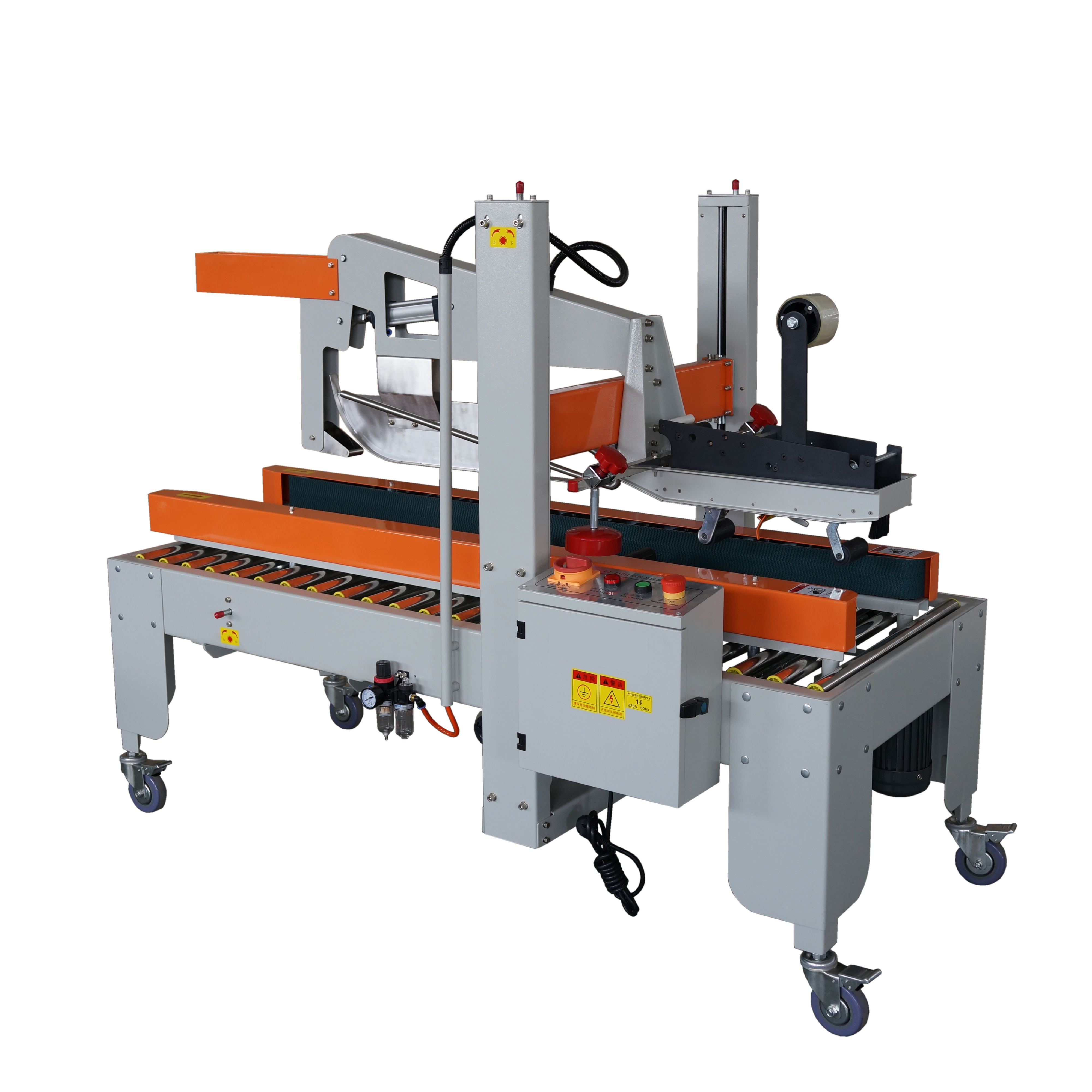
Featured Wine Bottling & Liquid Processing Machinery
Explore our CE-compliant equipment catalog engineered for complete winery processing, automated bottle handling, sterilization, and final packaging.
Executive Summary: Engineering Excellence in Modern Wine Packaging
In the global wine manufacturing and bottling industry, maintaining organoleptic integrity, microbial stability, and visual clarity during high-speed packaging is the ultimate engineering benchmark. As a premier CE Certified Wine Filling Machine Exporter & Wholesaler, our manufacturing philosophy centers on eliminating oxidation risk, preventing microbiological contamination, and maximizing operational efficiency across diverse container formats—from classic 750ml Bordeaux glass bottles to lightweight PET and modern aluminum cans.
Wine is a delicate, biochemically active matrix containing polyphenols, organic acids, ethanol, and aromatic esters. Unlike standard mineral water or carbonated soft drinks, wine packaging demands strict control over Total Package Oxygen (TPO), micro-vacuum leveling, and sterile inert gas (Nitrogen/CO2) purging. This technical whitepaper explores the critical engineering parameters, international compliance frameworks (CE Machinery Directive 2006/42/EC), future procurement trends, and customized OEM integration options for commercial wineries and contract copackers worldwide.
Key Engineering Takeaway: Modern wine filling requires a multi-stage oxygen management protocol. By integrating double pre-evacuation vacuum pumps with high-purity N2 injection prior to low-vacuum gravity filling, baseline dissolved oxygen (DO) pickup can be contained below 0.03 to 0.05 mg/L, preserving sensory characteristics and extending shelf life without over-reliance on free SO2.
Architectural Foundations of Low-Vacuum Gravity Wine Filling
Standard gravity filling often introduces atmospheric ambient air into the bottle neck space, accelerating phenolic oxidation and browning in white wines or color degradation in delicate red vintages. Our automated monoblock wine filling lines utilize advanced Low-Vacuum Gravity Filling Valves or electro-pneumatically controlled isobaric valves designed specifically for quiet, non-turbulent liquid flow.
When the bottle is elevated by pneumatic lifting cylinders fitted with bottle neck clamps, a hermetic seal is formed against the food-grade EPDM/FKM gasket. The filling cycle proceeds through four distinct mechanical phases:
1. Pre-Evacuation & Gas Flushing
A vacuum channel evacuates up to 90% of ambient air inside the glass bottle. Food-grade Nitrogen ($N_2$) or Carbon Dioxide ($CO_2$) is subsequently injected to establish an inert atmosphere prior to liquid valve opening.
2. Low-Turbulence Flow
Wine descends along the internal bottle wall via a specialized umbrella-deflector nozzle. This smooth laminar flow minimizes friction, preventing carbon dioxide degassing in semi-sparkling wines and micro-foaming.
3. Precision Leveling & Vacuum Corking
Excess liquid is suctioned back to ensure millimeter-accurate fill heights. Before cork insertion or ROPP aluminum cap application, a vacuum pump evacuates head-space air, eliminating cork-pushback and neck cracking.
Selecting the right wine filling plant layout depends on target output volume, bottle material (glass vs PET), closure type (natural cork, synthetic cork, ROPP screw cap, crown cap), and level of line automation. Below is an engineering overview of our standard export series:
Performance Parameter
Micro-Winery / Estate Line
Commercial Wholesale Line
Industrial High-Speed Line
Nominal Output (750ml)
1,500 – 2,500 BPH
3,000 – 6,000 BPH
8,000 – 12,000+ BPH
Filling Valve Technology
Mechanical Low-Vacuum Gravity
Electro-Pneumatic Low-Vacuum
Flowmeter / Isobaric Counter-Pressure
Contact Materials
SUS304 / Options for 316L
AISI 316L Stainless Steel
AISI 316L Mirror-Polished (Ra < 0.4µm)
TPO Protection System
Single Stage N2 Flush
Double Vacuum + Inert Gas Purge
Automated Vacuum Corking + LN2 Dosing
Closure Integration
Single-Head Straight Corker
4 to 8-Head Rotary Corker/Cap Applicator
Dual-Turret Rotary (Cork + ROPP Screw Cap)
CE Safety Standards
EN ISO 12100, EN 60204-1
2006/42/EC Machinery Directive
Full Safety Interlocks + Light Curtains
Clean-in-Place (CIP)
Manual Dummy Bottle Attachment
Semi-Automated CIP Manifold
Fully Automated 3-Stage CIP / SIP Ready
Original Equipment Manufacturer Strengths & Global Compliance
Base in Zhangjiagang, Jiangsu—China’s premier liquid packaging machinery industrial hub—our enterprise brings over 15 years of dedicated design, machining, assembly, and international export expertise. Over 70% of our complete bottling lines are delivered to overseas buyers across North America, Europe, South America, the Middle East, Southeast Asia, and Africa.
Rigorous Quality Control & CE Certification Architecture
Exporting machinery to regulated international markets requires absolute compliance with safety, electrical, and food-contact directives. Our equipment undergoes comprehensive third-party audits and carries full CE compliance under the following European standards:
2014/35/EU Low Voltage Directive (LVD): Electrical safety governed by EN 60204-1, including IP54/IP65 control cabinets, color-coded wiring, overload protection, and standardized grounding.
Food Contact Hygiene Compliance: All pipes, tanks, pumps, and valves that contact the wine product are certified food-grade AISI 304 or AISI 316L stainless steel, compliant with FDA and EU 1935/2004 standards.
Custom Electrical Voltage Adaptability
We configure motors, pumps, frequency converters, and PLC power modules for local grid standards globally: 220V, 380V, 415V, 440V, or 480V at 50Hz or 60Hz 3-phase power.
Factory Acceptance Testing (FAT)
Before shipment, every monoblock is assembled and dry-run tested using the customer's actual bottle and cap samples. Video inspection reports and live video audits are supplied prior to dispatch.
Turnkey Global Service & Installation
Our mechanical and automation engineers provide overseas onsite installation, line balancing, operator training, and lifetime spare parts delivery with fast turnarounds.
Global Sourcing & Technological Trends in Wine Bottling (2025–2030)
The global beverage market is experiencing rapid shifts driven by sustainability directives, lightweighting initiatives, changing consumer packaging preferences, and Industry 4.0 automation. Buyers and plant managers looking to procure new wine filling machinery should align their procurement strategies with four key industry trends:
1. Hybrid Multi-Format Packaging Flexibility
Modern wine consumers are increasingly embracing alternative formats alongside traditional glass bottles. Premium canned wine (using sleek 250ml or 330ml aluminum cans), single-serve PET containers, and bag-in-box formats are growing rapidly. Forward-thinking wineries are investing in modular filling monoblocks capable of quick-changeover tooling between glass bottles and aluminum cans or PET containers, minimizing capital expenditure while expanding market reach.
2. Advanced Total Package Oxygen (TPO) Sensor Integration
Manual benchtop DO sampling is giving way to inline optical oxygen sensing. Next-generation filling machines feature integrated optical luminescent sensors that monitor dissolved oxygen levels in real time within the filling bowl and at the corker discharge. If a bottle exceeds predefined TPO thresholds, an automatic pneumatic reject arm removes the container from the conveyor without stopping line production.
3. Eco-Friendly Cleaning & CIP Water Recovery
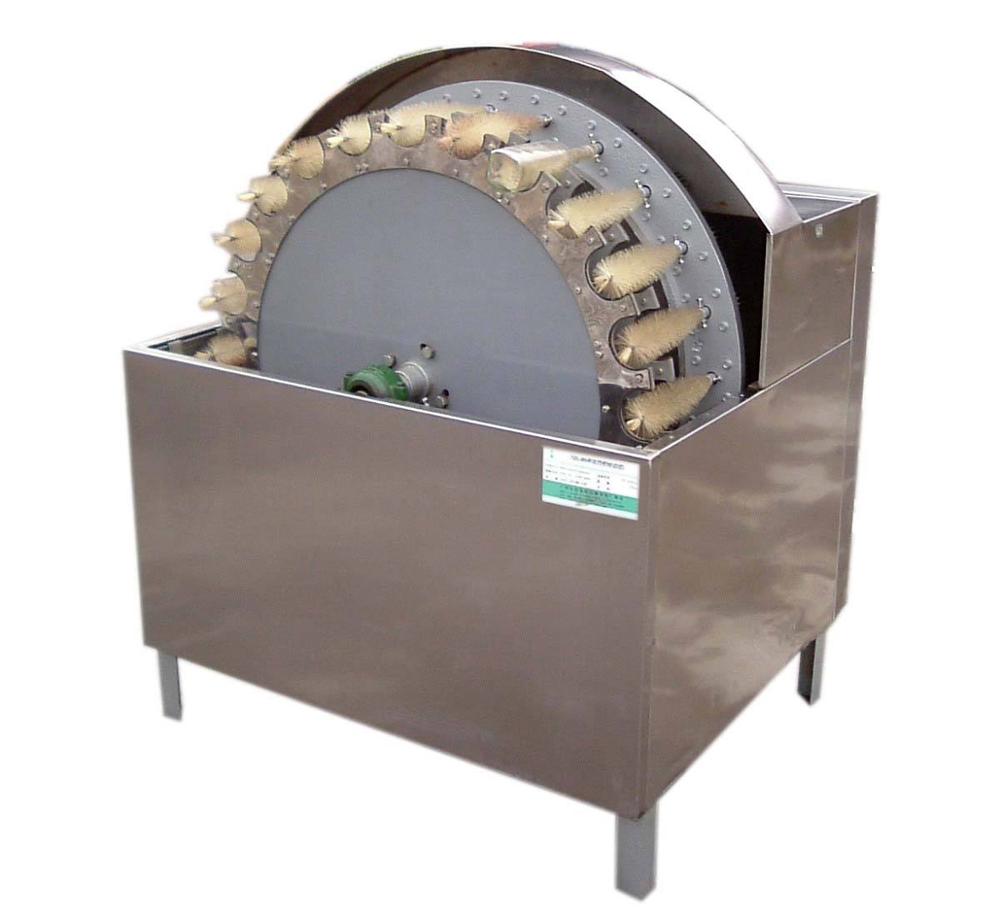
Freshwater conservation is a top priority for wineries globally. Automated rinsing machines (such as our XP-24 Automatic Glass Bottle Washer) now feature closed-loop water filtration and multi-stage rinse recovery. By reusing final-rinse ozonated water for initial bottle flush cycles, wineries can reduce rinse water consumption by up to 45%.
4. Industry 4.0 Smart Diagnostic PLC Controllers
Equipped with Omron, Siemens, or Schneider PLCs and intuitive touchscreen HMIs, modern wine fillers log key operational metrics: bottle counts, running speeds, filling valve temperature, vacuum level, and capping torque. Integrated Ethernet/Wi-Fi modules enable remote diagnostic support, allowing factory engineers to troubleshoot code or optimize timing sequences remotely across continents.
Frequently Asked Questions (FAQ) for B2B Wine Machine Procurement
Here are clear technical answers to common questions asked by international buyers, wine producers, and machinery importers during technical evaluation:
Why is low-vacuum gravity filling preferred over standard pressure filling for wine?
Standard counter-pressure filling is designed for carbonated beverages like beer or soda. Still wine, however, can absorb unwanted gas under pressure or micro-foam if subjected to turbulence. Low-vacuum gravity filling creates a gentle negative pressure environment (typically -0.01 to -0.03 MPa) inside the bottle. This ensures quiet, non-foaming liquid flow, perfectly uniform filling levels, and minimal dissolved oxygen pickup.
How does your wine filling machine handle vacuum corking?
Our single-head and rotary multi-head corkers feature a vacuum extraction channel built directly into the corking jaws. Immediately after the cork is compressed and positioned above the bottle neck, a high-vacuum pump removes air from the bottleneck headspace. When the cork is driven in, no high-pressure air pocket is trapped inside, preventing cork pushback during storage and eliminating wine leakage.
Can one filling monoblock process both natural corks and screw caps (ROPP)?
Yes. We engineer dual-turret or combination capping units mounted on the same monoblock frame. The bottle conveyor path routes bottles to either a vacuum corking head or an aluminum ROPP screw capping head via a simple selector switch on the PLC control panel and mechanical starwheel adjustment.
What contact material grade is used for wine handling lines?
All liquid contact parts—including the central filling bowl, manifold pipes, filling valves, liquid pumps, and storage tanks—are constructed from certified food-grade AISI 304 or AISI 316L stainless steel. Seals and O-rings are made from food-contact approved EPDM, PTFE, or Viton resistant to sulfur dioxide ($SO_2$), tartaric acid, and CIP cleaning chemicals.
How is Clean-In-Place (CIP) sanitization performed on the filling machine?
The filling machine comes equipped with stainless steel dummy bottles (CIP cups). During sanitization, the dummy bottles automatically lock onto the filling valves. Hot caustic wash, acid rinse, or steam/ozonated water is recirculated through the entire supply tank, piping, and valve assemblies in a closed circuit, ensuring absolute microbiological sterility.
How are machine orders packed and protected for sea freight export?
Equipment is thoroughly cleaned, greased, and wrapped in protective moisture-proof plastic film. It is securely mounted on heavy-duty steel channel bases and enclosed in ISPM-15 compliant fumigation-free wooden export crates designed to withstand long ocean transits and crane handling.
What electrical and safety standards are provided for European and American imports?
All exported machinery carries official CE marking adhering to the 2006/42/EC Machinery Directive and 2014/35/EU Low Voltage Directive. Electrical design complies with EN 60204-1 standards, using UL/CSA-listed components (such as Schneider contactors, Siemens/Omron PLCs, and PILZ safety relays) upon request for North American destinations.
What is the typical lead time and warranty policy?
Standard stand-alone machines take 30 to 45 days, while complete turnkey bottling lines require 60 to 75 days for manufacturing and factory testing. All machinery includes a comprehensive 12-month warranty covering mechanical and electrical parts, backed by lifetime technical support and fast-dispatch spare parts supply.
Accelerate Your Winery Packaging Efficiency Today
Whether you need a standalone glass bottle washer, an automatic vacuum wine filler, or a complete A-to-Z turnkey bottling and packaging plant, our engineering team is ready to design a custom solution for your facility.