Engineering Excellence in Beverage Canning Lines: An Industry Whitepaper
The global beverage industry is witnessing a seismic shift from traditional rigid containers toward lightweight, infinitely recyclable aluminum cans. Driven by modern consumer preferences for portable ready-to-drink (RTD) beverages, craft beers, carbonated soft drinks (CSDs), functional sparkling waters, and hard seltzers, beverage producers require high-speed, flexible, and oxygen-sensitive packaging solutions. As China’s best beverage canning line exporter, Lofsu Packing Machinery Co., Ltd. delivers turnkey engineering solutions designed to meet stringent international standards, combining high-precision mechanical seaming with advanced PLC automation.
This technical report serves as an engineering guide for beverage manufacturers, plant managers, and procurement directors looking to optimize their canning operations. It covers critical parameter management—such as Dissolved Oxygen (DO) minimization, double seam integrity, sanitary CIP (Clean-in-Place) sanitation, and servo-driven counter-pressure filling—while outlining the macro-economic and technical trends shaping beverage packaging exports from China.
Key Engineering Metric: Modern high-speed canned beverage lines must achieve a balance between liquid yield, thermal stability, and atmospheric exposure. Advanced isobaric filling valves engineered by Lofsu maintain CO2 headspace purity while guaranteeing volume precision within ±1.5mm of target fill levels, effectively eliminating product waste and micro-leakage risks during long-haul global distribution.
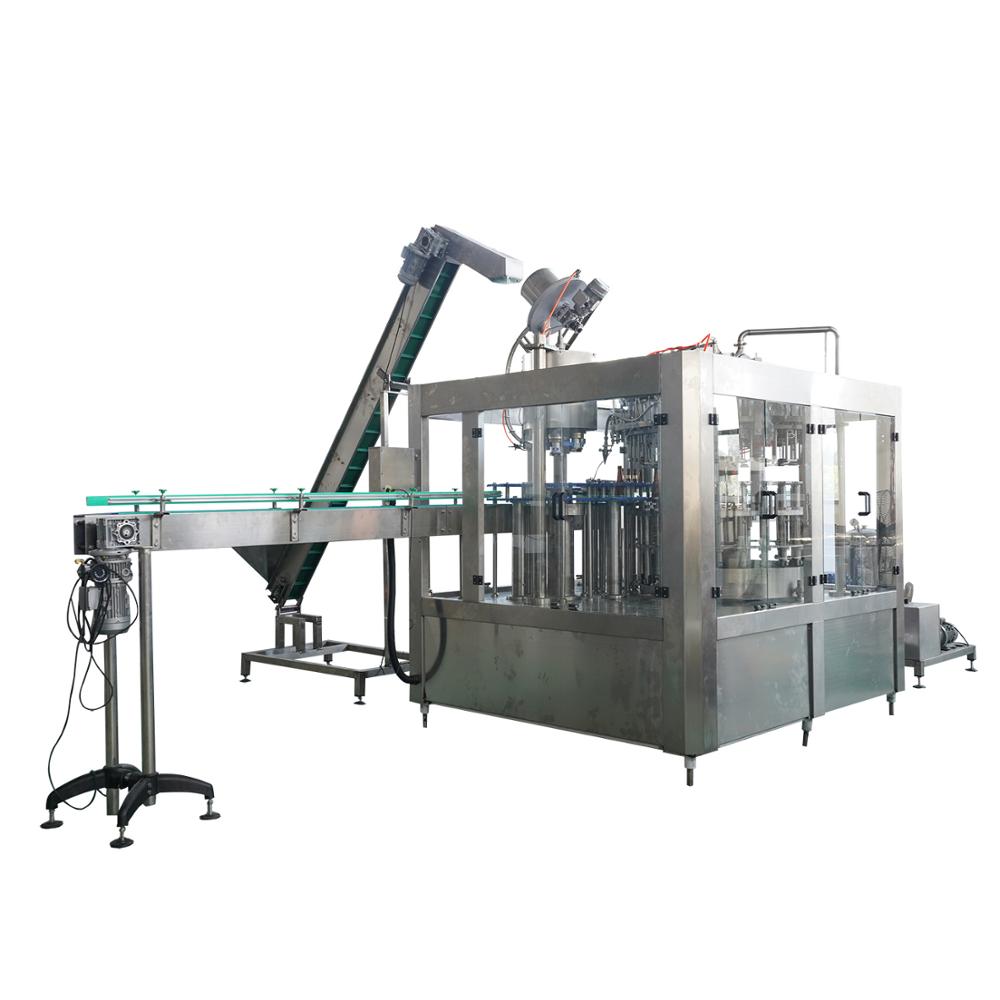
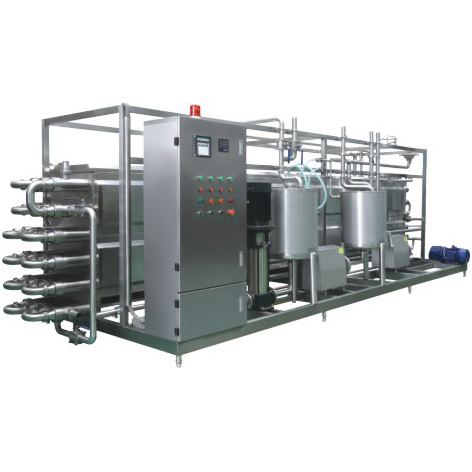
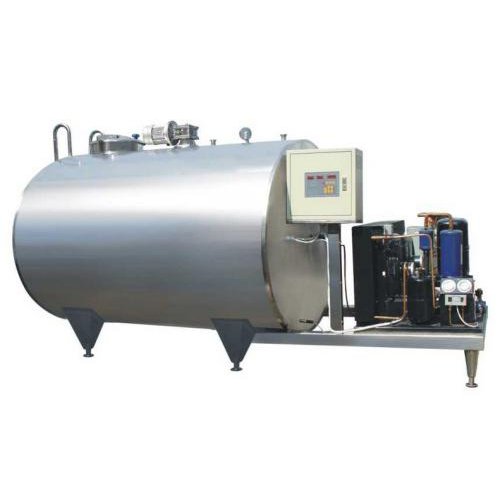
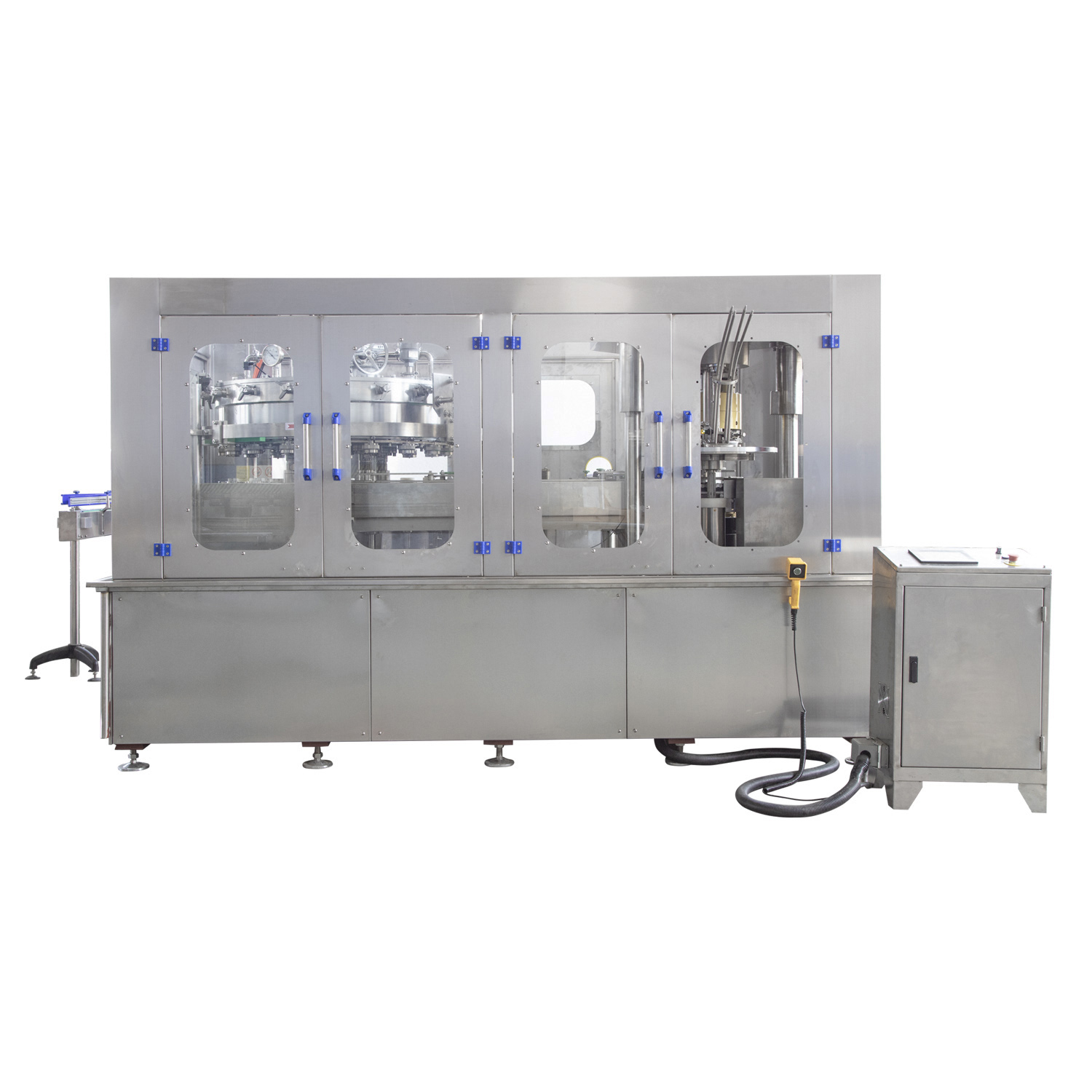
A modern beverage canning line is an interconnected ecosystem of sophisticated mechanical, pneumatic, and electronic subsystems. Each stage of the process—from container depalletization to final end-of-line case packing—must operate in synchronized harmonization to avoid line bottlenecks and container deformation.
Isobaric Counter-Pressure Valves
Equipped with mechanical spring-loaded or electropneumatic filling nozzles that purge aluminum cans with CO2 before liquid injection, maintaining product carbonation up to 4.2 vol of gas pressure.
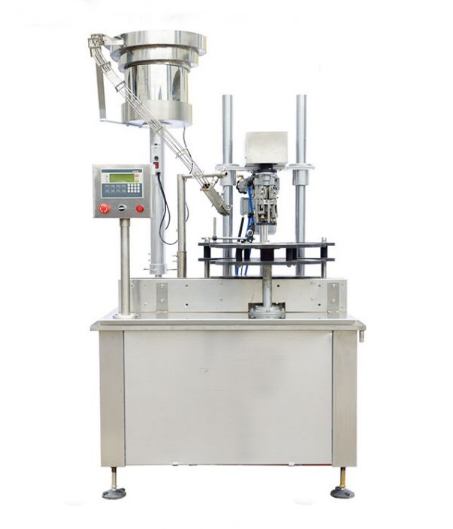
Precision Double Seam Technology
Dual-roll mechanical seaming heads utilize titanium-coated chucks to form airtight 1st and 2nd operation double seams, eliminating micro-leakage in 202, 206, and 209 lid profiles.
Siemens PLC & Touch HMI Integration
Centralized automation architecture allows real-time monitoring of filling speed, pressure dynamics, CIP cycle temperatures, fault diagnosis, and remote telemetry optimization.
1. Dissolved Oxygen (DO) Control & Under-Cover Nitrogen/CO2 Gassing
Dissolved Oxygen is the primary enemy of beverage shelf-life, causing rapid flavor degradation, haze formation, and staling in craft beers, wine, and juice products. Premier Chinese packaging equipment incorporates a multi-stage oxygen reduction cycle:
Pre-purge Phase: Empty aluminum cans are pressurized with food-grade CO2 or Nitrogen gas, displacing ambient atmospheric air prior to filling.
Controlled Filling Velocity: Liquid flows down the internal wall of the can via a helical distributor, minimizing turbulence and bubble entrainment.
Bubble Snifting & Under-Cover Gassing (UCG): Immediately prior to lid placement, a high-velocity jet of gas creates a fine foam collar (or injects LN2 gas) to purge oxygen from the can neck space. This process consistently maintains Total Packaged Oxygen (TPO) increase to under 30 ppb (parts per billion).
The structural integrity of an aluminum beverage can relies entirely on the precision of its double seam. The seaming process involves two distinct mechanical deformations: the first roll engages the can flange and lid curl to form the interlocked hook, while the second roll flattens and tightens the seam compound against internal pressure. Lofsu’s heavy-duty stainless steel seamers utilize micro-adjustable cams and optical seam analyzers to verify countersink depth, seam height, seam thickness, body hook, and cover hook parameters within sub-millimeter tolerances.
Future Sourcing & Procurement Trends in Beverage Canning (2025–2030)
Global procurement teams evaluating Chinese beverage machinery manufacturers must look beyond initial equipment cost and analyze total cost of ownership (TCO), modular scalability, and adaptability to market shifts. Over the next decade, several key manufacturing trends will dominate the liquid packaging sector:
Industry Trend
Technical Requirement
Impact on Production Line Design
Slim & Sleek Can Flexibility
Rapid toolless starwheel & guide rail adjustments
Enables quick changeovers between 250ml, 330ml, 355ml, and 500ml formats in under 30 minutes.
Liquid Nitrogen (LN2) Dosing
Cryogenic micro-dosing valves before seaming
Allows non-carbonated drinks (juices, teas, cold brew) to utilize ultralight aluminum cans by creating internal pressurization.
Hybrid Filling Lines
Multi-beverage valve dynamics (CSD + Still + Hot Fill)
Permits single-line production of craft beer, sparkling water, and hot-filled isotonic beverages without equipment replacement.
Ensures EHEDG/FDA-level hygiene with zero cross-contamination during product batch transitions.
Sustainable Packaging & Lightweight Can Handling
As beverage brands reduce can wall thickness to reduce aluminum weight and lower carbon emissions, traditional mechanical filling lines risk damaging container bodies during high-speed transfers. Next-generation machinery from China incorporates servo-driven neck-handling systems, magnetic conveyor belts, and soft-landing pneumatic lifters. These technologies protect delicate can body walls (down to 0.09mm wall thickness) while supporting line throughputs from 2,000 CPH up to 24,000 CPH.
Company Profile & Enterprise Competitive Advantages
Located in Zhangjiagang City, Jiangsu Province—China's primary industrial manufacturing cluster for beverage machinery—Lofsu Packing Machinery Co., Ltd. has been a pioneer in automated packaging systems since 2010. Spanning thousands of square meters of modern assembly workshops, Lofsu specializes in research, development, and manufacturing of complete A-to-Z turnkey plants.
Verified Manufacturing Quality
All liquid-contact components are constructed from certified SUS304 or SUS316L stainless steel. Certified under European CE Directives (2006/42/EC) and verified onsite by independent inspection firms.
Global Export Footprint
With over 70% of total factory output exported overseas, Lofsu bottling and canning machinery operates reliably across 30+ countries throughout North America, Europe, the Middle East, Southeast Asia, and South America.
Turnkey Plant Customization
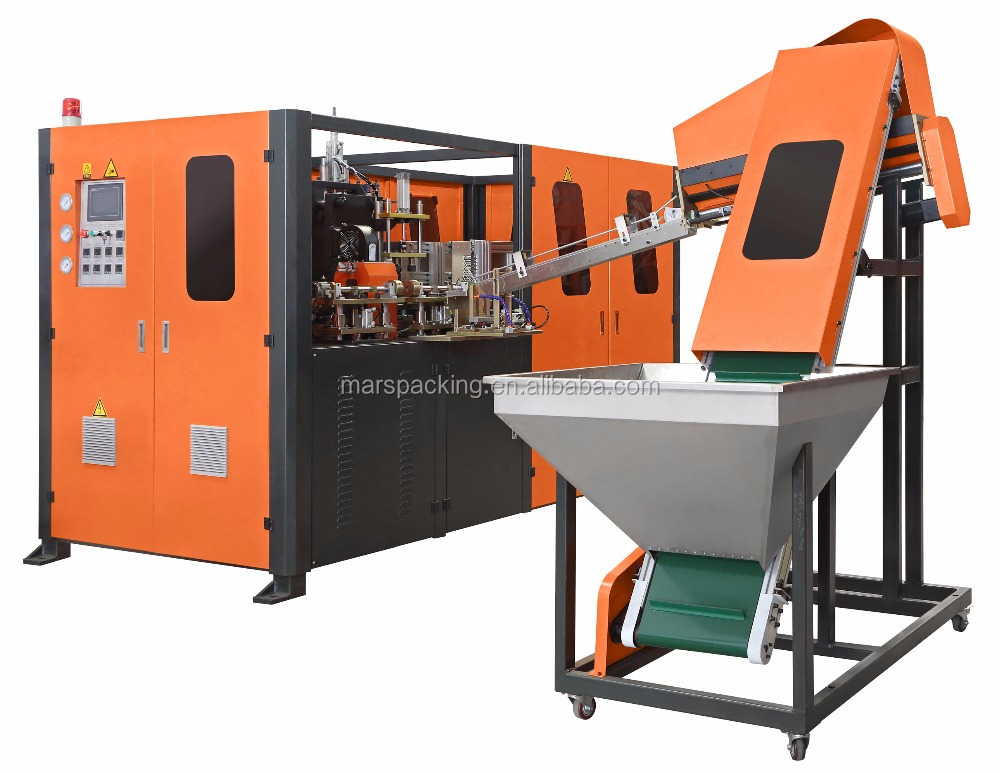
From initial water treatment and syrup preparation systems to stretch blow molders, monoblock fillers, OPP labeling systems, and wraparound case packers, our engineers design lines tailored to your exact floor plan.
Every equipment assembly undergoes a rigorous 72-hour continuous Factory Acceptance Test (FAT) utilizing customer container samples prior to export packaging. Electrical systems are custom-built to support destination power grids ranging from 220V to 450V at 50Hz or 60Hz, ensuring effortless onsite commissioning by our field installation technicians.
Procurement Knowledge Base
Frequently Asked Questions for Machinery Sourcing
Technical answers to help your engineering and procurement teams evaluate beverage line investments.
What production capacities do Lofsu beverage lines cover?
Standard monoblock lines start at approximately 2,000 bottles or cans per hour (for example, the compact CGF8-8-3 line or 12-head canning units) and extend up to 24,000 units per hour on high-speed rotary configurations. Larger customized lines are engineered upon request after analyzing bottle/can geometry, beverage viscosity, carbonation pressure, and factory space availability.
Which beverages and container formats can your machines handle?
Our complete machinery portfolio processes mineral and purified water, 5-gallon drinking water, hot-filled fruit juices, teas, carbonated soft drinks (CSDs), beer, hard seltzers, wine, vinegar, edible oil, and condiments. Container compatibility includes PET bottles, glass bottles, aluminum standard/sleek/slim cans, and tinplate packaging.
Can equipment be customized to match local industrial electrical grids?
Yes. While our standard industrial configuration is 380V 3-Phase at 50Hz, all electrical panels, motors, PLC modules, and servo drives can be engineered to support local grid standards worldwide, including 220V, 415V, 440V, or 460V at 50Hz or 60Hz. Electrical components are sourced from global brands such as Schneider, Siemens, and Omron for universal spare parts availability.
What after-sales service and installation support is provided for international buyers?
We deploy senior field service engineers globally to supervise mechanical installation, execute electrical wiring, commission line programming, and provide operator and maintenance training. Additionally, we provide comprehensive technical documentation, recommended 2-year spare parts kits, and 24/7 remote video diagnostic support.
How is equipment quality validated prior to export dispatch?
Before shipment, every machine undergoes a full Factory Acceptance Test (FAT) at our Jiangsu facility. We run the machinery using the buyer’s specific bottle or can samples and beverage matrix. Detailed high-definition test videos, seam inspection reports, and operational logs are shared with the client for formal sign-off prior to seaworthy wooden crate packaging.
Which international trade terms and payment methods do you support?
We support standard international commercial terms including FOB (Free on Board), CFR (Cost and Freight), CIF (Cost, Insurance and Freight), EXW (Ex Works), DDP (Delivered Duty Paid), and DDU (Delivered Duty Unpaid). Settlements are accepted in USD, EUR, or CNY via Telegraphic Transfer (T/T) or Irrevocable Documentary Letter of Credit (L/C) at sight.
Ready to Engineer Your Custom Beverage Canning Line?
Contact our senior engineering team today to receive a complete CAD factory layout, technical line specification, and competitive factory-direct quote tailored to your production goals.