
Engineering Standards of China's Premier Beverage Machinery Exporters
A rigorous examination of fluid dynamics, mechanical tolerances, and metallurgy standards driving top-tier Chinese liquid packaging systems.
The Evolution of Zhangjiagang Machinery Engineering
As the core hub for liquid packaging technology in China, Zhangjiagang has developed an unmatched industrial cluster for beverage bottling equipment. Lofsu Packing Machinery Co., Ltd., established in 2010 in Leyu Town, Zhangjiagang, operates directly at the epicenter of this technological ecosystem. Modern beverage packaging demands unprecedented levels of precision, moving beyond simple liquid transfer to complex, micro-biologically safe thermal and isobaric filling systems.
Top exporters in China distinguish themselves through heavy investment in CNC machining centers, dynamic balancing tools, and advanced metallurgical validation. Product-contact components are manufactured strictly from certified SUS304 and SUS316L stainless steel, ensuring complete resistance against aggressive CIP (Clean-In-Place) sanitization fluids, food acids, and high-pressure steam environments.
Operational reliability is guaranteed through global component supply chains. Machine architectures integrate Siemens and Mitsubishi PLCs, Omron photoelectric sensors, Schneider electrical switchgear, and Airtac or Festo pneumatic motion control. This dual foundation of Chinese mechanical craft and international automation hardware ensures high OEE (Overall Equipment Effectiveness) in bottling plants across North America, Europe, the Middle East, and Southeast Asia.
Quality Verification & FAT Protocol
Export-ready machinery undergoes rigorous Factory Acceptance Testing (FAT) prior to crating. Water testing, bottle stability analysis, fill-level variance checking (±2mm volumetric accuracy), and seal integrity testing under variable temperatures ensure zero-defect commissioning upon arrival at your production site.
High-Efficiency Beverage Bottling Systems Matrix
Technical evaluation criteria for selecting specialized filling equipment across diverse beverage media and container formats.
Purified & Mineral Water Lines
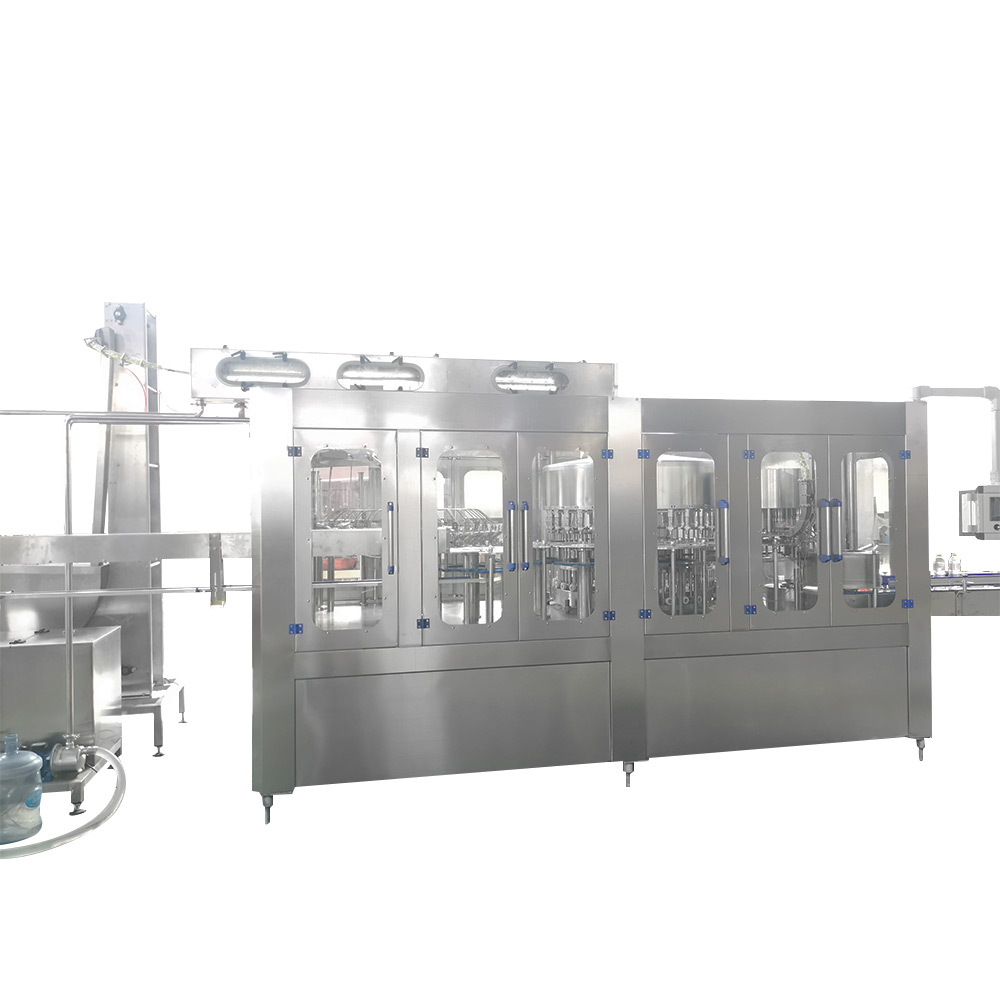
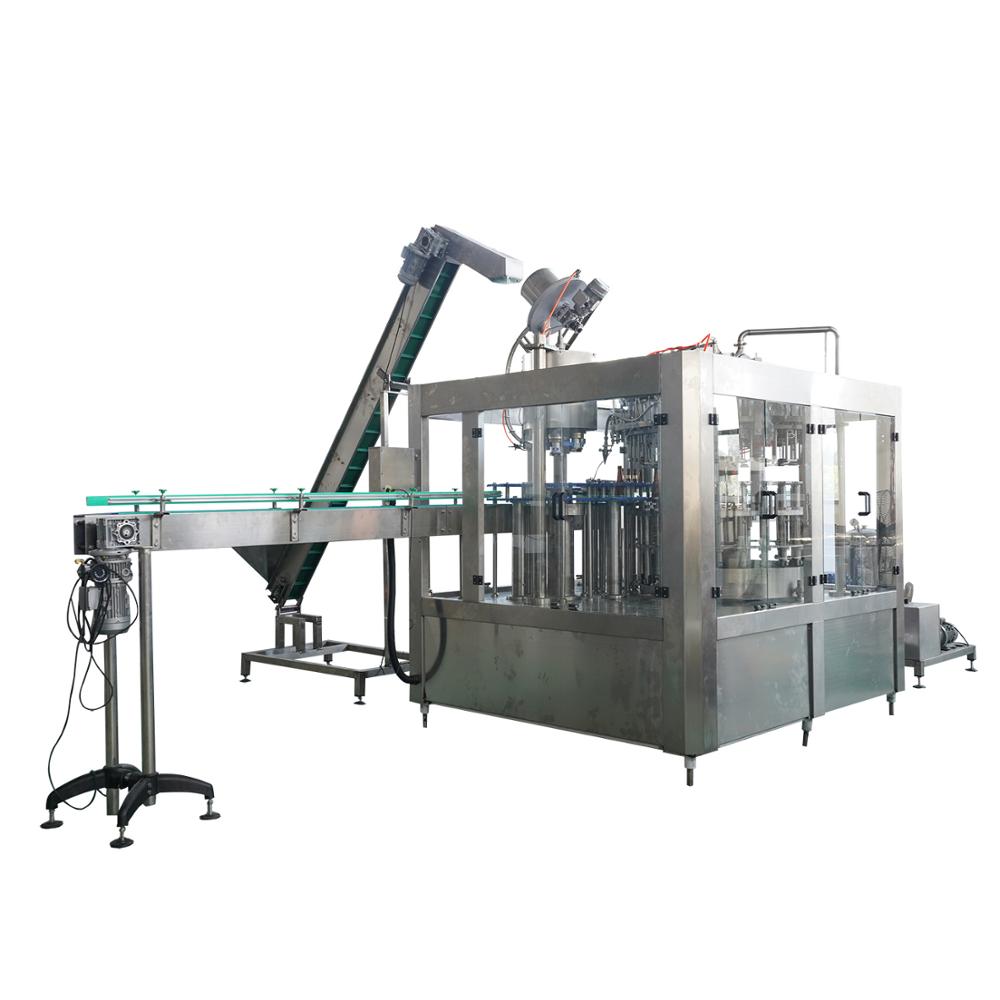
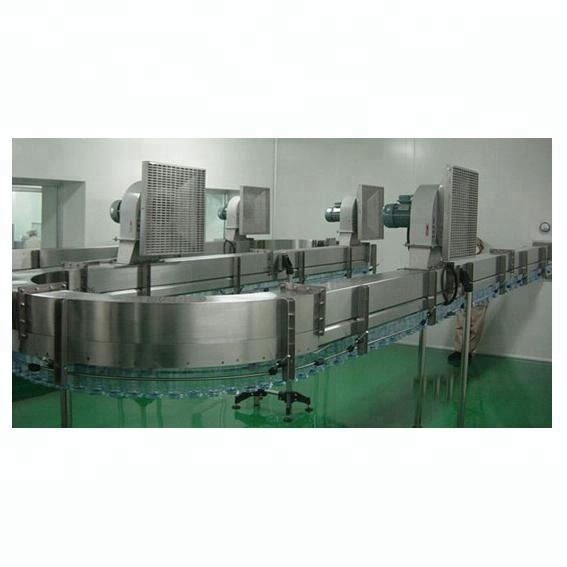
Utilizing 3-in-1 Rinsing-Filling-Capping monoblocks (such as the CGF8-8-3 up to high-speed rotary configurations), water filling lines employ magnetic constant-torque capping heads and gravity fill valves. Bottling environments are kept sterile through overhead HEPA laminar airflow enclosures, maintaining purity from raw water RO treatment to final neck shrink labeling.
Hot Fill Juice & Tea Equipment
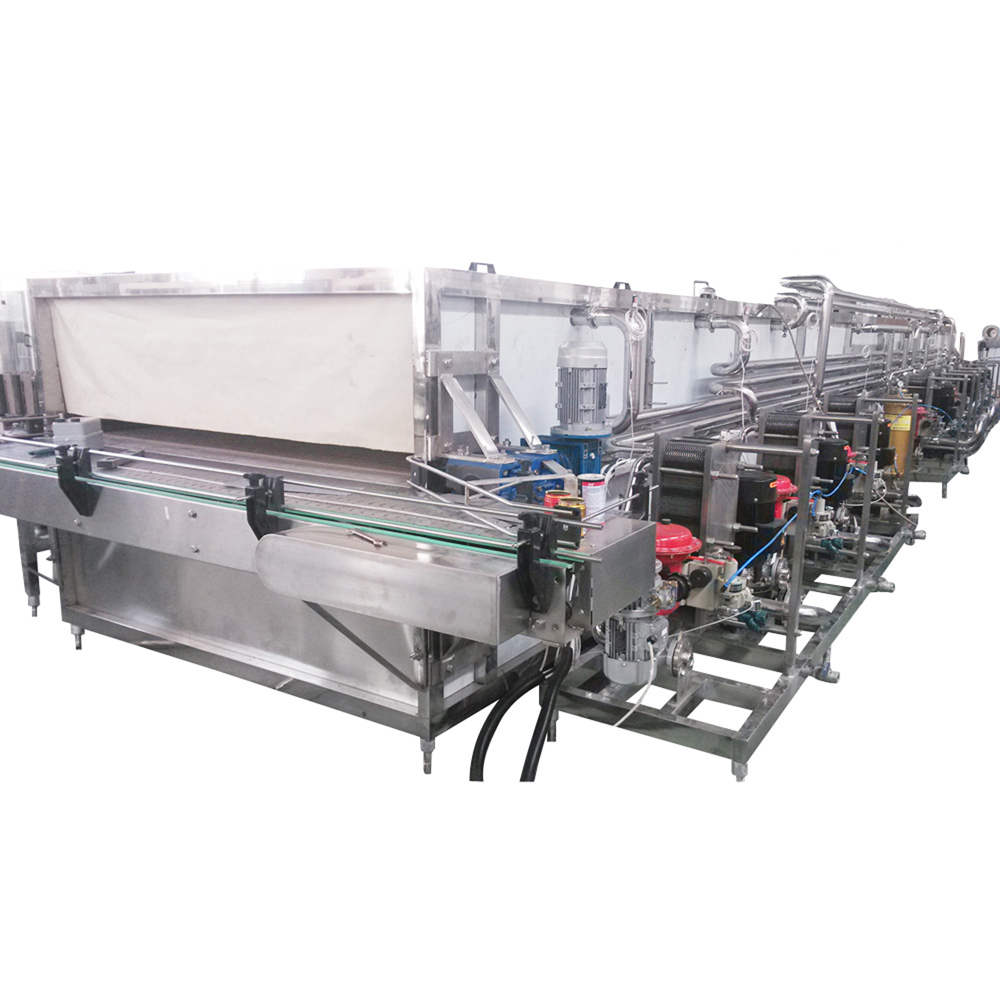
Hot filling operating at 85°C – 92°C demands thermal preservation structures. Combined with continuous inline bottle inverse sterilizers to sanitize cap inner surfaces and multi-stage cooling tunnels to mitigate PET container thermal stress, these systems safeguard product flavor profiles without chemical preservatives.
Isobaric Carbonated & Beer Fillers
Handling Carbonated Soft Drinks (CSD) and beer requires strict control over dissolved oxygen (DO) pick-up. 24-nozzle isobaric mechanical fill valves incorporate pre-evacuation vacuum flushing, counter-pressure carbonation, and high-pressure jetting to achieve stable foam levels prior to crown or screw capping.
Future Procurement Trends in Liquid Packaging Equipment
Key technological transformations reshaping global beverage line investments from 2025 to 2030.
1. Non-Contact Electromagnetic & Flowmeter Filling
The industry is transitioning away from traditional mechanical lift cylinders toward non-contact electronic magnetic flowmeters and mass flowmeters. Eliminating physical contact between the filling valve nozzle and the container finish dramatically reduces cross-contamination risks, extends valve seal longevity, and permits instantaneous volumetric changeover via touchscreen HMI without mechanical adjustment.
2. Ultra-Clean & Aseptic Dry Sterilization
With environmental regulations curbing water use in beverage facilities, dry sterilizing technologies (utilizing vaporized hydrogen peroxide - VHP) for bottle preforms and closures are replacing heavy chemical water rinsing. Modern lines minimize thermal degradation of nutrients in fresh juices while cutting plant utility consumption by up to 40%.
3. Lightweight PET & rPET Container Handling
Procurement teams are prioritizing bottling lines capable of handling ultra-lightweight PET preforms and up to 100% recycled PET (rPET). This requires specialized pneumatic air conveyors with precise pressure modulation, neck-handling pitch control, and low-friction ceramic transfers to prevent structural buckling of thin-walled bottles during filling and capping operations.
4. Smart Predictive Maintenance & Industry 4.0 IoT
Leading Chinese exporters are standardizing IoT-enabled telemetry suites. Integrated vibration sensors on main drives, real-time temperature tracking on tunnel pasteurizers, and automated torque feedback on capping chucks stream data directly to factory MES systems, giving plant managers predictive failure alerts before costly unscheduled downtime occurs.
Evolution of Beverage Filling Machinery Engineering
Tracing the technological leap from basic mechanical filler units to modern multi-axis servo integrated monoblocks.
The historical trajectory of beverage machinery manufacturing highlights a clear shift toward direct-drive mechanisms, micro-processor logic control, and hygienic design. Understanding this evolution helps procurement engineers evaluate total cost of ownership (TCO) and select machinery built on future-proof platforms.
Generation I (1990s - 2000s)
Mechanical Synchronous Drives
Central motor drives connected via massive gears, open lubrication points, mechanical filling valves driven by bottle lift cylinders. High noise, high maintenance, and long format changeover times.
Generation II (2010s)
PLC Monoblocks & Pneumatics
Integration of 3-in-1 Rinsing-Filling-Capping monoblocks. Electro-pneumatic valve actuation, PLC control interfaces, overhead CIP manifolds, and enclosed stainless steel cabinet guarding.
Generation III (Current Era)
Servo Electronic Direct-Drive
Independent multi-axis servo drives replacing gear transmissions. Non-contact electronic flowmeter filling, automatic recipe recall on HMI, closed-loop sanitary design, and low energy/water consumption footprints.
Why Overseas Beverage Producers Trust Lofsu Machinery
Combining high-spec Chinese manufacturing efficiencies with comprehensive turnkey engineering support for seamless line installation worldwide.
Custom Line Engineering & Layout Design
Every production line is engineered around your specific container drawings, product viscosity, speed requirements, and plant floor layout (CAD/3D modeling).
Full Power Grid Adaptability (220V - 450V)
Electrical control cabinets are built natively for your local destination grid (220V to 450V, 50Hz/60Hz, 3-Phase), utilizing localized circuit protections.
Onsite Overseas Commissioning & Training
Experienced field engineers deploy directly to your facility for line mechanical positioning, electrical integration, testing, and hands-on staff operation training.
Complete Flexible Trade Term Options
Full compliance with international shipping standard practices, supporting FOB, CFR, CIF, EXW, DDP, and DDU under T/T or L/C payment settlement structures.
Frequently Asked Questions for Beverage Equipment Sourcing
Technical and logistical solutions addressing critical buyer queries during equipment evaluation.
What production capacities do Lofsu bottling lines cover?
Standard monoblock lines start at approximately 2,000 bottles per hour (for example, the CGF8-8-3 PET water line equipped with 8 filling nozzles) and scale up to 4,000+ bottles per hour on 24-nozzle beer bottle filling lines. For large-scale industrial bottling operations, customized high-speed rotary configurations (up to 24,000 BPH) are engineered upon request after reviewing bottle specs, beverage characteristics, and site dimensions.
Which beverage types and bottle containers can your machines handle?
Lofsu machinery handles a broad range of liquid products: pure mineral and spring water, 5-gallon drinking water, hot-fill fruit juices, teas, energy drinks, carbonated soft drinks (CSD), craft beer, wine, edible oils, condiments, and vinegars. Compatible container materials include PET, HDPE, glass bottles, and aluminum or tin cans spanning small single-serve formats (200ml) up to large 5L family bottles.
Can machines be configured for custom local electrical power supplies?
Yes. While our standard mainland factory specification is 380V, 3-Phase, 50Hz, all electrical panels, VFDs (Variable Frequency Drives), motors, and heating elements are configured specifically for your destination country's power grid (ranging from 220V to 450V, at 50Hz or 60Hz), adhering to local electrical safety standards.
Do you provide field installation, plant setup, and operator training?
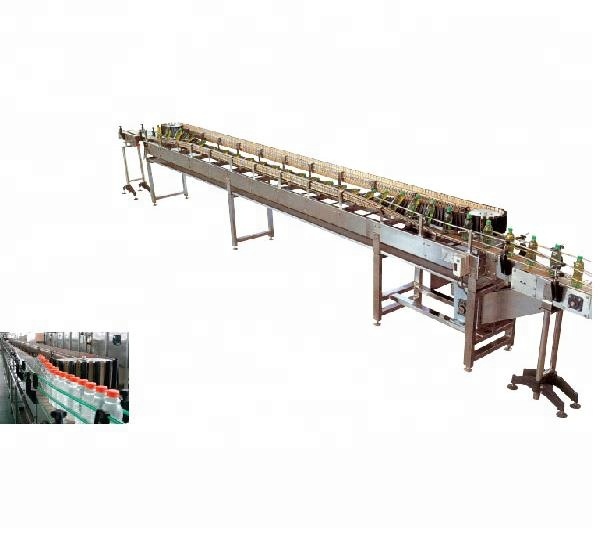
Yes. Our global technical dispatch team provides full onsite setup services. Engineers handle line positioning, conveyor leveling, wiring integration, pre-operational testing, and calibration. Crucially, your operating staff receives extensive training covering daily production protocols, quick format changeovers, sanitization (CIP) procedures, and preventive maintenance routines.
How is equipment quality verified prior to international shipment?
Prior to dispatch, every machine undergoes a rigorous Factory Acceptance Test (FAT). We request sample bottles and closures from the customer to perform real-world operating trial runs. We inspect volumetric fill precision, capping torque integrity, line conveyor speed synchronization, and safety interlocks. Complete HD video records and inspection certificates are supplied prior to seaworthy packaging.
Which international trade terms and payment methods do you accept?
We accommodate standard global commerce structures including FOB (Free on Board), CFR (Cost and Freight), CIF (Cost, Insurance and Freight), EXW (Ex Works), DDP (Delivered Duty Paid), and DDU (Delivered Duty Unpaid). Settlements are supported in USD, EUR, or CNY via Telegraphic Transfer (T/T) or Irrevocable Letters of Credit (L/C) at sight.
What is the typical manufacturing lead time for a complete bottling plant line?
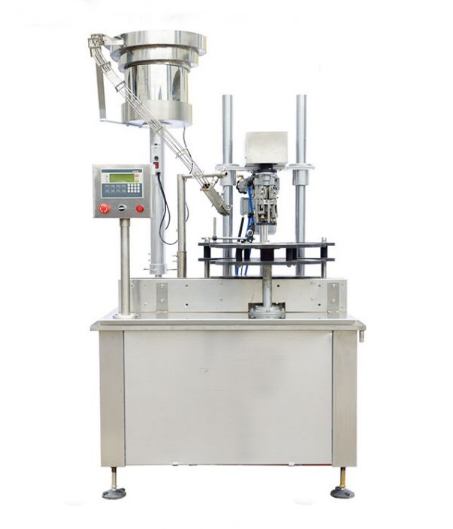
Standalone units (such as capping units or bottle rinsers) typically require 20 to 30 days. Complete turnkey 3-in-1 monoblock filling lines or packaging plants average 45 to 60 days, allowing ample time for precision CNC part machining, stainless assembly, electrical panel wiring, program logic debugging, and FAT trial validation.
Accelerate Your Beverage Bottling Production Line
Submit your container dimensions, product parameters, and target output capacity (BPH). Our senior engineering team will deliver a customized line quotation and CAD plant layout within 24 hours.