Industrial Beverage Processing & Packaging Solutions
Explore our flagship, CE-certified beverage machinery ranging from high-efficiency flash pasteurizers to high-speed rotary PET stretch blow molding and automated canning lines.
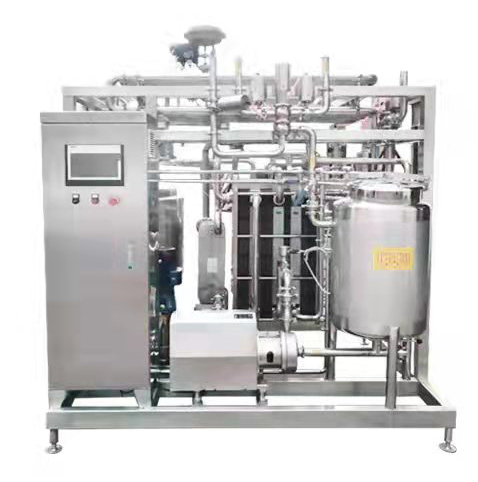
HTST-1000 Flash Plate Pasteurizer 380V 10kW Milk Juice Sterilizer
- Voltage: 380V / 10kW Power
- Up to 90% Heat Energy Recovery
- SUS316L Sanitary Grade Stainless
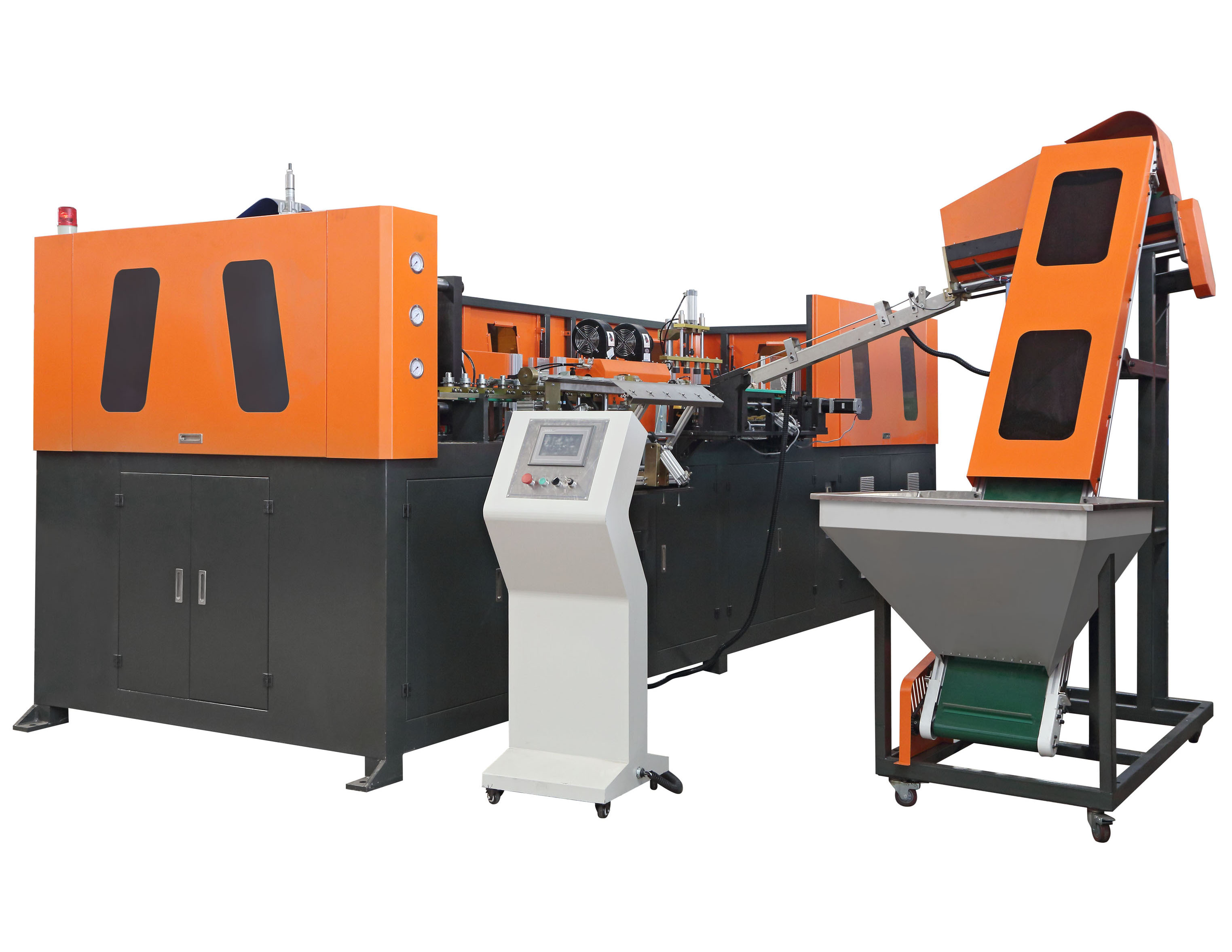
Automatic 4 Cavity Stretch Blow Moulding Machine PET Bottles
- Mitsubishi PLC & Valve System
- High-Pressure Servo Blow Unit
- Output: 4,000–4,500 BPH
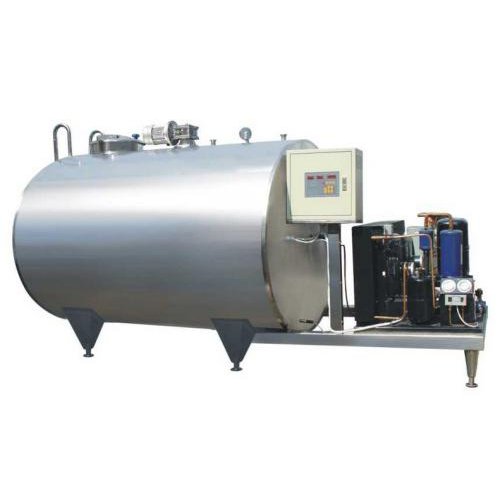
2000L Stainless Steel Milk Cooling & Storage Tank CE Certified
- Auto Cooling Compressor System
- Self-Closing Valves & Agitator
- CE Certified Sanitary Design
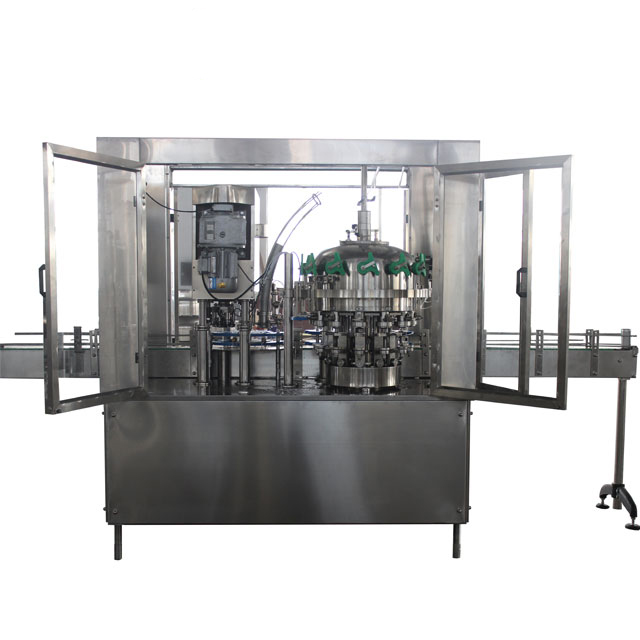
GDF12-1 Automatic Beer Can Filling & Sealing Machine 2000 BPH
- 12 Nozzle Isobaric Precision Filler
- Ultra-Low TPO Oxygen Gain
- Heavy-Duty Seaming Chucks
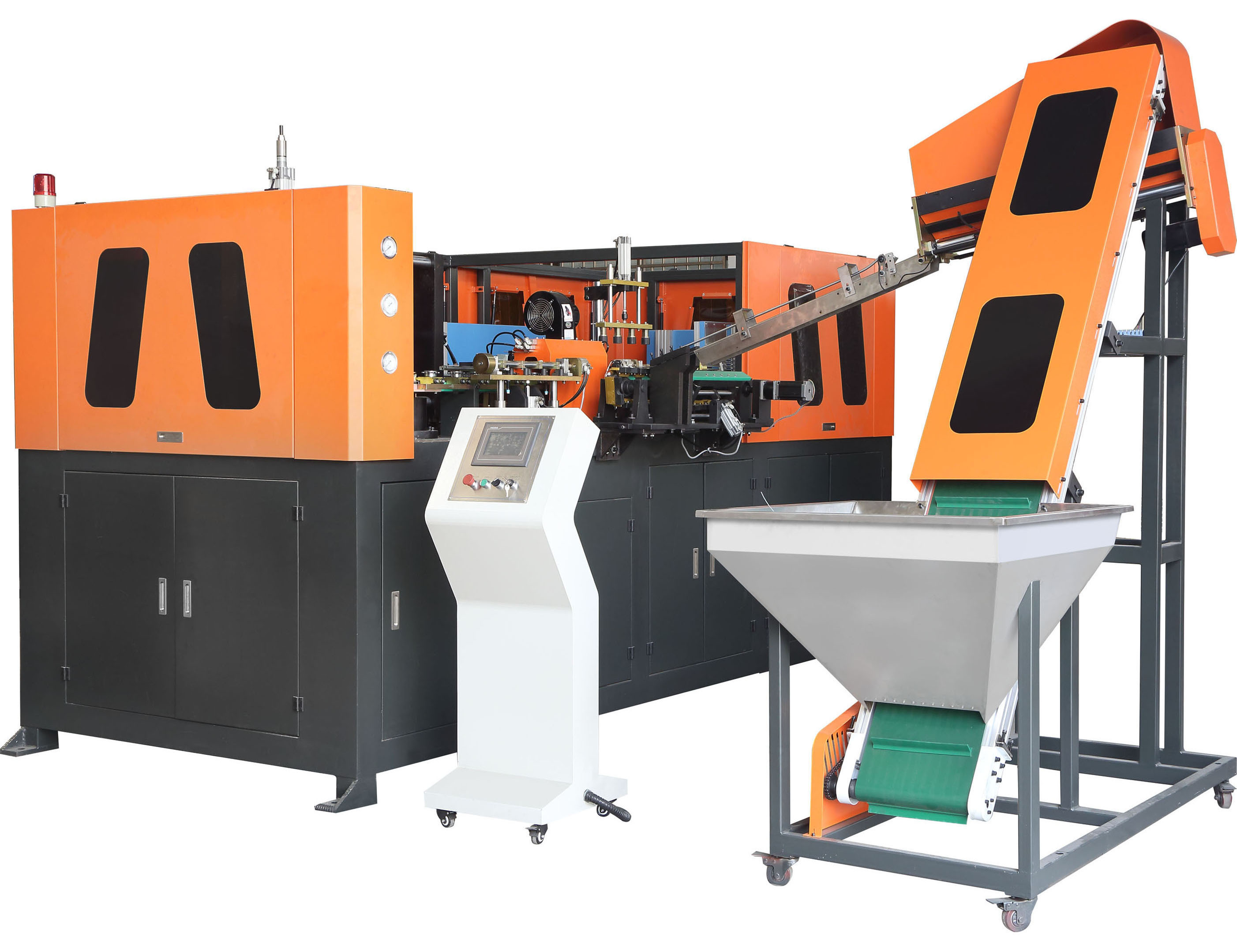
HZ-880B 3 Cavity PET Mineral Water Bottle Machine 2200 BPH
- Delta PLC & Servo Motor Control
- High-Speed Infrared Preform Oven
- 2 Years Factory Warranty
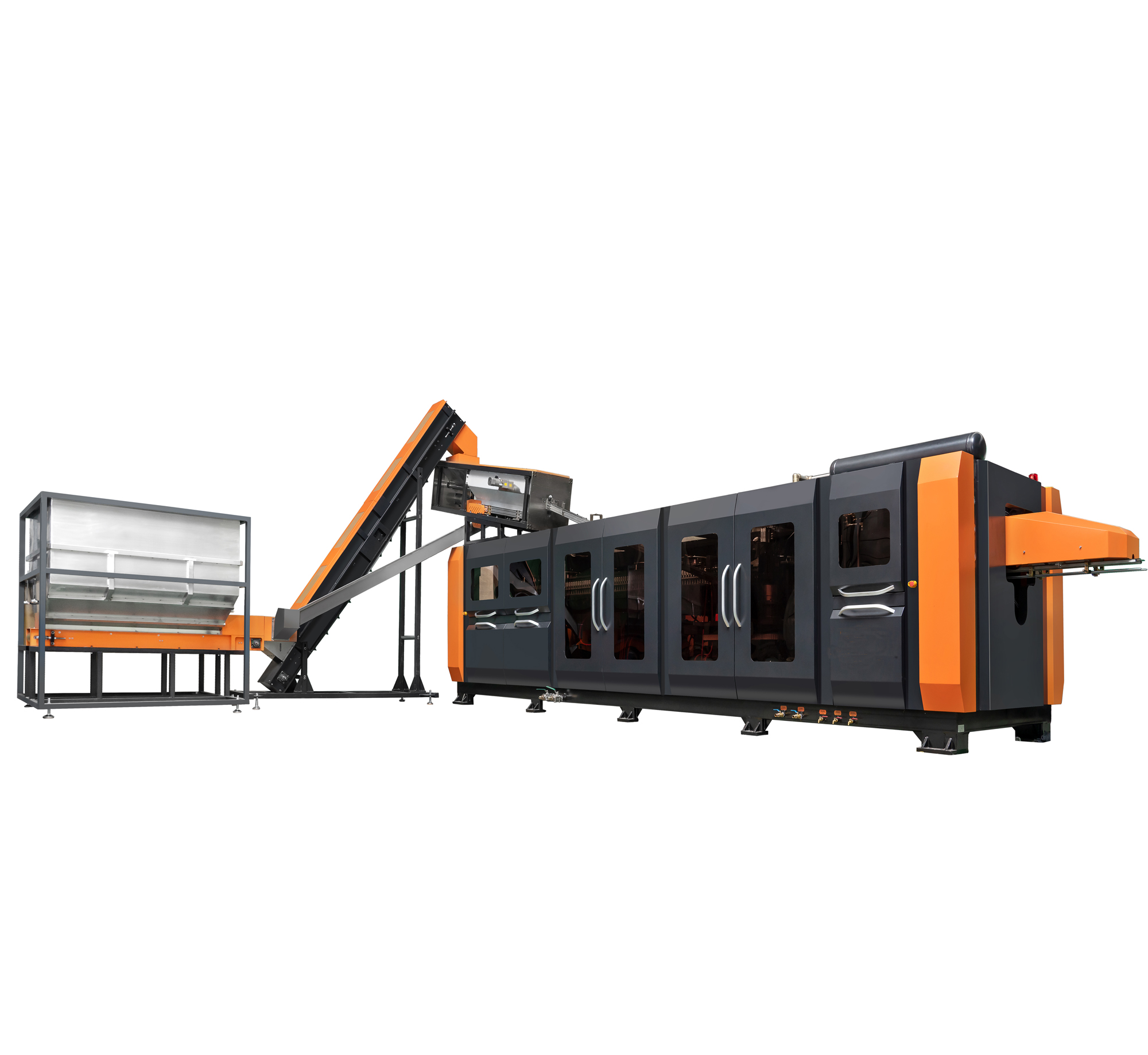
Mars BM-A8 8 Cavity PET Bottle Blowing Machine 16000 BPH
- High Capacity: 16,000 BPH
- Omron PLC Automation Architecture
- Energy Efficient 50kW Heat Rig
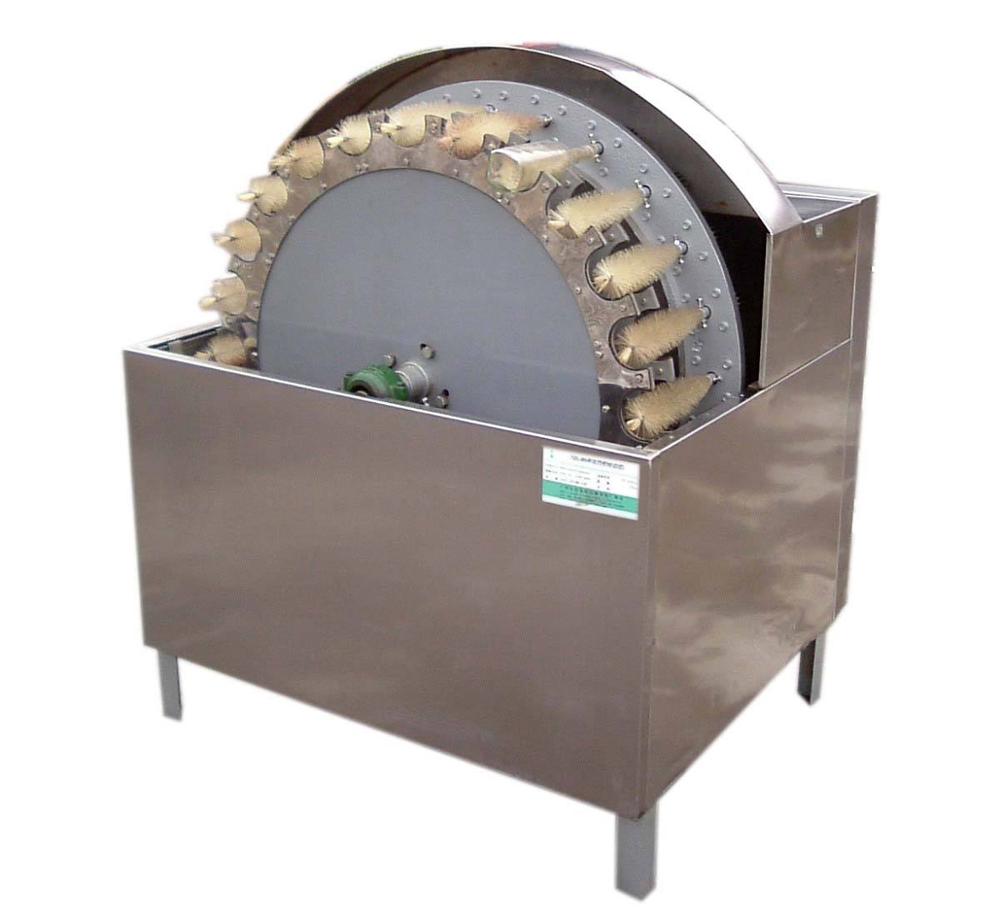
XP-24 Automatic Glass Wine Bottle Washer 380V 1.5KW Cleaning Machine
- 24 Rotary Internal Spray Rinse Heads
- Low Power 1.5kW High Pressure Water
- Suitable for Wine & Spirit Bottles

Automatic Soda Water & Carbonated Drink Canning Line
- Counter-Pressure Soda Isobaric Fill
- Aluminum Cans & PET Cans Compatible
- Precise CO2 Carbonation Retention
Engineering Blueprint: Selecting China's Top Beverage Packaging Machinery Supplier
In the modern liquid food and beverage manufacturing ecosystem, procuring industrial packaging machinery is no longer merely a capital expenditure transaction; it is a long-term operational framework strategy. Sourcing equipment from China’s premier manufacturing hubs—specifically Zhangjiagang in Jiangsu Province—provides international beverage brands, contract packers, and regional bottling plants with a competitive edge in capital efficiency, modular scaling, and advanced mechanical reliability.
When selecting a primary OEM/ODM supplier for complete bottling lines (spanning raw water treatment, bottle blow molding, aseptic or isobaric filling, sleeve labeling, and wrap-around case packing), enterprise procurement teams must evaluate manufacturers against four core technical parameters: Fluid Dynamics Precision, Kinematic Synchronization, Sanitary Construction Metrics, and Total Cost of Ownership (TCO).
1. Mechanical Kinematics and Monoblock Engineering Integration
Traditional liquid bottling lines relied on modular inline machines interconnected by lengthy air conveyors and mechanical transfer belts. Modern high-output factories require compact Rinsing-Filling-Capping 3-in-1 Monoblocks. By placing rinsing claws, filling valves, and capping chucks on a single synchronized starwheel pitch circle, manufacturers achieve several vital operational outcomes:
- Container Neck-Handling Optimization: PET bottle transfer occurs strictly via neck-clamping mechanisms, virtually eliminating bottle body compression, scuffing, and tipping incidents during high-speed transitions up to 16,000 Bottles Per Hour (BPH).
- Footprint Reduction: Monoblock architectures reduce the floor space requirement by 35% to 50% compared to legacy linear lines, reducing structural real estate overhead in cleanroom environments.
- Synchronous Servo Drive Systems: Utilizing integrated Omron or Mitsubishi Motion Controller CPUs, each starwheel and main turret operates via direct-drive brushless AC servo motors, eliminating mechanical gear backlash and reducing maintenance friction.
2. Fluid Dynamics: Hot Filling, Isobaric Canning, and Flash Pasteurization
Liquid viscosity, carbonation pressure (CO2 volumes), and biological sensitivity determine the core valve topology of beverage machinery:
| Beverage Category | Recommended Filling Method | Sanitary Material Standard | Valve & Flow Control Logic |
|---|---|---|---|
| Purified / Mineral Water | Gravity / Light Pressure Fill | SUS304 Contact Parts | Pneumatic liquid level probe or mechanical stem valve |
| Juices, Teas & Isotonic Drinks | Hot Filling (85°C - 92°C) | SUS316L Contact Parts | Thermal circulation loop with backflow reflux prevention |
| Carbonated Soft Drinks (CSD) & Beer | Isobaric Counter-Pressure Fill | SUS316L Contact Parts | Dual-stage vacuum evacuation & CO2 pressurization bowl |
| Dairy, Milk & Liquid Egg | Aseptic / Ultra-Clean Fill | 3A / EHEDG Sanitary Grade | Electromagnetic flowmeter or electronic weight sensor |
For hot-fill application lines (such as natural fruit juices and ready-to-drink tea), equipment must incorporate a continuous thermal return loop. If liquid temperature within the filling valve drops below 85°C during line stoppages, the automated control valve channels the beverage back to the flash pasteurizer or UHT unit. This guarantees zero compromised or unpasteurized products reach the bottle capping stage.
Micro-Trends Shaping Beverage Packaging Procurement (2025–2030)
Global regulatory shifts, environmental mandates, and volatile energy costs are rapidly transforming how beverage plant owners buy equipment from Chinese OEM suppliers. B2B procurement executives must prepare for four major industry shifts over the coming decade:
Trend A: The Transition to 100% rPET and Lightweight Preform Processing
With environmental regulations forcing beverage brands to incorporate recycled PET (rPET), stretch blow molding machines must adapt. rPET preforms exhibit inconsistent thermal absorption curves compared to virgin resin. Future-proof stretch blow molding machines (like the Mars BM-A8 series) feature individual quartz infrared lamp zone adjustments, integrated preform thermal imaging sensors, and variable pre-blow pressure valves to process lightweight bottle neck finishes (e.g., 29/25 short-neck standards) without structural wall degradation.
Trend B: Hybrid Packaging Lines (Dual Can/PET Capability)
Contract copackers face changing customer demands shifting between aluminum sleek cans, standard 330ml stubby cans, and PET bottles. Upstream suppliers are engineered to provide modular filling manifolds where canned beverage seaming modules and bottle capping turrets share a unified drive chassis, drastically shortening changeover times from 8 hours down to under 45 minutes.
Trend C: Decarbonization via HTST Heat Recovery & Cold Filling
Thermal processing accounts for up to 60% of a beverage plant’s utility bill. Advanced High-Temperature Short-Time (HTST) plate pasteurizers now employ multi-stage heat exchangers that recapture thermal energy from pasteurized product streams to pre-heat incoming raw liquid. This delivers up to 90% thermal heat recovery efficiency, sharply cutting steam boiler consumption.
Trend D: Smart Factory Telemetry & Remote Diagnostics (Industry 4.0)
Modern bottling machinery manufactured in China now comes standard with IO-Link sensor networks, edge-computing PLC controllers, and secure VPN gateway routers. Plant managers in North America or Europe can view real-time OEE (Overall Equipment Effectiveness), monitor air compressor consumption curves, and allow Chinese service engineers to perform remote firmware updates without expensive international travel delays.
Why Lofsu Packing Machinery leads China's Beverage Equipment Export Market
Headquartered in Zhangjiagang, Suzhou—China's world-famous center for beverage packing equipment—Lofsu Packing Machinery Co., Ltd. has been designing and installing turnkey bottling lines since 2010. Spanning over 1,000–3,000 m² of modern manufacturing floor space, our facility operates under strict ISO 9001 quality management protocols and holds comprehensive European Union CE directive certifications (CE 2006/42/EC).
Engineering Rigor & FAT Testing
Every machine undergoes a rigorous 72-hour continuous Factory Acceptance Test (FAT) using the buyer's actual bottle and cap samples prior to export crating.
Global Grid Electrical Adaptability
Custom-built electrical cabinets configured for destination voltages ranging from 220V 3-Phase to 450V at 50Hz/60Hz, using Schneider, Siemens, and Omron components.
Complete Turnkey Scope (A-to-Z)
We supply everything from RO water purification systems, syrup dissolution tanks, and carbonators to labeling, case packing, and robotic palletizing.
Frequently Asked Questions for Equipment Buyers
Clear, technical answers to common queries raised by plant managers, procurement engineers, and beverage factory owners during project planning.
What production capacities do Lofsu bottling lines cover?
Standard monoblock lines start at approximately 2,000 bottles per hour (BPH) for compact craft operations (such as our CGF8-8-3 PET water filling monoblock with 8 filling nozzles) and scale up to 16,000+ BPH on high-speed rotary configurations. Can filling and seaming lines range from 1,500 CPH for craft breweries up to 12,000+ CPH for high-speed soda and energy drink plants. All layouts are engineered around your specific container dimensions, liquid viscosity, and available plant space.
Which beverage formulations and packaging materials can your machinery handle?
Our equipment processes mineral water, spring water, 5-gallon purified drinking jars, hot-filled fruit juices, RTD teas, carbonated soft drinks (CSD), sparkling water, craft beer, wine, spirits, vinegar, edible cooking oils, and liquid condiments. Packaging container support includes standard PET plastic bottles, HDPE containers, glass bottles with crown/screw caps, and aluminum or tinplate cans.
Can machine electrical systems be customized for destination country grid standards?
Yes. While 380V / 50Hz 3-phase is standard in China, we build electrical power skids and control panels tailored to your local grid requirement—whether 220V 3-Phase (common in parts of North/South America), 415V 50Hz (UK/Australia), or 440V–480V 60Hz. Motor starters, VFDs (Variable Frequency Drives), and PLCs are selected from globally serviced brands like Siemens, Schneider, Omron, or Delta.
What is your Factory Acceptance Testing (FAT) and Quality Verification process?
Prior to ocean freight packing, every machine is fully assembled on our workshop testing bay. We request buyers to send preform, bottle, and cap samples. We run the machinery under actual production speed conditions, verifying filling accuracy tolerances (±2mm), sealing integrity, double-seam dimensions on cans, and emergency safety cutoffs. Detailed high-definition video documentation and testing reports are supplied to the buyer for formal FAT approval.
How are overseas installation, commissioning, and operator training managed?
We deploy senior mechanical and electrical engineers directly to your plant site worldwide. Our field team manages line positioning, electrical interconnects, utility piping hookups, system calibration, and live trial runs. Furthermore, our engineers provide multi-day, hands-on operator training for your plant staff, covering routine maintenance schedules, sanitary CIP procedures, and PLC fault troubleshooting.
Which trade, shipping, and payment terms do you support?
We support FOB (Port of Shanghai or Ningbo), CFR, CIF, EXW, DDP, and DDU delivery terms. Payments can be settled in USD, EUR, or CNY via Telegraphic Transfer (T/T) or Irrevocable Letter of Credit (L/C at sight). Machinery is packed in export-grade, moisture-proof vacuum-sealed foil wraps inside fumigated wooden cases to prevent salt-fog corrosion during maritime transport.
Ready to Upgrade or Build Your Beverage Bottling Line?
Contact our senior engineering team today for a tailored AutoCAD layout drawing, machine configuration proposal, and commercial quotation for your plant project.
Inquire Now