Featured Beverage & Fruit Juice Production Line Equipment
Discover our core industrial machinery tailored for complete fruit juice processing plants, PET/Glass bottling lines, carbonated soft drink filling, and automated end-of-line packaging.

Automatic Soda Water Filling Canning Machine for Carbonated Soft Energy Drink
High-speed monoblock 2-in-1 canning system for carbonated fruit juice, soda water, and energy drinks. Features precision isobaric filling valves and robust seam closure.
View Product Details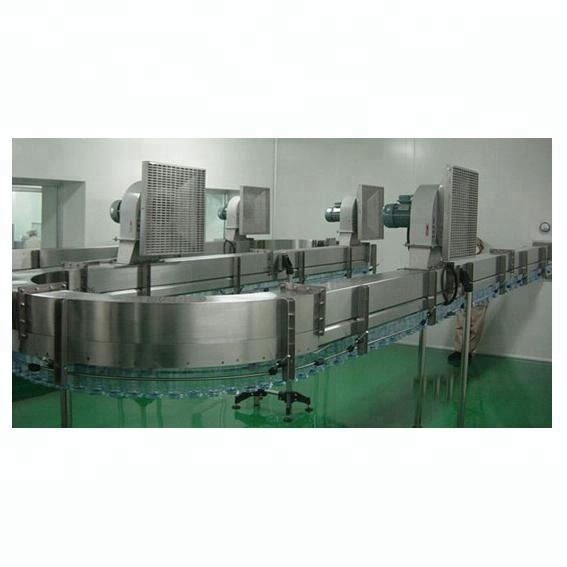
CE Certified Stainless Steel Air Conveyor Pneumatic Conveying System for PET Bottle Line
Hygienic SUS304 pneumatic air transportation track engineered to feed empty PET bottles seamlessly into high-speed juice and water blow-fill-seal blocks.
View Product Details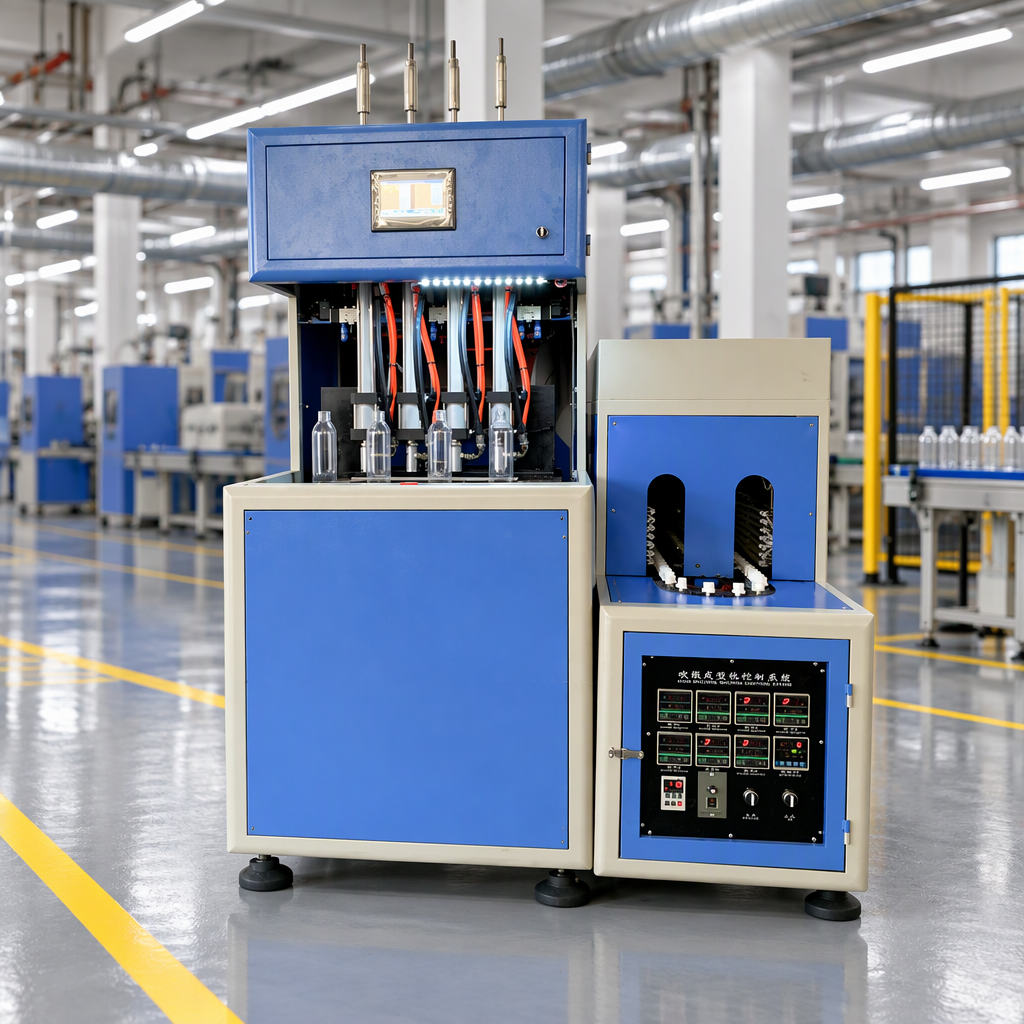
Semi Automatic 4 Cavity PET Bottle Blow Molding Machine 380V 30kW
Flexible preform stretch blow molder producing heat-resistant PET bottles for hot fill juice operations. Ideal for small-to-medium beverage production plants.
View Product Details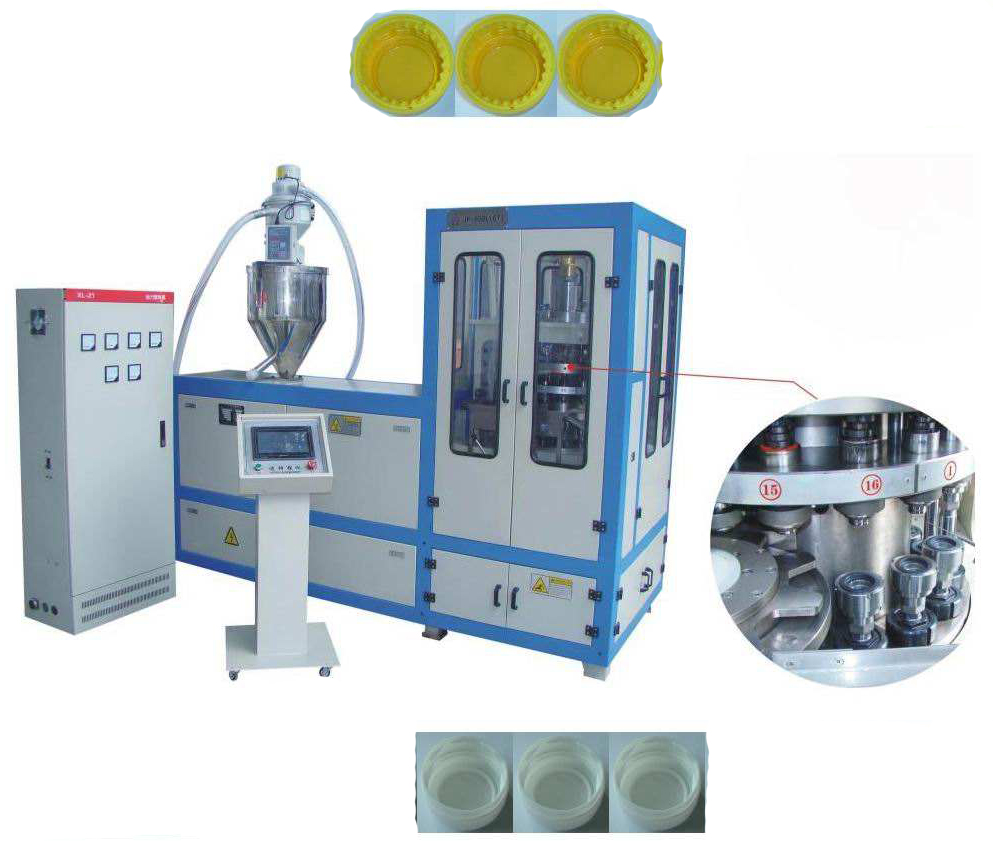
24-Cavity Automatic Injection Compression Bottle Cap Molding Machine
High-efficiency PP/PE bottle closure compression molding system. Delivers precise dimensioning and leak-proof sealing caps for hot-fill fruit juice containers.
View Product Details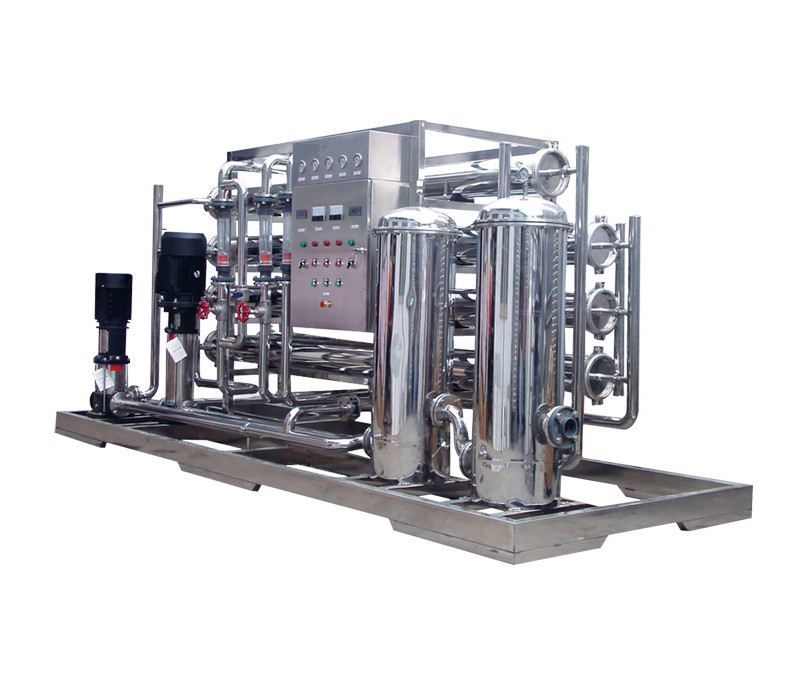
Mars Reverse Osmosis Water Treatment System 3000L/Hour 800W 380V
Industrial multi-stage RO filtration and water purification unit. Essential upstream equipment ensuring pure process water for juice reconstituting and CIP sanitization.
View Product Details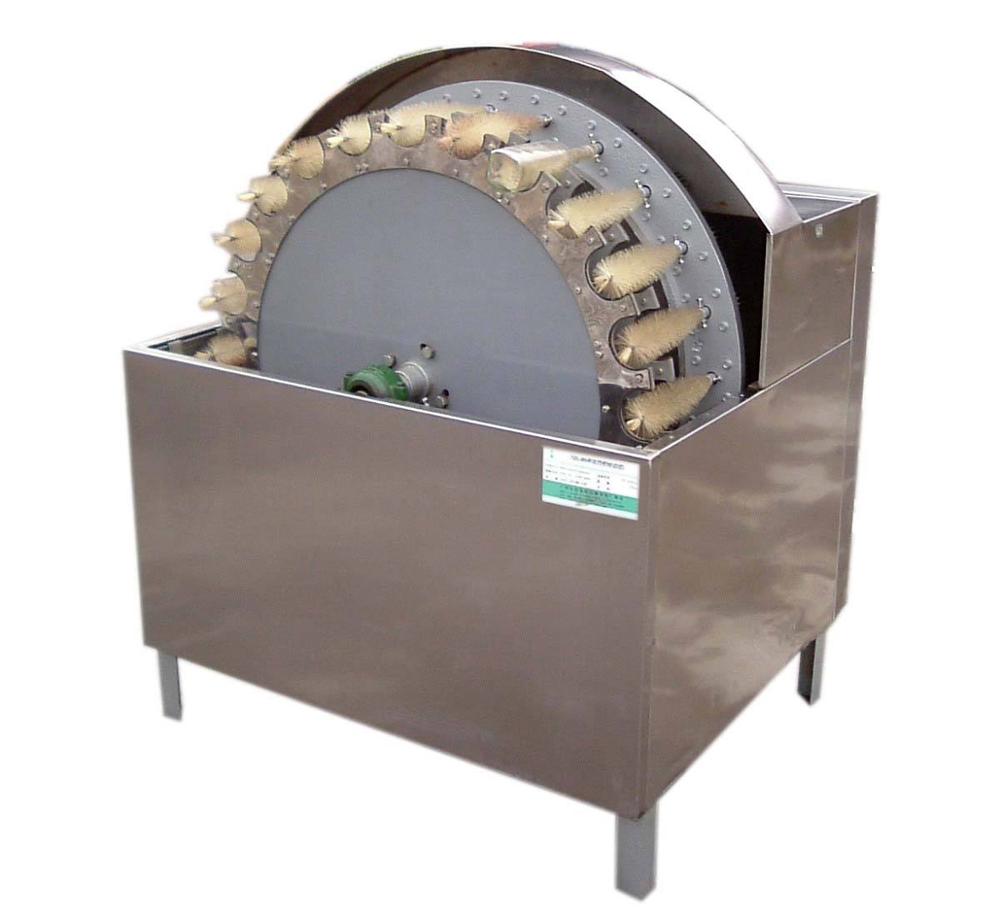
XP-24 Automatic Glass Wine & Juice Bottle Washer 380V 1.5KW
Rotary multi-station internal and external container rinsing machine designed for reusable glass bottles, eliminating particulates prior to sterile hot filling.
View Product Details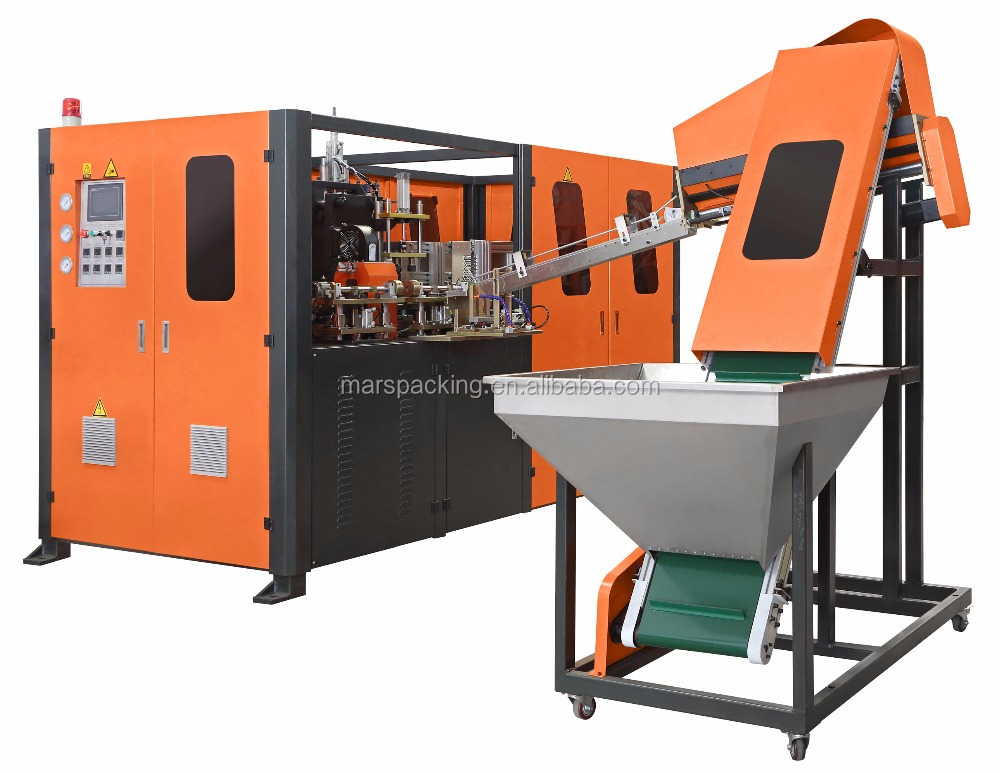
Fully Automatic Servo Controlled PET Bottle Stretch Blow Molding Machine 60KW
High-speed, fully automatic stretch blow molder equipped with energy-saving infrared heating ovens and precise servo mechanics for high-throughput juice bottling.
View Product Details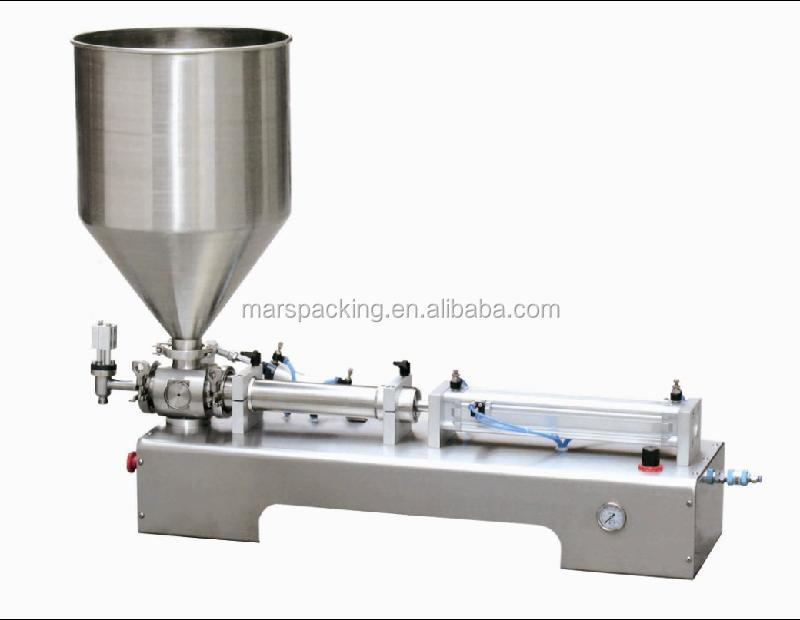
Semi Automatic Double Heads Tabletop Beverage Filling Machine Pneumatic
Compact pneumatic double-nozzle dosing machine ideal for small batch trial runs, concentrated juice filling, and craft beverage pouch/bottle packaging.
View Product DetailsEngineering Complete Fruit Juice Production Lines: Technical Whitepaper
The global fruit juice manufacturing landscape demands an intricate balance between thermal lethality (microbiological safety), enzymatic stabilization, and the preservation of organoleptic characteristics (flavor, color, and nutritional profile). As leading China fruit juice production line manufacturers and exporters, Lofsu Packing Machinery Co., Ltd. delivers turnkey processing architecture designed to handle a broad spectrum of feedstocks—including clear apple juice, cloudy orange juice with pulp, tropical mango nectars, and high-acid berry concentrates.
Manufacturing Heritage & Technical Authority
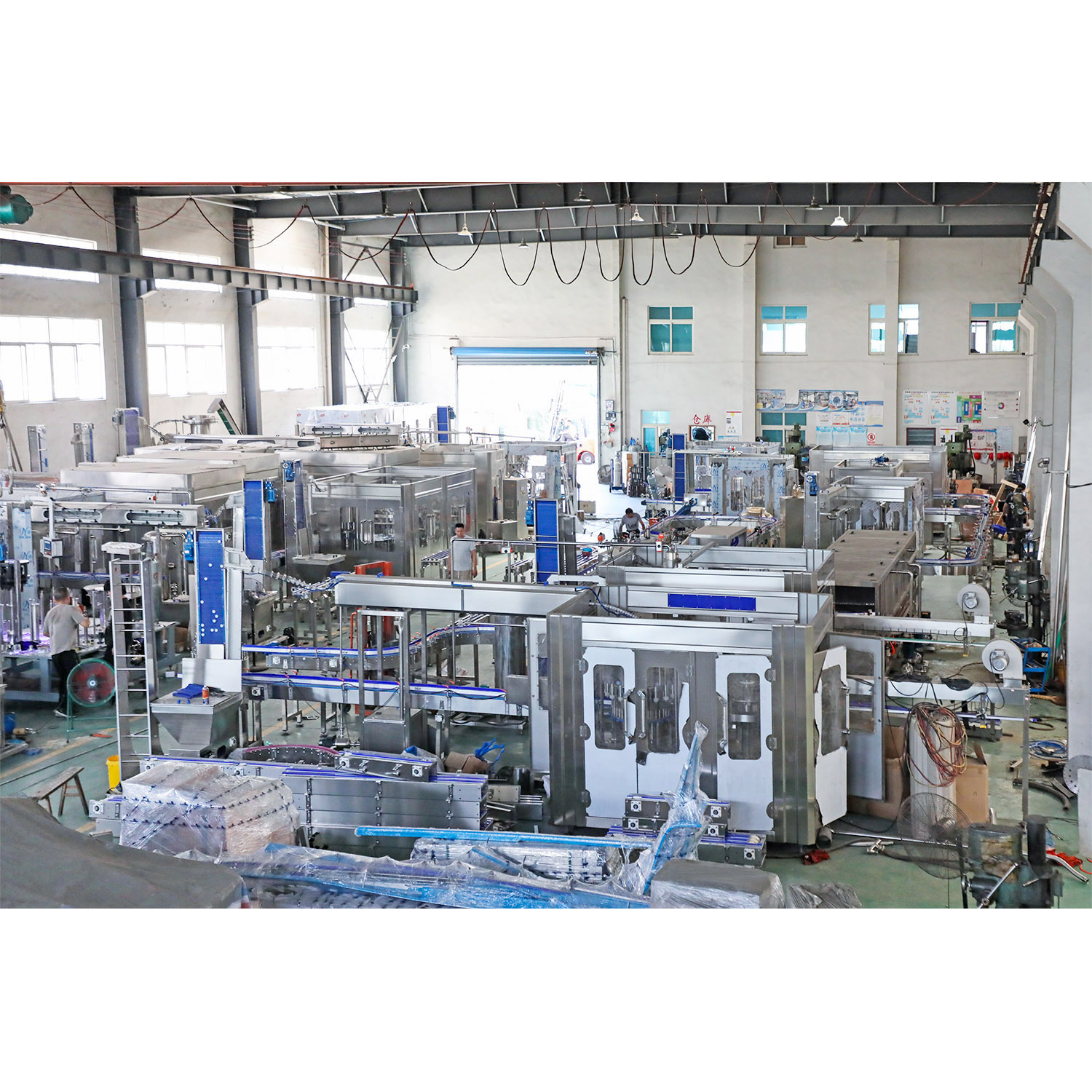
Established in 2010 in Zhangjiagang, Jiangsu Province—the premier industrial hub for China's beverage machinery engineering—Lofsu Packing Machinery operates a state-of-the-art manufacturing facility spanning 1,000 to 3,000 m². With over 12 years of specialized OEM/ODM capabilities, our technical department integrates fluid mechanics, automated PLC logic, and hygienic metallurgy to construct robust production lines.
Every machine manufactured in our facility undergoes rigorous Factory Acceptance Testing (FAT) utilizing the client's actual container dimensions and fluid viscosity profiles. We support global power grid standards ranging from 220V to 450V at 50Hz or 60Hz, ensuring seamless commissioning upon delivery across North America, South America, Europe, Africa, the Middle East, and Asia.
Core Production Line Architectural Modules
A commercial fruit juice bottling line consists of four interconnected subsystem phases: Water Treatment & Syrup Preparation, Extraction & Thermal Processing, Hygienic Filling & Capping, and End-of-Line Packaging.
1. Water Treatment & Raw Processing
Water quality directly dictates juice emulsion stability and shelf life. Our reverse osmosis systems employ multi-stage quartz sand, active carbon, and 0.0001-micron membrane filtration to remove total dissolved solids (TDS) and silica. Stainless steel SUS304/SUS316L jackets enable thermal dissolution of raw sugars and concentrates under vacuum deaeration.
2. UHT & Thermal Sterilization
To neutralize heat-resistant spores such as Alicyclobacillus acidoterrestris without degrading vitamin C content, Lofsu utilizes Tubular or Plate UHT (Ultra-High Temperature) sterilizers. The juice is flash heated to 85°C–137°C for a holding time of 15–30 seconds, followed by controlled cooling to the target hot-filling temperature (85°C–88°C) or aseptic cold-fill temperature (20°C).
3. Monoblock Hot Filling & Capping
Integrating rinsing, filling, and capping inside a positive-pressure laminar airflow HEPA cabinet. Filling valves use magnetic flowmeters or micro-negative pressure gravity heads to manage thermal liquid expansion. Bottles are immediately sealed with steam-sterilized caps and passed through a 180-degree bottle tilting / inverse sterilizer to disinfect cap liners.
4. Cooling Tunnel & End-of-Line
Hot filled PET bottles undergo gradual spray cooling across multi-stage temperature zones (85°C → 65°C → 45°C → 25°C) inside a continuous spray cooling tunnel to prevent container deformation due to internal vacuum creation. High-speed OPP hot-melt or cold-glue labeling precedes PE film shrink packaging or automatic wraparound case packing.
Fruit Juice Packaging Technology Comparison Matrix
Selecting the optimal packaging technology depends on target distribution channels, ambient vs. refrigerated supply chains, container materials, and capital expenditure constraints.
| Parameter / Criteria | Hot Fill (85°C - 88°C) PET | Aseptic Cold Fill (20°C) PET | Aluminum / Tin Can Line | Glass Bottle Line |
|---|---|---|---|---|
| Shelf Life (Ambient) | 9 to 12 Months | 12 to 18 Months | 12 to 24 Months | 18 to 24 Months |
| Thermal Degradation | Moderate (Short hold time) | Minimal (Ultra-short flash) | Moderate to High | Moderate |
| Preservative Requirement | Zero Preservatives Needed | Zero Preservatives Needed | Zero Preservatives Needed | Zero Preservatives Needed |
| Container Structural Weight | Heavy (Vacuum panel ribs) | Ultra-Lightweight PET | Aluminum Can Body | Heavy Rigid Glass |
| CIP / Cleanroom Class | Class 100 / ISO 5 Enclosure | Isolator / Sterile Chamber | Standard Hygienic CIP | Standard Rotary Rinser CIP |
| Optimal Capacity (BPH) | 3,000 – 24,000 BPH | 12,000 – 36,000 BPH | 2,000 – 18,000 CPH | 2,000 – 15,000 BPH |
Future Procurement Trends in Beverage Line Sourcing (2025–2030)
International beverage brand owners and contract packers are fundamentally reshaping their procurement criteria when evaluating overseas machinery manufacturers. Buyers no longer select equipment based solely on initial capital expenditure (CAPEX); total cost of ownership (TCO), energy conversion efficiency, and operational agility now drive major purchasing decisions.
1. Transition to Lightweighting & rPET Compatibility
With global mandates for recycled plastic integration (rPET) and environmental sustainability, modern juice blow-fill-cap lines must accommodate bottle necks down to 26mm/28mm short-finish specs while retaining heat deformation resistance up to 90°C.
2. Integrated CIP/SIP Automated Sanitization
Clean-in-Place (CIP) and Sterilization-in-Place (SIP) automation reduces downtime during product switchovers (e.g., transitioning from orange pulp juice to clear apple juice). Lofsu's 3-phase automated CIP units monitor caustic solution concentration, acid neutralization, and final conductivity rinses without manual pipe disassembly.
Emerging Technological Trends in Fruit Juice Machinery
The juice manufacturing industry is experiencing rapid technological evolution. As a forward-thinking OEM exporter, Lofsu Packing Machinery integrates state-of-the-art technological trends directly into standard production line configurations:
Smart Refractometry & Inline Brix Control
Real-time infrared refractometers continuously monitor sugar (°Brix) levels in sugar dissolving and juice blending tanks. Automated feedback loops adjust dosage valves instantly to maintain target sugar-to-acid ratios with ±0.1°Brix precision.
Pulp Suspension & Flowmeter Dosing
Handling juices containing sacs or pulp (such as orange sacs or aloe vera cubes) requires specialized dual-stage filling technology. Piston valves or contactless electromagnetic flowmeters ensure uniform pulp distribution without clogging or crushing fruit cells.
Thermal Energy Recovery Circuits
Our UHT plate pasteurizers feature thermal regeneration sections achieving up to 85% heat recovery. Hot pasteurized juice preheats incoming cold raw juice before entering the primary steam heating coil, drastically cutting boiler energy consumption.
Why Global Buyers Partner with Lofsu Packing Machinery
Navigating international equipment procurement requires a manufacturing partner with proven engineering compliance, transparent communication, and comprehensive after-sales support infrastructure.
Metallurgical Integrity & Component Standardization
All fluid-contact components are forged from certified food-grade SUS304 or SUS316L stainless steel. We standardise on global tier-one automation components—including Siemens PLCs, Schneider contactors, Omron sensors, Festo pneumatic cylinders, and SEW-Eurodrive motors—ensuring global spare part availability.
Turnkey Plant CAD Engineering
Our engineering team provides comprehensive 2D floor plans, 3D mechanical piping layouts, utility consumption estimates (electricity, steam, compressed air, treated water), and drainage channel schematics tailored to your factory dimensions.
Global Onsite Installation & Training
Lofsu dispatches experienced commissioning engineers to client facilities worldwide. Our technicians execute mechanical assembly, electrical wiring verification, dry runs, fluid testing, and operator maintenance training to guarantee targeted plant efficiency (OEE).
Fruit Juice Production Line Purchasing FAQ
Below are technical responses to common questions raised by procurement directors, plant managers, and beverage entrepreneurs during production line evaluation.
Plan Your Fruit Juice Production Line Project Today
Contact our senior beverage engineering team with your raw juice type, target bottle drawing, and production output goal (BPH). We will furnish a customized CAD plant layout, equipment quotation, and utility specification sheet within 24 hours.
Get a Quote