Featured Packaging & Filling Solutions
Explore our engineering portfolio ranging from high-precision rotary can fillers to automated downstream packaging line integrations.
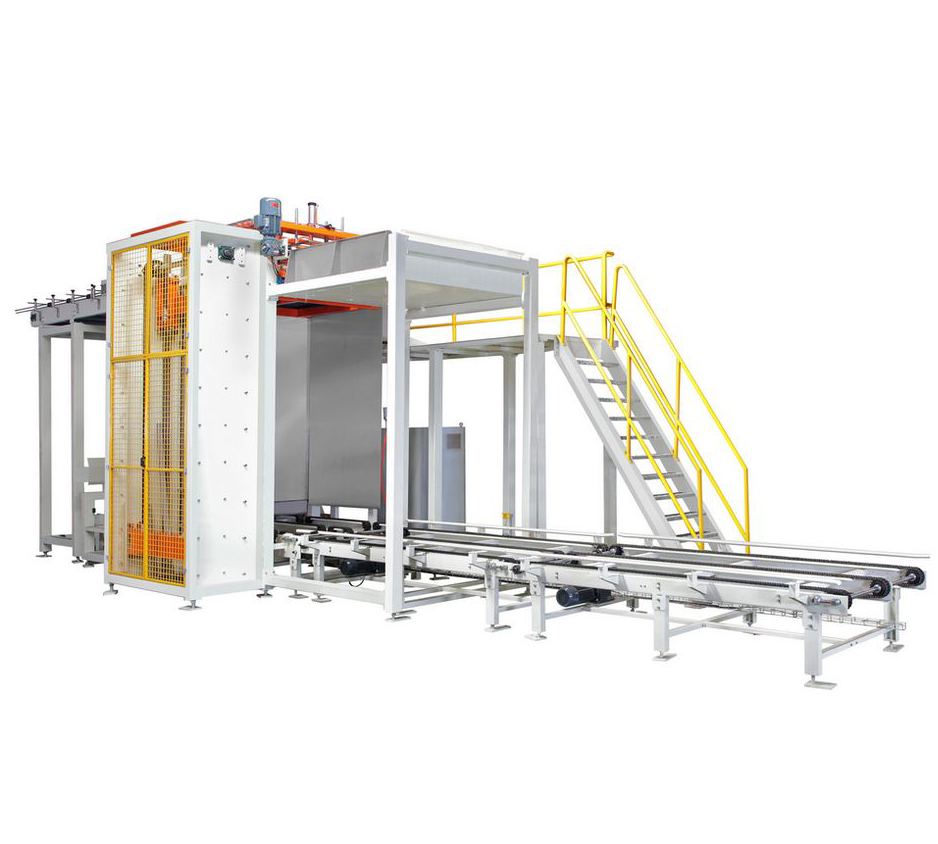
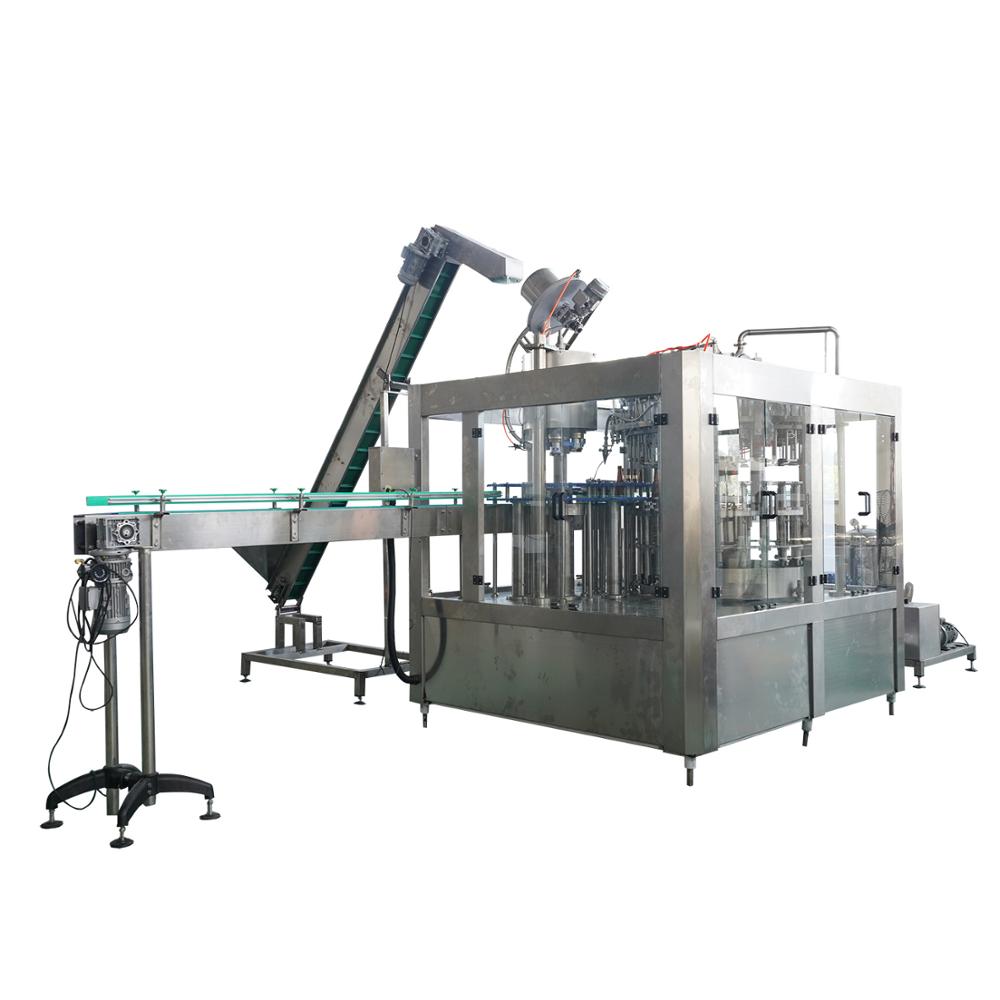

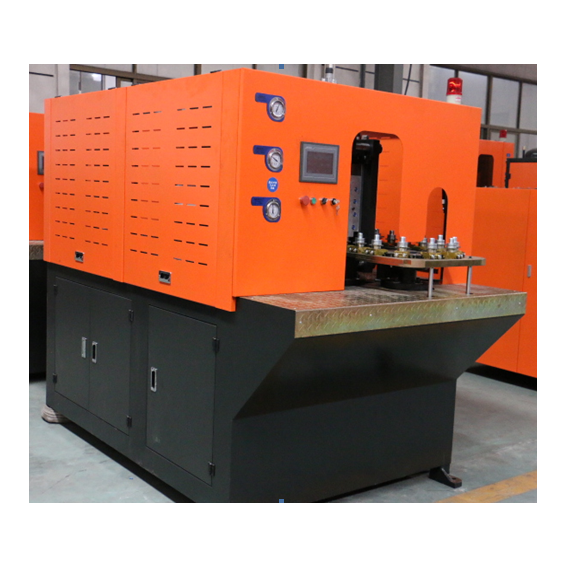
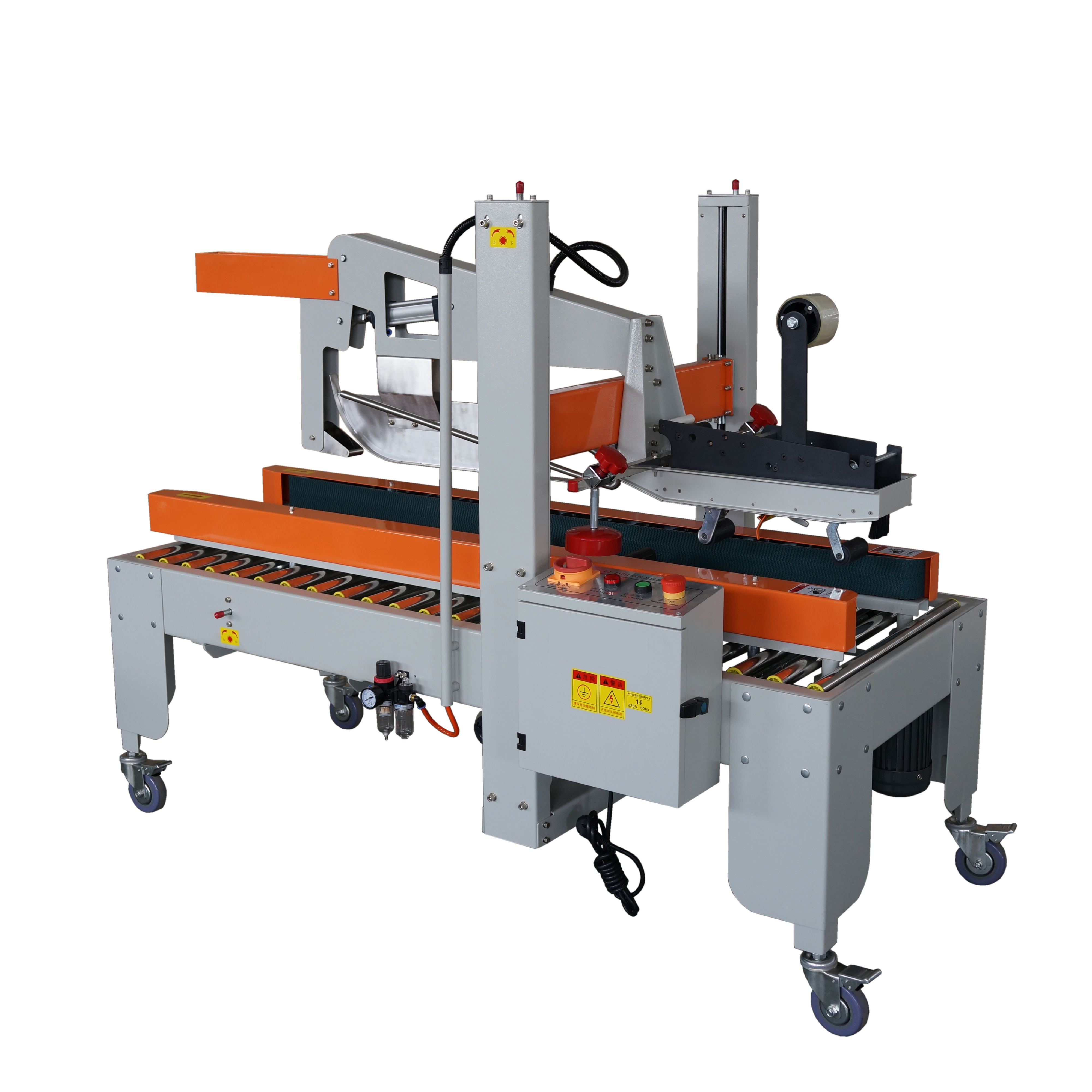
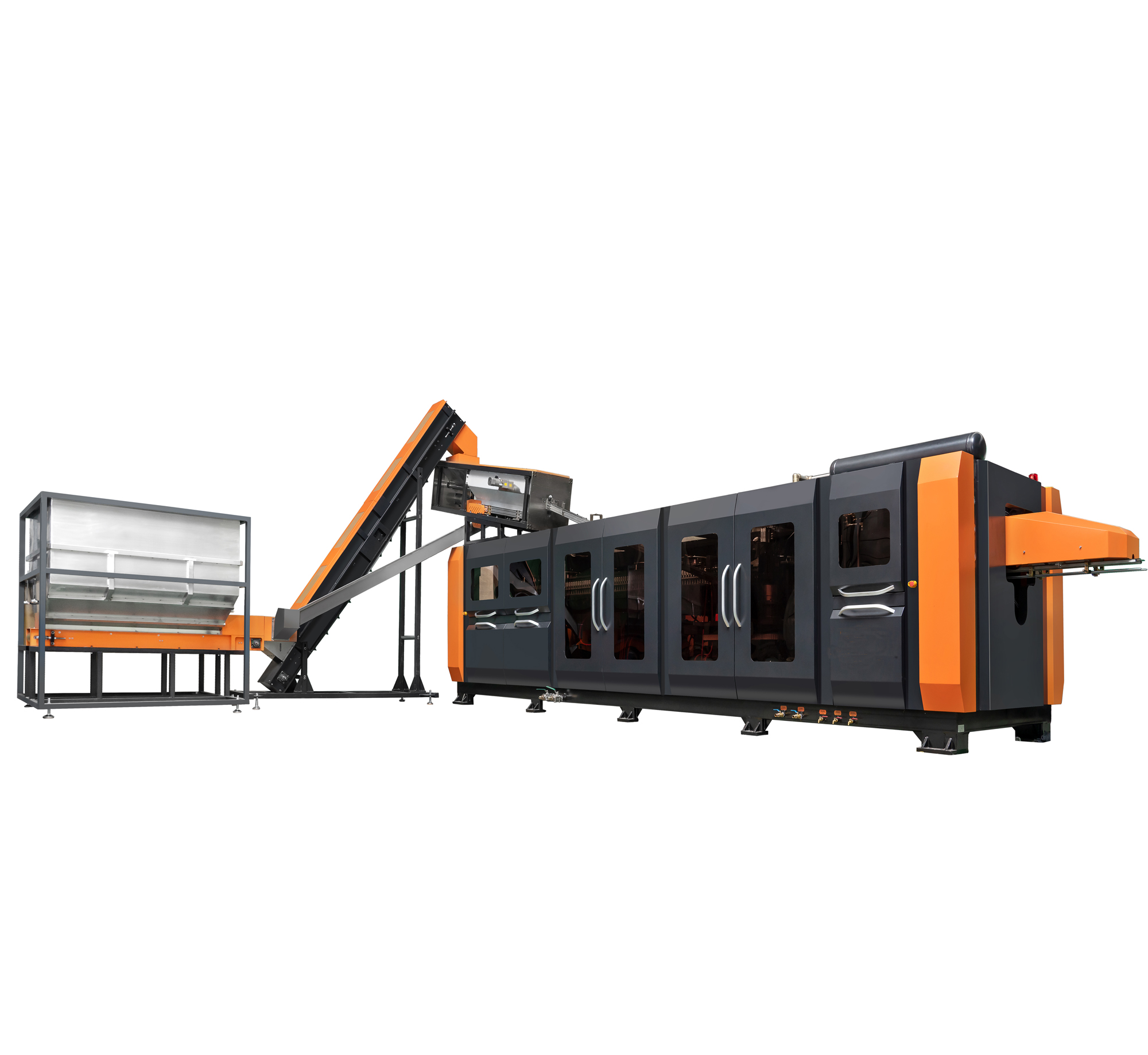
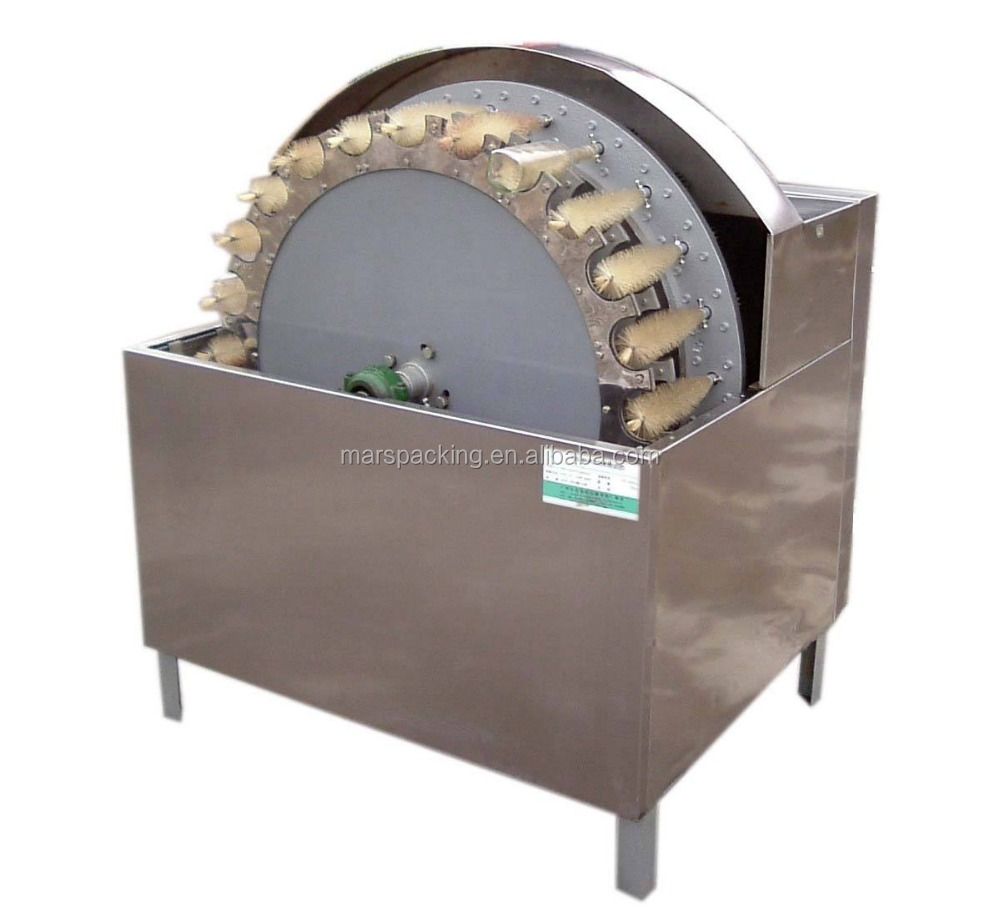
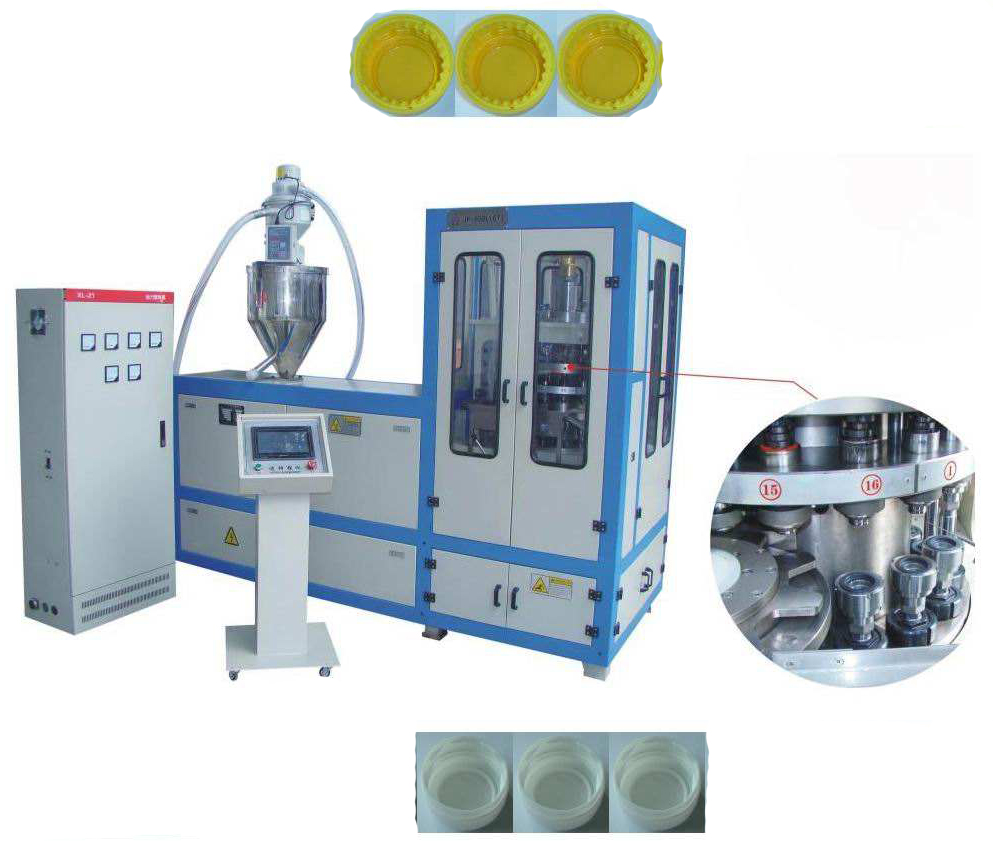
Executive Overview: The Evolution of High-Speed Rotary Can Filling in China
The global beverage packaging landscape is undergoing a massive shift toward aluminum cans. Preferred for their infinitely recyclable profile, superior light-barrier protection, and logistical weight savings, aluminum two-piece cans have captured substantial market share across beer, craft beverages, carbonated soft drinks (CSD), sparkling water, and ready-to-drink (RTD) teas. At the epicenter of this manufacturing evolution is China's beverage machinery cluster in Zhangjiagang, Jiangsu, led by engineering pioneers such as Lofsu Packing Machinery Co., Ltd.
Selecting the optimal Rotary Can Filler is one of the most critical capital expenditure decisions for a beverage brand or co-packing facility. Rotary systems are mechanically engineered to handle continuous high-speed container throughput while maintaining pinpoint fill-level accuracy and hermetic double-seaming integrity. Unlike linear filling configurations that suffer from liquid sloshing during start-stop indexing, continuous rotary motion stabilizes the liquid column, minimizing product loss and preserving carbonation volumes up to 4.5 v/v (volumes of CO2).
Information Gain Insight: Modern rotary can filling technology has evolved from mechanical cam-driven assemblies to servo-synchronized electromagnetic flowmeter valves. This evolution reduces dissolved oxygen (DO) pickup down to ultra-low thresholds (< 20 ppb), directly extending beverage shelf-life by over 6 months without the addition of chemical preservatives.
Core Manufacturing Advantages: Engineering Excellence from Lofsu
Founded in 2010, Lofsu Packing Machinery Co., Ltd. operates a state-of-the-art manufacturing facility spanning 1,000 to 3,000 square meters in Zhangjiagang, Suzhou, China. With over 15 years of dedicated engineering and export experience to 30+ countries across North America, Europe, the Middle East, Africa, and South America, Lofsu has redefined expectations for Chinese machinery OEM/ODM suppliers.
Sanitary Material Integrity
All product-contact parts are forged from certified AISI SUS304 or SUS316L stainless steel. Internal fluid channels undergo mirror-grade electro-polishing (< 0.4 µm Ra) to prevent bio-film accumulation and enable full automated CIP/SIP cycles.
Dual-Phase CO2 Purging
Integrates pre-filling CO2 evacuation with under-cover gassing during lid placement. This double barrier guarantees minimal head-space oxygen, preserving crisp flavor notes and beer head retention.
Hermetic Double Seaming
Equipped with heavy-duty titanium-coated seaming rolls and precision chucks. Supports standard 202, 204, and 209 lid profiles with strict seam length, overlap, and tightness tolerances (> 85%).
Technical Comparison: Isobaric Counter-Pressure vs. Volumetric Flowmeter Rotary Fillers
To assist procurement directors in choosing the right rotary mechanical setup, the table below compares the two dominant filling technologies utilized in Chinese manufacturing hubs:
| Technical Feature | Isobaric Counter-Pressure Rotary | Volumetric Flowmeter Rotary |
|---|---|---|
| Primary Target Drinks | Carbonated Soft Drinks, Beer, Sparkling Cider | Non-Carbonated Juices, Oils, RTD Teas, Spirits |
| Filling Speed Range | 2,000 BPH to 36,000 CPH | 3,000 BPH to 48,000 CPH |
| Fill Precision | ± 1.5 mm (Level Sensing) | ± 0.5 ml (Volumetric Dosing) |
| Dissolved Oxygen Control | Excellent (< 25 ppb with CO2 flush) | Superior (< 15 ppb with LN2 dosing) |
| Mechanical Wear Parts | Moderate (Mechanical Springs & Valves) | Ultra-Low (Non-contact Electromagnetic) |
| CIP Integration | Automated Dummy Cups Required | Full Reverse-Flow Closed-Loop CIP |
Future Procurement Trends (2025–2030) for Beverage Machinery Buyers
Global beverage enterprise buyers must align capital investments with rapidly transforming consumer and regulatory demands. When sourcing rotary can fillers from Chinese OEMs, four critical trends define the upcoming decade:
1. Ultra-Flexibility for Multi-Can Formats (Sleek, Slim, Standard)
Co-packers can no longer rely on dedicated lines built for a single 330ml or 500ml standard format. Modern plant configurations require rapid changeover systems capable of switching between Slim (200ml, 250ml), Sleek (330ml, 355ml), and Standard (473ml, 500ml) cans in under 45 minutes. Lofsu’s quick-release starwheels, tool-less height adjustment turrets, and recipe-driven PLC touchscreens eliminate costly production downtime.
2. Transition to Hydrostatic & Servo-Driven Synchronized Drives
Legacy machines utilized complex gear train networks driven by a single motor shaft. The future lies in independent servo motor integration on both the filling carousel and seaming turrets. Electronic gear-in-mesh technology prevents mechanical backlash, guarantees sub-millimeter synchronicity, and reduces long-term machine noise and maintenance costs.
3. Integration of Downstream Liquid Nitrogen (LN2) Dosing
With aluminum prices fluctuating, beverage brands are reducing can wall thickness to minimize material weight. Ultra-thin wall aluminum cans, however, collapse under stacking loads when filled with non-carbonated liquids. Future-proof canning lines integrate inline micro-liquid nitrogen injection right after filling. The LN2 rapidly expands into gaseous nitrogen, pressurizing the sealed can to provide structural rigidity while expelling lingering atmospheric oxygen.
4. Real-Time Telemetry & Smart OPC-UA IoT Connectivity
Tier-1 importers demand real-time data transparency. Smart rotary fillers are now equipped with CAN-bus sensor networks connected to industrial PLCs (e.g., Omron, Siemens, Schneider). Plant managers can monitor key performance indicators (OEE, valve-by-valve fill accuracy, seaming motor torque curves, and air/CO2 consumption rates) remotely via secure web portals.
Key Machine Development & Engineering Innovations in China
China's packaging equipment industry has shifted from low-cost imitation to engineering leadership. Lofsu Packing Machinery Co., Ltd. exemplifies this technical transformation through several patented machine design enhancements:
- Monoblock Compact Footprint Design: Combining container rinsing, isobaric filling, lid placement, and double-seaming into a single monoblock frame reduces footprint requirements by up to 35% while eliminating transfer conveyer turbulence.
- No-Can / No-Fill & No-Can / No-Lid Logic: Proximity sensors verify the presence of an undamaged container before opening the filling valve or dispensing a seaming lid, preventing fluid spillage and operational jams.
- Energy-Efficient Drives: Utilizing variable frequency drives (VFD) and IE3 high-efficiency motors cuts power consumption by 18-25% compared to legacy line setups.
- Universal Power Grid Adaptability: Electrical panels are custom-engineered for target export destinations, supporting 220V to 450V three-phase supplies at 50Hz or 60Hz with full UL/CE component compliance.
Comprehensive Enterprise Buyer's FAQ (Frequently Asked Questions)
What production capacities do Lofsu rotary bottling and canning lines cover?
Standard monoblocks start at 2,000 cans/bottles per hour (such as the compact 8-nozzle CGF8-8-3 water series) and reach up to 4,000–16,000+ units per hour on high-speed 24-nozzle beer and beverage lines. Custom high-capacity rotary configurations are engineered upon reviewing container specs, fluid viscosity, and factory floor plans.
Which beverage types and container materials can your machinery process?
Our filling systems are versatile: handling mineral and purified water, 5-gallon bottled water, hot-fill fruit juices, teas, carbonated soft drinks, craft beer, wine, vinegar, and edible oils across PET bottles, glass bottles, and aluminum or tinplate cans.
How does Lofsu ensure low oxygen pickup (DO) during high-speed can seaming?
We utilize a combination of pre-filling CO2 purging, counter-pressure isobaric filling valves, and an under-cover CO2/N2 gassing tunnel positioned directly prior to the double-seaming head. This ensures oxygen exposure is kept strictly under 20 ppb.
Can machines be built to match local country electrical grid standards?
Yes. While 380V 50Hz is our standard domestic baseline, we configure electrical control cabinets for 220V, 240V, 415V, or 480V at 50Hz or 60Hz depending on your facility's location, incorporating CE and UL certified relays, breakers, and drives.
What factory acceptance testing (FAT) procedures are conducted prior to shipment?
Every line undergoes a rigorous 48-hour continuous dry test followed by wet testing using the client’s actual sample cans, bottles, and lids. Video recordings and live remote video audits are conducted with the buyer before wooden box crating and export dispatch.
What international shipping and commercial trade terms do you offer?
We support standard global trade terms including FOB, CFR, CIF, EXW, DDP, and DDU. Payments can be settled in USD, EUR, or CNY via T/T (Telegraphic Transfer) or L/C (Letter of Credit).
Ready to Engineer Your Next Beverage Canning Line?
Consult directly with our senior application engineers in Zhangjiagang, China. Get custom CAD floor layouts, machine sizing analysis, and factory-direct pricing within 24 hours.
Contact Us