Featured Isobaric & Beverage Packaging Equipment
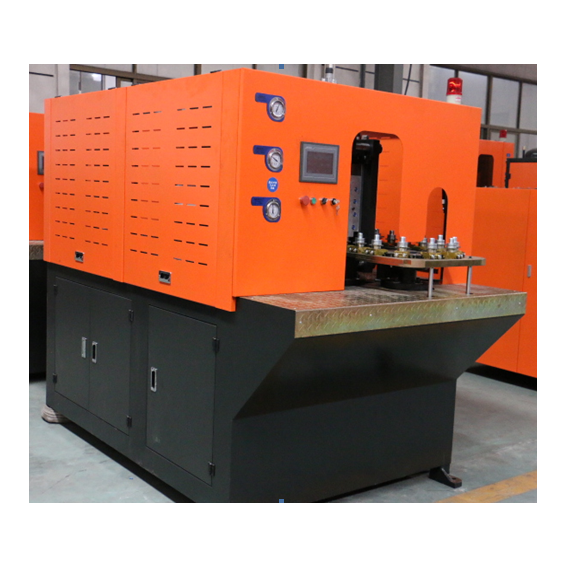
Automatic 2 Cavity PET Stretch Blow Molding Machine Preform Blower for Jars
View Equipment Details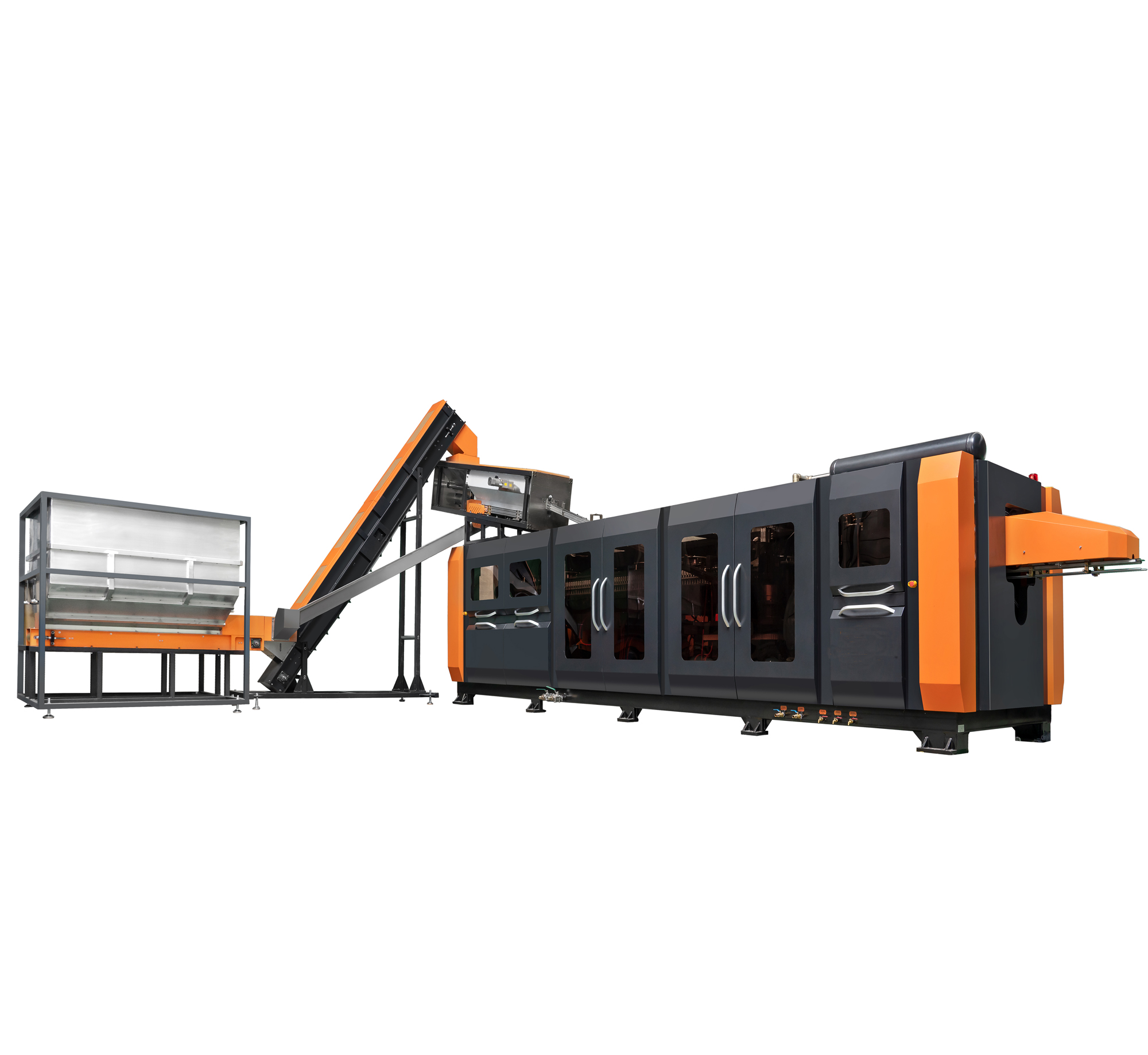
Mars BM-A8 Automatic 8 Cavity PET Bottle Blowing Machine 16000BPH 50Kw Omron PLC CE
View Equipment Details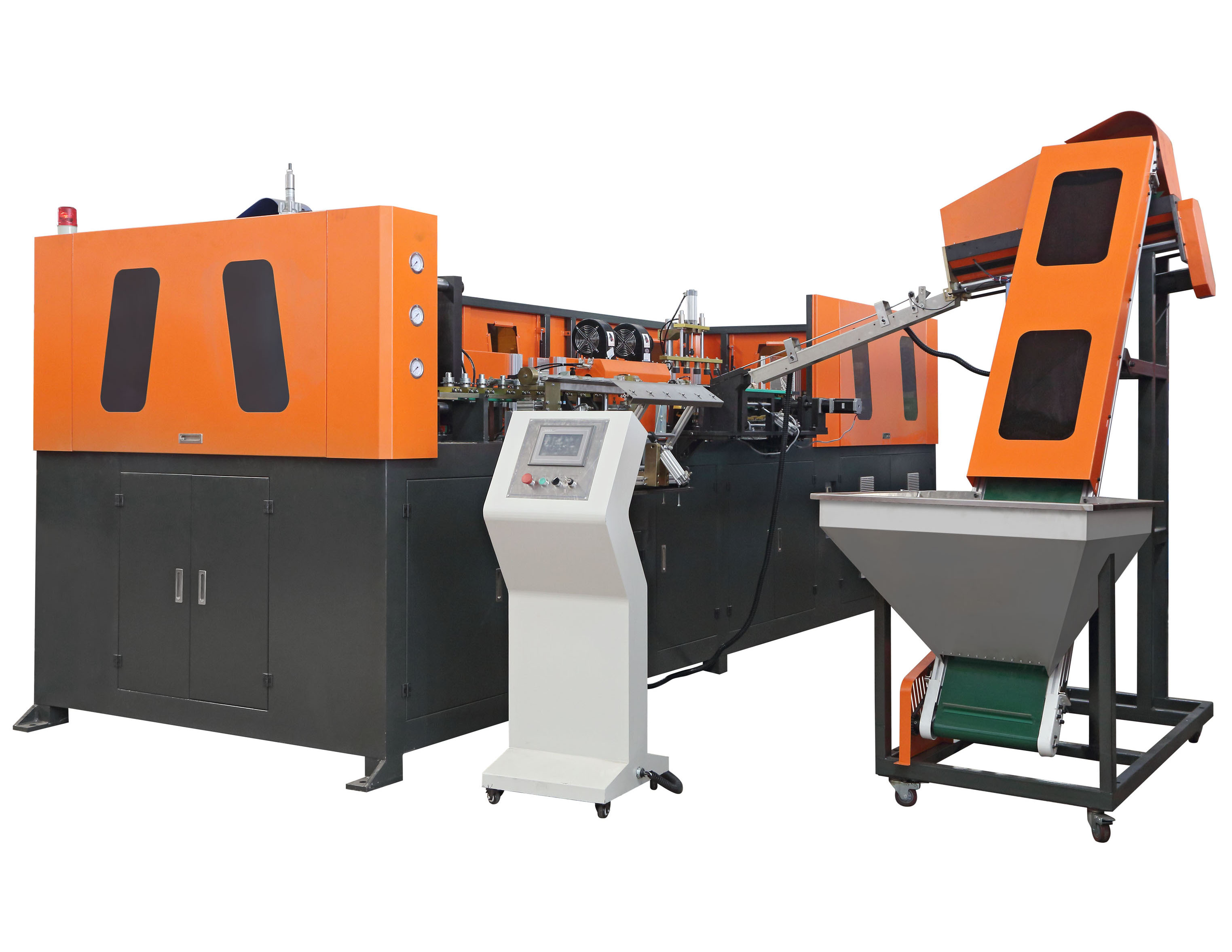
Automatic 4 Cavity Stretch Blow Moulding Machine High Pressure Mitsubishi PLC
View Equipment Details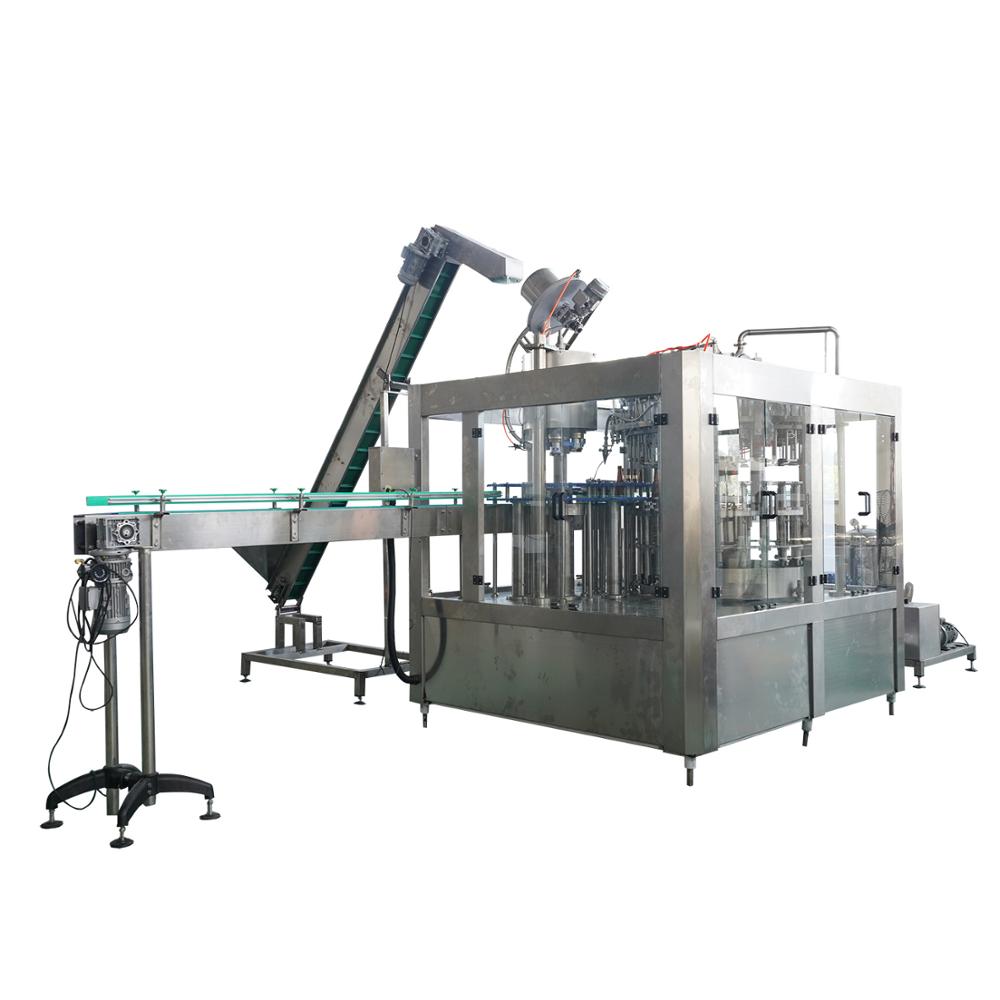
Automatic Beer Bottle Filling Machine 24 Nozzle Crown Capping System 4000 BPH
View Equipment Details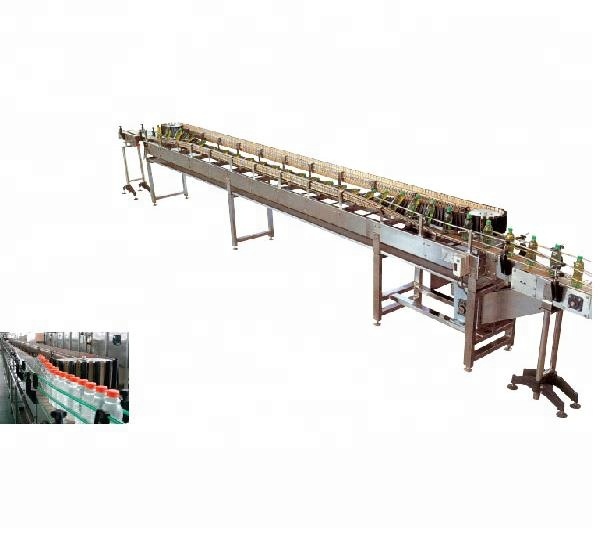
Automatic Bottle Inverse Sterilizer Electric Inline Inverting Machine 304 Stainless Steel
View Equipment Details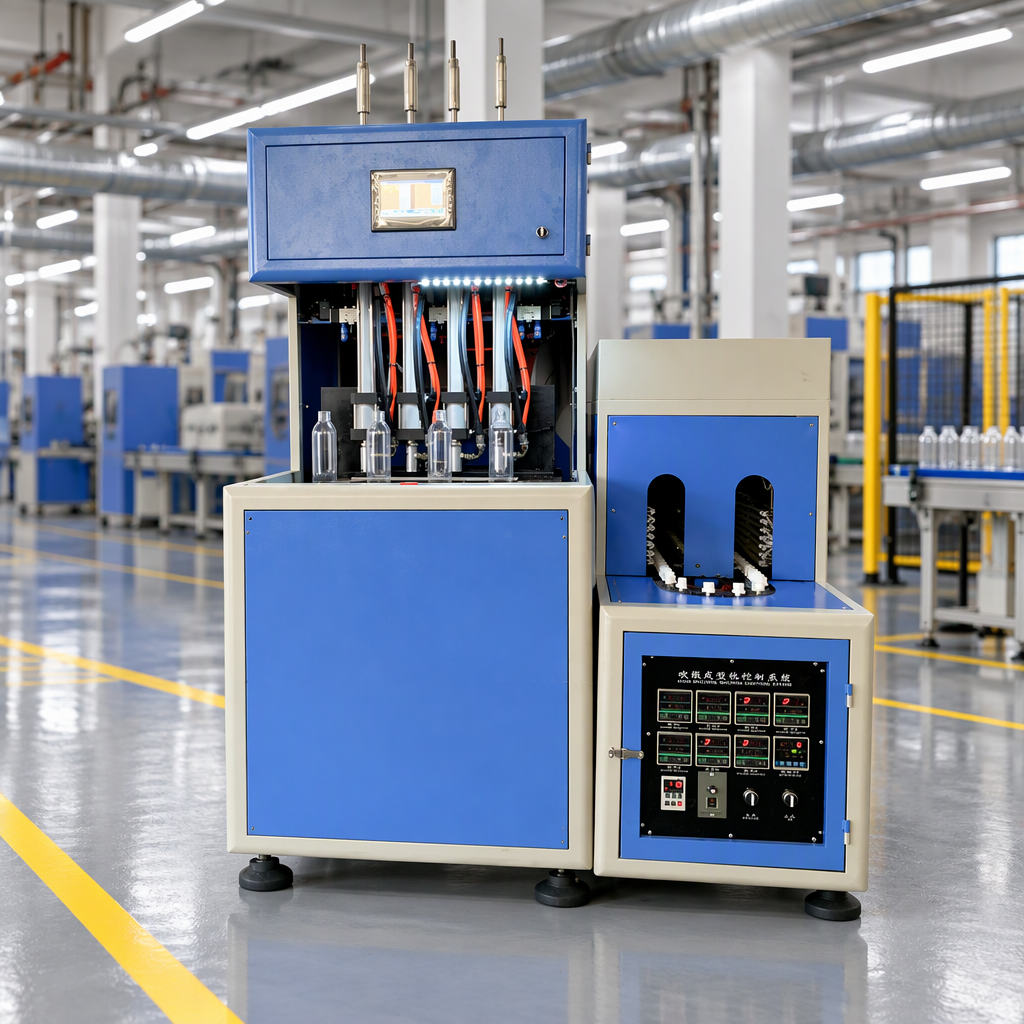
Semi Automatic 4 Cavity PET Bottle Blow Molding Machine 380V High Accuracy
View Equipment Details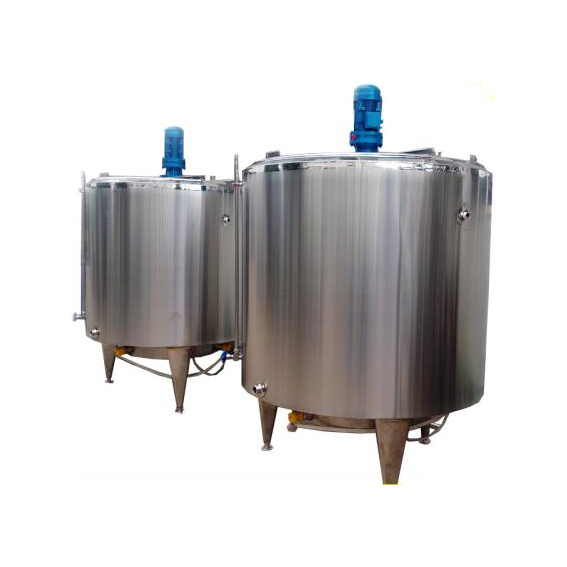
1000L Double Jacket Stainless Steel Liquid Mixing Tank Heating Agitator Blending
View Equipment Details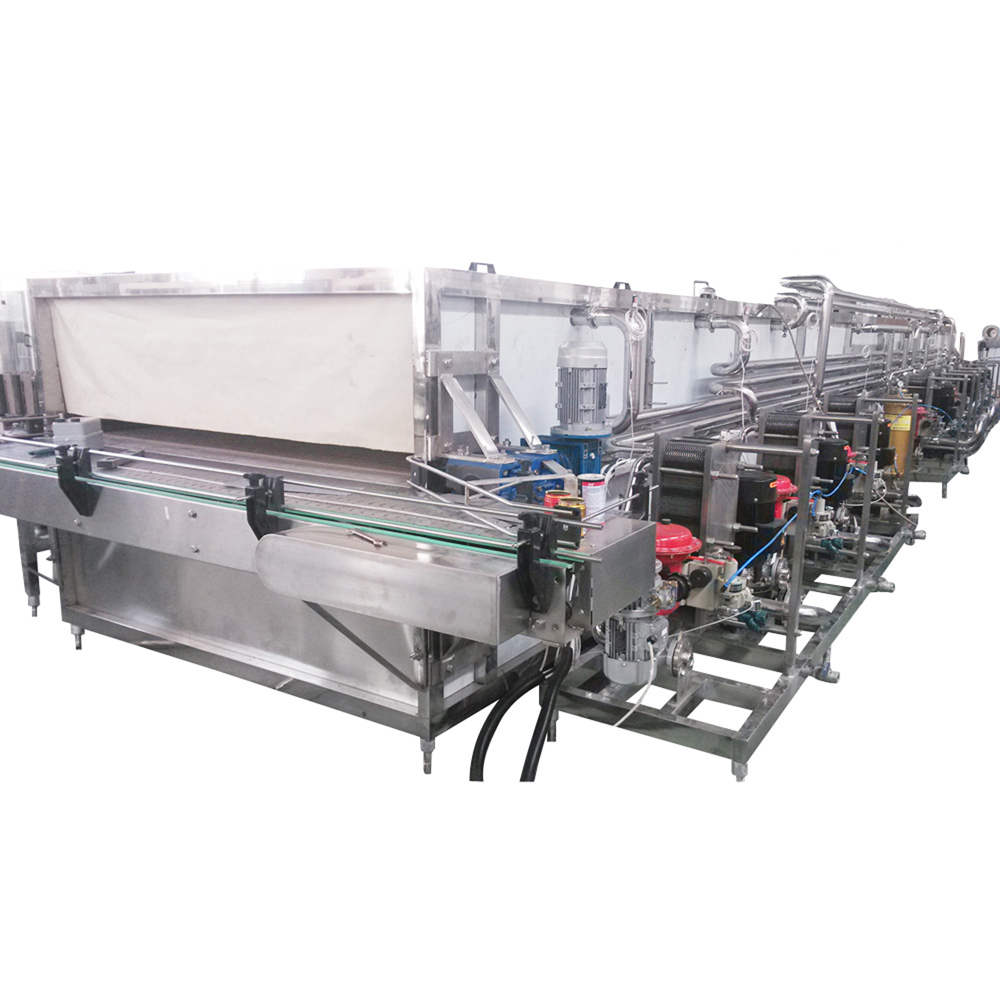
Automatic Tunnel Pasteurizing Machine SUS304 Stainless Steel Bottle Pasteurizer
View Equipment Details1. Technological Fundamentals of Industrial Counter Pressure (Isobaric) Filling
Counter pressure filling—technically designated as isobaric liquid packaging—represents the absolute engineering gold standard for handling carbonated beverages, craft beer, sparkling ciders, hard seltzers, and carbonated soft drinks (CSD). When bottling or canning liquids containing dissolved carbon dioxide ($\text{CO}_2$), any sudden drop in hydrostatic pressure causes the dissolved gas to break phase equilibrium, resulting in uncontrolled violent foaming, severe fill volume variance, and catastrophic loss of carbonation level.
Leading counter pressure filler manufacturers in China design closed-loop pressure systems that equilibrate the internal pressure of the receiving container (glass bottle, PET container, or aluminum can) with the pressurized beverage storage bowl before liquid transfer commences. By maintaining a constant, uniform pressure differential, gravity or low-differential pumps transfer liquid smoothly along the container sidewalls without entraining gas or destabilizing dissolved carbonation.
Engineering Core Principle: Henry's Law dictates that the solubility of a gas in a liquid is directly proportional to the partial pressure of that gas above the liquid. Isobaric filling valves preserve this partial pressure throughout the filling phase, preventing gas breakout and protecting beverage flavor integrity.
The 4-Stage Isobaric Filling Sequence Mechanics
To understand why leading global breweries and beverage plants source high-speed counter pressure fillers from specialized Chinese OEMs, one must examine the precise mechanical sequence executing within each filling valve head:
Double-stage pre-evacuation removes up to 98% of ambient air from the container, drastically reducing atmospheric Oxygen ($\text{O}_2$).
Purification-grade $\text{CO}_2$ gas is injected into the container until internal vessel pressure equals filler bowl pressure (typically 0.25 to 0.45 MPa).
The spring-loaded or electro-pneumatic liquid valve opens. Liquid flows smoothly via umbrella distribution while gas returns to the bowl header.
Controlled multi-stage decompression (snifting) safely releases head-space pressure without foam eruption prior to rapid hygienic capping.
2. Critical Engineering Requirements: Dissolved Oxygen (DO) & Foam Control
For breweries and beverage exporters, Total Pick-Up Oxygen (TPO) and Dissolved Oxygen (DO) are the primary culprits behind oxidation, stale off-flavors, cardboard notes, and abbreviated shelf life. Top-tier Chinese counter pressure machinery manufacturers have integrated advanced mechanical and pneumatic anti-oxidation countermeasures into modern monoblock systems.
Double Pre-Evacuation Vacuum Pumps
By pulling a primary vacuum (-0.09 MPa), flushing with pure $\text{CO}_2$, and pulling a secondary vacuum before filling, DO pick-up is held beneath 15 to 30 parts per billion (ppb), safeguarding delicate hop aromatics and flavor profiles.
Precision Mechanical Vent Tubes
In traditional mechanical counter pressure fillers, stainless steel vent tubes determine fill height precisely. Once liquid reaches the vent tube orifice, gas return stops immediately, cutting off liquid flow automatically without electrical sensors.
Electro-Pneumatic Flowmeter Filling
Next-gen smart fillers utilize electromagnetic or mass flowmeters (E+H / Krohne) combined with electro-pneumatic valves. This eliminates vent tubes, allows contactless filling, and enables instant recipe changeovers via PLC touchscreens.
3. Technical Comparison: Mechanical vs. Electro-Pneumatic Isobaric Systems
When evaluating China counter pressure filler factories, procurement directors must decide between established mechanical lever-actuated systems and high-tier electro-pneumatic flowmeter monoblocks. Below is an engineering comparison matrix designed for technical evaluation:
| Performance / Spec Metric | Mechanical Counter Pressure Filler | Electro-Pneumatic Flowmeter Filler |
|---|---|---|
| Fill Level Precision | ± 2.0 mm (dependent on bottle tolerance) | ± 0.5 mm / ± 0.2% by volume |
| DO Pick-Up Range | 30 – 50 ppb (with double vacuum) | < 15 – 25 ppb (optimized manifold gas management) |
| Changeover Down Time | 30 – 60 mins (manual vent tube swappings) | < 5 mins (HMI digital recipe adjustment) |
| Container Compatibility | Optimized for glass and rigid PET | Universal (Glass, PET, Aluminum Cans, Slick Cans) |
| CIP / SIP Sanitization | Requires manual dummy cup fitting | Fully automated motorized CIP dummy cups |
| Capital Expenditure (CAPEX) | Cost-Effective / High ROI for Mid-Sized Plants | Premium OEM Investment / High-Speed Industrial Lines |
4. Industry Procurement & Future Technological Trends (2025–2030)
The beverage automation landscape is undergoing a massive transformation driven by energy efficiency, modular flexibility, digital IoT connectivity, and ultra-hygienic design requirements. Sourcing managers examining Chinese beverage machinery manufacturers should consider these active procurement trends:
A. Modular Monoblock & Block Architecture
Modern bottling plants are abandoning standalone blowing, filling, and capping machines connected by long air conveyors. Future-proof facilities invest in Combi-Block Isobaric Systems where stretch blow molding, counter pressure filling, and capping are housed inside a single sterile enclosure. This eliminates container contamination risks, cuts electrical footprint by 25%, and reduces line manpower dramatically.
B. Smart Gas Management & CO2 Recovery Integration
With industrial $\text{CO}_2$ costs rising globally, premium Chinese counter pressure factories are integrating recirculating pneumatic manifolds. Gas exhausted during container snifting and pre-purging is captured, filtered, compressed, and reused for first-stage purging, slashing total factory $\text{CO}_2$ consumption by up to 35%.
C. Hygienic Sanitary Design (EHEDG & 3-A Compliance)
Sanitization is non-negotiable. Modern counter pressure fillers feature product contact surfaces constructed exclusively from AISI 316L stainless steel with mirror polishing ($\text{Ra} \le 0.4\,\mu\text{m}$). Sealing materials utilize FDA-compliant EPDM or PTFE resistant to hot caustic soda ($85^\circ\text{C}$) and live steam ($121^\circ\text{C}$ sterilizing cycles).
5. Factory Audit & Sourcing Evaluation Framework for China Manufacturers
Selecting the right OEM partner in China requires looking beyond sales brochures. Technical buyers must audit a factory's machining capabilities, quality control protocols, and component sourcing transparently.
1. Component Quality Provenance
Ensure critical pneumatic cylinders originate from Festo or SMC; PLCs and touchscreens from Omron, Siemens, or Mitsubishi; frequency inverters from Danfoss or Schneider; and electrical sensors from Sick or IFM.
2. Machining & CNC Capabilities
A top counter pressure filler factory must possess in-house 5-axis CNC machining centers to produce filling valve blocks, internal distribution manifolds, and star wheels with sub-micron tolerance to prevent air leaks.
3. Factory Acceptance Testing (FAT)
Insist on a comprehensive 48-hour continuous wet FAT using your exact container samples, crowns/caps, and actual carbonated water or beer before machine export packaging and container loading.
6. Enterprise Capability & Turnkey Engineering (Lofsu Machinery Advantage)
Located in Zhangjiagang City—China's world-famous hub for beverage packaging machinery—Lofsu Machinery has established itself as an authoritative engineering leader in turnkey liquid packaging since 2010. Operating from an audited modern manufacturing facility spanning thousands of square meters, Lofsu specializes in complete A-to-Z bottling and canning automation.
Lofsu counter pressure fillers incorporate rigorous European engineering benchmarks, CE 2006/42/EC certification, and custom-tailored layout configurations. From water treatment systems and reverse osmosis units to isobaric filling monoblocks, inverse bottle sterilizers, cold glue or hot-melt OPP labelers, and end-of-line wraparound case packers, Lofsu delivers complete, synchronized packaging lines exported to over 30 countries worldwide.
7. Technical Frequently Asked Questions (Procurement & Engineering FAQ)
Q1: Why is counter pressure filling necessary for carbonated soft drinks and beer, but not still water?
Carbonated soft drinks and beer hold dissolved $\text{CO}_2$ gas under pressure. If exposed to standard atmospheric pressure during filling, the dissolved gas rapidly expands and breaks out of solution according to gas solubility physics, creating excessive foam and emptying the liquid volume. Counter pressure filling equalizes bottle pressure with vessel pressure, keeping $\text{CO}_2$ locked in solution during liquid transfer.
Q2: How does a counter pressure filler achieve low Dissolved Oxygen (DO) levels?
Low DO is achieved primarily through a double pre-evacuation vacuum process. Before filling, a vacuum pump pulls ambient air ($\approx 21\%\,\text{O}_2$) out of the container to $-0.09\,\text{MPa}$. Pure $\text{CO}_2$ is injected to flush remaining oxygen, followed by a second vacuum cycle. This replaces $98\%+$ of internal container atmosphere with inert $\text{CO}_2$, ensuring minimal oxygen contacts the incoming beverage.
Q3: Can a single counter pressure machine fill both glass bottles and aluminum cans?
While glass bottles and cans both utilize isobaric filling principles, handling mechanisms differ significantly. Glass bottles require neck-clamping or bottom-lifting pedestals with crown/screw cappers, whereas aluminum cans require thin-wall body support and mechanical double-seaming chucks. Chinese manufacturers offer dual-purpose combi-lines or dedicated rotary modules on shared bases for producers running multi-container portfolios.
Q4: What operating steam and electrical specifications are required for full CIP/SIP cleaning?
Industrial counter pressure fillers feature integrated Clean-In-Place (CIP) and Sterilization-In-Place (SIP) circuits. Automated valves position dummy cups over filling nozzles. The CIP cycle circulates hot caustic ($1.5 - 2.0\%$ concentration at $80^\circ\text{C}$), peracetic acid, and sterile water rinses. SIP systems utilize clean saturated steam at $121^\circ\text{C}$ for 30 minutes to guarantee full micro-biological sterility prior to production runs.
Q5: How do I select the proper head count and BPH capacity for my filling line?
Line capacity (Bottles Per Hour - BPH) depends on valve count and beverage carbonation level. Higher carbonation ($> 3.5\,\text{vol/vol}$) requires longer snifting times to prevent foaming, slightly reducing speed per valve. For example, a 24-nozzle isobaric glass bottle filler typically delivers 3,000 to 4,000 BPH on $500\,\text{ml}$ beer bottles. Lofsu engineers calculate line speed based on your specific liquid viscosity, temperature ($2 - 4^\circ\text{C}$ optimal), carbonation pressure, and container volume.
Q6: What lead time and shipping terms should be expected when ordering from China?
Manufacturing lead time for a customized counter pressure filling monoblocks ranges between 45 and 65 days depending on automation options. Standard export shipping terms include FOB, CFR, CIF, and DDP. Machines are protected with anti-rust oil, wrapped in waterproof vacuum membrane, and secured inside heavy-duty seaworthy wooden cases engineered for containerized ocean transit.
Engineered Counter Pressure Bottling Solutions Tailored to Your Plant
Consult directly with senior beverage machinery engineers. Share your bottle/can technical drawings, target production output (BPH), and beverage specifications for a complete technical quote and line CAD layout.
Contact Us