Core Bottling & Blow Molding Machinery Inventory
Engineered to strict ISO9001 and CE hygienic standards for mineral water, fruit juice, CSD, and liquid processing.
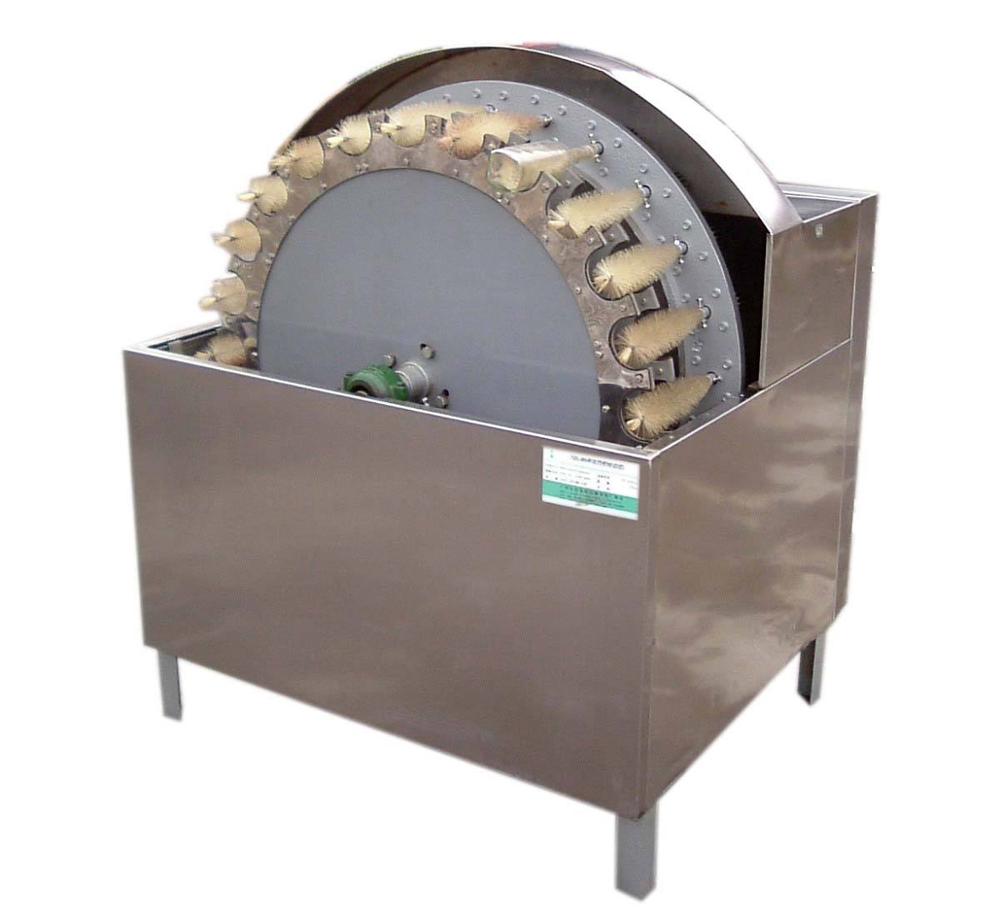
XP-24 Automatic Glass Wine Bottle Washer 380V 1.5KW
High-efficiency rotary glass bottle washing system featuring dual-stage internal/external water spraying and continuous sanitary handling.
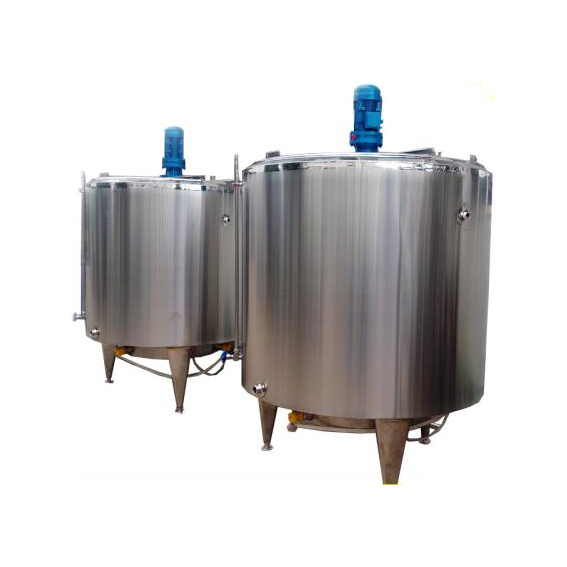
1000L Double Jacket Stainless Steel Mixing Tank
Steam/electric thermal jacketed blending vessel equipped with high-torque mechanical agitators for fruit juice formulation.
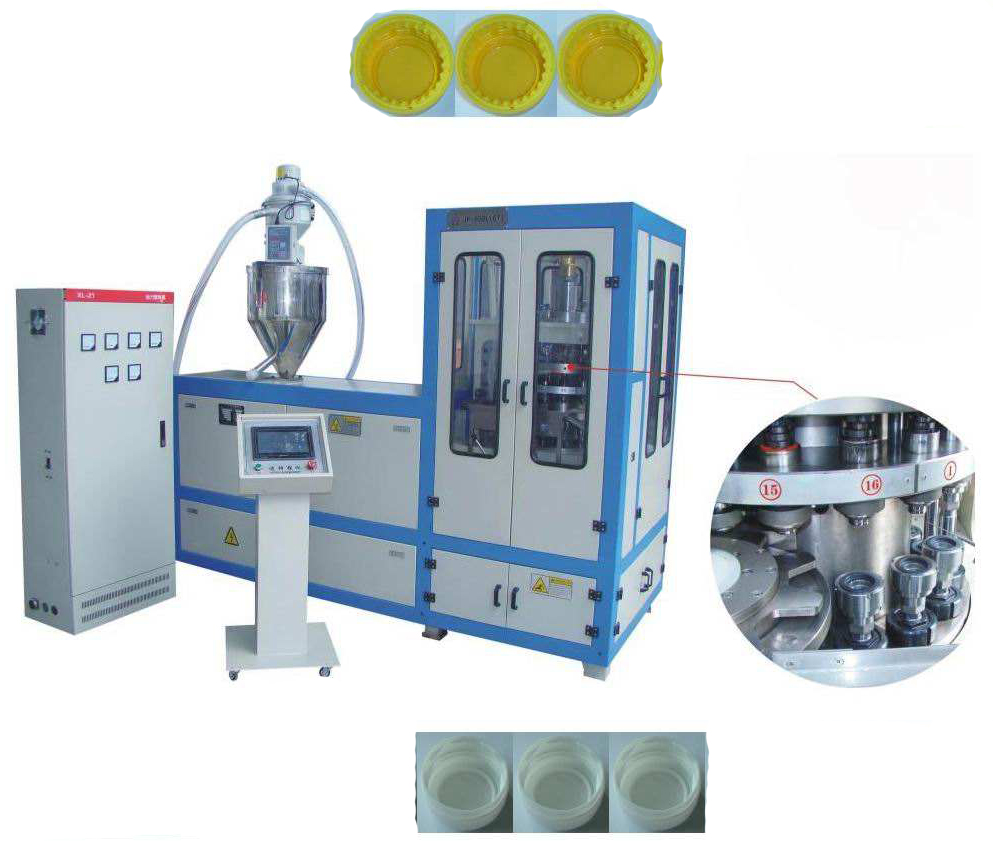
24-Cavity Automatic Injection Blow Molding Machine
Precision horizontal PP/PET bottle cap compression molding equipment with continuous thermosetting control and 2-year warranty.

Semiautomatic 5 Gallon PET Bottle Blow Molding Machine
Heavy-duty pneumatic container blowing unit designed for 3 to 5-gallon large-capacity purified drinking water carboys.
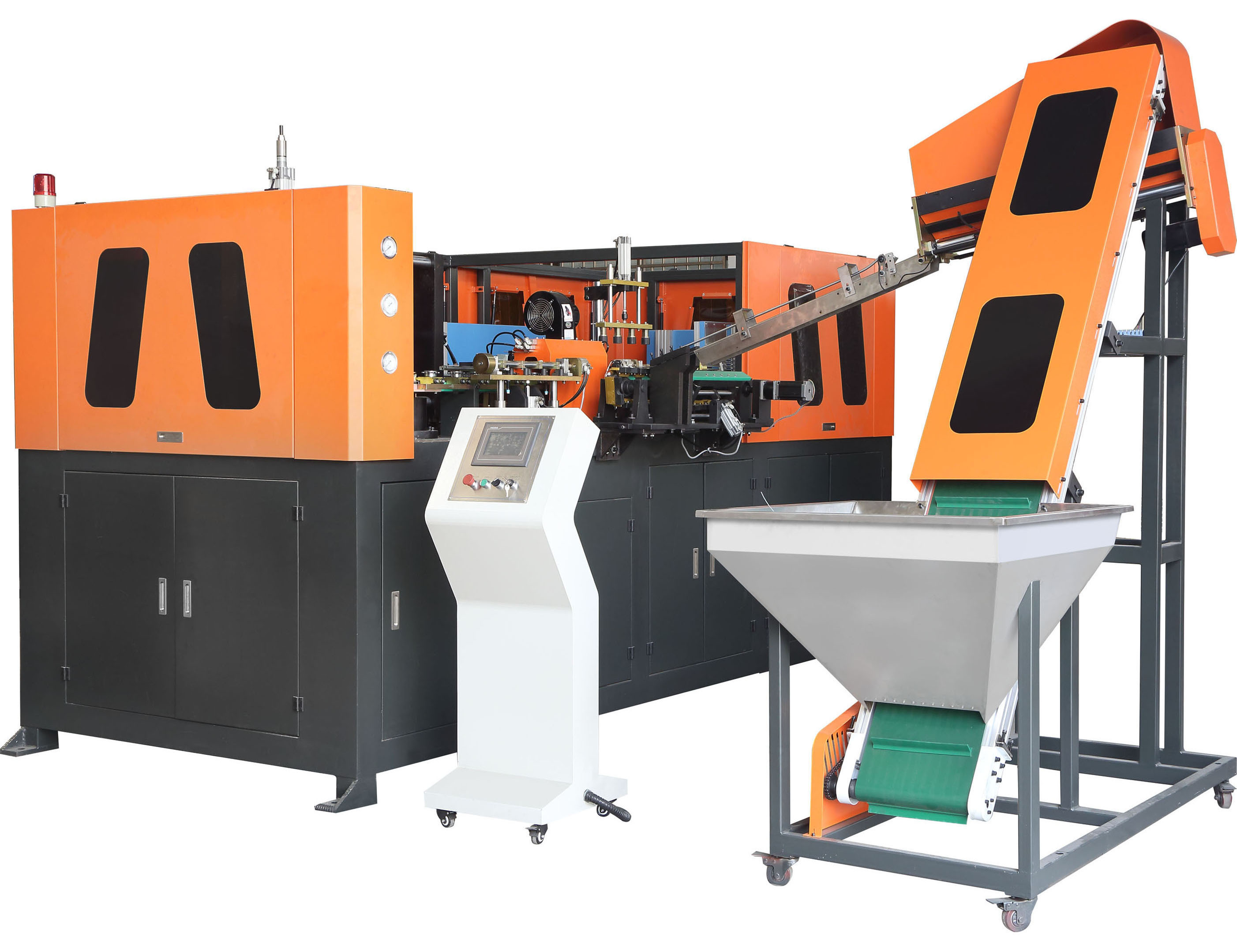
HZ-880B Mars 3 Cavity Automatic PET Bottle Machine
High-speed 2200 BPH stretch blow molding machine driven by Delta PLC and servo motors for premium bottled water production.
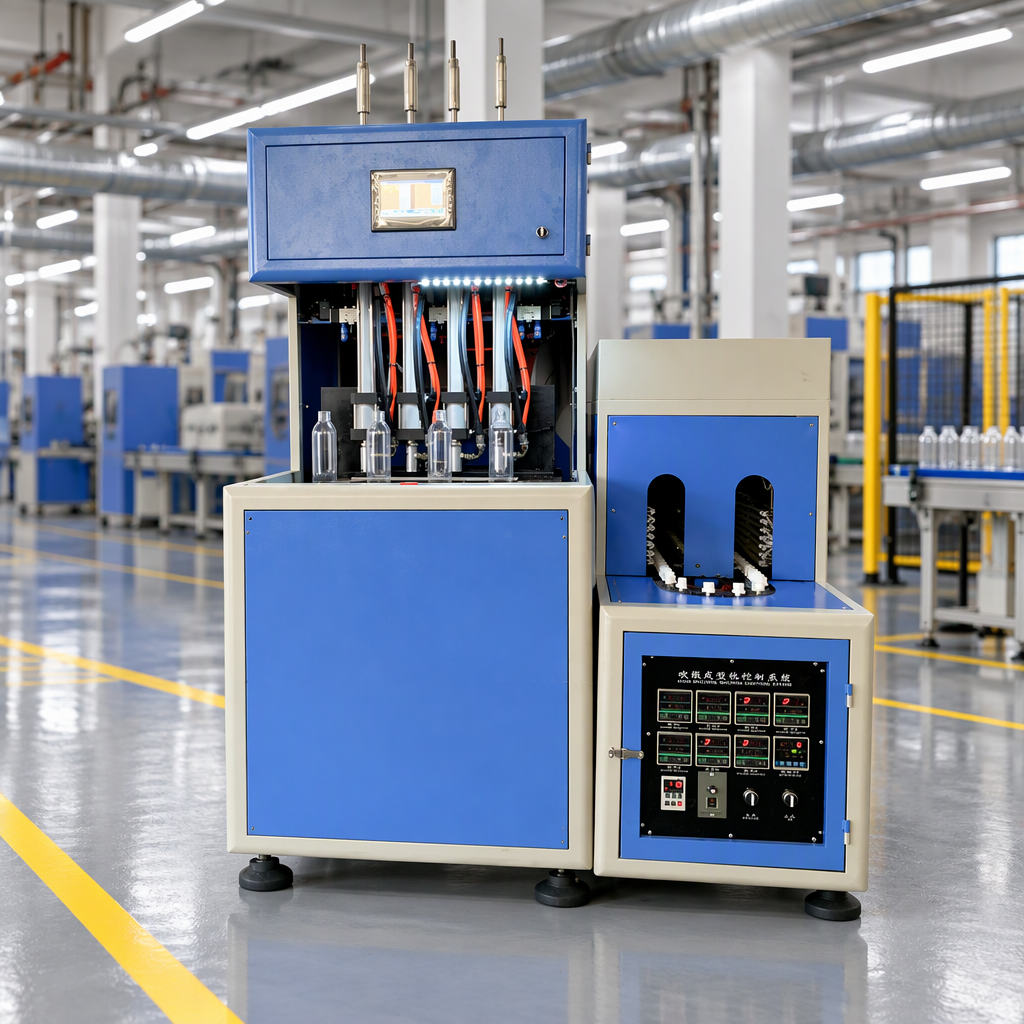
Semi Automatic 4 Cavity PET Blow Molding Machine
380V 30kW robust PET container stretching unit with micro-processor temperature control for high-accuracy preform expansion.
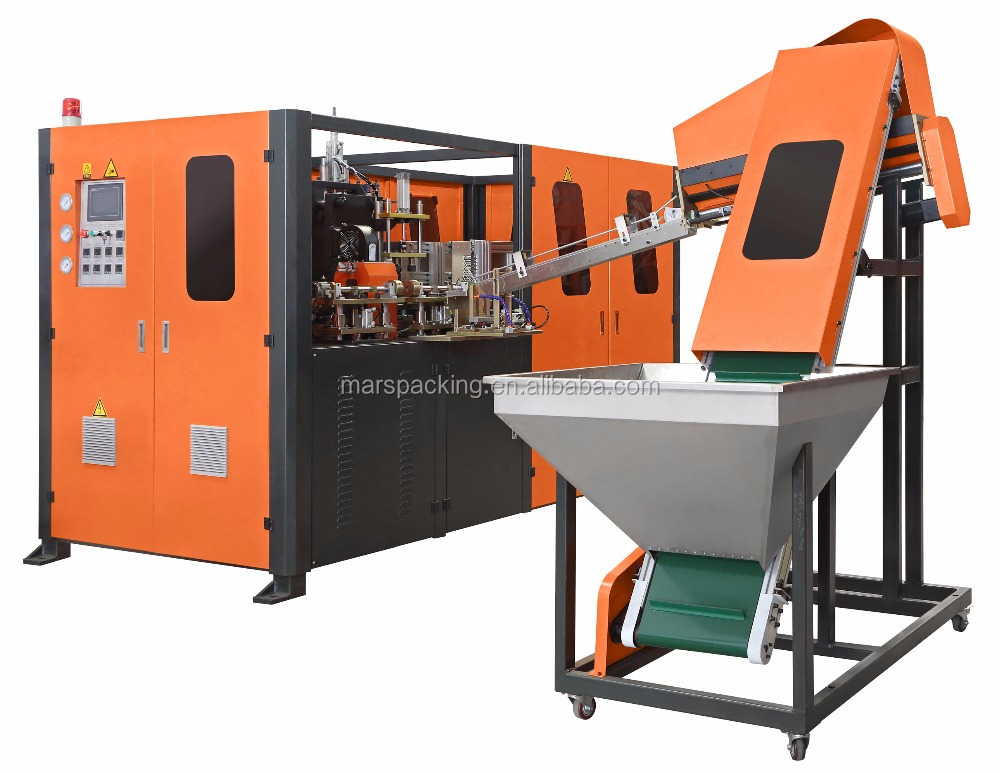
Fully Automatic Servo Controlled PET Bottle Stretch Blow Machine
60KW high-capacity, multi-servo synchronized PET bottle blowing line offering energy savings and rapid cavity switching.
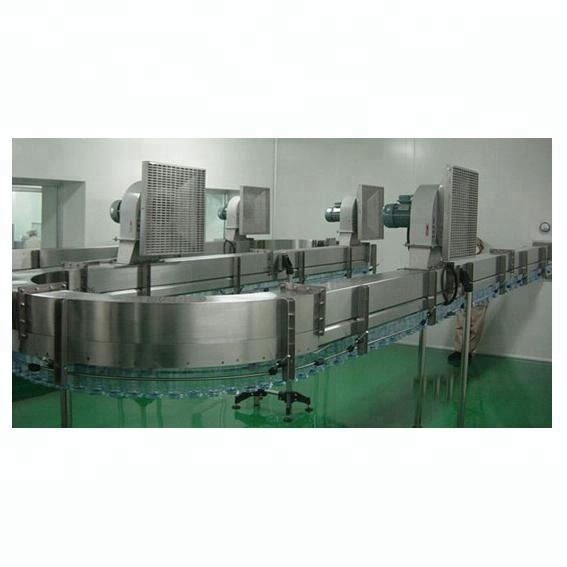
CE Certified Stainless Steel Air Conveyor Pneumatic System
Ultra-clean, high-velocity pneumatic container transport track for feeding blow-molded PET bottles directly into monoblock fillers.
Engineering Excellence: Next-Generation Fruit Juice Processing & Packaging
In the modern food and beverage packaging industry, selecting a reliable juice filling machine factory & supplier in China requires an in-depth understanding of liquid rheology, thermal preservation, aseptic container handling, and micro-biological safety standards. High-acid and low-acid juices, nectar formulas, pulp-infused beverages, and isotonic sports drinks each present distinct fluid dynamic challenges during volumetric metering and capping.
As an industry-leading original equipment manufacturer (OEM) based in Zhangjiagang, Jiangsu—China’s premier beverage machinery manufacturing cluster—Lofsu Packing Machinery Co., Ltd. delivers integrated A-to-Z bottling solutions engineered around your exact container mechanical drawings, product viscosity specs, and facility footprint.
Core Technical Classifications of Juice Filling Equipment
Industrial juice packaging lines utilize three primary filling methods, customized to the physical properties of the liquid and the target packaging material (PET, Glass, or Aluminum Can):
- 85°C–92°C Hot Filling (Vacuum Gravity / Recirculation Monoblock): Purpose-built for heat-resistant PET bottles and glass containers. The liquid is maintained at an elevated temperature using a closed-loop CIP thermal recirculation system. Constant circulation prevents thermal drop in the filling valves during line stops.
- Aseptic Cold Ambient Filling (Ultra-Clean Class 100 Isolation): Eliminates thermal stress on thin-walled lightweight PET containers. The beverage undergoes flash UHT sterilization before being filled in a sterile enclosure under positive HEPA pressure, preserving natural flavor notes and vitamin content.
- Multi-Stage Piston / Flowmeter Pulp Filling: Designed for beverages containing real fruit sacs, aloe vera gel, or coconut bits. High-precision piston dosers or electromagnetic mass flowmeters deposit fruit pulp first, followed by a secondary liquid topping valve to guarantee uniform sac distribution across every batch.
SUS304/316L Hygienic Build
All fluid-contact channels, valves, and manifold pipes feature mirror-polished (Ra < 0.4 µm) food-grade stainless steel, completely resistant to organic acid corrosion.
PLC & Mass Flow Control
Siemens/Delta PLC platforms with high-resolution HMI touchscreens permit real-time recipe selection, volumetric valve tuning, and automated CIP cycle execution.
Integrated Bottle Inversion
Includes post-capping bottle tilting systems that utilize hot juice internal heat to sterilize cap liners and neck threads, eliminating secondary contamination risks.
Future B2B Procurement Trends in Juice Packaging Lines (2025–2030)
Procurement directors and beverage plant operational managers are navigating strict sustainability mandates, escalating energy overheads, and consumer demand for preservative-free clean-label juice products. When sourcing packaging plant machinery from China, smart global buyers are focusing on three transformative technological shifts:
1. Shift Toward Ultra-Lightweighting and rPET Compatibility
Rising raw material costs are driving lightweighting initiatives across PET preform designs. Traditional hot filling requires heavy bottle grammage (up to 28-32g for 500ml) with structural panel ribs to withstand thermal vacuum contraction during cooling. Future-proof procurement favors Aseptic Cold Fill or Nitrogen-Dosed Warm Fill systems, enabling lightweight PET containers (down to 15-18g) and up to 100% recycled PET (rPET) processing without structural collapse.
2. Thermal Recovery & Energy Efficiency Architectures
Energy-intensive heat treatment—specifically pasteurization and thermal spray cooling—accounts for over 40% of plant operational expenditure. Modern Chinese machinery factories now integrate regenerative heat exchanger loops. Thermal energy extracted during the bottle cooling tunnel stage is captured to preheat incoming water feeds, cutting boiler thermal demand by as much as 35%.
3. Industry 4.0 SCADA Telemetry & Remote Commissioning
Modern industrial fillers feature edge-computing sensors monitoring vibration, thermal fluctuation, valve opening speeds, and vacuum pressure. Real-time data streams into plant-wide SCADA systems via OPC-UA protocols. Remote diagnostics gateways allow factory engineers to perform live firmware updates, sensor calibrations, and troubleshooting without requiring on-site dispatch.
Technological Evaluation Matrix: Hot Filling vs. Aseptic vs. Carbonated Juice
To assist technical evaluation teams in capital expenditure planning, the matrix below details the operational trade-offs across various filling methodologies:
| Evaluation Parameter | Hot Fill Monoblock (85°C-92°C) | Aseptic Cold Fill (Ambient) | Isobaric CSD Juice Filling |
|---|---|---|---|
| Target Beverage Types | 100% Juice, Nectar, Tea, Isotonic | Sensitive Juice, Dairy, Purees | Sparkling Juice, Carbonated Water |
| Bottle Material & Grammage | Heat-resistant PET / Glass (Heavy) | Standard / Lightweight PET (rPET) | Pressure-resistant PET / Glass / Can |
| Preservative Requirement | Zero (Thermal Sterilization) | Zero (Micro-filtered Sterile Zone) | Low to Medium (CO₂ Assisted) |
| Cap Sanitization Method | Internal Heat Inversion Unit | Peracetic Acid (PAA) / UV Sterilizer | Sterile Air Rinsing / UV Pre-treatment |
| Relative CAPEX Investment | Moderate (Industry Standard) | High (Requires Cleanroom Enclosure) | Moderate to High |
| Energy Consumption (OPEX) | High Thermal Demand (Cooling Tunnel) | Lower Thermal, Higher Electrical | High Refrigeration Demand for CO₂ |
Why Partner with Lofsu Packing Machinery Co., Ltd.?
Selecting an OEM supplier extends beyond baseline machine specifications. Overseeing production quality, factory acceptance testing (FAT), international shipping, and global field engineering support forms the backbone of a successful commissioning project.
Rigorous Factory Acceptance Testing (FAT)
Before dispatch, every line undergoes a full 72-hour continuous test run using your supplied preforms, caps, and liquid samples to verify mechanical filling tolerances and OEE metrics.
Global Electrical Compliance
All power systems are built for local grid compliance worldwide (220V–450V, 50Hz/60Hz), utilizing CE, UL, and Schneider/Siemens standard components for easy local sourcing.
Turnkey Installation & Service
Our experienced multilingual commissioning technicians manage layout installation, operator training, mechanical alignment, and ongoing spare-parts fulfillment globally.
Frequently Asked Questions by Beverage Procurement Teams
Get fast, expert engineering answers on line planning, thermal management, and equipment selection.
What production capacities do Lofsu bottling lines cover? +
Which specific liquid food and beverage products can your equipment handle? +
How does a hot filling machine prevent PET bottle thermal deformation? +
Can machines be custom engineered for local power supplies and cleanroom environments? +
How is CIP (Clean-in-Place) sanitation managed on juice fillers? +
What quality verification protocols take place prior to overseas shipment? +
Plan Your Next Juice Bottling Project With Expert Engineers
Send us your container technical drawings, liquid recipe requirements, and target output speeds. Our engineering team will return a customized line layout CAD and detailed equipment proposal within 24 hours.