Turnkey Dairy & Beverage Machinery Portfolio
Explore our high-precision liquid packaging equipment, engineered for rigorous sanitary compliance, low total cost of ownership (TCO), and continuous operation.

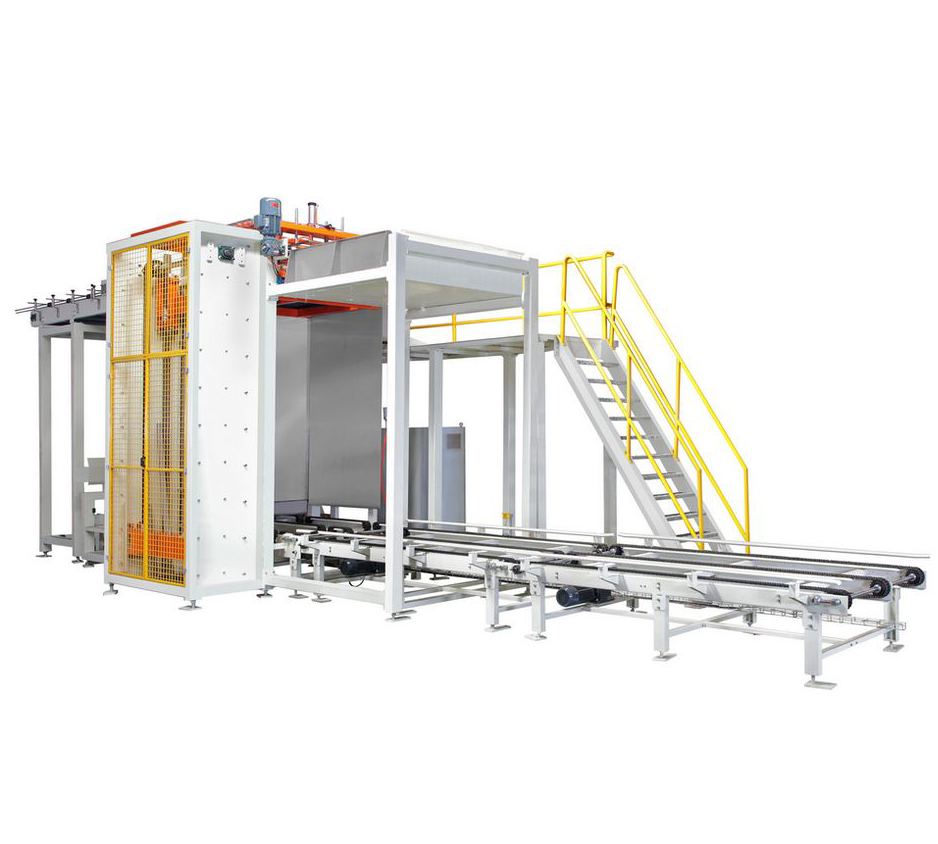
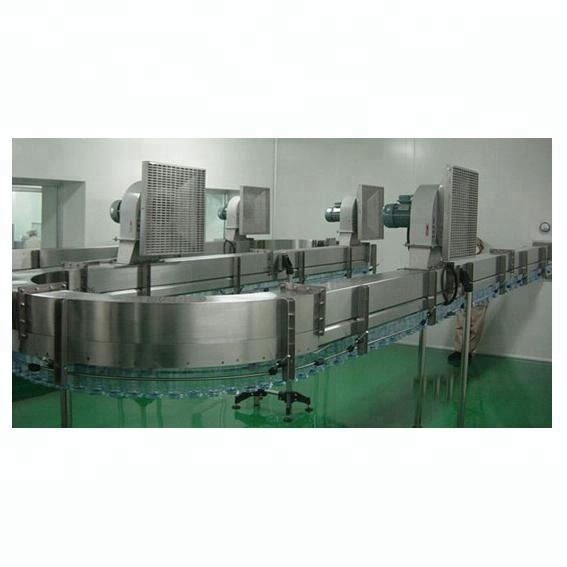
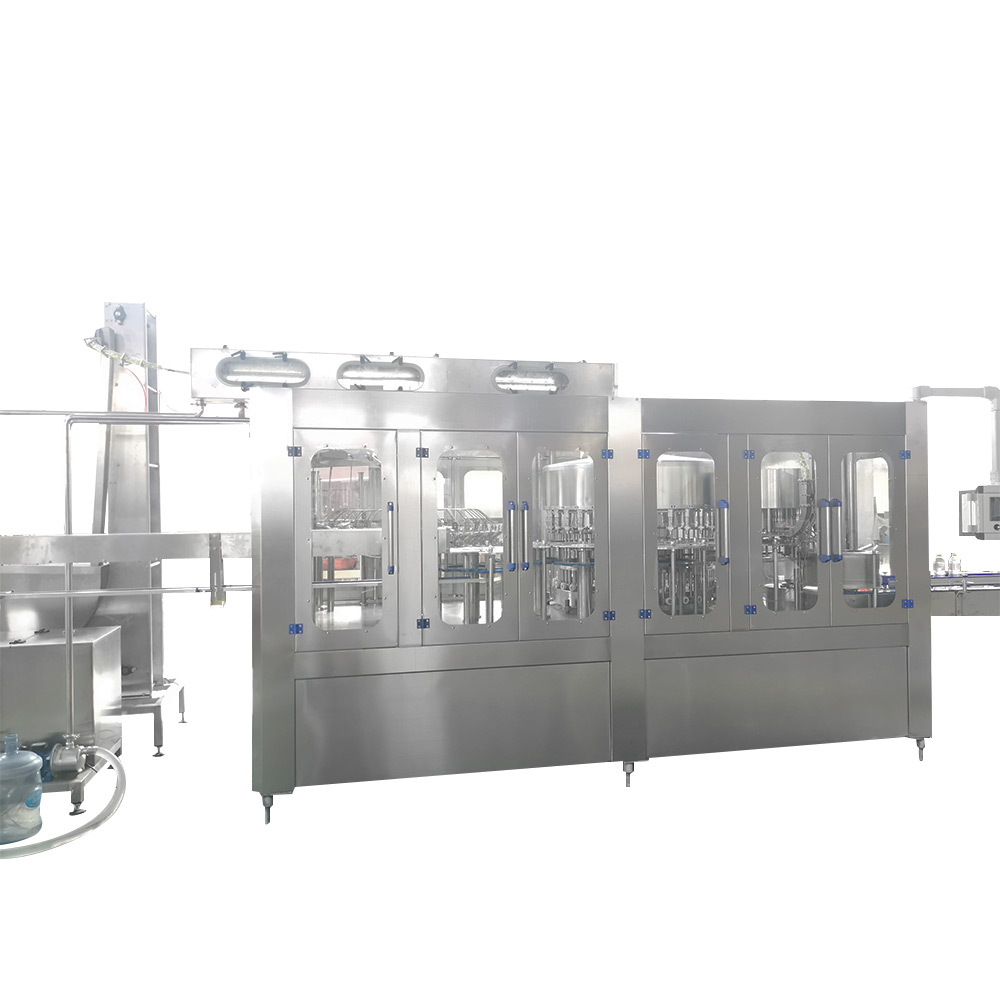
Enterprise OEM Strengths & Manufacturing Excellence
As a premier Chinese manufacturer established in Zhangjiagang, Jiangsu—the epicentre of China's beverage packaging industry—Lofsu Packing Machinery Co., Ltd. delivers turnkey milk bottling systems compliant with strict global standards.
Ultra-Clean Sanitary Design
All liquid contact surfaces are fabricated from SUS316L electro-polished stainless steel, featuring roughness Ra < 0.4 µm. Designed under EHEDG standards, our systems prevent bacterial stagnation and facilitate 100% automated CIP cleaning.
Turnkey Integration Capability
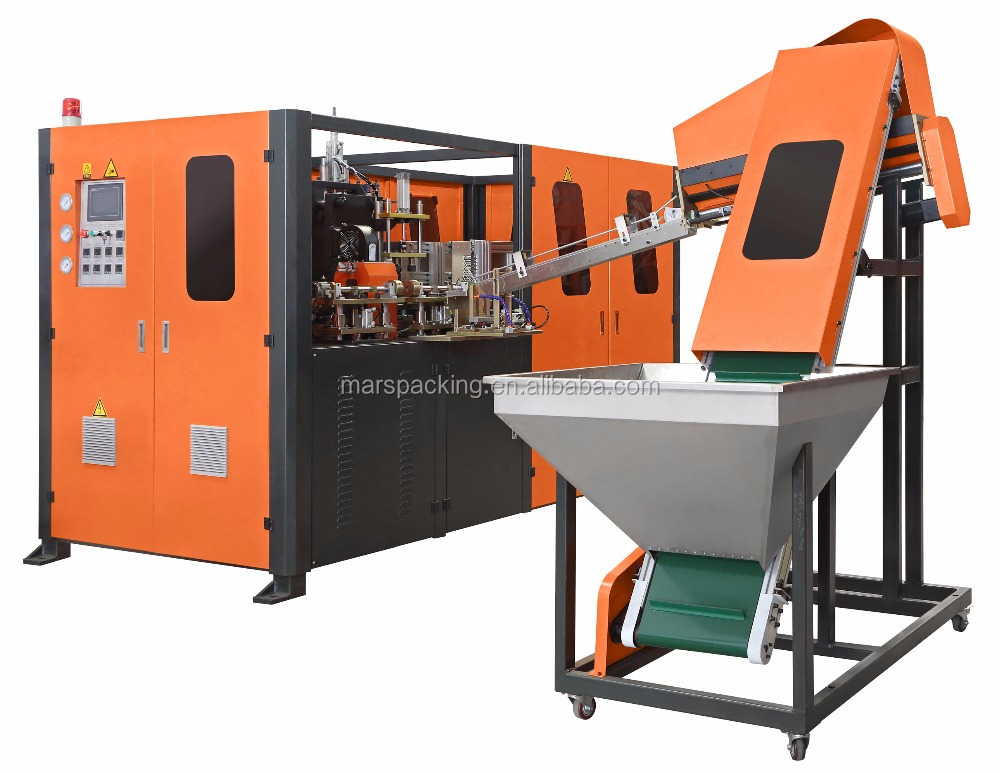
We provide full A-to-Z plant solutions. From raw milk receiving, HTST pasteurization, and homogenizing to automated blowing, ESL filling, sleeve labeling, and end-of-line case packing, our modular engineering guarantees zero throughput bottlenecks.
Custom Electrical & Voltage Adaptability
Recognizing global grid variability, our control cabinets are built to support 220V–450V, 50Hz/60Hz, 3-Phase supplies. Premium automation components from Siemens, Schneider, and Omron are integrated for maximum uptime.
Technical Whitepaper: Engineering Modern High-Speed Milk Bottling Operations
Liquid dairy packaging is widely recognized as one of the most technically demanding segments within the liquid food engineering sector. Unlike inert liquids like purified water, fresh milk, pasteurized dairy products, and extended shelf life (ESL) beverages represent biologically dynamic media highly susceptible to microbial spoilage and thermal degradation. Developing a commercial milk bottling line demands precise thermal process controls, microbiological containment, and mechanical synchronization.
1. Thermal Sterilization & Pre-Treatment (The HTST Phase)
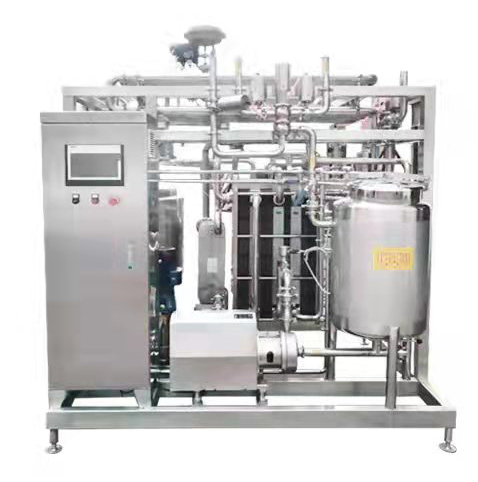
The foundational stage of any high-performance milk processing facility relies on precise thermal inactivation. High-Temperature Short-Time (HTST) flash pasteurization subjects raw milk to controlled thermal profiles (typically 72°C to 75°C for 15 to 20 seconds) to destroy vegetative pathogens while preserving bio-available proteins and organoleptic properties.
- Plate Heat Exchanger Efficiency: High-efficiency stainless steel plates utilize counter-current heat regeneration, recovering up to 92% of thermal energy to minimize plant operational expenditure (OPEX).
- Flow Diversion Integration: Automatic flow diversion valves (FDV) ensure any milk failing to meet critical pasteurization temperature limits is immediately re-routed to the balance tank, guaranteeing zero compromise on pasteurization lethality.
- Integrated Homogenization: Downstream high-pressure homogenizers break fat globules down under 20-25 MPa pressure, preventing creaming and fat phase separation over the product's shelf life.
2. Filling Zone Hygiene & Microbiological Isolation
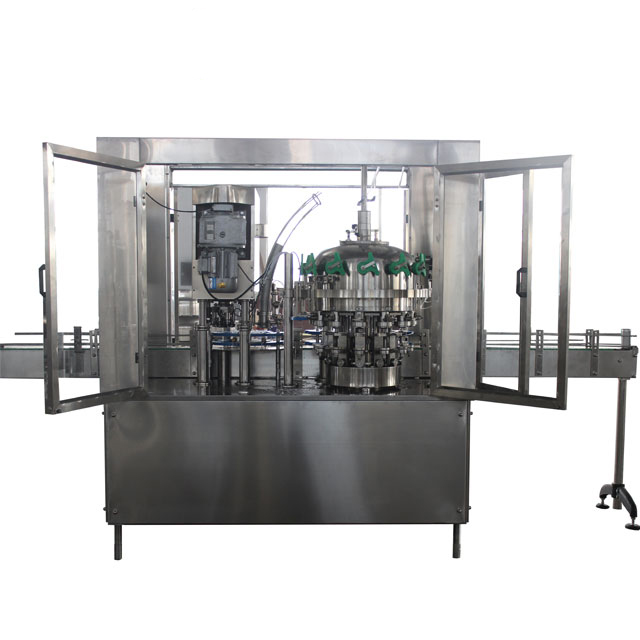
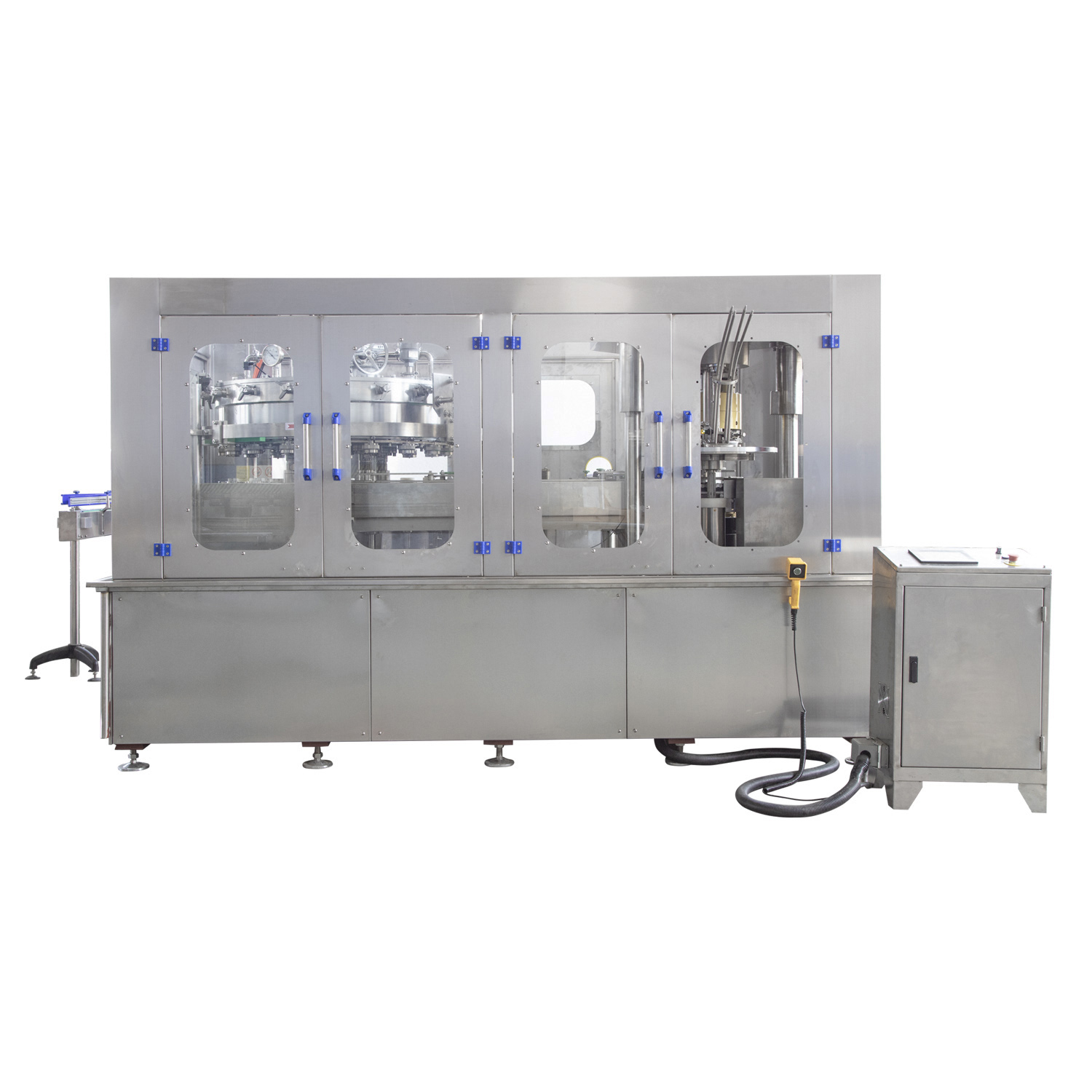
Once pasteurized, milk must be filled under pristine environmental conditions. Modern wholesale milk bottling lines manufactured in China incorporate HEPA H14 positive-pressure laminar flow hoods above the filling and capping turrets. This creates a Class 100 sterile micro-environment, isolating the open bottle neck from ambient atmospheric contamination.
Aseptic vs. ESL (Extended Shelf Life) Filling Architectures
For fresh pasteurized milk distributed via cold chains (2°C to 6°C), Ultra-Clean filling systems provide 21–30 days of shelf life by executing a 3-log reduction in bio-burden. For ambient distribution, Aseptic Cold Filling (ACF) employs peracetic acid (PAA) or vaporized hydrogen peroxide (VHP) container sterilization, reaching 6-log microbial reduction for up to 6–9 months of shelf life without chemical preservatives.
3. Mechanical Dosing Precision & Net Weighing Technology
Modern milk filling systems utilize non-contact electronic magnetic flowmeters (Magmeters) or high-speed load cells (Net Weighing). Because milk tends to foam during rapid turbulent transfer, bottom-up filling valves with multi-stage flow velocity reduction are deployed. Electro-pneumatic filling valves eliminate bottle contact, mitigating cross-contamination risks and delivering dosing accuracy within ±0.5 grams.
Future Trends in Global Milk Packaging & Sourcing (2025–2030)
Commercial dairy processors must align capital equipment purchases with evolving sustainability directives, consumer packaging shifts, and Industry 4.0 automation trends.
1. Transition to rPET & Lightweighting
Global ESG regulations are compelling dairy brands to transition from traditional HDPE jugs to fully recyclable, lightweight rPET bottles. Modern stretch blow molding machinery must accommodate high-percentage recycled resin flakes without compromising bottle burst strength or barrier properties against UV light degradation.
2. AI-Driven Smart OEE Monitoring
Future bottling lines are moving away from reactive maintenance. Integrated IoT sensor arrays continuously monitor servo motor vibration, thermal variances in heating zones, and pneumatic pressure drops. Edge computing PLCs automatically transmit diagnostic metrics to cloud dashboards, boosting Overall Equipment Effectiveness (OEE) above 92%.
3. Low-Water & Chemical-Free CIP Systems
Water conservation is a key driver in plant sustainability. Next-generation clean-in-place (CIP) units utilize ozone-assisted rinsing, thermal heat recovery loops, and chemical re-concentration tanks. This reduces wash-cycle water consumption by up to 35% while meeting strict FDA sanitary standards.
Strategic Sourcing: TCO & FAT Guidelines for B2B Importers
When procuring a wholesale milk bottling line from Chinese exporters, evaluating equipment solely on initial purchase price (CAPEX) can lead to operational bottlenecks. B2B buyers should conduct a holistic Total Cost of Ownership (TCO) analysis, focusing on electricity consumption, air compressor demands, spare parts availability, and changeover flexibility.
- Factory Acceptance Testing (FAT): Ensure your contract requires a full FAT using your actual container preforms, caps, and test fluid at 100% rated design speed for a minimum 4-hour continuous run prior to ocean container packing.
- Sanitary Documentation & Traceability: Verify that all raw stainless steel materials come with mill test certificates (MTC) proving SUS304 or SUS316L chemical composition, alongside CE 2006/42/EC machinery safety compliance.
- Global Service & Remote Assistance: Confirm that the manufacturer builds control panels with Ethernet/Wi-Fi remote VPN modules, allowing Chinese engineers to perform real-time PLC debugging and software updates overseas.
Frequently Asked Questions (Procurement FAQ)
What production capacities do Lofsu milk bottling lines cover?
Our standard monoblock packaging lines start at 2,000 bottles per hour (BPH) for small-to-medium dairy farms (such as our compact 8-nozzle linear models) and scale up to high-speed rotary configurations achieving 36,000 BPH. Lines are custom-engineered based on container volume (200ml to 5-Liter), product viscosity, and plant floor layout.
Which beverage formats and packaging materials can your machinery handle?
Our filling and packaging infrastructure processes fresh pasteurized milk, ESL milk, flavored dairy drinks, yogurts, plant-based milk alternatives (oat, almond, soy), mineral water, hot-fill juices, carbonated soft drinks, and edible oils. Supported containers include PET bottles, HDPE bottles, glass bottles, and aluminum/tin cans.
Can the electrical systems be tailored to my country's local power supply?
Yes. All machine electrical panels are custom-engineered for your local facility specifications. While standard Chinese industrial voltage is 380V/50Hz, we routinely supply complete lines built for 220V, 400V, 415V, 440V, or 480V at 50Hz or 60Hz. Major electrical components (Siemens, Schneider, ABB) are selected accordingly.
What validation and quality control procedures take place before shipment?
Every machine undergoes a rigorous Factory Acceptance Test (FAT) at our Jiangsu facility. We test mechanical motion, electronic sensor feedback, pneumatic seal integrity, and full-speed filling accuracy using buyer container samples. Comprehensive video documentation, inspection reports, and operational manuals are provided prior to export dispatch.
Do you provide onsite installation, line commissioning, and operator training?
Yes. We dispatch experienced mechanical and automation commissioning engineers to customer plants worldwide. Our team oversees mechanical positioning, utility hookups (power, compressed air, CIP lines), line balancing, and operator/maintenance training to guarantee smooth operational handover.
Which commercial trade terms and payment methods do you accept?
We support standard international trade terms including FOB (Free on Board), CFR (Cost and Freight), CIF (Cost, Insurance, Freight), EXW, DDP, and DDU. Payments are typically settled via Telegraphic Transfer (T/T) or Irrevocable Letter of Credit (L/C at sight) in USD, EUR, or CNY.
How does the machine design ensure extended shelf life (ESL) for fresh milk?
Our ESL milk bottling systems integrate three crucial hygiene barriers: (1) Pre-sterilization of bottles and caps via UV irradiation or liquid sanitizer spray, (2) HEPA H14 positive-pressure cleanroom enclosures over the filling zone, and (3) Automated CIP/SIP (Clean-in-Place / Sterilize-in-Place) circuits that maintain zero bacterial retention along liquid contact routes.
Transform Your Dairy Packaging Line Efficiency Today
Consult with our senior technical engineering team. Get a customized line layout drawing, full equipment budget breakdown, and ROI assessment tailored to your project requirements within 24 hours.
Inquire Now