Featured Industrial Bottling & Packaging Equipment Catalog
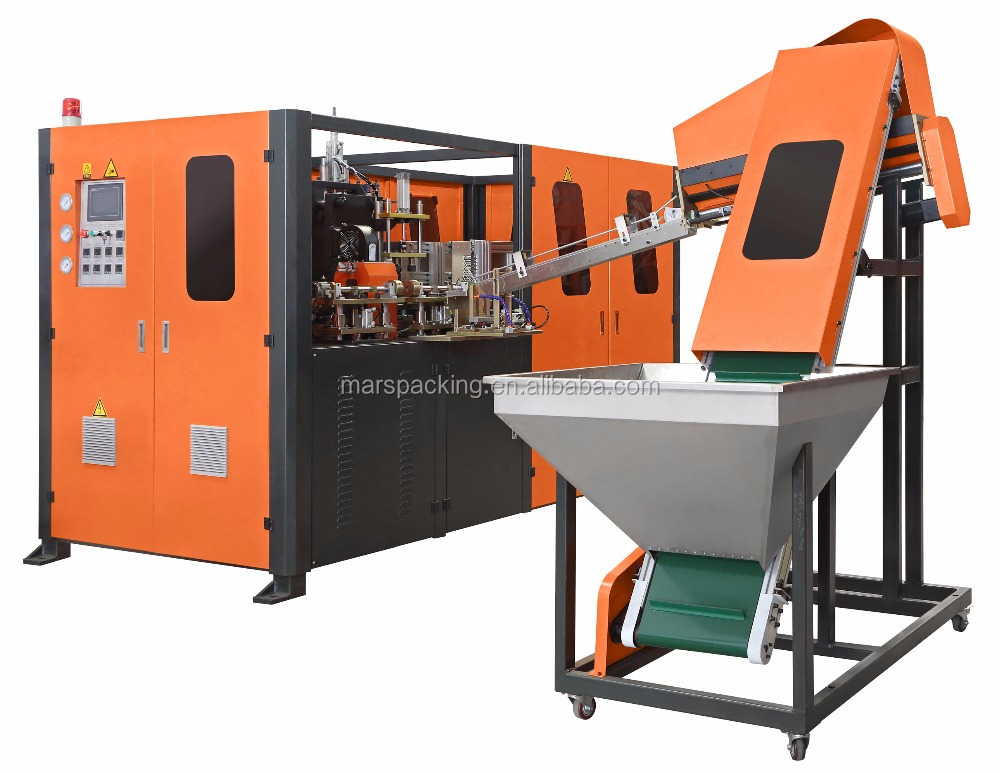
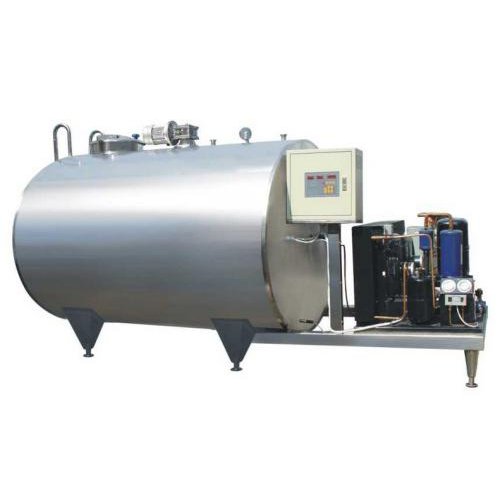
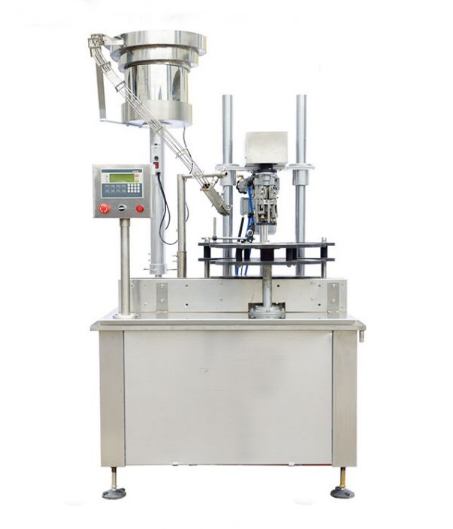
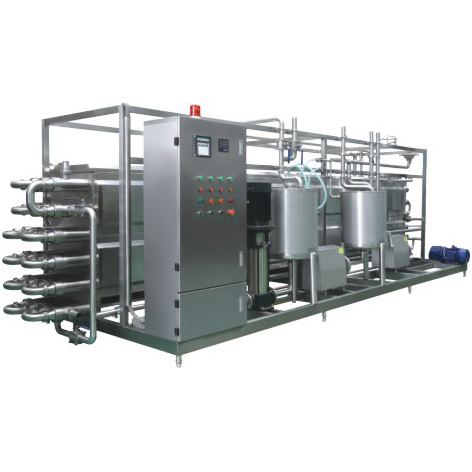
Explore our core product family designed for high-capacity liquid processing, container stretch blow molding, sterile capping, and thermal pasteurization.



Technological Development Trends in Sparkling Water & CSD Bottling Machinery
The engineering landscape for carbonated soft drink (CSD) and sparkling water bottling equipment is undergoing a major technological revolution. Driven by environmental sustainability metrics, energy cost minimization, and the consumer trend toward zero-preservative premium carbonated beverages, manufacturers must deploy advanced fluid dynamics and precise mechanical control.
1. Isobaric Counter-Pressure Precision Filling
Unlike quiet mineral water filling which uses simple gravity mechanisms, carbonated beverage filling requires equalized pneumatic pressure (isobaric principle) to maintain dissolved CO2 in solution during liquid transfer. Modern filling heads feature double-stage vent valves that purge atmospheric ambient air with pure CO2 prior to filling, reducing dissolved oxygen (DO) pickup to less than 30 ppb (parts per billion). This preserves crisp effervescence and extends product shelf life.
2. Servo-Driven Electronic Flowmeter Control
Legacy mechanical filling valves governed by lift cylinders and mechanical cams are increasingly replaced by magnetic flowmeter (magmeter) electronic valves or contactless mass flowmeters. Servo actuation allows micro-second adjustment of liquid flow rates, enabling smooth transition between high-velocity filling and gentle neck-finishing filling, preventing turbulence, foaming, and product yield losses.
3. CIP/SIP Automated Clean-In-Place Integration
Hygienic standard compliance has driven the adoption of automated Clean-In-Place (CIP) and Sterilization-In-Place (SIP) systems integrated directly into the monoblock block frame. Modern lines use stainless steel dummy bottles that automatically engage with filling nozzles via pneumatic signals, cycling hot caustic soda, acid wash, and ozonated rinse water at controlled temperatures without manual operator contact.
Furthermore, modern sparkling water production lines integrate high-efficiency carbonation carbo-mixers (syrup/water mixing + inline CO2 injection under chilled conditions between 2°C to 4°C). Dissolving carbon dioxide into water follows Henry's Law: lower temperatures combined with controlled saturation pressure drastically increase CO2 absorption rates, reaching gas volumes from 2.5 g/L up to 8.0 g/L for heavy sparkling mineral waters.
Comparison Matrix: Mechanical Isobaric vs. Electronic Flowmeter Isobaric Fillers
| Technical Evaluation Feature | Conventional Mechanical Isobaric Filler | Advanced Flowmeter Electronic Isobaric Filler |
|---|---|---|
| Filling Level Accuracy | ±2.0 mm (dependent on vent tube length) | ±0.5 mm (governed by electromagnetic pulse meter) |
| CO2 Loss During Filling | Moderate (due to mechanical valve venting) | Ultra-Low (smooth dual-speed profile filling) |
| Changeover Time (Bottle Sizes) | 45 - 90 Minutes (manual vent tube replacement) | < 10 Minutes (digital recipe selection on HMI screen) |
| Hygiene & CIP Compliance | Manual dummy bottle installation | Automated pneumatic dummy bottle positioning |
| Maintenance & Wear Parts | High (mechanical seals, springs, cams) | Low (contactless flow measurement, minimal moving parts) |
Global Procurement & Sourcing Trends for Beverage Manufacturers
Procurement directors and B2B buyers evaluating Chinese beverage machinery suppliers are transitioning from purchasing standalone, unintegrated units toward sourcing integrated, modular, turnkey line architectures. Key macroeconomic and operational factors influencing future procurement decisions include:
A. Shift to Aluminum Can & Lightweight Glass Formats
While PET bottles retain dominance in mass hydration, consumer preference for zero-plastic packaging has ignited exponential growth in sleek aluminum cans (250ml, 330ml, 500ml) and premium twist-off/crown-capped glass bottles. Sourcing strategies now prioritize flexible 2-in-1 combo filling lines capable of handling both glass containers and aluminum cans with minimal changeover downtime.
B. Low Total Cost of Ownership (TCO) & Energy Recovery
Energy consumption during refrigeration (chilling water for CO2 saturation) and compressed air generation (PET blow molding at 30-40 bar) accounts for over 60% of plant operational expenditures. Forward-looking buyers seek suppliers incorporating air recycling systems on blow molders and heat exchangers on plate pasteurizers to recapture up to 35% of thermal and mechanical energy.
C. Smart Factory & IoT Maintenance Diagnostics
Modern procurement specs mandate PLC control architectures (Siemens S7-1500, Allen-Bradley, or Mitsubishi) equipped with remote Ethernet gateway access. This allows Chinese engineering teams to perform real-time diagnostic checks, firmware updates, and predictive maintenance monitoring across international borders, eliminating unnecessary downtime.
Why Partner with Lofsu Packing Machinery Co., Ltd.?
Located in No. 151, Zhenbei Road, Leyu Town, Zhangjiagang, Jiangsu, China, Lofsu Packing Machinery Co., Ltd. has been at the forefront of liquid packaging innovation since 2010. Over 70% of our machinery is exported across 30+ countries including North America, Southeast Asia, the Middle East, South America, and Europe.
✓ Strict Metallurgy & Component Standards
All product-contact parts are forged from certified AISI 304 or AISI 316L stainless steel, polished to a surface roughness of Ra < 0.4 μm to prevent bacterial adhesion. Pneumatic and electrical components are sourced strictly from global leaders including Festo, SMC, Schneider, Omron, and Siemens.
✓ Rigorous Factory Acceptance Testing (FAT)
Before export dispatch, every complete line undergoes a continuous 48-hour FAT test using client bottle samples and actual carbonated liquids to verify filling level tolerance, capping torque, seam integrity, and hourly BPH speed compliance.
✓ Customized Power Grid Compatibility
We engineer electrical switchgear and motors tailored to the client’s destination power grid, supporting 220V, 380V, 415V, 440V, and 480V three-phase configurations at 50Hz or 60Hz.
✓ End-to-End Turnkey Execution
From raw water Reverse Osmosis (RO) treatment and beverage mixing plants to high-speed blow-fill-cap monoblocks, sleeve labeling, and wraparound case packing—Lofsu provides fully integrated factory engineering from a single point of accountability.
Frequently Asked Questions (FAQ) for Equipment Importers
Based on buyer search intent and technical inquiries from global plant managers, we have compiled detailed answers regarding equipment selection, utility sizing, and line installation.
What carbonation level (g/L) and chilling temperature are required for sparkling water filling?
To achieve optimal sparkling water quality (typically 5.0 to 7.0 g/L CO2 saturation), water must be pre-chilled to 2°C – 4°C using an industrial glycol chiller prior to entering the carbo-mixer. Carbonation occurring at elevated temperatures (above 8°C) results in aggressive foaming, improper liquid stabilization in the bottle, and severe loss of carbonation during capping.
How does an isobaric monoblock prevent bottle deformation during pressurized filling?
During isobaric filling of PET bottles, the pneumatic pressure inside the bottle is equalized with the overhead ring tank pressure (usually 0.2 to 0.4 MPa). Because the internal pneumatic pressure equals the external force applied by the filling head, the thin plastic bottle wall experiences net-zero collapsing pressure, ensuring structural integrity throughout the rapid liquid transfer phase.
What utility connections are necessary to install a 6,000 BPH sparkling water line?
A standard 6,000 BPH PET bottle sparkling water line requires four core utilities: 1) Three-phase electric power supply (typically 80-120 kW total installed load depending on blow molding cavity count); 2) High-pressure compressed air (3.0-4.0 MPa for PET blowing) and low-pressure air (0.7-0.8 MPa for pneumatic valves); 3) Chilled water loop (2°C-4°C) for carbonation; 4) Industrial CO2 gas supply (purity > 99.9%) stored in insulated tanks.
Can one machine handle both plain still water and highly carbonated sparkling water?
Yes. Isobaric counter-pressure filling machines engineered by Lofsu feature selectable dual-mode control via the PLC touch panel. When running still water, the pressurization gas phase is bypassed, allowing the filling valves to operate under ambient gravity/low-pressure mode. When switching to sparkling water, the isobaric pre-pressurization and CO2 snifting sequences are re-engaged.
What lead time, sea freight packing, and Incoterms does Lofsu offer?
Standard equipment production lead times range from 30 to 60 days depending on machine complexity. All machinery is sealed with anti-corrosion vacuum film and packed inside heavy-duty fumigated wooden crates suitable for long-distance ocean container shipping. We routinely support EXW, FOB Shanghai/Ningbo, CFR, CIF, DDP, and DDU trade terms with full LC or TT payment flexibility.
Request a Customized Line Layout & Factory Direct Quotation
Planning a new sparkling water bottling plant or upgrading existing filling speed? Consult directly with our senior mechanical engineers to receive a turnkey engineering design, 2D/3D factory layout drawing, and detailed price quotation.
Get a Quote