Precision Beer & Beverage Packaging Machinery
Direct from our Jiangsu manufacturing facility: CE-certified monoblock fillers, blow molders, pasteurizers, and sanitary mixing systems built to OEM specifications.
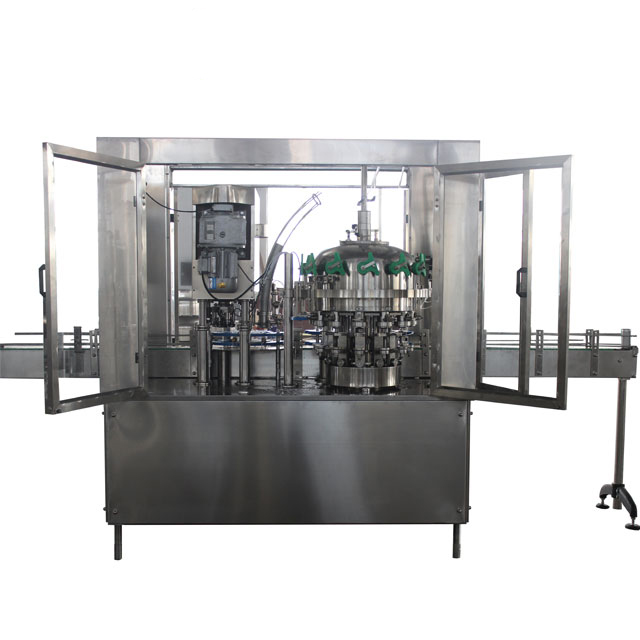
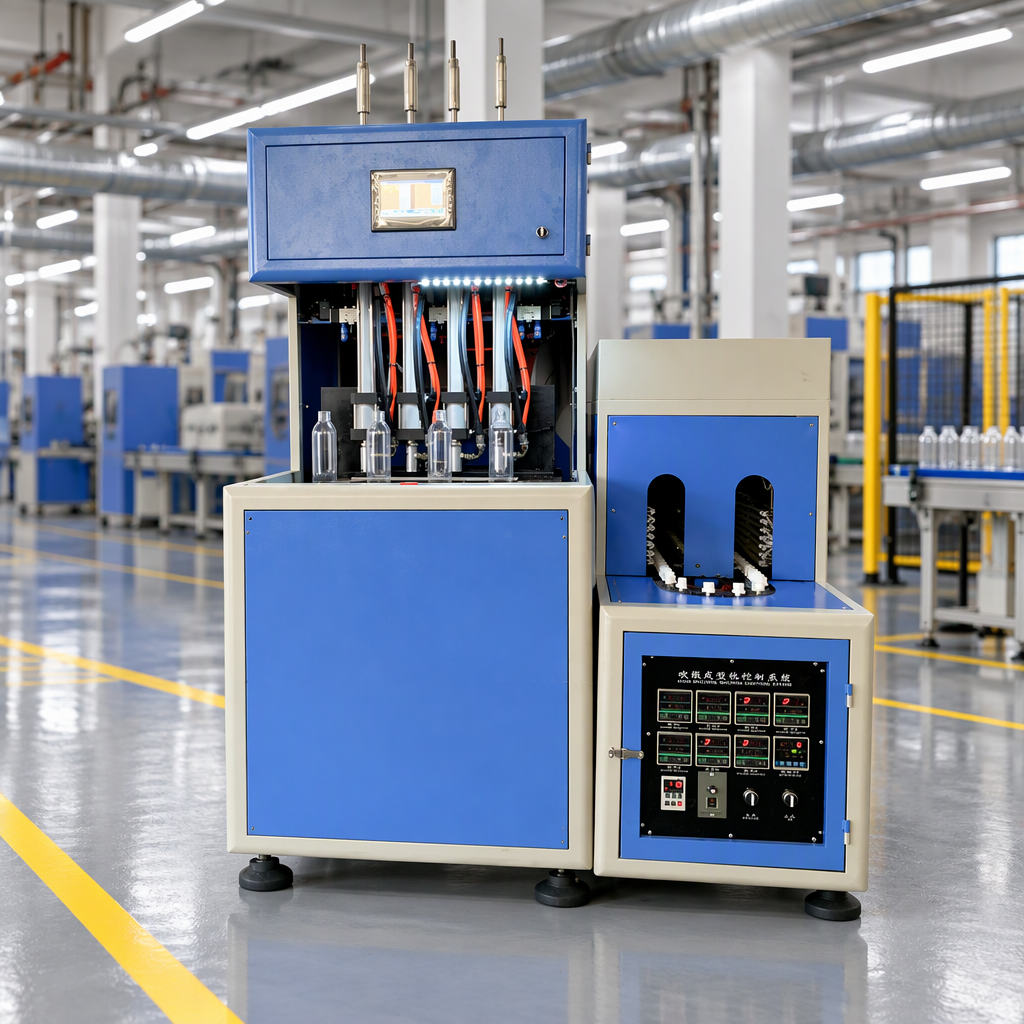
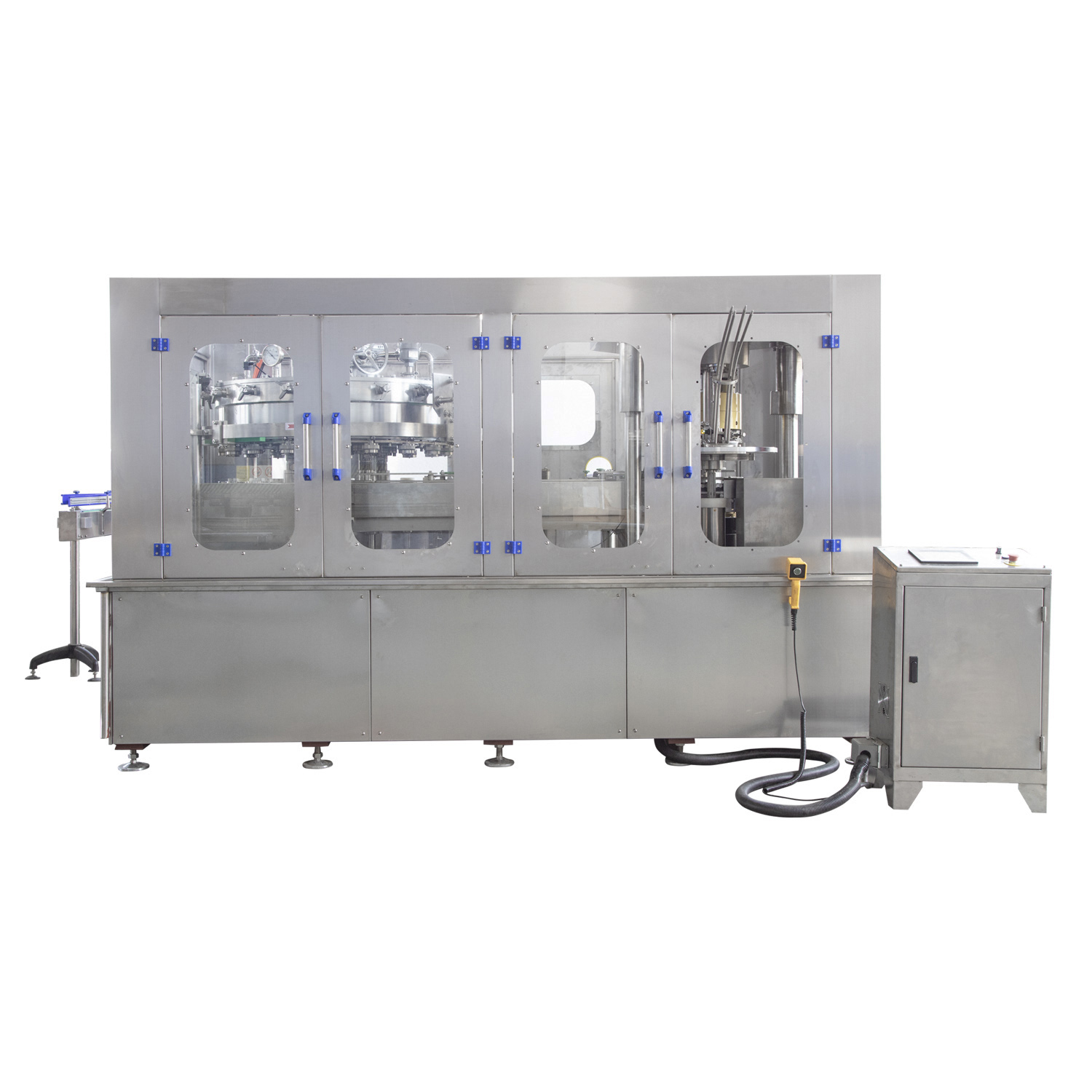
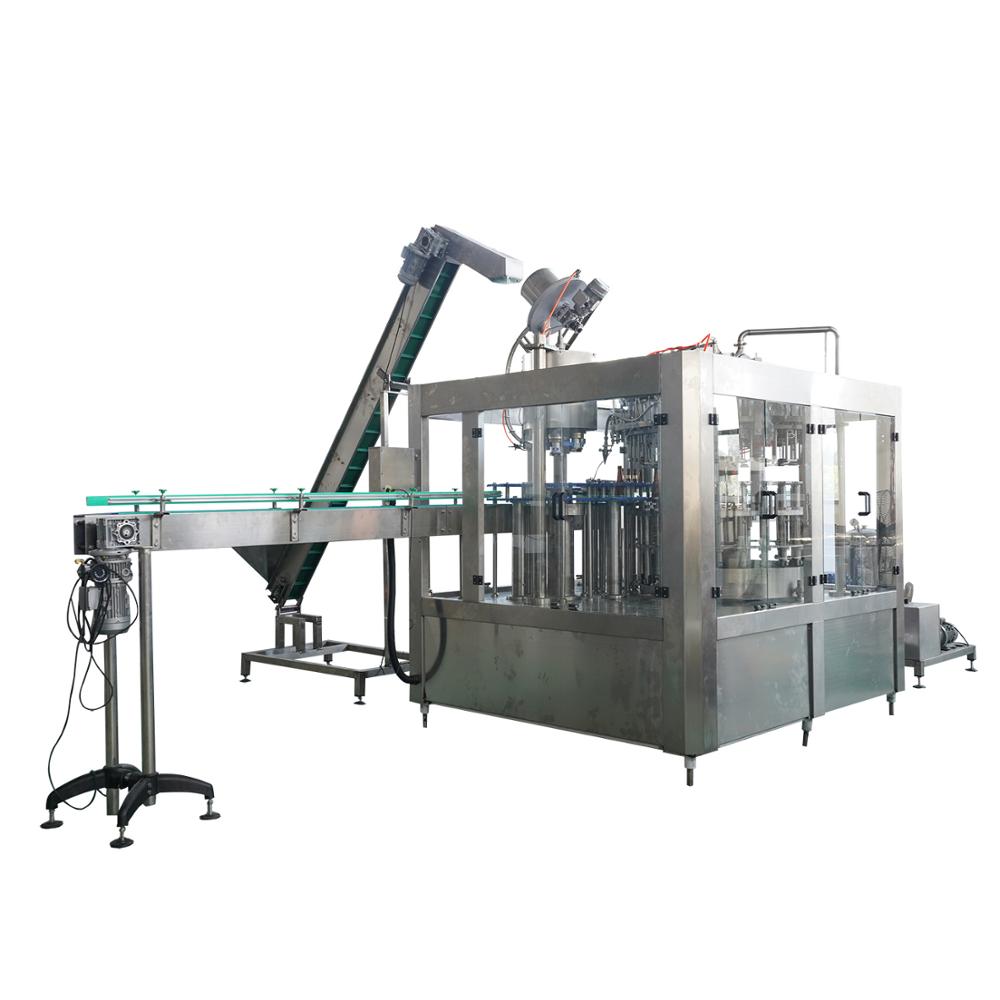

Next-Generation OEM Beer Bottling & Canning Architecture
A technical guide for master brewers, plant managers, and procurement directors on minimizing Dissolved Oxygen pick-up, optimizing CO2 isobaric filling, and managing end-to-end line automation.
Isobaric Counter-Pressure Filling Technology
Commercial beer packaging requires absolute pressure equilibrium to preserve carbonation and avoid foam turbulence. Modern OEM bottling lines utilize mechanical electro-pneumatic counter-pressure valves designed to handle carbonation levels up to 6.0 g/L CO2.
- Double Pre-Evacuation: High-vacuum pumps purge ambient air from glass bottles, reducing oxygen content to near zero before filling.
- CO2 Flush Cycle: Pure carbonation gas pressurizes the container to equalize internal bottle pressure with the filling bowl.
- Smooth Filling Phase: Gravity-fed liquid channels along bottle walls eliminate micro-bubbles and minimize turbulence.
- Snifting & Pressure Relief: Controlled multi-stage venting prevents foam eruption prior to crown capping.
Total Dissolved Oxygen (TDO) Control System
Oxygen is the primary enemy of beer shelf stability, causing premature staling, haze formation, and flavor degradation. High-grade OEM bottling machinery integrates advanced de-aeration and high-pressure jetting modules.
- Fobbing / Hot Water Jetting: A precision sterile water jet strikes the liquid neck just before capping, creating dense foam that expels head-space air.
- Sanitary Cap Dusting: UV light tunnels and sterile air knives sanitize crown caps or aluminum can lids right before sealing.
- Target Metrics: Achieves Total Oxygen Pickup under 30 parts per billion (ppb), extending ambient shelf-life up to 12–18 months.
Sanitary Construction & CIP Sterilization
Standard liquid fillers often harbor microbial traps. Dedicated beer bottling machines adhere to EHEDG and 3-A sanitary guidelines using high-grade stainless alloys and automated clean-in-place (CIP) circuits.
- Material Standards: All product-contact surfaces utilize certified AISI 316L stainless steel polished to Ra < 0.4 µm.
- Automated Dummy Cups: Pneumatic CIP cups automatically seal filling nozzles during hot caustic and acid wash cycles.
- Sterile Barrier Valves: Steam trace barriers surround moving valve stems, preventing airborne wild yeast contamination.
End-of-Line Synchronized Packaging Automation
A high-speed bottling line requires continuous flow synchronization. Monoblock architecture links container washing, isobaric filling, capping, labeling, and shrink wrapping into a unified PLC network.
- Rotary OPP & Cold Glue Labeling: High-accuracy vision sensors position labels on glass or PET bottles at speeds up to 300 BPM.
- Wraparound Case Packers: Servo-driven case packers handle heavy glass bottles with soft-drop placement to prevent breakage.
- Liquid Nitrogen Dosing: For canned beverage lines, LN2 injection builds structural internal pressure in ultra-light cans.
Technical Matrix: Custom OEM Bottling Line vs. Standard Off-the-Shelf Fillers
| Engineering Specification | Custom OEM Beer Bottling Line (Lofsu) | Generic / Standard Liquid Fillers |
|---|---|---|
| Filling Valve Principle | Isobaric Counter-Pressure + Electro-Pneumatic Control | Basic Atmospheric / Mechanical Gravity Valve |
| Dissolved Oxygen (TDO) Pickup | < 30 ppb (Double Vacuum + High-Pressure Fobbing) | > 150 ppb (High Risk of Rapid Oxidative Staling) |
| Product-Contact Alloy | Certified Sanitary SUS316L (Ra < 0.4 µm electro-polished) | Standard Commercial SUS304 / Non-Polished Welds |
| Clean-in-Place (CIP) Integration | Fully Automated Loop with Pneumatic Dummy Cups | Manual Washdown / Detachable Piping |
| PLC & Motion Control | Siemens S7-1500 / Schneider HMI + Remote Diagnostics | Basic Relay Control / Proprietary Microcontroller |
| Container Versatility | Multi-format (Glass Bottles, Aluminum Cans, PET Containers) | Single Container Format / Fixed Starwheels |
Future Procurement Trends in Beer Packaging (2025–2030)
Key technological shifts shaping industrial beverage machinery purchasing decisions worldwide.
Hybrid Canning & Bottling Monoblocks
Craft and mid-scale regional breweries are moving away from single-purpose packaging lines. Future-proof procurement favors hybrid monoblocks capable of quick-changeover between glass bottles with crown caps and sleek/standard aluminum cans on a shared rotary carousel.
Smart IoT & Predictive Maintenance
Modern bottling lines now incorporate vibration sensors, acoustic seam monitors, and thermal imaging. Integrated Siemens or Allen-Bradley PLCs send real-time telemetry to cloud dashboards, enabling maintenance managers to fix valve wear before line stoppages occur.
Energy & Water Recovery Systems
Environmental regulations demand drastic cuts in utility consumption. Advanced bottle rinsers recycle final-rinse water for exterior bottle spray washdown, while vacuum pump cooling loops cut factory water consumption by up to 40%.
Ultra-Lightweight Container Handling
To reduce freight emissions, beverage producers are adopting thinner PET walls and light-gauge aluminum cans. Next-gen bottling lines feature servo-driven bottle handling and magnetic torque cappers to prevent container collapse during filling and seaming.
Inline Flash Pasteurization Systems
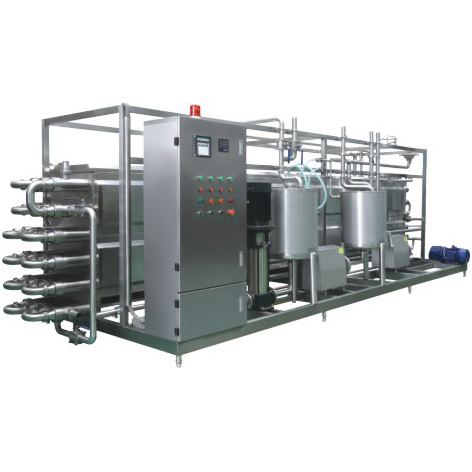
Replacing bulky tunnel pasteurizers, compact plate-type UHT and flash pasteurization units heat beer precisely before filling. Combined with sterile cleanroom enclosures, this setup preserves fresh hop aromas while guaranteeing commercial stability.
Modular Turnkey Sourcing
Brewery procurement directors are increasingly choosing single-source OEM manufacturers. Sourcing water treatment, carbonation mixing, filling, labeling, and case packing from one vendor eliminates integration mismatches and speeds up commissioning.
Why Global Buyers Partner with Lofsu Packing Machinery
Headquartered in Zhangjiagang, Jiangsu — China’s premier industrial beverage machinery cluster — we bring 15+ years of specialized engineering rigor to every project.
Onsite Audited & CE Certified
Our 1,000–3,000 m² manufacturing plant is audited by third-party inspection agencies. Every machine complies with European Machinery Directive 2006/42/EC and carries valid CE safety credentials.
Export Operations in 30+ Countries
Over 70% of our machinery is exported to North America, the Middle East, Africa, South America, and Europe. Our engineering teams design power cabinets customized to 220V–450V, 50/60Hz local electrical grids.
Tailored OEM/ODM Customization
We do not supply off-the-shelf compromises. Our technical team configures custom valve counts (8, 12, 18, 24, or 36 nozzles), custom container starwheels, and plant layout CAD designs based on your floorplan.
Factory Acceptance Testing (FAT)
Prior to seaworthy wooden crate packaging, every complete line undergoes rigorous testing using the customer’s actual bottle and label samples. Full FAT operation videos are provided for engineering approval.
Onsite Overseas Commissioning
Our senior installation engineers deploy worldwide to oversee electrical hookup, mechanical alignment, operator safety training, and maintenance protocol transfer to ensure smooth production startups.
Flexible Global Trade Terms
We accommodate diverse commercial structures including FOB, CFR, CIF, EXW, DDP, and DDU. Payment options support T/T, L/C at sight, and multi-stage milestone payments for large turnkey projects.
Frequently Asked Questions by Brewery & Beverage Buyers
Essential technical and commercial clarity before placing an OEM equipment order.
What production capacities do Lofsu beer bottling and canning lines cover?
Our standard monoblock packaging lines range from 2,000 bottles per hour (BPH) up to 4,000+ BPH for compact craft setups, such as the GDF12-1 12-nozzle can filler and 24-nozzle glass bottle filling systems. For high-speed commercial production, larger rotary monoblocks (36 to 50+ filling valves) are custom-engineered to meet target outputs up to 12,000 BPH.
How do your bottling lines control Dissolved Oxygen (TDO) pick-up in beer?
We utilize a multi-stage oxygen reduction process: First, a high-vacuum pump executes double pre-evacuation of the bottle. Next, pure CO2 flushes the container before isobaric equalization. Finally, post-fill high-pressure sterile water jetting (fobbing) forces controlled foaming to drive residual headspace oxygen out immediately before crown cap or lid application, maintaining TDO pickup under 30 ppb.
Can a single line handle both glass bottles and aluminum cans?
While glass bottles require crown capping and double vacuum evacuation, and aluminum cans utilize double-seam mechanization and single pre-flush, we offer combo packaging layouts. By sharing upstream water treatment, CIP systems, flash pasteurizers, and downstream labeling/case packing equipment, beverage plants save significant capital expenditure.
Can machines be customized for local voltage and electrical standards?
Yes. Our standard electrical build is 380V, 3-Phase, 50Hz. However, all control cabinets are custom-wired to match your local power infrastructure, including 220V 3-Phase 60Hz (Mexico/USA), 415V 50Hz (Australia/UK), 440V 60Hz, or other regional specifications, using premium components from Siemens, Schneider, and Omron.
How is quality verified prior to international shipment?
Every equipment build undergoes a mandatory Factory Acceptance Test (FAT) at our Jiangsu facility. We run the line continuously using your actual container design, beverage viscosity, and label materials. We record HD operational videos, verify seaming tight-ness, test seal integrity, measure filling accuracy, and issue a formal inspection certificate before dispatch.
What after-sales service and spare parts support do you provide?
We provide a comprehensive 12-month mechanical warranty alongside a recommended 2-year spare parts package (sealing rings, filling valves, starwheel inserts, vacuum hoses). We offer remote PLC diagnostic support via Ethernet module, and dispatch field service engineers worldwide for emergency setup and operator training.
What international trade terms and delivery schedules do you offer?
We regularly handle FOB (Shanghai), CFR, CIF, EXW, DDP, and DDU shipping terms. Manufacturing lead times generally range from 30 to 60 days depending on machine complexity and custom tooling requirements. All machinery is packed in heavy-duty, fumigated seaworthy wooden crates for safe ocean freight.
Plan Your Custom Beer Bottling Line with Engineering Experts
Send us your container drawings, liquid carbonation parameters, and floorplan layout. Our engineering team will return a complete 3D CAD proposal, technical equipment quotation, and ROI analysis within 24 hours.