Featured Bottling & Packaging Solutions
Explore our enterprise-grade liquid filling, blowing, capping, and pasteurization systems engineered for high-efficiency production lines.
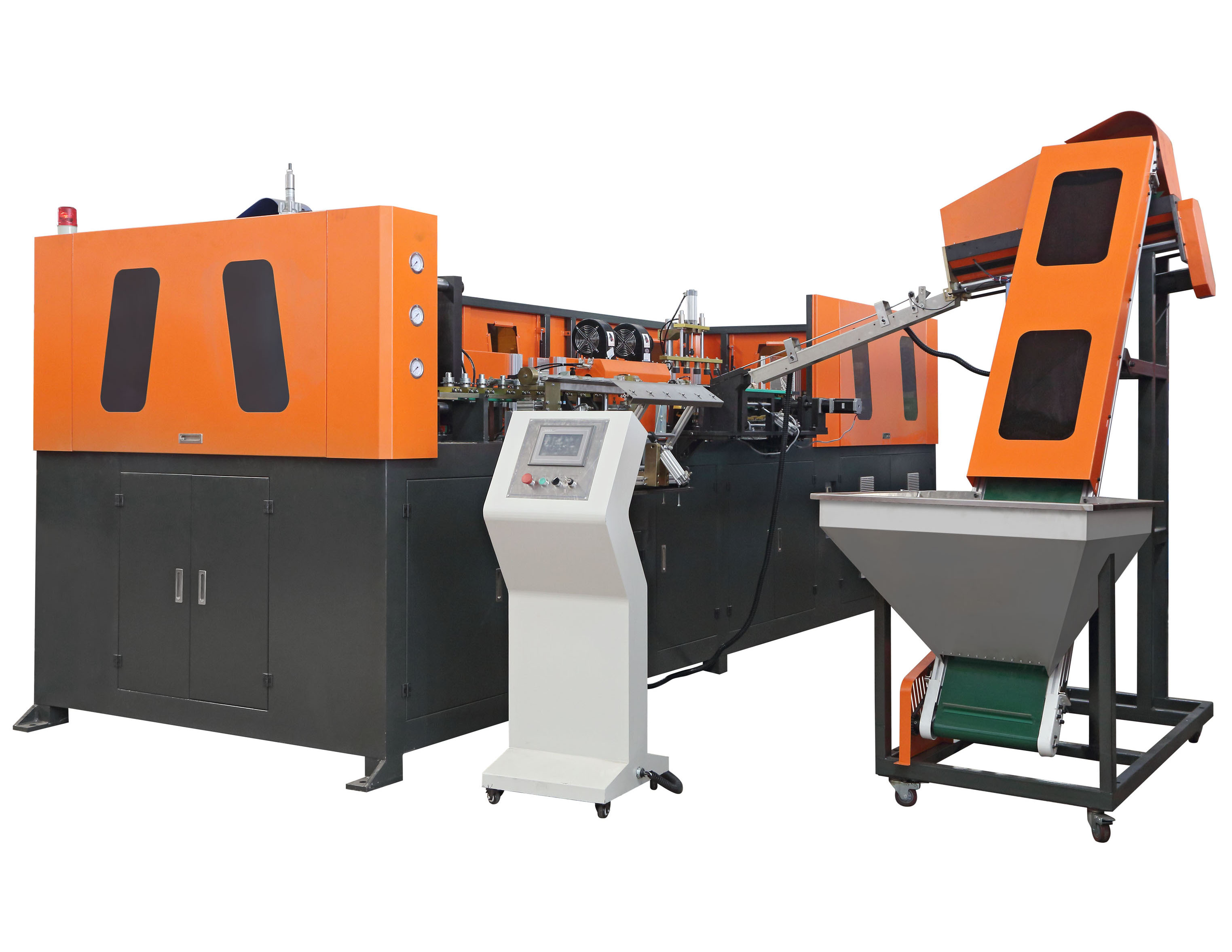
Automatic 4 Cavity Stretch Blow Moulding Machine High Pressure Valve Mitsubishi PE/PET Plastic Water Bottles Pump Easy
View Specifications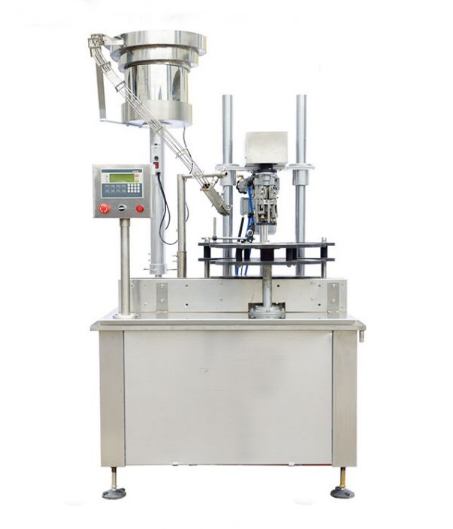
Automatic Single Head Wine Bottle Screw Capping Machine Electric 220V Stainless Steel 304 Glass Plastic Bottles
View Specifications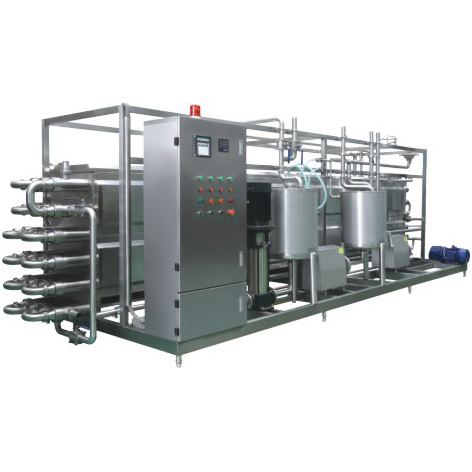
Small Automatic Plate Type Pasteurizer with Pump New Condition for Farm Industries-for Milk Ketchup Juice Beer & Egg
View Specifications
Semiautomatic 5 Gallon PET Bottle Blow Molding Machine
View Specifications
Semi Automatic Rotary Bottle Washing Machine High Pressure Rinser for Glass and PET Bottles
View Specifications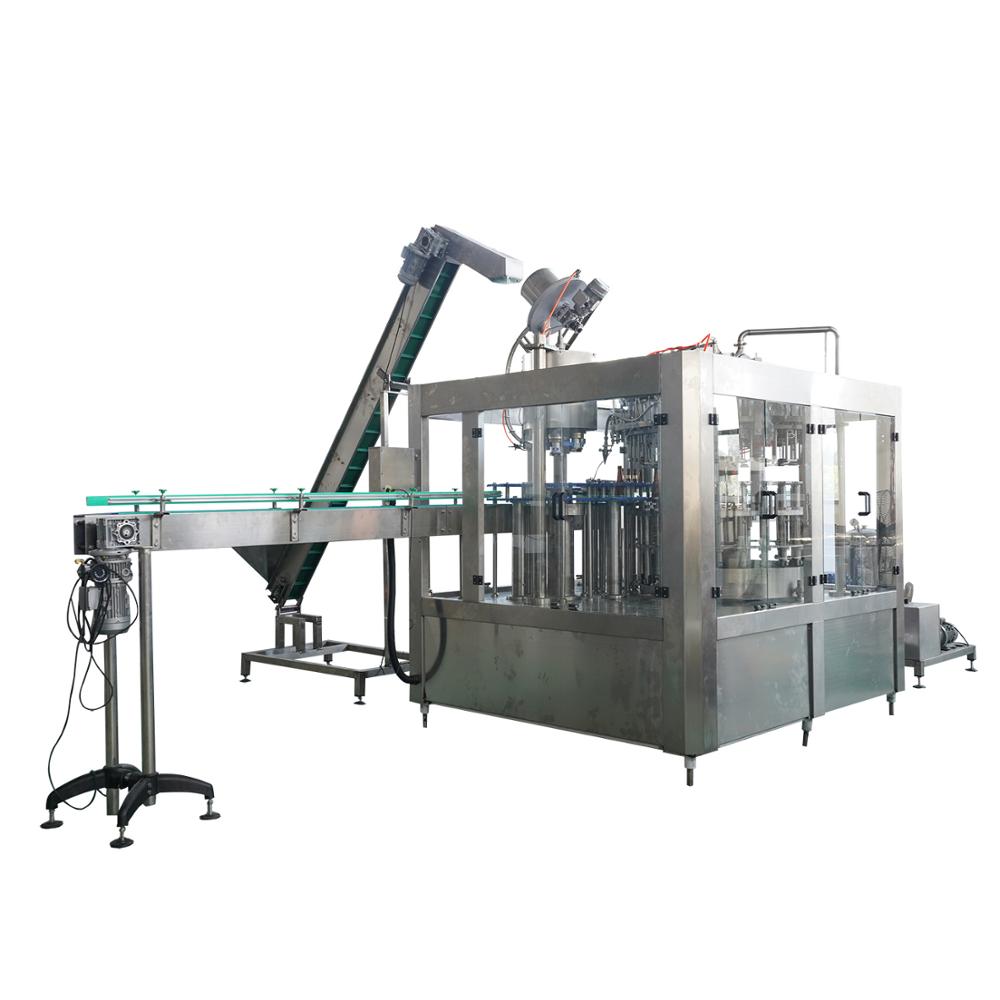
Automatic Beer Bottle Filling Machine 24 Nozzle Crown Capping Labeling System 4000 BPH Glass Packaging
View Specifications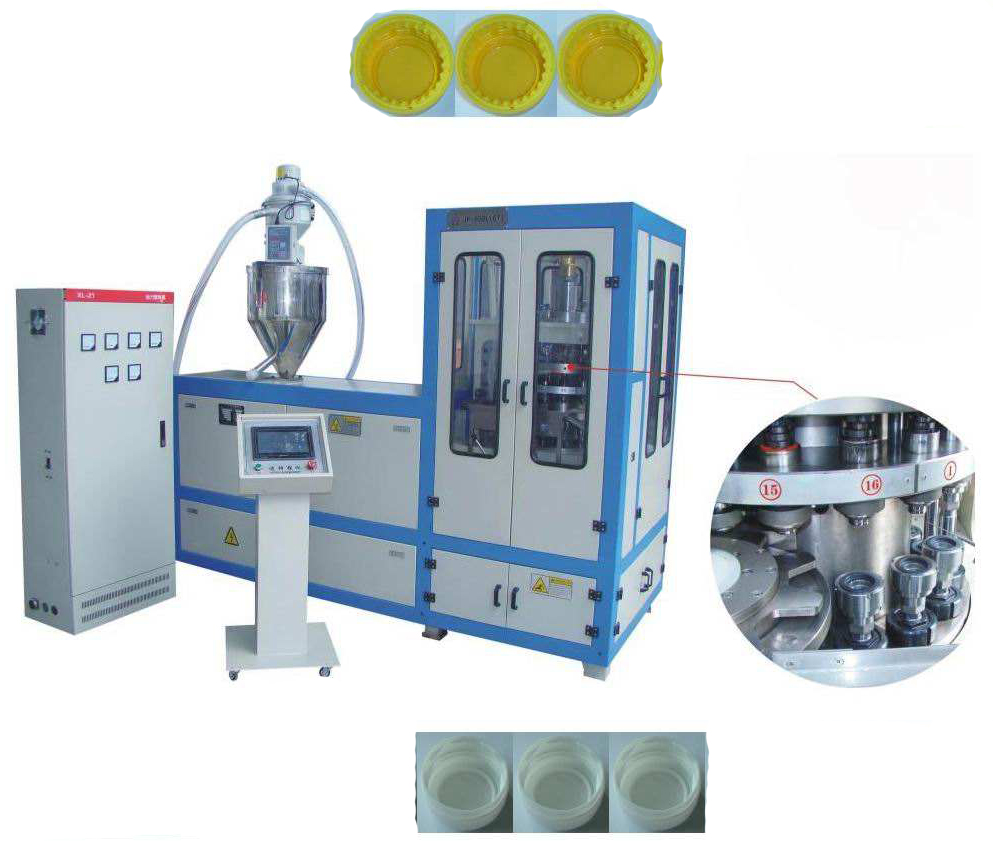
24-Cavity Automatic Injection Blow Molding Machine for PP New Condition-Horizontal 2-Year Thermosetting Compressing Bottle Cap
View Specifications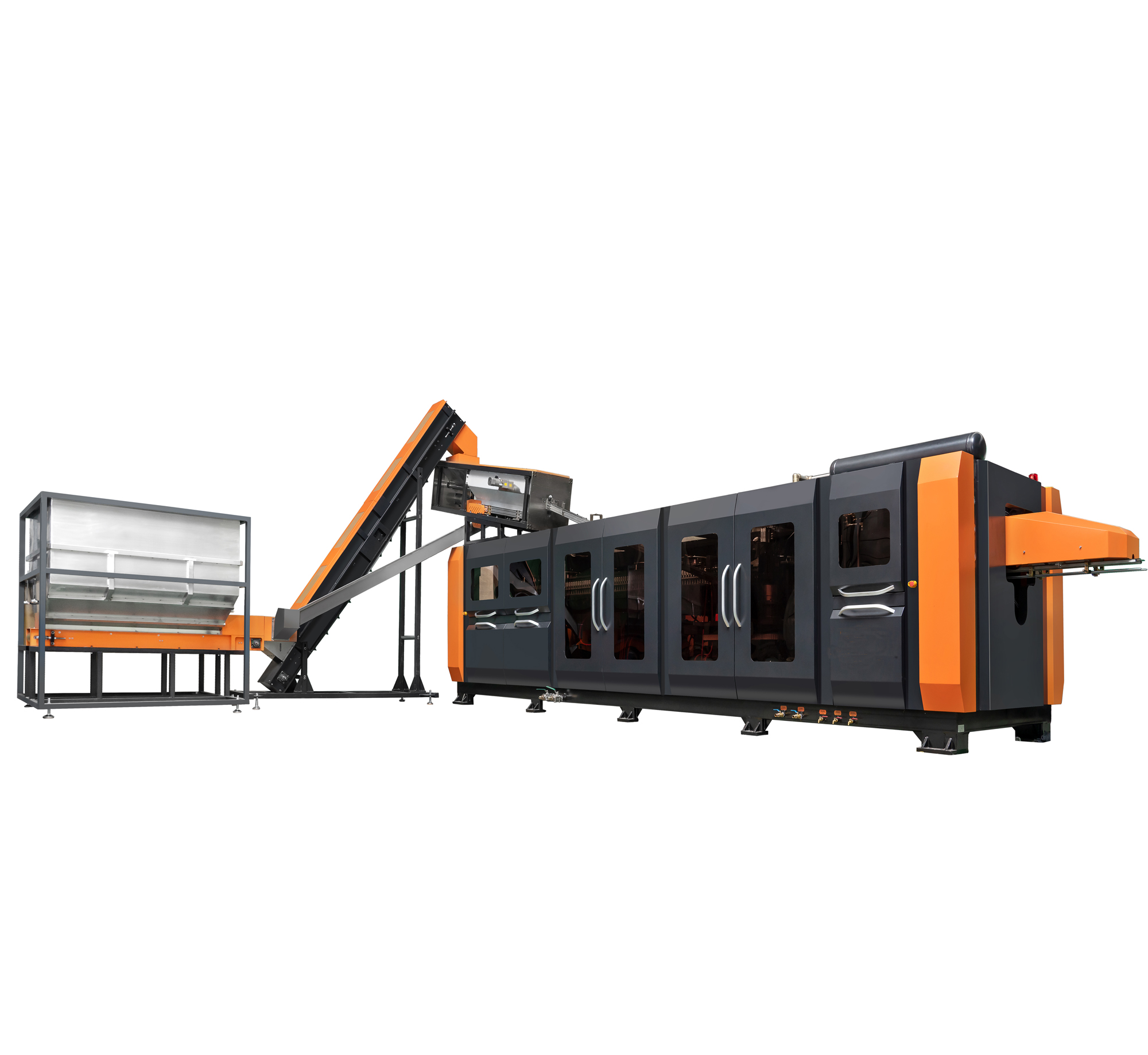
Mars BM-A8 Automatic 8 Cavity PET Bottle Blowing Machine 16000BPH 50Kw Omron PLC CE Certified Stretch Blow Molding Equipment
View SpecificationsEngineering Excellence & Manufacturing Authority
Since 2010, Lofsu Packing Machinery Co., Ltd. has established itself as a premier global manufacturer of turnkey liquid packaging solutions in Zhangjiagang, China.
Turnkey Plant Systems
From raw water pre-treatment (RO filtration, EDI, UV sterilizers) to high-speed blowing, filling, labeling, and automated end-of-line wraparound case packing, we design complete integrated plants.
Tailored OEM/ODM Engineering
Every beverage brand demands unique container geometry, neck finishes, and dosing profiles. Our engineering team customizes machine components based on CAD bottle specs and liquid viscosity profiles.
International Compliance
Built to CE directive 2006/42/EC standards with food-grade SUS304 and SUS316 stainless steel fluid contact points, utilizing top-tier electrical controls from Mitsubishi, Omron, and Siemens.
Comprehensive Industry White-Paper: Custom OEM Water Jug & Bottling Technology
An In-Depth Engineering Blueprint for Procurement Directors, Plant Managers, and Beverage Wholesalers
1. Executive Overview & Structural Market Dynamics
The global demand for clean drinking water, packaged bulk water containers (ranging from 3-gallon to 5-gallon water jugs), and specialized bottled beverages has undergone a fundamental structural shift over the past decade. Rapid urbanization, increasing focus on municipal water safety, and growing consumer preference for ergonomic, large-format hydrated solutions have forced beverage manufacturers to modernize their filling operations. Navigating the selection of Custom OEM Water Jug Filling Machine Suppliers & Wholesaler partners is no longer merely a capital expenditure decision—it is a core strategic choice that dictates operational yield, Total Cost of Ownership (TCO), thermal and electrical efficiency, and food safety compliance for decades to come.
Industrial water jug filling equipment must operate across a complex spectrum of mechanical stress, fluid dynamics, and strict microbiological standards. Whether processing purified spring water, mineral-enriched water, carbonated soft drinks (CSD), or hot-filled juices, packaging machinery must balance high-speed throughput with microscopic precision. A failure in bottle positioning, torque application during capping, or washing cycle sanitation can result in mass product recalls, unscheduled plant downtime, and catastrophic brand erosion. Consequently, enterprise buyers require full clarity on machine architecture, sanitary engineering standards, automation interfaces, and supply chain procurement trends before engaging OEM suppliers.
2. Mechanical Architecture & Core Engineering Standards of Water Jug Fillers
Large-format water jug production lines—specifically engineered for 3-gallon, 5-gallon, and 20-liter PET or PC (Polycarbonate) containers—differ significantly from small-format PET carbonated bottling systems. Due to the structural mass of filled jugs (weighing upwards of 19 kg when loaded), the mechanical chassis and pneumatic indexing systems must be built with heavy-duty structural steel and food-grade AISI 304/316 stainless steel framework.
A high-performance automated water jug filling line typically integrates five primary functional zones within a unified monoblock or modular line structure:
- Automated De-capping & External Washing Zone: Used 5-gallon jugs arriving at the plant are automatically stripped of old caps using pneumatic claw manipulators. The containers undergo high-pressure external brushing and washing to clear ambient dirt, oils, and particulate matter before entering the cleanroom enclosure.
- Multi-Stage Internal Sanitizing & Rinsing Monoblock: Rinsing efficiency is the single most critical factor in controlling microbiological growth (such as Pseudomonas aeruginosa and coliforms). Advanced OEM machines utilize a 5-to-12 stage internal washing process:
- Stage 1: Heated alkali chemical wash (45°C - 55°C) to breakdown organic residue.
- Stage 2: Recirculated chemical wash liquid recovery and drain.
- Stage 3: Disinfectant wash (Ozonated water or Chlorine Dioxide liquid spray).
- Stage 4: Recirculated disinfectant recovery.
- Stage 5: Pure sterile water final rinse to ensure zero chemical carryover.
- Stage 6: Sterile air blow-down for moisture control.
- High-Precision Non-Contact Liquid Dosing / Filling Chamber: Modern OEM jug fillers employ gravity-pressure, volumetric magnetic flowmeters, or electronic pneumatic filling nozzles. Non-contact liquid nozzles eliminate cross-contamination between container necks and liquid supply manifolds. Micro-adjustments controlled via the PLC human-machine interface (HMI) maintain volumetric accuracy within ±0.5%.
- Automatic Cap Sorting, UV Sterilization & Torque Capping: Protective caps pass through high-intensity ultraviolet (UV) irradiation tunnels before being positioned via mechanical sorting elevators. Pneumatic or motor-driven press-capping heads apply controlled vertical pressure to guarantee air-tight seals, preventing post-packaging microbial intrusion.
- End-of-Line Automation: Integrated thermal shrink-band applicators, robotic jug palletizers, and stretch wrapping systems minimize human labor, reducing operational safety hazards associated with manual heavy lifting.
Technical Parameter Comparison: Standard Bottling vs. 5-Gallon OEM Lines
| Performance Metric | Small PET Bottling Line (200ml - 2L) | 5-Gallon Water Jug Filling Line (18.9L) | OEM Customization Capability |
|---|---|---|---|
| Production Capacity | 2,000 BPH – 36,000 BPH | 100 JPH – 2,400 JPH | Scalable modular heads & double-track indexing |
| Contact Materials | SUS304 / Standard Food Grade Silicone | SUS304 / SUS316L Electro-polished | Corrosive fluid upgraded alloys (316L/Titanium) |
| Control System | PLC + Touchscreen (Omron/Siemens) | Industrial PLC + Servo Motion Control | Remote Cloud Diagnostics & SCADA Integration |
| Rinsing Method | Single or Dual Stage Sterile Water Jet | 5 to 12 Stage Chemical & Ozone Rinsing | Adjustable dwell time per washing phase |
| Power Grid Support | 380V 50Hz 3-Phase Standard | 220V - 450V 50Hz/60Hz Custom Phase | Full global electrical grid compliance transformer |
3. Technological Innovations Driving the Future of Water Filling Equipment (2025–2030)
As energy costs rise and global regulations regarding plastic waste and water consumption tighten, the packaging machinery sector is entering a era of intense technological innovation. Machine buyers must evaluate OEM suppliers based on their integration of next-generation technological standards:
A. Smart Industry 4.0 & Predictive IoT Telemetry: Modern OEM water jug filling lines are equipped with edge-computing microprocessors and sensor arrays that continuously monitor line vibration, motor temperature, pneumatic pressure drops, fluid flow rates, and valve cycle times. By transmitting real-time operational data to central SCADA systems or cloud dashboards, plant engineers can detect component wear (such as seal degradation or valve friction) weeks before a breakdown occurs, turning unscheduled downtime into planned maintenance routines.
B. Zero-Water Waste Clean-In-Place (CIP) Systems: Traditional bottle washing systems consumed vast volumes of clean water for single-use rinsing phases. Innovation in filtration technology now allows OEM suppliers to integrate closed-loop multi-stage micro-filtration and ozone re-sterilization units within the machine skid. Rinsing water is continuously purified, filtered, and recirculation-tested, cutting wastewater discharge rates by up to 45% compared to legacy machinery designs.
C. Servo-Driven Magnetic Flowmeter Dosing: Transitioning away from mechanical filling valves toward electromagnetic flowmeter valves removes mechanical moving parts from fluid streams. This reduces maintenance overhead, enables CIP cleaning without disassembling filling valves, and allows instantaneous bottle volume changes via HMI selection without manual mechanical height adjustments.
D. Ultra-Lightweight & Recycled Plastics (rPET) Handling: With environmental directives mandating higher percentages of recycled PET (rPET) in liquid packaging, bottle structural rigidity is changing. Lightweight containers require low-pressure pneumatic neck-handling starwheels and dynamic neck-support clamping systems during blowing, transport, and capping to avoid crushing fragile bottle walls during high-speed filling cycles.
4. Future Procurement Trends for Wholesale Buyers & Plant Operators
Procurement strategies within the beverage packaging sector are evolving from transactional, off-the-shelf machinery purchases to long-term collaborative engineering partnerships with custom OEM vendors. Wholesalers, regional bottlers, and multi-national beverage conglomerates are focusing on specific global procurement trends:
1. Modular Line Expansion & Future-Proofing: Enterprise buyers no longer want static line configurations. They demand modular monoblock platforms that allow them to install a 600 JPH (Jug Per Hour) system today, with pre-drilled frames, pre-routed wiring harnesses, and expandable PLC racks capable of upgrading to 1,200 JPH simply by adding modular rinsing clamps and filling valves in the field.
2. Total Cost of Ownership (TCO) Prioritization: While initial capital expenditure (CAPEX) remains an important metric, experienced procurement directors evaluate machinery based on 10-year operational expenditure (OPEX). Key elements calculated include kilowatt-hour consumption per thousand bottles filled, compressed air efficiency, localized availability of off-the-shelf wear components (e.g., FESTO pneumatics, Schneider electrics, Omron PLCs), and fast spare-part dispatch SLAs.
3. Comprehensive Factory Acceptance Testing (FAT) Protocols: Global buyers are increasingly requiring mandatory live FAT streaming or on-site pre-shipment validation. Prior to dispatch, the OEM supplier must run the machine under real load conditions for 48 to 72 continuous hours using the customer’s exact preforms, bottles, caps, and liquid viscosity samples to verify speed guarantees, leakage rates, and cap torque consistency.
4. Cross-Border Technical Support & Virtual Commissioning: The COVID-19 pandemic permanently changed machinery installation practices. Leading OEMs now offer augmented reality (AR) guided remote commissioning alongside traditional engineer dispatch. Local maintenance personnel equipped with smart headsets can work alongside factory-based master technicians to perform electrical alignment, valve calibration, and troubleshooting in real time regardless of geographical distance.
5. Strategic Checklist: Evaluating OEM Water Filling Machine Suppliers
To ensure a successful capital equipment investment, procurement teams should vet prospective OEM manufacturers against a standardized technical checklist:
- Metallurgical Verification: Are fluid contact parts certified SUS304/SUS316L stainless steel with documented mill test reports?
- Sanitary Design & EHEDG Compliance: Are weld seams ground smooth, polished, and free of dead legs where bacteria can harbor?
- Electrical Safety & Voltage Adaptation: Is the control cabinet wired cleanly, mapped with standard wire numbering, and adapted specifically to your local site voltage (e.g., 220V 60Hz 3-Phase vs. 380V 50Hz)?
- Automation Architecture: Is the PLC program open-source or unlocked, allowing your internal technicians to perform diagnostics without proprietary software locks?
- Spare Parts Standardization: Are wear components (O-rings, pneumatic cylinders, proximity sensors) sourced from globally recognized brands available in your local domestic market?
Frequently Asked Questions for Machinery Procurement
Detailed technical answers to common queries raised by engineering teams and equipment buyers.
What production capacities do your OEM water jug and bottle filling lines support?
Our filling equipment portfolio covers a complete output spectrum. For large-format 5-gallon water jug lines, standard capacities range from 100 JPH (Jug Per Hour) up to 2,400 JPH. For small-format PET water bottle lines (330ml to 2.0L), our automated monoblock systems start at 2,000 BPH (Bottles Per Hour) with the CGF8-8-3 configuration and scale up to 16,000+ BPH utilizing high-speed rotary blowing-filling-capping blocks.
Which beverage types and container materials can be processed on Lofsu machinery?
Our customized filling lines handle purified mineral water, 3 to 5-gallon jug water, carbonated soft drinks (CSD), hot-filled juices, teas, milk, edible oils, wine, and beer. Equipment can be specifically adapted for PET plastic bottles, Polycarbonate (PC) heavy-duty jugs, glass bottles with crown/screw caps, and aluminum/tin cans.
How do you ensure machine compatibility with local power grids worldwide?
Every OEM machine is engineered to match the destination country's exact electrical infrastructure. While our baseline standard is 380V 3-Phase 50Hz, we routinely build customized power cabinets for 220V, 240V, 415V, and 480V systems at either 50Hz or 60Hz. All electrical components, frequency inverters, and servo motors are rated for regional climate conditions and grid tolerances.
What quality verification and testing processes are performed prior to dispatch?
Quality assurance follows strict ISO9001 and CE frameworks. Every machine undergoes a thorough Factory Acceptance Test (FAT) in our Zhangjiagang workshop. We run the equipment under continuous live simulation using your provided bottle preforms, caps, and target product viscosities. Complete FAT testing videos, video-call walkthroughs, and inspection reports are supplied for approval before packing.
What on-site installation, commissioning, and training services do you provide?
We provide full turnkey field support. Qualified mechanical and electrical commissioning engineers can be dispatched directly to your facility to manage foundation placement, line alignment, piping integration, electrical connection, and system startup. Our team conducts hands-on operational and preventative maintenance training for your local plant technicians, complete with recommended spare parts inventories.
What commercial delivery terms and payment structures are accepted?
We accommodate standard international trade terms including FOB (Free on Board), CFR (Cost and Freight), CIF (Cost, Insurance and Freight), EXW (Ex Works), DDP (Delivered Duty Paid), and DDU (Delivered Duty Unpaid). Settlements are processed in USD, EUR, or CNY via Telegraphic Transfer (T/T) or irrevocable Letters of Credit (L/C at sight).
Ready to Upgrade Your Water Bottling Plant Capacity?
Consult with our senior master engineers today to receive a detailed CAD plant layout, tailored quotation, and custom OEM line proposal within 24 hours.
Inquire Now