Integrated Juice Bottling & Packaging Machinery
Explore our core OEM/ODM beverage processing modules, engineered for continuous operation, strict hygiene standards, and operational efficiency.

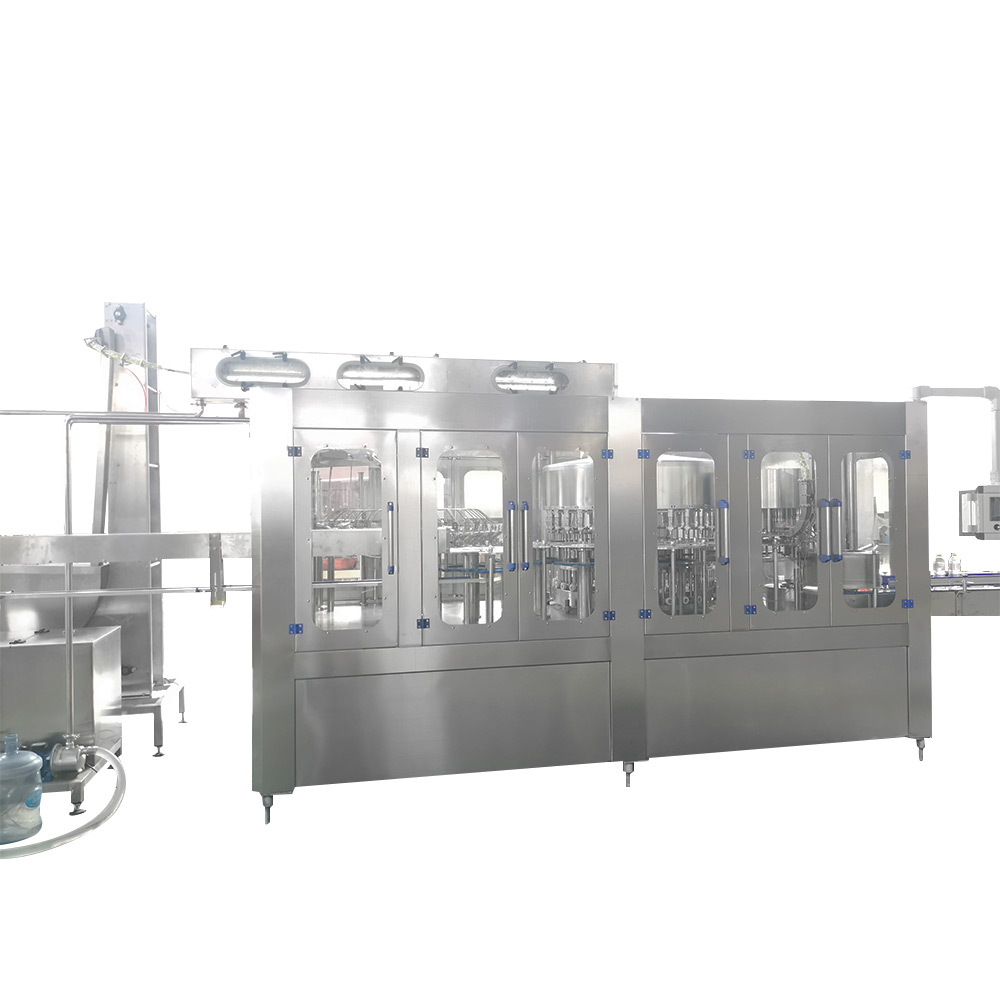
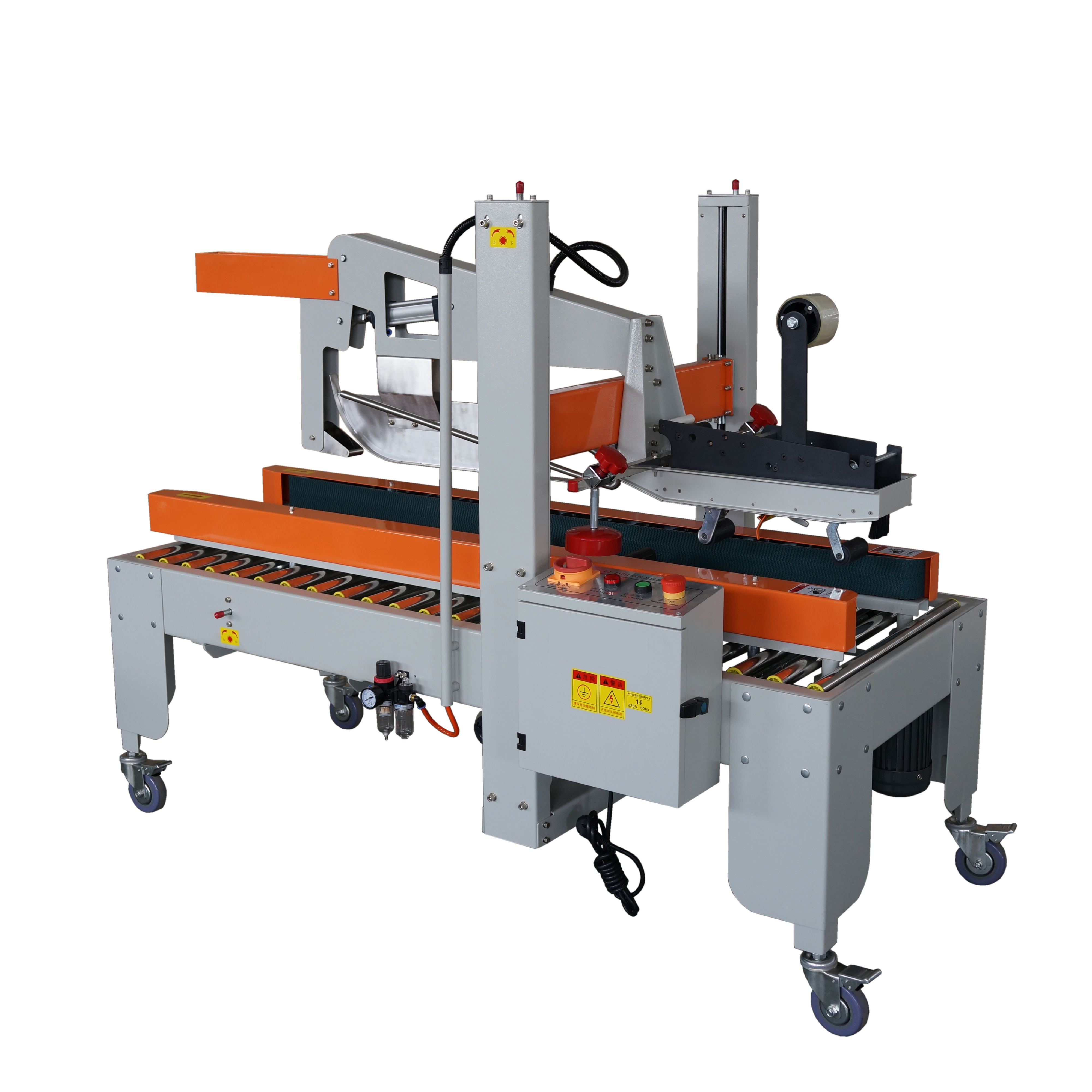

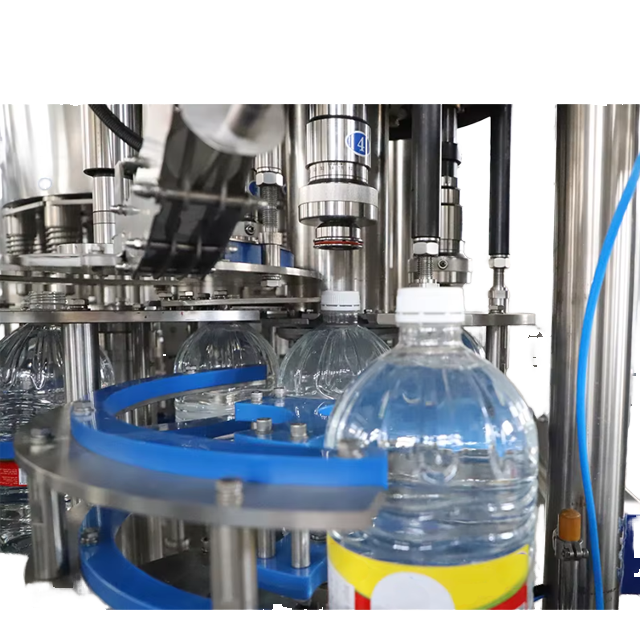

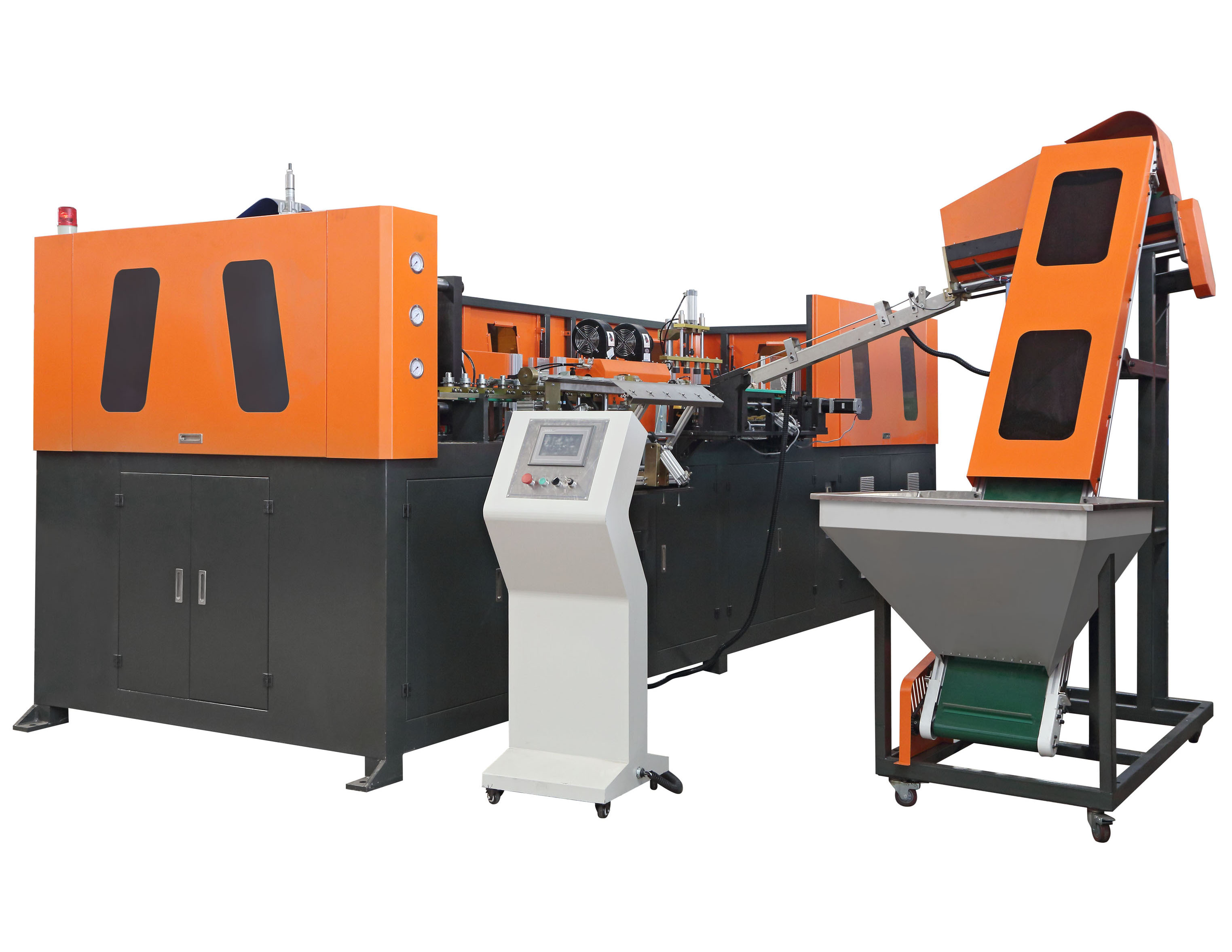
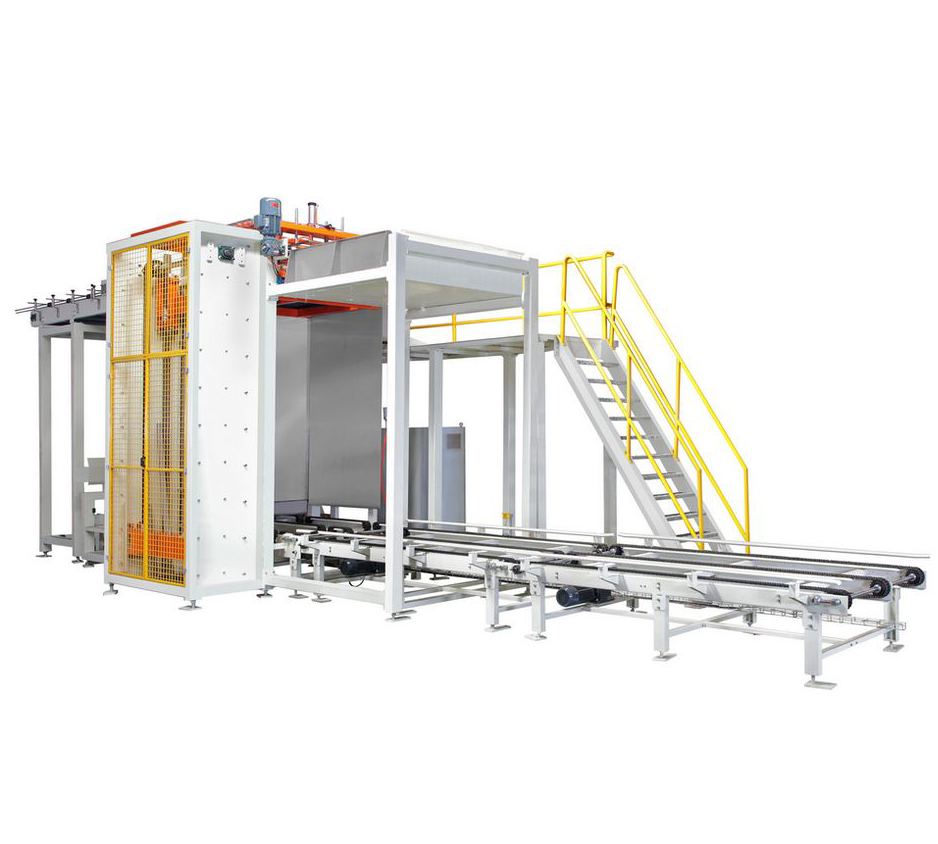
Modern OEM/ODM Juice Bottling Architecture: An Engineering Overview
The global fruit juice, nectar, and liquid beverage industry is undergoing a structural transition driven by shifting consumer preferences toward clean-label, Not-From-Concentrate (NFC) juices, pulp-infused beverages, and functional botanical elixirs. For plant directors, operations executives, and OEM brand owners, procuring an optimized OEM/ODM juice bottling line requires a deep understanding of fluid dynamics, microbiological risk mitigation, thermal control mechanisms, and container structural integrity.
Juice processing presents distinct thermodynamic challenges compared to plain purified water bottling. Depending on Brix levels, pulp content, and pasteurization requirements, liquid filling machinery must maintain precise thermal thresholds (typically 85°C to 92°C for hot fill applications) to achieve product sterility without degrading heat-sensitive nutrients, flavor profiles, or visual clarity. OEM machinery partners like Lofsu Packing Machinery Co., Ltd. specialize in closing the gap between raw beverage formulations and high-speed, sterile, commercial packaging operations.
Key Takeaway for B2B Procurement Teams: Securing a reliable OEM/ODM juice bottling supplier is not merely buying stand-alone filling valves or conveyors; it is implementing an end-to-end integrated thermal processing, container blowing, precision dosing, and end-of-line packaging ecosystem tailored to your regional grid standards and local container geometry.
Technical Fundamentals: Hot Filling vs. Aseptic Cold Filling vs. ESL Systems
Selecting the optimal technological pathway dictates the capital expenditure (CAPEX), operational expenditure (OPEX), packaging design, and retail distribution constraints of your factory. Modern juice bottling facilities generally deploy one of three standard processing methods:
Hot-Fill Packaging (85°C – 92°C)
The product is thermally pasteurized, introduced into heat-resistant PET or glass containers at high temperatures, sealed, and inverted to sanitize the inner cap surface before entering a spray cooling tunnel. Ideal for high-acid juices (pH < 4.6).
Aseptic Cold Filling (Ambient)
Juice and container are separately sterilized in sterile cleanroom environments (Class 100 / ISO 5). Protects delicate vitamin profiles and enables ultra-lightweight PET preforms, though requiring significantly higher initial CAPEX investment.
ESL (Extended Shelf Life)
Combines microfiltration, pasteurization, and ultra-hygienic filling conditions under positive pressure air filtration. Extends refrigerated supply chain shelf life while maintaining original organoleptic characteristics.
Comprehensive Engineering Comparison Matrix
To assist procurement managers in assessing operational metrics across different filling technological suites, our senior engineering team at Lofsu has compiled an comparative matrix highlighting critical operational parameters:
| Technical Dimension | Hot Fill Monoblock System | Isobaric CSD / Juice Hybrid | Aseptic Cold Fill Line |
|---|---|---|---|
| Primary Target Liquids | NFC Juice, Fruit Nectars, Teas, Isotonic Drinks | Carbonated Juices, Sparkling Water | High-Pulp Juices, Dairy-Juice Blends, Sensitive Blends |
| Operating Thermal Zone | 85°C – 92°C High Temp | 4°C – 12°C Chilled Fill | 20°C – 25°C Ambient Cleanroom |
| Container Material | Heat-Set PET (Vacuum Panel) / Glass | Standard PET / Aluminum Cans | Standard / Ultra-Lightweight PET |
| Sanitation Protocol | 3-Stage Automatic CIP Loop (SUS316L) | Standard CIP Sanitation | Sterile H2O2 / Peracetic Acid + SIP |
| OEE Benchmark Index | High (>92%) | Medium-High (>88%) | High (Requires Cleanroom Tech) |
| Container Neck Requirement | Crystallized / Heat-Resistant Neck Finish | Standard PCO 1810 / 1881 | Standard Lightweight Neck Finish |
Future Procurement Trends in Juice Bottling Machinery (2025–2030 Roadmap)
As sustainability regulations intensify across Europe, North America, and East Asia, juice bottling plant managers must future-proof their capital investments against shifting energy cost profiles and environmental directives. Key technological shifts influencing modern OEM/ODM procurement decisions include:
1. Transition to 100% rPET (Recycled Polyethylene Terephthalate) Processing
Traditional stretch blow molding equipment often struggles with the thermal absorption variance inherent in recycled PET flakes. Next-generation 6-cavity and 4-cavity stretch blow molding machines are now engineered with advanced infrared lamp heating arrays, variable pitch preforms, and closed-loop pyrometer feedback to maintain uniform bottle wall thickness regardless of rPET resin color or intrinsic viscosity (IV) variations.
2. Energy Recovery & High-Pressure Blow Air Recycling
Blow molding operations traditionally consume up to 40% of a bottling plant's electrical load due to the 30-40 bar compressed air demand. Advanced high-pressure valve blocks—such as those integrated with Mitsubishi PLC automation in our automatic stretch blowers—now capture exhaust air from bottle stretching phases and recycle it into pneumatic pre-blow loops, reducing net air compressor power consumption by up to 30%.
3. Viscosity-Adaptive Flowmeter & Servo Piston Dosing
Consumer demand for authentic fruit slices, pulp cell suspensions, and thick smoothie consistencies requires filling valves capable of handling shear-sensitive fluids. OEM lines now leverage electromagnetic flowmeters (EMF) and mass flowmeters combined with independent servo piston actuators. This eliminates physical valve contact with pulp fibers, preventing shear degradation and eliminating valve clogging.
4. Modular Smart Automation & Remote Diagnostics
Modern bottling equipment integrates Industry 4.0 communication protocols (OPC-UA, Modbus TCP) to connect directly with plant Enterprise Resource Planning (ERP) and Manufacturing Execution Systems (MES). Real-time monitoring of filling valve cycle times, thermal deviation alerts, motor vibration sensors, and automated CIP cycle logging ensure total batch traceability and compliance with global food safety standards (HACCP, FDA, and EFSA).
Strategic Enterprise Advantages: Why Partner with Lofsu Machinery
Located in Zhangjiagang City, Jiangsu Province—China's premier manufacturing hub for liquid packaging technology—Lofsu Packing Machinery Co., Ltd. has established itself as an authoritative OEM/ODM supplier with over 15 years of continuous engineering innovation. Our state-of-the-art facility spans over 1,000 to 3,000 square meters of precision machining, assembly, and testing space.
Industrial Cluster Advantage
Situated in Zhangjiagang's world-class beverage machinery cluster, we source certified premium components (Schneider, Siemens, Mitsubishi, Omron) and high-grade stainless steel raw materials with minimal supply chain lead times.
Stringent Quality Assurance
Every complete bottling line undergoes rigorous Factory Acceptance Testing (FAT) with actual beverage samples and container formats. Equipment models are certified under Machinery Directive 2006/42/EC.
Custom OEM/ODM Engineering
From 2,000 BPH semi-automatic lines to high-speed 24,000 BPH fully automatic turn-key projects, we customize machine layouts, filling valve counts, container handling starwheels, and local electrical grids (220V–450V, 50/60Hz).
Our global engineering presence spans over 30 countries and regions including North America, Southeast Asia, the Middle East, South America, Africa, and Oceania. With 70%+ of our total output exported globally, our field technicians provide complete on-site installation, commissioning, line optimization, and maintenance training to ensure your plant achieves maximum OEE from day one.
Detailed B2B Procurement FAQ (Frequently Asked Questions)
Below are authoritative responses to critical technical and operational questions frequently raised by beverage production managers, co-packers, and procurement directors during project evaluation:
Ready to Upgrade or Build Your Juice Bottling Line?
Consult directly with our senior application engineers to receive custom 2D/3D plant layout drawings, machine sizing recommendations, and a transparent turn-key quotation tailored to your production parameters.