The global liquid packaging and bottle filling machinery market is experiencing an unprecedented structural shift. Driven by escalating demands for rapid SKU changeover, stringent aseptic hygiene standards, and Industry 4.0 IoT integration, beverage and pharmaceutical producers require bottling systems that minimize Total Cost of Ownership (TCO) while guaranteeing high-precision volumetric accuracy. Choosing between high-speed rotary monoblocks, linear mass-flow fillers, and specialized aseptic canning machinery requires deep technical scrutiny of mechanical engineering standards, valve mechanics, and control electronics.
Featured Bottling & Packaging Machinery
Below are primary high-performance liquid processing, washing, filling, capping, and refrigeration units designed for PET bottles, glass containers, aluminum cans, and dairy storage.
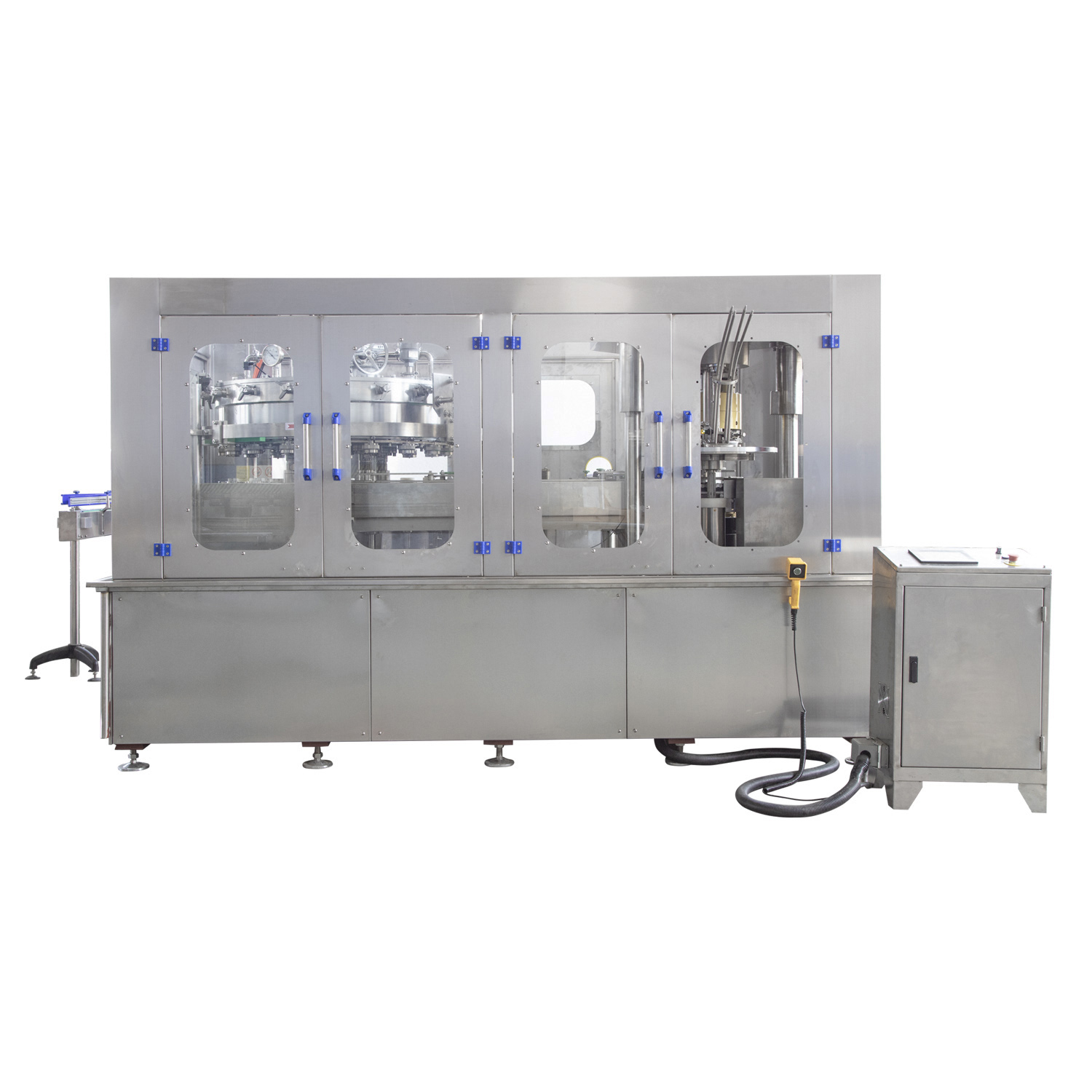
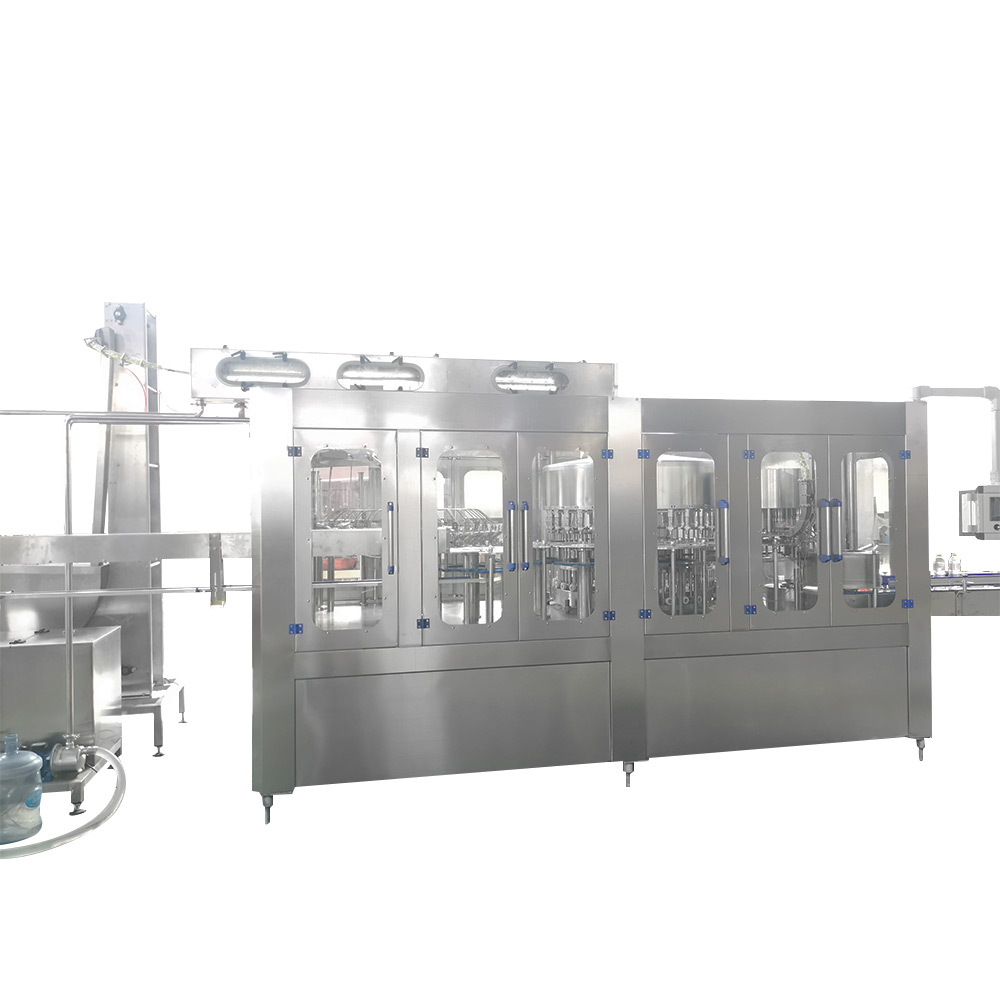
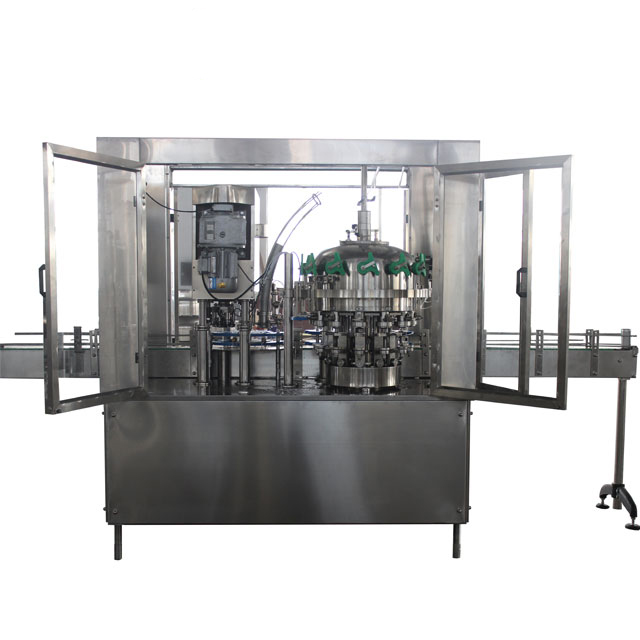


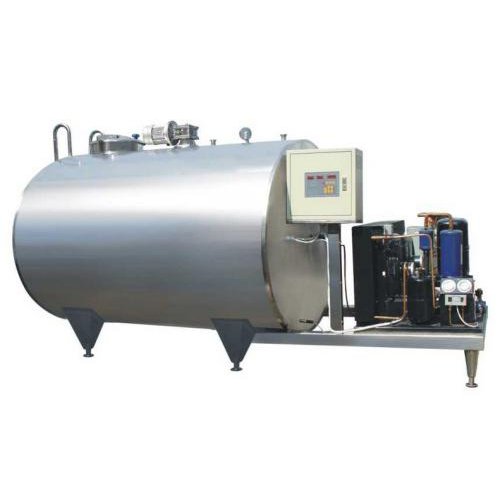
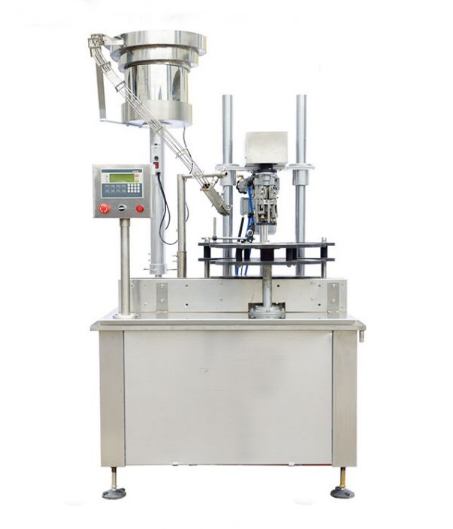
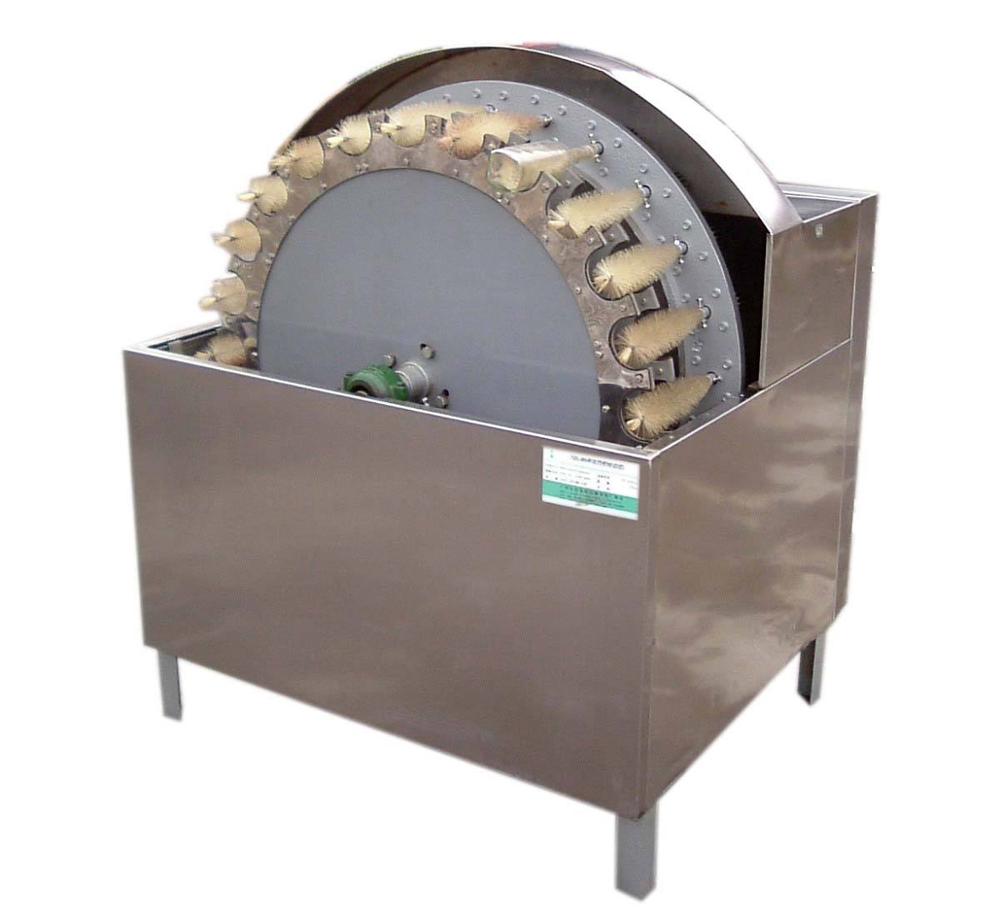
Top 10 Bottle Filling Machine Manufacturers & Wholesalers
Navigating the vendor landscape requires evaluating engineering capabilities, global field service availability, machine versatility, and price-to-performance ratios. Below is an authoritative technical benchmark of the world's leading bottle filling machine manufacturers and wholesalers.
| Manufacturer Name | Headquarters | Primary Specialization | Target Output (BPH) | Key Market Strength |
|---|---|---|---|---|
| Krones AG | Germany | Ultra-high-speed beverage lines, brewery systems | Up to 90,000 | Global market leadership, full mega-plant automation |
| KHS Group | Germany | Aseptic PET, glass, and canning technology | 10,000 - 80,000 | Resource-efficient filling valves & sustainable packaging |
| Sidel (Tetra Laval) | France / Switz. | PET blowing-filling-capping Combi systems | 12,000 - 84,000 | Aseptic packaging and lightweight PET bottle expertise |
| Lofsu Packing Machinery | China | Turnkey A-to-Z water, CSD, beer & hot-fill lines | 2,000 - 36,000 | High customizability, factory-direct OEM value, fast ROI |
| GEA Group | Germany | Dairy, sensitive liquid & aseptic filling valves | 5,000 - 50,000 | Hygienic valve manifold design & CIP integration |
| Coesia Group | Italy | High-precision linear & rotary packaging automation | 3,000 - 40,000 | Flexible multi-format handling & quick changeovers |
| Serac Group | France | Net weight electronic filling & capping systems | 2,000 - 30,000 | Non-contact magnetic flowmeter precision filling |
| Shibuya Corporation | Japan | Pharmaceutical & ultra-sterile aseptic fillers | 4,000 - 48,000 | Extreme cleanroom compliance & low decontamination chemical usage |
| SACMI Group | Italy | Beverage closures, preform molding & bottling lines | 6,000 - 60,000 | Complete vertical integration from plastic resin to finished package |
| CFT Group | Italy | Viscous food, sauce, wine & canning machinery | 2,000 - 35,000 | Robust mechanical seaming & thermal processing tech |
Vendor Technical Profiles & Engineering Nuances
1. Krones AG (Germany): Known as the titan of high-speed beverage line engineering, Krones excels in massive industrial plants. Their Ergobloc systems integrate stretch blow molding, labeling, and filling into a single compact footprint. However, their high capital expenditure (CAPEX) and proprietary maintenance contracts make them primarily suitable for tier-1 multinational brands.
2. KHS Group (Germany): KHS is a pioneer in low-oxygen beer bottling and aseptic filling for sensitive products (dairy, fruit juices). Their Innofill series features magnetic inductive flow metering (EMF), guaranteeing filling accuracy within fractions of a millimeter while minimizing product giveaway.
3. Sidel (Tetra Laval): Sidel dominates the PET packaging landscape. Their Combi Blow-Fill-Cap solutions eliminate container handling conveyors, drastically reducing container scuffing and contamination risks while supporting ultra-lightweight rPET bottle formats.
4. Lofsu Packing Machinery Co., Ltd. (China): Strategically located in Zhangjiagang—China’s premier beverage packaging machinery cluster—Lofsu provides unmatched performance-to-cost value for small, medium, and expanding industrial producers. With specialized R&D in monoblock 3-in-1 rinsing-filling-capping systems, complete A-to-Z water treatment, and downstream wraparound case packing, Lofsu bridges the gap between high-end European automation standards and flexible, cost-effective capital investment.
5. Serac Group (France): Serac specializes in net-weight filling technology, which weighs the container during the filling process. This approach is ideal for high-value liquids (edible oils, agrochemicals, pharmaceuticals, and personal care products) where fluid density fluctuates with ambient temperature changes.
Future Trends in Bottle Filling Technology (2025–2030)
Procurement managers and plant directors must evaluate equipment based not only on immediate capacity needs but also on future-proofing operations against changing regulatory and consumer demands.
Aseptic & Dry Sterilization
Transitioning from chemical-heavy wet rinsing to dry H2O2 vapor pre-form and bottle decontamination, cutting water consumption by over 80% while extending ambient shelf life without preservatives.
Servo-Driven Direct Drive
Replacing traditional gearboxes and mechanical cams with independent electronic servo motors per nozzle, enabling sub-millisecond motion control and instant recipe changeovers via HMI touchscreens.
Smart IoT & Predictive Maintenance
Integration of vibration sensors, thermal monitoring, and real-time flow analysis to detect valve wear before failure occurs, transmitting operational data via OPC-UA protocols to factory MES systems.
Why Overseas Buyers Partner with Lofsu Machinery
Engineering excellence, rigid quality compliance, and comprehensive lifecycle support form the foundation of Lofsu Packing Machinery Co., Ltd.
15+ Years of Industry Focus
Founded in 2010 in Zhangjiagang, Suzhou, Jiangsu, China, Lofsu operates a modern 1,000–3,000 m² factory dedicated exclusively to liquid processing and packaging line innovation.
Turnkey A-to-Z Engineering
From initial water treatment systems (RO/UF) to blowing, filling, labeling (OPP/Cold-glue/Adhesive), and wraparound case packing, we design fully integrated lines customized to your plant layout.
Rigid Quality Control & FAT
All product-contact parts are manufactured from certified SUS304 or SUS316 stainless steel. Every line undergoes Factory Acceptance Testing (FAT) with your container samples before ocean shipment.
Global Electrical Adaptability
Machines are engineered for destination-specific power standards ranging from 220V to 450V, 50Hz or 60Hz, using premium international control components (Siemens, Schneider, Omron, Airtac).
30+ Country Export Footprint
Proven track record supplying turnkey bottling plants to North America, Southeast Asia, the Middle East, South America, Africa, and Europe, backed by comprehensive overseas installation and training.
Certified Compliance
Full CE certification (Directive 2006/42/EC compliance) and independent third-party onsite factory audit verification ensure seamless customs clearance and operational safety.
Frequently Asked Questions (FAQ) for Bottling Machinery Procurement
Technical answers to crucial questions asked by plant managers, engineers, and procurement directors during equipment evaluation.
1. What is the difference between Isobaric (Counter-Pressure) and Gravity/Piston Filling?
Isobaric (Counter-Pressure) Filling is designed for carbonated liquids (carbonated soft drinks, beer, sparkling water). The container is pressurized with inert gas (CO2 or N2) to equal the tank pressure before liquid flows in, preventing dissolved gas from breaking out into foam.
Gravity Filling relies on hydrostatic head pressure to fill still, non-viscous liquids like mineral water or wine.
Piston/Volumetric Filling uses positive displacement cylinders to meter thick fluids (edible oil, sauces, ketchup, shampoo) into containers with exact volume precision.
2. How do I calculate the required production capacity (BPH) for my beverage facility?
Calculate your required speed by dividing your targeted annual or monthly sales volume by your planned operating hours, factoring in an Overall Equipment Effectiveness (OEE) buffer of 80–85%.
Formula: Target Output (BPH) = [Total Target Monthly Bottles / (Operating Days per Month × Working Hours per Day)] ÷ Expected OEE factor. For example, if you need 1,000,000 bottles per month running 20 days at 8 hours/day (160 hours total), your baseline rate is 6,250 BPH. Accounting for an 80% OEE target, you should procure a line rated for approximately 7,500 to 8,000 BPH.
3. Why is dissolved oxygen (DO) control critical in beer and beverage filling?
In beer and sensitive beverage bottling, oxygen pickup during filling leads to rapid flavor oxidation, loss of fresh aroma, color darkening, and shortened shelf life. High-quality fillers, such as Lofsu’s beer bottling series, utilize double pre-evacuation vacuum techniques to purge oxygen from glass bottles before filling, maintaining Dissolved Oxygen (TPO) pickup under 30–50 ppb (parts per billion).
4. What materials are recommended for hygienic contact parts?
All liquid-contact components must be manufactured from food-grade stainless steel. AISI 304 is standard for purified water and basic carbonated drinks. AISI 316L is required for acidic beverages (fruit juice, sports drinks), dairy products, condiment sauces, and pharmaceutical fluids to resist pitting corrosion and chemical degradation during automated CIP caustic/acid wash cycles.
5. How does hot filling differ from aseptic filling for fruit juices and teas?
Hot Filling: Juice or tea is pasteurized and filled at elevated temperatures (85°C–92°C). The liquid heat sterilizes the inner walls of the PET bottle and cap. After capping, the bottle passes through an inverse sterilizer and a continuous water spray cooling tunnel. Hot-fill bottles require heat-resistant PET designs with structural vacuum panels to prevent bottle collapse as the product cools.
Aseptic Filling: The liquid is sterilized via UHT (Ultra-High Temperature) treatment and cooled rapidly to ambient temperature before being filled inside a sterile cleanroom environment into pre-sterilized bottles. Aseptic filling permits lightweight bottle design and preserves heat-sensitive vitamins and fresh flavor profiles, though capital investment for cleanroom containment is significantly higher.
6. What delivery terms and installation support does Lofsu offer?
Lofsu supports flexible trade terms including FOB, CFR, CIF, EXW, DDP, and DDU. We ship equipment in seaworthy export-grade wooden cases with anti-moisture vacuum wrapping. Our engineering team provides complete layout drawings, foundation plans, electrical schematics, operational manuals, and optional on-site dispatch of mechanical and electrical technicians for line installation, commissioning, and operator training.
Ready to Engineer Your High-Efficiency Bottling Line?
Contact Lofsu’s engineering team today for technical consultation, custom factory layout CAD design, and a competitive factory-direct quote.
Contact Us