Featured Can Filling, Seaming & Line Machinery
High-precision liquid bottling, canning, blow molding, and depalletizing equipment engineered for global beverage producers.
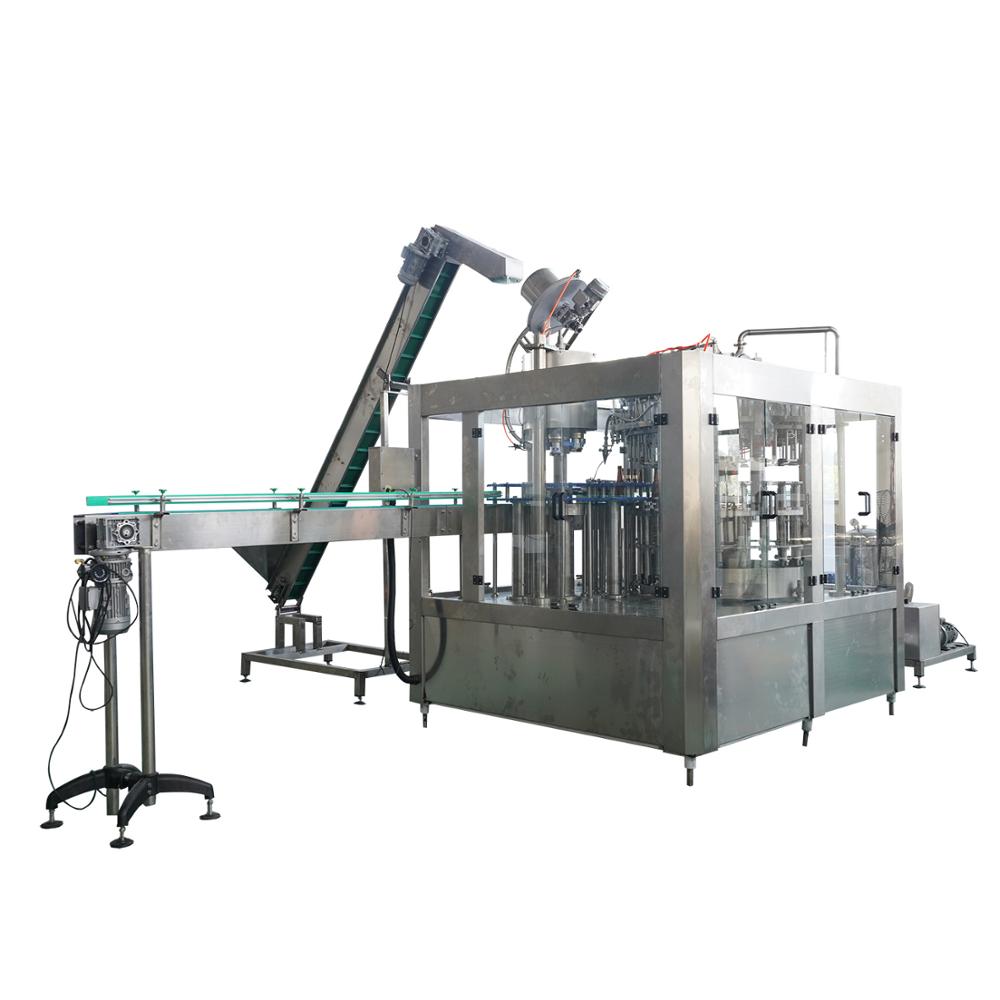
Automatic Beer Bottle Filling Machine 24 Nozzle Crown Capping Labeling System 4000 BPH
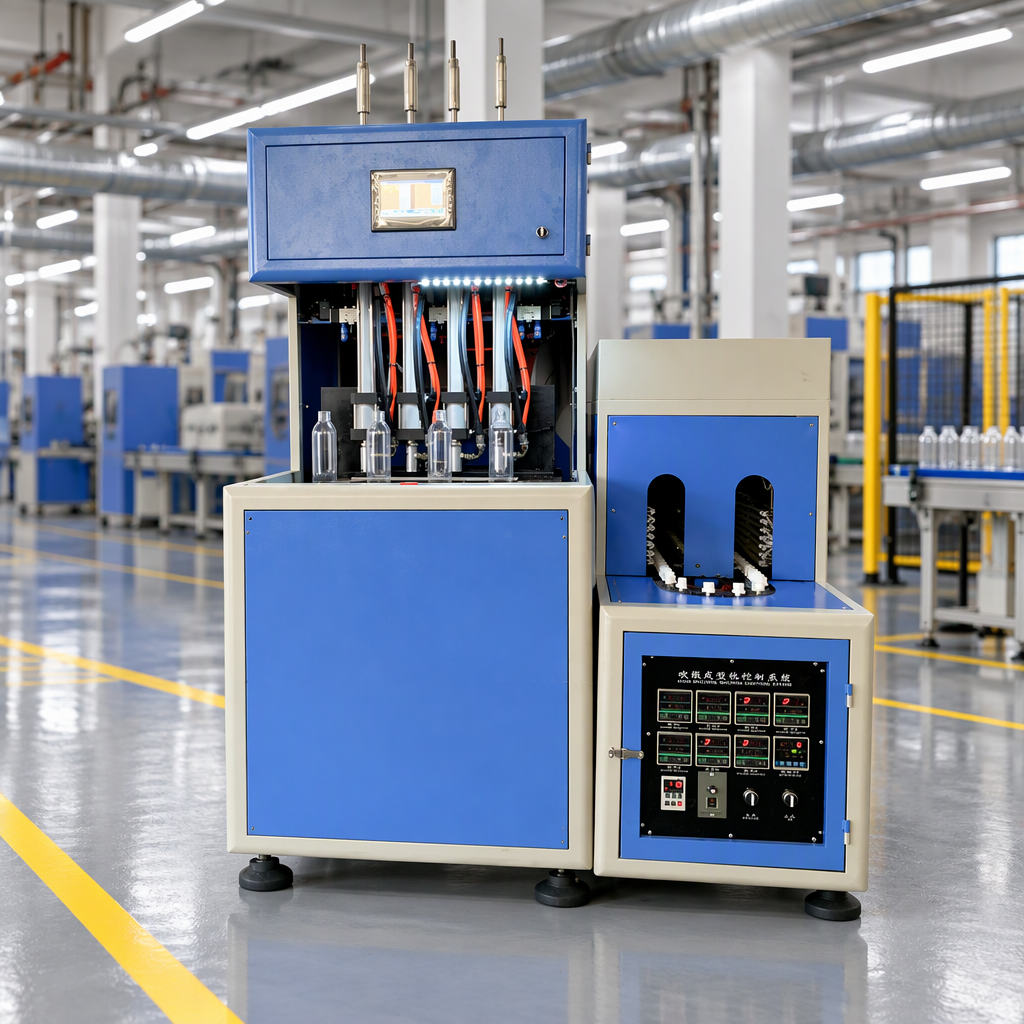
Semi Automatic 4 Cavity PET Bottle Blow Molding Machine 380V 30kW High Accuracy
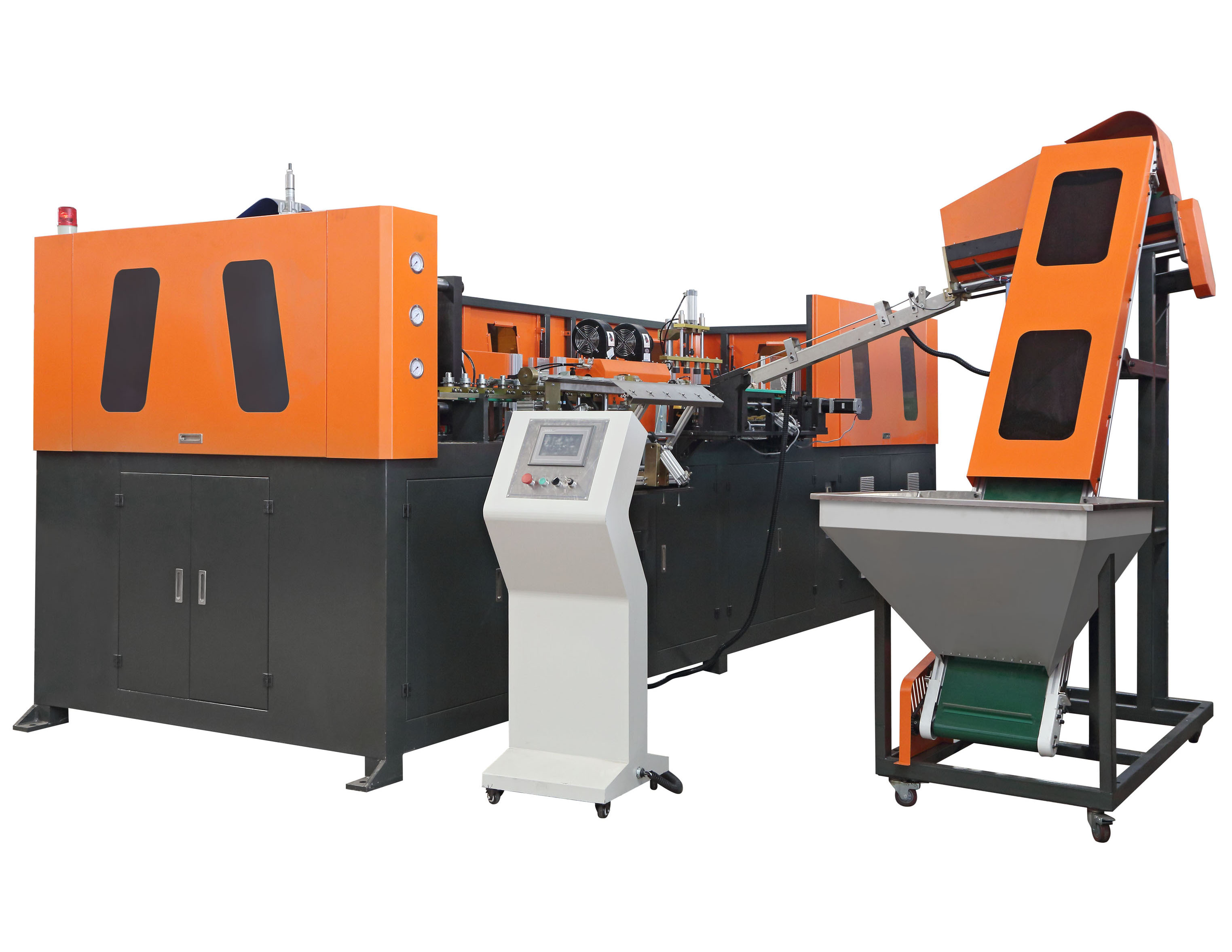
Automatic 4 Cavity Stretch Blow Moulding Machine High Pressure Mitsubishi Valve
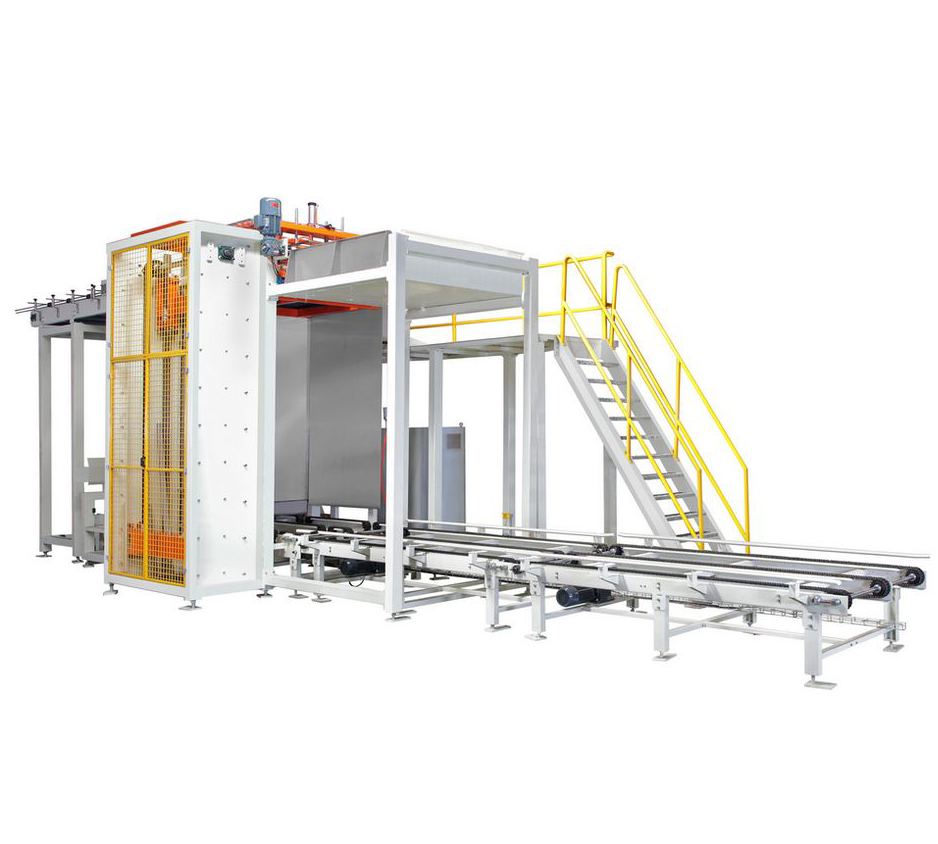
Automatic Bottle Depalletizer Mechanical Packaging Equipment 12KW 220-450V
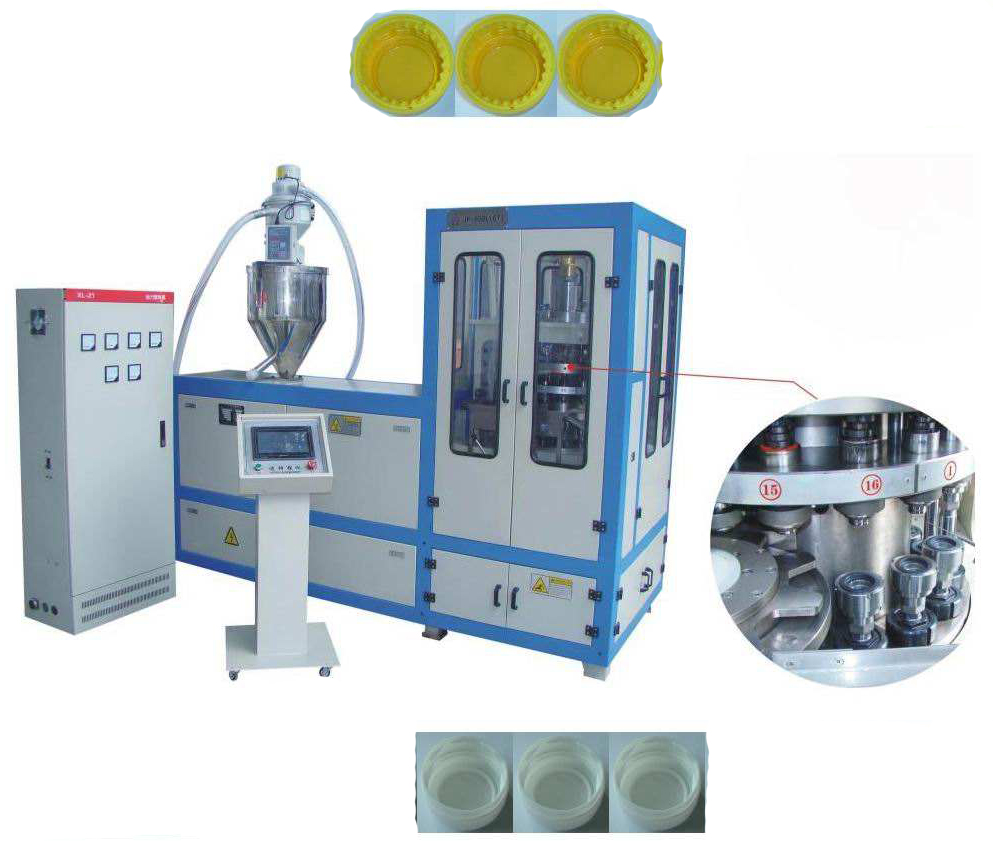
24-Cavity Automatic Injection Blow Molding Machine for PP Thermosetting Bottle Caps
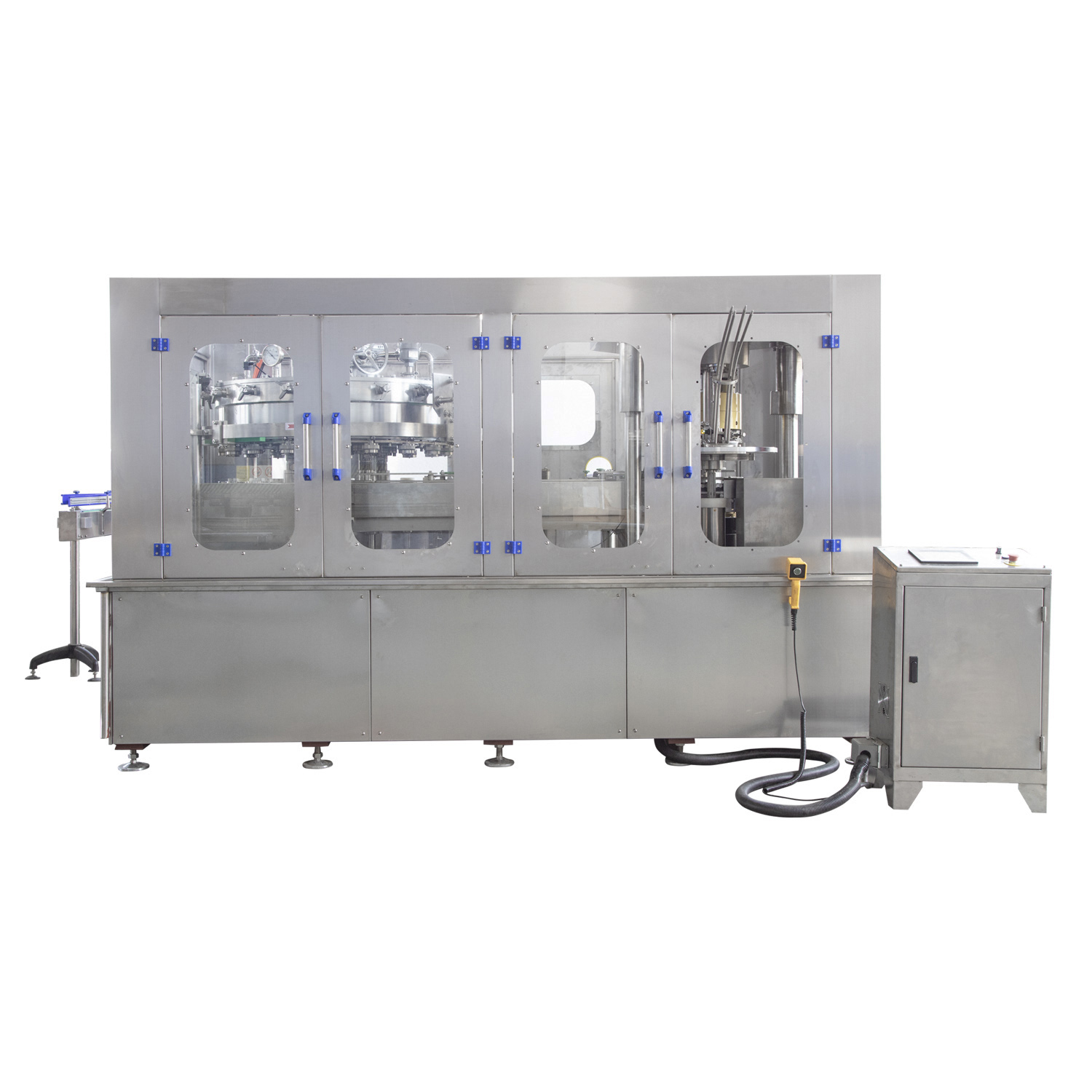
Automatic Metal Can Filling Machine for Carbonated Soft Drinks PLC Controlled (CE)
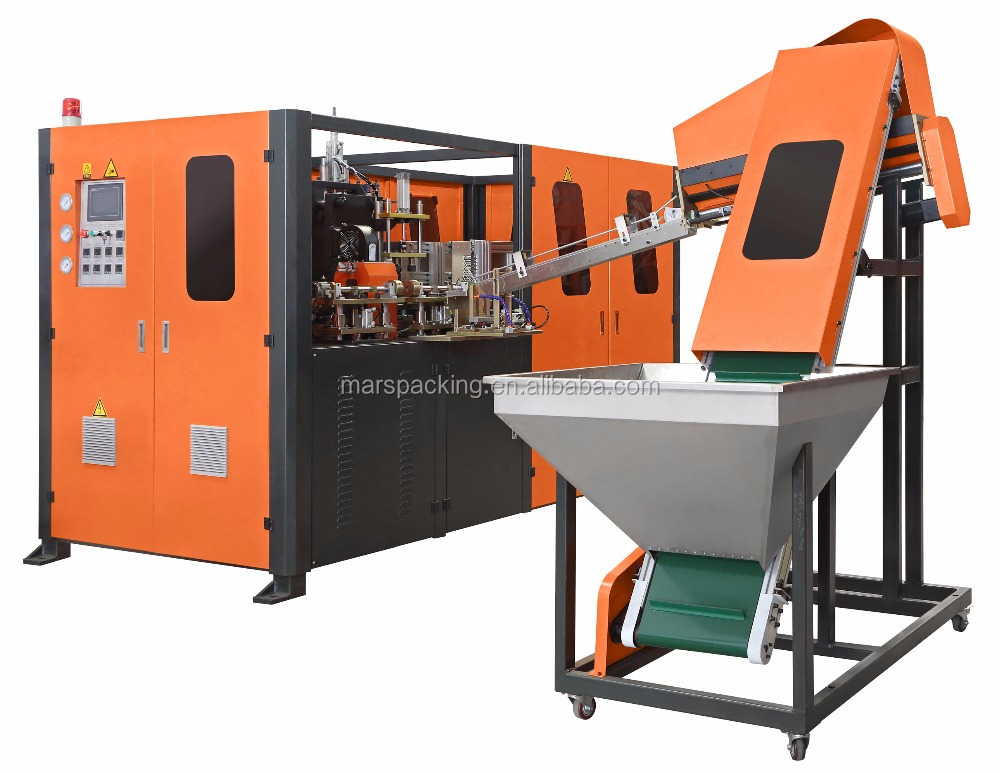
Fully Automatic Servo Controlled PET Water Bottle Stretch Blow Molding Machine 60KW

12000BPH 6 Cavity PET Bottle Stretch Blow Molding Machine Variable Pitch System
Engineering Principles of Modern Can Filling & Seaming Lines
Understanding Mechanical Double Seaming Dynamics, Dissolved Oxygen Suppression, and Micro-Leak Risk Mitigation.
The modern beverage packaging industry has witnessed an unprecedented migration toward two-piece aluminum cans and tinplate containers. Driven by consumer demand for infinitely recyclable packaging, superior light barriers, and rapid cooling kinetics, manufacturers of craft beer, carbonated soft drinks (CSD), energy drinks, RTD teas, and canned mineral water require extreme operational precision from their Can Filler Seamer Monoblocks.
A high-speed can filling and seamer combination unit operates as the mechanical heart of any canning line. The process integrates two distinct mechanical domains: isobaric volumetric filling (or gravity filling for still liquids) and hermetic mechanical double-seaming. Achieving operational excellence requires synchronized control over fill level accuracy, carbonation retention, Total Packaged Oxygen (TPO) pickup, and double-seam geometry (countersink depth, body hook, cover hook, seam thickness, and percentage overlap).
Critical Quality Metric: The Physics of the Double Seam
A defective double seam leads to micro-leakage, biological contamination, or loss of carbonation pressure. Modern seaming machines rely on a two-operation seaming process: Operation 1 rolls the cover curl around the can body flange to interlock the metals; Operation 2 compresses the interlocked layers tightly, squeezing the sealing compound inside the cover curl into microscopic voids to form a gas- and liquid-tight seal.
Mechanics of Low-Oxygen Filling & Under-Cover Gassing
Dissolved oxygen (DO) is the primary enemy of beverage shelf-life, causing rapid flavor degradation, haze formation, and vitamin degradation. Top-tier can filler seamers achieve ultra-low oxygen pickup (< 0.03 mg/L) using multi-stage gas purging protocols:
- Pre-purge Phase: Aluminum cans are flushed with high-purity CO2 or Nitrogen gas prior to liquid contact to displace ambient air.
- Isobaric Counter-Pressure Filling: The filling valve seals tightly against the can rim. The container is pressurized with CO2 to match tank pressure, preventing foaming and carbon dioxide breakout during liquid transfer.
- Liquid Nitrogen Dosing (for Still Liquids): Still beverages (water, juice, tea) receive a precision drop of liquid nitrogen before seaming to create internal pressure, reinforcing wall rigidity for thin aluminum cans.
- Under-Cover Gassing (UCG): As the filled can transfers from the filling starwheel to the seamer turret, a continuous laminar jet of CO2 or N2 sweeps the top air space (headspace), blowing away residual atmospheric oxygen right before the lid is pressed into position by the seaming chuck.
Top 10 Can Filler Seamer Manufacturers & Exporters
Comparative analysis of global equipment suppliers based on engineering build quality, speed range, seam reliability, and total cost of ownership (TCO).
| Manufacturer | Headquarters | Speed Range (CPH) | Core Specialty | TCO & Price-to-Performance |
|---|---|---|---|---|
| Krones AG | Germany | 12,000 – 120,000 | Ultra high-speed mega bottling & canning lines | High Capex / Premium OEM |
| KHS Group | Germany | 10,000 – 100,000 | High-output beverage filling & turn-key plants | High Capex / High Efficiency |
| Pneumatic Scale Angelus | USA | 6,000 – 90,000 | Industry-standard heavy-duty seamer turrets | Premium Specialty Seamer |
| Ferrum Packaging AG | Switzerland | 3,000 – 108,000 | High-precision standalone & monoblock seamers | High Capex / Exceptional Precision |
| Lofsu Packing Machinery Co., Ltd. | China (Jiangsu) | 2,000 – 24,000 | Turnkey Can Filling Lines & Monoblocks for SME/Mid-Tier | Optimal TCO / High Export ROI |
| CFT Group | Italy | 4,000 – 60,000 | Food processing & craft to mid-scale beverage canning | Mid-High Capex / Custom Built |
| Tetra Pak (LCS) | Sweden | 6,000 – 48,000 | Liquid food processing & hygienic canning systems | Premium Integrated Lines |
| Palmer Tech Equipment | USA | 1,500 – 12,000 | Craft beer & specialty drink canning systems | Mid-Tier Craft Segment |
| Stroh Packaging Tech | Germany | 3,000 – 30,000 | Flexible small-to-mid capacity beverage equipment | Mid-High Capex / European Build |
| Jinrong Machinery Co., Ltd. | China | 2,000 – 18,000 | Standard liquid beverage bottling & canning machines | Economical Entry-Level |
Detailed Sourcing Insights on Key Global Manufacturers
Selecting the right OEM partner requires balancing machine throughput requirements against long-term maintenance overhead, spare parts availability, changeover flexibility, and initial capital investment (CAPEX):
- Tier-1 Mega-Volume OEMs (Krones, KHS, Ferrum): Engineered for continuous 24/7 industrial production lines exceeding 30,000 cans per hour. These machines feature titanium-nitride coated seaming rolls, automated lubrication manifolds, and fully integrated CIP/SIP skids. However, their extreme capital expenditure and costly spare parts make them less suitable for small to medium beverage enterprises.
- Mid-Tier High-Flexibility OEMs (Lofsu Packing Machinery, CFT Group): Ideal for regional beverage producers, craft breweries, and co-packers requiring flexible line configurations (e.g., switching between 250ml sleek, 330ml standard, and 500ml tall cans). Manufacturers like Lofsu Packing Machinery Co., Ltd. provide heavy-duty SUS304/SUS316 stainless steel monoblock construction, Mitsubishi/Siemens PLC controls, and imported seaming heads at a fraction of Western European machinery costs, offering high ROI for global exporters.
Technological Development Trends in Can Seam Integrity
How Industry 4.0, direct-drive servo turrets, and real-time vision inspection are reshaping modern liquid canning operations.
1. Servo-Driven Seaming Spindles
Traditional mechanical seamers rely on complex gearboxes and mechanical cams. Next-generation can seamers feature individual servo motors per seaming station. This permits micro-second dynamic adjustment of seaming pressure, compensating for slight variations in aluminum wall thickness and preventing flange distortion.
2. Real-Time Inline Double Seam Inspection
Modern lines incorporate non-destructive acoustic or optical seam inspection modules directly downstream of the seamer turret. High-speed vision sensors analyze 100% of production in real time for countersink variations, false seams, split flanges, or droops, automatically ejecting defective cans without line stoppage.
3. Ultra-Lightweight Can Wall Seaming
To cut raw material costs and reduce carbon footprint, metal packaging suppliers have reduced aluminum wall thickness down to 0.08mm - 0.11mm. Seaming machines must now operate with delicate axial load control to prevent vertical body crushing during the lid compression phase.
Product Future Procurement Trends in Beverage Equipment
Key criteria procurement directors must prioritize when planning capital equipment investments for next-generation beverage plants.
Toolless Quick-Changeover Architecture
Beverage brand owners are expanding SKUs to include energy drinks, hard seltzers, ready-to-drink coffee, and sparkling water. Future procurement mandates line flexibility: can filler seamers must support toolless changeovers between 202, 204, and 206 end lid formats, as well as rapid height adjustments for 250ml sleek to 500ml standard cans in under 30 minutes.
Hygienic Washdown Design & Automated CIP/SIP
Food safety compliance (FDA, EHEDG, CE) demands total clean-in-place (CIP) and sterilize-in-place (SIP) capability. Buyers prioritize monoblocks built with sloped SUS304/316 surfaces, IP69K stainless steel enclosures, automated dummy cup engagement, and chemical washdown resistance to eliminate microbial harbor points.
Energy Efficiency & Nitrogen Conservation
With rising utility costs, plant managers favor filling systems equipped with intelligent gas-saving valves that meter Under-Cover Gassing (UCG) CO2 flow only when a can is present, cutting industrial gas consumption by up to 35% during short conveyor halts.
Turnkey Line Integration (A-to-Z Sourcing)
Procurement teams are shifting away from buying piecemeal equipment from multiple vendors. Single-source turnkey accountability—spanning Water Treatment, Can Depalletizers, Filling-Seaming Monoblocks, Coding, Rotary OPP Labelers, and Shrink Wrapping Case Packers—ensures zero interface friction between conveyors and PLC handshakes.
Corporate Engineering Advantages of Lofsu Machinery
Why international buyers in 30+ countries choose Lofsu Packing Machinery Co., Ltd. for turnkey liquid packaging operations.
Prime Industrial Hub & Experience
Located in Zhangjiagang, Jiangsu Province—China's premier manufacturing center for beverage machinery—Lofsu Packing Machinery Co., Ltd. has specialized in liquid packaging solutions since 2010, leveraging over 15 years of continuous technical innovation.
Rigorous Quality & CE Compliance
All Lofsu machinery models are built in compliance with European Safety Standards (CE Directive 2006/42/EC). Product-contact parts are fabricated exclusively from certified SUS304/SUS316 stainless steel, backed by third-party factory audits.
Custom Voltage & Engineering Adaptation
Recognizing global grid diversity, Lofsu configures custom electrical cabinets matching destination power supplies from 220V to 450V at 50Hz or 60Hz, integrating premium components from Schneider, Mitsubishi, Omron, and AirTAC.
Global Onsite Installation & Support
Lofsu dispatches experienced commissioning engineers worldwide for line setup, double-seam calibration, and staff training. Factory Acceptance Testing (FAT) with video verification is performed prior to seaworthy packaging and export dispatch.
Can Filling & Seamer Procurement FAQ
Answers to critical technical questions asked by factory engineers and procurement managers during equipment evaluation.
What double seam parameters are critical for leak-proof can seaming? +
To ensure a hermetic double seam, quality control engineers measure five fundamental dimensions using destructive seam teardown micro-meters or optical seam projectors:
- Countersink Depth: Distance from the top of the seam to the bottom of the end panel.
- Seam Length (Height): Total vertical length of the double seam.
- Seam Thickness: Maximum lateral dimension measured across the 5 interlocked metal layers.
- Body Hook & Cover Hook Length: The length of the interlocked body flange and lid curl.
- Percentage Overlap: The calculated percentage of mechanical engagement between cover hook and body hook (typically target > 55% overlap).
How do Lofsu can filler seamers achieve low Total Packaged Oxygen (TPO)? +
Lofsu integrates a dual-stage oxygen suppression system: first, empty cans undergo a pre-purging phase with high-purity CO2 inside the rotary transfer neck. Second, during transfer to the seaming chuck, a precision Under-Cover Gassing (UCG) jet introduces a controlled laminar shield of CO2 gas across the container headspace, displacing ambient atmospheric oxygen immediately before seam compression.
Can a single can filler seamer handle both carbonated soft drinks and still water? +
Yes. By configuring a dual-mode isobaric counter-pressure valve system, the machine can fill carbonated soft drinks (CSD), beer, and sparkling water under pressurized CO2 counter-pressure. For still beverages (purified water, RTD juice), the system can operate under atmospheric filling mode with an optional inline Liquid Nitrogen Dosing unit to provide structural container rigidity after seaming.
What are the standard delivery lead times and trade terms offered by Lofsu? +
Standard manufacturing lead times range from 30 to 60 days depending on machine complexity and custom tooling requirements. Lofsu supports international trade terms including FOB, CFR, CIF, EXW, DDP, and DDU, with payment settled via T/T or L/C in USD, EUR, or CNY.
How are spare wear parts (seaming rolls, chucks, filling seals) supported? +
Lofsu provides a comprehensive recommended 2-year spare parts package with every machine delivery, including titanium-coated seaming rolls, food-grade rubber seals, vacuum suckers, and pneumatic valves. Replacement parts are maintained in stock for rapid air-freight dispatch to minimize plant downtime.
What electrical specifications and PLC brands are used in Lofsu equipment? +
Lofsu machinery standardly incorporates Mitsubishi or Siemens PLCs with color touchscreens, Schneider contactors, Omron sensors, and AirTAC or Festo pneumatic cylinders. Electrical systems are custom wired according to buyer request (380V 50Hz, 220V 60Hz, 415V 50Hz, etc.).
Ready to Engineer Your High-Performance Canning Line?
Contact our senior engineering team today to receive detailed machine CAD layouts, custom volumetric calculations, and turnkey factory quotation proposals.
Contact Us