Engineering Whitepaper: Selecting Enterprise-Grade CSD Bottling Machinery
An exhaustive technical evaluation of high-speed Carbonated Soft Drink (CSD) packaging systems, gas dissolution kinetics, dissolved oxygen reduction, and total cost of ownership (TCO) for global beverage manufacturers.
Market Dynamics & Technical Demands in CSD Bottling
The production of carbonated soft drinks, sparkling mineral waters, tonic beverages, and carbonated RTD teas represents one of the most mechanically demanding segments in liquid packaging engineering. Unlike still water or hot-filled juices, carbonated liquids exist in a delicate thermodynamic equilibrium. Maintaining liquid carbonation at precise dissolved volume levels (typically 2.5 to 4.5 g/L CO2) requires specialized isobaric (counter-pressure) filling valves, strict temperature stabilization (0°C to 4°C for standard systems, or up to 15°C for ambient isobaric configurations), and minimal pressure fluctuation throughout transfer lines.
When evaluating international beverage machinery suppliers and exporters, enterprise procurement officers must balance capital expenditure (CapEx) with operational efficiency (OpEx). Key engineering priorities include reducing syrup yield loss, controlling dissolved oxygen (DO) to prevent flavor oxidation and preserve shelf life, preventing product foaming during high-speed decompression (snifting), and ensuring rapid sanitation via automated Clean-In-Place (CIP) loops.
Global OEM Landscape: Top 10 Suppliers & Exporters Breakdown
Comparing Tier-1 European equipment innovators with high-value Chinese manufacturing leaders in carbonated beverage line manufacturing.
| Supplier / OEM Hub | Core Market Focus | Filling Technology | Typical CapEx Range | Procurement Fit |
|---|---|---|---|---|
| 1. Krones AG (Germany) | Ultra-High Speed Mega-Plants | Electro-Pneumatic Flowmeter | Very High ($1.5M - $5M+) | Tier-1 Multinational Brands |
| 2. KHS Group (Germany) | High-Volume Glass & Canning | Proportional Valve Isobaric | Very High ($1.2M - $4.5M) | Global Brewery & Soda Conglomerates |
| 3. Sidel / Tetra Laval (France) | PET Combi Blowing-Filling | Mass Flow / Isobaric Combi | Very High ($1.0M - $4.0M) | Dedicated High-Speed PET Operations |
| 4. Lofsu Packing Machinery (China) | Turnkey Medium-to-High Speed Lines | Isobaric Mechanical / Flowmeter | Optimal High-ROI ($150k - $800k) | Growth Brands, Mid-Market & Exporters |
| 5. CFT Group (Italy) | Canning & Processing Plants | Counter-Pressure Gravity | High ($800k - $2.5M) | Craft-to-Industrial Canning Lines |
| 6. Sacmi Imola (Italy) | Cap Molding & Rotary Bottling | Electronic Isobaric | High ($900k - $3.0M) | Integrated Preform-to-Bottle Plants |
| 7. Coesia Group (Italy) | End-of-Line & High-Speed Packaging | Pneumatic Mass Flow | High ($700k - $2.2M) | Secondary Packaging Integration |
| 8. Shibuya Corporation (Japan) | Aseptic & Specialized Bottling | Weight-Based / Isobaric | High ($1.1M - $3.5M) | Asian Pacific High-Precision Facilities |
| 9. Newamstar Packaging (China) | Large-Scale Asian Infrastructure | Flowmeter Isobaric | Moderate-High ($400k - $1.5M) | Regional Enterprise Bottlers |
| 10. Tech-Long Packaging (China) | PET Blowing & Carbonated Lines | Mechanical Counter-Pressure | Moderate-High ($350k - $1.2M) | High-Output Mass Production |
Core Machinery & Turnkey Equipment Showcase
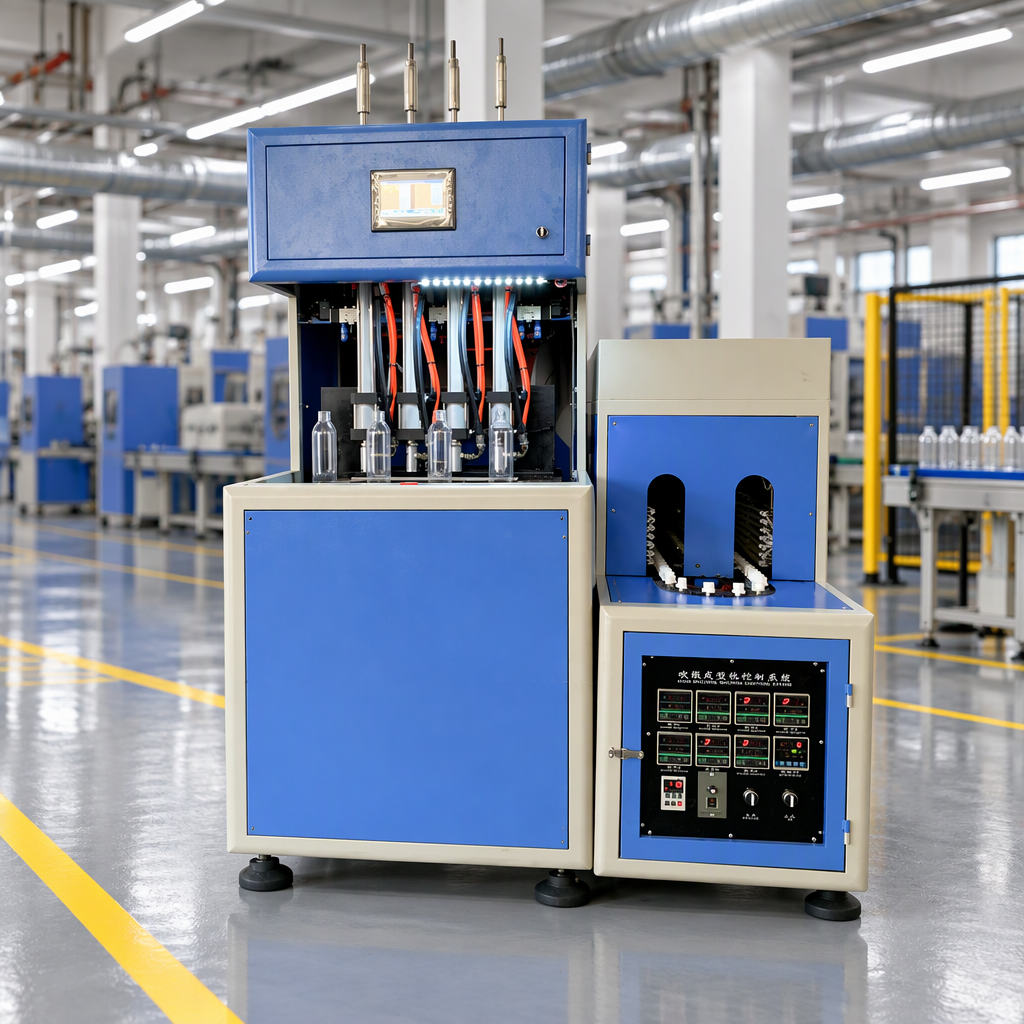
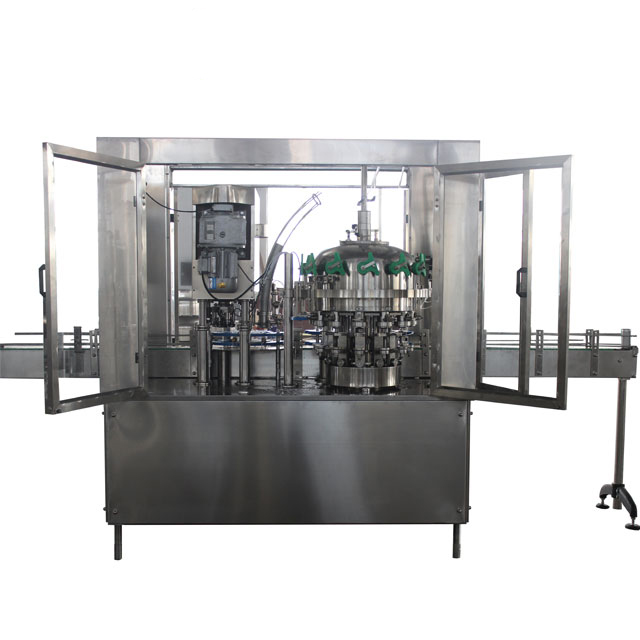
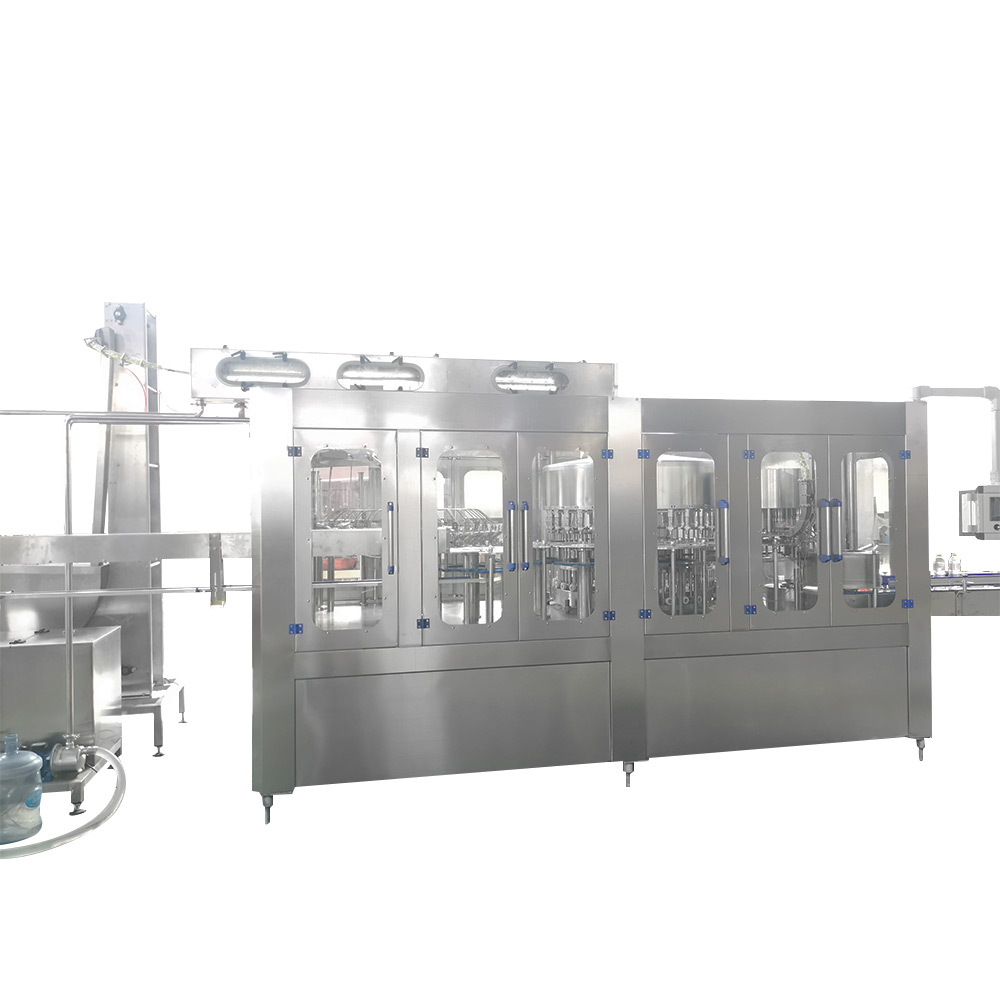
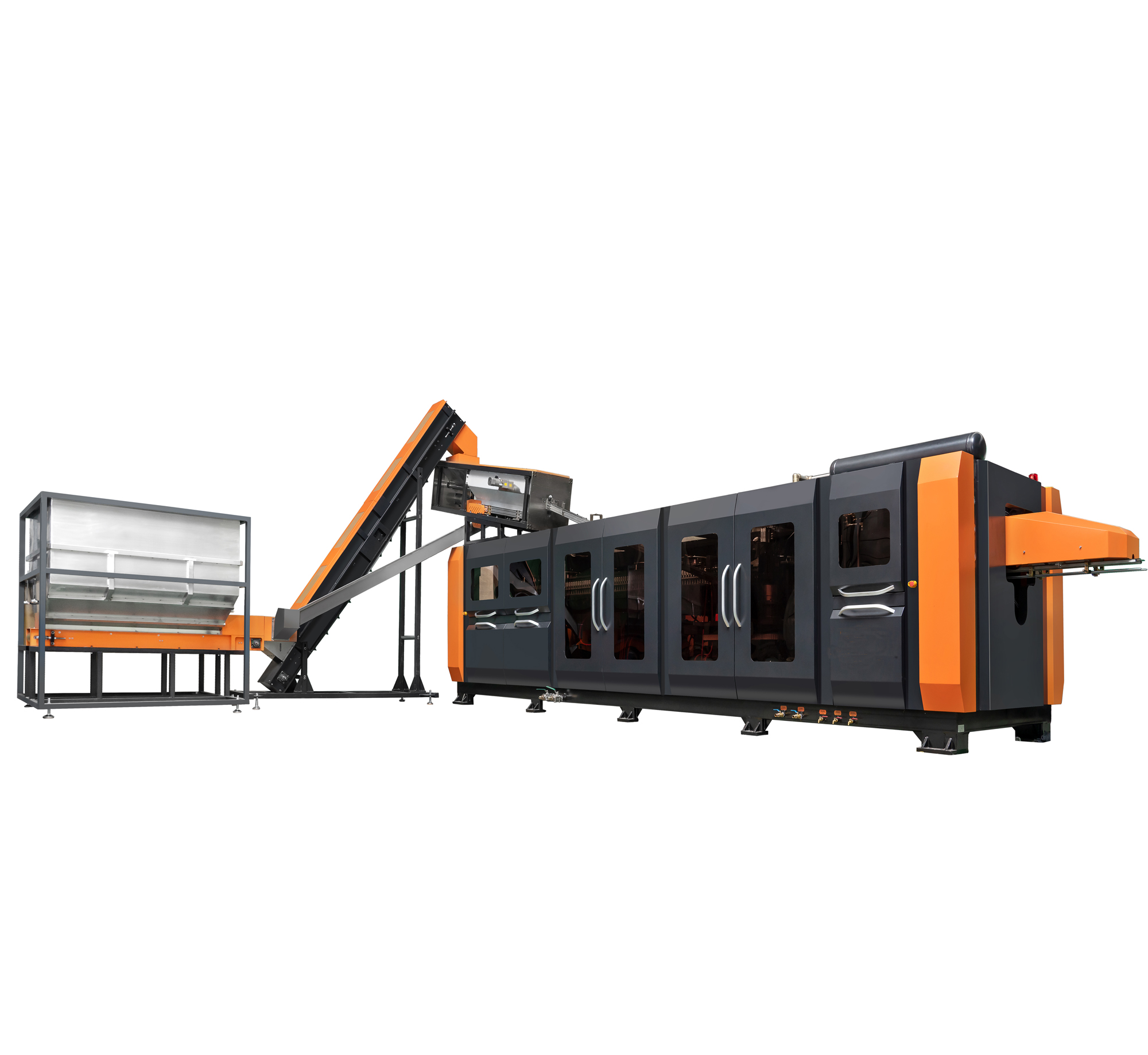
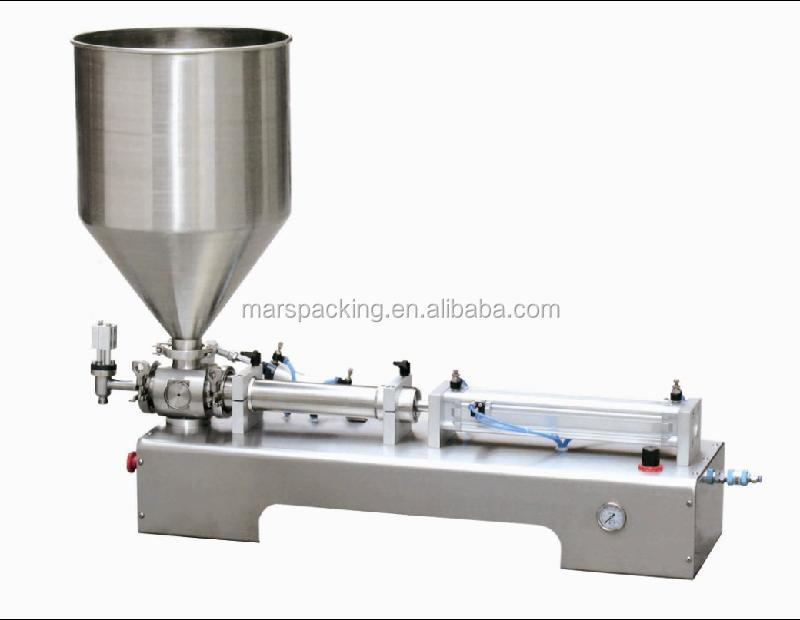
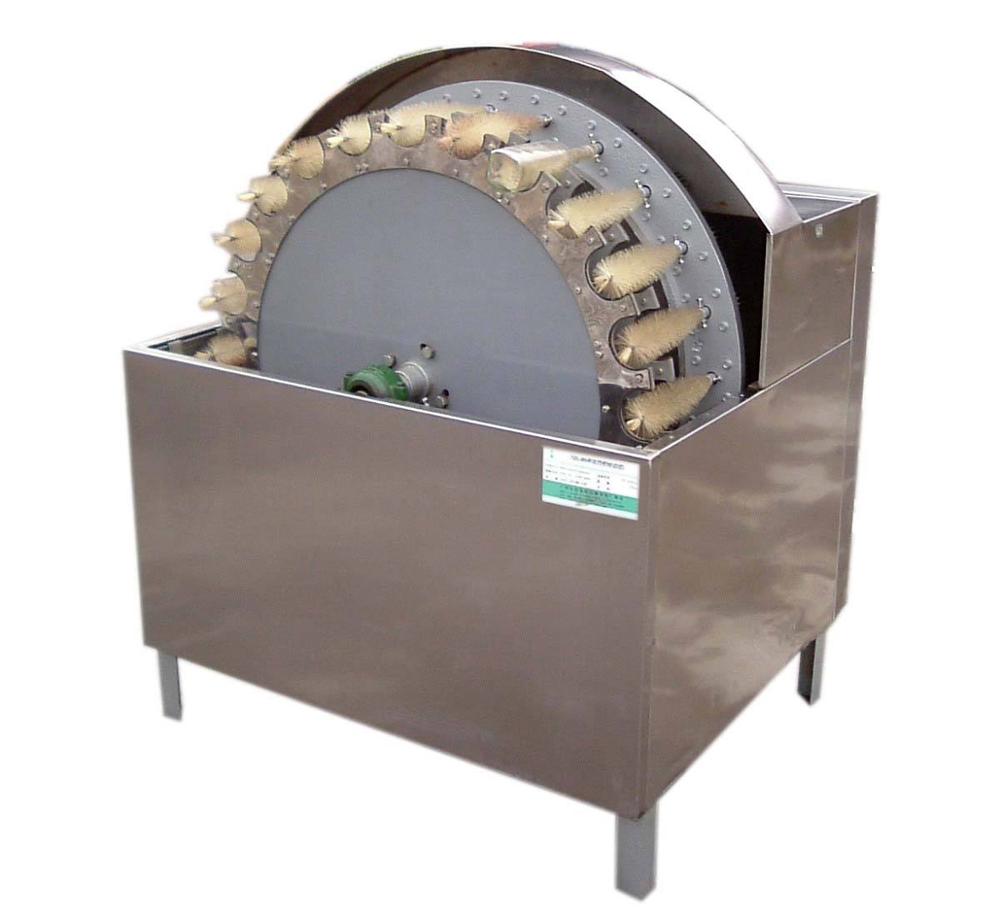
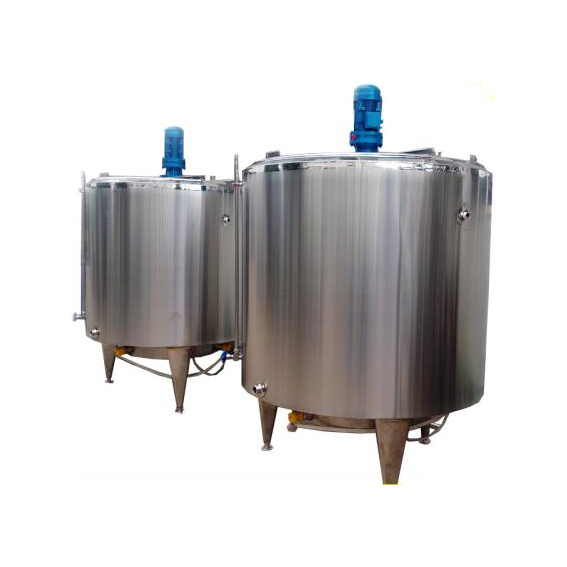
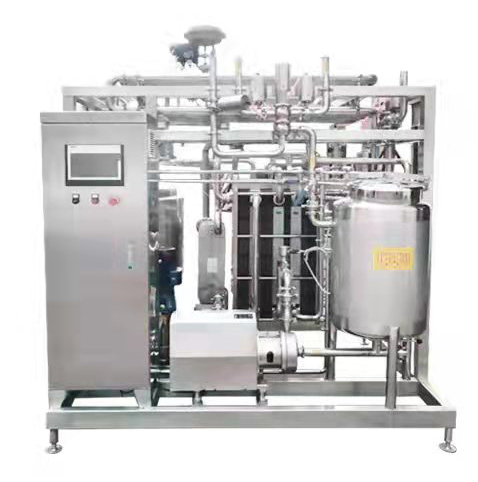
Explore our featured industrial blow molding, isobaric can/bottle filling, water treatment, pasteurization, and liquid mixing units engineered for complete CSD production lines.
Key Engineering Principles of Isobaric CSD Filling
How modern mechanical and electro-pneumatic counter-pressure filling valves manage high CO2 equilibrium and eliminate foam expansion.
1. Multi-Stage Vacuum De-aeration
Oxygen is the primary enemy of carbonated soft drink flavor stability and shelf life. Advanced CSD lines utilize a double-stage vacuum de-aeration system prior to carbonation. By lowering oxygen levels in water down to ≤ 0.03 mg/L, syrup oxidation is prevented, and foam nucleation sites during filling are drastically minimized.
2. Counter-Pressure Equalization
During isobaric filling, the container (PET bottle or aluminum can) is sealed against the filling valve and pressurized with sterile CO2 gas until internal container pressure exactly matches the pressure inside the liquid bowl (typically 0.2 to 0.4 MPa). This equal pressure allows liquid to flow by gravity without CO2 breakout.
3. Controlled Snifting & Decompression
After the liquid reaches the precise fill height, the vent tube closes, and a multi-stage decompression process ("snifting") releases the gas trapped in the bottle neck. Slow, controlled release prevents turbulent pressure drops that would otherwise cause sudden carbonated liquid flash-off and massive container overflow.
Future Procurement Trends in Beverage Bottling (2025–2030)
Anticipating technology shifts: Lightweight PET containers, non-thermal sterilization, energy recovery, and flexible dual-packaging lines.
1. Transition to Ambient Isobaric Filling (15°C - 18°C)
Historically, carbonated beverages required intensive refrigeration chilling down to 4°C to keep carbon dioxide soluble during filling. Modern carbo-coolers and precision electro-pneumatic valves allow bottling at higher ambient temperatures (15°C+), saving up to 35% in factory refrigeration energy costs while maintaining strict gas volumes up to 4.0 Vol.
2. Combi Blow-Fill-Cap Monoblock Systems
Factory floor footprints are increasingly costly. Bottlers are shifting away from standalone blow molders and conveyor buffers toward integrated Combi Monoblocks. Direct neck transfer from stretch blow molding to isobaric filling eliminates air conveyors, eliminates bottle rim contamination, reduces electrical consumption by 20%, and lowers air consumption via high-pressure air recovery systems.
3. Ultra-Lightweight PET Neck & Base Designs
To meet strict corporate sustainability mandates and cut resin costs, beverage brands are moving to ultra-lightweight preforms (e.g., 26/22 short-neck finishes). Bottling lines must feature servo-driven neck handling and gentle transfer grippers to handle thin-walled bottles under high carbonation pressures without sidewall deformation.
4. Hybrid Bottle & Can Packaging Lines
Consumer preferences fluctuate between aluminum cans and recyclable PET bottles. Forward-thinking exporters are installing modular filling stations capable of handling both aluminum cans and rigid plastic containers on shared conveyor networks, drastically cutting capital investment for new product launches.
Enterprise Advantage: Why Partner with Lofsu Packing Machinery
Based in Zhangjiagang, Jiangsu — China's premier beverage packaging machinery cluster — Lofsu delivers turnkey liquid packaging excellence backed by over 15 years of OEM engineering experience.
Certified Quality & Sanitary SUS304/316
All liquid-contact parts are fabricated from food-grade Stainless Steel SUS304 or SUS316L. Every unit complies with CE machinery directives (2006/42/EC) and features Omron, Siemens, or Mitsubishi PLC automation with intuitive touch-screen HMIs.
End-to-End Turnkey Capability
From raw water reverse osmosis (RO) treatment and matrix syrup dissolving tanks to automatic blowing, isobaric filling, sleeve/OPP labeling, and shrink wraparound case packing, Lofsu provides unified plant architecture.
Global Export & On-Site Commissioning
With complete lines exported to over 30 countries across North America, the Middle East, Southeast Asia, Africa, and South America, our multi-lingual field engineers handle installation, operator training, and lifetime spare parts support.
Procurement FAQ: Technical & Operational Inquiries
Addressing the most common engineering and commercial questions asked by beverage factory managers before ordering CSD bottling equipment.
Ready to Engineer Your Carbonated Beverage Line?
Consult with our senior packaging engineering team today. Send us your bottle drawings, target production output, and liquid specifications for a custom 3D factory layout and competitive quote.