High-Efficiency Packaging & Bottling Machinery
Rigorous industrial designs engineered for high-speed automated packaging, low oxygen pickup, and precise liquid level management.
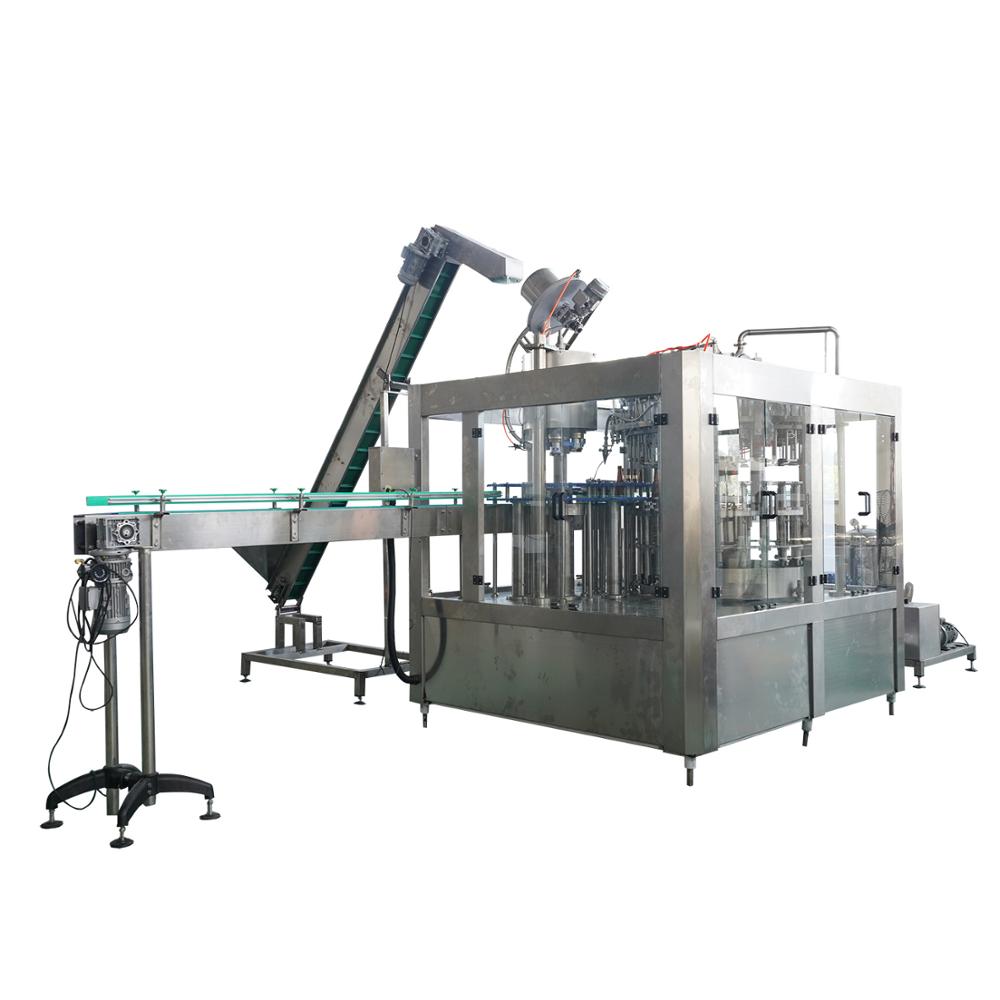
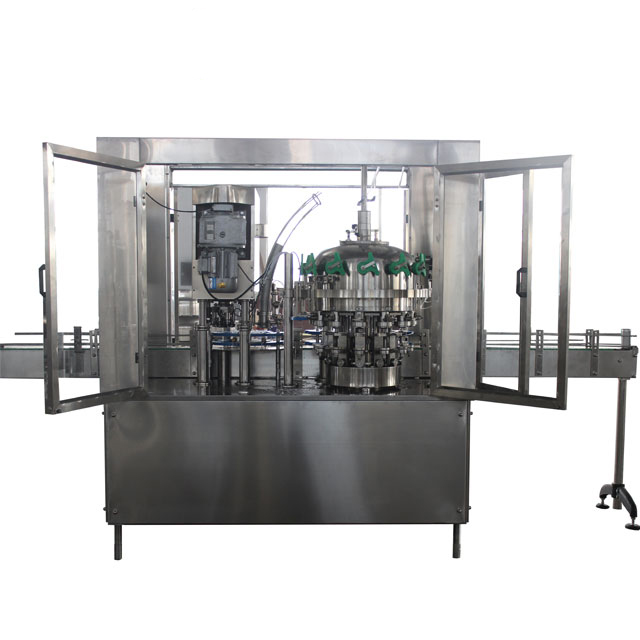
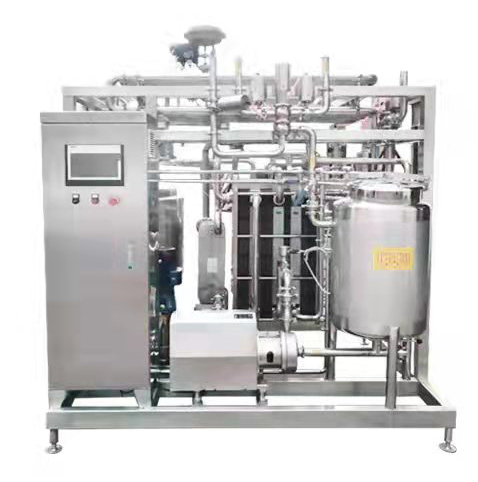
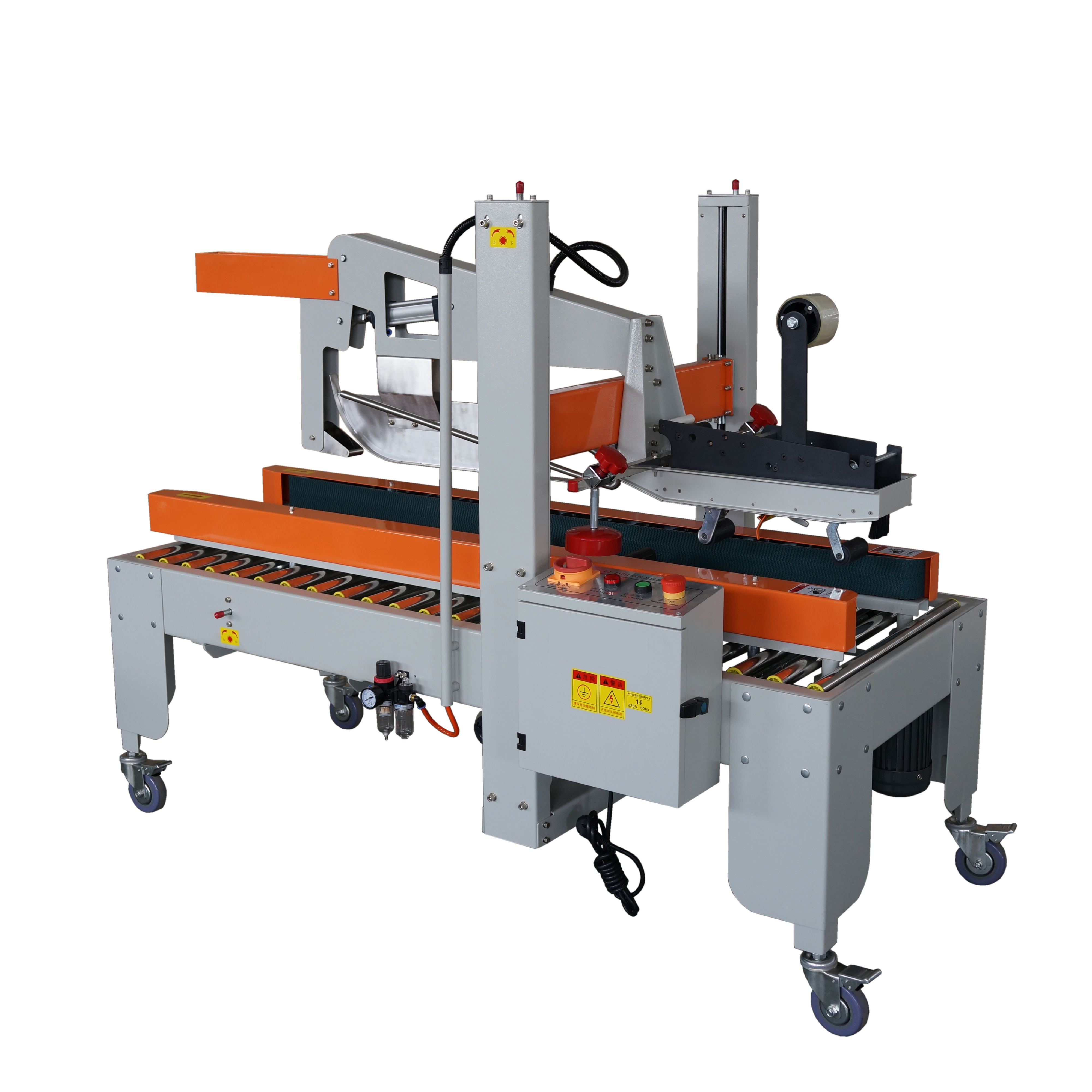

Executive Summary: The State of Glass Packaging Machinery
Glass containers remain the premium packaging gold standard across the beer, spirits, wine, high-end mineral water, and hot-fill beverage sectors. Unlike plastic polymers, glass offers complete chemical inertness, zero gas permeability, and a luxury consumer presentation. However, handling glass containers demands sophisticated engineering solutions to counteract mass inertia, thermal shock vulnerabilities, structural stress tolerance variations, and strict micro-oxygen control requirements.
Selecting a reliable glass bottle filler supplier requires looking beyond basic mechanical specs. Procurement executives must analyze filling valve dynamics (isobaric counter-pressure vs. vacuum gravity), mechanical pre-evacuation efficiency, hygienic Clean-in-Place (CIP) design, total cost of ownership (TCO), and system adaptability for modern lightweighted glass bottles.
Technical Core: Glass Filling Methodologies Explained
To establish a rigorous evaluation benchmark, procurement engineers must understand the four primary liquid filling technologies used for glass containers:
| Filling Technology | Operating Principle | Target Beverage Applications | Key Technical Advantage |
|---|---|---|---|
| Isobaric Counter-Pressure | Pre-evacuates air via vacuum; pressurizes bottle with CO2 equal to tank pressure before filling. | Beer, Carbonated Soft Drinks (CSD), Sparkling Wine, Cider | Prevents foaming and maintains dissolved CO2/O2 balance (<30 ppb TPO). |
| Low-Vacuum Gravity | Creates slight negative pressure in the bottle to initiate gravity flow without air entrapment. | Still Wines, Premium Spirits, Edible Oils, Vinegar | Eliminates dripping, accurate fill level height, zero bottle deformation. |
| Hot-Fill Mechanical (Gravity/Piston) | Fills pasteurized product at 85°C–92°C with continuous recirculation valve loops. | Juices, Teas, Functional Waters, Liquid Sauces | In-bottle thermal sterilization, zero preservative requirements. |
| Non-Contact Net Weight (Mass Flow) | Flowmeters (Coriolis/Magnetic) measure exact product weight into the glass vessel without nozzle contact. | High-Value Spirits, Dairy, Pharmaceuticals, Viscous Syrups | Maximum hygiene, zero cross-contamination, high precision (+/- 0.5g). |
Top 10 Glass Bottle Filler Suppliers & Equipment Manufacturers
Below is an in-depth analysis of the world's leading beverage packaging machine manufacturers, highlighting their core engineering strengths, technical innovations, and market positioning.
1. Krones AG (Germany)
Global Market LeaderOverview: Krones AG is a global titan in beverage filling and packaging automation. Based in Neutraubling, Germany, Krones designs turnkey packaging plants operating at ultra-high speeds.
Core Equipment Line: The Krones Modulfill series incorporates electro-pneumatically controlled filling valves with probe-based level sensors or magnetic flow meters. Their mechanical and electro-pneumatic isobaric glass fillers dominate large-scale commercial breweries and industrial soft drink operations.
Strengths & Specs: Capacities exceed 80,000 bottles per hour (BPH). Exceptional hygienic engineering with integrated sterile air isolators and automated CIP cups. Best suited for high-budget Tier-1 beverage conglomerates.
2. KHS GmbH (Germany)
High-Speed InnovationOverview: KHS GmbH, headquartered in Dortmund, is a premier manufacturer specializing in glass, PET, and aluminum canning lines with a heavy emphasis on resource conservation and lightweight bottle handling.
Core Equipment Line: The Innofill Glass platform features computer-controlled counter-pressure filling valves, pneumatic bottle lifts, and low-oxygen flushing mechanisms.
Strengths & Specs: Outstanding CO2 consumption efficiency during pre-evacuation. Precision capping turrets (crown corks, aluminum ROPP, swing-top). Ideal for mid-to-large scale beverage producers prioritizing energy and gas savings.
3. Lofsu Packing Machinery Co., Ltd. (China)
High-ROI Turnkey SpecialistOverview: Founded in 2010 in Zhangjiagang, Jiangsu (China's leading beverage machinery cluster), Lofsu Packing Machinery Co., Ltd. has established itself as a premier OEM/ODM manufacturer of complete bottling, canning, and end-of-line packaging systems. Exporting to over 30 countries across North America, the Middle East, Africa, South America, and Europe, Lofsu bridges the gap between high-end European automation standards and cost-effective manufacturing.
Core Equipment Line: Monoblock 3-in-1 Rinsing-Filling-Capping glass bottle systems ranging from 2,000 to 24,000 BPH. Featured configurations include double pre-evacuation isobaric beer fillers, hot-fill juice lines with integrated spray cooling tunnels, and semi-automatic to fully automatic rotary fillers.
Key Enterprise Advantages:
- SUS304/316L Contact Parts: Certified food-grade stainless steel construction across all liquid conduits, tanks, and filling nozzles.
- Universal Power Adaptation: Electrical cabinets built bespoke for 220V–450V at 50Hz or 60Hz to seamlessly integrate with local power grids worldwide.
- Turnkey Plant Engineering: Complete A-to-Z execution including RO water treatment, syrup processing, bottle blowing, filling, labeling (cold glue/hot melt), case packing, and stretch wrapping.
- Factory Acceptance Testing (FAT): Every unit undergoes continuous trial runs with client container samples prior to seaworthy wooden crate dispatch.
4. Coesia Group / ACMA (Italy)
Precision LiquidsOverview: Italy's Coesia Group operates globally with specialized subsidiaries delivering advanced automated liquid packaging systems.
Core Equipment Line: High-precision gravity, vacuum, and net-weight filling solutions tailored for premium spirits, wines, and edible oils in decorative glass packaging.
Strengths & Specs: Focuses on flexible quick-changeover bottle handling starwheels, gentle container manipulation to prevent scuffing, and ultra-accurate volume dosing.
5. Fimer S.r.l. (Italy)
Wine & Spirits SpecialistOverview: Located in Northern Italy, Fimer specializes in custom bottle filling technologies tailored for wine, craft beer, and distilled liquor distillers.
Core Equipment Line: Low-vacuum electro-pneumatic fillers, combination glass/PET fillers, and multi-capping monoblocks capable of applying natural corks, T-bungs, and aluminum screw caps on a single turret.
Strengths & Specs: Outstanding versatility for craft and medium-tier producers who switch container geometries frequently.
6. CFT Group (ATCO Group) (Italy)
Processing & BottlingOverview: CFT Group offers extensive process engineering alongside filling machinery, primarily serving tomato paste, fruit processing, brewery, and beverage facilities.
Core Equipment Line: Counter-pressure isobaric fillers, electronic mass-flow fillers, and tunnel pasteurizer systems.
Strengths & Specs: Seamless integration between thermal pasteurization equipment and downstream bottling units, ensuring sterile line performance.
7. MBF S.p.A. (Italy)
Wine Bottling ExcellenceOverview: MBF is a world leader in high-end wine bottling lines, recognized for gentle wine treatment during the filling phase.
Core Equipment Line: Rinsing, de-aeration, filling, and corking monoblocks designed specifically to protect wine structure, delicate aromas, and cork integrity.
Strengths & Specs: Micro-filtration sterile air enclosures, precision de-aeration injectors, zero-drip vacuum valves.
8. Sidel (France / Switzerland)
Complete Line AutomationOverview: Sidel, part of Tetra Laval, is renowned for liquid packaging line engineering spanning glass, PET, and aluminum cans.
Core Equipment Line: Sidel EvoFILL Glass isobaric fillers featuring electronic filling valves and hygienic pitch designs for beer, soft drinks, and sauces.
Strengths & Specs: High-speed optical bottle inspection integrations, automated changeover systems, and global field service footprint.
9. GAI S.p.A. (Italy)
Craft & Medium ScaleOverview: GAI is revered worldwide by craft breweries, wineries, and boutique beverage operations for robust, highly reliable monoblock machinery.
Core Equipment Line: Electro-pneumatic linear and rotary fillers handling rinse, sparge, fill, and cap in compact footprints.
Strengths & Specs: Modular design, user-friendly PLC interfaces, high reliability for operations under 10,000 BPH.
10. Federal Manufacturing (USA)
North American StandardOverview: A division of ProMach, Federal Manufacturing is a top North American builder of level and net-weight filling equipment.
Core Equipment Line: Sanitary gravity fillers and rotary electronic weight fillers for dairy, juice, and specialty glass bottling lines.
Strengths & Specs: Heavy-duty construction, 3-A Sanitary Standards compliance, rugged performance in demanding washdown environments.
Future Procurement & Engineering Trends (2025–2030)
As beverage producers navigate sustainability mandates, rising energy costs, and shifting consumer preferences, glass filling equipment design is evolving rapidly. Key technological trends driving equipment specification include:
1. Electro-Pneumatic Valve Conversion
Traditional mechanical cam-operated filling valves are being replaced by electro-pneumatic valves fitted with solenoid controls and individual magnetic/mass flow meters. This shift enables digital configuration of pre-evacuation times, liquid flow speeds, and sniffing (pressure release) profiles directly from the HMI screen, reducing physical changeover times from hours to minutes.
2. Lightweight Glass Handling & Torque Control
Glass bottle manufacturers continue to thin container walls to reduce carbon transport footprints. However, lightweighted glass exhibits lower axial load strength. Next-generation fillers incorporate neck-handling grippers, pneumatic cushioning bottom pedestals, and servo-driven capping heads to eliminate thermal/mechanical breakage and container micro-fractures.
3. Integrated Automated CIP/SIP Systems
Hygienic standards now require fully integrated Clean-in-Place (CIP) and Sterilization-in-Place (SIP) routines. Modern fillers feature automatic dummy cup placement, closed-loop chemical recirculation (caustic/acid rinses), and real-time conductivity sensors to verify complete sanitizer removal prior to production runs.
4. Energy and Gas Conservation Architecture
With CO2 gas prices rising globally, filler OEMs are re-engineering pre-evacuation chambers. By utilizing multi-stage vacuum pumps combined with gas-recovery manifolds, modern bottling lines cut CO2 consumption by up to 35% during bottle purge cycles.
Equipment Buyer’s Checklist: Evaluating Supplier Quality
When requesting quotes and technical specifications from glass bottle filler suppliers, evaluate candidates against this essential engineering matrix:
- Dissolved Oxygen Guarantee: Does the supplier provide a written specification for total oxygen pickup (e.g., <30 ppb DO)?
- Steel Metallurgy Verification: Are product contact tanks and pipes certified SUS316L with internal surface polishing under Ra < 0.4 µm?
- Safety Guarding & Noise Isolation: Does the machine frame feature toughened safety glass enclosures with safety interlocks and acoustic dampening below 78 dB(A)?
- Electrical Component Sourcing: Are PLCs, drives, and touchscreens supplied by globally recognized brands (Siemens, Schneider, Omron, Mitsubishi) for rapid local replacement?
- Spare Parts & Remote Diagnostics: Is the machine fitted with an Ethernet/Wi-Fi router for instant factory remote diagnostic assistance?
Procurement FAQ: Glass Bottle Filling Machinery
Standard monoblock lines typically range from 2,000 bottles per hour (BPH) on compact 8-to-12 nozzle rotary platforms up to 4,000–6,000 BPH on 24-nozzle systems (such as the Lofsu 24-Nozzle Beer Filler). High-speed industrial installations built by tier-1 manufacturers can reach 40,000 to 80,000 BPH using large pitch rotary carousels.
Glass bottles contain atmospheric air (21% oxygen). Oxygen rapidly oxidizes beer, resulting in stale flavors, haze formation, and short shelf life. Double pre-evacuation pulls a vacuum in the bottle, flushes it with pure CO2, and pulls a second vacuum. This removes over 99% of residual air, ensuring dissolved oxygen (DO) pickup remains strictly under 30 ppb.
While combination fillers exist, dedicated glass fillers use bottom-lifting pedestals to seal glass bottle necks against heavy-duty filling valves. PET bottles are held by neck grippers because their bodies are flexible. Converting a filler for both requires combination gripping stars, dual-height adjustments, and specialized capping turrets (crown caps for glass vs. plastic screw caps for PET).
Leading international OEMs tailor machine control panels to match destination factory power. While standard industrial power in China and Europe is 380V/50Hz (3-phase), machines supplied to North America, Japan, or Saudi Arabia are built for 220V, 415V, 440V, or 480V at 50Hz or 60Hz using appropriate transformers, circuit breakers, and VFDs.
Quality assurance includes a Factory Acceptance Test (FAT). The buyer supplies sample bottles, caps, and product liquid. The supplier runs the equipment continuously at target speed to verify fill level accuracy, capping torque, seal integrity, and mechanical smooth flow. High-definition test videos and inspection certificates are issued before export crating.
Established machinery builders standardly accept FOB (Free on Board), CFR (Cost and Freight), CIF (Cost, Insurance, Freight), EXW (Ex Works), DDP (Delivered Duty Paid), and DDU (Delivered Duty Unpaid). Payment terms typically involve T/T (Telegraphic Transfer) or irrevocable Letters of Credit (L/C at sight).
Plan Your Glass Bottling Project With Engineers
Whether you require a standalone glass filler, a can seamer, or a complete A-to-Z turn-key production line, our technical team provides customized CAD layouts, complete equipment lists, and competitive factory pricing.