Featured Machinery & Modular Solutions
Explore our core beverage processing, bottle blowing, pasteurization, and canning machinery built for rigorous operational continuity.
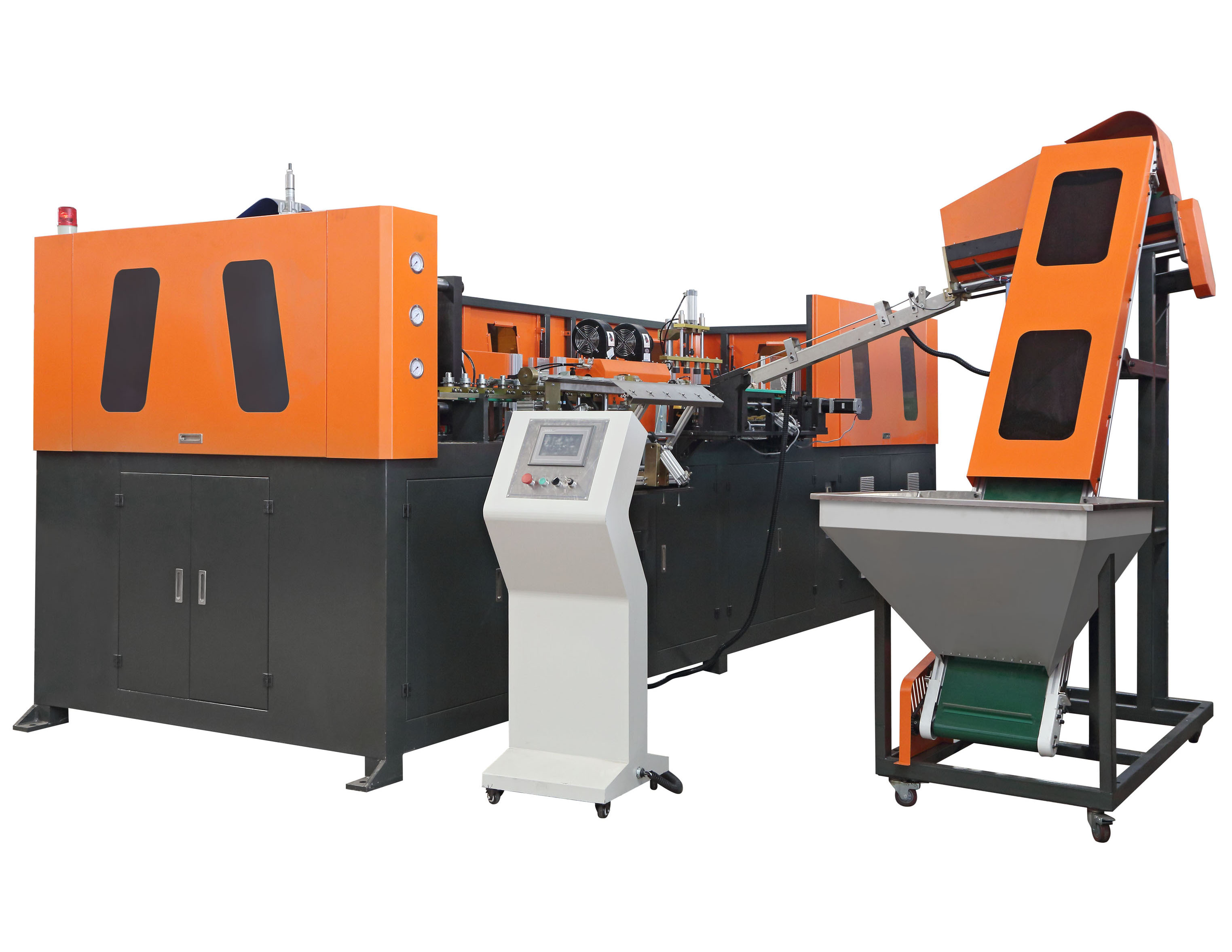
Automatic 4 Cavity Stretch Blow Moulding Machine High Pressure Valve Mitsubishi PE/PET Plastic Water Bottles Pump Easy
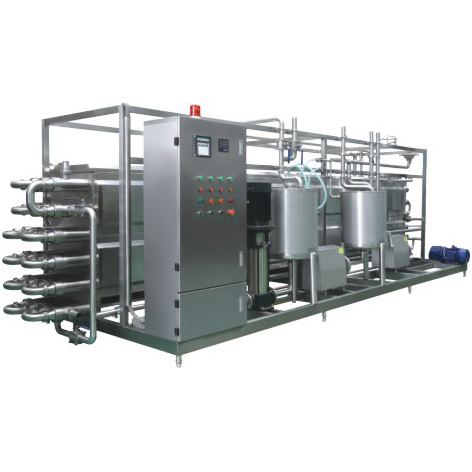
Small Automatic Plate Type Pasteurizer with Pump New Condition for Farm Industries-for Milk Ketchup Juice Beer & Egg
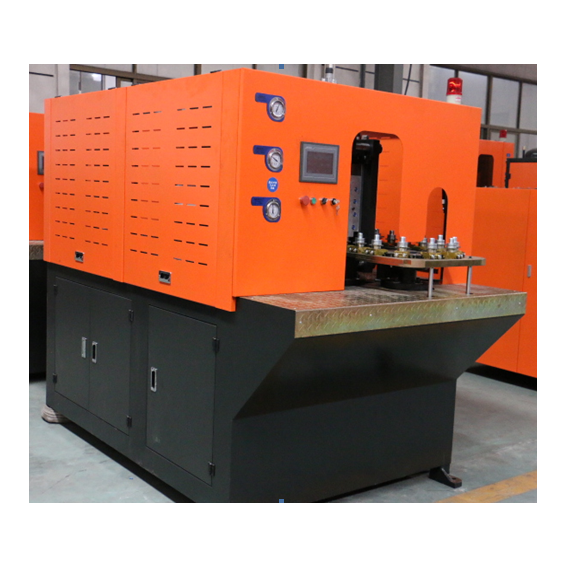
Automatic 2 Cavity PET Stretch Blow Molding Machine Preform Blower for Jars
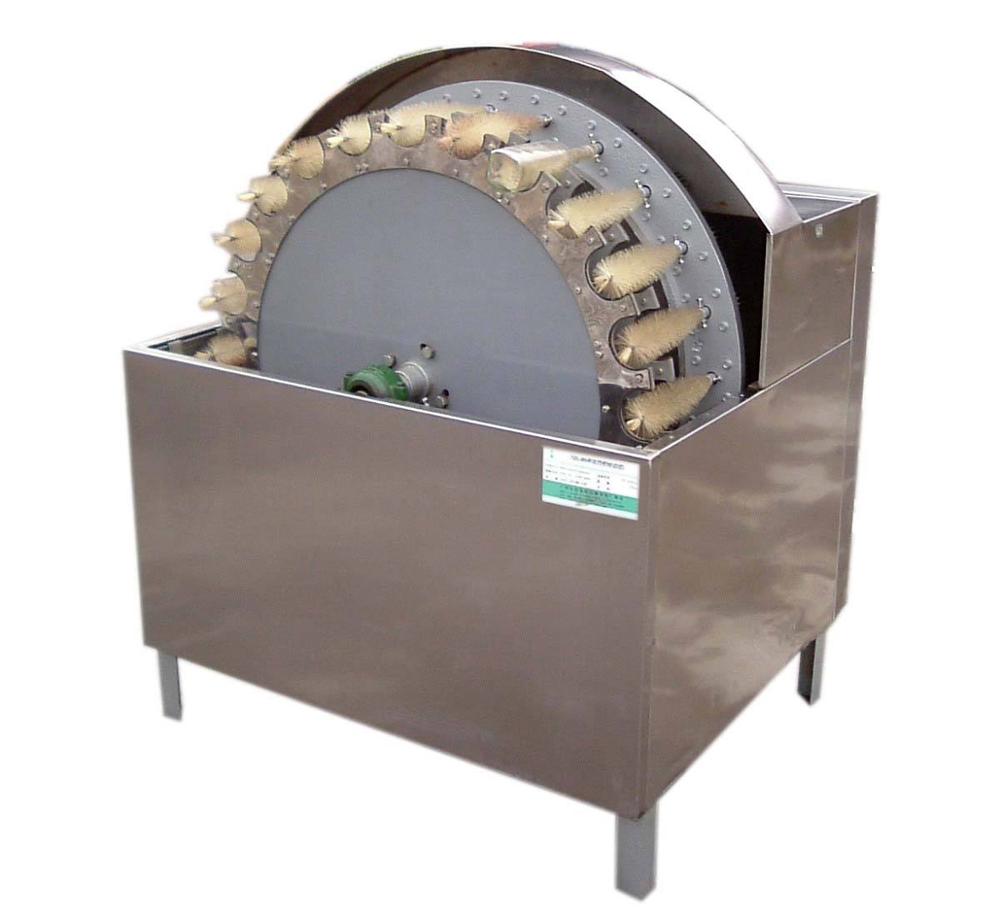
XP-24 Automatic Glass Wine Bottle Washer 380V 1.5KW Bottle Cleaning Machine
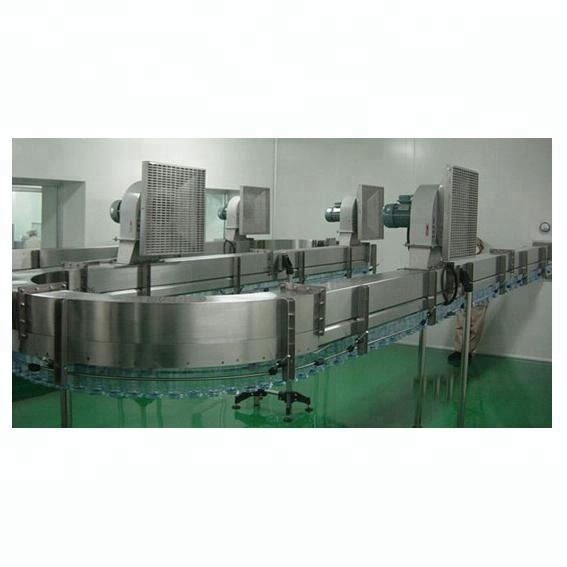
CE Certified Stainless Steel Air Conveyor Pneumatic Conveying System for PET Bottle Mineral Water Production Line

Electric Automatic Linear Vacuum Twist Capper Machine Stainless Steel 304 2-Year Warranty for Beverages Pickles Glass Bottle Jar
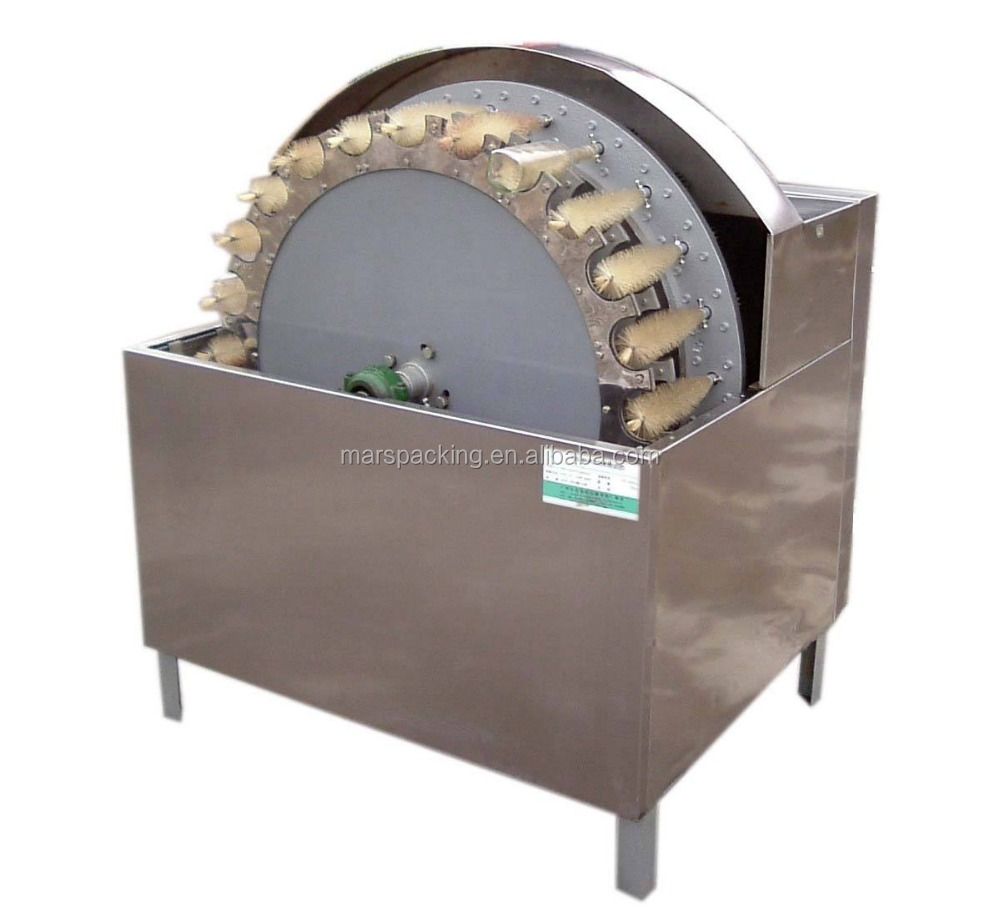
Semi Automatic Glass Bottle Washer Wine Beer Cleaning Machine CE Certified 380V 220V 1.1kW

Semiautomatic 5 Gallon PET Bottle Blow Molding Machine for Large Container Production Lines
Why Enterprise Breweries Partner with China Manufacturers
Lofsu Packing Machinery Co., Ltd. delivers world-class beverage canning automation backed by 15+ years of direct OEM/ODM engineering expertise.
Sanitary SUS304/316 Engineering
All beverage contact surfaces are crafted from food-grade AISI 304 or AISI 316 stainless steel, featuring mirror-polished sanitary finishes to eliminate bacterial traps and ensure seamless CIP integration.
Minimal Dissolved Oxygen (TPO)
Our advanced dual-pre-evacuation CO2 purging sequence reduces Dissolved Oxygen (DO) pick-up to below 30 ppb, safeguarding flavor profiles and dramatically extending craft beer shelf life.
Isobaric Counter-Pressure Filling
Precision electro-pneumatic mechanical valves maintain exact pressure equilibrium during filling, preventing excessive foam generation, carbonation loss, and fill-level variance across high-speed cycles.
Comprehensive Technical Architecture of Beer Canning Lines
Understanding the mechanical, pneumatic, and electronic control systems required for zero-defect aluminum container filling and double-seaming.
The global shift from glass bottles to aluminum cans in the craft beer and carbonated beverage sectors has redefined packaging economics. Cans offer complete UV protection, zero oxygen permeability through container walls, reduced freight weight, and superior recyclability. However, packaging carbonated malt beverages into thin-walled aluminum cans presents complex biomechanical engineering challenges—most notably Dissolved Oxygen (DO) pick-up, foaming management (gushing), and structural seam integrity.
1. Isobaric Counter-Pressure vs. Atmospheric Mechanical Filling
Unlike still liquids such as water or juice, beer contains dissolved carbon dioxide (typically 2.2 to 2.8 volumes of CO2). Attempting to fill beer at atmospheric pressure causes instant decarbonation, resulting in uncontrollable foaming and massive liquid loss. Leading Chinese canning machine manufacturers utilize isobaric (counter-pressure) rotary or linear monoblock systems.
The isobaric sequence operates in four mandatory phases:
- CO2 Purging & Pre-Evacuation: The empty aluminum can is sealed against the filling valve gasket. A vacuum or direct CO2 flush displaces atmospheric oxygen inside the container.
- Pressurization: Equalization valves open to inject CO2 into the can until the interior pressure matches the main isobaric liquid bowl pressure (typically 0.15–0.25 MPa).
- Gravity Gravity Filling: Once pressure equilibrium is established, a heavy-duty stainless steel spring opens the liquid valve. Beer flows down the can wall via a helical spreader, allowing gas to vent back into the manifold without turbulence.
- Snifting (Pressure Relief): The valve closes, and a controlled multi-stage degassing (snifting) valve slowly releases headspace pressure to prevent explosive gushing before the can transitions to the mechanical seamer.
Isobaric Canning Line Performance Benchmarks
Standard operational parameters engineered by leading Chinese OEMs like Lofsu Packing Machinery.
2. Double-Seam Mechanical Integrity & Seaming Rollers
A canning machine is only as good as its double seamer. The seam between the can body flange and the can end (lid) must withstand internal pressure while preventing micro-leakage and bacterial ingress over long transport cycles. Modern Chinese beer canning equipment incorporates precision servo-driven or mechanical cam-driven seaming stations with dual operation rollers:
Operation 1 (First Operation Roller): Interlocks the end curl with the can flange to form the cover hook and body hook.
Operation 2 (Second Operation Roller): Flattens and compresses the interlocking hooks together, squishing the sealing compound inside the end curl to create a hermetic seal.
Future Procurement Trends in Beverage Canning Lines
Key technological shifts purchasing directors and brewery owners must evaluate prior to capital expenditure investment.
Servo-Driven Flow Meter Filling
Moving away from traditional mechanical float valves, next-generation canning lines adopt electromagnetic or mass flow meters. Flow meter technology eliminates mechanical contact parts, allows dynamic recipe changes via touchscreens, and speeds up CIP cycle times by 40%.
Smart IoT Remote Diagnostics
Global procurement teams prioritize machinery equipped with Siemens or Mitsubishi PLCs integrated with secure VPN routers. This enables Chinese engineers to perform real-time firmware updates, fault diagnostics, and preventive maintenance guidance remotely, minimizing downtime.
Multi-Format Quick-Changeover Modules
Modern breweries stock standard 330ml, 440ml, 500ml, and sleek/slim 250ml cans. Future-proof procurement requires tool-less changeover starwheels, height-adjustable seaming turrets, and adaptable can-end feeders that swap formats in under 30 minutes.
Global Industry Trends Shaping Chinese Machinery Manufacturing
How Chinese canning OEMs are adapting to global beverage shifts, environmental mandates, and automation requirements.
Rise of Ready-To-Drink (RTD) & Hard Seltzer Versatility
The explosive growth of RTD spirit cocktails, hard seltzers, kombucha, and cold-brew coffee has forced equipment suppliers to evolve beyond standard beer specifications. RTD beverages often demand higher carbonation levels, variable liquid viscosities, or corrosion-resistant seals to handle acidic flavorings. Manufacturers in Zhangjiagang—China’s premier beverage packaging machinery cluster—are now engineering hybrid lines capable of switching between craft beer, CSD, and still juices with inline liquid nitrogen dosing systems.
Sustainable Energy & Water Utilization
Water and energy conservation have become baseline requirements rather than luxury features. Modern Chinese monoblock fillers feature closed-loop vacuum pump water circulation, eco-smart rinsing nozzles that activate only when a container is present, and high-efficiency drives that cut total line power consumption by up to 22% compared to legacy machinery.
Frequently Asked Questions for Equipment Buyers
Direct answers to technical, commercial, and operational questions commonly raised during factory audits and contract negotiation.
What production capacities do Lofsu beer bottling and canning lines cover? +
Standard compact monoblock lines start at approximately 2,000 bottles/cans per hour (such as our CGF8-8-3 line with 8 filling heads or GDF12-1 canning system) and scale up to 12,000+ cans per hour on high-speed rotary configurations. Larger customized plants are fully engineered based on container geometry, beverage carbonation, and plant footprint.
Which beverages and container types can your machinery process? +
Our packaging machinery lines handle craft beer, carbonated soft drinks (CSD), mineral and purified water, 5-gallon drinking water, hot-fill fruit juices, teas, cider, wine, condiments, and edible oils. Containers supported include standard/sleek aluminum cans, glass bottles with crown caps or twist-offs, and PET plastic containers.
Can equipment be custom-built for regional power supply standards? +
Yes. While our standard industrial configuration is 380V 3-phase at 50Hz, we routinely customize drive motors, PLC transformers, and electrical panels for 220V, 415V, 440V, or 480V environments at either 50Hz or 60Hz. Component brands (Schneider, Siemens, Omron) are matched to destination country specifications.
What commissioning, installation, and operator training services are offered? +
We provide full turnkey service. Our mechanical and electrical engineers deploy directly to your facility to manage physical line assembly, conveyor integration, electrical hookup, and trial runs. We conduct comprehensive hands-on training for your operating team covering CIP sanitation, maintenance schedules, seam inspection, and troubleshooting protocols.
How is quality verified prior to international shipment? +
Every machine undergoes a mandatory Factory Acceptance Test (FAT) using the buyer's actual bottle or can samples and liquid media. High-definition operational videos, seam dimensional inspection reports, and electrical safety logs are provided prior to export dispatch. Third-party inspection audits (SGS, TÜV) are welcomed.
Which delivery and trade terms are supported for overseas orders? +
We support standard international commercial terms including FOB (Port of Shanghai/Ningbo), CFR, CIF, EXW, DDP, and DDU. Settlement options include Telegraphic Transfer (T/T) and Irrevocable Letter of Credit (L/C) in USD, EUR, or CNY.
How does your system control Dissolved Oxygen (DO) pick-up during canning? +
Our beer canning monoblocks utilize double CO2 pre-evacuation or flush cycles prior to isobaric filling, combined with an automated under-cover CO2 gassing system at the lid transfer tunnel. This replaces atmospheric air in the headspace with pure carbon dioxide right before double-seaming, maintaining TPO pick-up below 30 ppb.
Lofsu Packing Machinery Engineering Excellence
Located in Zhangjiagang City, Jiangsu Province, Lofsu operates modern production facilities dedicated to liquid packaging innovations.
Integrated Turnkey Solutions from A to Z
Since 2010, Lofsu Packing Machinery Co., Ltd. has developed complete production plant ecosystems. Beyond individual filling machines, our engineering team designs water treatment reverse osmosis (RO) systems, syrup preparation tanks, tunnel pasteurizers, OPP labeling machines, shrink wrapping systems, and automatic case packers.
By controlling every stage from raw water filtration to end-of-line palletizing, we guarantee line balancing, synchronized speed control, and zero bottlenecking across your production floor.
Core Manufacturing Highlights:
- 1,000–3,000 m² Onsite Audited Workshop
- CE Directive 2006/42/EC Machine Certification
- 12+ Years Custom OEM / ODM Machinery Fabrication
- Global Field Service Engineers Available for Onsite Setup
Ready to Upgrade Your Beer Canning Production Line?
Contact our engineering specialists today for customized layout drawings, operational capacity analysis, and direct factory quotation packages.