Industrial Soft Drink & Beverage Processing Equipment
High-precision bottling, blow molding, thermal sterilization, and capping systems tailored for PET, glass, and aluminum container production lines.
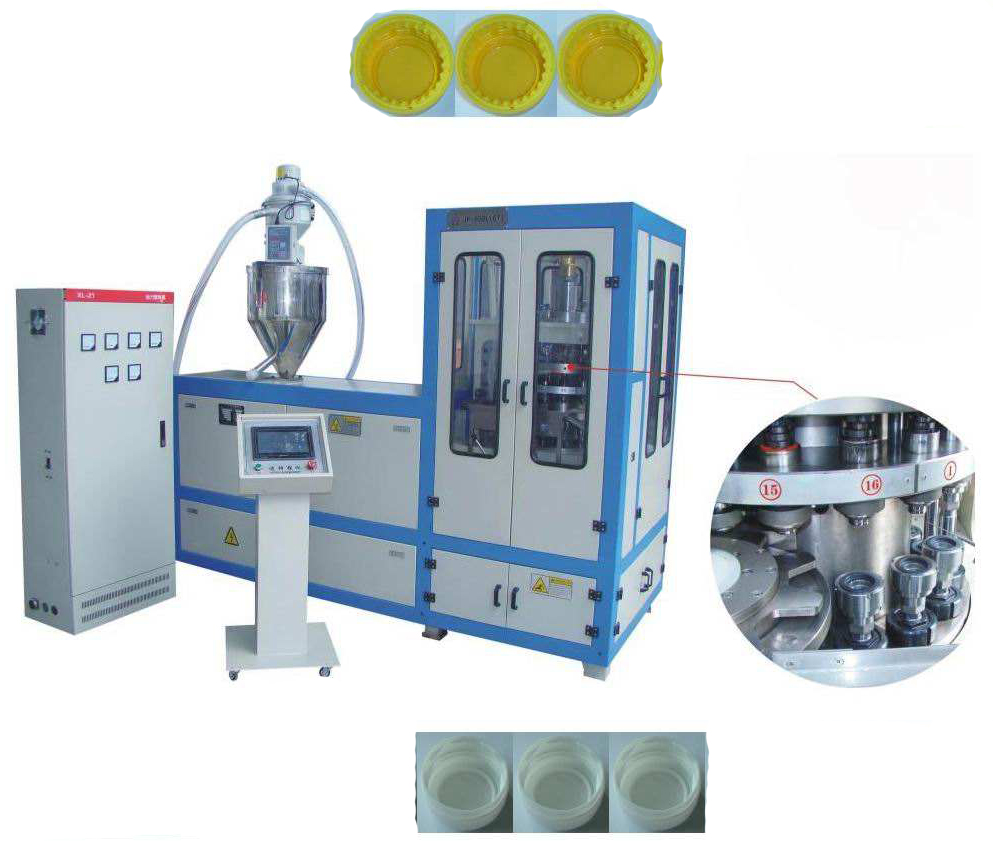
24-Cavity Automatic Injection Blow Molding Machine for PP New Condition-Horizontal 2-Year Thermosetting Compressing Bottle Cap
High-output 24-cavity preform & closure compression molding system optimized for PP/HDPE bottle caps with energy-efficient hydraulic drives.
View Product Specs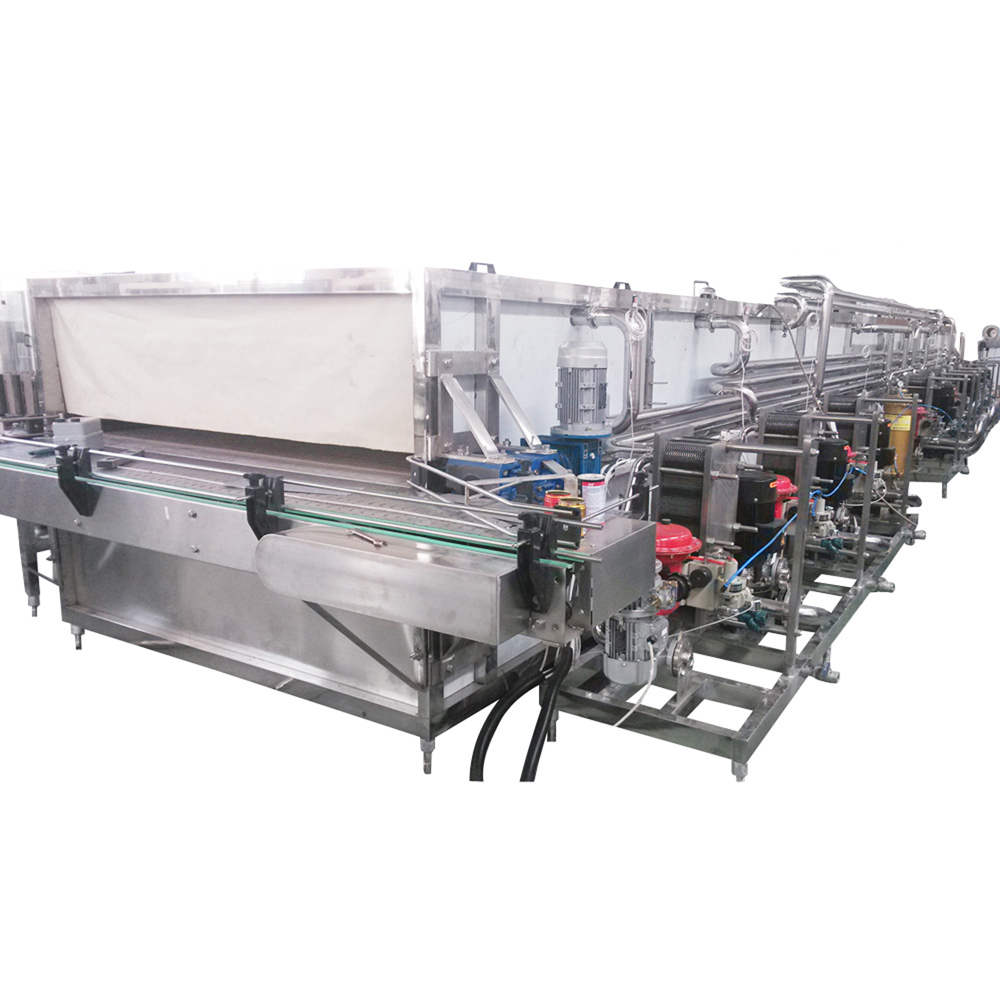
Automatic Tunnel Pasteurizing Machine SUS304 Stainless Steel Bottle Pasteurizer 380V 6.6Kw for Beverage
Multi-stage temperature zone tunnel pasteurizer engineered in heavy-duty SUS304 steel for shelf-stable carbonated juices and glass-bottled soft drinks.
View Product Specs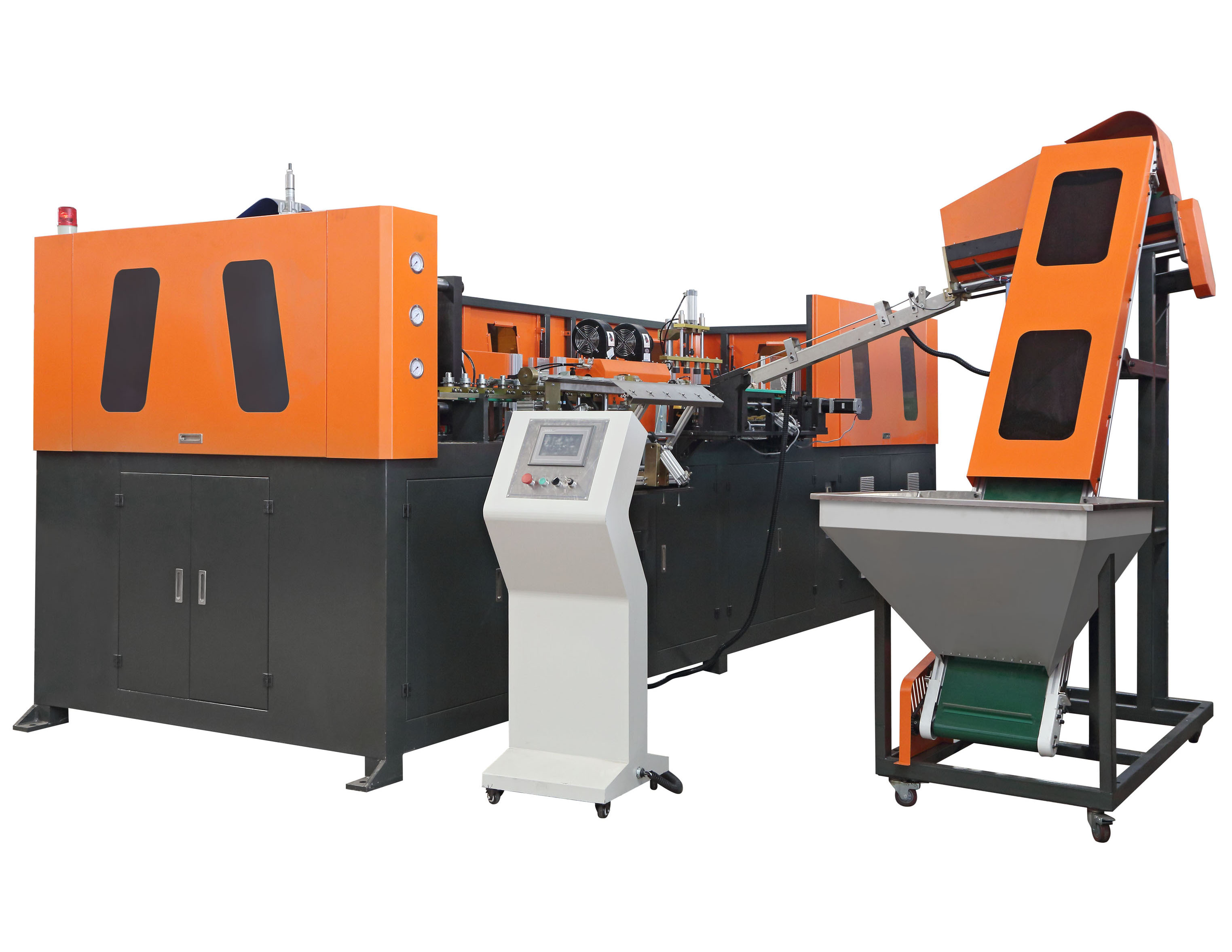
Automatic 4 Cavity Stretch Blow Moulding Machine High Pressure Valve Mitsubishi PE/PET Plastic Water Bottles Pump Easy
High-speed pneumatic stretch blow molding machine integrated with Mitsubishi PLC controls for lightweight PET soft drink and water bottle blowing.
View Product Specs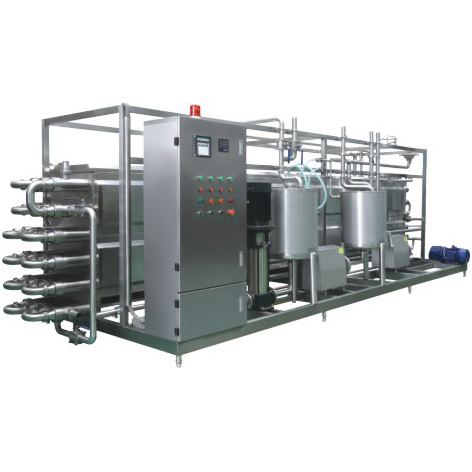
Small Automatic Plate Type Pasteurizer with Pump New Condition for Farm Industries-for Milk Ketchup Juice Beer & Egg
Precision heat-exchange plate pasteurizing system fitted with sanitary centrifugal pumps, ideal for syrup preparation and flavored beverage processing.
View Product Specs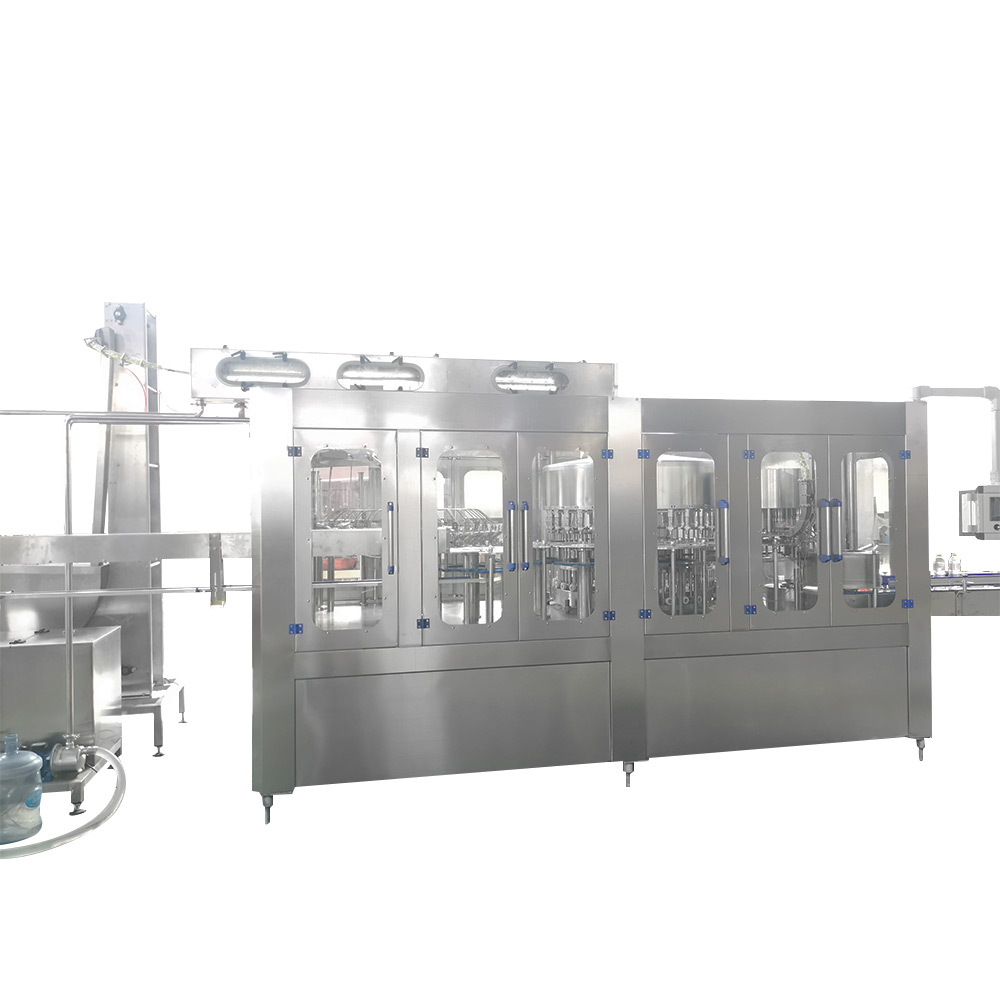
A to Z Complete Full Automatic PET Bottle Filling Machine for Pure Mineral Water Production Line
Turnkey 3-in-1 rinsing, filling, and capping monoblock system designed for ultra-clean liquid bottling with capacities up to 24,000 BPH.
View Product Specs
Electric Automatic Linear Vacuum Twist Capper Machine Stainless Steel 304 2-Year Warranty for Beverages Pickles Glass Bottle Jar
Linear steam-jet vacuum twist capping machine engineered for airtight sealing of glass-bottled carbonated sodas, syrups, and craft beverages.
View Product Specs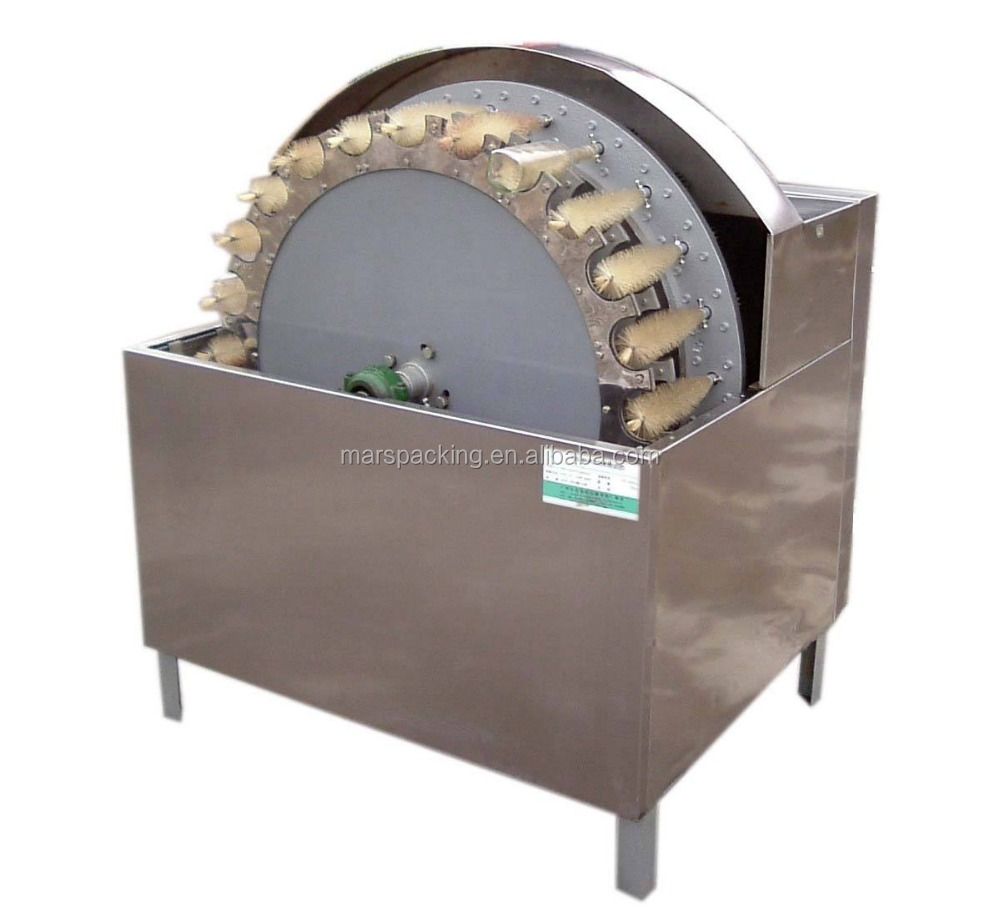
Semi Automatic Glass Bottle Washer Wine Beer Cleaning Machine CE Certified 380V 220V 1.1kW
Rotary internal and external high-pressure spray glass bottle washer certified to CE standards, ideal for medium-scale soft drink and beer bottling plants.
View Product Specs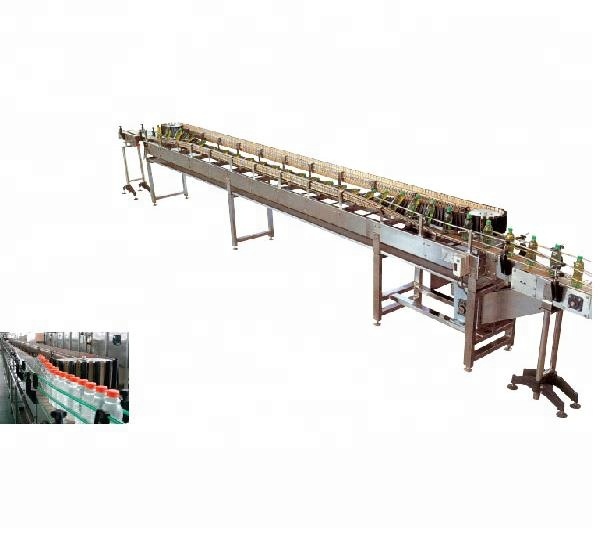
Automatic Bottle Inverse Sterilizer Electric Inline Inverting Machine 304 Stainless Steel for Beverage Glass and Plastic Bottles
Inline bottle turning conveyor system utilizing hot liquid product temperature to fully sterilize bottle caps and neck threads automatically.
View Product SpecsIndustry Authority: China Soft Drink Filling Machine Manufacturing Hub
Selecting a top China soft drink filling machine exporter requires understanding the technological advancement of China's premier beverage machinery industrial cluster centered in Zhangjiagang, Jiangsu Province. Established since 2010, specialized manufacturers like Lofsu Packing Machinery Co., Ltd. have evolved from modular machinery fabricators into global turnkey engineering partners. Modern carbonated soft drink (CSD) filling systems demand flawless mechanical synchronicity, strict sanitary isolation, precise isobaric pressure regulation, and minimized Dissolved Oxygen (DO) absorption during high-speed bottling operations.
Unlike standard gravity or vacuum liquid fillers used for non-carbonated mineral water, soft drink bottling machines operate under controlled counter-pressure (isobaric) environments. Carbonated beverages—including sparkling sodas, tonic waters, energy drinks, and sparkling fruit juices—contain dissolved carbon dioxide ($\text{CO}_2$) at volumes ranging from 2.5 up to 4.5 vol/vol. Maintaining this gas stability throughout rinsing, isobaric filling, and bottle capping requires engineered valve blocks, chilled product feeding ($0^\circ\text{C}$ to $4^\circ\text{C}$), and high-precision mechanical lifting cylinders certified to international safety standards such as EU Machinery Directive 2006/42/EC.
Technical Insight: Isobaric carbonated soft drink filling accuracy depends on maintaining equal pressure between the filling bowl and the bottle interior prior to liquid valve opening. Advanced Chinese exporters utilize dual-stage snifting valves to prevent excessive foaming and flavor profile loss during bottle depressurization.
Core Technological Trends in Modern Carbonated Beverage Machinery
The global soft drink manufacturing landscape is experiencing rapid technological refinement. As overseas buyers search for high-return capital investment options, leading Chinese exporters are incorporating critical innovations into their standardized and custom production lines:
Isobaric Mechanical & Flowmeter Filling Valves
Modern CSD filling monoblocks utilize sanitary electro-pneumatic mechanical valves or electromagnetic flowmeters. Flowmeter technologies offer non-contact filling, enabling zero flavor cross-contamination, instant digital dosage changes via PLC touchscreens, and automated CIP cup integration.
PLC Automation & IIoT Telemetry Integration
High-end China soft drink exporters equip lines with Siemens or Mitsubishi PLC systems paired with cloud-connected telemetry modules. Operations personnel monitor real-time filling speed (BPH), carbonation pressure metrics, cap torque levels, and predictive maintenance alerts remotely.
Hygienic SUS304/SUS316L & Automated CIP Systems
To adhere to strict US FDA and European EHEDG hygienic guidelines, liquid contact components are forged exclusively from AISI 316L stainless steel with internal mirror polishing ($\text{Ra} \le 0.4\,\mu\text{m}$). Automated 5-stage Clean-In-Place (CIP) loops ensure sterile product pathways during flavor transitions.
Future Procurement Trends for Overseas Beverage Enterprise Buyers
Procurement managers across North America, South America, Southeast Asia, the Middle East, and Africa are shifting away from standalone machine purchasing toward integrated A-to-Z turnkey contracts. The total cost of ownership (TCO) model has become the primary financial baseline for evaluated bids.
1. Lightweight PET & Eco-Friendly Packaging Compatibility: With international sustainability mandates tightening, beverage producers require blowing and filling lines capable of handling ultra-lightweight PET preforms and up to 100% rPET (recycled PET) resins without structural container collapsing during neck handling and mechanical capping.
2. Hybrid Cross-Product Line Versatility: Facilities are increasingly requesting multi-functional bottling machinery. Modern Chinese monoblock fillers can be configured with dual-pressure regimes—operating in isobaric mode for carbonated soft drinks, sodas, and sparkling waters, and switching seamlessly to ambient gravity mode for still mineral water or hot-fill mode for natural fruit juices.
3. Energy Recovery & Utility Optimization: Rising global electricity and compressed air costs mean procurement tenders demand energy-efficient preform infrared heating ovens, high-pressure air recovery systems (saving up to 30% of blowing air for pneumatic actuation), and insulated water cooling tunnels.
Why Direct Engineering Partnership with Lofsu Yields Enterprise Value
Combining Zhangjiagang's world-class supply chain cluster with rigorous factory acceptance testing and global installation coverage.
Third-Party Onsite Audited Factory
Lofsu operates a state-of-the-art production facility (1,000–3,000 m²) in Leyu Town, Zhangjiagang City, fully verified by independent international inspection agencies for production safety, machining capacity, and quality management systems.
100% Pre-Shipment FAT Validation
Every soft drink line undergoes rigorous Factory Acceptance Testing (FAT) using the buyer's actual bottle drawings, preforms, liquid samples, and closure specifications prior to export packaging, guaranteed by HD test video verification.
Multilingual Global Field Commissioning
Our experienced mechanical and electrical commissioning engineers travel worldwide across 30+ export countries to conduct complete plant layout installation, power supply matching (220V–450V, 50/60Hz), and operator training.
Frequently Asked Questions by Soft Drink Plant Procurement Managers
Detailed technical answers to common operational, electrical, mechanical, and commercial questions when importing beverage bottling lines from China.
What production capacities do Lofsu soft drink bottling lines cover?
Our standard monoblock carbonated beverage lines start at entry-level capacities of 2,000 bottles per hour (BPH) for small-to-medium regional producers (such as our CGF8-8-3 configuration). High-speed rotary isobaric filling monoblocks reach up to 24,000 BPH for 500ml PET containers. Custom larger rotary plants are fully engineered on request based on container geometry, beverage carbonation level, and floor space constraints.
Which beverages and container formats can your soft drink machinery process?
Our machinery is designed for extreme container and liquid versatility. We process carbonated soft drinks (CSD), sparkling mineral water, energy drinks, kombucha, sparkling wine, craft beer, natural fruit juices (hot fill up to 85°C), ready-to-drink tea, edible oils, and condiments. Container compatibility includes PET plastic bottles, glass bottles with crown caps or vacuum twist lids, 5-gallon jars, and aluminum/tin cans (using double-seam closing monoblocks).
Can machine electrical components be configured for my local grid voltage and frequency?
Yes. While standard Chinese industrial power is 380V three-phase at 50Hz, all electrical panels, VFDs (Variable Frequency Drives), electric motors, and heating elements are custom-wired to match your destination country's exact grid standard—ranging from 220V, 240V, 380V, 415V, to 440V/480V at either 50Hz or 60Hz. We utilize internationally recognizable electrical brands including Schneider, Siemens, Omron, and Mitsubishi.
How do you ensure proper carbonation levels ($\text{CO}_2$ gas preservation) during filling?
Gas retention is maintained by pairing our isobaric fillers with high-precision automatic carbonated beverage mixers (soda mixers). The liquid syrup-water matrix is deaerated to eliminate oxygen prior to carbonation, then chilled to $2^\circ\text{C} - 4^\circ\text{C}$ via plate heat exchangers. Filling takes place under a constant counter-pressure of 0.2 to 0.4 MPa, preventing gas breakdown, followed by controlled slow-snifting to stop product foam overflow before capping.
Do you provide onsite installation, layout design, and operator technical training?
Yes. We offer end-to-end engineering service. Our technical team creates customized 2D/3D plant CAD layouts based on your facility footprint. Upon delivery, our field engineers travel to your site to handle mechanical installation, electrical wiring alignment, line synchronization, line testing, and comprehensive operator maintenance training.
How is machine quality verified prior to export shipment, and what trade terms do you support?
Every machine undergoes a strict 48-hour continuous wet-run Factory Acceptance Test (FAT) with real bottle samples. Test videos, dimensional inspection certificates, and electrical safety logs are supplied to the buyer. Our factory is audited onsite by third-party inspection firms. We support standard international trade terms including FOB, CFR, CIF, EXW, DDP, and DDU, with payments accepted in USD, EUR, or CNY via T/T or L/C.
Ready to Upgrade or Build Your Soft Drink Bottling Line?
Contact Lofsu's senior engineering team today. Submit your container size, target production output (BPH), and beverage type to receive a complete technical proposal, CAD floor layout, and customized equipment price list.