High-Performance Liquid Processing & Bottling Systems
Explore our core engineering portfolio ranging from high-precision mixing skids to fully automated bottling, canning, washing, and capping machinery built for global compliance.
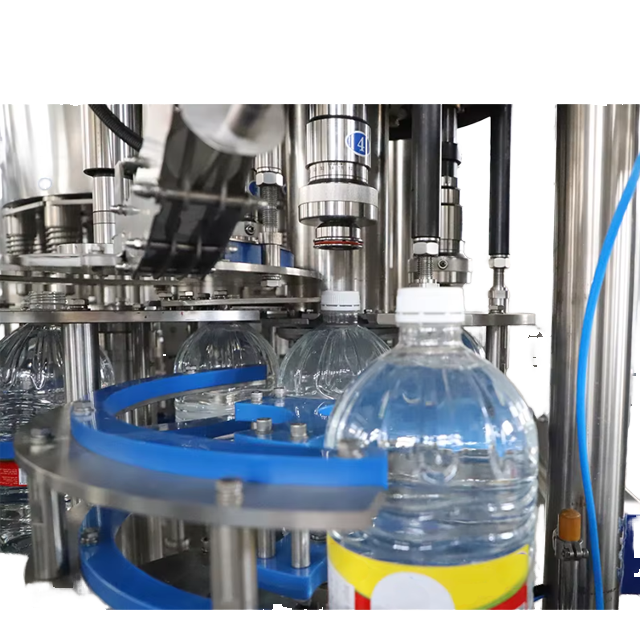
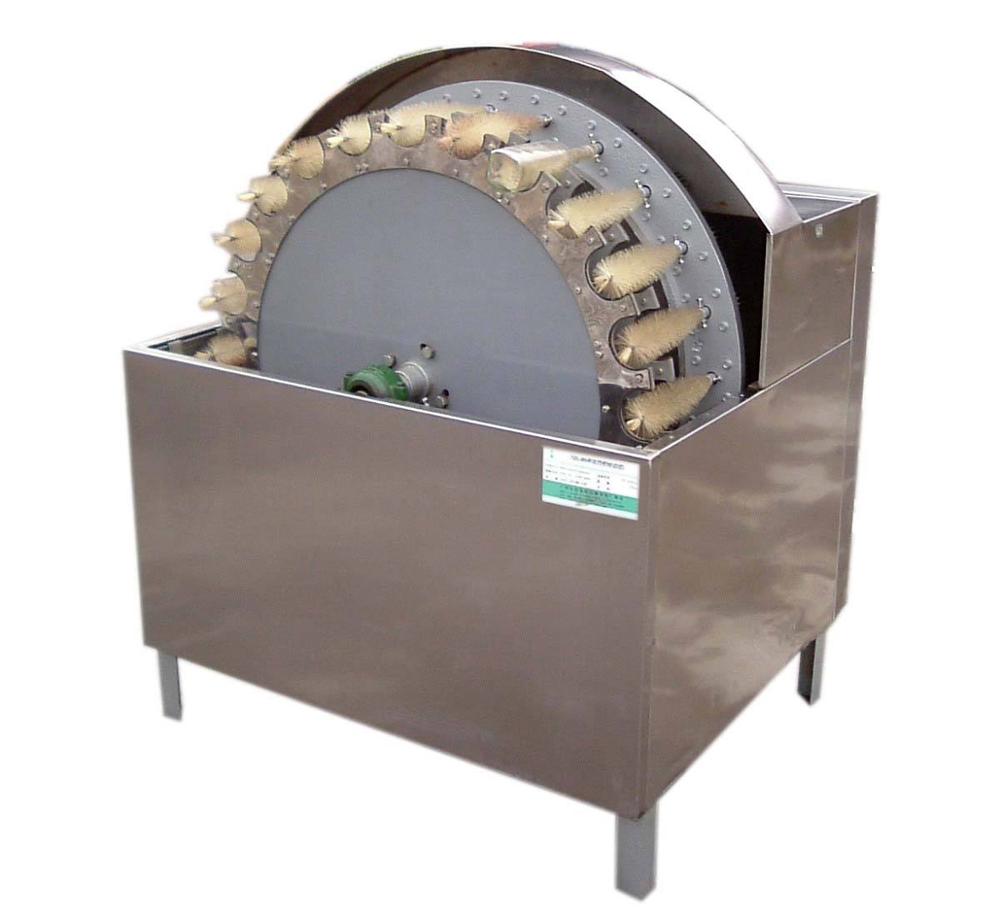
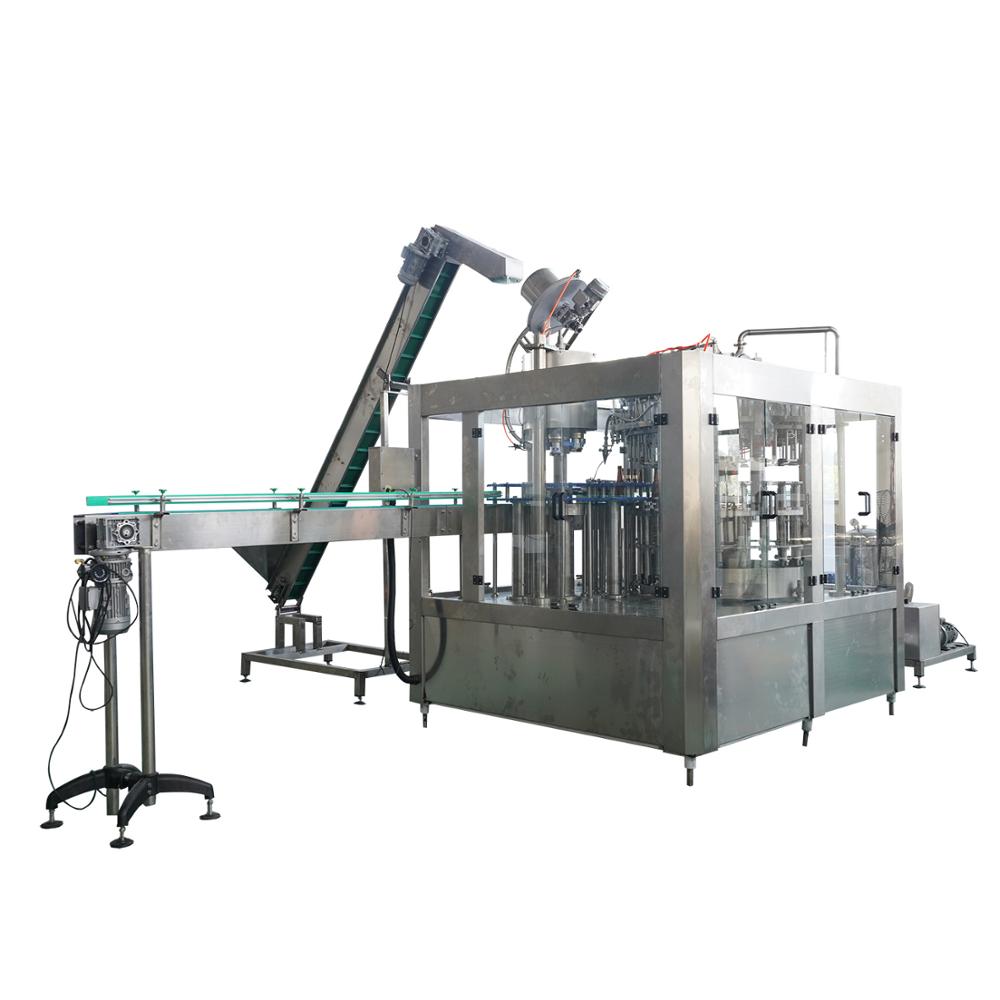
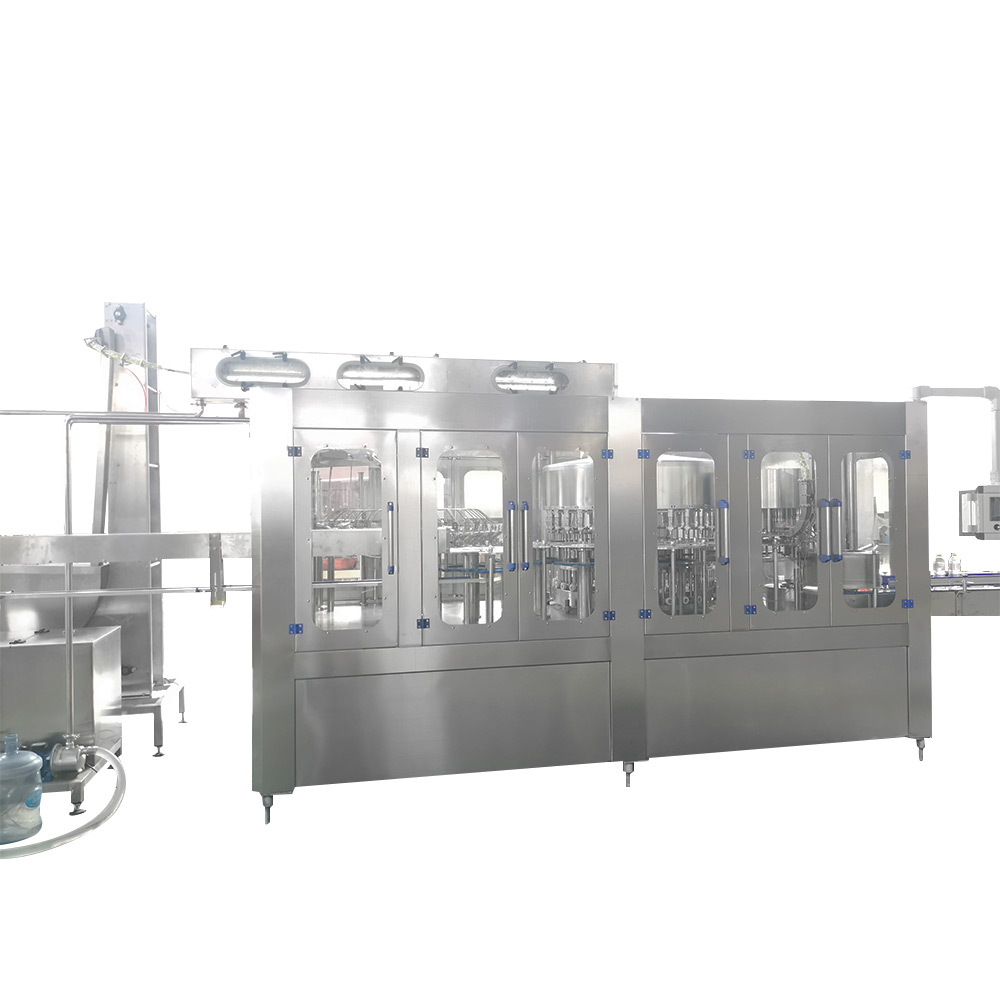

Engineering Next-Generation Beverage Mixing Systems: Architecture, Thermodynamics, & Inline Precision
In modern commercial beverage manufacturing, the beverage mixing system serves as the technological core of the entire production line. Whether formulating carbonated soft drinks (CSD), premium fruit juices, ready-to-drink (RTD) teas, functional energy beverages, or dealcoholized spirits, maintaining consistent sugar concentration (°Brix control), precise dissolved gas carbonation volumes (g/L), and microbiological stability is paramount.
As leading global machinery engineers, Lofsu Packing Machinery Co., Ltd. designs industrial beverage processing skids that transition operations from legacy batch-tank processing to high-efficiency continuous inline mixing. By integrating high-accuracy Coriolis mass flowmeters, multi-stage vacuum deaeration towers, dynamic static mixers, and fully automated Clean-In-Place (CIP) systems, plant operators achieve unmatched yield efficiency, reduced raw syrup waste, and stringent hygienic compliance under 3-A, EHEDG, and CE 2006/42/EC standards.
1. Comparative System Architecture: Batch Blending vs. Continuous Inline Mixing
Determining the optimal mixing methodology depends on product rheology, batch changeover frequency, and total volumetric output requirements. Traditional batch blending relies on atmospheric jacketed tanks with mechanical agitators, whereas state-of-the-art continuous inline systems blend water, concentrated syrup, flavor emulsions, and CO2 in a single, uninterrupted stream immediately prior to filling.
| Performance Criteria | Traditional Batch Blending Tank | Continuous Inline Mixing Skid | High-Shear Homogenization System |
|---|---|---|---|
| Brix Accuracy | ±0.20° to ±0.50° Brix | ±0.05° Brix (Coriolis Feedback) | ±0.15° Brix |
| Dissolved Oxygen (DO) Control | High Exposure (>500 ppb) | Ultra-Low (<30 ppb via Vacuum Deaeration) | Moderate (100–300 ppb) |
| Energy Consumption | High (Continuous Agitation Power) | Optimized (Demand-driven Pumping) | Very High (High-Pressure Homogenizer) |
| Syrup Waste at Changeover | 150L – 500L per Tank Heel | < 15L (Inline Pipe Displacement) | 50L – 100L |
| Ideal Application | Small-Batch Craft Drinks, Oils | High-Speed CSD, Water, RTD Tea, Juice | Dairy, Pulp Juices, Emulsions |
2. Thermodynamic Principles & Carbonation Mechanics (Henry's Law Application)
For carbonated soft drinks, beer, and sparkling mineral water, achieving precise gas dissolution requires strict control over gas-liquid equilibrium thermodynamics. Carbon dioxide solubility in water is governed by Henry's Law ($C = k \cdot P$), which dictates that the concentration ($C$) of dissolved gas is directly proportional to the partial pressure ($P$) of the gas above the liquid, inversely relative to temperature.
- Thermal Pre-Cooling Skid Integration: Incoming process water is chilled down to 4°C – 6°C using plate heat exchangers prior to carbonation. Lower temperatures dramatically increase gas absorption stability while reducing required vessel pressures.
- Multi-Stage Vacuum Deaeration: Oxygen and nitrogen molecules naturally dissolved in ambient water inhibit CO2 absorption and accelerate product oxidation. Vacuum deaeration reduces dissolved oxygen (DO) to below 30 ppb, preventing foam formation at high-speed filling nozzles.
- Venturi & Injector Carbonation: Gas is introduced into the liquid stream through micro-porous stainless steel spargers or high-velocity Venturi nozzles, generating micro-bubbles with massive contact surface area for instant molecular dissolution.
3. Sanitary Engineering & Clean-In-Place (CIP) Integration
In beverage manufacturing, microbial cross-contamination can result in product spoilage, costly recalls, and brand damage. Lofsu mixing systems are engineered with full sanitary integrity:
SUS316L Sanitary Metallurgy
All product-contact wetted parts are forged from premium AISI 316L stainless steel, polished to an internal surface roughness of Ra < 0.4 µm to eliminate microscopic crevices where bacteria can harbor.
Automated Multi-Loop CIP
Features dedicated caustic rinse, acid wash, and hot sterile water sanitization loops. Automated pneumatic valve manifolds ensure zero dead legs and full validation under EHEDG standards.
Future Procurement Trends in Beverage Processing & Blending (2025–2030)
Global beverage procurement managers are navigating supply chain shifts, sustainability mandates, and SKU proliferation. Here are the core technological trends defining future equipment sourcing.
AI-Powered Real-Time Refractometry
Next-generation mixing skids feature continuous optical refractometers linked directly to machine learning PLC algorithms. If syrup viscosity or Brix fluctuates at the concentrate inlet, the system instantly self-adjusts dosing valves within milliseconds, completely eliminating off-spec production runs.
Energy Recovery & Low-Carbon Carbonation
With stringent global Net-Zero carbon targets, plant buyers are prioritizing mixing systems with integrated thermal recovery units. By capturing heat from hot-fill thermal pasteurizers to pre-warm CIP sanitization fluids, energy overhead is reduced by up to 35% across the plant facility.
Plug-and-Play Modular Skid Designs
Rather than complex field installation of piping and electrical conduits, modern suppliers deliver fully skid-mounted, factory-tested modules. Containerized and pre-wired architectures enable greenfield projects in emerging markets to achieve operational startup within 72 hours of delivery.
Water Conservation & Zero-Waste CIP
Water scarcity is driving demand for advanced CIP recovery skids equipped with turbidity sensors and conductivity meters. Clean final rinse water is automatically recaptured and reused as initial pre-wash fluid for the next cleaning cycle, cutting water consumption by over 40%.
B2B Procurement Checklist: Evaluating Beverage Mixing System Suppliers
Selecting the right machinery partner requires thorough analysis beyond initial equipment purchase price. Use this engineering checklist to evaluate technical capability and total cost of ownership (TCO).
Define Flow Rate & Volumetric Capacity
Calculate peak filling line speeds (BPH or CPH) and match your mixing system output (L/h). Ensure the skid provides at least a 20% surge margin above maximum filler intake to avoid starvations.
Verify Component Metallurgy & Brands
Insist on wetted SUS316L, Siemens S7-1500 PLC control, Endress+Hauser mass flow meters, and Alfa Laval sanitary pumps. High-grade international components guarantee 24/7 reliability and global spare-part availability.
Demand Factory Acceptance Testing (FAT)
Partner exclusively with OEM manufacturers like Lofsu who provide full FAT video verification, water trial runs, and pressure leak testing before container loading and export dispatch.
Frequently Asked Questions by Beverage Procurement Managers
Expert answers addressing operational, electrical, and commercial queries during equipment sourcing.
What production capacities do Lofsu bottling lines and mixing systems cover?
Standard monoblock filling lines and continuous mixing skids start at approximately 2,000 bottles per hour (such as our CGF8-8-3 PET water line with 8 filling nozzles) and scale up to 4,000–24,000 BPH on industrial multi-head rotary lines. Mixing skids can be customized for liquid throughputs ranging from 1,000 L/h up to 30,000 L/h based on site requirements.
Which beverage formulations and containers can your processing machinery handle?
Our processing equipment handles mineral and purified water, 5-gallon bottled water, hot-fill fruit juices, iced teas, carbonated soft drinks, craft beer, flavored sparkling water, edible oils, soy sauce, vinegar, and wine. Machine configurations cater to PET bottles, glass bottles, and aluminum or tin cans.
Can machines be engineered for local voltage, frequency, and site electrical codes?
Yes. While our standard industrial configuration is 380V three-phase at 50Hz, all electrical enclosures, PLCs, inverter drives, and pump motors are custom-built for 220V, 400V, 415V, 440V, or 480V at 50Hz or 60Hz to comply with local power grids in North America, South America, the Middle East, Africa, and Southeast Asia.
Do you provide overseas installation, line commissioning, and operator training?
Absolutly. Lofsu dispatches certified senior mechanical and electrical engineers directly to your plant site. Our team manages line positioning, piping connection, dry/wet testing, line commissioning, and delivers hands-on operator training for daily operation and preventative maintenance.
How is machine quality verified and inspected prior to overseas dispatch?
Every beverage mixing skid and filling machine undergoes rigorous Factory Acceptance Testing (FAT) using real customer container samples and liquid media where applicable. Complete test videos, dimensional inspection certificates, and pressure test logs are delivered to the buyer before final dispatch. Additionally, our manufacturing plant in Zhangjiagang is audited onsite by international third-party inspection agencies.
Which trade delivery terms and payment methods are supported?
We provide full export delivery flexibility including FOB (Free on Board), CFR (Cost and Freight), CIF (Cost, Insurance, and Freight), EXW (Ex Works), DDP (Delivered Duty Paid), and DDU terms. Settlement is accepted in USD, EUR, or CNY via T/T (Telegraphic Transfer) or L/C (Irrevocable Letter of Credit at Sight).
Enterprise Advantages of Lofsu Packing Machinery Co., Ltd.
Established in 2010 in Zhangjiagang City, Jiangsu Province—China's premier manufacturing center for beverage packaging—Lofsu combines engineering innovation with global export delivery.
1,000–3,000 m² Modern Workshop
Our state-of-the-art facility features dedicated machining bays, sanitary pipe welding stations, electronic control assembly, and liquid testing rigs allowing multiple turnkey lines to be built simultaneously.
70%+ Export Ratio Across 30+ Nations
With over 12 years of specialized OEM/ODM export history, our beverage packaging lines are installed across North America, Southeast Asia, Middle East, South America, Europe, and Africa.
CE Certified & Third-Party Audited
All machine designs comply strictly with European Directive 2006/42/EC. Our factory facility undergoes annual onsite audit verifications by world-leading inspection agencies.
Turnkey A-to-Z Project Engineering
From raw water RO treatment plants and beverage preparation skids to stretch blow molders, rotary fillers, sleeve labelers, and case shrink wrappers—we deliver fully integrated end-to-end factories.