Featured Industrial Packaging Equipment
Factory-tested, high-precision bottling, canning, blowing, and processing equipment designed for global beverage production lines.

Automatic Soda Water Filling Canning Machine
Engineered for carbonated soft drinks, energy beverages, and soda water in aluminum/tin cans with isobaric isobaric counter-pressure filling heads.
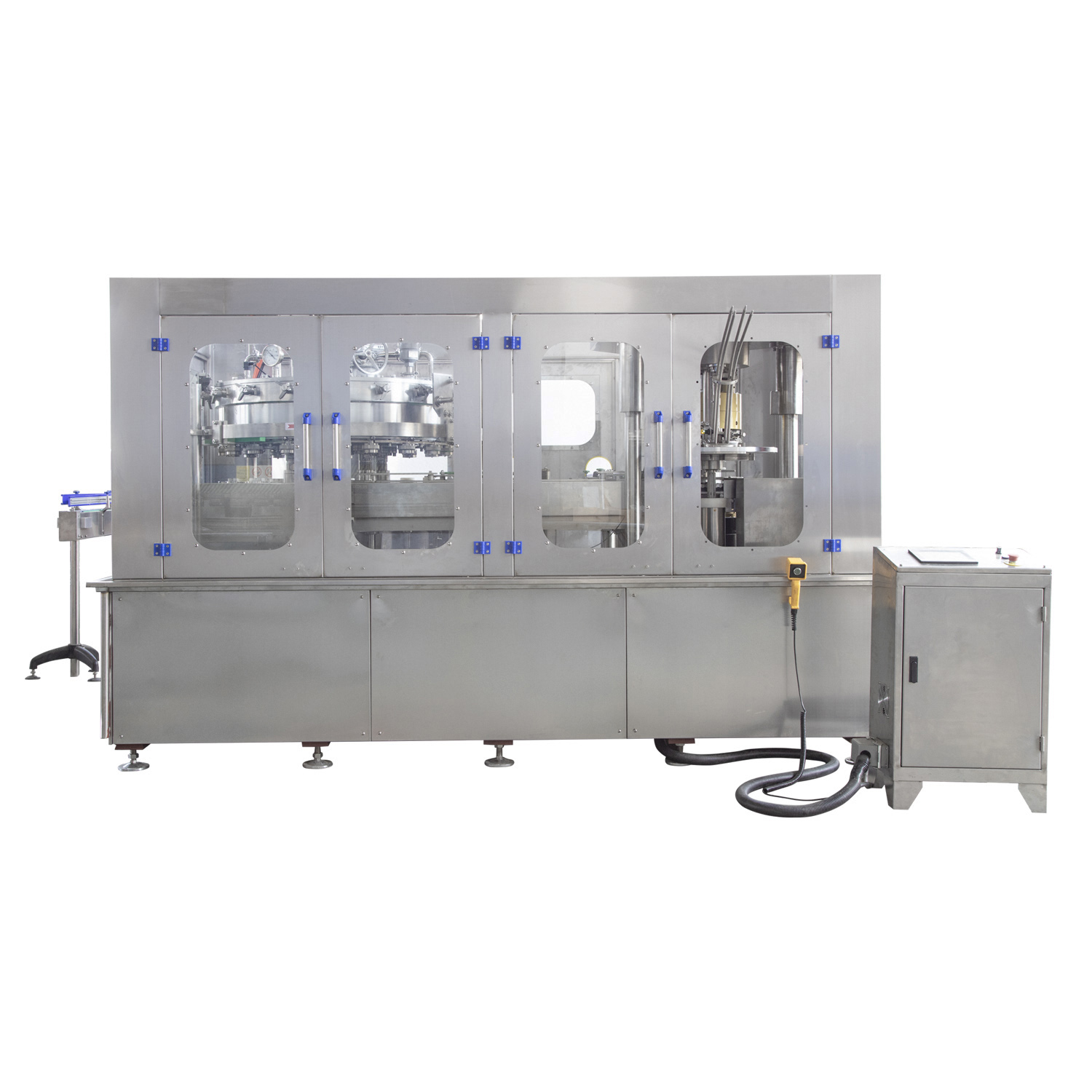
PLC High-Accuracy Metal Can Filling Line
CE-certified high-speed motor-driven metal can filler with integrated precision PLC control panel for carbonated liquid integrity.
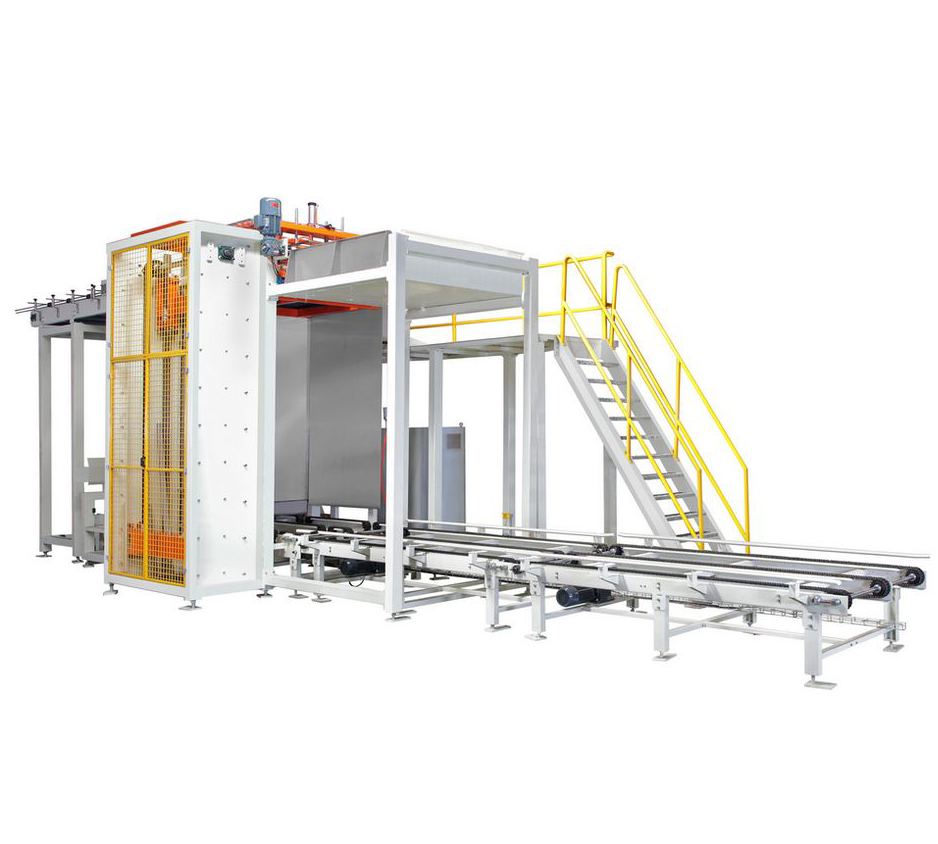
Automatic Bottle Depalletizer System 12KW
Mechanical high-tier container handling equipment supporting 220V-450V for plastic & glass beverage container line feeding.
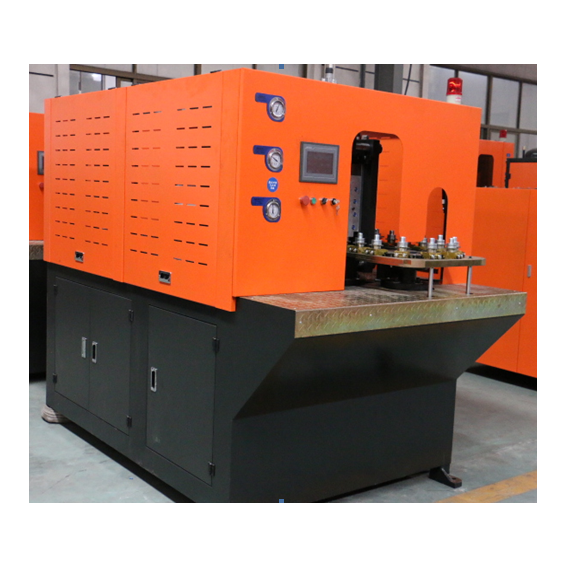
Automatic 2-Cavity PET Blow Molding Machine
High-pressure preform stretch blower for wide-mouth PET jars and liquid container molding with energy-efficient IR heating.
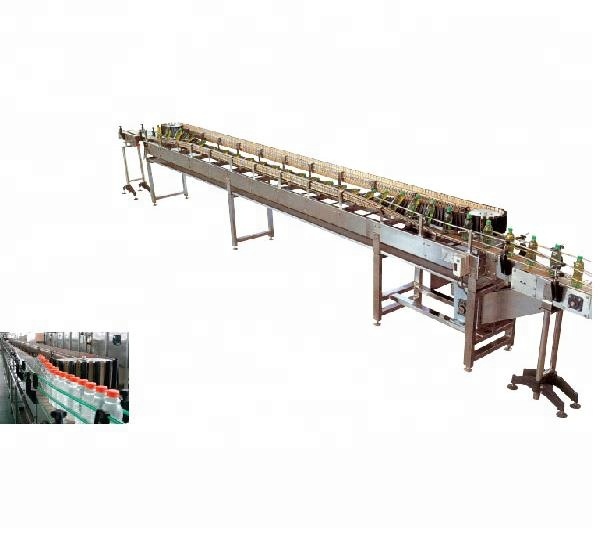
Inline Automatic Bottle Inverse Sterilizer
304 Stainless steel inline bottle neck and cap thermal sterilizer utilizing hot liquid internal contact for thermal disinfection.
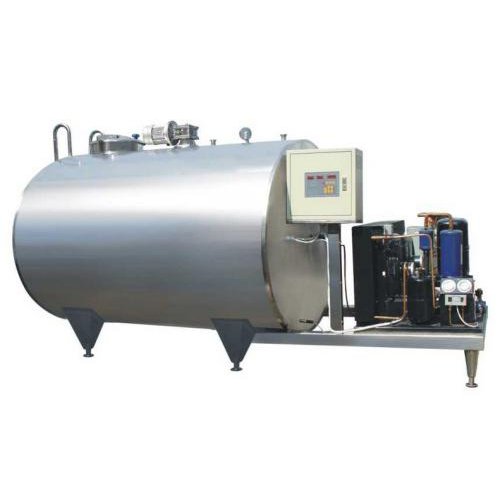
2000L Stainless Milk Refrigeration Tank
Sanitary horizontal liquid cooling storage tank featuring self-closing safety valves, integrated milk pump, and CE certification.
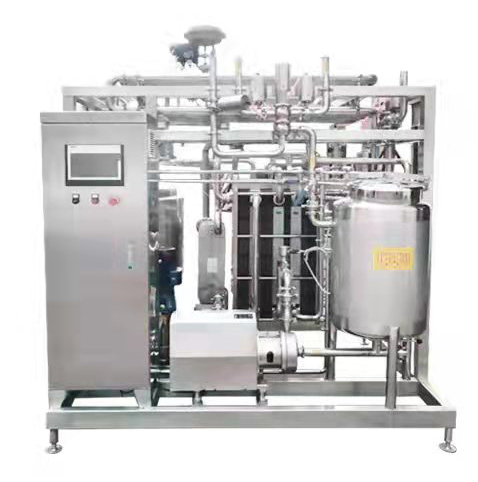
HTST-1000 Flash Plate Pasteurizer System
Energy-saving continuous flash pasteurization unit (380V 10kW) optimized for thermal preservation of fresh milk and juice.
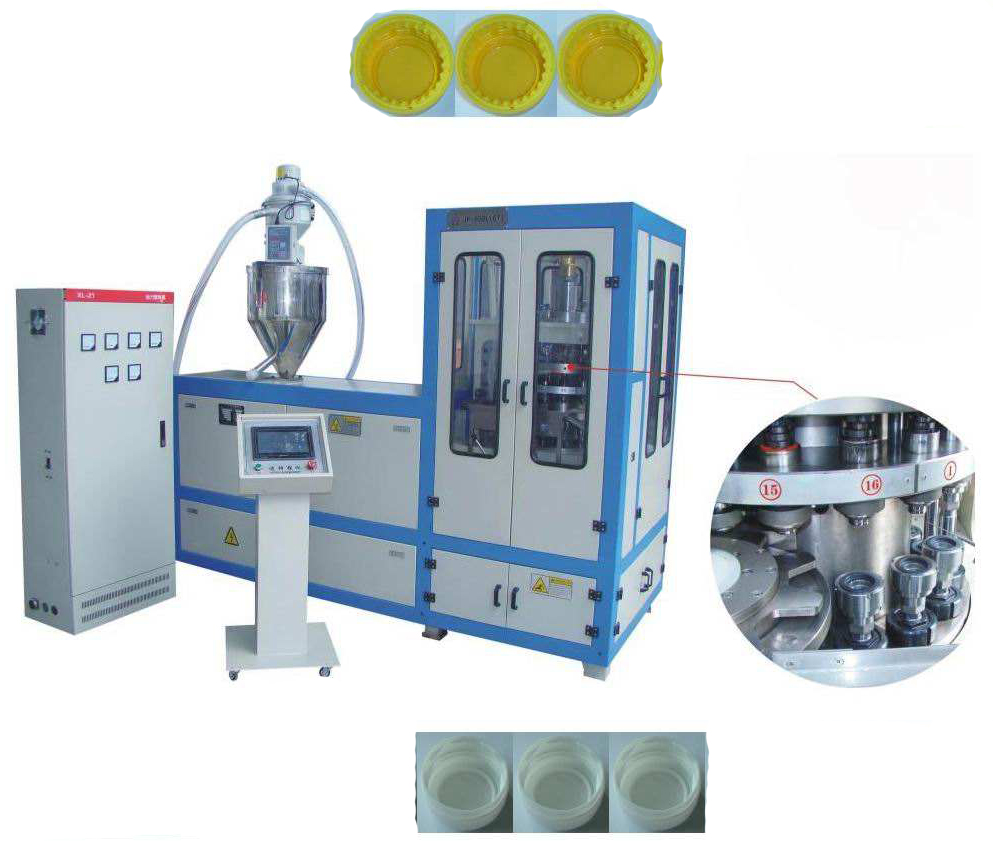
24-Cavity Cap Injection Molding Machine
Horizontal thermosetting compression bottle cap molding system engineered for high-volume PP bottle closure fabrication.
Executive Summary: Navigating Modern Industrial Liquid Packaging
In the contemporary B2B beverage and liquid food manufacturing landscape, selecting a qualified liquid filling machine factory and wholesaler goes far beyond sourcing standalone equipment. It requires an architectural understanding of fluid dynamics, volumetric accuracy, microbiological control, and total cost of ownership (TCO). As global demand for ready-to-drink (RTD) beverages, purified spring water, carbonated soft drinks (CSD), and dairy products escalates, plant managers and procurement directors must align with equipment manufacturers capable of delivering turnkey monoblock solutions that integrate blowing, rinsing, filling, capping, labeling, and end-of-line packaging.
Lofsu Packing Machinery Co., Ltd. (located in Zhangjiagang, Jiangsu, China—the world’s premier beverage packaging machinery cluster) has stood at the forefront of liquid packaging innovation since 2010. Operating a third-party audited 1,000–3,000 m² manufacturing plant, Lofsu engineers customized liquid processing lines exported to over 30 countries across North America, the Middle East, Africa, South America, and Europe. This technical whitepaper establishes key parameters for selecting industrial liquid filling lines, analyzes future procurement trends, and outlines state-of-the-art engineering practices.
1. Technical Foundations: Mechanical Architecture of Liquid Filling Systems
Industrial liquid packaging equipment is categorized primarily by the fluid physics governing the filling process. Selecting the correct filling mechanism prevents product degradation, maintains carbonation stability, and avoids oxygen pickup.
Isobaric Counter-Pressure
Utilized for CSD, beer, and sparkling beverages. The container is pressurized with CO2 to match tank pressure before fluid valve actuation, preventing foaming and loss of carbonation.
Volumetric Gravity Filling
Ideal for low-viscosity non-carbonated liquids such as mineral water and purified drinking water. Simple, hygienic mechanical valves ensure continuous high-speed bottle filling.
Hot Fill (Thermal Pasteurization)
Designed for natural juices, teas, and functional beverages. Liquids are dosed at 85°C–92°C, followed by inline bottle inversion to sterilize cap contact surfaces before cooling.
Fluid Mechanics and Oxygen Control Optimization
Modern beverage bottling demands stringent control over Total Package Oxygen (TPO). High dissolved oxygen (DO) levels cause rapid flavor oxidation and shorten shelf life. Advanced monoblock filling stations manufactured by Lofsu incorporate dual-stage vacuum degassing for beer bottle packaging, reducing air pick-up to beneath 30 ppb (parts per billion). Furthermore, contact components are crafted from food-grade SUS304 and AISI 316L stainless steel, equipped with mirror-polished internal walls (Ra < 0.4 µm) to eliminate bacterial accumulation zones.
| Application Category | Recommended Machine Type | Container Formats | Sanitation Standard | Capacity Range (BPH) |
|---|---|---|---|---|
| Purified & Mineral Water | Rinsing-Filling-Capping 3-in-1 Monoblock | PET Bottle (200ml - 2.5L) / 5-Gallon | CIP Ready / UV Disinfection | 2,000 – 24,000 BPH |
| Carbonated Soft Drinks / Soda | Isobaric Counter-Pressure Canning / Bottling | Aluminum Can / Glass / PET | Closed-Loop CIP System | 2,000 – 18,000 CPH/BPH |
| Natural Juices & Herbal Teas | Hot Filling Line with Cooling Tunnel | Heat-Resistant PET / Glass | UHT / Pasteurizer Interlock | 3,000 – 15,000 BPH |
| Craft & Industrial Beer | Low-Oxygen Isobaric Crown Capping Machine | Glass Bottle / Aluminum Can | SIP Steam Sterilizable | 2,000 – 12,000 BPH |
2. Future Procurement Trends in Liquid Packaging Machinery (2025–2030)
As sustainability mandates and labor costs redefine global manufacturing, procurement executives must evaluate equipment based on long-term technological resilience. Lofsu identifies four macro trends governing liquid packaging procurement:
- Ultra-Lean Energy Management & Heat Recovery: Heat exchange flash pasteurization (such as the HTST-1000 Flash Plate Pasteurizer) now incorporates up to 90% thermal energy recovery, drastically reducing boiler steam consumption during continuous liquid sterilization.
- Modular "Plug-and-Play" Architecture: Bottling facilities are moving away from fragmented, multi-vendor lines toward integrated monoblock solutions where blowing, filling, and capping occur on a single synchronized mechanical chassis, saving up to 40% floor space.
- Lightweight Container Handling: Ultra-thin PET bottle preforms and lightweight aluminum cans require delicate pneumatic transport, air-conveying neck gripping, and precision torque capping to prevent structural collapse during high-speed seaming.
- Universal Power Grid Compatibility: Global machinery supply chains must overcome regional voltage variances. High-grade filling lines are factory-built with multi-frequency transformers supporting 220V to 450V at 50Hz or 60Hz.
3. Industry Development & Technological Evolution
The global shift toward aseptic cold filling represents a major technological leap. Unlike traditional hot filling which requires thick, heat-resistant PET bottles, aseptic filling sterilizes the container and cap independently with H2O2 vapor or peracetic acid before filling liquid at ambient temperatures. This preserves thermal-sensitive vitamins, enhances flavor profiles, and lowers resin mass per bottle by over 25%.
Additionally, end-of-line packaging automation has evolved dramatically. The integration of continuous mechanical depalletizers, rotary hot-melt OPP labelers, and wraparound case packers ensures seamless throughput without bottlenecks at the palletizer feed.
Why Global Buyers Partner with Lofsu Packing Machinery
Selecting an OEM/ODM manufacturing partner in China requires verified credentials, engineering competence, and dependable export documentation. Lofsu provides comprehensive operational safeguards:
- Zhangjiagang Manufacturing Base: Located in China's elite machinery production cluster, ensuring access to high-grade metallurgical and electronic components.
- Factory Acceptance Testing (FAT): Every machine undergoes dynamic trial runs using customer bottle samples and product fluids prior to seaworthy wooden crate packaging.
- CE 2006/42/EC Compliance: Mechanical safety guards, emergency stop interlocks, and low-voltage control cabinets engineered to European safety directives.
- Turnkey On-Site Field Support: Overseas engineering teams dispatched for commissioning, line balancing, and factory staff operational training.
4. Comprehensive B2B Purchaser FAQ
To assist procurement managers, system integrators, and plant engineers in evaluating liquid packaging machinery, we have compiled authoritative answers to frequent technical inquiries.
What production capacities do Lofsu bottling lines cover?
Standard monoblock lines start at about 2,000 bottles per hour (for example the CGF8-8-3 PET water line with 8 filling nozzles) and reach around 4,000 bottles per hour on 24-nozzle beer bottle lines. Larger rotary configurations are engineered on request after reviewing container size, product rheology, and site layout.
Which beverages and containers can your machines handle?
Our filling equipment handles mineral and purified water, 5-gallon drinking water, juice and tea (hot filling), carbonated soft drinks, beer, vinegar, edible oil, and wine. Compatible container types include PET bottles, glass bottles, HDPE containers, and aluminum or tin cans.
Can machines be built for my local power supply?
Yes. While our standard baseline power specification is 380V three-phase, machines are routinely configured for 220V to 450V at 50Hz or 60Hz according to the destination country's electrical grid requirements, utilizing premium electrical components (Schneider, Siemens, Mitsubishi).
Do you provide installation and operator training?
Yes. Our dedicated installation and engineering training teams commission the turnkey line on site at your facility, execute line balancing, train local operators and maintenance personnel, and supply comprehensive English technical manuals alongside recommended spare parts lists.
How is machine quality verified before shipment?
Every machine undergoes a rigorous Factory Acceptance Test (FAT) with the buyer's bottle and cap samples. Finished-product inspection videos and operational test documentation are provided prior to dispatch. Furthermore, our manufacturing facility has been audited onsite by independent third-party inspection firms.
Which trade terms and payment methods do you accept?
We accommodate standard global commercial terms including FOB, CFR, CIF, EXW, DDP, and DDU delivery terms. Transaction settlements can be executed in USD, EUR, or CNY via Telegraphic Transfer (T/T) or Letter of Credit (L/C).
5. Turnkey Plant Engineering & System Integration
Successful liquid packaging requires seamless synchronization between upstream syrup preparation/water treatment systems and downstream cartoning machinery. A bottleneck at the labeling station or an inconsistent flow from the pasteurizer can halt an entire factory floor, resulting in costly downtime.
By specifying a complete line from Lofsu, beverage manufacturers ensure that line speeds are mathematically balanced across every node: Air Conveyors → 3-in-1 Monoblock Filler → Bottle Inverter → Spray Cooling Tunnel → Automatic OPP Labeler → Shrink Wrapper → Palletizer. All units share unified Siemens/Mitsubishi PLC logic and intuitive touchscreen HMIs, allowing operators to adjust line output with a single master speed controller.