Featured Rotary Bottling & Packaging Machinery
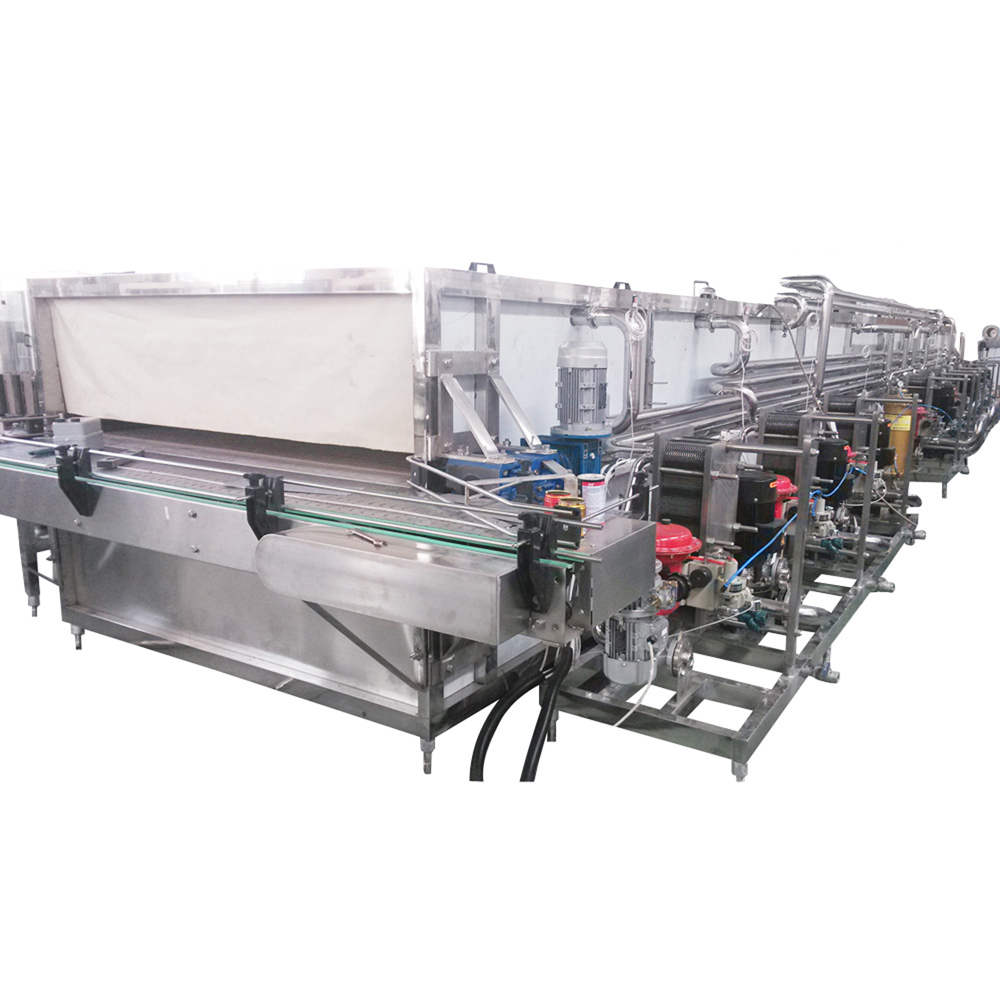
Explore top-performing rotary filling monoblocks, high-speed sterilizers, pasteurizers, and turnkey liquid packaging equipment engineered for high throughput and precision filling.


Industrial White Paper: Rotary Bottle Filling Technology & Kinematic Superiority
A technical evaluation framework for beverage plant directors, packaging engineers, and global procurement specialists.
1. Continuous Rotary Dynamics vs. Intermittent Inline Systems
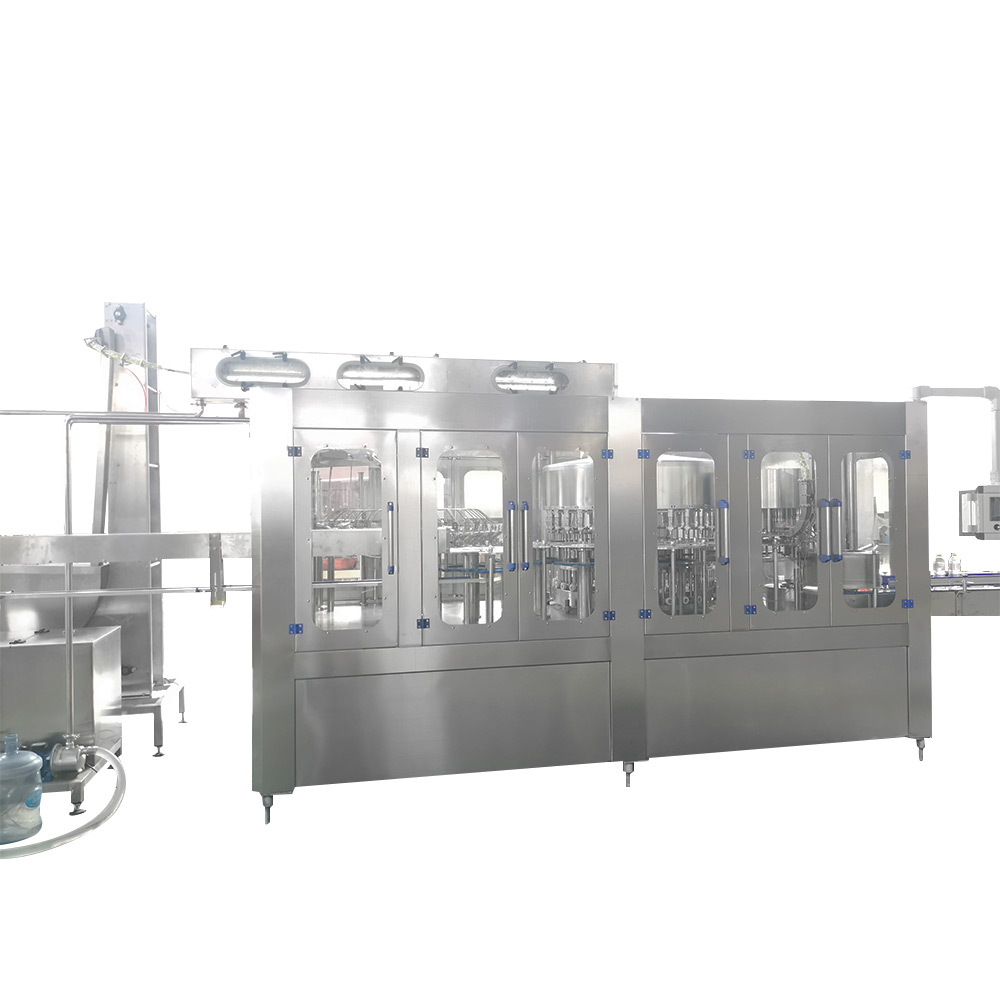
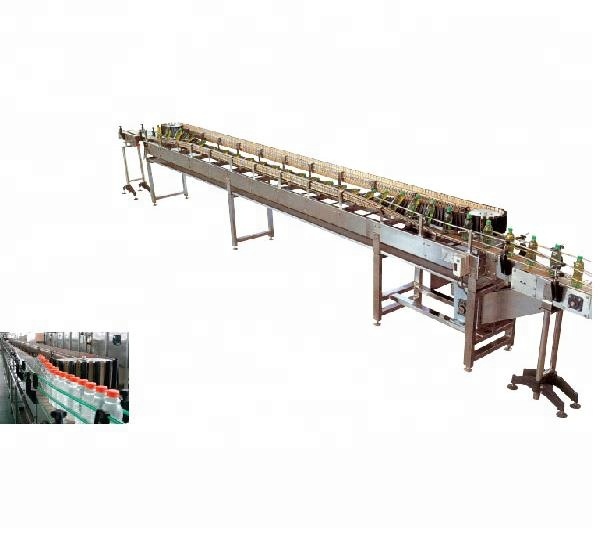
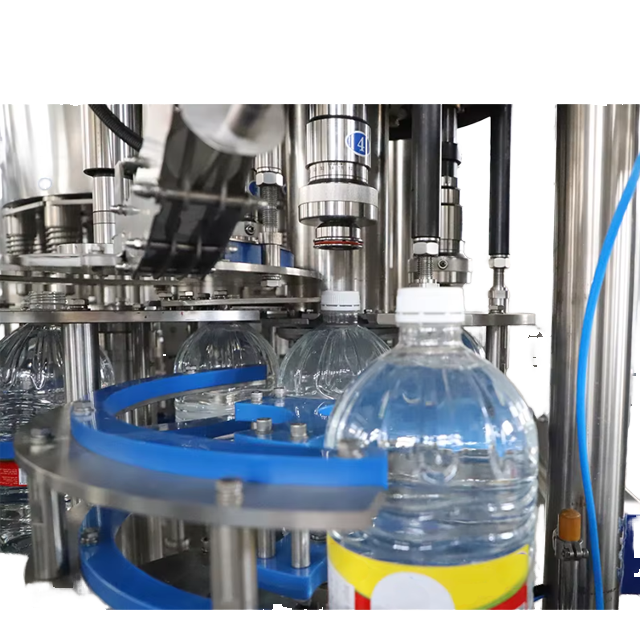
In high-throughput liquid packaging operations, selecting between rotary bottle fillers and inline filling machines represents a foundational engineering decision that dictates long-term Operational Overall Equipment Effectiveness (OEE). While inline systems utilize intermittent linear motion—stopping containers under static nozzles—rotary bottle fillers execute continuous movement. Bottles enter a central pitch circle via synchronized infeed starwheels, travel smoothly along a circular carousel during the rinsing, filling, and capping cycles, and exit through outfeed starwheels without momentum interruption.
The primary mechanical advantage of rotary filling lies in fluid dynamics. Intermittent start-stop motion in linear fillers causes liquid sloshing, leading to fill-height inconsistencies, neck strain on lightweight PET containers, and excessive foam creation in carbonated soft drinks (CSD) or hot-filled fruit juices. Conversely, continuous rotary filling maintains uniform centrifugal forces and zero relative motion between the nozzle and the container neck during liquid transfer. This allows for filling speeds exceeding 24,000 to 48,000 bottles per hour (BPH) while maintaining volumetric accuracies as strict as ±0.5 mm or ±0.2% mass variation.
Technical Comparison Matrix: Rotary vs. Inline Filling Architecture
| Engineering Metric | Rotary Filling Monoblocks | Linear / Inline Fillers | Impact on Industrial Sourcing |
|---|---|---|---|
| Throughput Capability | 2,000 to 48,000+ BPH | 500 to 4,000 BPH max | Rotary provides superior scalability for medium-to-large bottling operations. |
| Filling Mechanics | Continuous pitch rotation, synchronized starwheels | Intermittent pneumatic stop-gates | Rotary prevents container tipping, liquid sloshing, and mechanical stress. |
| Filling Accuracy | ±0.5mm level or ±0.1% volumetric flowmeter | ±2.0mm gravity / timed flow | Minimizes product giveaway over high-volume annual production runs. |
| Integration Format | 3-in-1 Monoblock (Rinsing-Filling-Capping) | Modular stand-alone units connected via conveyor | Rotary monoblocks reduce floor space by up to 45% and eliminate cross-contamination. |
| Sanitation & CIP/SIP | Automated closed-loop CIP with dummy cups | Open drip-tray manual washing | Rotary designs support EHEDG/3-A sanitary guidelines for aseptic filling. |
2. Core Valve Technologies in Modern Rotary Bottle Fillers
The core of any rotary bottle filler lies in its filling valve architecture. Depending on the product viscosity, carbonation pressure, and shelf-life requirements, suppliers utilize distinct mechanical configurations:
- Isobaric (Counter-Pressure) Rotary Valves: Designed for carbonated soft drinks, beer, and sparkling beverages. The container is sealed against the valve gasket, pressurized with CO2 to match tank equilibrium pressure, filled via gravity while displaced gas exhausts, and then subject to controlled snifting (pressure release) to avoid foaming.
- Contactless Electro-Magnetic Flowmeter (EMF) Valves: Employing inductive or mass flowmeters (such as Endress+Hauser or Krohne units), liquid flow is calculated electronically without the valve nozzle contacting the bottle mouth. This eliminates cross-contamination risks and reduces cleaning cycles in dairy and juice plants.
- Hot-Filling Thermal Recirculation Valves: Built for juices, teas, and functional beverages filled at 85°C–90°C. These valves maintain continuous fluid circulation between the bowl and heat exchanger when no bottles are present, ensuring every container receives liquid within strict pasteurization temperature windows.
- Gravity & Negative Pressure Valves: Standardized for still mineral water, wine, and spirits, offering simplified maintenance and high mechanical reliability without complex pneumatics.
Future Procurement Trends in Rotary Bottle Filling (2025–2035)
Strategic market shifts, technological advancements, and sustainable packaging drivers reshaping global B2B procurement decisions for beverage manufacturing lines.
Container Lightweighting & Neck-Handling Sourcing
Global beverage manufacturers are aggressively reducing PET preform weights to lower plastic consumption and carbon taxes. Sourcing focus has shifted toward rotary fillers featuring ultra-precise neck-handling grippers rather than base-supporting pedestals, preventing container buckling under vertical loads down to 9g preform weights.
Smart Industry 4.0 Integration & IO-Link Diagnostics
Procurement teams now mandate rotary fillers equipped with IO-Link sensor networks, Siemens S7-1500 PLC platforms, and integrated vibration/temperature sensors on main carousel bearings. Predictive maintenance algorithms detect wear on starwheel gears and filling valve seals prior to catastrophic line shutdowns.
Hybrid Multi-Beverage Line Flexibility
Co-packers and regional drink suppliers are prioritizing dual-mode rotary fillers capable of switching between still water gravity filling and carbonated drink isobaric filling on a single carousel, backed by servo-driven height adjustments and toolless starwheel changeovers.
Energy, Water & CO2 Conservation Benchmarks
With rising energy costs, future rotary filler specifications require closed-loop exhaust gas recovery for isobaric systems, reducing CO2 purging losses by up to 30%, alongside recirculating final-rinse water systems for PET bottle washing stages.
Why Partnering with Top Verified Machinery Exporters Matters
Sourcing rotary bottle filling machinery requires verifying the supplier’s engineering credentials, manufacturing infrastructure, and international compliance record. Situated in Zhangjiagang, Jiangsu—China’s premier beverage packaging machinery cluster—Lofsu Packing Machinery Co., Ltd. has established itself as an audited manufacturer and global exporter since 2010.
Lofsu offers complete turnkey bottling and packaging solutions tailored to local power grids (220V–450V, 50Hz/60Hz), product viscosities, and specific container geometries (PET, glass, aluminum cans). Every rotary monoblock undergoes rigorous Factory Acceptance Testing (FAT) with actual buyer container samples prior to export delivery.
Procurement & Technical FAQ for Beverage Machinery Buyers
Essential questions answered by lead mechanical engineers and export specialists to simplify your purchasing decision.
What production capacities do standard rotary bottle filler monoblocks cover?
Standard rotary monoblocks start at 2,000 bottles per hour (BPH) for compact configurations (such as 8-filling-nozzle CGF series units for small packaging lines) and scale up to 24,000–48,000 BPH on high-speed 32 to 72-head rotary carousels. Equipment selection depends on container size (200ml to 5L), beverage viscosity, and factory layout constraints.
What is the difference between Isobaric Counter-Pressure and Normal Gravity Rotary Fillers?
Isobaric (counter-pressure) fillers are specifically engineered for carbonated beverages (soda water, energy drinks, sparkling wines, beer). They pressurize the bottle with CO2 prior to opening the liquid valve to keep gas dissolved in solution. Normal gravity or negative-pressure fillers are used for non-carbonated liquids like purified mineral water, edible oils, or vinegar, relying on fluid weight or subtle vacuum assistance.
Can rotary bottle filling machines be configured for local overseas electrical standards?
Yes. While standard industrial power in China is 380V/50Hz 3-Phase, export machinery is custom-built with electrical transformers, VFDs (Variable Frequency Drives), and motors rated for 220V, 400V, 415V, or 440V at 50Hz or 60Hz depending on the destination country (e.g., North America, South America, Saudi Arabia, Philippines).
How does clean-in-place (CIP) work on automated rotary beverage fillers?
Modern rotary fillers feature automated CIP manifolds equipped with pneumatic dummy cups. During cleaning mode, dummy cups seal over the filling nozzles, establishing a closed-loop recirculation circuit. Hot caustic soda, acid, and purified water wash through liquid supply tanks, valves, and return piping to guarantee 100% microbiological cleanliness without disassembling filling heads.
What quality verification and FAT (Factory Acceptance Test) steps are conducted prior to shipment?
Before dispatch, the machine is assembled in our workshop, wired to specification, and run under load using actual customer bottle preforms and cap samples. We test fill accuracy, capping torque, starwheel timing, and PLC error-handling routines. Full HD test videos and inspection reports are transmitted to the buyer for formal approval before seaworthy wooden crate packing.
What international delivery terms and commercial trade conditions are supported?
We support standard Incoterms including FOB (Free on Board), CFR (Cost and Freight), CIF (Cost, Insurance, Freight), EXW (Ex Works), DDP (Delivered Duty Paid), and DDU. Payments are accepted via T/T (Telegraphic Transfer) or irrevocable L/C (Letter of Credit) at sight in USD, EUR, or CNY.
Ready to Upgrade Your Beverage Bottling & Packaging Line?
Connect with senior machinery engineers to receive customized CAD plant layouts, technical rotary filler specifications, and comprehensive line quotes within 24 hours.