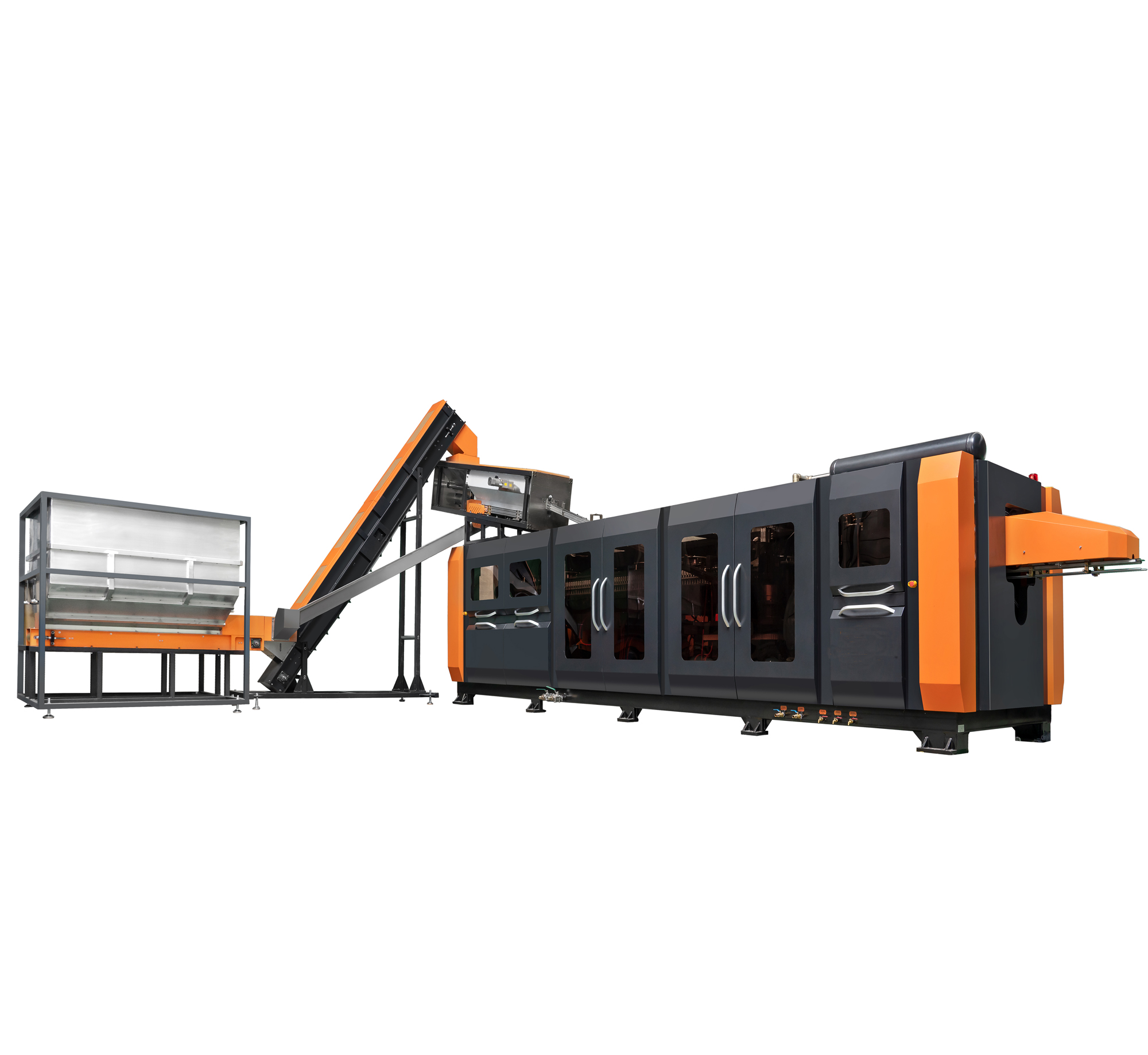
Global Manufacturing Excellence
Engineering Standards for High-Yield Water Bottling Infrastructure
Navigating the global procurement landscape for commercial water bottling equipment requires evaluating technical precision, hygienic design, compliance, and total cost of ownership (TCO). This comprehensive whitepaper outlines the essential mechanical specifications, future technological shifts, and turnkey integration capabilities driving today's market leaders.
15+
Years Engineering Expertise
30+
Global Export Markets
99.4%
Operational Efficiency (OEE)
CE 2006/42
Certified Machine Standards
Modern beverage production demands flawless synchronization between water treatment units, stretch blow molding systems, liquid filling monoblocks, and end-of-line packaging automation. Top-tier manufacturers like Lofsu Packing Machinery Co., Ltd. (established in 2010 in Zhangjiagang, Jiangsu, China) lead the industry by standardizing food-grade SUS304/SUS316 contact surfaces, integrating Omron/Siemens PLC logic, and engineering flexible power grid adaptations (220V–450V at 50/60Hz) for international commercial plants.
Technical Insight for Buyers: Bottling line efficiency relies heavily on reducing dissolved oxygen pick-up during filling and maintaining laminar liquid flow. Equipment manufactured under rigorous Factory Acceptance Testing (FAT) drastically lowers site installation time by over 40%.
Turnkey Machine Portfolio
Recommended Bottling & Liquid Packaging Equipment
Explore certified, high-performance machinery engineered for mineral water, carbonated soft drinks (CSD), wine, edible oil, and large-format 5L containers.
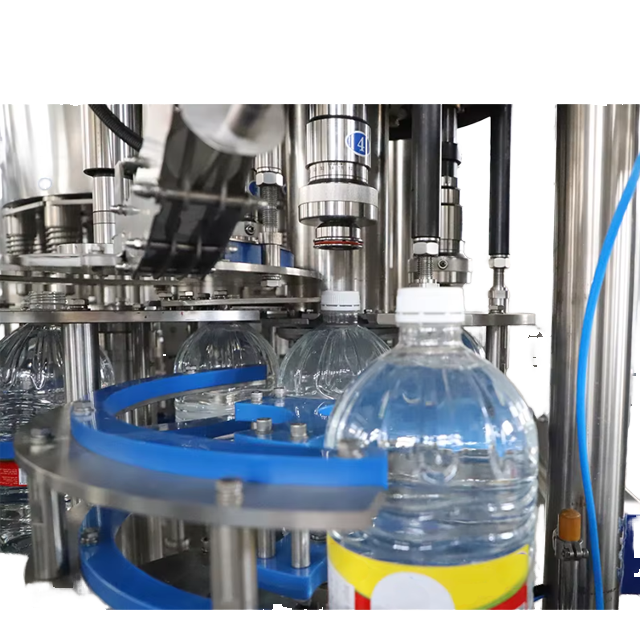
Automatic 5L Water Filling Machine PET Bottle Bottling Equipment for Beverage Packaging
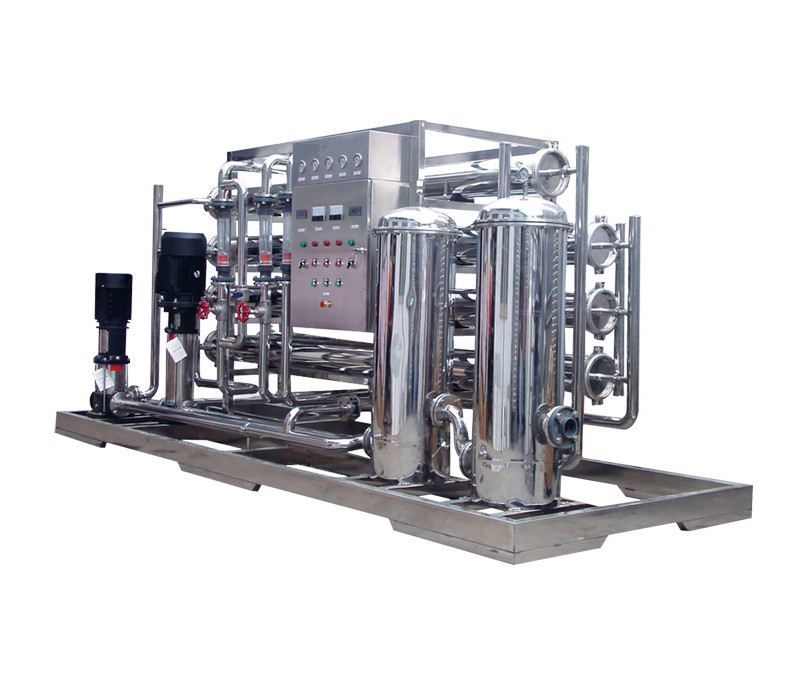
Mars Reverse Osmosis Water Treatment System 3000L/Hour 800W 380V Pump Water Purification Equipment
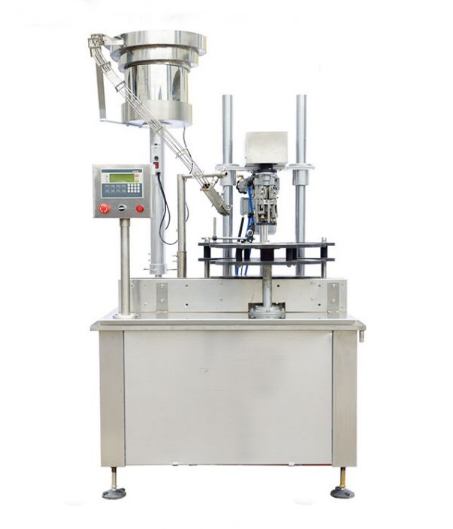
Automatic Single Head Wine Bottle Screw Capping Machine Electric 220V Stainless Steel 304 Glass Plastic Bottles
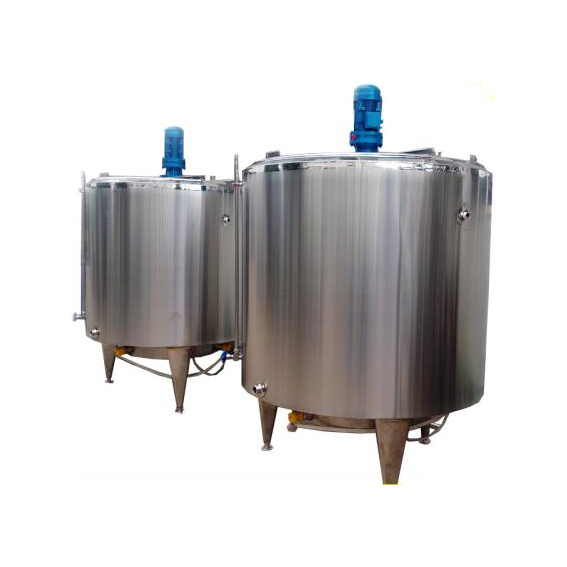
1000L Double Jacket Stainless Steel Liquid Mixing Tank Steam Electric Heating Agitator Blending Equipment Food Processing
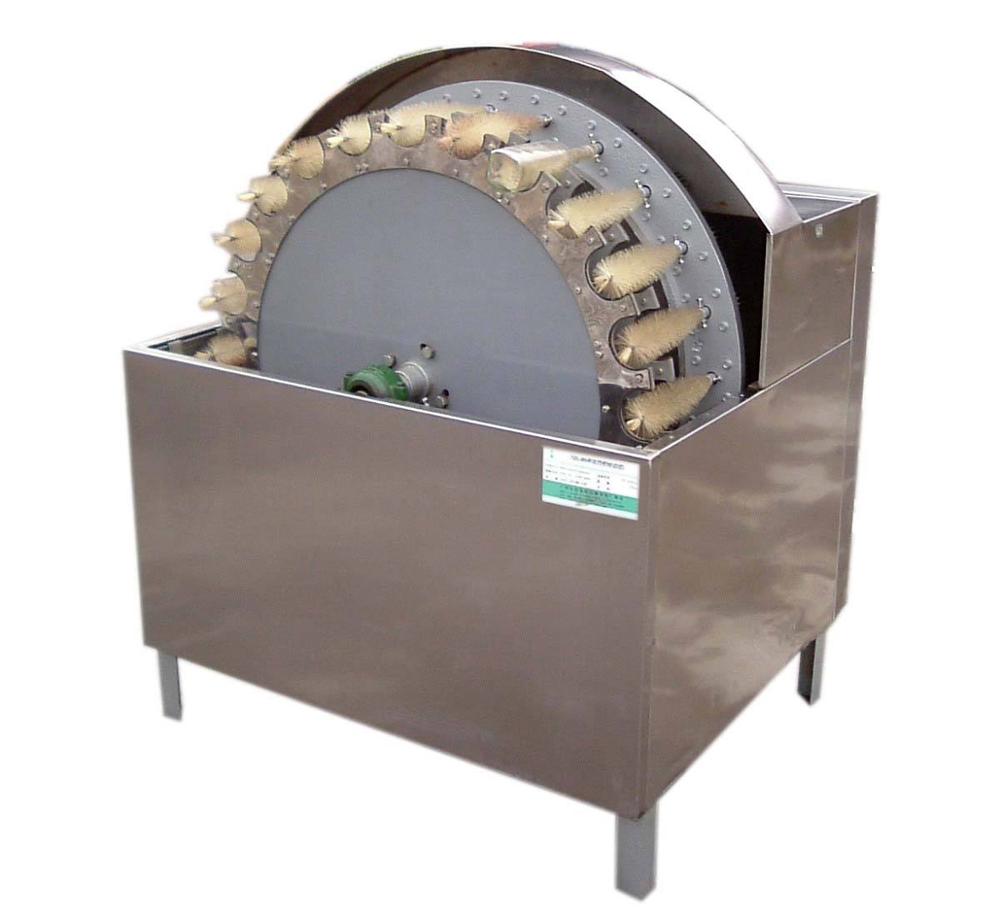
XP-24 Automatic Glass Wine Bottle Washer 380V 1.5KW Bottle Cleaning Machine
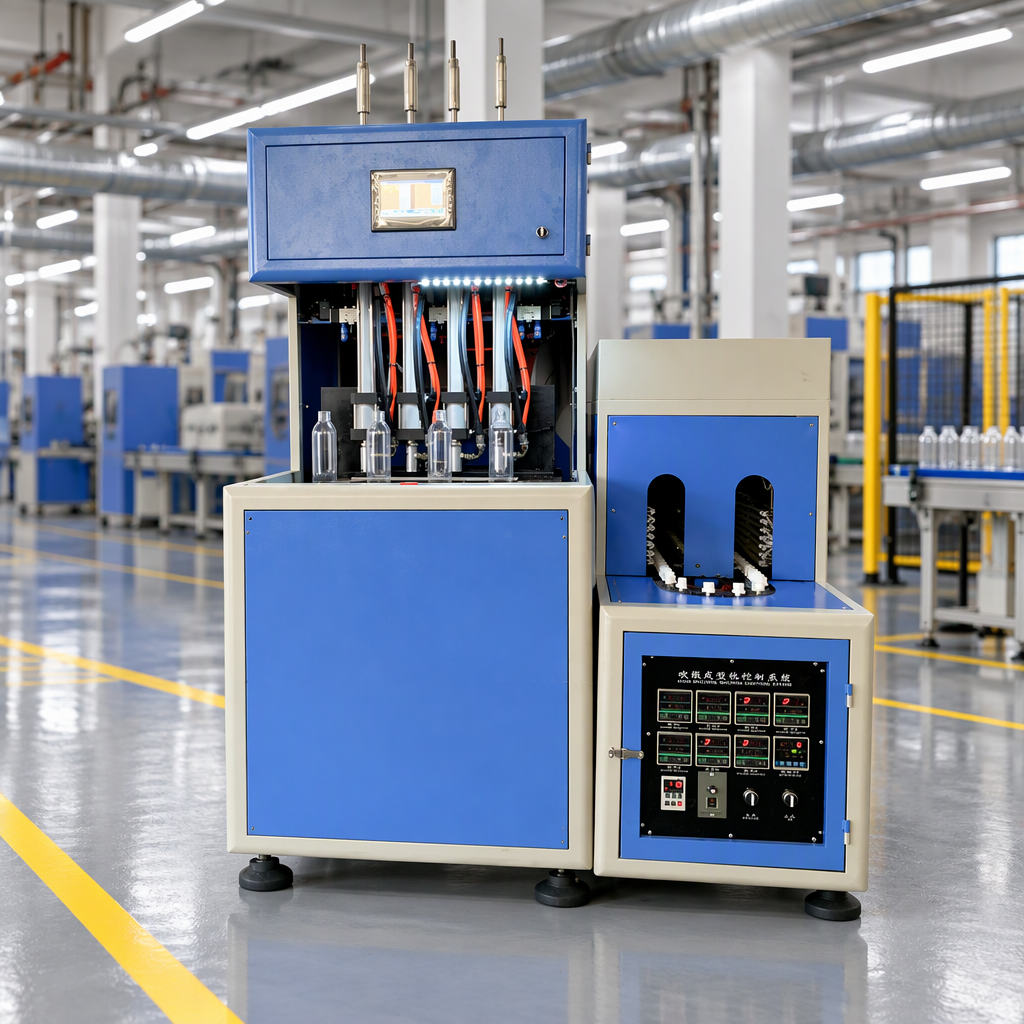
Semi Automatic 4 Cavity PET Bottle Blow Molding Machine 380V 30kW High Accuracy Production Equipment
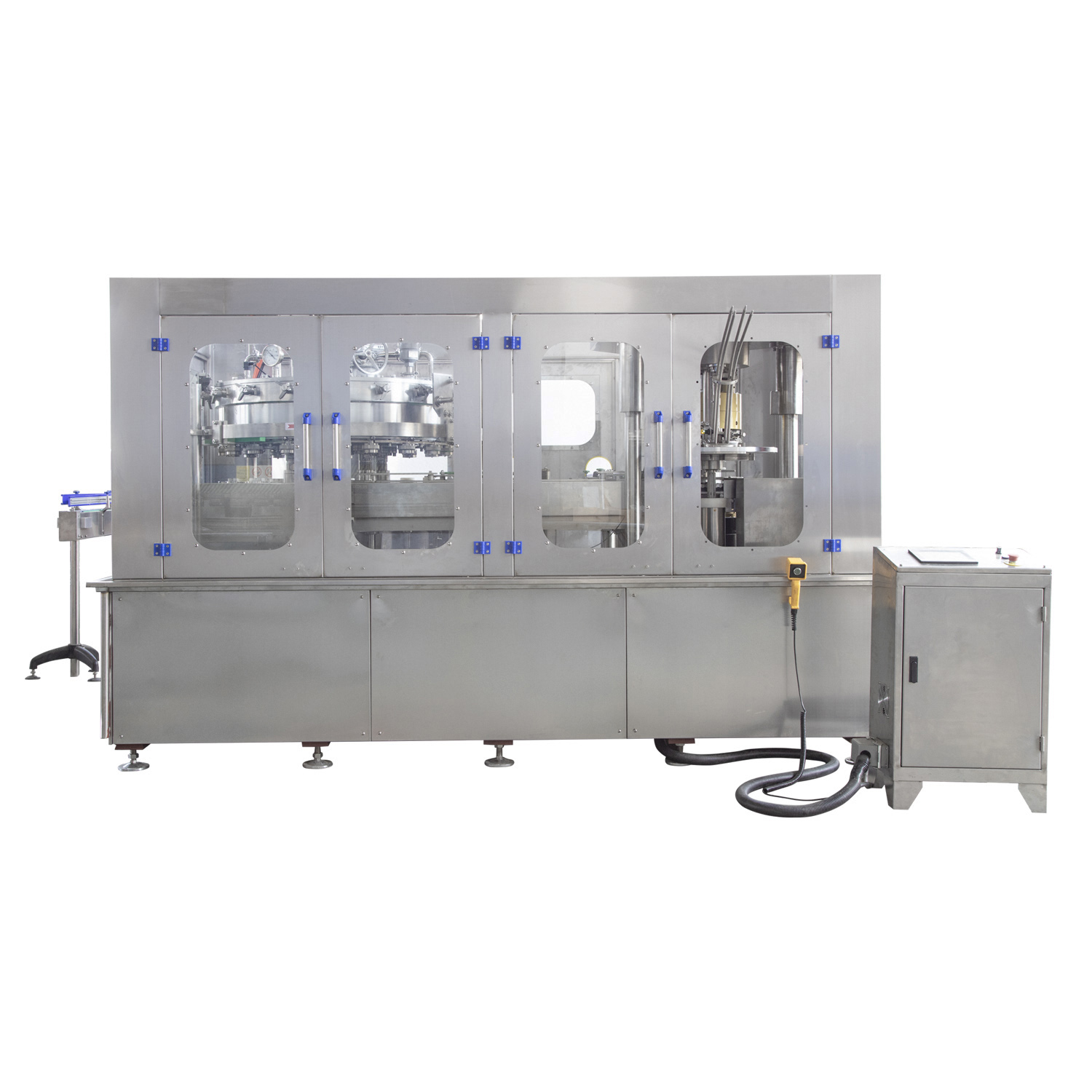
Automatic Electric PLC-Controlled High-Accuracy Metal Can Filling Machine with Motor for Carbonated Soft Drinks (CE Certified)
Turnkey Engineering Guide
Anatomy of an Automated Bottling Production Plant
A high-yield water bottling facility requires modular integration across raw water processing, container forming, volumetric filling, and end-of-line packaging.
1. Water Purification & Treatment
Raw water from municipal or underground spring sources undergoes multi-stage filtration to guarantee chemical and biological safety compliance with IBWA/WHO standards.
- Quartz Sand & Activated Carbon pre-filtration.
- Industrial Reverse Osmosis (RO) membranes (up to 3,000L/H–50,000L/H).
- Ozone generator + UV sterilizer dual disinfection loops.
- Conductivity and total dissolved solids (TDS) online monitoring.
2. Stretch Blow Molding (SBM)
High-speed automatic PET stretch blowers transform preforms into structurally stable containers optimized for weight and pressure resistance.
- Precision infrared heating lamps with independent zone control.
- Servo-driven stretch rods delivering outputs up to 16,000 BPH.
- Energy recovery valves reducing high-pressure air usage by 25%.
- Omron/Siemens PLC logic for swift mold changeovers.
3. Monoblock Rinsing-Filling-Capping
The core of the line integrates neck-handling technology, preventing container deformation while ensuring ultra-clean filling environments.
- 3-in-1 rotary monoblock configurations for still or carbonated liquids.
- Sanitary magnetic capping heads preventing cap damage and overtightening.
- CIP (Clean-in-Place) automatic washing circuits.
- Non-contact electronic filling valves for zero cross-contamination.
4. Downstream Labeling & Packaging
Transform filled bottles into shelf-ready retail inventory with automated high-speed sleeve, hot-melt OPP, or cold-glue labeling systems.
- Rotary hot-melt glue OPP labeling machines up to 24 heads.
- Automatic film shrink wrappers and heat tunnels for multipacks.
- Wraparound case packers with hot-melt glue sealing mechanisms.
- Robotic palletizers and automatic stretch wrappers.
Industry Outlook
Procurement & Technology Trends in Water Bottling (2025–2030)
Plant operators and investors must align capital expenditures with emerging environmental mandates, energy costs, and digital automation standards.
01
rPET & Lightweight Preform Compatibility
Regulatory shifts toward circular economies require blowing and filling machines to handle up to 100% recycled PET (rPET) and ultra-lightweight bottle neck finishes without compromising structural integrity or sealing security.
02
Smart Telemetry & Industry 4.0 IoT Integration
Leading suppliers now embed real-time sensor arrays for vibration tracking, thermal control, and predictive maintenance. PLC modules with remote cloud diagnostics allow technicians to optimize OEE globally without travel delays.
03
Aseptic & Ultra-Clean Cold Filling
To eliminate chemical preservatives in flavored water and functional drinks, aseptic cold filling technology is migrating from high-tier beverage giants to mid-scale plant setups via modular isolator hoods.
04
Multi-Liquid Line Flexibility
Modern buyers demand equipment capable of rapid recipe changeovers—switching from still mineral water to carbonated soft drinks or large 5L gallon bottles within minimal downtime through quick-change starwheels.
05
Energy Efficiency & Air Recovery
With energy prices fluctuating globally, bottle blowing systems utilizing secondary air recovery capture high-pressure exhaust (30–40 bar) and recycle it into plant pneumatic systems (7–10 bar), cutting total power overheads dramatically.
06
Tethered Cap Compliance
Compliance mandates across Europe and North America require bottle caps to remain attached to containers post-opening. Machinery lines are being retrofitted with specialized orienting and capping chucks to support tethered cap designs.
Manufacturer Qualifications
Why Direct Global Buyers Choose Lofsu Packing Machinery
Backed by over 15 years of factory operations in Zhangjiagang—China's primary hub for liquid packaging technology—Lofsu delivers direct manufacturing advantages with audited compliance.
Factory Rigor & Quality Control
Lofsu operates a verified production floor spanning up to 3,000 square meters. Every machine undergoes stringent raw material inspections, continuous welds testing, and pre-shipment Factory Acceptance Testing (FAT) using real buyer bottle samples.
- On-site audited facilities by independent inspection companies.
- Certified under European Machinery Directive CE 2006/42/EC.
- Full traceability of electronic and pneumatic components (Omron, Schneider, Airtac).
End-to-End International Support
Shipping liquid lines across 30+ countries requires robust logistical and technical backing. Lofsu engineers provide complete CAD plant layout designs, custom electrical adaptations, seaworthy packaging, and on-site overseas installation.
- Multilingual technical assistance and remote video diagnostics.
- Turnkey delivery terms: FOB, CFR, CIF, EXW, DDP, and DDU.
- Comprehensive spare parts kit included with line dispatches.
Procurement Knowledge Base
Frequently Asked Questions (FAQ) for Plant Buyers
Get immediate technical clarity regarding production capacities, container compatibility, power supplies, and pre-shipment inspections.
What production capacities do Lofsu bottling lines cover? +
Standard monoblock lines start at approximately 2,000 bottles per hour (BPH) for small-scale plants (e.g., the CGF8-8-3 PET water line featuring 8 filling nozzles). Medium to high-speed lines reach up to 16,000 BPH for PET water bottles and 4,000 BPH for 24-nozzle glass beer lines. Custom high-capacity rotary plants are engineered to order based on container size and facility constraints.
Which liquid beverages and container formats can be processed? +
Lofsu machinery handles purified spring water, mineral water, 5-gallon water drums, hot-fill fruit juices and teas, carbonated soft drinks (CSD), craft beer, wine, vinegar, and edible oils. Supported containers include standard PET plastic bottles, glass bottles with crown or screw caps, and aluminum or tin metal cans.
Can the machines be configured for custom electrical power grids? +
Yes. While standard factory configuration operates on 380V 3-phase 50Hz, all electrical panels, motors, and PLC units can be customized to match local destination power standards from 220V to 450V, at either 50Hz or 60Hz.
Do you provide field installation, commissioning, and staff training? +
Yes. Experienced mechanical and electrical commissioning engineers can be dispatched to your facility to oversee line assembly, perform fine-tuning, execute dry/wet trial runs, and train your plant operators on routine maintenance and safety protocols.
How is machine quality verified prior to factory dispatch? +
Every machine unit undergoes a Factory Acceptance Test (FAT) running sample preforms, bottles, and caps provided by the buyer. Video documentation, dimensional accuracy checks, and hydraulic pressure testing are conducted prior to final seaworthy wooden crate packaging.
Which international trade and payment terms are accepted? +
We support flexible global trade arrangements including FOB, CFR, CIF, EXW, DDP, and DDU. Settlements can be executed via Wire Transfer (T/T) or Irrevocable Letter of Credit (L/C) in USD, EUR, or CNY.