Automated Bottling, Canning & Packaging Systems
Explore our high-precision liquid packaging machinery engineered for craft beer, mineral water, carbonated soft drinks, and hygienic pasteurization.
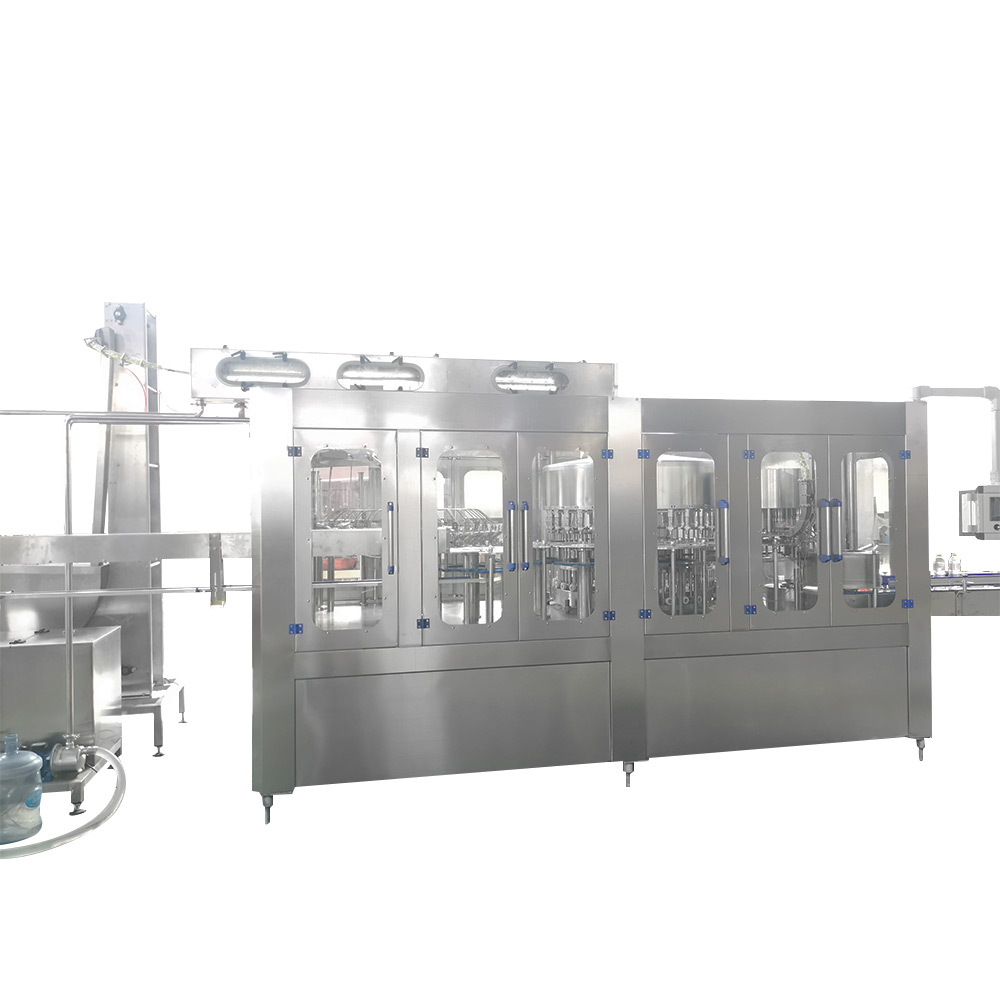
A to Z Complete Full Automatic PET Bottle Filling Machine for Pure Mineral Water Production Line
View Equipment Details
Semi Automatic Rotary Bottle Washing Machine High Pressure Rinser for Glass and PET Bottles
View Equipment Details
Electric Automatic Linear Vacuum Twist Capper Machine Stainless Steel 304 2-Year Warranty
View Equipment Details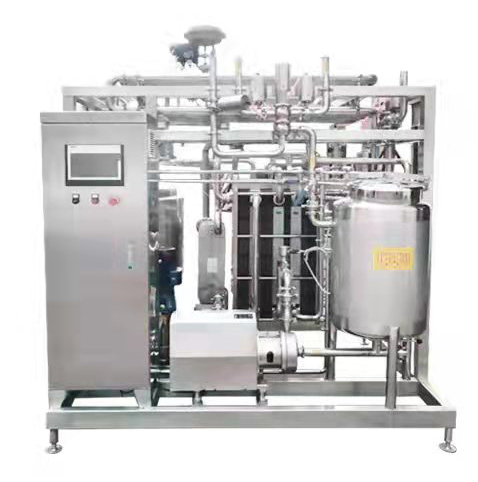
HTST-1000 Flash Plate Pasteurizer 380V 10kW Milk Juice Sterilizer Energy Saving Equipment
View Equipment Details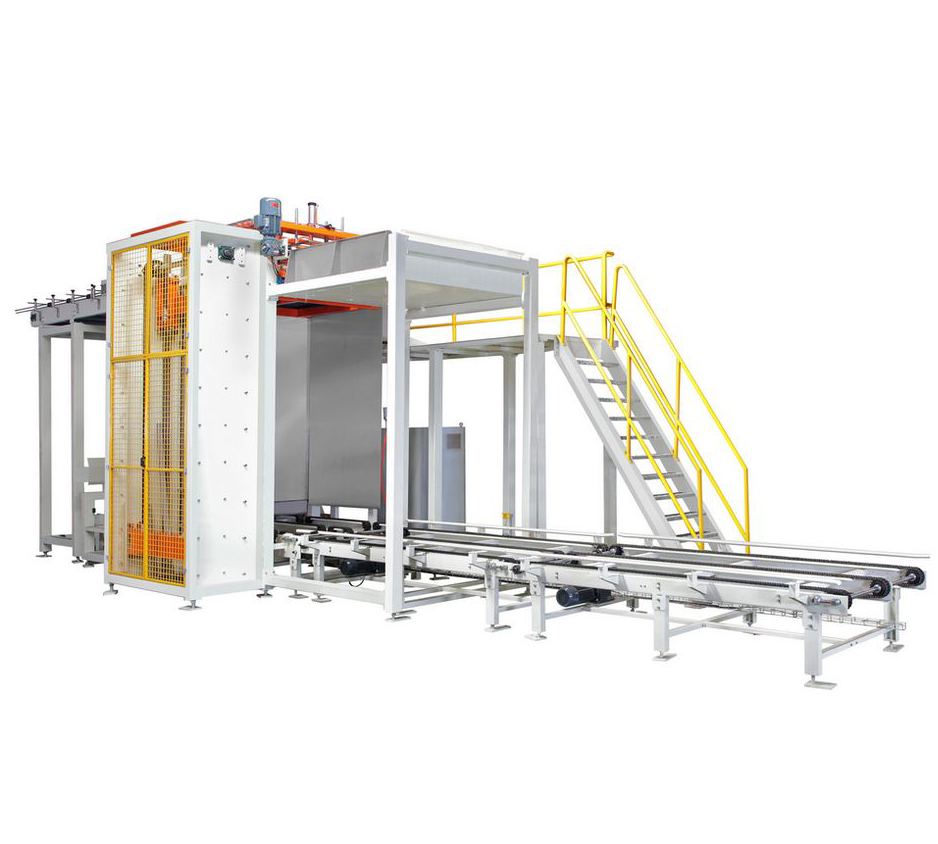
Automatic Bottle Depalletizer Mechanical Packaging Equipment 12KW 220-450V Container System
View Equipment Details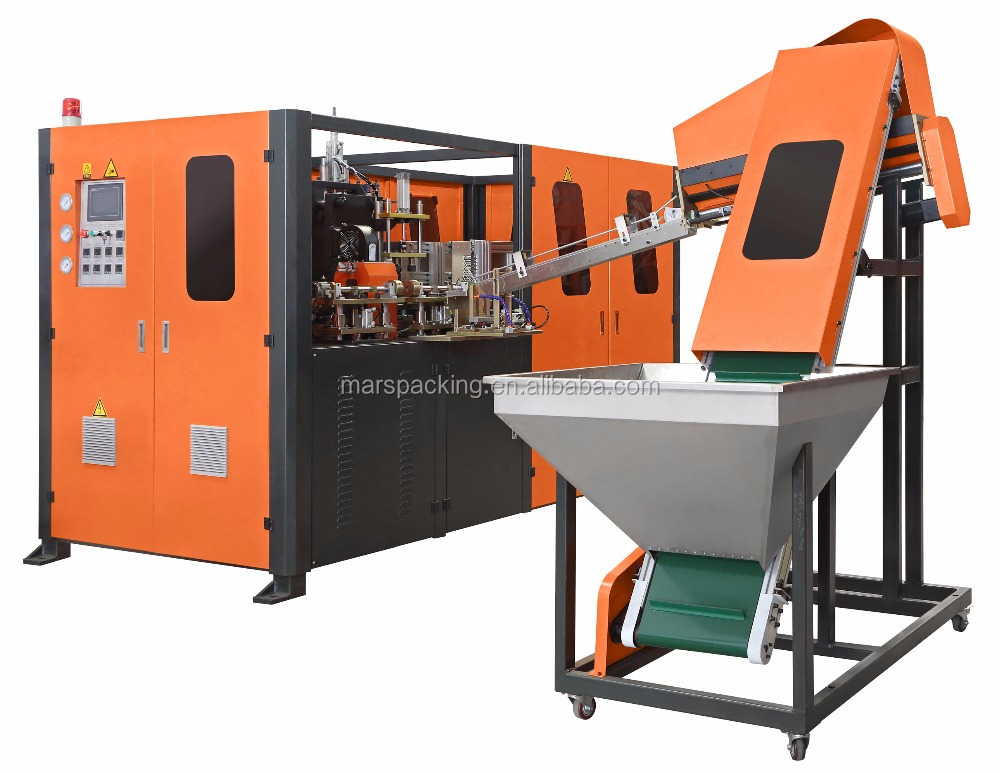
Fully Automatic Servo Controlled PET Water Bottle Stretch Blow Molding Machine 60KW 380V
View Equipment Details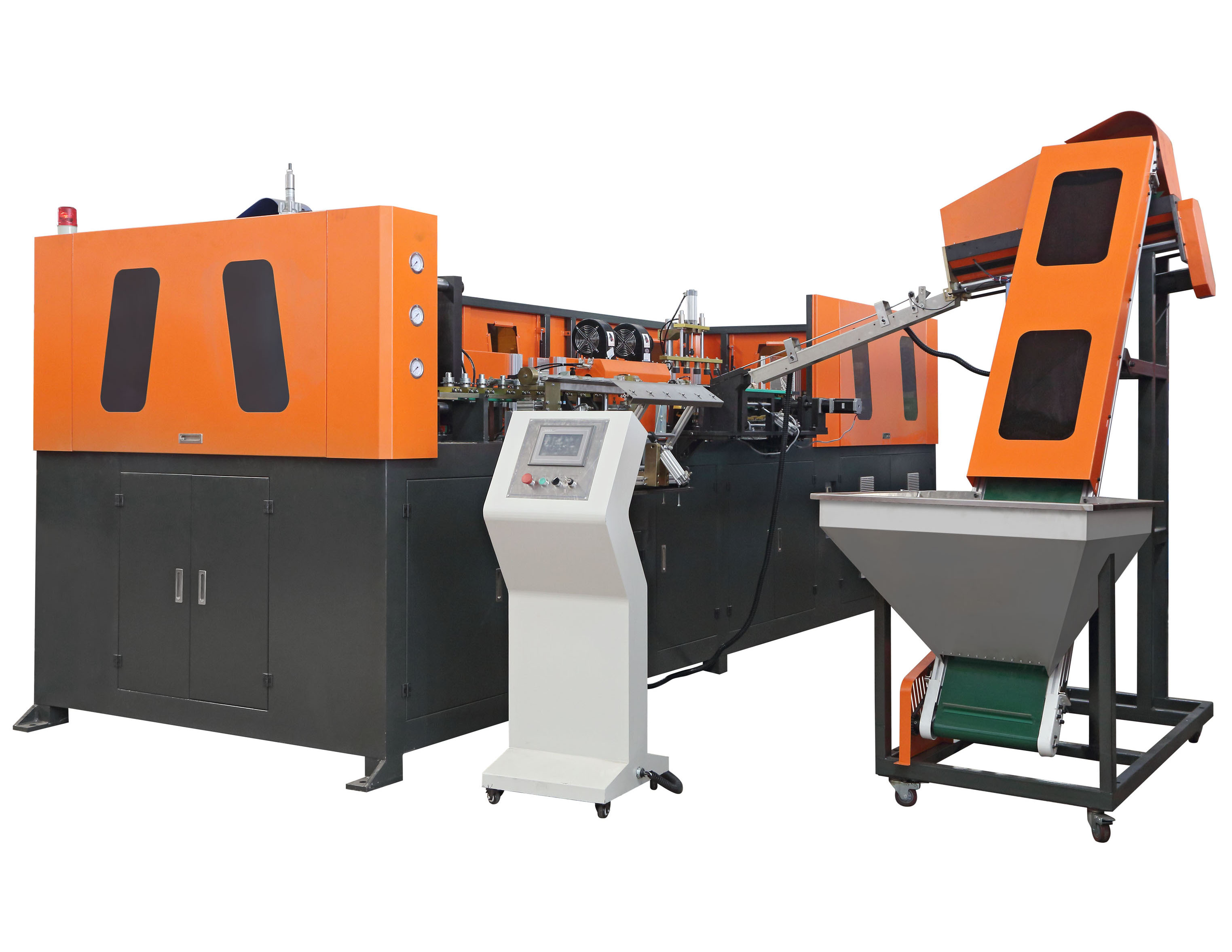
Automatic 4 Cavity Stretch Blow Moulding Machine High Pressure Valve Mitsubishi Systems
View Equipment Details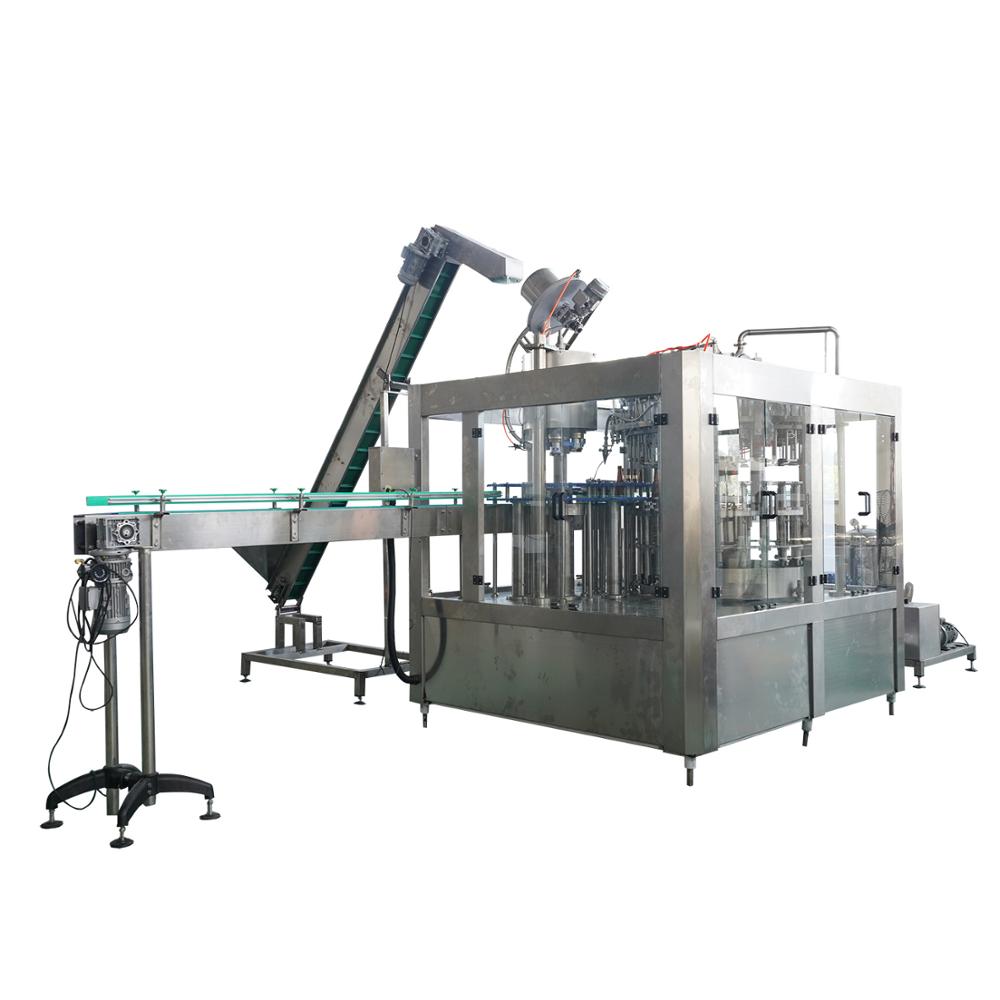
Automatic Beer Bottle Filling Machine 24 Nozzle Crown Capping Labeling System 4000 BPH
View Equipment DetailsEngineering Blueprint: Navigating Beer Canning Machine Selection in the Hyderabad Market
The craft beer landscape across Hyderabad and the broader state of Telangana is undergoing a profound structural shift. Driven by a tech-savvy demographic in tech hubs like HITEC City and Gachibowli, alongside upscale retail expansion in Jubilee Hills and Banjara Hills, consumer preference has rapidly swung toward packaged craft beers, ready-to-drink (RTD) flavored malts, and hard seltzers. To capture off-premise retail revenues, microbreweries and regional beverage producers require reliable, high-precision beer canning machine manufacturers capable of delivering low-oxygen pickup, hermetic double-seaming, and modular scalability tailored to local production challenges.
Transitioning from traditional kegs and glass bottles to aluminum cans presents distinct biochemical and mechanical requirements. Aluminum cans—whether standard 330ml, 500ml, or sleek 350ml formats—offer complete protection against ultraviolet light exposure (skunking), reduced freight weight, and superior thermal conductivity. However, because beer contains dissolved carbon dioxide (CO2) and delicate aroma compounds susceptible to rapid oxidative degradation, selecting an isobaric (counter-pressure) canning line built to stringent sanitary standards is critical for protecting product integrity and brand reputation.
Core Engineering Fundamentals of Isobaric Counter-Pressure Beer Canning
Unlike atmospheric gravity filling used for non-carbonated water, craft beer canning demands dynamic pressure equilibrium. Isobaric counter-pressure filling operates by first pressurizing the empty aluminum can with inert CO2 gas until the internal pressure matches the pressurized storage tank (typically 1.5 to 2.5 bar, depending on carbonation levels). Once pressure parity is established, the liquid valve lifts, allowing beer to flow down the interior can wall via gravity while displaced CO2 returns smoothly to the top of the supply vessel. This mechanism eliminates turbulent foaming, minimizes CO2 breakout, and preserves exact carbonation volumes (2.2 to 2.8 volumes of CO2).
Isobaric Filling Valves
Sanitary SUS316L stainless steel valves equipped with micro-adjustable mechanical lift cylinders and pneumatic seals to ensure zero pressure leakage during filling.
Under-Cover Gassing (UCG)
Precision jetting of high-purity CO2 gas across the surface of the filled beer can immediately prior to seaming, driving out ambient air from the headspace.
Precision Double Seamer
Heavy-duty mechanical seaming rolls featuring titanium nitride (TiN) coatings, delivering airtight double-fold seams compliant with international beverage container specs.
Localized Application Scenarios Across Hyderabad's Industrial & Microbrewing Corridors
Operating beverage machinery in Hyderabad requires specialized engineering adjustments to account for local environmental factors, water chemistry, industrial grid characteristics, and regional distribution networks. Our canning and bottling automation lines are deployed across key industrial estates in Telangana, serving both craft brewpubs and high-capacity beverage plants.
Craft Brewpubs (Jubilee Hills & Gachibowli)
Compact, small-footprint linear canning lines (600 to 1,500 cans per hour) designed for quick batch changes, seasonal ale packaging, and crowler takeaway sales without sacrificing floor space.
Industrial Manufacturing (Pashamylaram & Cherlapally)
High-speed rotary monoblock filling and seaming systems (3,000 to 12,000 CPH) integrated with automated depalletizers, tunnel pasteurizers, and wraparound case packers for regional logistics.
High Ambient Summer Temperature Management
Equipped with secondary inline plate heat exchangers and insulated glycol jackets to maintain product filling temperatures strictly between 1°C and 3°C, preventing foaming in 40°C+ ambient summer heat.
Hard Water & TDS Pre-Treatment Engineering
Custom water treatment integrations featuring high-capacity Reverse Osmosis (RO) membranes, UV sterilizers, and deaeration columns to strip dissolved solids and oxygen prior to brewing and syrup blending.
Adapting Equipment to the Telangana Electrical Grid & Industrial Standards
Industrial facilities across Telangana operating in Patancheru, Medchal, and Kattedan often experience voltage fluctuations on 3-phase grid supplies. To prevent electrical component failure, machine downtime, and PLC memory corruption, our beer canning and bottling machines supplied to the Hyderabad market are equipped with customized electrical architectures:
- Grid Voltage Matching: Direct configuration for India's 415V, 50Hz three-phase standard, eliminating the inefficiencies of external step-down transformers.
- Thermal Protection & VFDs: Schneider and Siemens Variable Frequency Drives (VFDs) paired with heavy-duty IP65-rated enclosures to withstand dust, humidity, and high operating temperatures.
- Uninterrupted Control Safety: Integrated 24V DC battery backups for safety PLCs, guaranteeing an orderly emergency shutdown and pressure release during sudden power outages.
Market Trends & Regulatory Shifts Shaping Hyderabad's Beverage Industry (2025–2030)
Navigating the commercial beverage sector in Telangana requires a strategic understanding of changing consumer dynamics, eco-packaging mandates, and state excise regulations. Purchasing canning equipment engineered with future-proof capabilities ensures long-term operational profitability.
1. Premiumization & Ready-to-Drink (RTD) Explosion
Beyond traditional strong lagers, Hyderabad is witnessing a massive surge in craft wheat beers (Witbiers), IPAs, flavored hard seltzers, and RTD gin-cocktails in cans. Multi-beverage canning machines with flexible CIP (Clean-in-Place) recipes allow rapid flavor changeovers without cross-contamination.
2. Sustainability & Aluminium Recyclability
With stringent state environmental guidelines curbing single-use plastics, beverage producers are shifting from PET bottles to infinite-recyclable aluminium cans. Canned products also reduce transit damage and warehouse footprint by up to 35% compared to heavy glass packaging.
3. Telangana Excise Track-and-Trace Compliance
The Telangana Excise Department enforces strict inventory tracking. Our integrated canning solutions feature online high-speed inkjet or fiber laser coders capable of printing micro-matrix barcodes, batch numbers, and MRP details onto the concave bottom of cans at line speeds over 6,000 CPH.
Technical Equipment Comparison Matrix for Beverage Packagers
Evaluating packaging formats is essential for balancing capital expenditure (CAPEX) with operational performance (OPEX). The table below outlines key parameters comparing isobaric canning systems against bottle filling technology.
| Performance Feature | Isobaric Can Filling Line (Automatic) | Rotary Glass Bottle Crown Capper | Linear PET Bottle Water Line |
|---|---|---|---|
| Primary Target Liquid | Craft Beer, CSD, RTDs, Hard Seltzers | Commercial Beer, Cider, Sparkling Wine | Pure Mineral Water, Still Drinks |
| Dissolved Oxygen (DO) Pickup | Strictly < 30 ppb (with CO2 Purge & UCG) | < 50 ppb (with double evacuation) | N/A (Non-carbonated ambient) |
| Throughput Capability | 1,000 CPH to 15,000 CPH | 2,000 BPH to 12,000 BPH | 2,000 BPH to 24,000 BPH |
| Light Barrier & Shelf Life | 100% UV Protection (Zero Light Damage) | Partial (Brown/Green Glass dependent) | Low UV Resistance |
| CIP Cleanability | Automated CIP Cups & Hot Sanitize Loop | Rotary CIP Circuit Integration | Chemical Sanitize Cycle |
| Telangana Grid Compatibility | 415V / 50Hz / 3-Phase (Built-in VFD) | 415V / 50Hz / 3-Phase Standard | 220V - 415V Configurable |
Manufacturer Capabilities & Engineering Advantages
With over 15 years of technical innovation headquartered in China's premier beverage packaging machinery cluster (Zhangjiagang, Jiangsu) and exporting to over 30 countries worldwide, our engineering factory delivers end-to-end turnkey solutions designed to international CE and ISO criteria.
Hygienic Steel Construction
All product-contact parts are machined exclusively from certified SUS304 or SUS316L stainless steel, ground and polished to a smooth surface roughness (Ra < 0.4 µm) to resist microbial growth and chemical wear.
Siemens & Mitsubishi Automation
Powered by world-class programmable logic controllers (PLCs), high-resolution color HMIs, and pneumatic components from Festo and Airtac, ensuring consistent uptime and effortless operating diagnostics.
Audited & Field-Tested Uptime
Every unit undergoes a rigorous 48-hour Factory Acceptance Test (FAT) using the client's original cans, lids, and product samples before overseas crating and container loading.
Frequently Asked Questions by Hyderabad & Indian Buyers
Direct answers addressing technical configuration, local customs compliance, installation, and operational maintenance.
1. What is the typical Dissolved Oxygen (DO) pickup rate on your beer canning machines? +
Our isobaric beer canning systems achieve an industry-leading DO pickup rate strictly below 30 ppb (parts per billion), with optimal operating setups reaching under 15 ppb. This is accomplished through a combination of dual-stage CO2 pre-evacuation purging of the empty can, continuous under-cover gassing (UCG) during lid placement, and rapid seaming execution to prevent atmospheric ambient exposure.
2. How do your machines accommodate local power supply standards in Hyderabad, Telangana? +
All machines shipped to India are engineered out-of-the-factory to operate on standard 415V, 50Hz, 3-Phase electrical power grids (or 220V Single-Phase for smaller auxiliary units). Motors, pumps, heating elements, and VFD controllers are specifically rated for these voltage thresholds to eliminate the need for costly voltage converters or transformers.
3. Can a single canning line handle multiple can sizes (e.g., 330ml, 500ml, and 350ml Sleek)? +
Yes. Our linear and rotary canning machines are engineered with modular changeover kits. Changing between can heights (e.g., standard 330ml vs. 500ml) is handled via motorized or hand-crank height adjustments. Changing between body diameters (e.g., Standard 202 ends vs. Sleek 200 ends) requires swapping the starwheels, guide rails, and seaming chucks, which can be completed by trained operators in under 45 minutes.
4. What Clean-In-Place (CIP) sanitation protocols are built into the equipment? +
Sanitation is paramount for craft brewing. Our beer canning fillers feature dedicated CIP dummy cups that attach to the filling valves, creating a fully closed circulation loop. The system withstands caustic soda solutions (1.5–2.0% concentration at 65°C–80°C) and hot water sanitation up to 85°C, ensuring complete sterilization of liquid pathways, valve blocks, and manifolds.
5. What warranty, spare parts support, and engineer deployment services are provided? +
We provide a comprehensive 12-to-24-month warranty on structural and mechanical components, backed by international brand guarantees on electrical parts (Siemens, Schneider, Omron). We dispatch commissioning engineers directly to your plant site in Hyderabad or neighboring districts for installation, line integration, and operator training. Critical wearable spare parts (seals, seaming rollers, pneumatic tubes) are provided in a multi-year backup kit with every shipment.
6. How do you assist with shipping, customs clearance, and import duty to India? +
We routinely export under standard Incoterms including FOB, CIF (Chennai/Nhava Sheva/Vizag ports), CFR, DDP, and DDU. We provide complete commercial documentation tailored for Indian customs clearance, including Certificate of Origin (Form IA / APTA if applicable), HS Code classifications (e.g., 8422.30 for filling and closing machinery), packing lists, and CE compliance certificates.
7. How does the machine handle high summer ambient temperatures during filling in Telangana? +
To avoid CO2 breakout and excessive foaming when ambient room temperatures exceed 35°C–40°C in Hyderabad summers, we supply integrated insulated buffer tanks and inline tubular heat exchangers. Connecting these to your facility's glycol chiller ensures the product stays locked at 1°C–3°C right up to the moment it enters the filling valve.
8. What technical data is required to receive a customized line quote for my plant? +
To prepare an accurate engineering layout and budget quotation, our technical team requires: (1) Target beverage type and carbonation level, (2) Can format dimensions and lid specifications, (3) Desired output capacity in CPH (cans per hour), (4) Factory floor dimensions, and (5) Utility availability (air pressure, steam, glycol, and electrical supply).
Request a Custom Engineering Proposal for Your Brewery or Plant
Speak directly with our senior beverage packaging engineers. We will analyze your container drawings, target line speed, and facility floorplan to provide a turnkey CAD layout and transparent quotation.
Contact Us