Essential Bottling & Packaging Lines
Explore our top-tier industrial liquid processing machinery engineered specifically to withstand heavy-duty production cycles, power fluctuations, and rigorous local water purification demands in Lagos State.


1. The Lagos Bottled Water Ecosystem: Industrial Context & Engineering Demands
Lagos, as Africa's most populous megacity with an estimated population exceeding 24 million, presents a unique economic environment for commercial beverage producers. Rapid urbanization, combined with infrastructure challenges in municipal water distribution, has established packaged drinking water—ranging from 500ml and 750ml PET bottles to 19-Liter (5-gallon) dispenser jars—as an absolute daily necessity for households, commercial establishments, and industrial workers across Lekki, Victoria Island, Ikeja, Agbara, and Ikorodu.
However, running a continuous, highly profitable bottling operation in Lagos requires machine engineering that goes far beyond standard off-the-shelf catalog offerings. Factory owners face distinct operational realities:
- Groundwater Variation & Hydrogeology: Water sources in coastal Lagos (e.g., Lekki Peninsula, Ajah) suffer from high total dissolved solids (TDS), brackish intrusion, and elevated salinity, whereas inland industrial hubs (e.g., Ikeja Industrial Estate, Ikorodu) frequently contend with heavy iron concentrations and micro-particulates. Water treatment systems must be dynamically configured with multi-stage Reverse Osmosis (RO), Quartz Sand, Active Carbon, and double-Ozone/UV disinfection.
- Electrical Grid Instability & Thermal Stress: Voltage fluctuations (spiking between 220V and 450V) and sudden power outages necessitate heavy-duty electrical architectures. Industrial machinery operating in West Africa must incorporate Schneider contactors, Siemens PLC modules, and ABB variable frequency drives (VFDs) paired with surge suppressors to allow smooth power transfers between municipal mains and heavy diesel generators.
- Strict NAFDAC Regulatory Compliance: The National Agency for Food and Drug Administration and Control (NAFDAC) enforces stringent sanitation protocols. Liquid contact surfaces must strictly utilize food-grade Stainless Steel SUS304 or SUS316L, equipped with CIP (Clean-in-Place) sanitation loops, anti-drip filling nozzles, and laminar flow HEPA air protection over filling zones to guarantee zero biological contamination.
2. Turnkey Engineering: Designing Bottled Water Lines for Lagos Factories
At Lofsu Packing Machinery Co., Ltd., our engineering philosophy is built around whole-system integration. A bottleneck in a single conveyer or blow molder degrades the overall Line Efficiency (OEE). By offering fully integrated A-to-Z production lines, we ensure every sub-system—from raw water treatment to end-of-line palletizing—operates at synchronized speeds.
Core Line Architecture (From Raw Water to Wrapped Case)
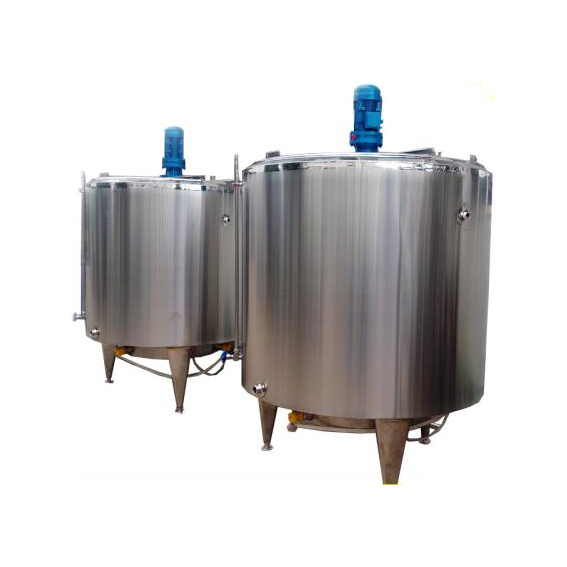
Raw borehole water undergoes clarification via manganese-sand filters, activated carbon beds, ion-exchange softeners, and dual-pass RO membranes to reach ultra-pure drinking standards.
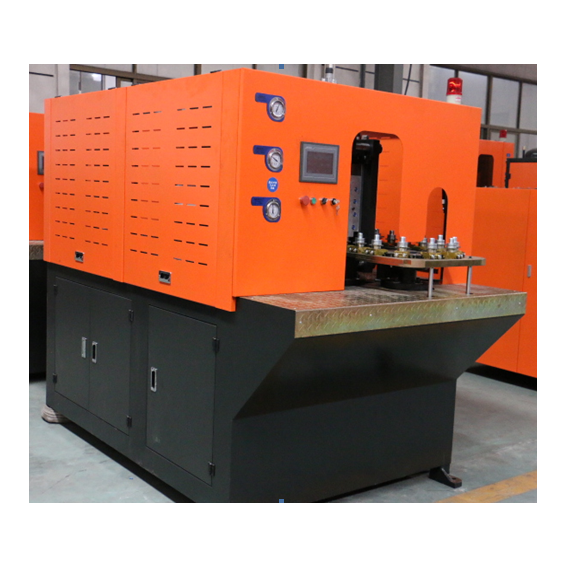
High-efficiency infrared heating ovens uniformly condition PET preforms before high-pressure stretch blowing, delivering consistent bottle wall thickness despite ambient Lagos humidity.
Integrates bottle rinsing, precise gravity/pressure filling, and cap sealing on a single rotary chassis, eliminating external conveyor contamination during high-speed runs.
Rotary hot-melt OPP glue labelers or PVC shrink sleeve applicators apply vibrant labels onto PET bottles, utilizing heat tunnels engineered to resist humidity distortion.
Automatic film-feed shrink bundlers wrap bottles into 12, 24, or 24-piece multi-packs (PE film), optimized for cost-effective distribution on Lagos transport roads.
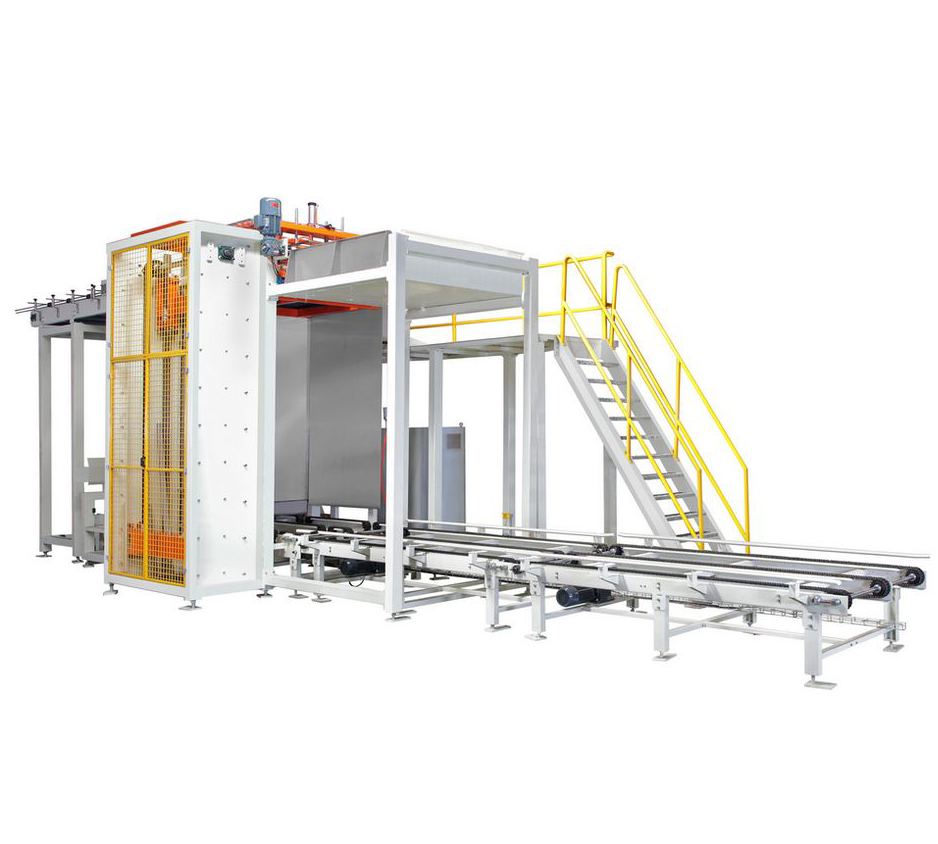
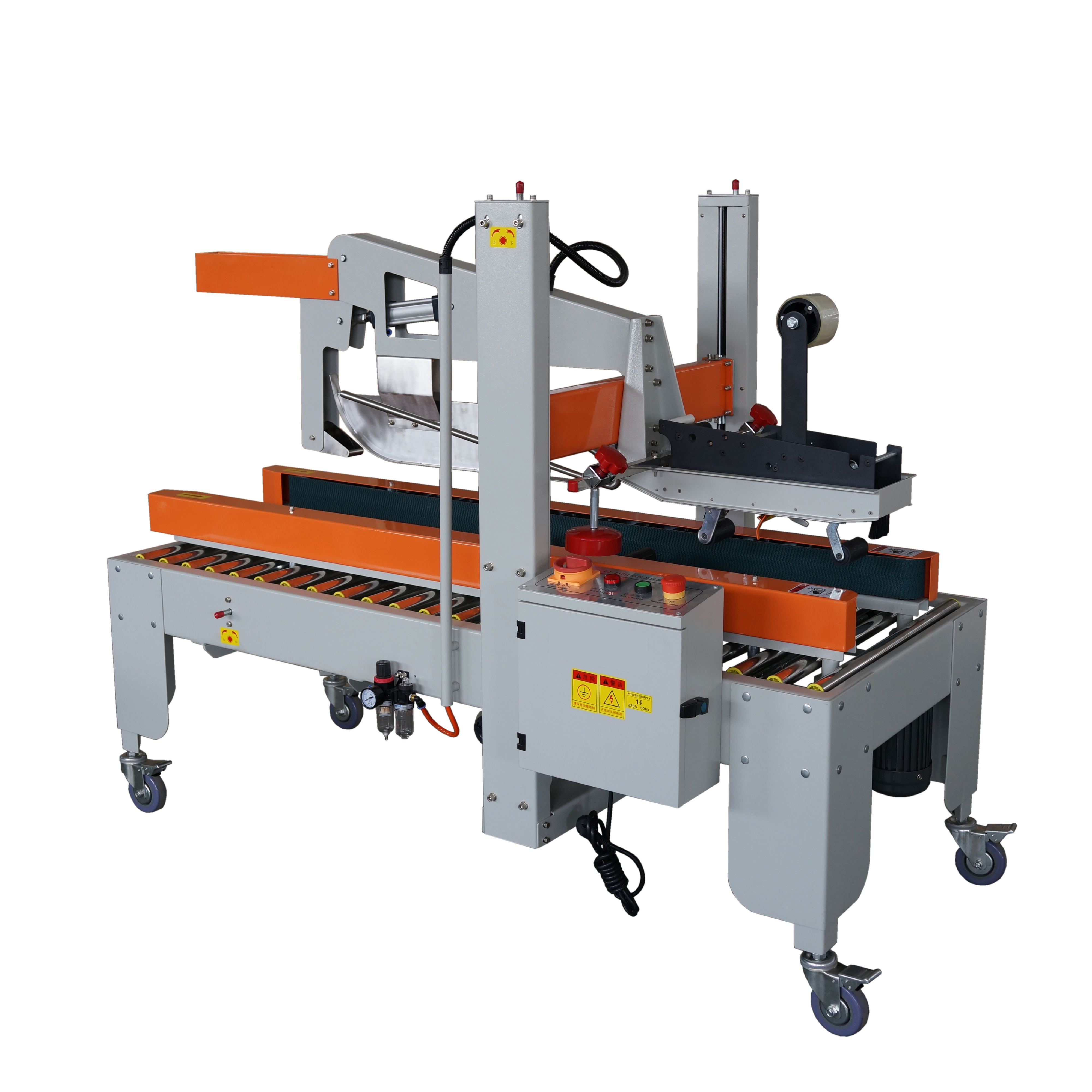
Heavy-duty carton sealers (FXJ Series) and automated depalletizers handle secondary corrugated packaging for premium structured distribution channels.
When engineering lines for factories operating in Nigerian trade zones, container sizes typically span from 350ml personal hydration units to 1500ml family bottles, as well as heavy 5-gallon refillable office containers. Our machinery offers fast, tool-less changeovers between bottle heights and neck finish dimensions (e.g., 28mm, 30/25mm light-weight necks).
3. Macro Market Dynamics & Growth Trends in West Africa (2025-2030)
The West African beverage market is experiencing a structural pivot. Historically, low-cost polyethylene sachet water ("pure water") dominated low-income hydration needs. However, growing health consciousness, rising middle-class disposable income, and environmental regulatory scrutiny surrounding sachet waste are driving massive consumer transition toward branded, tamper-evident PET bottled water.
Key Drivers Shaping Investment in Lagos Water Plants:
- PET Neck Lightweighting & Resin Cost Savings: Polyethylene terephthalate (PET) resin prices fluctuate with global crude oil markets. Modern bottled water factories are adopting lightweight preform necks (transitioning from 1881 standards to 30/25 short-necks), cutting raw resin usage by up to 15-20% per bottle without compromising structural stacking strength.
- Commercial Shift to 5-Gallon Dispenser Jars: Corporate offices, commercial banks, educational institutions, and residential estates in Victoria Island and Lekki Phase 1 rely heavily on 18.9L (5-gallon) water dispensers. Automated washing, filling, and capping lines for 5-gallon jars deliver exceptionally high profit margins for regional water treatment facilities.
- Automation Over Manual Labor for Hygenic Consistency: While labor costs in Nigeria remain competitive, manual filling leads to unacceptably high rejects, inconsistent cap torque, and NAFDAC hygiene violations. Automated monoblock systems guarantee repeatable fill levels, tight seal integrity, and reduced labor overhead.
4. Why Leading Nigerian Beverage Producers Partner with Lofsu
Established in 2010 in Zhangjiagang, Jiangsu—China’s world-renowned manufacturing cluster for liquid packaging machinery—Lofsu Packing Machinery Co., Ltd. brings over 15 years of technical expertise to international clients. With over 70% of our production dedicated to global exports across 30+ nations, we understand the specific export shipping, customs, and technical requirements needed for successful deployment in Nigeria.
All machinery complies strictly with European CE Directive 2006/42/EC. Our factory is audited on-site by international third-party inspection agencies.
Motors, heating elements, and control circuits are customized to match Nigerian industrial grid frequencies (50Hz, 3-Phase 380V/415V) for seamless generator sync.
Before packing and seaworthy wooden-case dispatch to Apapa or Tincan Ports, every machine undergoes a full test run using customer bottle preforms and cap samples.
Our senior field engineers travel directly to factory sites in Lagos, Ogun State, or Port Harcourt to lead physical installation, wiring, line tuning, and staff training.
5. Frequently Asked Questions (FAQ) for Lagos Bottled Water Buyers
Below are detailed technical answers to common questions raised by plant managers, procurement officers, and investors planning water bottling projects in Nigeria.
What production capacities do Lofsu water bottling lines cover for new plants?
Our standard automatic PET water bottling lines range from compact 2,000 Bottles Per Hour (BPH) monoblock configurations (such as the CGF8-8-3 model) up to high-speed rotary lines exceeding 12,000 to 24,000 BPH. For semi-automatic startups or tabletop operations, we also manufacture modular filling, blow molding, and capping equipment tailored for smaller footprints.
How do your machines handle high iron and brackish water typical of Lagos boreholes?
We supply complete pre-treatment water purification plants ahead of the filling line. For iron-heavy water (common in Ikorodu), we integrate aeration towers and manganese greensand filtration. For brackish coastal water (common in Lekki), we utilize heavy-duty Dow/Hydranautics Reverse Osmosis (RO) membranes to strip dissolved salts down to NAFDAC-mandated mineral limits.
Can your electrical panels handle power switching between municipal power and generators?
Yes. Every control panel built for the Nigerian market utilizes industrial-grade Siemens PLCs, Schneider contactors, and independent line reactors. Circuits are engineered to handle voltage tolerances of 380V ± 15%. Variable Frequency Drives (VFDs) enable soft-starting of motors, preventing current surges during generator switchover.
Does Lofsu assist with NAFDAC factory layout and hygienic design requirements?
Absolutely. NAFDAC requires specific physical separation between raw water treatment areas, blow molding sections, sterile filling cleanrooms, and outer packaging zones. Our engineering team provides detailed 2D CAD factory floor layouts showing drain locations, cable trenches, wall partitions, and air shower entrances to ensure your factory passes initial NAFDAC inspection.
What shipping options and lead times apply for delivery to Apapa or Tincan Island Ports?
Manufacturing lead times typically range from 30 to 45 days depending on line automation complexity. Sea freight transit from Ningbo/Shanghai Port to Lagos (Apapa/Tincan) usually takes approximately 30 to 40 days. All equipment is protected with moisture-proof vacuum wrapping and packed in reinforced, seaworthy wooden crates.
How are spare parts and post-warranty technical support managed in Nigeria?
Every complete production line ships with a 2-year wearable spare parts package (seals, air cylinders, heating tubes, solenoid valves). Furthermore, we maintain remote video support, electrical schematics in English, and can dispatch engineers to your Lagos factory for maintenance, line expansions, or operator re-training whenever needed.
Ready to Build or Upgrade Your Bottled Water Plant in Lagos?
Contact our senior engineering directors today for a custom factory CAD layout, detailed equipment quotation, and NAFDAC-compliant line design.
Get a Quote