Featured Bottling, Canning & Processing Equipment
Engineered for high thermal resistance, volatile power grid stability, and continuous multi-shift production.



Technical Whitepaper: Can Filling Machinery Engineering for Dire Dawa's Expanding Agro-Industrial & Beverage Sector
The manufacturing landscape of Dire Dawa—Ethiopia's chartered commercial metropolis and the flagship hub of the Dire Dawa Free Trade Zone (DD-FTZ)—is undergoing a massive structural transformation. Positioned strategically along the vital Addis Ababa–Djibouti Economic Corridor, local beverage producers, mineral water bottlers, and agro-processors require high-precision, heavy-duty packaging machinery engineered to withstand harsh local operating conditions while maintaining international hygiene standards (HACCP / ISO 22000). As established beverage packaging machinery manufacturers, Lofsu Packing Machinery Co., Ltd. delivers advanced liquid filling line solutions engineered specifically to address the unique logistical, electrical, climatic, and raw water demands of Dire Dawa and the broader Horn of Africa region.
Core Industry Focus: Industrial can filling machines, counter-pressure isobaric monoblocks, high-temperature pasteurizers, and high-barrier PET blow molding systems tailored for ambient temperatures exceeding 38°C, heavy groundwater TDS, and voltage fluctuations across Eastern Ethiopian industrial parks.
Isobaric Precision Filling
Counter-pressure technology maintains exact carbonation levels (up to 4.2 vol CO2) without foam surge during tropical ambient packaging.
Double-Seaming Sealing
Hermetic double-seaming mechanical heads deliver zero micro-leakage on aluminum, tinplate, and sleek 250ml/330ml/500ml beverage cans.
Grid-Resilient Automation
Custom Delta/Siemens PLC panels pre-wired for 220V–450V 3-phase power grids with automatic surge cutout and phase-loss protection.
Engineering Bottling & Canning Lines for Dire Dawa's Unique Operational Environment
Plant managers and industrial investors operating within Dire Dawa face distinct operational parameters that off-the-shelf, standard-spec machines cannot reliably handle. Successfully running a high-speed beverage line in Eastern Ethiopia requires specialized mechanical engineering across four key parameters:
1. Ambient Temperature Resilience & Thermal Management
Dire Dawa experiences sustained high temperatures throughout the year, with daytime ambient conditions frequently climbing above 35°C to 40°C. In carbonated soft drink (CSD) canning and beer packaging, high liquid temperatures trigger violent gas off-gassing during filling, resulting in fill level variances, excessive foaming, and product loss. Lofsu's advanced GDF and MIC series canning machines incorporate insulated isobaric holding tanks equipped with inline product temperature sensors and double-jacketed glycol cooling channels. This ensures the beverage remains under strict thermal control (2°C–4°C for CSD and beer) right up to the nozzle tip, preventing CO2 breakout even when ambient plant temperatures soar.
2. Power Grid Adaptation & Voltage Tolerance Control
Electrical supply in regional industrial hubs often experiences voltage sags, spikes, and frequency oscillations. Standard electronic components easily suffer burnouts under these conditions. Lofsu integrates heavy-duty Schneider electrical relays, air circuit breakers, and wide-voltage Delta/Siemens VFDs (Variable Frequency Drives) certified for continuous operation from 220V up to 450V across both 50Hz and 60Hz configurations. Furthermore, critical system settings are saved to non-volatile EEPROM memory to eliminate parameter loss during sudden power outages.
3. Pre-Filling Dissolved Oxygen (DO) Control & Nitrogen Purging
For fruit juices, RTD teas, malt beverages, and craft beers packaged in aluminum cans, exposure to oxygen causes rapid flavor oxidation and shortens shelf-life—a major issue when products are distributed across long, hot logistics routes. Lofsu can filling systems utilize double vacuum deaeration and liquid nitrogen dosing technology prior to seaming. Injecting a precise micro-shot of liquid nitrogen into the can neck space purges oxygen down to ultra-low levels (<30 ppb) while building internal positive pressure, giving lightweight aluminum cans the structural rigidity required to stack efficiently in cargo trucks traveling non-paved regional roads.
Localized Application Scenarios in Dire Dawa & Horn of Africa Industrial Zones
From large-scale commercial bottling plants inside the Free Trade Zone to mid-sized regional juice processors in Melka Jebdu and Sabian, beverage equipment must be configured for specific container styles, viscosities, and processing methods. Below are primary operational scenarios deployed by regional producers:
Scenario A High-Speed Aluminum Can Packaging for Soft Drinks & Energy Drinks
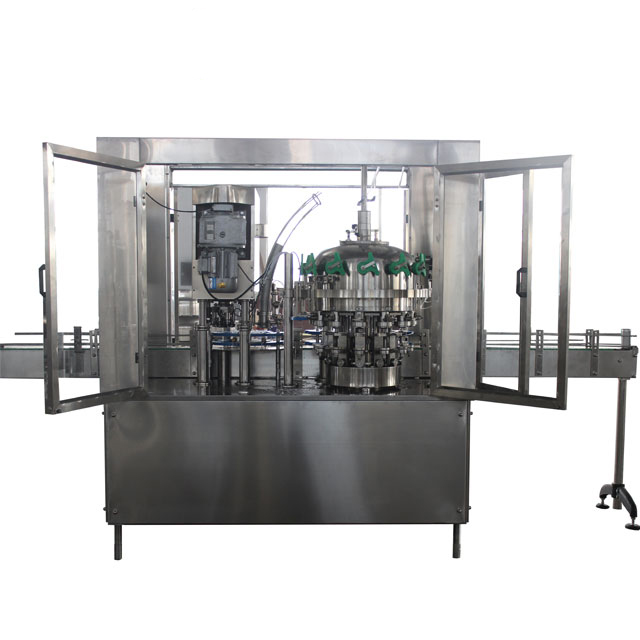
Configured with our Automatic Soda Water & CSD Canning Line. Handles 200ml to 500ml standard, sleek, and stubby aluminum cans. Features a 12 to 24-nozzle isobaric filling turret coupled with a high-hardness alloy mechanical seamer, achieving production speeds of 2,000 to 12,000 cans per hour (CPH) under full CIP automation.
Scenario B Flash Pasteurization & Hot Filling for Local Fruit Juices
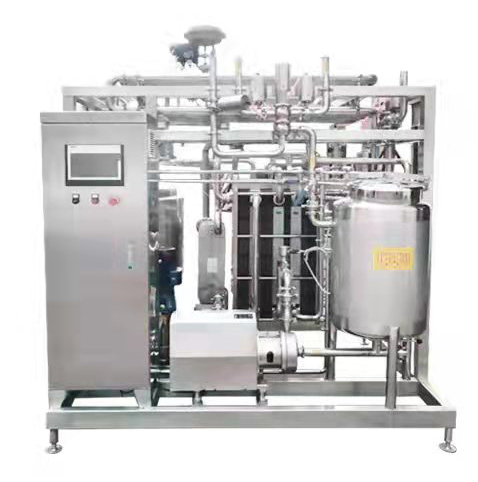
Combines the HTST-1000 Flash Plate Pasteurizer (10kW) with a 3-in-1 hot filling monoblock. Ideal for processing local mango, guava, and orange juices. Maintains juice at 85°C–92°C during filling to guarantee commercial sterility without thermal flavor degradation, followed by automated bottle-inverting cap sterilizers and cooling tunnels.
Scenario C Industrial PET Water Bottling & Blow Molding Lines
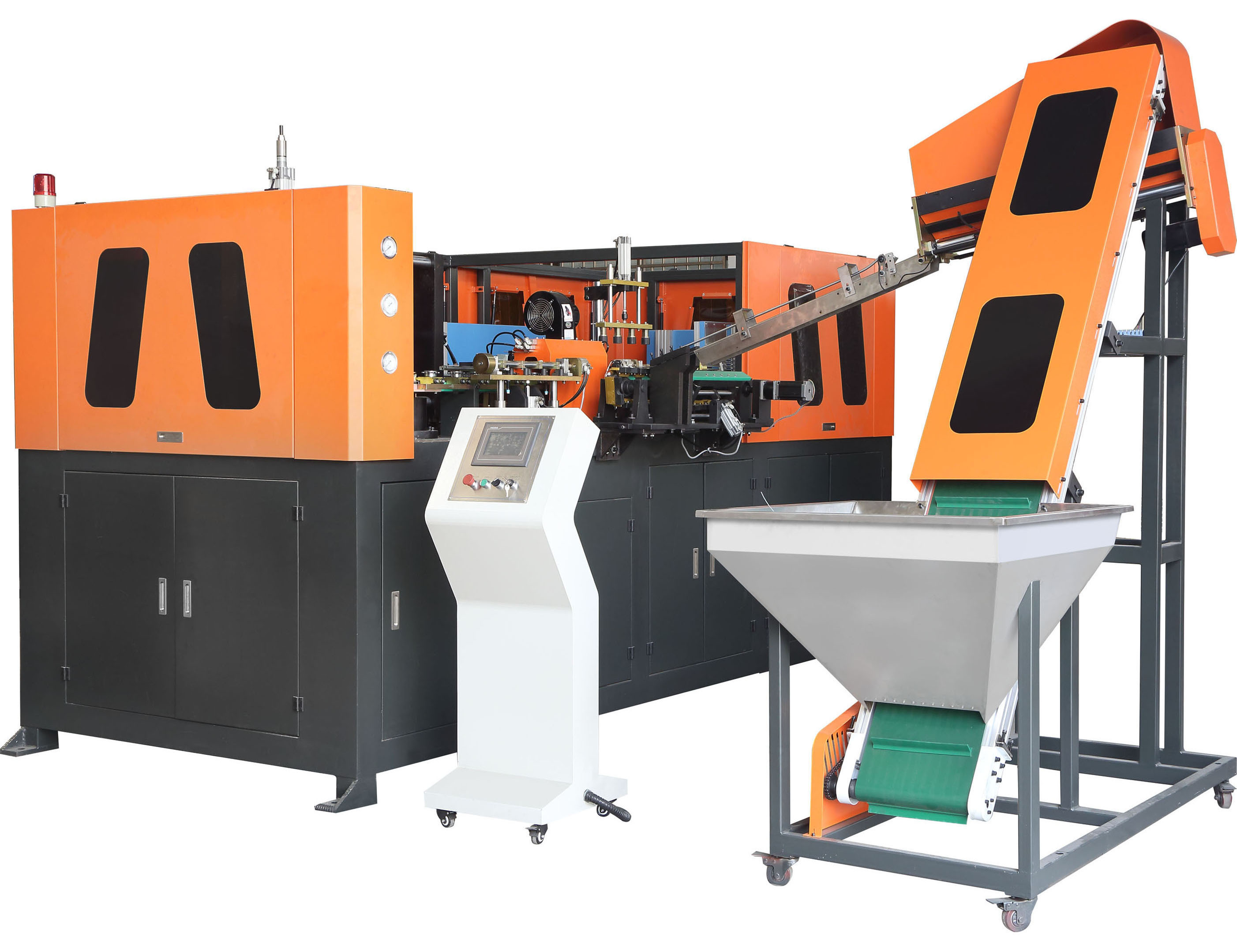
Integrates the HZ-880B Mars 3-Cavity Automatic PET Blowing Machine (2200 BPH) directly with CGF series rinsing-filling-capping monoblocks. Designed for local water purification enterprises extracting deep groundwater, ensuring rigorous 5-stage filtration, RO treatment, ozone sanitization, and zero-touch bottling.
Scenario D Automated Glass Jar Vacuum Capping for Condiments & Agro-Goods
Utilizes the Electric Automatic Linear Vacuum Twist Capper Machine crafted in SUS304 stainless steel. Designed for local food processors packaging honey, chili pastes, sauce concentrates, and pickled goods into glass jars requiring high-vacuum hermetic seals to eliminate aerobic spoilage in hot regional climates.
Localized Industrial Development Trends in Dire Dawa & Eastern Ethiopia (2025–2030)
The Horn of Africa is experiencing rapid urbanization, demographic growth, and rising disposable incomes. Dire Dawa's position as an economic powerhouse has spurred several critical industrial trends shaping liquid packaging investment over the next decade:
1. Shift from Glass and Imports toward Domestically Canned Products
Historically, canned soft drinks and beers in Eastern Ethiopia were heavily imported from foreign markets, incurring exorbitant transport freight costs and foreign currency pressure. Local manufacturing plants are now rapidly adopting local canning lines. Aluminum cans offer significant logistical advantages over glass: zero risk of transportation breakage on rough roads, lighter shipping weight, faster cooling rates in commercial refrigeration, and 100% infinitely recyclable material profiles matching regional sustainability goals.
2. Rapid Growth of Energy Drinks and Isotonic Beverages
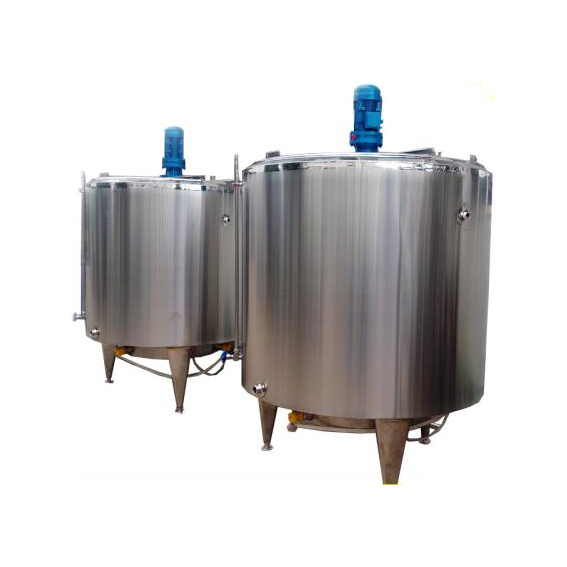
Driven by a young workforce and expanding industrial zone labor demands, the market for functional energy drinks, malt beverages, and rehydration drinks is booming. These formulations require exact ingredient dosing, high-shear jacketed stainless steel mixing tanks (such as our 1000L steam/electric heated blending vessels), and flash pasteurization to prevent microbial activity in high-sugar formulations.
3. Adoption of Integrated Turnkey Lines (A-to-Z Manufacturing)
Local investors increasingly move away from buying piecemeal machines from disparate suppliers. Sourcing standalone blow molders, fillers, labelers, and case packers from different vendors leads to communication errors between PLC controls, mismatched line speeds, and extended downtime. Turnkey A-to-Z solutions—where water treatment systems, bottle blowers, monoblock fillers, OPP hot-melt labelers, and automated wraparound case packers are engineered as a synchronized single system—have become the preferred standard for regional industrial parks.
Corporate Technical Advantages: Why Global Buyers Trust Lofsu Machinery
Headquartered in Zhangjiagang City, Jiangsu Province—China's premier innovation cluster for liquid packaging technology—Lofsu Packing Machinery Co., Ltd. brings over 15 years of specialized engineering experience to international food and beverage manufacturers. Our machines are installed in over 30 countries across North America, Southeast Asia, the Middle East, and Africa.
Sanitary SUS304/316L Design
All liquid-contact components, valve blocks, piping manifolds, and filling nozzles are milled from certified food-grade stainless steel (SUS304 or SUS316L) with mirror-polished surfaces (<0.4μm Ra) for full CIP cleanability.
Rigorous Factory Acceptance Testing (FAT)
Before any equipment leaves our factory floor, it undergoes a complete 48-hour continuous wet trial using the client's actual bottle/can samples and cap dimensions. Test videos and dimensional reports are supplied prior to ocean freight dispatch.
On-Site Installation & Training
Our senior field engineers provide comprehensive global deployment services: mechanical positioning, electrical wiring, line debugging, and hands-on training for local operating teams to ensure seamless factory handover.
Frequently Asked Questions (FAQ) by Local Buyers & Procurement Teams
Below are straight, expert responses to technical questions asked by beverage factory owners, plant engineers, and purchasing directors evaluating filling equipment for Dire Dawa and East African installations:
What production capacities do Lofsu can filling and bottling lines cover? +
Our standard monoblock can filling and sealing machines start at 2,000 cans per hour (CPH) on compact 12-nozzle frames (such as the GDF12-1 model) and scale up to 24,000 CPH on rotary industrial lines. For PET water bottling, capacities range from 2,000 bottles per hour (BPH) up to 36,000 BPH. We customize line speeds based on your targeted daily shift outputs and footprint constraints.
How do your machines accommodate Dire Dawa's climate and high ambient water temperatures? +
We configure carbonated beverage lines with high-efficiency CO2 carbocoolers and double-jacketed isobaric filling bowls connected to dedicated chiller units. This keeps the product cold (2°C–4°C) during filling, preventing carbonation loss and foaming even when the ambient factory temperature reaches 38°C–40°C. Furthermore, critical electrical cabinets feature air-conditioned cooling units to protect PLC electronics from heat degradation.
Can your equipment run reliably on local power grids with voltage fluctuations? +
Yes. All Lofsu electrical control cabinets are built with wide-range power tolerance components rated for 220V–450V three-phase power at 50Hz or 60Hz. We integrate Schneider circuit protection relays, input line reactors, and Delta/Siemens VFDs that automatically protect against voltage sags, voltage spikes, and phase imbalances typical of developing regional grids.
What is the shipping route, lead time, and delivery port for machines bound for Dire Dawa? +
Machinery is manufactured and tested at our main factory in Zhangjiagang, China (manufacturing lead time: 30–45 days depending on line scale). Units are packed in export-grade, seaworthy vacuum-sealed wooden cases and shipped via container vessel directly to Djibouti Port (transit time: approx. 20–25 days). From Djibouti, goods move seamlessly via highway freight or the Addis Ababa–Djibouti Railway directly into the Dire Dawa Free Trade Zone.
Can a single filling machine process different can sizes or bottle formats? +
Yes. Our rotary can fillers handle standard (330ml/500ml), sleek (250ml/330ml), and stubby aluminum cans using quick-change starwheel and guide-rail sets. Tool-less height adjustment screws allow operators to switch container heights in under 20 minutes. Similarly, our PET bottling monoblocks accommodate various bottle volumes (350ml to 2.0L) with matching neck-handling format parts.
How is pre-shipment quality verification handled for overseas buyers? +
Every order undergoes a formal Factory Acceptance Test (FAT). Clients send sample containers and caps to our facility, where we conduct full-speed wet testing. We provide high-definition video documentation, dimensional inspection reports, and seam-integrity test results. Clients or third-party inspection firms (e.g., SGS, BV) are also welcome to conduct on-site factory audits prior to balance payment and shipping clearance.
What after-sales service, spare parts support, and installation assistance do you provide? +
We dispatch certified commissioning engineers to your plant location in Dire Dawa to handle mechanical installation, electrical hookup, line calibration, and staff training. All machine purchases include a 2-year warranty and a recommended 2-year wear-and-tear spare parts package (sealing rings, filling valves, seaming rollers). Emergency spare parts are dispatched via DHL/FedEx fast-track air freight to minimize unexpected downtime.
Plan Your Beverage Line Expansion with Engineering Experts
Whether establishing a new canning facility in the Dire Dawa Free Trade Zone or upgrading an existing bottling plant, our technical team provides customized CAD plant layouts, machine sizing, and comprehensive commercial proposals.