Recommended Industrial Packaging & Sterilization Equipment
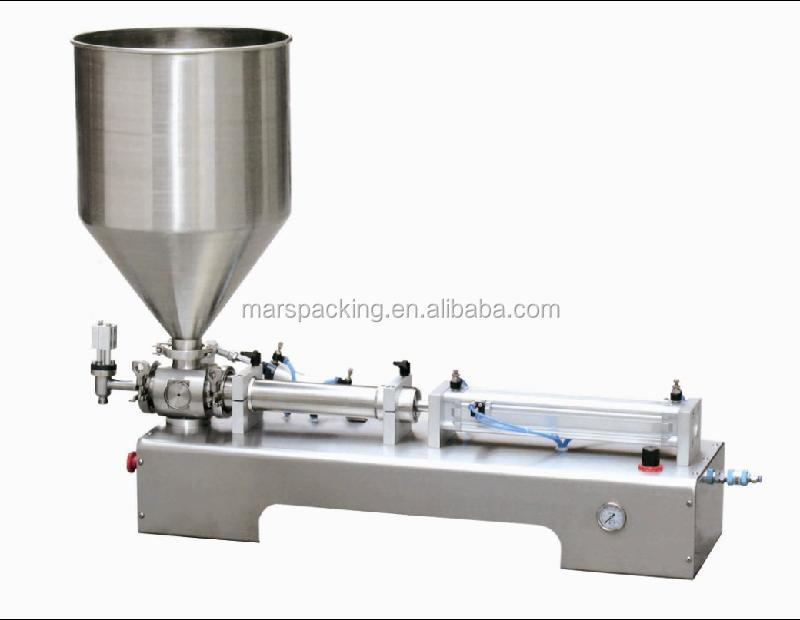
Semi Automatic Double Heads Tabletop Beverage Filling Machine with 2 Nozzles Pneumatic for Plastic & Paper Packaging
View Details →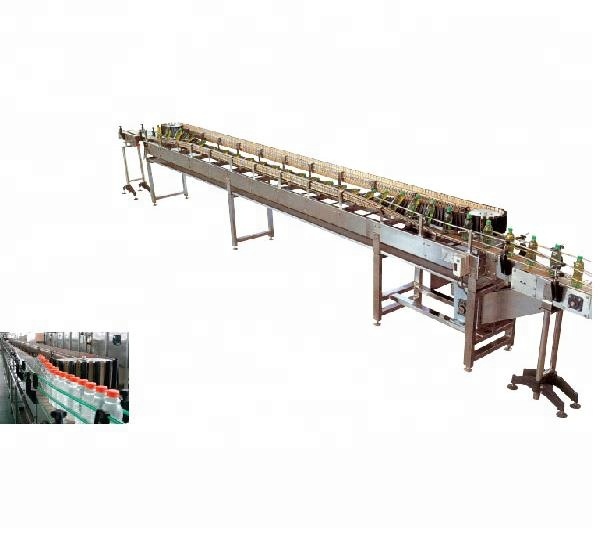
Automatic Bottle Inverse Sterilizer Electric Inline Inverting Machine 304 Stainless Steel for Beverage Glass and Plastic Bottles
View Details →
Semiautomatic 5 Gallon PET Bottle Blow Molding Machine
View Details →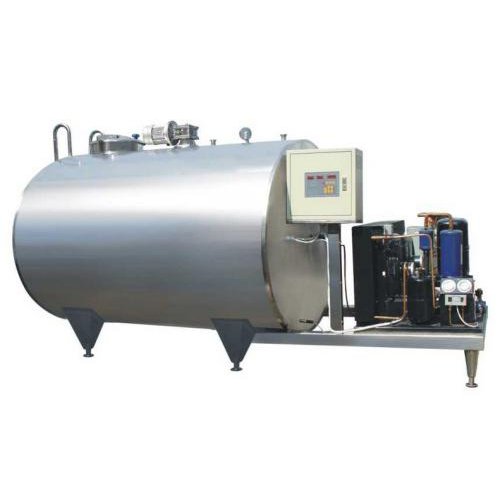
Mars New 2000 Liters Stainless Steel Horizontal Milk Refrigeration Cooling Storage Tank Pump Self-Closing Valves CE Certified 2
View Details →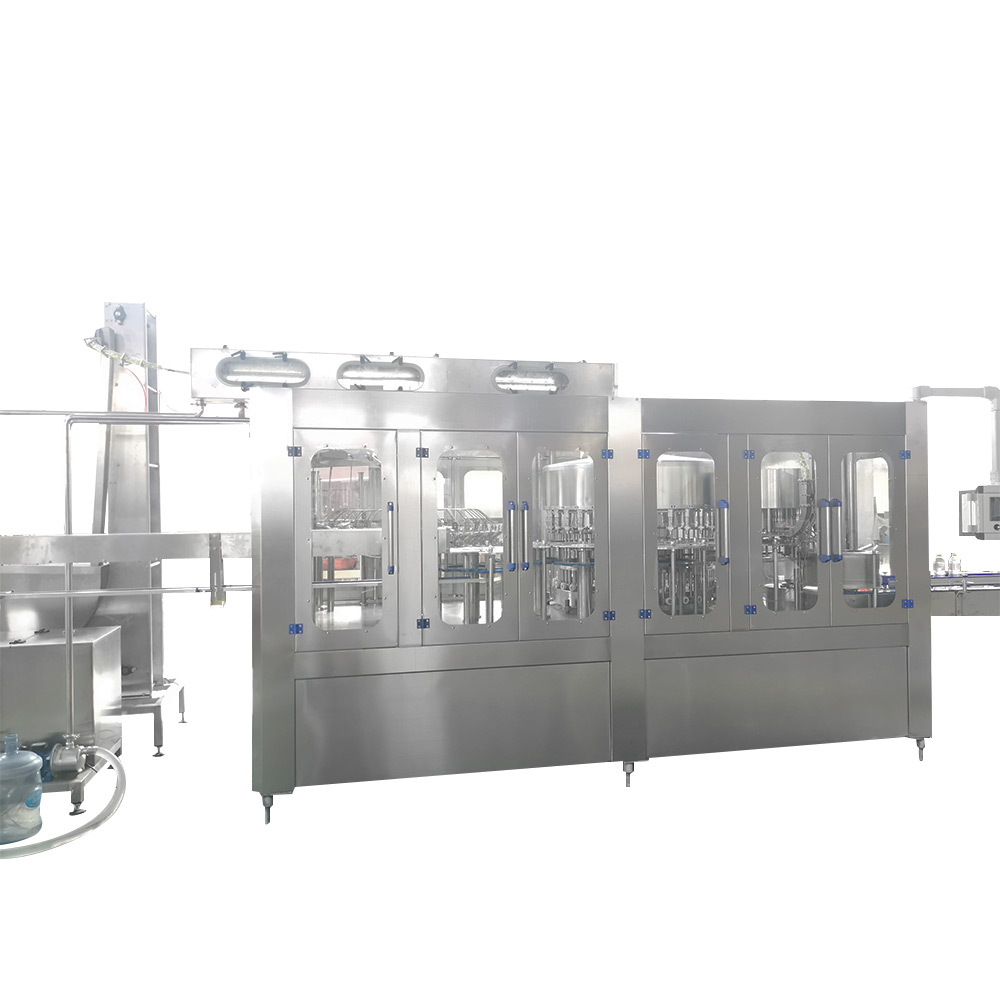
A to Z Complete Full Automatic PET Bottle Filling Machine for Pure Mineral Water Production Line
View Details →
12000BPH 6 Cavity PET Bottle Stretch Blow Molding Machine Semi-Automatic Variable Pitch Mineral Water Production
View Details →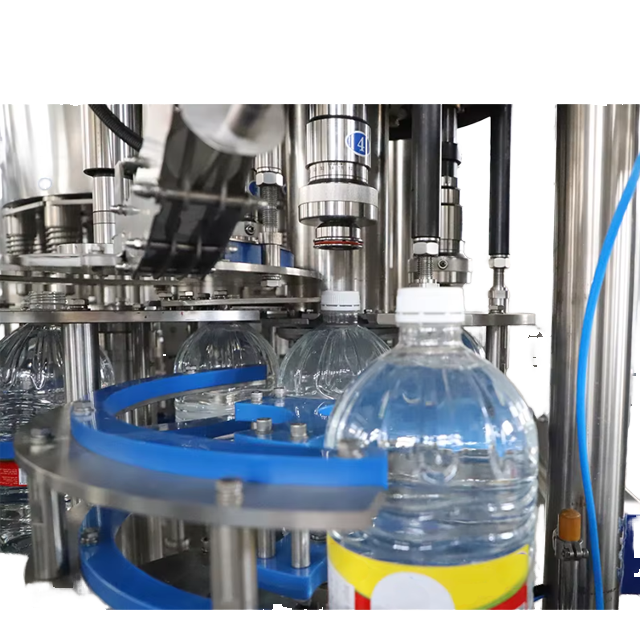
Automatic 5L Water Filling Machine PET Bottle Bottling Equipment for Beverage Packaging
View Details →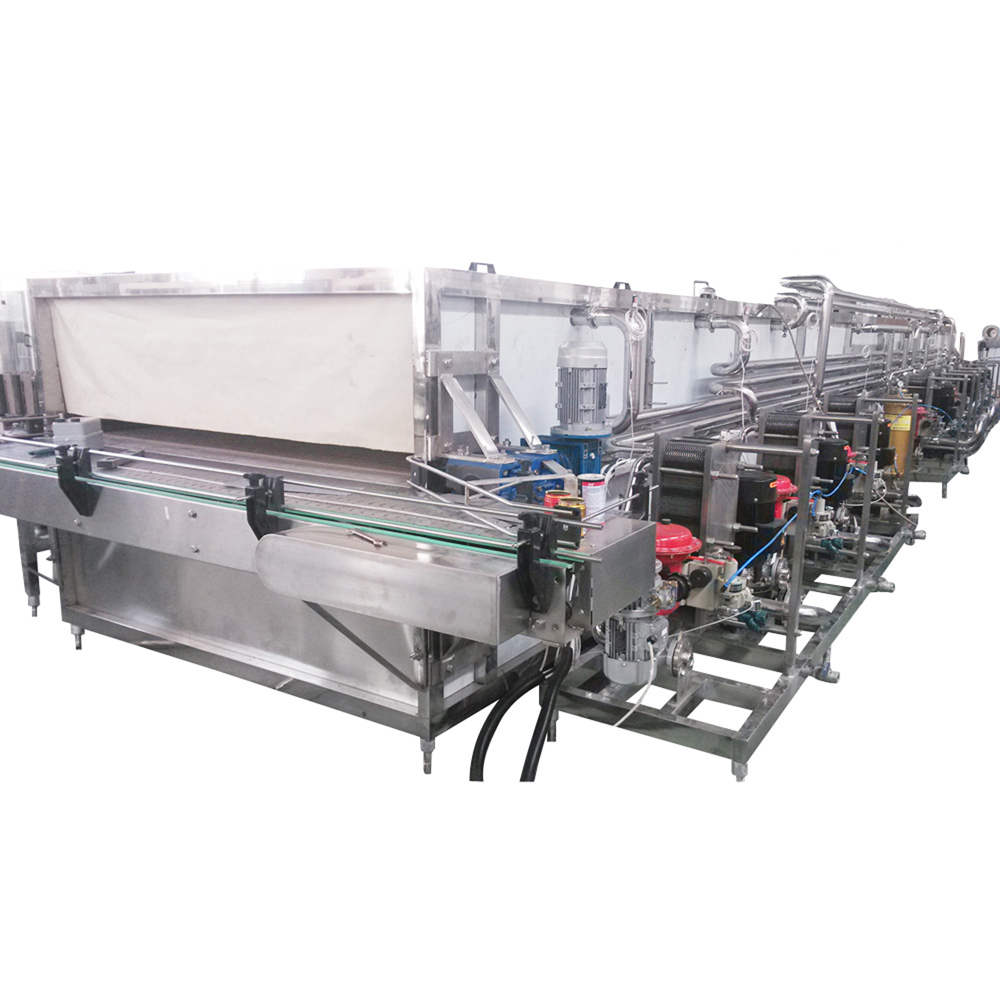
Automatic Tunnel Pasteurizing Machine SUS304 Stainless Steel Bottle Pasteurizer 380V 6.6Kw for Beverage
View Details →Thermal Sterilization Engineering & Pasteurization Unit (PU) Optimization for Nigerian Bottlers
In tropical industrial environments across Sub-Saharan Africa, maintaining commercial sterility without compromising taste profile, color, or carbonation requires strict mechanical accuracy. The automatic continuous tunnel pasteurizer serves as the foundational barrier against microbial spoilage for bottled beer, non-alcoholic malt beverages, RTD fruit juices, Zobo (hibiscus extracts), and carbonated soft drinks.
Thermodynamic PU Accumulation
Eliminates wild yeast, lactic acid bacteria, and spoilage micro-organisms by maintaining exact Pasteurization Unit (PU) formulas ($PU = t \times 10^{\frac{T - 60}{z}}$). Prevents flavor degradation while guaranteeing NAFDAC microbial compliance thresholds.
Thermal Shock Prevention
Multi-stage temperature gradient zones (Pre-heating, Heating, Holding, Pre-cooling, Final Cooling) ensure step-wise temperature transitions under 20°C per delta, eliminating glass bottle explosion and PET container warping.
Continuous Automated Conveyance
High-tensile SUS304 modular mesh belts with variable frequency speed drives (VFD) allow uninterrupted in-line pasteurization for speeds ranging from 2,000 BPH to over 24,000 BPH.
6-Zone Spray Tunnel Thermal Engineering & Mechanical Design
Our tunnel pasteurizer machines are built specifically to withstand challenging industrial conditions including high humidity, water hardness scaling, and frequent electrical grid variations.
Siemens PLC & Touchscreen HMI Controls
Equipped with central Siemens S7-1200/1500 PLC systems, real-time PT100 temperature sensors, and automated steam regulating valves. The system automatically adjusts conveyer speed and water spray temperature if upstream line speed fluctuates, avoiding over-pasteurization or under-pasteurization.
Anti-Clogging Nozzles & Heat Exchange Recirculation
Specifically engineered high-flow, anti-clogging solid cone spray nozzles combined with multi-stage centrifugal pumps and inline duplex filters. Hot water from the cooling zones is recycled to pre-heat cold incoming bottles, saving up to 40% on boiler steam consumption.
Power Grid Stabilization & Auto-Resume
Designed for 380V-415V / 50Hz / 3-Phase power configurations with Schneider electrical components and internal line drop memory protection. In case of local diesel generator changeover, the machine saves zone parameters and safely resumes cycle execution.
Technical Parameter Specifications: Standard Tunnel Pasteurizer Series
| Model Series | Production Capacity | Temperature Zones | Heating Source | Conveyor Width | Main Power Rating | Container Types |
|---|---|---|---|---|---|---|
| LTP-2000 | 2,000 – 3,500 BPH | 5 - 6 Zones | Steam / Electric Boiler | 1,200 mm | 6.6 kW - 12 kW | PET / Glass / Can |
| LTP-6000 | 5,000 – 8,000 BPH | 8 Zones | Steam Exchanger | 1,800 mm | 18 kW - 24 kW | Glass / Can / PET |
| LTP-12000 | 10,000 – 15,000 BPH | 10 Zones | Steam / Heat Recovery | 2,400 mm | 32 kW - 45 kW | Glass Bottle / Aluminum Can |
| LTP-20000 | 18,000 – 24,000 BPH | 12 Zones (Double Deck) | Dual Thermal Loop | 3,200 mm | 55 kW - 75 kW | High Speed Brewery Line |
Tailored Solutions for Nigerian Beverage Manufacturing Hubs
From Ikeja and Agbara industrial estates in Lagos/Ogun State to Aba, Port Harcourt, Onitsha, and Kano, local beverage processing demands heavy-duty machinery optimized for tropical ambient temperatures, specific beverage formulations, and long-distance ambient logistics.
Zobo Extract & Botanical Juices
Popular local hibiscus drinks (Zobo), tamarind mixes, and ginger extracts suffer rapid fermentation without chemical preservatives. Tunnel pasteurization heats bottled Zobo to 85°C–90°C followed by controlled cooling, granting a 12-month ambient shelf life without modifying natural taste.
Non-Alcoholic Malt & Lager Beer
Nigeria is one of the world's largest malt drink markets. Non-alcoholic malt in glass bottles and aluminum cans requires strict PU accumulation (typically 15-25 PU for beer, 50-80 PU for malt) to ensure complete yeast inactivation under hot warehouse storage conditions.
Flavored CSD & Energy Drinks
For hot-fill or post-fill carbonated soft drinks, warm water spray zones prevent condensation on the outer bottle walls prior to shrink wrapping or OPP glue labeling, preventing mold growth inside corrugated secondary master cartons.
Direct Engineering Solutions for Common Nigerian Plant Operational Hurdles
- Borehole Water Scaling: Integrated magnetic scale inhibitors and dual-stage stainless steel strainers protect heating coils from hard water deposits found in regional aquifers.
- Ambient Cooling Water: Special sizing of final cooling section heat exchangers accommodates high summer cooling water intake temperatures (up to 32°C).
- NAFDAC Audit Ready: Full historical temperature logging and chart recorder options guarantee verifiable sterilization logs for regulatory inspection.
- Spare Parts Availability: Standardized ISO/DIN mechanical seals, Omron/Schneider sensors, and Siemens hardware allow fast localized replacement in Lagos or Kano markets.
Tunnel Pasteurizer vs. Alternative Sterilization Systems
Comparative evaluation for factory managers deciding between in-bottle tunnel sterilization, continuous UHT flash pasteurization, and batch retorts.
| Evaluation Factor | Automatic Tunnel Pasteurizer | Plate / Tubular UHT Flash System | Batch Autoclave Retort |
|---|---|---|---|
| Post-Filling Contamination Risk | Zero Risk (Sterilizes container, beverage, and cap simultaneously after sealing) | Moderate (Requires ultra-sterile aseptic filler environment) | Zero Risk (In-container processing) |
| Container Compatibility | PET Bottles, Glass Bottles, Aluminum Cans, Tinplate Cans | Unpackaged Bulk Liquid Only | Glass Bottles, Cans, Retort Pouches (High Stress) |
| Production Throughput | Continuous High-Speed (2,000 to 30,000+ BPH) | Continuous Flow (1,000 to 20,000 LPH) | Batch Discontinuous (Low to Medium) |
| Operational Labor Needed | Fully Automated Inline (Minimal supervision) | Requires Skilled CIP/Aseptic Technicians | Manual Batch Loading & Unloading Carts |
| Thermal Efficiency | High (Multi-stage heat recycling between zones) | Very High (Regenerative heat exchangers) | Moderate to Low |
Lofsu Machinery Manufacturing Leadership & Export Expertise
Located in Zhangjiagang City, Jiangsu Province, Lofsu Packing Machinery Co., Ltd. brings over 15 years of dedicated R&D and industrial export experience to African beverage clients.
CE & ISO Certified Manufacturing
All equipment complies with European Safety Directives (CE 2006/42/EC). Raw materials undergo rigorous spectral inspection ensuring genuine SUS304 and SUS316L stainless steel composition.
Turnkey Shipping & Logistics to Nigeria
Proven export shipping routes to Lagos (Apapa / Tincan Island Ports) and Port Harcourt. Machine components are vacuum wrapped and fixed inside heavy-duty seaworthy wooden crates for safe ocean transit.
On-Site Commissioning & Local Training
Our mechanical and electrical automation engineers travel directly to buyer plant sites across Nigeria to oversee line assembly, perform wet-testing, and train local staff on routine maintenance and operating parameters.
Frequently Asked Questions by Nigerian Beverage Directors
Detailed answers regarding technical customization, electrical compatibility, installation support, and payment options.
How do I determine the correct Pasteurization Units (PU) and zone temperatures for my beverage product? +
Pasteurization Units depend on your product's pH value, sugar concentration (°Brix), carbonation level, and initial microbial load. For beer, typical target PUs range from 15 to 25 PU (where 1 PU is equivalent to 1 minute at 60°C). For non-alcoholic malt drinks or natural fruit juices with higher pH levels, targets may range from 50 to 120 PU at 80°C–85°C. Our engineering team calculates exact temperature profiles and conveyor residence times based on your specific sample testing data.
Can the tunnel pasteurizer handle both glass bottles and PET plastic bottles on the same machine line? +
Yes. By utilizing variable frequency speed drives (VFD) and customizable PLC recipes, the machine can switch between PET and glass bottle profiles. For PET bottles, the heating and cooling curves are engineered with extra temperature zones to keep thermal transitions under 15°C per zone, preventing thermal shrinkage or bottle base distortion.
What steam heating source is required, and can electric or gas boilers be integrated? +
The tunnel pasteurizer utilizes stainless steel heat exchanger coils that can connect to saturated steam supply lines from industrial diesel boilers, natural gas boilers, or heavy fuel oil (HFO) boilers. For smaller plants without steam boilers, we offer localized electric water heating elements or integrated oil-fired water heaters.
How does the machine cope with power outages and generator switchovers in Nigeria? +
Our control panels feature industrial UPS backup for the Siemens PLC unit and memory retention software. In the event of a sudden power outage, the system retains all zone temperature parameters and timer positions. Upon generator ignition, the system re-engages pumps and conveyors smoothly without losing track of batch sterilization status.
What is the delivery timeline to Lagos Port (Apapa / Tincan) and installation procedure? +
Standard manufacturing time is 30 to 45 calendar days after technical drawing confirmation. Ocean shipping from Shanghai/Ningbo port to Lagos typically takes 35 to 45 days depending on the shipping line. Upon container arrival at your factory, Lofsu sends experienced commissioning engineers to perform alignment, piping connections, electrical hookup, and staff operational training.
What documentation and warranty coverage are provided for NAFDAC plant registration? +
Every machine comes with a comprehensive documentation package including CE Certificate of Conformity, Material Test Certificates (MTC for SUS304/316), Electrical Circuit Diagrams, User Operating Manuals, and a 12-month full mechanical warranty covering all major components including pumps, gearboxes, and PLC hardware.
Request a Customized Tunnel Pasteurizer Technical Quotation & Plant Layout
Consult directly with our thermal engineering specialists. Share your container dimensions, beverage type, and required BPH output to receive a complete CAD layout diagram, utility consumption calculation, and formal export price quotation within 24 hours.