Featured Liquid Processing & Packaging Machinery
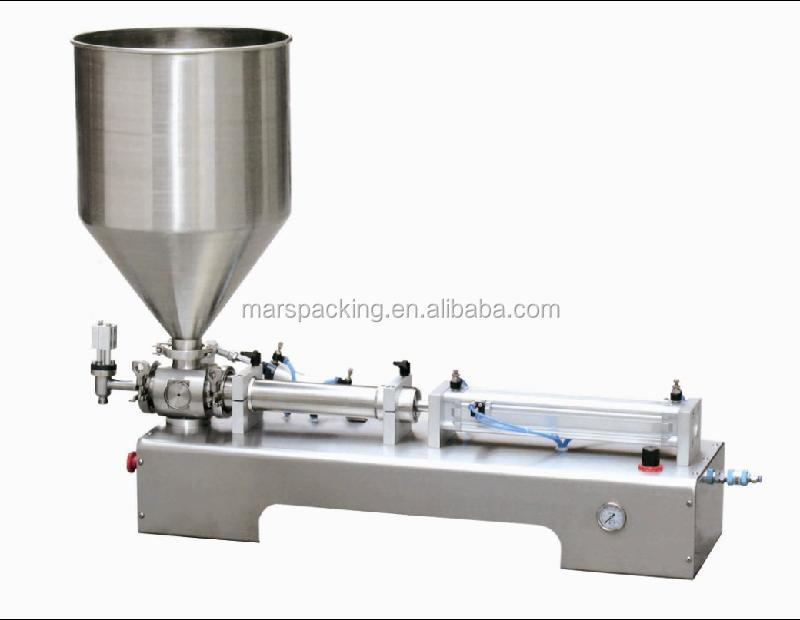
Semi Automatic Double Heads Tabletop Beverage Filling Machine with 2 Nozzles Pneumatic for Plastic & Paper Packaging
View Product →
Automatic Soda Water Filling Canning Machine for Carbonated Soft Energy Drink
View Product →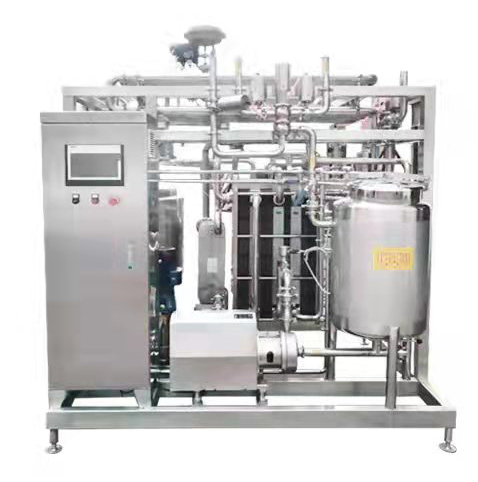
HTST-1000 Flash Plate Pasteurizer 380V 10kW Milk Juice Sterilizer Energy Saving Equipment
View Product →
Semiautomatic 5 Gallon PET Bottle Blow Molding Machine
View Product →
Semi Automatic Rotary Bottle Washing Machine High Pressure Rinser for Glass and PET Bottles
View Product →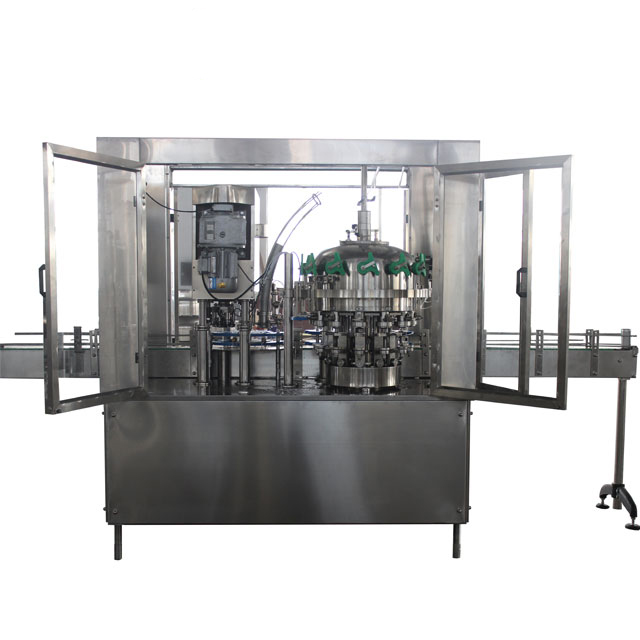
GDF12-1 Automatic Beer Can Filling Sealing Machine 12 Nozzle Aluminum Can Filler 2000 BPH Beverage Packaging Equipment
View Product →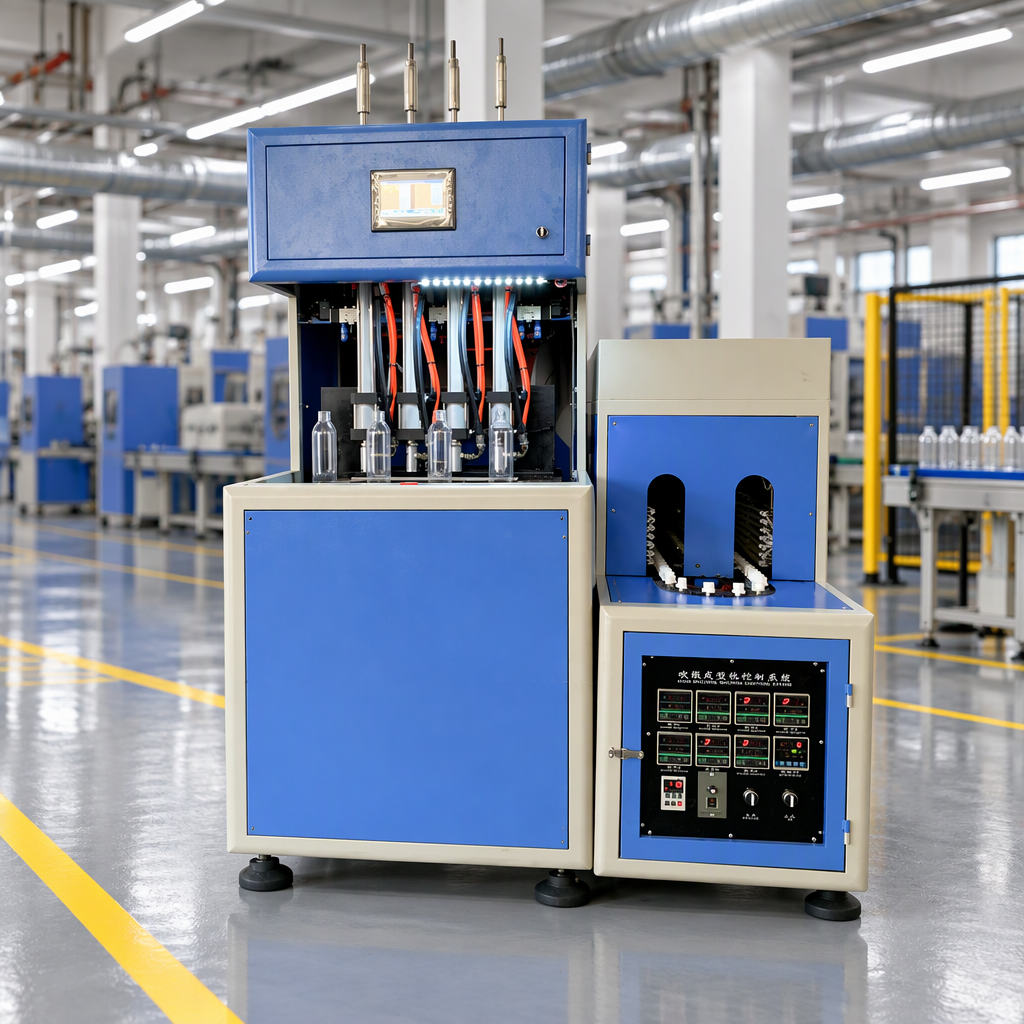
Semi Automatic 4 Cavity PET Bottle Blow Molding Machine 380V 30kW High Accuracy Production Equipment
View Product →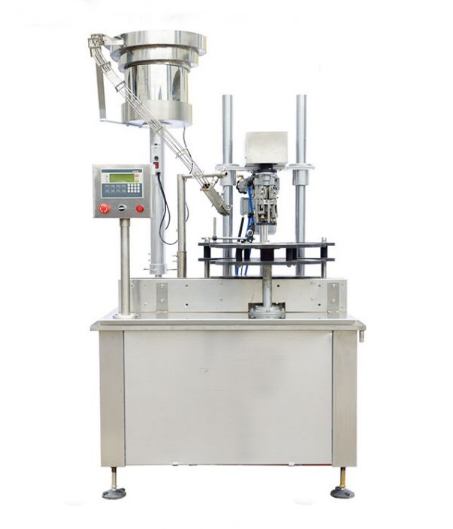
Automatic Single Head Wine Bottle Screw Capping Machine Electric 220V Stainless Steel 304 Glass Plastic Bottles
View Product →Thermodynamic Precision in Raw Milk Cooling Storage
Understanding the critical biophysical requirements of preserving raw milk quality under demanding ambient temperature profiles.
Rapid Microbial Inhibition
Freshly harvested bovine, ovine, or caprine milk exits the udder at approximately 35°C–37°C—an optimal breeding ground for enzymatic degradation and rapid multiplication of mesophilic bacteria. Our Direct Expansion (DX) cooling tanks drop the raw milk temperature to a safe holding range of 2°C–4°C within two hours, effectively arresting bacterial duplication and preserving natural somatic cell parameters.
Low-Shear Agitation Dynamics
Fat globules in raw milk are highly sensitive to mechanical shear stress, which can cause lipolysis and buttering. Our sanitary milk storage systems incorporate custom-calculated, gear-motor-driven agitators rotating at a precise 36 RPM low-shear speed. This ensures uniform temperature distribution across the liquid volume without damaging delicate milk fat membranes.
Laser-Welded Dimple Evaporators
Utilizing state-of-the-art pillow-plate laser welding, the direct expansion evaporator jacket covers the bottom half of the inner tank shell. This design maximizes conductive surface area and turbulent refrigerant expansion, achieving a thermal heat transfer coefficient exceeding 2100 W/(m²·K) while maintaining structural integrity under high working pressures.
Customized Milk Chilling Solutions for the Shiraz & Fars Dairy Ecosystem
Addressing the operational, climatic, and logistical realities of dairy farming and collection centers in Southern Iran.
High-Ambient Extreme Thermal Performance
Fars Province, centered around Shiraz, Marvdasht, Kavar, and Sepidan, experiences harsh summer ambient conditions where temperatures frequently surpass 42°C to 45°C. Standard commercial condensing units often suffer high-pressure trips under such heat stress. Our direct expansion milk cooling tanks supplied to Shiraz are equipped with tropicalized heavy-duty compressors (Copeland / Maneurop series) coupled with oversized air-cooled aluminum-fin condensers. This engineering choice guarantees uncompromised heat rejection capacity even during peak summer afternoons in arid pastoral belts.
Milk Collection Centers (MCCs) & Pastoral Cooperatives
In regions surrounding Shiraz, raw milk is sourced from a combination of industrial dairy farms and rural, semi-nomadic (Qashqai) goat and sheep herders. Small to medium Milk Collection Centers require decentralized, fast-acting storage tanks ranging from 500 Liters to 5,000 Liters. Our vertical and horizontal cylindrical configurations allow rapid batch receiving, swift temperature reduction, and temporary holding prior to transport via insulated tanker trucks to commercial dairy processing plants in Shiraz industrial parks.
Integration with Fermented Dairy & Traditional Products
The local Shiraz market exhibits immense demand for traditional Iranian dairy delicacies, including high-fat Doogh (yogurt drink), Labneh, Kashk, and artisanal cheeses. The chemical stability of raw milk stored in our tanks—maintained via precise thermostatic controls preventing partial freezing—ensures that protein structures remain un-denatured. This delivers superior yield and texture during subsequent fermentation and curdling processes in regional dairy facilities.
Power Grid Resilience & Voltage Stabilized Controls
Recognizing the electrical grid dynamics in suburban and rural Fars Province, our control cabinets are pre-wired for 380V/50Hz 3-Phase standard power supplies with built-in phase protection, voltage monitoring, and automatic delay restart relays. This safeguards expensive compressor motors against phase loss, voltage sags, or sudden power dropouts common during high-load summer months.
Modernization Trends in Iran’s Cold Chain Infrastructure
How technological advancements in milk cooling equipment are reshaping profitability and regulatory compliance in the Middle East.
1. Transition to Eco-Friendly Refrigerants
In accordance with global environmental accords and regional environmental standards, Iranian dairy producers are moving away from legacy ozone-depleting refrigerants. Our export-grade milk chillers utilize eco-friendly R404A and R134a refrigerants, delivering high volumetric cooling efficiency and zero ozone depletion potential (ODP).
2. Automated CIP (Clean-In-Place) Hygiene
Manual tank washing is rapidly being phased out across Fars Province due to labor costs and water scarcity. Modern milk cooling tanks feature integrated 360-degree rotating sanitary spray balls connected to automated CIP wash cycles (acid wash, caustic wash, and ambient rinse). This guarantees thorough removal of milk fat films and mineral stone scale, maintaining micro-cleanliness.
3. Digital Thermal Logging & Smart Controls
Modern commercial buyers in Shiraz require verifiable temperature logs to meet ISIRI (Institute of Standards and Industrial Research of Iran) food safety guidelines. Our tanks can be fitted with digital micro-processor controllers featuring real-time temperature displays, historical logging, and optional remote alarms that alert operators if milk temperatures drift above 5°C.
Engineering Specifications for Direct Expansion Milk Cooling Tanks
Standard parameter matrix for commercial buyers, dairy engineers, and wholesale procurement managers.
| Tank Nominal Capacity | Cooling Time (35°C to 4°C) | Compressor Power (HP) | Agitator Power & Speed | Insulation Thickness | Inner Shell Material |
|---|---|---|---|---|---|
| 500 Liters | ≤ 2.0 Hours | 2.0 HP (Copeland) | 0.37 kW / 36 RPM | 50 mm Polyurethane | Food-Grade Stainless Steel 304 |
| 1,000 Liters | ≤ 2.5 Hours | 3.5 HP (Copeland) | 0.55 kW / 36 RPM | 60 mm Polyurethane | Food-Grade Stainless Steel 304 |
| 2,000 Liters | ≤ 2.5 Hours | 5.0 HP × 1 or 3 HP × 2 | 0.75 kW / 36 RPM | 60 mm Polyurethane | Food-Grade Stainless Steel 304 / 316L |
| 3,000 Liters | ≤ 3.0 Hours | 7.5 HP Dual Circuit | 1.1 kW / 36 RPM | 80 mm Polyurethane | Food-Grade Stainless Steel 304 / 316L |
| 5,000 Liters | ≤ 3.0 Hours | 10 HP Dual Circuit | 1.5 kW / 36 RPM | 80 mm Polyurethane | Food-Grade Stainless Steel 304 / 316L |
| 10,000 Liters | Custom Engineering | Modular Multi-Compressor | 2.2 kW Dual Agitators | 80 mm Polyurethane | Food-Grade Stainless Steel 304 / 316L |
Lofsu Packing Machinery Co., Ltd. — Enterprise Expertise
Delivering certified liquid processing, bottling, and thermal storage solutions to global partners since 2010.
Precision Manufacturing & Global Compliance
Located in Zhangjiagang, Jiangsu—China’s premier manufacturing cluster for liquid packaging machinery—Lofsu Packing Machinery Co., Ltd. operates state-of-the-art production floors spanning 1,000–3,000 m². With over 15 years of continuous research and development, we specialize in turnkey projects covering water treatment, blowing, filling, pasteurization, labeling, and thermal storage equipment.
Over 70% of our machinery output is exported to more than 30 countries across North America, the Middle East, Africa, South America, and Southeast Asia. All our production lines and stainless steel tanks are engineered in accordance with CE directive 2006/42/EC and ISO sanitary guidelines.
Core Enterprise Pillars
- Sanitary Metallurgical Quality: Internal surfaces mirror-polished to Ra ≤ 0.4μm with orbital TIG welding to prevent biofilm buildup.
- Factory Acceptance Testing (FAT): Every cooling tank undergoes rigorous pressure testing, leak detection, and thermal refrigeration benchmarking prior to crating.
- Custom Electrical Engineering: Control panels built specifically for destination grid standards (220V–450V, 50Hz/60Hz, 3-Phase).
- Robust Export Logistics: Heavy-duty export packaging designed for ocean freight transit to Bandar Abbas and onward transport across Iran.
Frequently Asked Questions by Dairy Buyers in Shiraz
Answers to critical questions regarding technical specs, environmental adaptation, logistics, and maintenance.
Q1: How do your milk cooling storage tanks handle Shiraz’s high summer ambient temperatures exceeding 42°C? +
Our milk cooling tanks configured for the Shiraz market feature tropicalized refrigeration systems. We pair direct expansion laser-welded evaporator jackets with heavy-duty air-cooled condensers equipped with expanded heat-exchange surface areas and high-CFM axial fan motors. This guarantees that heat absorbed from the raw milk is efficiently dissipated even when surrounding room temperatures hit peak summer heights in Fars Province.
Q2: What stainless steel grades are used, and how is internal hygiene guaranteed? +
We utilize food-grade AISI 304 stainless steel for standard inner and outer shells. For specialized applications (such as high-salinity water environments or acidic dairy derivative processing), high-nickel AISI 316L stainless steel can be specified for the inner tank liner. All internal welds undergo automated TIG orbital welding and are ground smooth and mirror-polished to a surface roughness of Ra ≤ 0.4μm, eliminating micro-crevices where bacteria could hide.
Q3: Can these cooling tanks be powered by rural power supplies in Iran? +
Yes. The standard electrical cabinet is pre-wired for 380V/50Hz 3-Phase power, which matches industrial and agricultural power lines in Iran. The control panel includes integrated phase-sequence relays, over-current circuit breakers, and thermal overload switches to protect compressors against voltage fluctuations common in outlying agricultural districts around Shiraz.
Q4: What insulation material is used, and how long can raw milk stay cold during a power outage? +
We inject high-density polyurethane (PUR) foam (40 kg/m³) with a thickness of 50mm to 80mm between the inner and outer stainless steel jackets. Thanks to this low thermal conductivity barrier, in the event of an electrical power failure, the internal fluid temperature rises at an exceptionally slow rate of less than 1°C to 1.5°C over a 12-hour period under ambient conditions.
Q5: How does the internal cleaning system work to prevent milk scale accumulation? +
Tanks can be equipped with fixed or 360-degree rotating CIP (Clean-In-Place) sanitary spray balls mounted inside the top dome. When connected to a CIP pump circuit, hot detergent solutions and water wash down the internal tank walls, stripping away remaining butterfat, proteins, and minerals without requiring manual entry or abrasive scrubbing.
Q6: What shipping arrangements and lead times apply for orders dispatched to Iran? +
Tanks are wrapped in protective moisture-barrier film and packed in seaworthy wooden crates or secured directly inside FCL (Full Container Load) sea containers. Typical ocean transit is routed via major shipping lanes to Bandar Abbas port, followed by inland trucking to Shiraz. Standard production lead time is 20 to 35 days depending on tank volume and custom specifications.
Optimize Your Dairy Cold Chain in Shiraz Today
Connect with our engineering specialists for customized tank sizing, CAD plant layout design, thermodynamic calculations, and direct wholesale pricing for the Shiraz and broader Fars Province market.