Precision Filling, Blending & Packaging Systems
Engineered to withstand tropical ambient production conditions in Thailand while maintaining strict microbiological safety and high energy efficiency.
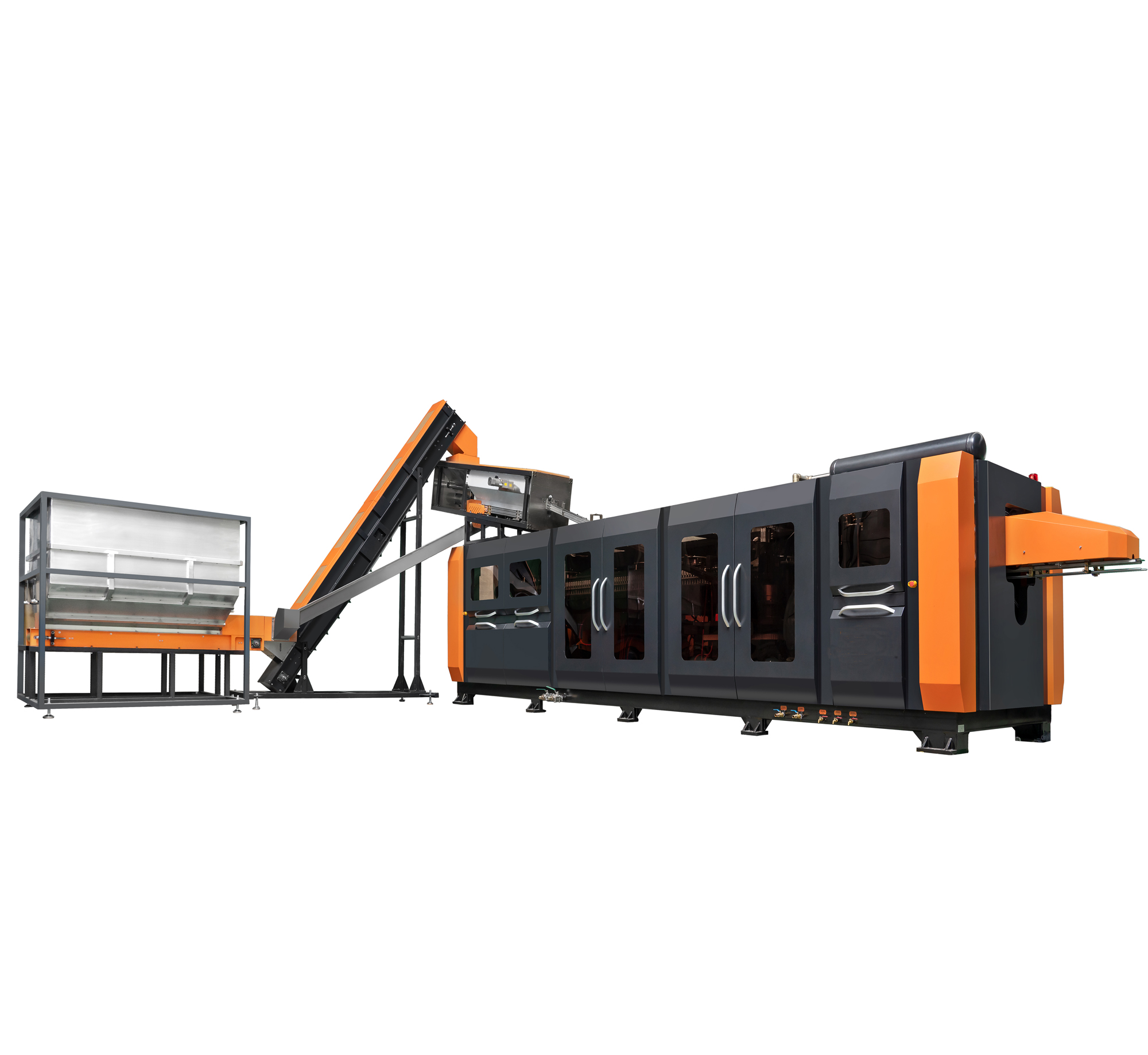
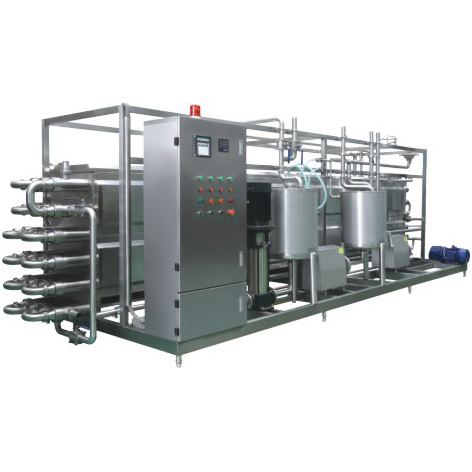

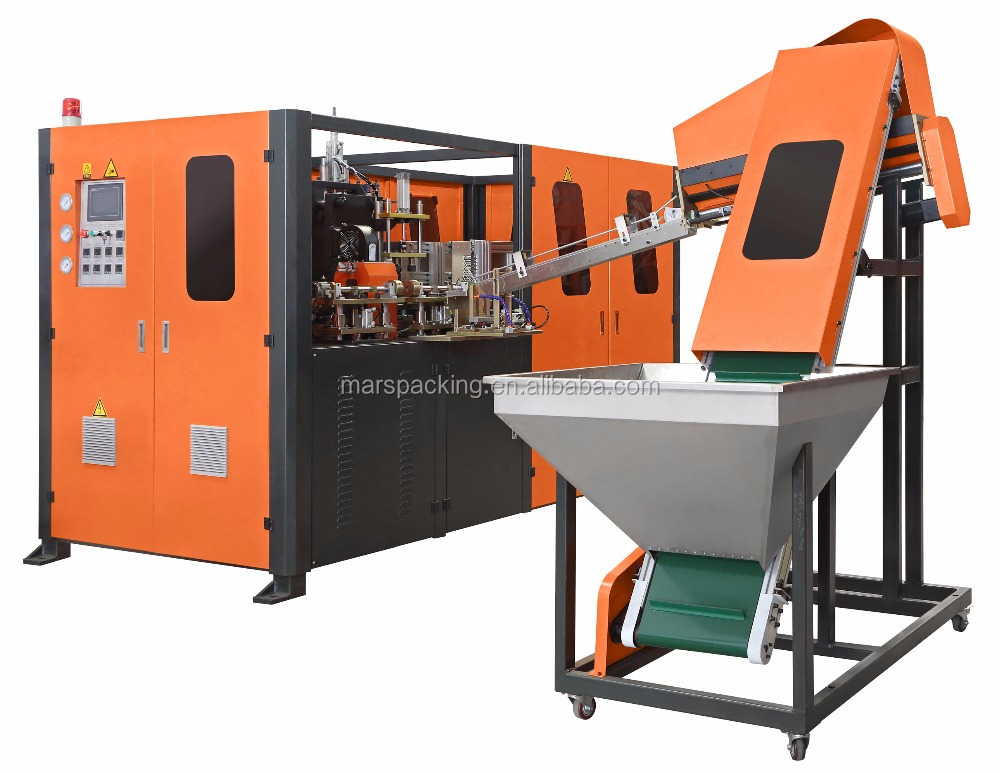
Bangkok Beverage Market Sourcing Dynamics: Thermal Processing & Hot Filling Infrastructure
The Greater Bangkok metropolitan area—encompassing strategic industrial corridors in Samut Prakan, Pathum Thani, Samut Sakhon, and Chachoengsao—has solidified its position as the premier beverage manufacturing hub of Southeast Asia. Driven by surging local and export demand for ready-to-drink (RTD) green teas, coconut water, tropical fruit nectars, herbal infusions (such as roselle, chrysanthemum, and butterfly pea), and functional sports beverages, local co-packers and OEM brands are aggressively upgrading their thermal liquid processing lines. In this competitive landscape, selecting the ideal hot fill bottling line factory and supplier is not merely an operational purchasing decision; it is a fundamental strategic determinant of shelf-life safety, container integrity, and gross margin optimization.
Hot filling remains the dominant thermal preservation method across Thailand and the wider ASEAN territory. Unlike cold aseptic filling, which demands class 100 cleanroom environments, expensive chemical sterilants (such as peracetic acid or hydrogen peroxide vapor), and ultra-complex sterile water loops, hot fill technology relies on the beverage product itself—heated precisely to between 85°C and 92°C—to commercially sterilize the internal surfaces of the bottle, neck finish, and closure during the contact dwell time. This process eliminates heat-resistant vegetative microorganisms, yeasts, and molds without compromising organoleptic flavor profiles or bioactive compounds.
Bangkok-Specific Production Application Scenarios
Building a high-yield hot fill bottling facility in Greater Bangkok requires custom engineering configurations designed for specific local raw material qualities, climate challenges, and beverage viscosity spectrums. Below are the primary deployment scenarios engineered by Lofsu Packing Machinery Co., Ltd. for local manufacturers:
RTD Green Tea & Herbal Infusions
Herbal formulations (e.g., Chrysanthemum and Roselle) are susceptible to oxidation and color degradation. Our integrated hot fill line incorporates inline ultra-de-aeration units upstream of the plate pasteurizer to reduce dissolved oxygen below 0.8 ppm. The 3-in-1 monoblock system fills at 88°C, immediately followed by cap sterilization tilting conveyance and multi-stage cooling tunnels to lock in aroma and natural botanical color.
Coconut Water & Tropical Fruit Juices
Thailand is the world's leading exporter of premium coconut water and mango/guava blends. Natural coconut water contains heat-sensitive enzymes (polyphenol oxidase) requiring fast pasteurization curves (95°C for 15–30 seconds via UHT tubular or plate pasteurizer) followed by fast fill at 85°C. Filling valves feature oversized flow channels to accommodate fruit pulp up to 6mm without valve clogging or drip contamination.
High-Viscosity Sauces & Liquid Seasonings
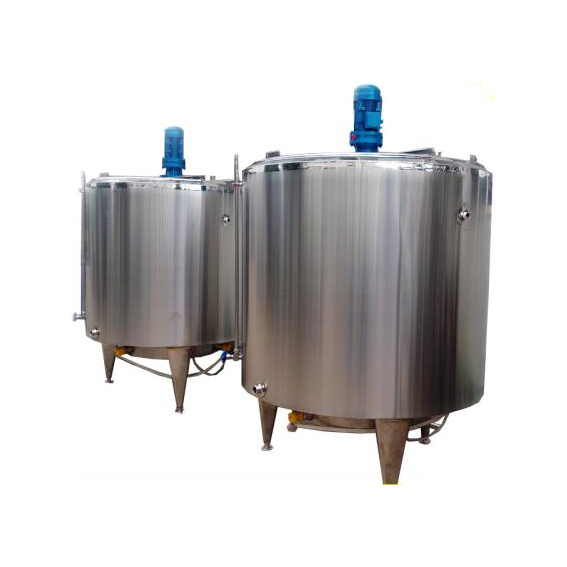
Beyond traditional beverages, Bangkok’s food production industrial parks produce immense volumes of Thai sweet chili sauce, fish sauce, and concentrated liquid seasonings. Utilizing our heavy-duty 1000L double-jacketed stainless steel mixing tanks with steam heating agitators alongside piston-assisted hot filling heads ensures high dosing precision even for viscous liquids handled at 90°C.
Technical Matrix: Hot Fill vs. Aseptic vs. Retort Processing in Thailand
| Evaluation Parameter | Hot Fill Line (Lofsu Recommended) | Cold Aseptic Filling | Retort Autoclave Processing |
|---|---|---|---|
| Typical Temperature Profile | 85°C – 92°C product filling | 20°C – 25°C sterile filling | 121°C post-packaging autoclave |
| Packaging Compatibility | Heat-Set PET, Glass, Aluminum Cans | Standard Lightweight PET | Glass, Can, Retort Pouches |
| Operational Complexity | Moderate; standard CIP/SIP protocols | Extremely High; Class 100 cleanroom | Moderate; batch thermal processing |
| Initial Capital Investment | Balanced (Optimal for Mid-Large Enterprise) | Very High (2.5x–3x Hot Fill CAPEX) | Low-Moderate; high labor footprint |
| Energy Consumption Ratio | Optimized with heat-recovery exchanger | High electric & chemical consumption | High steam & water demand |
| Bangkok Climate Adaptation | Excellent; tolerant to high ambient humidity | Requires strict air-handling filtration | Tolerant; high thermal stress on plant |
Key Market Trends Driving Hot Fill Machinery Upgrades in Thailand
To maintain market leadership, plant managers and project engineers across Greater Bangkok are adopting four critical manufacturing transitions:
1. PET Container Lightweighting via Heat-Set Technology: Traditional heat-resistant PET bottles required heavy grammage (often 28g–32g for a 500ml container) with deep vacuum panels to absorb thermal contraction. Modern blow molding technology—exemplified by our Mars Servo-Controlled Stretch Blow Molding Systems—uses specialized mold heating circuits (up to 140°C) to relax internal polymer stress. This allows beverage factories to lightweight hot-fill PET bottles down to 22g–24g, cutting plastic material costs by up to 18% annually.
2. Integration of Liquid Nitrogen Dosing for Panel-Less Bottle Designs: To meet consumer demand for sleek, smooth-walled cylindrical bottles (similar to modern premium tea brands in Bangkok retail outlets like Central Food Hall or 7-Eleven Thailand), producers are adopting inline liquid nitrogen dosing units. A micro-shot of LN2 is dropped into the container headspace between the hot fill valve and the capper. As the nitrogen expands into gas, it creates positive internal pressure that counteracts vacuum contraction upon cooling, allowing smooth-walled bottles to maintain rigidity.
3. Energy Recovery & Closed-Loop Thermal Efficiency: Power prices in Thailand (governed by MEA/PEA industrial tariffs) have incentivized factories to seek high thermal efficiency. Modern hot filling lines integrate multi-stage cooling tunnels equipped with plate heat exchangers. The thermal energy extracted from cooling the hot bottles (from 85°C down to 35°C) is transferred to pre-heat cold raw incoming water feeding the boiler or syrup preparation room, slashing factory steam costs by up to 25%.
4. Strict Compliance with Thai FDA (GHP/HACCP) & ISO 22000 Standards: The Food and Drug Administration of Thailand (Thai FDA) has tightened sanitary requirements for commercial beverage production. Equipment must feature high-grade SUS304/SUS316 stainless steel fluid contact zones, fully automated Clean-In-Place (CIP) 3-loop return manifolds, dummy bottle automated docking plates for filling valves, and HEPA laminar flow filtration hoods over the capping zone to prevent airborne microbial contamination during high-humidity monsoon seasons.
Why Bangkok Enterprise Beverage Producers Partner with Lofsu
Lofsu Packing Machinery Co., Ltd. (located in Zhangjiagang, Jiangsu, China—the world’s premier liquid packaging machinery manufacturing cluster) brings over 15 years of specialized mechanical engineering expertise to the Southeast Asian market. Having deployed complete turnkey lines across more than 30 countries globally, our company offers distinct operational advantages tailored to Thai manufacturers:
Custom Engineering & FAT Rigor
We do not sell stock, off-the-shelf machines. Every hot fill line is engineered specifically around your bottle drawing, neck finish specifications, product viscosity, and factory layout. Prior to dispatch, we execute a rigorous Factory Acceptance Test (FAT) utilizing your actual bottle samples and liquid formulas, backed by HD video verification.
Local Power & Electrical Customization
Our electrical systems are configured directly for Thailand’s industrial grid standard (380V, 3-Phase, 50Hz, or local custom step-down voltages from 220V to 450V). We utilize world-class, globally standardized automation components including Omron PLC controls, Schneider electrics, Airtac pneumatic cylinders, and Siemens human-machine interfaces (HMI).
Direct Field Service & Quick Delivery
With Zhangjiagang’s close proximity to major shipping routes to Bangkok's Laem Chabang Port and Klong Toey Port, transit times are exceptionally fast (typically 7–12 days sea freight). Our experienced mechanical and electrical commissioning engineers travel on-site across Thailand for turnkey installation, line balancing, and operator training.
Frequently Asked Questions by Bangkok Beverage Plant Managers
What production capacities do Lofsu hot fill bottling lines cover?
Our automated monoblock filling systems range from compact 2,000 bottle-per-hour (BPH) lines (ideal for craft juice or specialty herbal producers) up to high-speed 15,000+ BPH rotary triblock installations designed for large-scale enterprise co-packers in Thailand.
How do your machines handle vacuum contraction when hot filling PET bottles?
We supply two proven solutions: First, our Mars Heat-Set Stretch Blow Molding equipment produces stress-relieved heat-resistant PET bottles with designated structural vacuum panels. Second, for panel-less cylindrical bottle designs, we integrate automated liquid nitrogen dosing systems to maintain internal pressure.
Can your filling machines process both PET bottles and Glass containers on the same line?
Yes. We offer combo/flexible monoblock configurations equipped with dual-handling starwheels and height-adjustable filling bowls. This allows rapid changeovers between hot-fill PET bottles and glass bottles with crown caps or lug caps with minimal downtime.
What is the typical shipping lead time and sea freight route to Thailand?
Manufacturing lead time is generally 30–45 days depending on automation specs. Sea freight from Shanghai Port to Laem Chabang or Klong Toey (Bangkok Port) takes approximately 7 to 10 days, ensuring your project meets tight plant expansion deadlines.
Do you offer Thai language support on the HMI touchscreen interfaces?
Yes, all touchscreens powered by Siemens or Omron are delivered with dual or tri-language user interface options, including clear English and Thai language control menus to streamline daily operation for local plant technicians.
What trade delivery terms and payment structures are available for Thai importers?
We support flexible international trade terms including FOB, CFR, CIF (Laem Chabang / Bangkok), EXW, DDP, and DDU. Payment is typically settled via Telegraphic Transfer (T/T) or Irrevocable Letter of Credit (L/C at sight) in USD, EUR, or CNY.
Plan Your Hot Fill Production Line Expansion in Bangkok
Consult with our senior beverage packaging engineers today to receive a complete 2D/3D plant layout CAD drawing, energy balance estimation, and customized machinery quote within 24 hours.
Get a Quote