
1. The Strategic Role of Milk Storage Tanks in Sapporo’s Dairy Processing Ecosystem
Sapporo serves as the financial, technological, and logistical capital of Hokkaido—a region globally revered for contributing over 50% of Japan’s total milk output. Raw milk harvested across the vast Ishikari Plain, Tokachi, and Nemuro regions converges toward central bottling plants, cheese manufacturing units, and butter processing facilities in and around the Greater Sapporo area. In this high-volume supply chain, milk storage tanks are far more than passive hold vessels; they are critical thermal thermal-barriers and sanitary staging units responsible for maintaining microbiological safety, preserving butterfat consistency, and ensuring zero interruption between farm collection tankers and continuous downstream processing assets like HTST flash pasteurizers and ultra-high-temperature (UHT) sterilizers.
The operational environment in Sapporo presents a unique dual challenge for dairy equipment procurement directors. On one hand, raw milk is exceptionally sensitive to thermal fluctuation, where even a minor temperature rise above 4°C can trigger rapid somatic cell and psychrotrophic bacterial replication, jeopardizing flavor profiles and violating strict Japanese Food Sanitation Act (*Shokuhin Eisei Hō*) standards. On the other hand, Hokkaido's harsh winter climate subjects processing plants and external receiving bays to sub-zero ambient temperatures down to -10°C or lower. Without specialized thermal insulation, glycol jacket design, and robust mechanical agitation, milk inside storage vessels risks localized freeze-thaw cycles, which rupture fat globule membranes, destabilize proteins, and severely degrade product yield during butter or cheese production.
SEO & Technical Insight for Sapporo Procurement: Milk storage vessels designated for Hokkaido operations must feature dual-purpose thermal jackets capable of circulating chilled glycol/water (0°C to 2°C) during summer months while integrating outer PUF (Polyurethane Foam) insulation barriers that prevent localized freezing when exposed to winter ambient conditions in loading docks.
2. Engineering Architecture of Industrial Milk Storage Vessels
Building a high-capacity, heavy-duty milk storage tank demands rigorous hygienic design, precise thermal modeling, and structural integrity tailored to Japanese industrial site standards. As a premier manufacturer supplying the regional Sapporo market, our engineering design integrates advanced metallurgy, automated CIP (Clean-in-Place) sanitation, and customized agitation dynamics.
2.1 Sanitary Metallurgy & Surface Finish Engineering
Milk contains water, butterfat, lactose, and mineral salts that interact with metal contact surfaces under varying pH levels and temperatures. To guarantee absolute biosecurity, all product-contact inner shells are constructed exclusively from food-grade Austenitic Stainless Steel SUS304 or SUS316L. The internal surfaces undergo precision mechanical polishing followed by electro-polishing to achieve an ultra-smooth finish with a surface roughness of Ra ≤ 0.4 μm. This eliminates microscopic crevices where fat residues and biofilm-forming bacteria (such as Listeria monocytogenes or Pseudomonas spp.) can adhere.
SUS316L Contact Shells
High nickel and molybdenum content provides superior resistance against corrosive CIP acid/alkali wash cycles and salt-rich cultured milk products.
Polyurethane Foam Thermal Barrier
50mm to 100mm high-density injected PUF insulation maintains cold hold temperatures (≤ 4°C) for over 24 hours with negligible energy loss.
3D Dimple Cooling Jackets
Laser-welded honeycomb dimple jackets maximize cooling media turbulence, transferring thermal energy rapidly with low glycol pressure drops.
2.2 Dimple Jacket Heat Exchangers & Chilling Dynamics
To pull down raw milk temperatures rapidly from farm tanker delivery points (~7°C to 10°C) to ideal long-term storage temperatures (2°C to 4°C), our tanks are outfitted with fully integrated laser-welded dimple jackets (pillow plates). The dimple structure creates high fluid turbulence for chilled water or propylene glycol, maximizing heat transfer coefficients while maintaining high structural strength under operating pressures up to 0.6 MPa.
| Technical Spec Parameter | Farm Bulk Tank (1,000L – 5,000L) | Industrial Storage Silo (10,000L – 50,000L) |
|---|---|---|
| Primary Application | Raw Milk Collection & Chilling | Continuous Process Holding / Buffer Storage |
| Internal Vessel Material | SUS304 / Ra ≤ 0.4 μm | SUS304 or SUS316L / Ra ≤ 0.4 μm Mirror Finish |
| Cooling Jacket Type | Direct Expansion (DX) or Dimple Jacket | Multi-Zone Dimple Cooling Jacket (Glycol/Chilled Water) |
| Agitator Configuration | Top-Mounted Vertical Paddle (36 RPM) | Side-Entry or Top-Mounted Low-Shear Impeller |
| Insulation Specification | 50mm Polyurethane (Density 40kg/m³) | 80mm – 100mm PUF with Hermetically Sealed Outer SUS Sheath |
| CIP System Hardware | Dual Fixed 360° Rotary Spray Balls | Multi-Cluster Retractable CIP Turbines & Venting Valve |
| Power & Grid Compatibility | 200V / 3-Phase / 50Hz (Hokkaido Grid) | 200V–380V Custom Voltage / 50Hz / PLC Integrated |
2.3 Gentle Mechanical Agitation for Butterfat Preservation
Because milk fat density is lower than water (0.91 g/cm³ vs 1.00 g/cm³), un-agitated milk naturally separates, causing cream to float to the top and create a dense fat layer. This stratification creates non-uniform thermal conductivity and complicates pasteurization accuracy. Our milk storage tanks utilize low-shear, variable-frequency agitators (geared to operate between 24 RPM and 36 RPM) equipped with wide-sweep pitched blades. This design guarantees constant cream distribution and homogenous heat transfer without churning the butterfat, preventing free-fat release and milk foaming.
3. Tailored Applications across Sapporo & Hokkaido Regional Facilities
Different dairy operational facilities across Sapporo require specialized tank configurations to align with specific processing workflows, spatial constraints, and throughput demands:
3.1 Primary Raw Milk Reception & Silo Storage in Sapporo Suburbs
Large-scale processing plants located in industrial zones like Ebetsu, Eniwa, and Kitahiroshima (bordering Sapporo) receive hundreds of metric tons of raw milk daily. High-capacity vertical outdoor storage silos (ranging from 20,000L to 100,000L) serve as reception hubs. These silos feature alcove designs that extend through plant walls, placing manways, sampling cocks, CIP connections, and PLC instrument panels inside the hygienic processing room while the main insulated vessel body sits outdoors to save internal floor space.
3.2 Intermediate Buffer Storage for HTST & UHT Lines
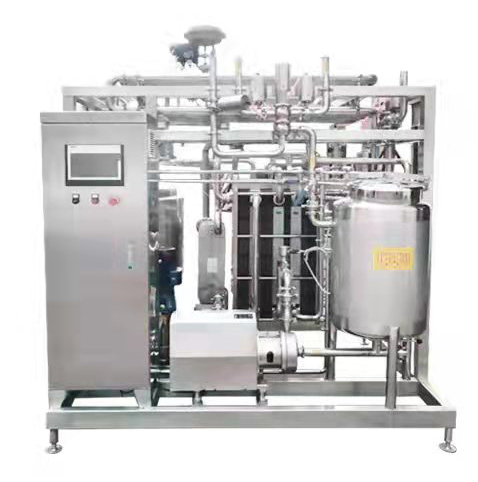
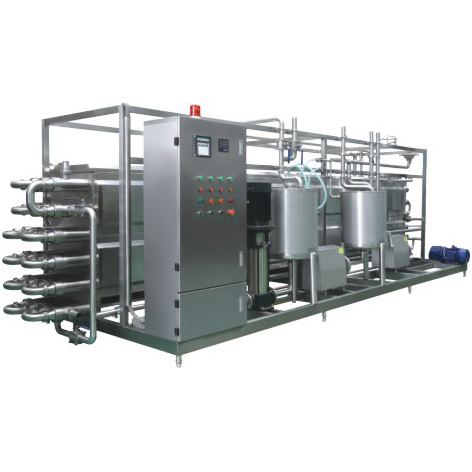
Directly preceding pasteurization, milk must be stored in secondary buffer tanks that smooth out batch variances. Interfacing seamlessly with our HTST-1000 Flash Plate Pasteurizers and double-jacketed blending equipment, these tanks incorporate pneumatic sanitary divert valves, level transmitters (hydrostatic pressure or radar), and automated CIP manifold lines to enable zero-downtime cleaning between batch runs.
3.3 Artisan Cheese & Fermented Dairy Agitation Tanks
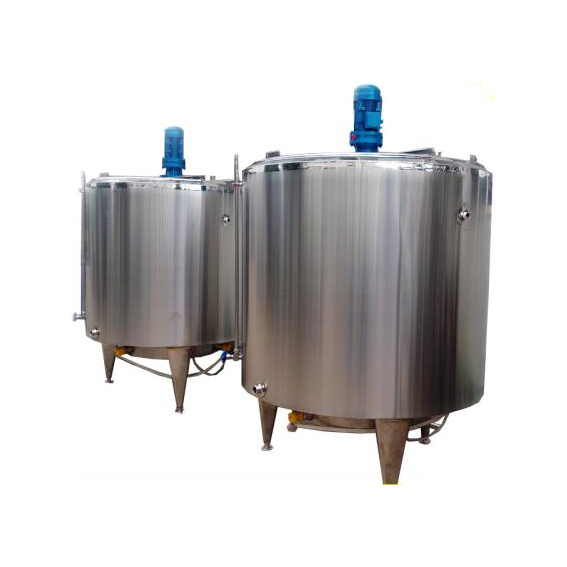
Sapporo has seen exponential growth in craft cheese, yogurt, and Hokkaido specialty dairy dessert production. These specialized processes require double-jacketed liquid mixing tanks capable of heating milk to incubation temperatures (42°C to 45°C for yogurt) or holding precise low-shear conditions for curd formation. Our jacketed agitator tanks provide uniform steam or electric heating, precise temperature feedback sensors, and sanitary bottom-discharge valves that prevent product shear.
4. Industry Trends Shaping Sapporo's Dairy Sector
Procurement teams in Sapporo are operating in an evolving regulatory, economic, and technological environment. Modern milk storage systems must accommodate three distinct industry trends:
1. Transition to Industry 4.0 & Smart Thermal Telemetry: Digitalization is sweeping Hokkaido's dairy sector. Modern storage tanks are expected to feed real-time temperature, volume level, agitator status, and CIP cycle data directly into plant-wide SCADA or MES platforms. Our smart control panels feature Siemens or Mitsubishi PLCs with Ethernet/IP interfaces, granting operators continuous traceability required for Hazard Analysis Critical Control Point (HACCP) compliance.
2. Decarbonization & Energy-Recovery Integration: High electricity tariffs across Japan make thermal efficiency a major competitive advantage. Modern Sapporo plants utilize heat-recovery circuits where heat rejected from milk cooling jackets is captured to pre-heat CIP wash water or boiler feed lines. Our dimple jacket designs are optimized for low pressure drops, reducing pump kWh consumption by up to 18%.
3. Stringent Environmental & Chemical Water Management: Sustainable water usage in CIP wash cycles is now heavily monitored by Hokkaido municipal environmental agencies. By integrating orbital rotating spray heads and sloped vessel bottoms with zero-dead-leg outlet connections, our storage tanks maximize liquid drainage and reduce CIP chemical flush volumes by over 20%.
5. Unmatched Manufacturing Advantages & Global Quality Assurance
With over 15 years of liquid packaging machinery engineering expertise, Lofsu Packing Machinery Co., Ltd. stands as a verified international manufacturer delivering complete turnkey solutions to buyers in over 30 countries across North America, Europe, Asia, and the Middle East.
Factory Rigor & Audited Quality
Our 1,000–3,000 m² manufacturing plant in Zhangjiagang underwent strict onsite third-party audits. Every vessel undergoes dye-penetrant weld testing, hydrostatic pressure validation, and surface roughness verification before leaving the factory floor.
Tailored Japanese Electrical Specs
We customize electrical components specifically for Hokkaido Electric Power grid specifications (200V / 220V 3-phase, 50Hz), integrating premium international PLC brands (Mitsubishi, Omron, Delta) for reliable local operation.
Turnkey Line Engineering
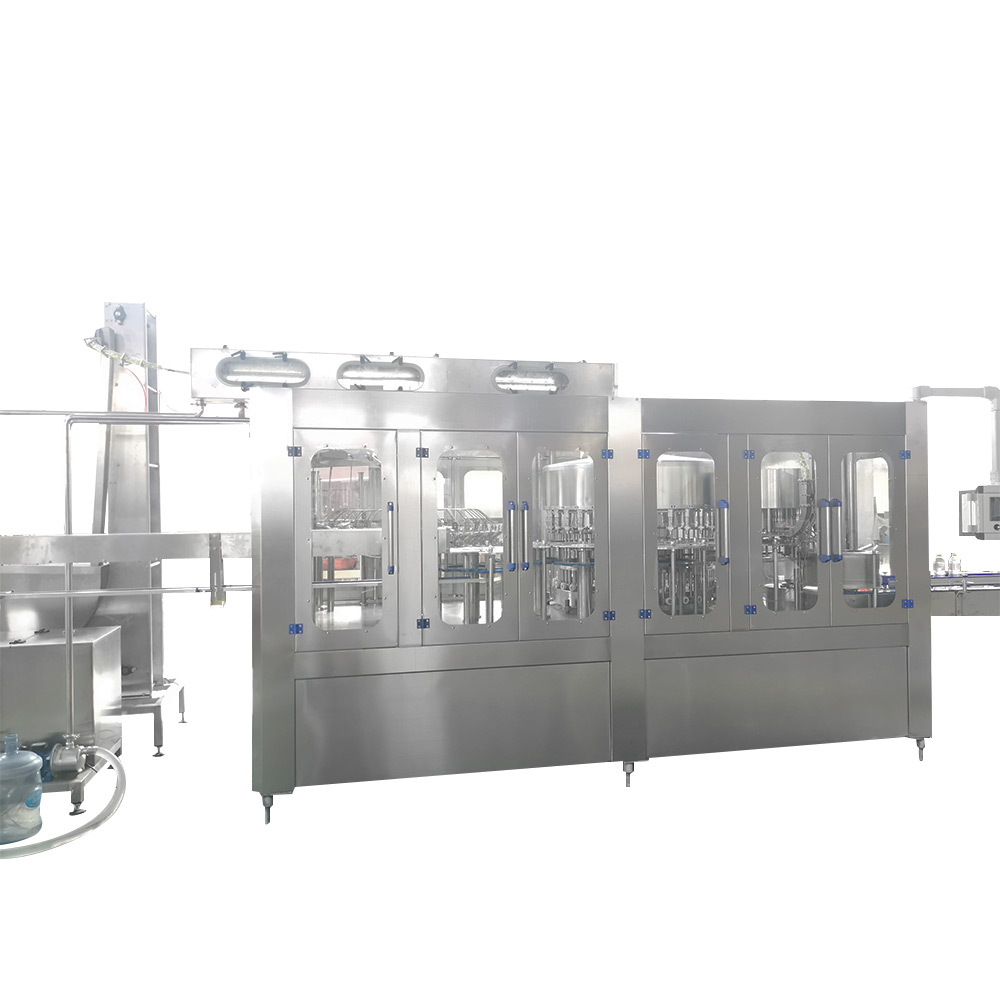
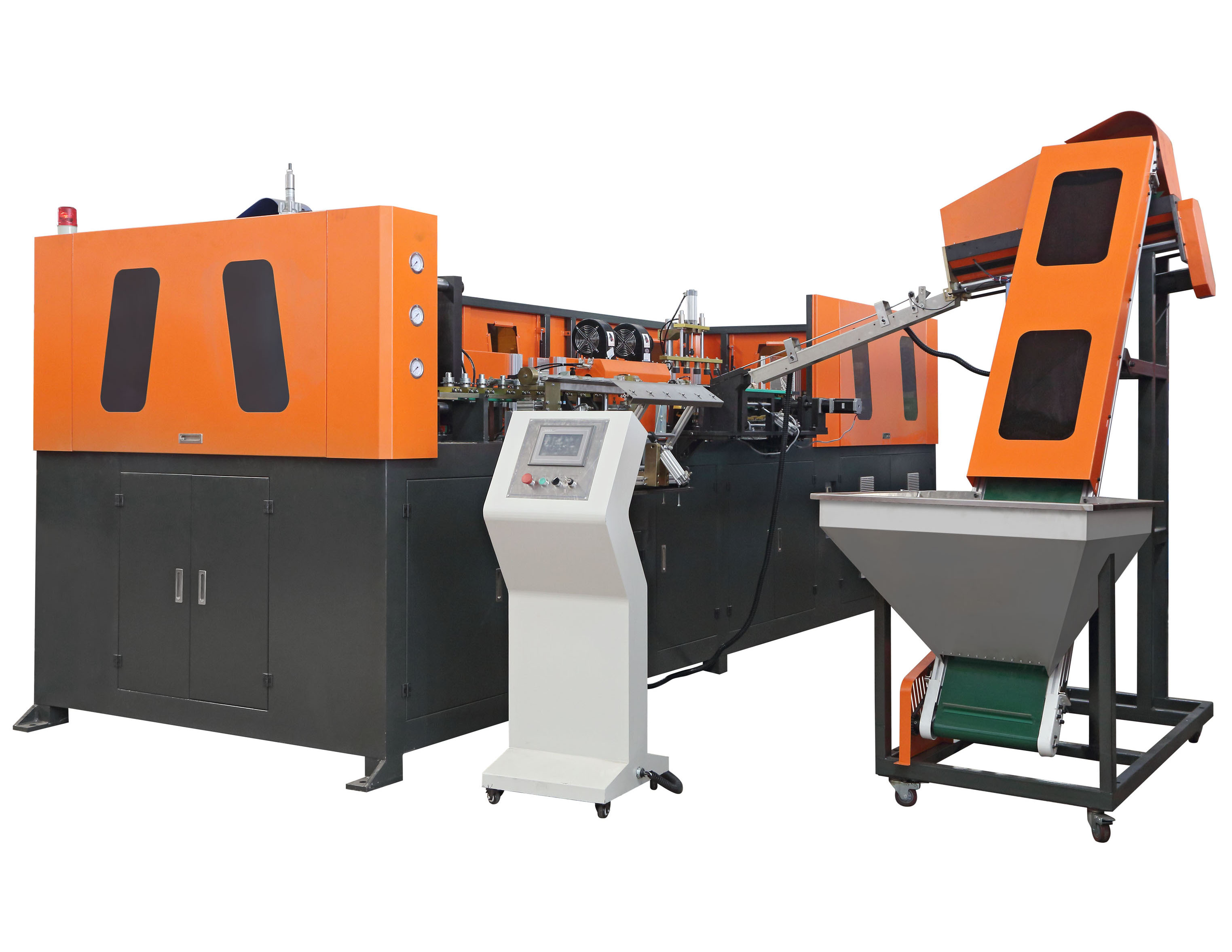
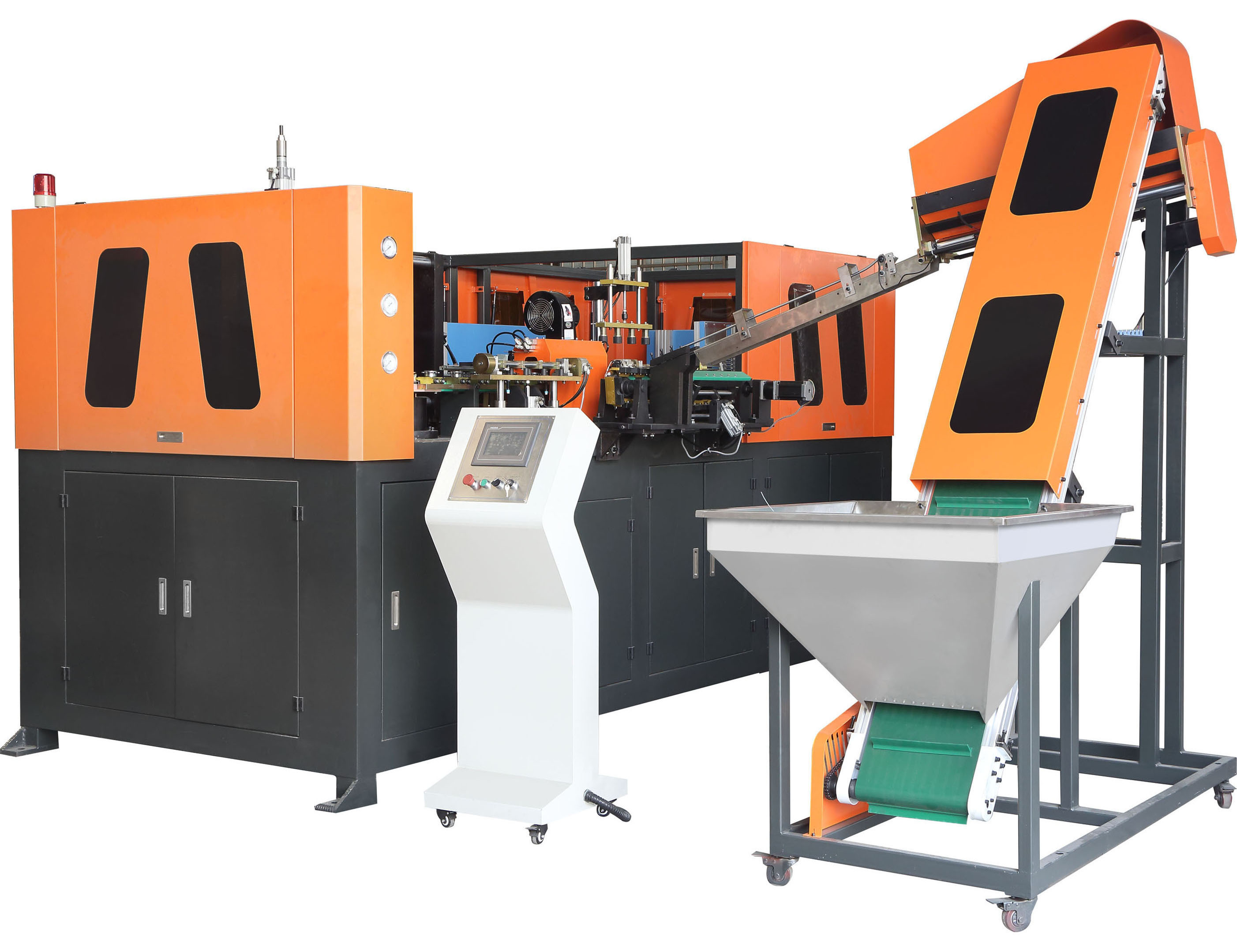
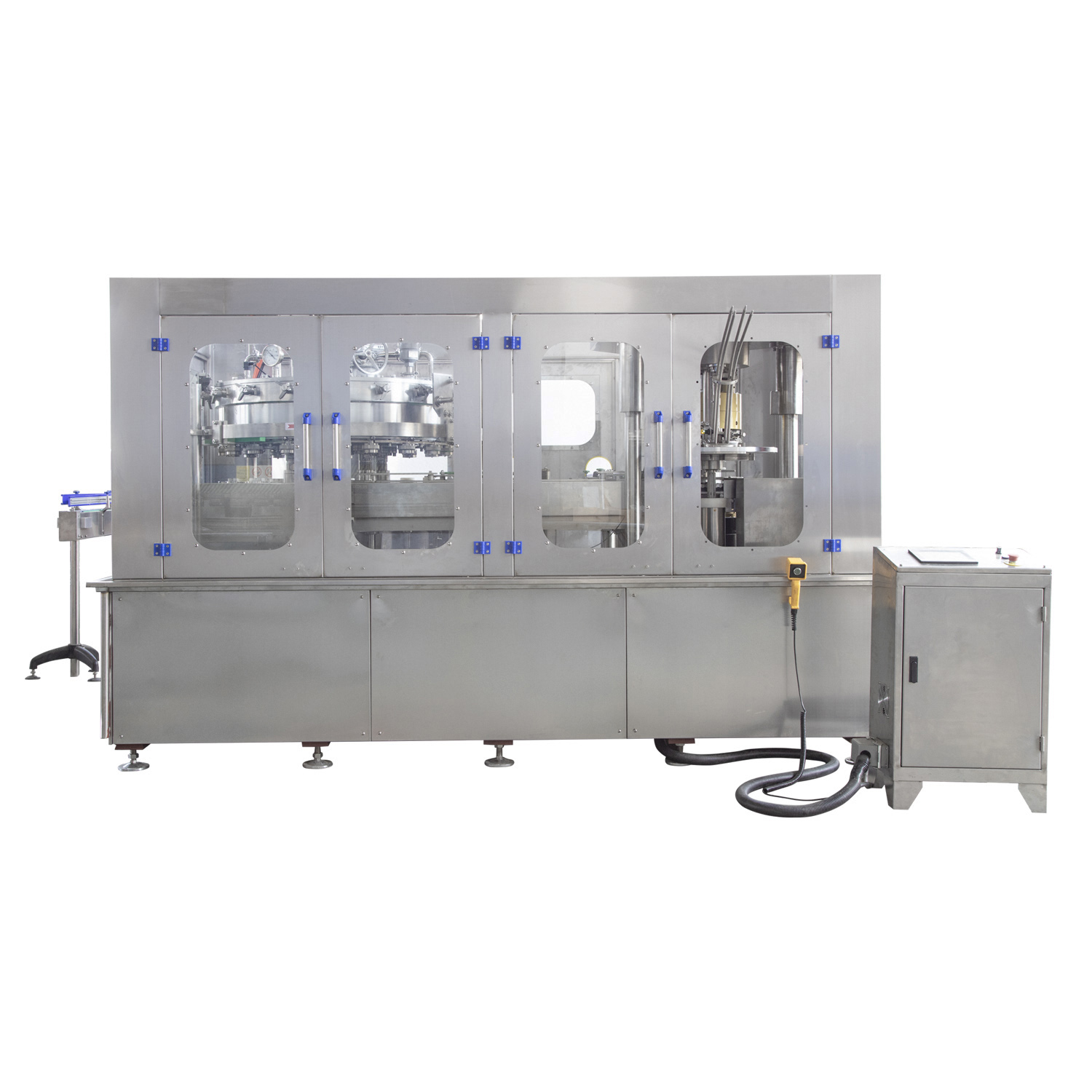
Beyond isolated storage tanks, we supply complete turnkey lines—from raw water treatment and mixing tanks to HTST pasteurizers, PET blow molders, and automated canning/bottling lines.
6. Sapporo Local Procurement FAQ (Technical & Regulatory)
How do your milk storage tanks comply with Japanese sanitary laws (MHLW / Food Sanitation Act)?
Our vessels are fabricated from certified food-grade SUS304 or SUS316L stainless steel. All internal product-contact welds are ground smooth and micro-polished to Ra ≤ 0.4 μm, eliminating dead corners. Seal materials utilize FDA-approved fluororubber or EPDM gaskets that fully satisfy Ministry of Health, Labour and Welfare (MHLW) regulatory requirements.
Can the tank’s electrical system be configured for Hokkaido’s power grid?
Yes. Hokkaido operates on a 50Hz electrical frequency with standard commercial voltages of 200V three-phase. We custom-wire all agitator motors, CIP pumps, temperature sensors, and PLC control panels to match your exact local power supply prior to factory shipment.
How do your storage tanks prevent milk freezing during harsh Sapporo winters?
Outdoor or dock-adjacent storage silos feature 80mm to 100mm high-density polyurethane foam (PUF) insulation encased in a fully welded, weatherproof stainless steel outer jacket. This construction provides exceptional thermal conservation, maintaining liquid milk safely at 2°C to 4°C without risk of localized freezing, even when ambient temperatures plunge to -15°C.
What options are available for automated CIP (Clean-in-Place) cleaning?
Each tank is equipped with dual or multi-cluster 360° rotary stainless steel spray balls or dynamic cleaning turbines. The tank base features a 15° to 30° conical or dish bottom with a zero-dead-leg discharge valve, ensuring 100% fluid evacuation during caustic, acid, and water rinse cycles.
Are your milk tanks engineered to resist seismic activity in Hokkaido?
Yes. Storage silos and heavy vertical vessels feature heavy-duty reinforced mounting legs, thick base anchor flanges, and optional seismic tie-down points designed in accordance with JIS B 8265 engineering guidelines to withstand seismic accelerations common in Japan.
What is the lead time and pre-shipment quality verification process?
Standard manufacturing lead time ranges between 30 and 45 days depending on vessel capacity and automation requirements. Before dispatch, every tank undergoes a full Factory Acceptance Test (FAT), including 24-hour hydrostatic leakage testing, dimple jacket pressure testing at 0.6 MPa, and surface roughness inspection. Test videos and mill test certificates (MTC) are provided prior to seaworthy packaging.
Request Engineering Specifications & Turnkey Quotation
Planning a raw milk storage upgrade or a complete dairy processing plant installation in Greater Sapporo or Hokkaido? Contact our senior engineering team today for technical CAD layouts and tailored equipment proposals.
Get Catalog