High-Performance Thermal Processing & Bottling Equipment
Explore our core machinery engineered for liquid food pasteurization, ultra-high temperature (UHT) treatment, and integrated downstream packaging.
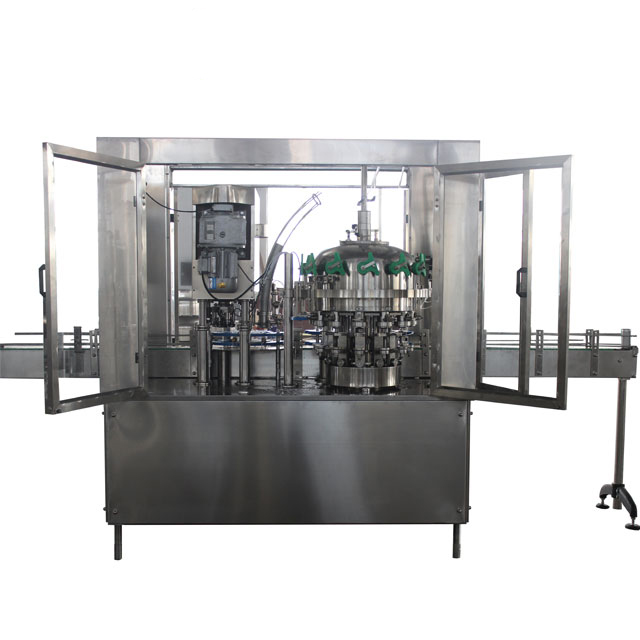
GDF12-1 Automatic Beer Can Filling Sealing Machine 12 Nozzle Aluminum Can Filler 2000 BPH
View Details →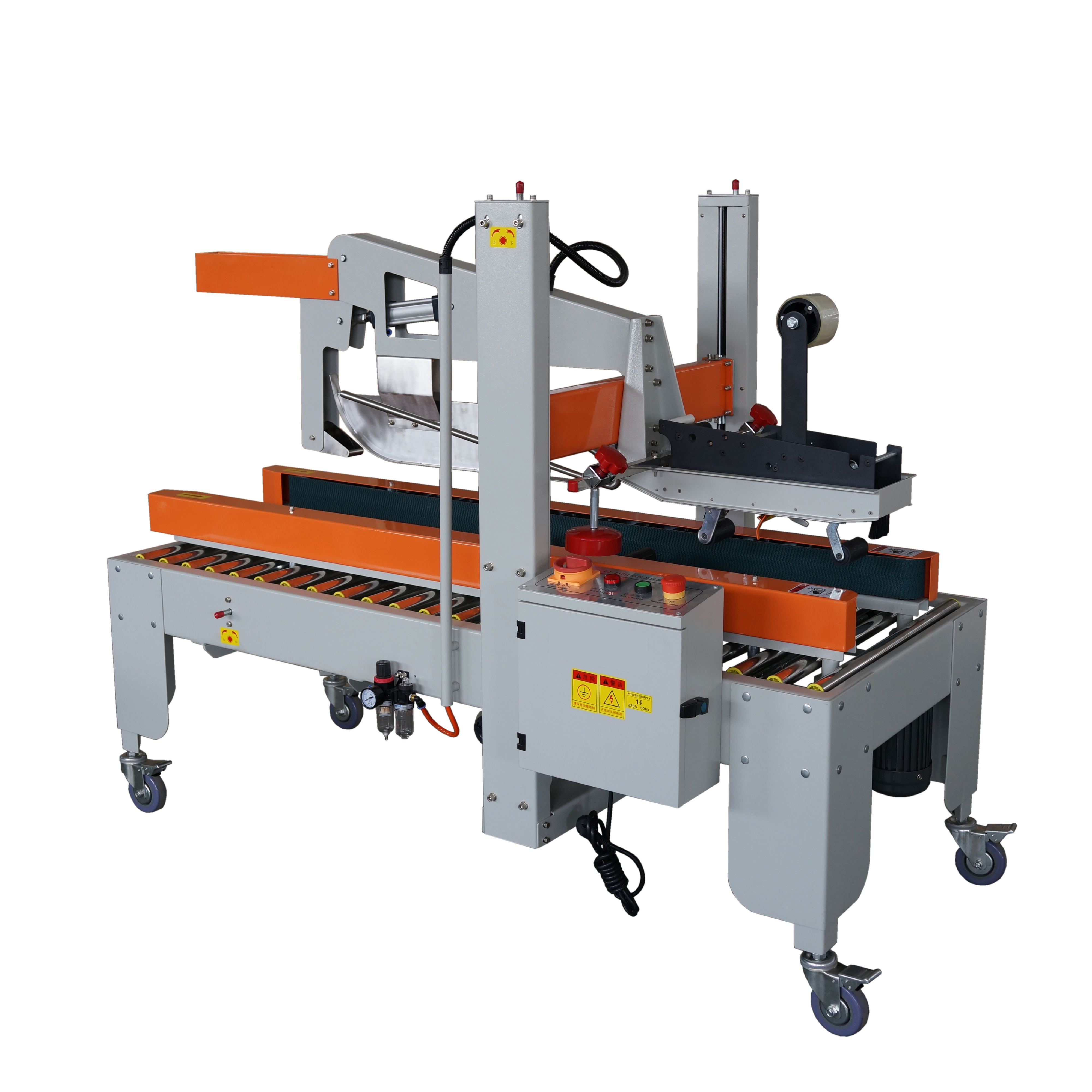
Automatic Electric Carton Sealing Machine FXJ-10 Cold Sealing Paper Tape Box Packaging Equipment 18 m/min
View Details →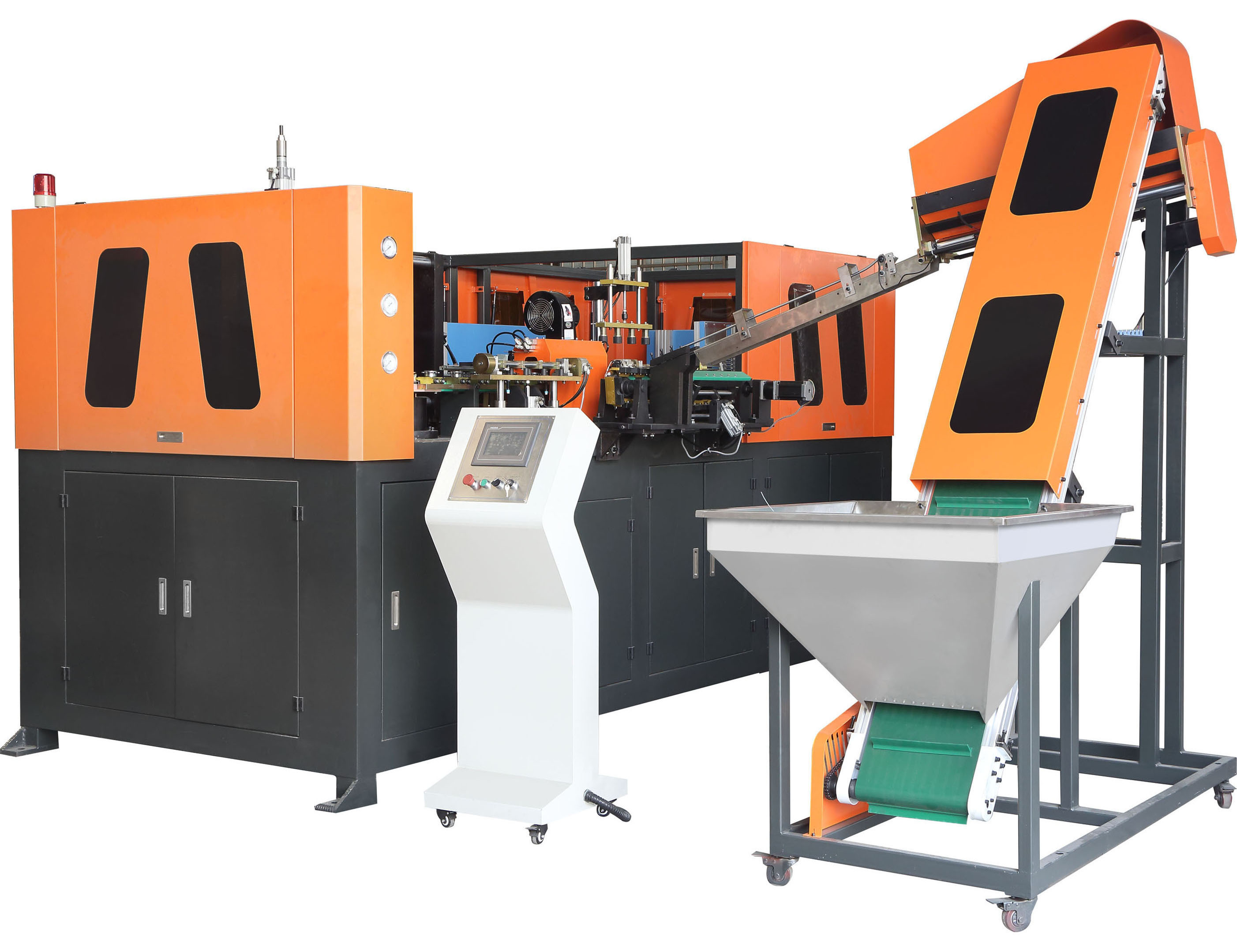
HZ-880B Mars 3 Cavity Automatic PET Plastic Mineral Water Bottle Making Machine PLC Delta Motor 2200 BPH
View Details →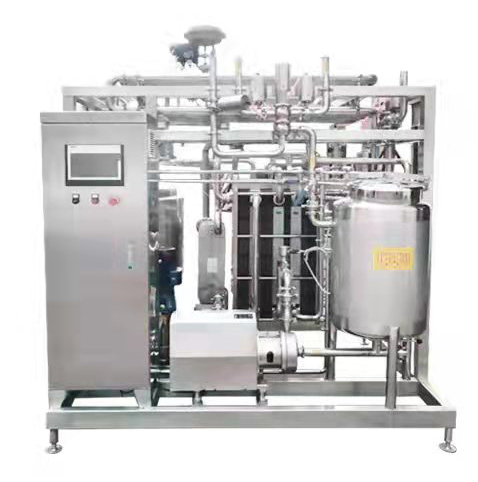
HTST-1000 Flash Plate Pasteurizer 380V 10kW Milk Juice Sterilizer Energy Saving Equipment
View Details →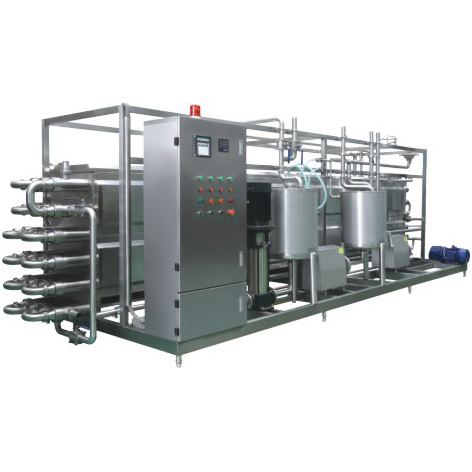
Small Automatic Plate Type Pasteurizer with Pump New Condition for Milk Ketchup Juice Beer & Egg
View Details →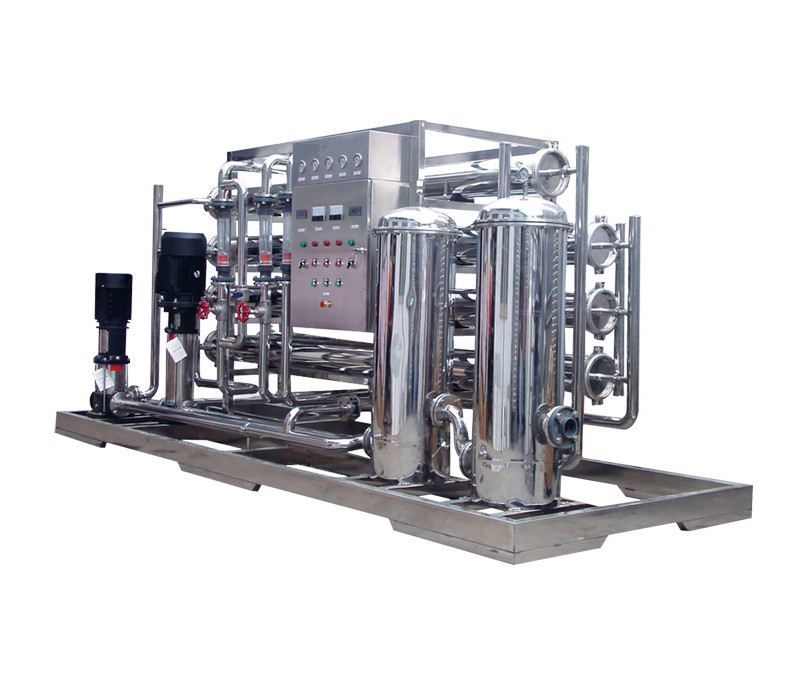
Mars Reverse Osmosis Water Treatment System 3000L/Hour 800W 380V Pump Water Purification Equipment
View Details →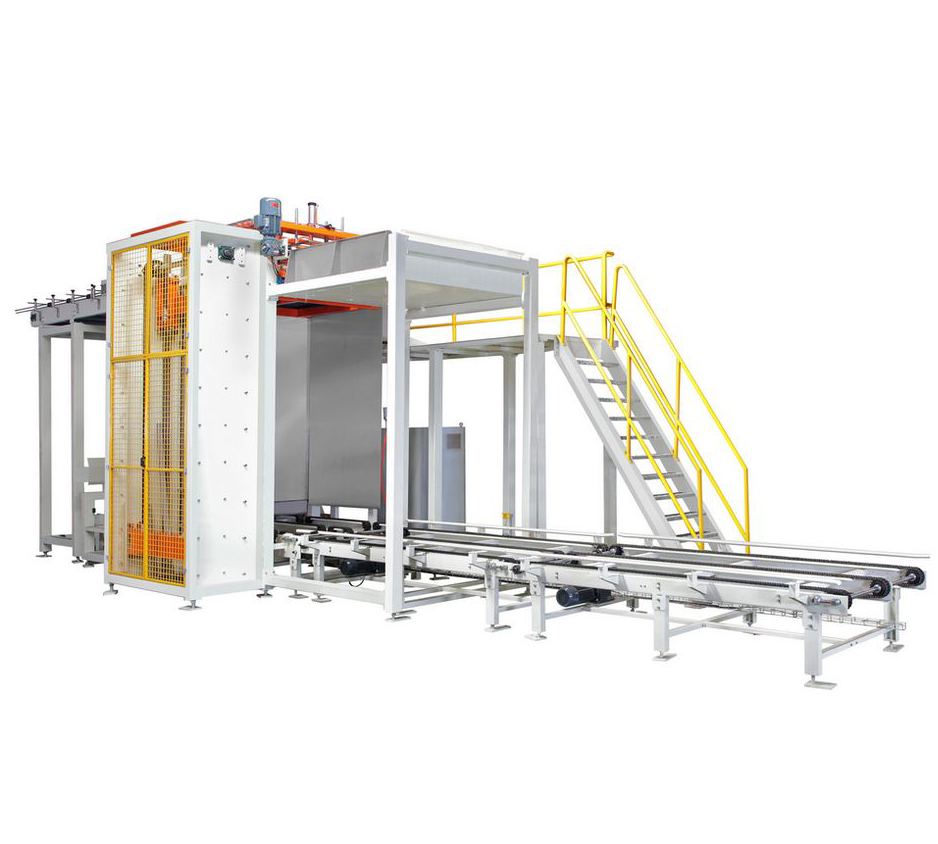
Automatic Bottle Depalletizer Mechanical Packaging Equipment 12KW 220-450V Plastic Beverage Handling
View Details →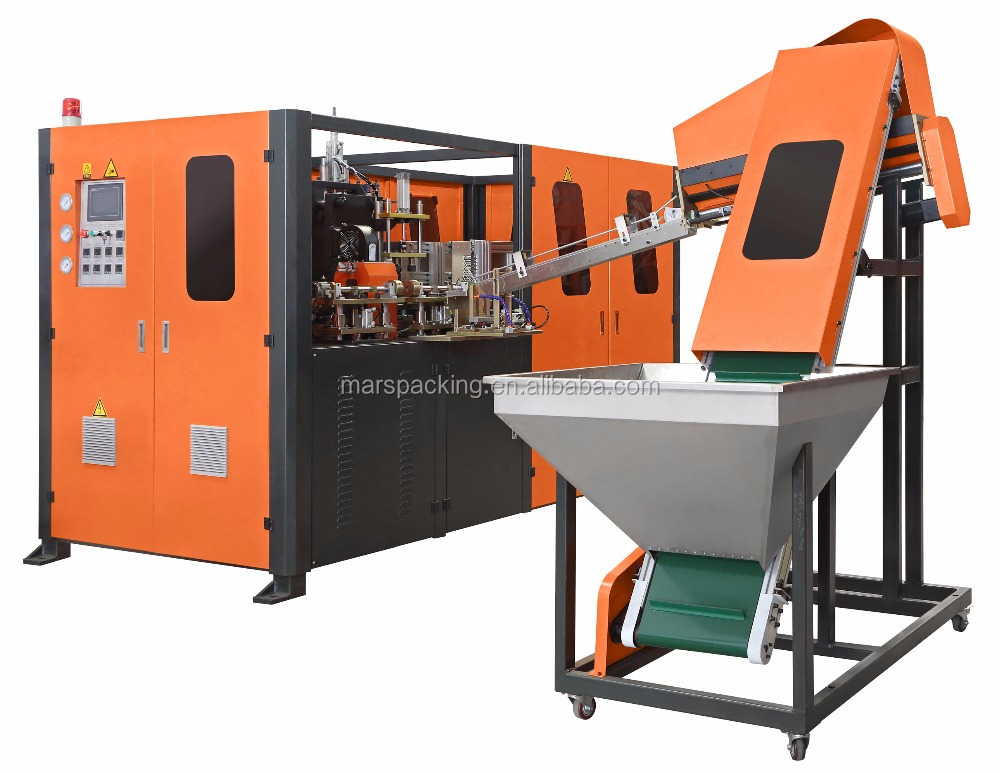
Fully Automatic Servo Controlled PET Water Bottle Stretch Blow Molding Machine 60KW 380V
View Details →Industrial UHT Plate Sterilizers: Thermal Efficiency & Micro-Biological Integrity
A comprehensive analysis of continuous heat exchange dynamics, heat recovery loops, and aseptic processing standards for low and high-viscosity liquid foods.
1. Fundamentals of Plate-Type Ultra-High Temperature (UHT) Processing
Industrial Ultra-High Temperature (UHT) Plate Sterilizers represent the apex of continuous thermal processing technology in modern liquid food engineering. Designed to heat liquid beverages and dairy products to temperatures between 135°C and 145°C for a precise holding time of 3 to 5 seconds, these systems effectively destroy pathogenic micro-organisms, bacterial endospores (such as Bacillus cereus and Clostridium botulinum), and enzymatic complexes without degrading sensory quality or nutritional value.
Unlike traditional tubular systems that suffer from lower heat transfer coefficients when processing low to medium viscosity fluids, corrugated plate heat exchangers (PHE) generate intense micro-turbulence even at low Reynolds numbers. This turbulence ensures rapid, uniform thermal transfer, preventing localized overheating and scorching—critical for maintaining pristine flavor profiles in fresh dairy, juices, and tea extracts.
- Thermal Regeneration Efficiency (>90%): Cold incoming product is pre-heated using heat recovered directly from hot, pasteurized product leaving the holding section, drastically lowering steam and cooling water demand.
- AISI 316L Stainless Steel Construction: All liquid contact zones are crafted from high-grade 316L stainless steel, electropolished to Ra < 0.4 µm to inhibit bio-film adhesion and corrosion.
- Differential Pressure Safety Protocol: Automated controls maintain higher pressure on the pasteurized liquid side relative to the raw side, rendering cross-contamination physically impossible even in the rare event of a gasket shear.
2. Automated CIP/SIP & System Control Architecture
Reliability in commercial sterilizing operations relies heavily on repeatable sanitation cycles. Our OEM/ODM industrial UHT plate sterilizer units integrate fully automated Clean-In-Place (CIP) and Sterilization-In-Place (SIP) loops driven by Siemens S7-1500 or Delta PLC platforms coupled with high-definition touchscreen HMIs.
Prior to production runs, the entire hydraulic circuit undergoes pressurized superheated water sterilization at 130°C for 30 minutes. During operation, high-precision electromagnetic flowmeters, steam modulating valves, and PT100 temperature sensors monitor thermal parameters in real time. If the sterilization temperature drops below the set-point by even 0.1°C, an automated pneumatic 3-way divert valve instantly reroutes unsterilized product back to the balance tank, guaranteeing zero compromise in aseptic safety.
Key Thermal Performance Metrics
• Heating Temperature: Adjustable up to 142°C (±0.5°C control tolerance)
• Holding Dwell Time: Customizable 4s, 15s, 30s holding tubes
• Operating Pressure Rating: Up to 16 Bar pneumatic design
Comparative Matrix: Thermal Processing Systems
| System Type | Temperature Range | Thermal Efficiency | Viscosity Limit | Target Products | Mekelle Grid/Water Fit |
|---|---|---|---|---|---|
| Lofsu UHT Plate Sterilizer | 135°C – 145°C | 90% – 92% Recovery | Low – Medium (<250 cP) | Milk, Juices, Tea, Beer, Soy | Optimal: Low steam & power design |
| Tubular UHT Sterilizer | 137°C – 148°C | 75% – 85% Recovery | High (>1000 cP) | Fruit Puree, Ketchup, Sauces | Higher capital & footprint cost |
| HTST Flash Pasteurizer | 72°C – 85°C | 85% – 90% Recovery | Low (<100 cP) | Fresh Milk (Short Shelf-Life) | Requires unbroken cold chain |
| Batch Kettle Sterilizer | 65°C – 100°C | <30% (No Recovery) | Variable | Small Batch Artisan Foods | High energy cost per liter |
Localized Application Scenarios in Mekelle & Surrounding Agro-hubs
How specialized UHT thermal processing empowers dairy farms, fruit processors, and beverage enterprises in Tigray to scale production and overcome supply chain challenges.
1. Long-Life ESL & UHT Liquid Dairy Processing
Mekelle serves as the principal economic hub connecting livestock milk collection centers across the Raya Valley and surrounding highlands. However, high ambient temperatures combined with undeveloped rural cold-chain infrastructure lead to high rates of raw milk spoilage.
By deploying our OEM/ODM UHT plate sterilizer system, dairy producers in Mekelle can process raw cow and goat milk at 137°C for 4 seconds, achieving complete commercial sterility. When combined with aseptic pouch or PET filling, the milk achieves a shelf life of 6 to 9 months at room temperature, allowing dairy plants to distribute products reliably across Tigray, Addis Ababa, and neighboring East African markets without cold storage.
2. Tropical Fruit Nectar & Juice Pasteurization
The agricultural belts surrounding Mekelle produce abundant yields of mangoes, oranges, guavas, and tomatoes. Local agro-processors facing seasonal harvest gluts require high-throughput thermal equipment to preserve fruit pulps and reconstituted juices.
Our plate sterilizer configurations incorporate specialized wide-gap corrugated plates designed to handle fiber-bearing fruit liquids. Pre-heating modules integrate seamlessly with vacuum deaerators to strip oxygen, preserving Vitamin C and preventing browning, while continuous Flash HTST or UHT profiles destroy spoilage yeasts and enzymes rapidly.
3. Commercial Beverage & Craft Brewery Flash Pasteurization
With Mekelle’s growing urban consumer market, local bottling facilities and regional breweries are scaling up output for bottled carbonated drinks, non-alcoholic malt beverages, and craft beers.
Flash pasteurization via our plate heat exchanger systems halts secondary fermentation precisely while maintaining carbonation stability. By controlling PU (Pasteurization Units) automatically based on real-time flow rate and temperature inputs, beverage makers achieve biological stability without scorching subtle hop aromas or altering foam characteristics.
Mekelle’s Industrial Growth Trends & Sustainable Manufacturing
Key economic and technological shifts shaping the food, beverage, and thermal processing equipment market in Northern Ethiopia.
1. Expansion of Integrated Agro-Industrial Parks (IAIPs)
The Ethiopian government’s strategic push toward industrialization is centered around parks like the Mekelle Industrial Park and regional agro-industrial hubs. These parks are designed to transition the local economy from raw agricultural exports to value-added food manufacturing.
Investors and local factory owners setting up operations within these zones require international-standard machinery equipped with CE certification, sanitary hygienic design, and automated SCADA connectivity. Our OEM/ODM service provides skid-mounted, pre-tested UHT plate sterilizers that dramatically shorten installation and commissioning timelines inside these industrial zones.
2. Energy Conservation & Resource Recovery Imperatives
Industrial power tariffs and thermal fuel availability in East Africa necessitate maximum resource efficiency. Modern manufacturing plants in Mekelle can no longer afford energy-inefficient batch pasteurizers or obsolete heat exchangers with poor heat recovery ratios.
Our UHT plate sterilizers feature multistage heat regeneration sections that capture energy from outflowing hot sterilized liquids to heat incoming cold raw fluids. Operating at heat recovery rates up to 92%, these units reduce boiler steam load and cooling chiller energy demand by up to 60%, drastically cutting factory operating costs (OPEX) and aligning with environmental sustainability mandates.
Enterprise Strengths & Global Manufacturing Capabilities
Leveraging 15+ years of specialized beverage packaging and thermal equipment engineering from Zhangjiagang, China to support industrial clients worldwide.
Custom OEM/ODM Engineering
We do not sell rigid standard-only machines. Our dedicated mechanical and electrical engineering team analyzes your specific product viscosity, desired hourly capacity (from 500 L/h to 20,000 L/h), and local plant layout to design fully customized plate thermal systems.
Premium Component Sourcing
Every industrial sterilizer is built using premier global component suppliers: Alfa Laval/APV plate exchangers, Siemens or Delta PLC controllers, Schneider electrical breakers, Spirax Sarco steam valves, and Südmo sanitary pneumatic valves, ensuring long service life and zero component bottlenecks.
Rigorous Factory Testing (FAT)
Prior to seaworthy export packaging, every UHT sterilizer unit undergoes continuous multi-hour Factory Acceptance Testing (FAT) under full hydraulic and thermal simulation. Video inspection logs and comprehensive pressure-hold test reports are delivered to the buyer before dispatch.
Frequently Asked Questions by Buyers in Mekelle
Direct answers addressing power compatibility, water hardness, shipping logistics, and technical field support across Northern Ethiopia.
Can the equipment electrical system match Mekelle's local grid voltage?
Yes. While our standard factory configuration is 380V 3-Phase 50Hz, we regularly manufacture systems configured for 220V to 450V, 50Hz or 60Hz depending on regional sub-station parameters. Electrical panels are fitted with surge suppressors and phase-loss protection relays to guard against grid voltage drops.
How do plate sterilizers cope with hard water mineral scaling?
To prevent mineral scale formation inside steam heating channels and plate surfaces, we strongly recommend integrating our Mars Reverse Osmosis (RO) Water Treatment System. Additionally, automated acid/alkali CIP wash cycles chemically dissolve any mineral or protein deposits without requiring manual plate dismantling.
What is the typical shipping timeline and delivery path to Mekelle?
Machinery is packaged in seaworthy, vacuum-sealed plastic wrap within heavy-duty reinforced wooden crates. Shipping is typically routed via sea freight to the Port of Djibouti, followed by overland heavy truck transit via the Djibouti-Mekelle logistics corridor directly to your plant site.
Do you provide overseas installation, commissioning, and staff training?
Yes. We deploy experienced thermal processing and automation engineers directly to your facility in Mekelle to oversee equipment positioning, piping connection, hydraulic testing, and live-run commissioning. Our engineers also train your operational staff on routine maintenance and CIP operation.
What is the difference between Plate UHT and Tubular UHT sterilizers?
Plate UHT sterilizers utilize stacked corrugated plates offering extremely high heat transfer coefficients and energy recovery (>90%) for low to medium viscosity fluids (water, milk, clear juices). Tubular sterilizers use concentric tubes better suited for high-viscosity products with high pulp or particulates (purees, paste, ketchup).
How are spare parts and wear items managed for long-term operational peace of mind?
Every sterilizer shipment includes a recommended 2-year spare parts package comprising food-grade EPDM/NBR gaskets, replacement temperature probes, pneumatic valve seal kits, and solenoid coils. Emergency spare parts can be dispatched via express international air freight (DHL/FedEx).
Ready to Modernize Your Food & Beverage Processing Plant in Mekelle?
Connect with our technical director and thermal engineering experts to request customized equipment drawings, detailed utility consumption charts, and an official quotation tailored to your operational requirements.