Export-Grade Bottling, Blowing & Liquid Dosing Systems
Directly sourced from premier Chinese manufacturing hubs, engineered for tropical operating environments in Hat Yai and Songkhla Province.
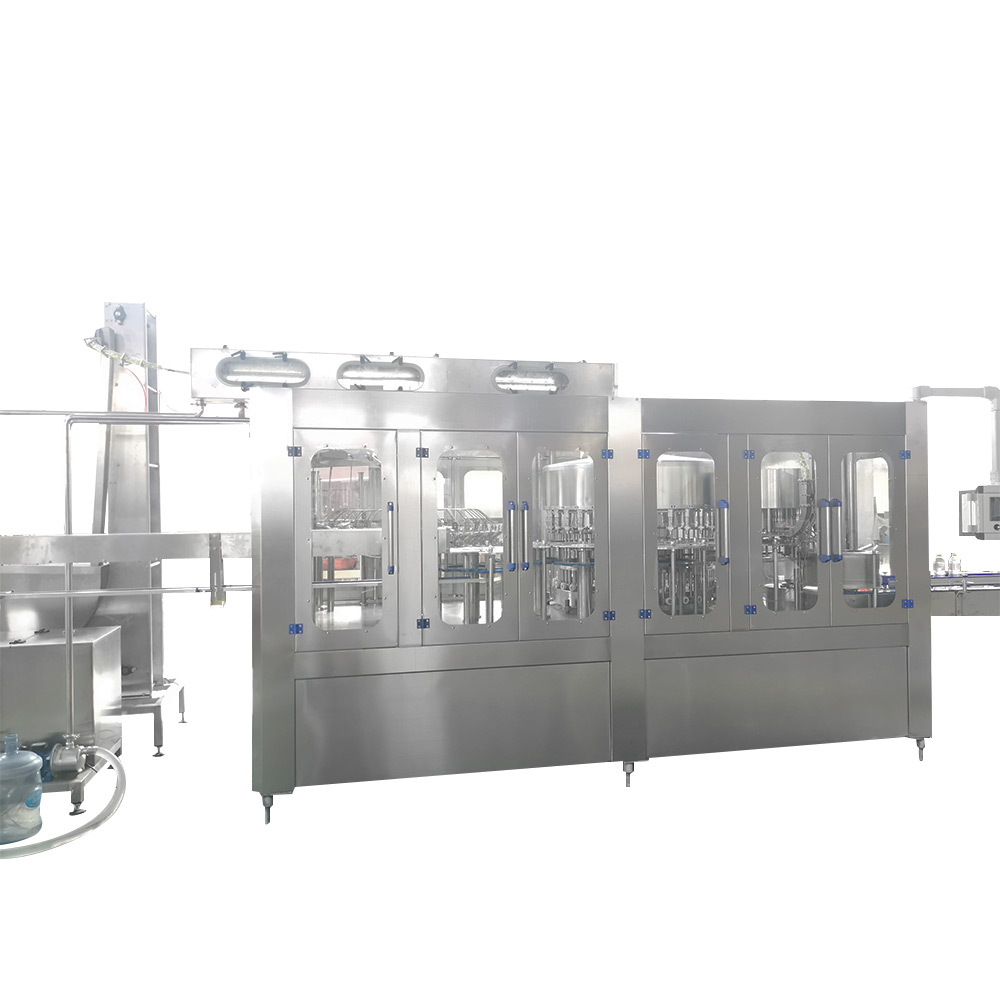

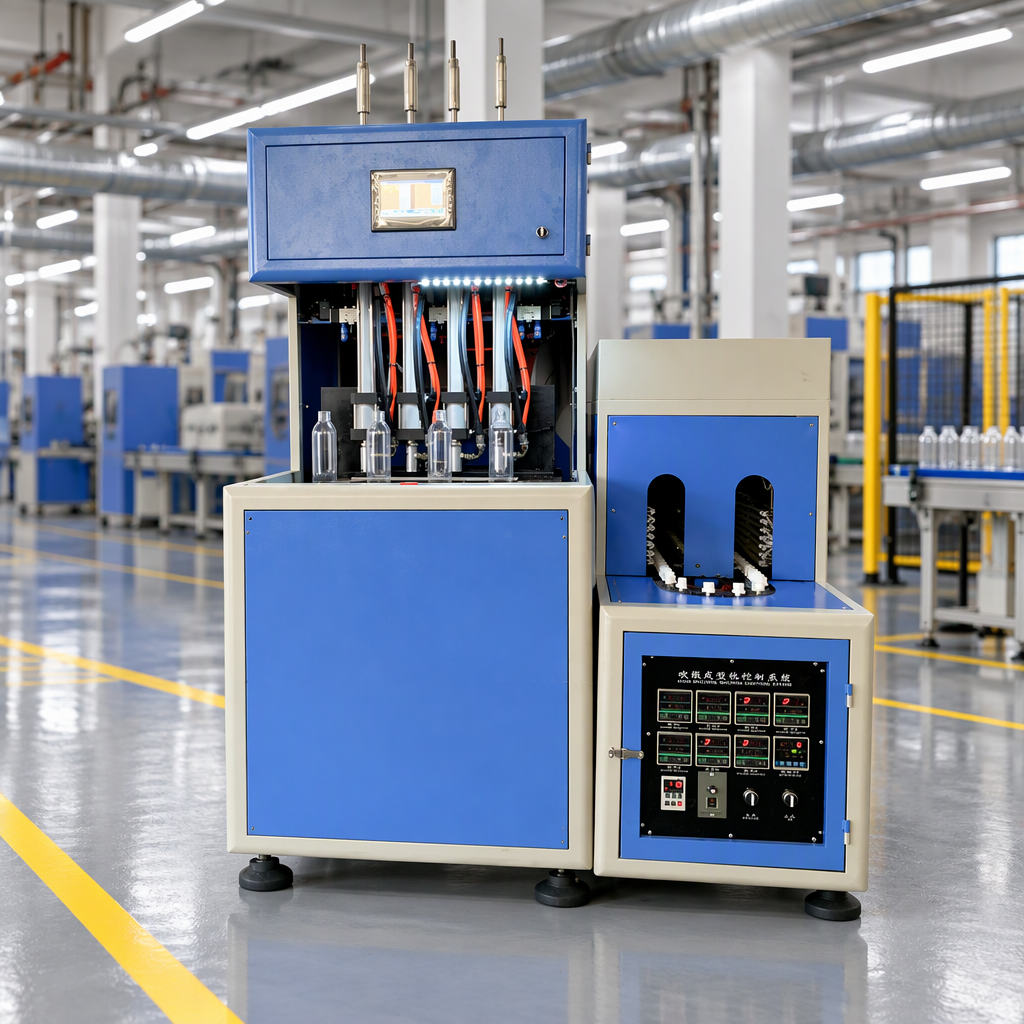
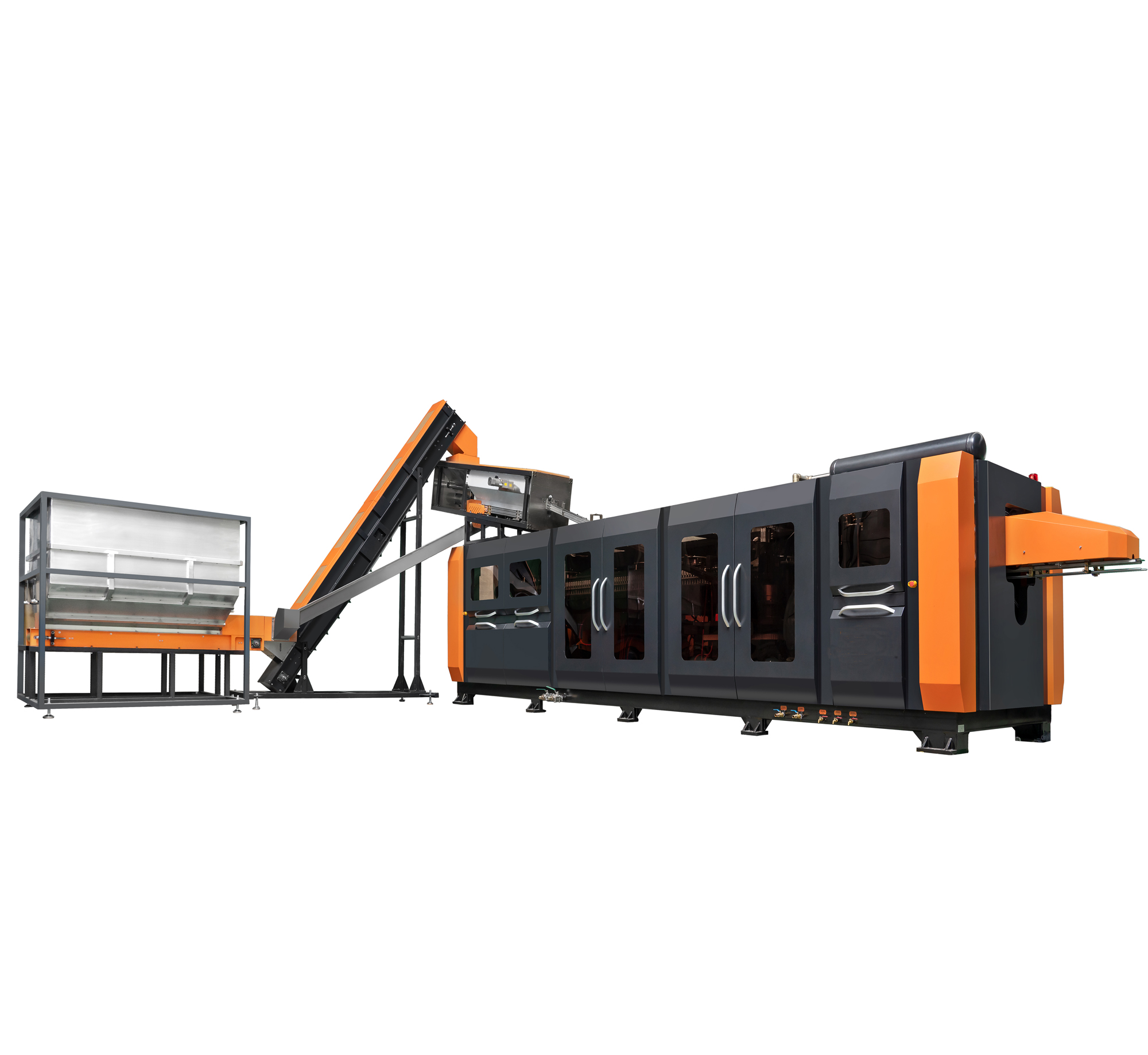
1. Strategic Overview: Cryogenic Liquid Nitrogen Dosing in Hat Yai’s Expanding Manufacturing Ecosystem
As Southern Thailand's undisputed economic epicenter, Hat Yai (Songkhla Province) serves as a vital processing and export gateway connecting Thailand to Malaysia, Singapore, and global maritime trade routes. The region’s industrial matrix—ranging from ultra-modern beverage bottling plants and canned seafood conglomerates to agricultural freeze-drying facilities and high-volume palm oil refineries—demands sophisticated packaging technology to maintain international quality standards.
Among these technological imperatives, Liquid Nitrogen (LN2) Dosing Systems have transitioned from optional enhancements to essential operational infrastructure. The thermodynamics of cryogenic nitrogen dosing address two critical challenges faced by manufacturers in Southern Thailand: **structural bottle rigidity for ultra-lightweight PET packaging** and **shelf-life extension via headspace residual oxygen displacement**.
Exporters and wholesalers from Jiangsu and major machinery clusters in China have emerged as the primary engineering partners for Hat Yai’s plant owners. By offering precision-machined, PLC-integrated cryogenic dosing systems at highly competitive capital expenditures (CapEx), Chinese manufacturers enable local facilities to achieve global operational benchmarks while drastically cutting raw material costs.
Lightweighting PET Bottles
Dosing a precise droplet of liquid nitrogen (-196°C) immediately prior to capping creates controlled internal pressure upon vaporization. This allows bottle weight reductions of up to **25-30%** without sacrificing top-load stacking strength.
Oxygen Displacement
Expanding liquid nitrogen increases its volume by **694 times** as it gasifies. This sudden expansion purges atmospheric oxygen from the container headspace, reducing residual oxygen levels below 0.5% to prevent lipid oxidation and color degradation.
Structural Can Rigidity
For non-carbonated canned beverages (such as RTD teas, coconut water, and fruit juices), LN2 dosing imparts internal pressure necessary to prevent tin or aluminum cans from collapsing during transit and pallet stacking.
2. Engineering Principles & Thermodynamic Mechanics of LN2 Dosing Systems
To evaluate Chinese liquid nitrogen dosing machinery accurately, procurement teams in Hat Yai must understand the core engineering mechanisms that govern cryogenic micro-dosing. A high-efficiency liquid nitrogen doser operates at a boiling point of **-196°C (-320°F)**, requiring specialized vacuum-insulated piping, precision cryogenic solenoid valves, and real-time speed tracking algorithms.
Technical Focus: The Physics of Phase Change & Dosing Accuracy
When a micro-droplet of liquid nitrogen enters a filled container, it absorbs ambient thermal energy from the liquid product and headspace air. It instantaneously transitions from liquid to gas state at a expansion ratio of 1 : 694. If the dosing is inconsistent by even 0.01 grams, containers will either suffer from panelling (under-pressurization) or cap bursting / bottom deformation (over-pressurization).
Modern China-exported dosing systems utilize advanced **discrete dosing** and **continuous dosing** hybrid modes controlled via human-machine interface (HMI) touchscreens paired with Omron or Delta PLC platforms. Key functional modules include:
- Vacuum Insulated Cryogenic Hose & Dosing Head: Multi-layer vacuum insulation ensures liquid nitrogen remains in a pure liquid state right up to the dosing nozzle, preventing gas-lock pockets that cause volumetric dosing errors.
- Speed-Tracking Optical Sensors: Infrared bottle detection sensors monitor line speeds up to 16,000 BPH, signaling the ultra-fast cryogenic valve to discharge precise dosages in milliseconds.
- Anti-Frosting & Auto-Rinsing Nozzles: Equipped with dry nitrogen gas heating jackets to prevent ice buildup around the dosing tip—a crucial feature for humid tropical environments like Hat Yai.
- Variable Pressure Feedback Control: Automatically adjusts dosing duration based on filler speed variations (e.g., line ramp-ups, pauses, or emergency stops).
3. Localized Application Scenarios Across Southern Thailand’s Core Sectors
PET Bottled Mineral Water & Non-Carbonated Soft Drinks
Major bottling facilities in the **Kuan Tani and Sadao industrial zones** around Hat Yai leverage LN2 dosing to transition from standard 18-gram PET preforms down to lightweight 12-gram or 10-gram preforms. By injecting liquid nitrogen prior to capping, thin-walled PET bottles regain the vertical crush strength needed for 3-tier warehouse palletizing, yielding millions of THB in annual resin cost savings.
Canned Seafood, Coconut Water & Ready-to-Drink (RTD) Teas
Songkhla is a global capital for canned tuna and processed seafood exports. High-speed canning lines integrating Chinese LN2 dosers achieve oxygen purging down to **<0.5% O2**. Replacing residual air with inert nitrogen gas stops rancidity in oil-packed canned items and preserves the delicate flavor profile of pasteurized coconut water and herbal teas.
Edible Oils, Sauces & Condiment Bottling
Hat Yai's proximity to vast palm oil plantations makes condiment packaging a major regional industry. Liquid nitrogen dosing eliminates oxygen in glass and rigid HDPE containers of palm oil and soy sauce, completely arresting lipid autoxidation without requiring chemical preservatives.
4. Localized Development Trends & Environmental Adaptations in Hat Yai
Operating industrial packaging machinery in Southern Thailand presents distinct environmental and economic variables. Industrial buyers in Hat Yai prioritize Chinese suppliers whose equipment incorporates specific design adaptations tailored for the regional climate and labor market:
A. Tropical Climate Insulation & Anti-Condensation Engineering
Hat Yai experiences average relative humidity levels exceeding **80%** year-round paired with elevated ambient room temperatures. Standard dosing heads suffer from rapid frost formation and severe condensation, leading to ice clogging and water droplets falling into beverage containers. Premium Chinese exporters equip systems supplied to Hat Yai with **double-jacketed thermal barrier walls** and **continuous dry-gas purged nozzle shields** to eliminate moisture accumulation entirely.
B. Alignment with Thailand’s BCG (Bio-Circular-Green) Economy Model
The Royal Thai Government's push toward the **Bio-Circular-Green (BCG) Economy** mandates plastic footprint reductions across the packaging sector. LN2 dosing technology directly enables beverage factories in Hat Yai to comply with national sustainability metrics by reducing virgin plastic resin consumption per bottle while keeping containers fully recyclable.
C. Electrical System Compatibility & Power Grid Resilience
Machinery exported from China to Hat Yai is custom-built to match Thailand’s standard electrical grid configuration (**380V 3-Phase, 50Hz**). Control cabinets incorporate Schneider or Siemens surge protection devices and Delta frequency drives to safeguard sensitive PLC electronics against regional voltage fluctuations during peak storm seasons.
5. Why Chinese Exporters & Wholesalers Dominate the Hat Yai Procurement Landscape
Chinese OEM/ODM manufacturers, such as **Lofsu Packing Machinery Co., Ltd.** (headquartered in Jiangsu, China’s primary packaging machinery hub), have captured a commanding market share in Southern Thailand. This market dominance is built upon four concrete operational pillars:
Manufacturer Profile & OEM Capability: Lofsu Packing Machinery Co., Ltd.
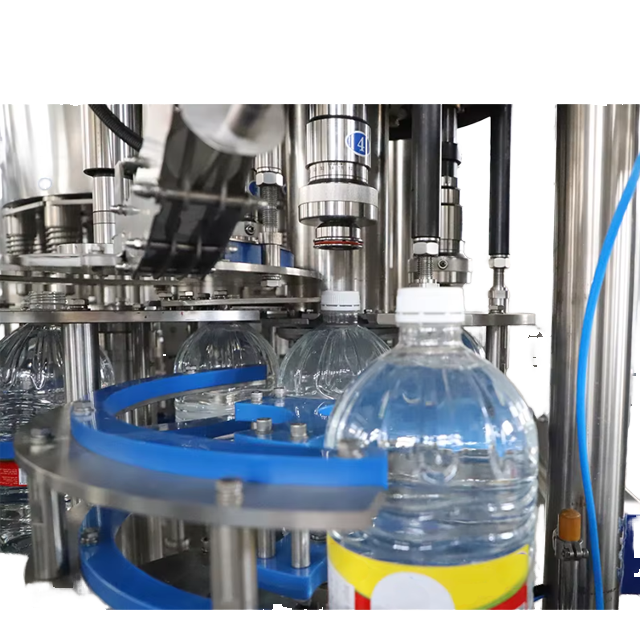
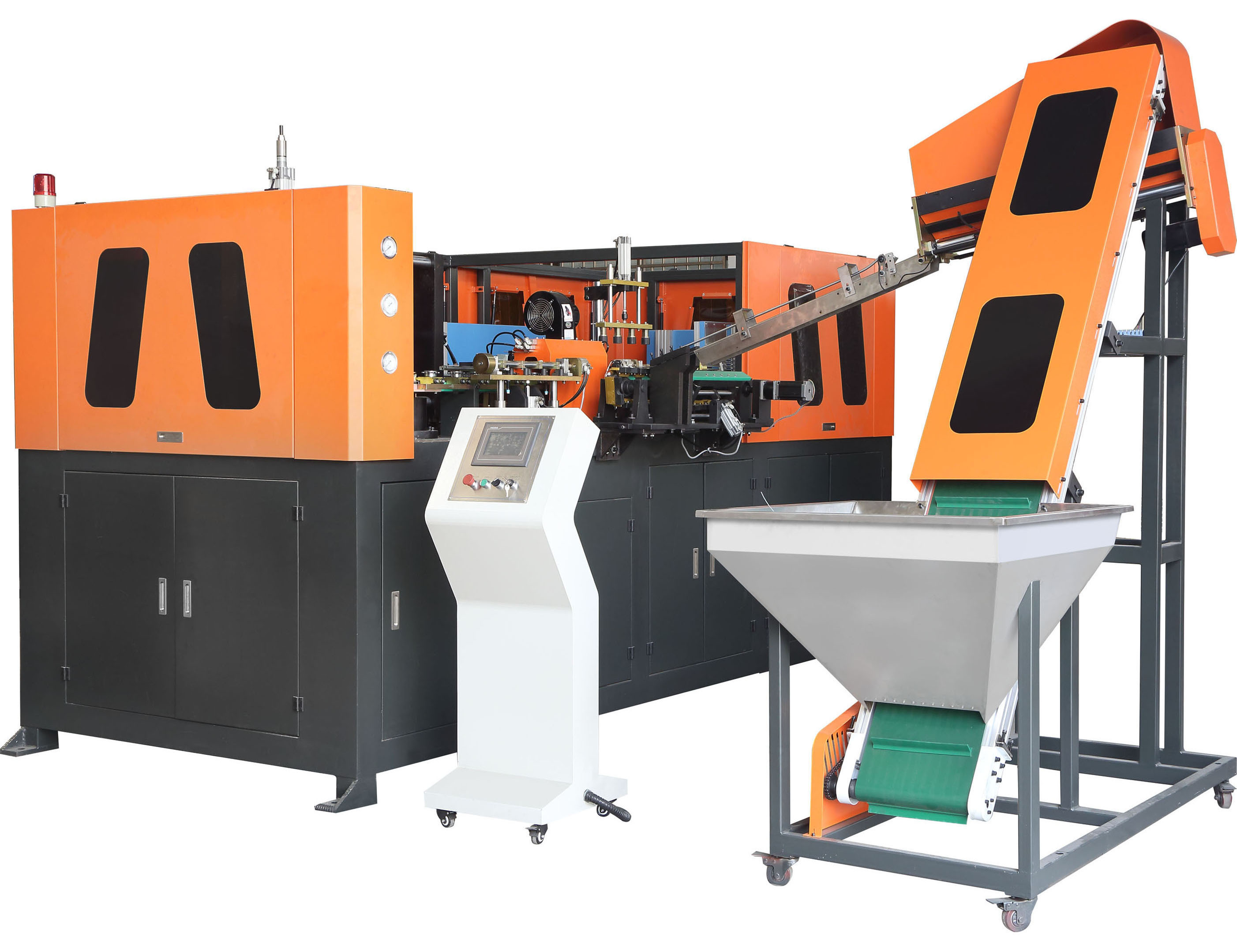
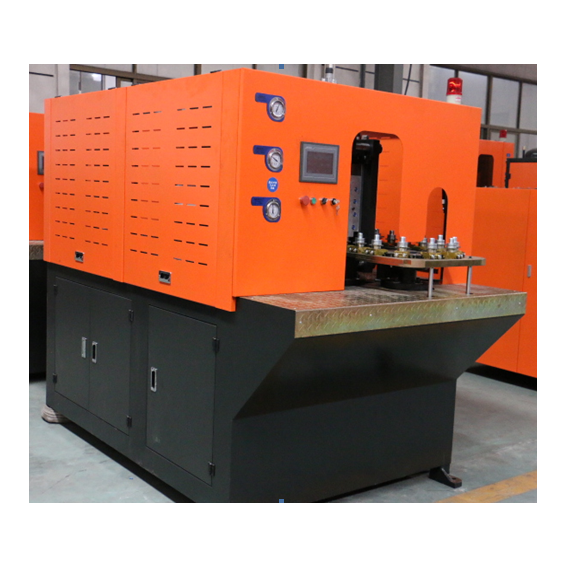
Established in 2010 in Zhangjiagang City, Jiangsu Province, Lofsu operates an audited manufacturing floor spanning 1,000–3,000 m². Exporting over 70% of total machine output to 30+ countries, Lofsu specializes in complete turnkey beverage production solutions—from water treatment and stretch blow molding to isobaric filling, liquid nitrogen dosing, rotary OPP labeling, and wraparound case packing.
- Turnkey System Integration: Chinese suppliers do not merely ship standalone dosing units; they supply entire synchronized production lines where blow molders, fillers, nitrogen dosers, labelers, and shrink wrappers communicate seamlessly over industrial Ethernet networks.
- Rigorously Certified Quality Assurance: Machines carry **CE Directive 2006/42/EC compliance** and undergo mandatory 72-hour Factory Acceptance Testing (FAT) with buyer-supplied container samples prior to export dispatch.
- Streamlined Freight & Logistics to Songkhla Port: Located along major maritime trade corridors, Chinese exporters route containerized shipments directly to **Songkhla Port** or via Penang Port (Malaysia) overland transport, reducing shipping lead times to under 12–14 days.
- Unrivaled Cost-to-Performance Ratio: Chinese dosing systems offer identical micro-dosing accuracy (±1.5%) compared to European or American alternatives at a fraction of the initial capital outlay and spare parts maintenance cost.
Frequently Asked Questions by Hat Yai Plant Managers
What is the exact dosing accuracy of Chinese liquid nitrogen dosing systems?
Our advanced liquid nitrogen dosing machines achieve a dosing accuracy of ±1.5% to ±2% depending on line speed and container neck diameter. Utilizing high-speed cryogenic solenoid valves controlled by Omron/Delta PLCs, the system can reliably dose up to 16,000 bottles or cans per hour in discrete dosing mode.
How does liquid nitrogen dosing prevent bottle collapse in lightweight PET containers?
When liquid nitrogen (-196°C) is dropped into a container immediately before capping, it rapidly vaporizes and expands by nearly 700 times in volume. Sealed inside the bottle, this gas expansion creates controlled internal positive pressure (typically 1.5 to 2.5 bar), giving ultra-thin PET plastic walls high vertical top-load strength for multi-layer warehousing.
Can the dosing system operate continuously in Hat Yai’s high-humidity climate without freezing?
Yes. Systems configured for export to Southern Thailand feature dedicated dry-gas heating jackets around the dosing orifice and vacuum-insulated dosing arms. This prevents atmospheric moisture in ambient 80%+ humidity environments from condensing and freezing into ice blocks on the nozzle tip.
Are electrical components compatible with local power supplies in Thailand?
All exported machinery is built to match Thailand’s industrial power standards: 380V 3-Phase, 50Hz (or 220V Single-Phase for auxiliary modules). Electrical control panels use international brand components (Siemens, Schneider, Omron, Delta) with CE certification and full circuit documentation.
What liquid nitrogen supply infrastructure is required onsite in Hat Yai?
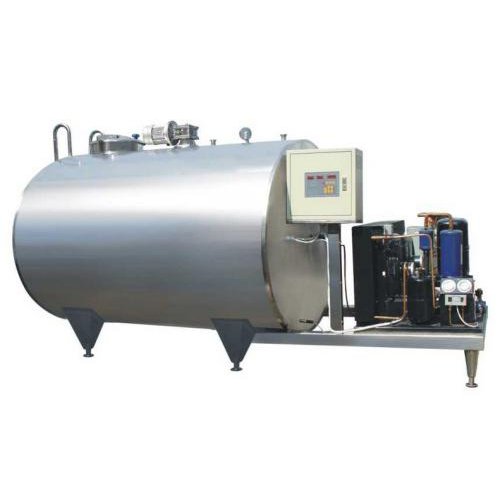
The buyer needs an onsite cryogenic liquid nitrogen source—either a portable micro-bulk Dewar tank (175L to 500L) or a large stationary liquid nitrogen storage vessel supplied by local gas distributors in Songkhla/Hat Yai (such as Bangkok Synthetics, BIG, or Linde Thailand). A vacuum-insulated pipe connects the storage tank directly to our dosing unit.
What trade, delivery, and installation terms are available for Thai buyers?
We accept FOB, CFR, CIF (Songkhla Port / Bangkok Port), EXW, and DDP terms. Payment is typically settled via T/T or L/C. We provide complete technical dispatch services, where certified field engineers visit your Hat Yai factory for mechanical installation, electrical commissioning, and local operator training.
Ready to Upgrade Your Packaging Line in Hat Yai?
Contact our senior application engineers today to request technical CAD line layouts, full product specifications, and direct factory wholesale pricing.