Core Packaging & Bottling Solutions for Osaka Beverage Plants
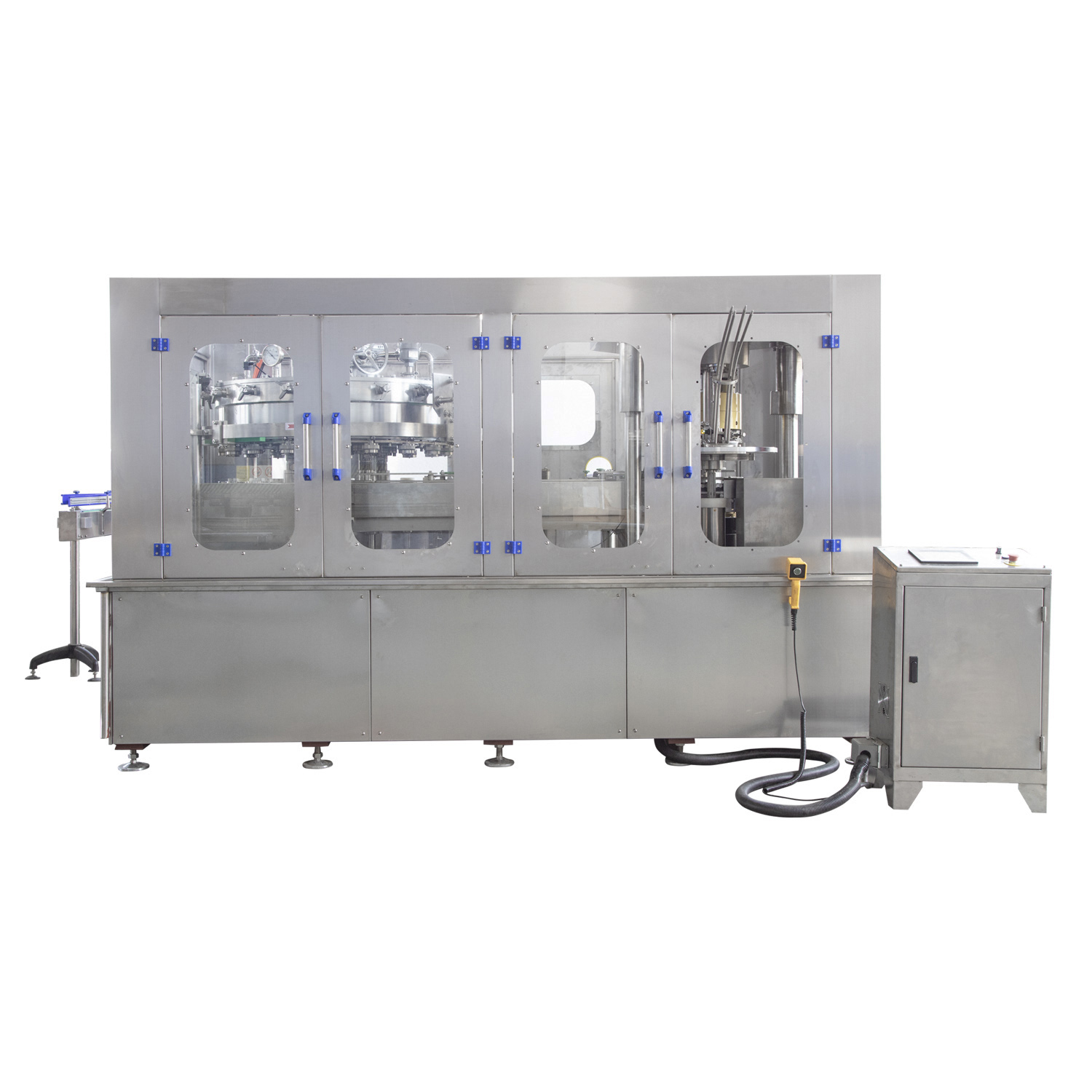
Explore our high-performance liquid filling, container blowing, pasteurization, and cap sterilizing line machinery.
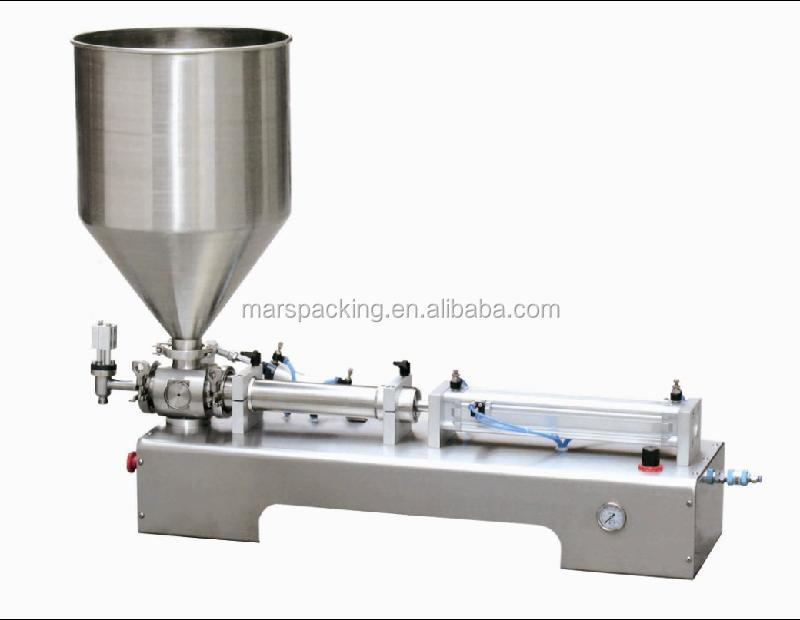
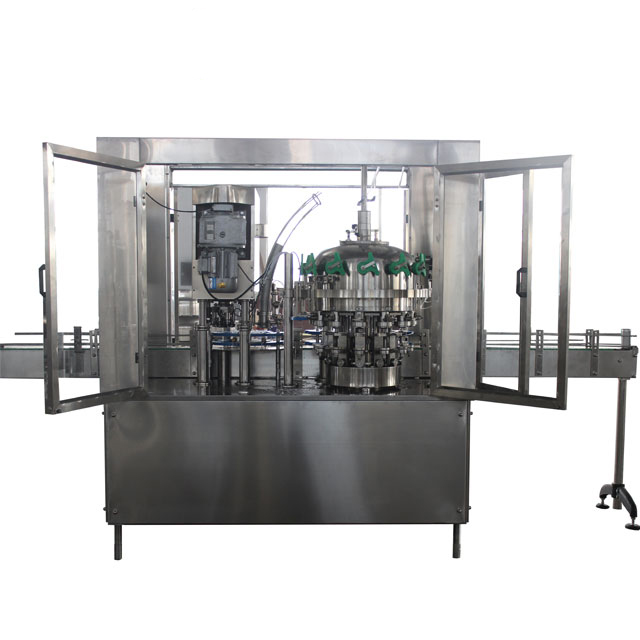
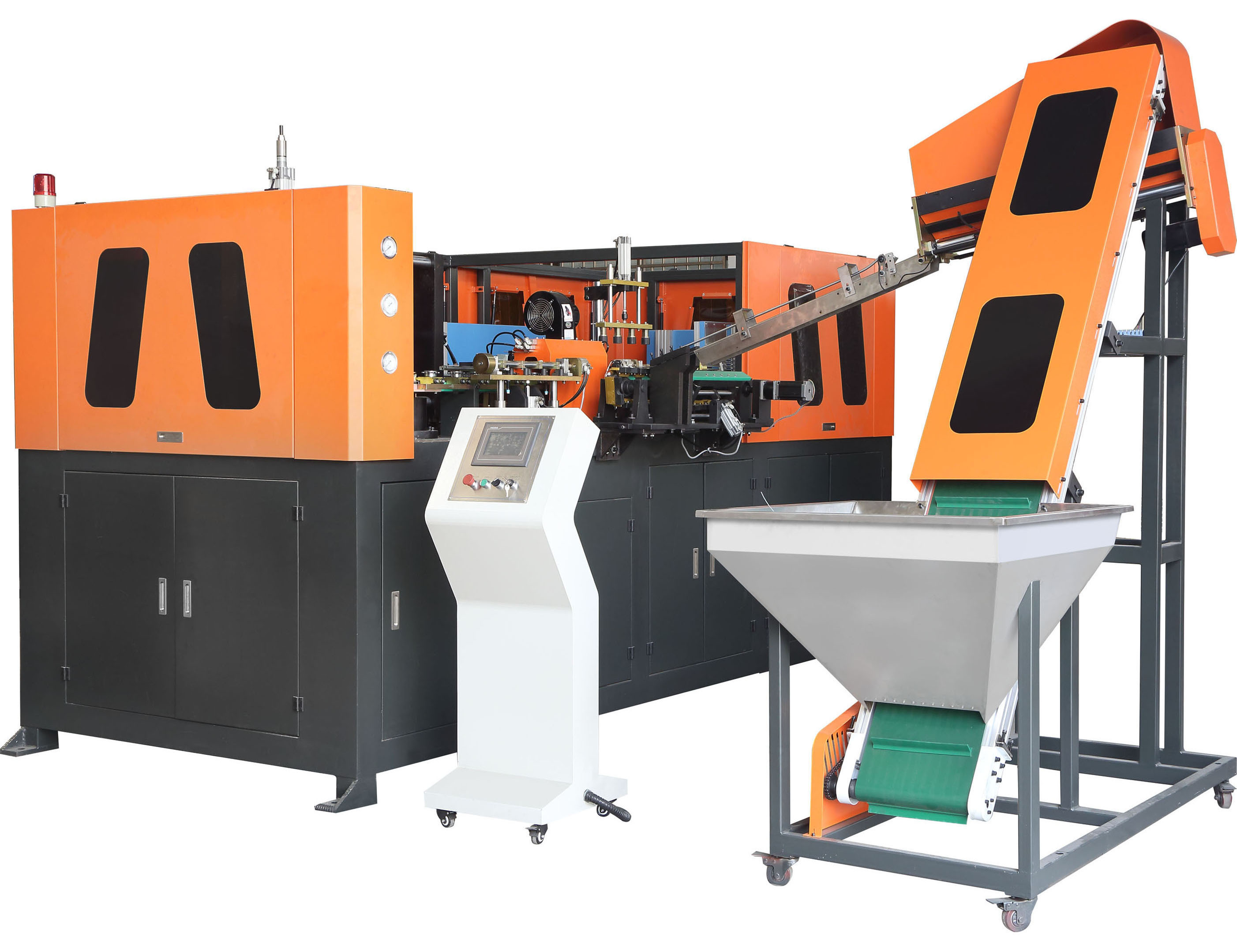
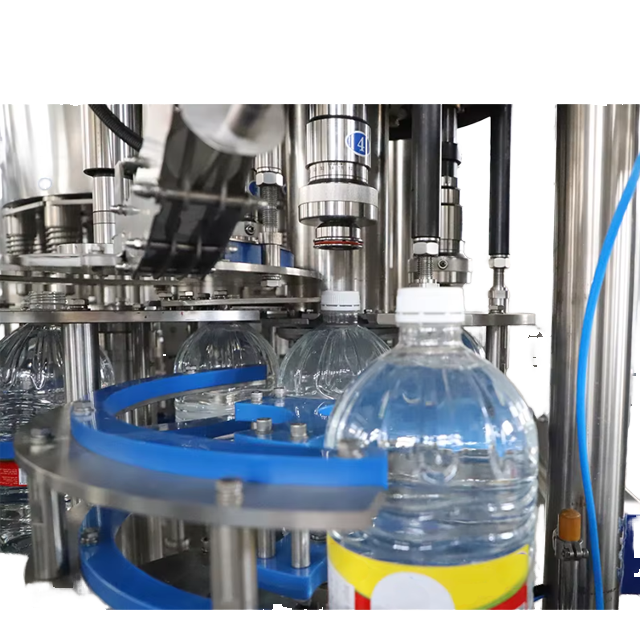

Industrial Whitepaper: The Vital Role of Automatic Bottle Inverse Sterilizers in Modern Hot-Fill Operations
In high-speed, hot-fill liquid packaging—particularly across beverage facilities in the Kansai region of Japan—maintaining commercial sterility without degrading container integrity or product flavor is an engineering benchmark. After high-temperature liquid (typically ranging from 85°C to 92°C) is dosed into PET or glass bottles and capped, a critical vulnerability exists: the inner surface of the cap and the un-filled neck head area. Because liquid filler valves do not directly contact the inner roof of the closure, micro-air pockets trapped inside the cap threads can harbor thermotolerant mold spores (such as Alicyclobacillus acidoterrestris), yeasts, and ambient airborne bacteria.
An Automatic Bottle Inverse Sterilizer (also known as a bottle tilting machine, cap sterilizing inverter, or bottle sterilizing tilter) resolves this biosecurity bottleneck. By tilting the freshly capped hot container horizontally at an angle between 45° to 90° for a mathematically calibrated dwell time (typically 15 to 30 seconds), the sterilizer utilizes the residual thermal energy of the liquid itself to completely immerse and sterilize the cap liner, thread grooves, and container neck space. This process eliminates the necessity for chemical sterilants or secondary chemical rinsing, aligning perfectly with clean-label manufacturing imperatives.
Technical Gain Insight: Chemical-free thermal cap sterilization reduces rinse-water consumption by 100% at the capper discharge, while preventing chemical taste contamination in delicate Japanese hot-fill RTD (Ready-To-Drink) teas and citrus formulations.
SUS304 / SUS316 Hygiene Chain
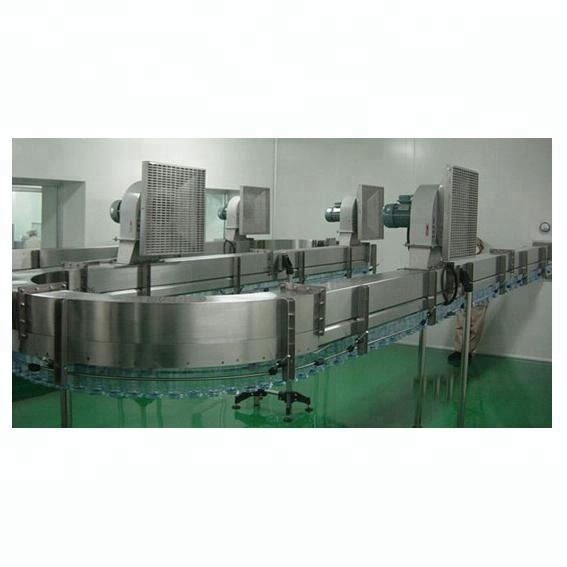
Engineered with heavy-duty stainless steel dual-clamp chain belts that hold containers firmly without scratching or marring delicate PET heat-set bottles.
60Hz Kansai Electric Drive
Equipped with Omron/Mitsubishi VFD speed regulation and tailored transformer configurations explicitly matched for Osaka's 200V/380V 60Hz power grid.
Aseptic Integrity Retention
Prevents post-fill mold formation and vacuum loss by ensuring airtight cap sealing under precise mechanical inversion control.
Localized Application Scenarios across Osaka's Beverage Production Centers
Osaka serves as the industrial and commercial heartland of Western Japan's food and beverage ecosystem. From major commercial beverage complexes in Sakai and Hirakata to artisanal RTD tea and craft juice facilities across the Kansai area, plant managers demand high mechanical reliability, space-efficient layouts, and seamless integration with existing monoblock fillers.
1. Ready-To-Drink (RTD) Green Tea & Matcha Bottling
Japanese green tea (Sencha, Houjicha, and Matcha blends) is notoriously heat-sensitive and prone to oxidation or flavor alteration. Bottlers in Osaka utilize our inverse sterilizer inline immediately following hot filling at 88°C. The gentle 45-degree inversion profile ensures the hot tea Contacts cap surfaces long enough to destroy microbial contaminants without scorching the tea polyphenols or causing browning.
2. Regional Citrus & Functional Juice Processing
Kansai acts as the primary distribution hub for premium regional citrus yields, including Tokushima Yuzu, Sudachi, and Wakayama Mikan juices. These high-acid, premium beverages rely on natural thermal pasteurization. The automatic bottle inverse sterilizer provides continuous, vibration-free container handling, preventing sediment dislodgement while delivering complete thermal destruction of spoilage organisms inside custom-designed glass and PET bottle caps.
3. Craft RTD Black Coffee & Roasted Botanical Extracts
Osaka’s vibrant coffee culture has spurred a surge in canned and bottled craft cold brews and hot-fill RTD coffees. To maintain a shelf life of 12+ months without preservatives, coffee packaging lines integrate Lofsu’s automatic cap inverting systems to guarantee zero mold growth in thread micro-gaps before entering the cooling tunnel.
Technical Specification & Engineering Comparison
Selecting the optimal cap sterilization methodology directly impacts operational expenditure (OpEx), water usage, and line efficiency. Below is an engineering evaluation comparing Lofsu Automatic Bottle Inverse Sterilizer technology against legacy sterilization methods commonly seen in older packaging facilities.
| Parameters & Features | Lofsu Automatic Inverse Sterilizer | Conventional Chemical Spray Tunnel | Offline Cap UV Sterilization |
|---|---|---|---|
| Primary Mechanism | Residual Product Heat Inversion (85–92°C) | Peracetic Acid / Chlorine Spray Rinsing | UV-C Radiation Prior to Capping |
| Chemical & Water Expense | Zero (100% Water & Chemical Free) | High (Continuous Chemical & Rinse Water) | Zero Chemical / High Lamp Replacement |
| Inner Cap Thread Coverage | 100% Penetration via Liquid Submersion | Partial (Shadowing in Deep Threads) | Zero Coverage After Cap Placement |
| Space Footprint | Compact Linear Drive (2.5m - 6m length) | Large Footprint (10m+ Tunnel Length) | Integrated on Capper Turret |
| Kansai Grid Voltage Compatibility | 200V / 380V 60Hz Custom PLC System | Standard European 50Hz (Requires Adapters) | Requires Special Power Ballasts |
| Maintenance Requirements | Minimal (Lube-Free Stainless Chains) | High (Nozzle Unclogging, Chemical Pumps) | Medium (UV Lamp Output Monitoring) |
Local Industry Trends Driving Packaging Upgrades in Osaka
1. Transition to Ultra-Lightweight Heat-Resistant PET Bottles
Osaka beverage manufacturers are aggressively adopting lightweight heat-set PET containers to reduce plastic waste taxes and freight costs. Traditional mechanical inverters that forcefully grip bottle sidewalls often collapse or deform these thinner PET walls. Modern Lofsu inverse sterilizers employ synchronized double-conveyor side-clamping belts with adjustable tactile pressure, guaranteeing secure inversion without bottle deformation.
2. Energy Efficiency & Thermal Energy Recovery
With electricity costs being a critical consideration for Japanese manufacturers, relying on auxiliary electric steam caps or secondary chemical heaters is increasingly unsustainable. Automatic inverse sterilizers harness heat already present in the filled beverage, eliminating auxiliary heating energy and contributing directly to plant carbon-neutrality goals under Japan's revised Energy Conservation Act.
3. High-Speed Line Integration with Cleanroom ISO Standards
Kansai production plants are rapidly upgrading to ISO Class 7 and Class 8 cleanroom standards. Lofsu equipment is constructed entirely with smooth-polished SUS304/SUS316 stainless steel, slant-surface frames for fast fluid drainage, and IP65 washdown-rated motors, ensuring effortless compliance with Japanese Agricultural Standards (JAS) and HACCP sanitation audits.
Enterprise Strengths & E-E-A-T Capabilities of Lofsu Machinery
Lofsu Packing Machinery Co., Ltd. (located in Zhangjiagang, Jiangsu, China’s premier beverage packaging machinery cluster) brings over 15 years of specialized engineering mastery to international beverage producers. Serving clients across 30+ countries including North America, Europe, and East Asia, Lofsu combines OEM customization with rigorous European CE certification standards.
Key highlights of our manufacturing and engineering capabilities include:
- Onsite-Verified Manufacturing Facility: Operating a modern 1,000–3,000 m² workshop audited onsite by leading international third-party inspection firms.
- Complete Pre-Shipment Testing (FAT): Every bottle inverse sterilizer undergoes strict Factory Acceptance Testing using actual client container samples and liquid thermal simulation before export.
- Tailored Voltage Engineering: Full customization for Japanese electrical configurations (200V / 380V 60Hz West Japan specification) equipped with premium global electrical brands (Schneider, Omron, Mitsubishi, Delta).
- End-to-End Turnkey Integration: From blow molding and air conveyors to filling, cap inverting, cooling tunnels, rotary labeling, and case packing, Lofsu manufactures matched line components for seamless operational harmony.
Frequently Asked Questions (FAQ) for Osaka Procurement & Plant Engineers
1. Is the Lofsu Automatic Bottle Inverse Sterilizer fully compatible with West Japan's 60Hz power grid in Osaka?
Yes, absolutely. While Eastern Japan operates on 50Hz, Osaka and the entire Kansai region utilize a 60Hz frequency standard. All Lofsu machines built for the Osaka market are equipped with native 60Hz electrical drives, VFDs, and motors (200V 3-phase or 380V 3-phase) to ensure smooth operation without frequency overheating or motor speed distortion.
2. How long does a bottle need to remain inverted to guarantee cap sterilization?
The standard inversion holding duration ranges between 15 to 30 seconds depending on the beverage temperature (typically 85°C to 92°C), container neck diameter, and fill height. The speed of the holding chain on our inverse sterilizer is infinitely adjustable via touchscreen VFD controls to match your exact thermal death time (TDT) calculations.
3. What bottle formats and materials can be processed on this machine?
Our equipment handles standard hot-fill PET bottles, heat-resistant glass bottles, and aluminum bottles ranging from 200ml up to 2.0L formats. Changeover between different container diameters or heights is quick and tool-less using handwheel screw adjustments.
4. What are the shipping logistics and port destinations for Osaka delivery?
We regularly arrange seaworthy, export-grade wooden crate shipments directly from Shanghai Port to Osaka Port (Nanko container terminal) or nearby Kobe Port. Delivery lead time via ocean freight to Kansai ports is typically short (approx. 3–5 days transit time), making spare parts delivery and line dispatch fast and reliable.
5. How does Lofsu assist with on-site installation, commissioning, and staff training in Japan?
We provide comprehensive bilingual documentation, step-by-step CAD floorplan drawings, and high-definition video operating manuals. Furthermore, our senior automation engineers are available for remote live video commissioning or on-site installation support to ensure your line meets exact Japanese operational benchmarks.
6. Are spare parts readily available, and what warranty is provided?
All structural components carry a standard 12 to 24-month manufacturer warranty. Critical wear components (chains, drive belts, sensors) utilize globally standardized parts from Omron, Mitsubishi, and Schneider, allowing plant maintenance teams in Osaka to procure local replacements instantly if required.
Upgrade Your Bottling Line Efficiency & Biosecurity Today
Partner with a proven liquid packaging manufacturer trusted across Osaka and global markets. Get custom line layouts, thermal analysis, and direct factory pricing within 24 hours.
Inquire Now