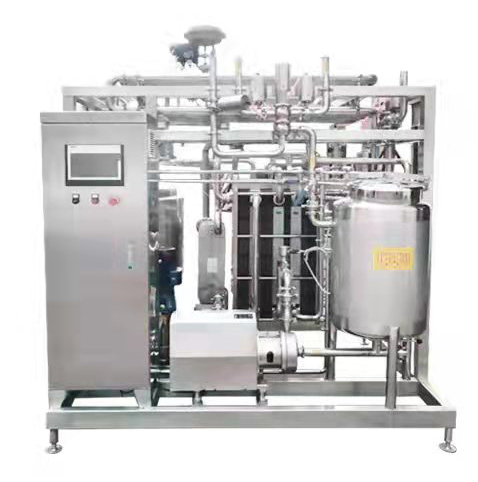
 Thermal System
HTST-1000 Flash Plate Pasteurizer 380V 10kW Sterilizer
Energy-saving plate heat exchanger with precise temperature control loops for juice, dairy, and beverage thermal processing.
Explore industrial-grade bottling monoblocks, thermal pasteurizers, and canned beverage packaging systems tested to international standards.
Thermal System
Energy-saving plate heat exchanger with precise temperature control loops for juice, dairy, and beverage thermal processing.
 Isobaric Canning
High-speed counter-pressure can filling and seaming line optimized for CSD, sparkling water, and energy drinks.
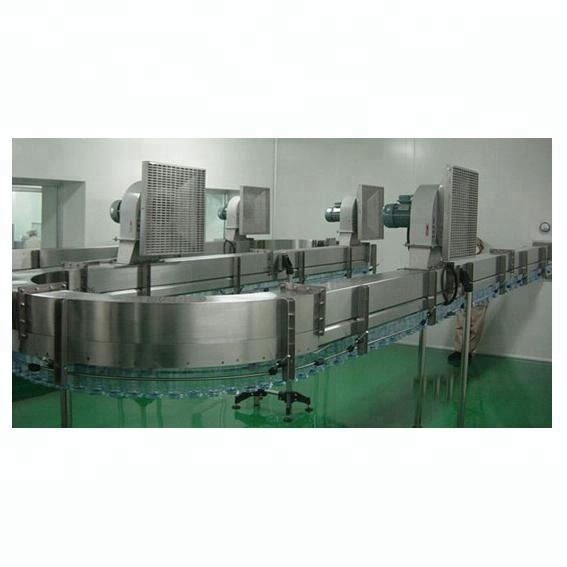 Pneumatic System
Hygienic pneumatic conveying system with adjustable neck guide rails designed for high-throughput PET line transfer.
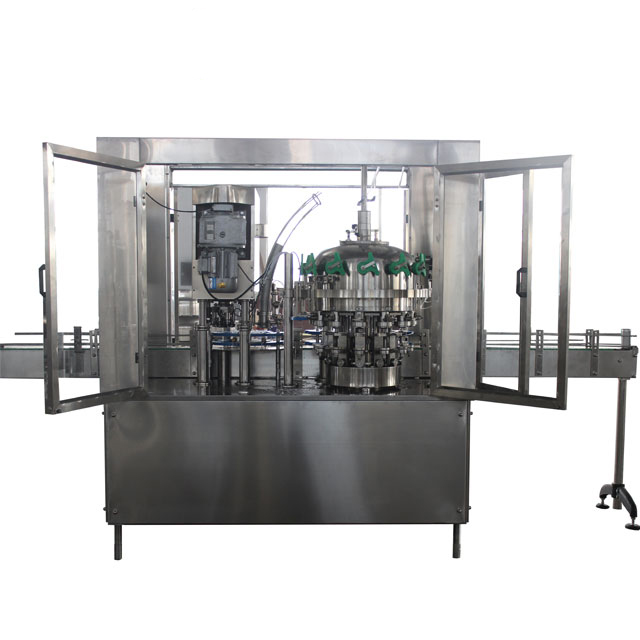 Beer Canning
2,000 BPH isobaric aluminum can filling system with ultra-low dissolved oxygen pickup for craft and industrial breweries.
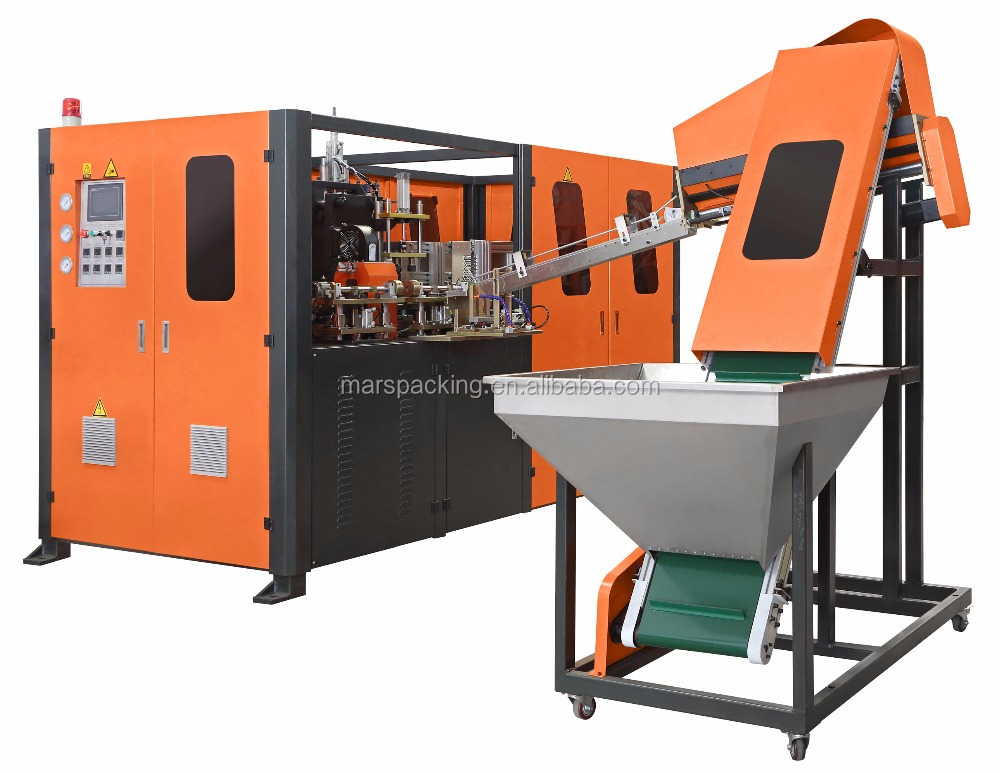 Blow Molding
60kW 380V high-efficiency bottle blowing machine engineered for precise preform heating and uniform wall distribution.
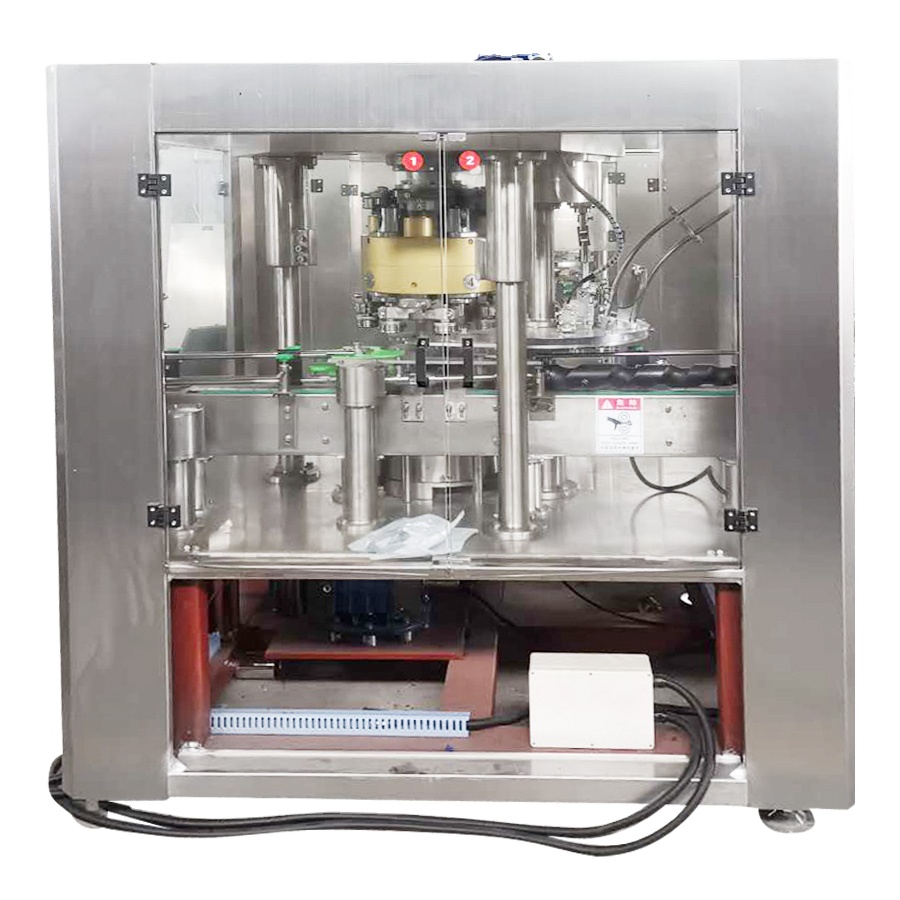 Can Seaming
Heavy-duty mechanical double-seam closing equipment ensuring airtight pressure sealing for carbonated drinks and food cans.
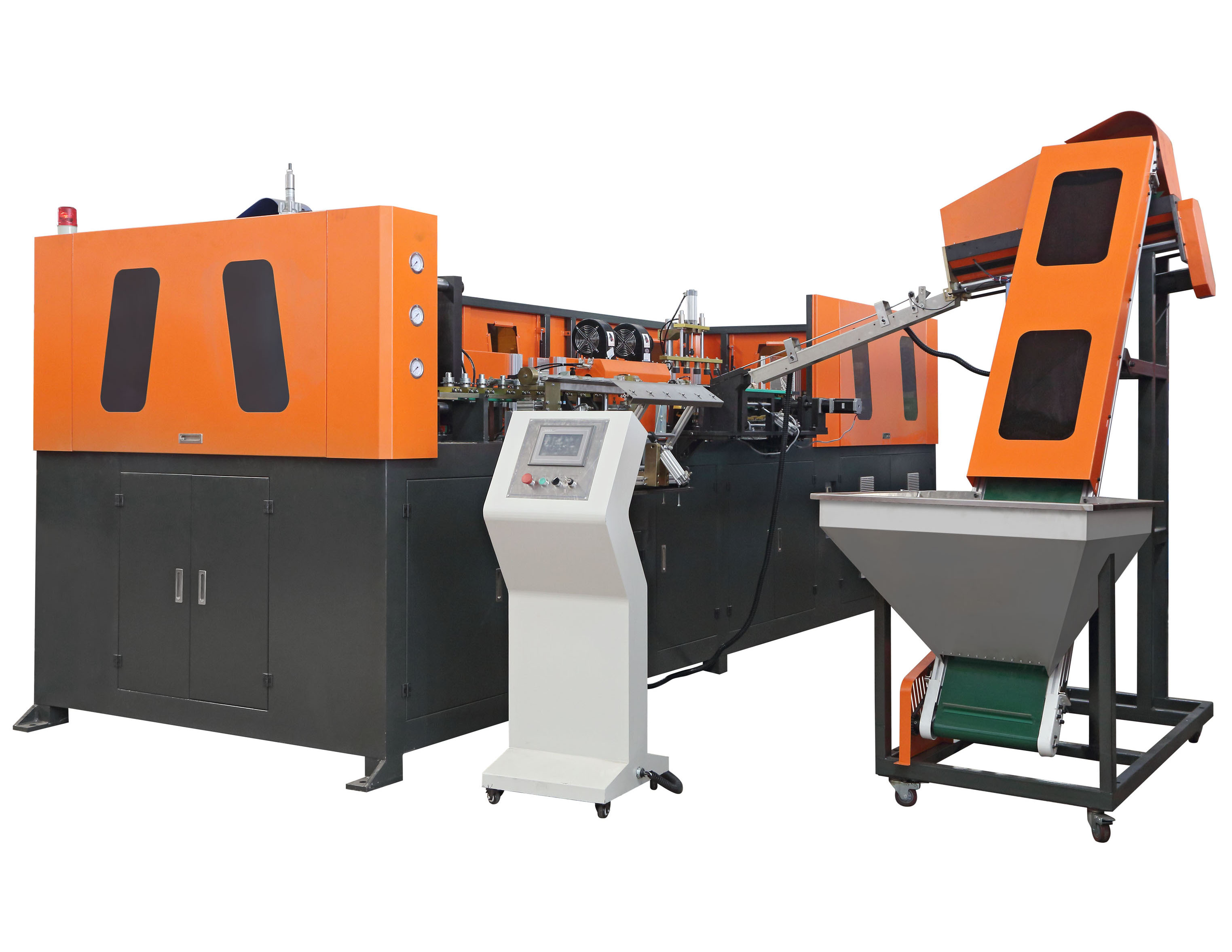 Container Molding
Equipped with Mitsubishi PLC and pneumatic valves for high-speed production of PET plastic water and beverage containers.
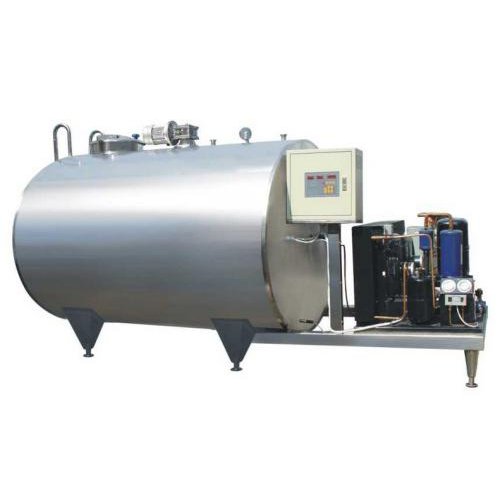 Storage & Cooling
Sanitary SUS304 cooling tank with self-closing valves and automatic agitator system certified under CE directives.
A comprehensive analysis of fluid mechanics, counter-pressure gas balancing, oxygen pick-up mitigation, and isobaric valve dynamics for high-volume beverage bottling lines.
Isobaric filling—commonly referred to as counter-pressure filling—is the indispensable standard for packaging carbonated beverages such as beer, carbonated soft drinks (CSD), sparkling wines, and pressurized energy drinks. The physical principle hinges on maintaining equal hydrostatic pressure between the machine's liquid storage ring tank and the internal cavity of the container (PET bottle, glass bottle, or aluminum can) prior to opening the filling valve.
If a carbonated liquid containing dissolved carbon dioxide gas (typically 2.0 to 4.5 volumes of CO2) is exposed to ambient atmospheric pressure during filling, the sudden pressure drop causes immediate gas flash-off (effervescence), resulting in massive foaming, fill-level inaccuracies, and severe product loss. By pressurizing the container with inert CO2 gas to match the head-space pressure of the filling bowl (typically between 2.0 to 4.0 bar depending on temperature and carbonation level), Henry's Law of gas solubility is maintained. Liquid flows under gentle gravity displacement into the container along the internal container walls via a specialized umbrella disperser spreader, while the displaced CO2 gas escapes smoothly back into the top channel of the filling bowl.
To guarantee shelf stability, zero contamination, and minimal oxygen absorption, a professional CE-certified isobaric filler executes a tightly synchronized pneumatic valve timeline:
A vacuum pump pulls air out of the bottle (down to -0.08 MPa), followed by a CO2 flush. Double pre-evacuation drops residual atmospheric oxygen down to micro-levels.
The CO2 gas valve opens to pressurize the container until internal bottle pressure matches the filler ring tank (e.g., 0.3 MPa). The liquid valve remains sealed by mechanical spring tension.
Once pressures are equalized, the liquid valve opens. Product flows along the inner glass/PET wall in a laminar pattern while displaced gas vents back into the counter-pressure manifold.
Liquid flow stops at the vent tube level. The valve closes, and a slow decompression valve ("snifting") gradually vents head-space gas to atmosphere to prevent violent foaming before capping.
In modern industrial beverage manufacturing—particularly for premium craft beer, dry cider, and sensitive sparkling teas—Total Dissolved Oxygen (TDO) pickup during filling is the primary enemy of flavor stability and shelf life. Atmospheric oxygen reacts with polyphenols, hop alpha-acids, and flavor esters, causing staling, cardboard off-flavors, and color darkening within weeks.
CE certified isobaric fillers manufactured by industry leaders like Lofsu Packing Machinery integrate electro-pneumatic mechanical valves with double pre-evacuation channels. By replacing ambient bottle air with 99.9% pure CO2 prior to product injection, TDO pickup is restricted to less than 30 ppb (parts per billion). Furthermore, high-pressure hot water jetting (fobbing) immediately before crown capping or can seaming creates a dense, fine foam collar that sweeps away any residual headspace oxygen right before airtight sealing.
Key technological shifts shaping how global beverage manufacturers, contract packers (co-packers), and brewery engineers evaluate and purchase isobaric machinery.
Global beverage brands are moving away from dedicated single-purpose production lines. Bottlers demand flexible hybrid isobaric monoblocks capable of seamlessly switching between carbonated soft drinks, non-carbonated mineral water, cold-brew coffee, and hard seltzers on a single chassis. Modern machines utilize programmable electronic mass flow meters (coriolis valves) or dual-ratio pneumatic valves that adjust counter-pressure curves automatically based on recipe profiles stored in the main PLC.
With environmental packaging mandates driving down PET preform weights and reducing aluminum can wall thicknesses to less than 0.09mm, conventional mechanical filling valves exert too much top-load pressure, risking container collapse. Sourcing trends prioritize servo-driven neck-handling systems and pneumatic counter-balancing cylinders that exert near-zero mechanical axial stress on lightweight PET bottles and sleek aluminum cans during the pressurized filling seal phase.
Industrial gas prices have elevated CO2 consumption to a major line-item operating expense. Next-generation CE-certified isobaric equipment incorporates closed-loop gas recovery circuits. Instead of venting counter-pressure CO2 to atmosphere during the snifting phase, up to 45% of the clean gas is reclaimed, filtered, and re-routed to initial bottle flushing stages, drastically reducing total plant carbon footprint and operating expenditure (OPEX).
Standard parameters and compliance configurations for industrial beverage buyers evaluating wholesale filling machinery suppliers.
| Performance Spec / Module | Small-Scale Craft Line | Medium Production Line | High-Speed Industrial Plant |
|---|---|---|---|
| Nominal Output Capacity | 1,500 – 3,000 BPH | 4,000 – 10,000 BPH | 12,000 – 24,000+ BPH |
| Filling Valve Architecture | Mechanical Isobaric / Spring-Loaded | Electro-Pneumatic Mechanical Valve | Mag-Flow Electronic / Coriolis Valve |
| Applicable Containers | Glass Bottles / Craft Cans | PET Bottles, Glass, Aluminum Cans | Lightweight PET & Slim/Sleek Cans |
| Dissolved Oxygen (DO) Control | Single Vacuum (< 80 ppb) | Double Evacuation (< 30 ppb) | Deep Evacuation + CO2 Blast (< 15 ppb) |
| Contact Metallurgy | SUS304 Stainless Steel | SUS304 / Sanitary SUS316L | Full SUS316L AISI Electro-polished |
| CIP Clean-in-Place Compatibility | Manual Dummy Cups | Automated Flip-Down Dummy Cups | Full CIP / SIP Steaming System |
| CE & Safety Directives | 2006/42/EC, Low Voltage 2014/35/EU | 2006/42/EC, ISO 9001, EN 60204-1 | Full EU Directives + UL/CSA Electrical |
| Electric Grid Adaptability | 220V/380V 50Hz/60Hz Custom | 220V–450V 50Hz/60Hz Custom | 220V–450V 50Hz/60Hz Custom |
Established in 2010 in Zhangjiagang, Jiangsu—China's premier beverage machinery engineering hub—Lofsu provides end-to-end liquid packaging engineering backed by over a decade of OEM expertise.
Lofsu operates modern assembly workshops audited onsite by third-party international inspection bodies. Every machine undergoes rigorous dry-running and wet testing using customer sample bottles and beverage formulations before final export approval.
With over 70% of factory production exported across North America, Southeast Asia, the Middle East, South America, Africa, Europe, and Oceania, our technical teams possess extensive experience with international electrical standards, shipping customs, and regional beverage hygiene norms.
From single isobaric fillers to A-to-Z complete plants (including reverse osmosis water treatment, carbonation blenders, OPP labelers, case packers, and palletizers), Lofsu tailors layout drawings to fit your exact building dimensions and budget requirements.
Answers to key operational, technical, and commercial questions asked by professional engineering buyers and factory managers.
Gravity filling relies on atmospheric pressure where liquid drops into an open container by its own weight—suitable only for non-carbonated liquids like still water or syrup. Isobaric filling pressurizes the container with inert gas (CO2) to equal the internal ring tank pressure before fluid valve actuation. This eliminates pressure differentials, preventing gas breakout and foaming in carbonated soft drinks, beer, sparkling water, and cider.
Our standard monoblock filling configurations range from 2,000 bottles per hour (BPH) on compact 8-nozzle fillers up to 24,000 BPH on automated high-speed rotary monoblocks. Canned isobaric lines range from 1,000 cans per hour (CPH) for craft beverage producers up to 18,000 CPH for large-scale commercial plants.
Yes. By specifying combi changeover parts (including custom starwheels, neck grippers, and dual-purpose centering bells), a single isobaric monoblock can package both glass bottles with crown caps/Ropp caps and PET bottles with plastic screw caps. Dual crowning/capping turrets can be mounted on the same machine chassis.
While standard factory testing uses 380V three-phase 50Hz power, all control panels, motors, frequency inverters (VFDs), and PLC systems are customized during production to match your country’s grid—including 220V, 415V, 440V, or 480V at 50Hz or 60Hz. Component brands such as Siemens, Schneider, Mitsubishi, and Omron are integrated based on buyer preference.
Every isobaric machine undergoes a 48-hour continuous dry-run test followed by live liquid pressure testing using your container samples where provided. We provide comprehensive Factory Acceptance Testing (FAT) video documentation, electrical schematics, operating manuals, and third-party inspection reports prior to export packing.
We accept FOB, CFR, CIF, EXW, DDP, and DDU delivery terms. Payments are typically settled via T/T (Telegraphic Transfer) or L/C (Irrevocable Letter of Credit at sight) in USD, EUR, or CNY.
Planning a new carbonated beverage plant or upgrading your existing bottling line? Submit your container specs, target output (BPH), and liquid characteristics to receive a tailored line layout and direct manufacturer quotation within 24 hours.