High-Performance Beverage & Bottling Machinery
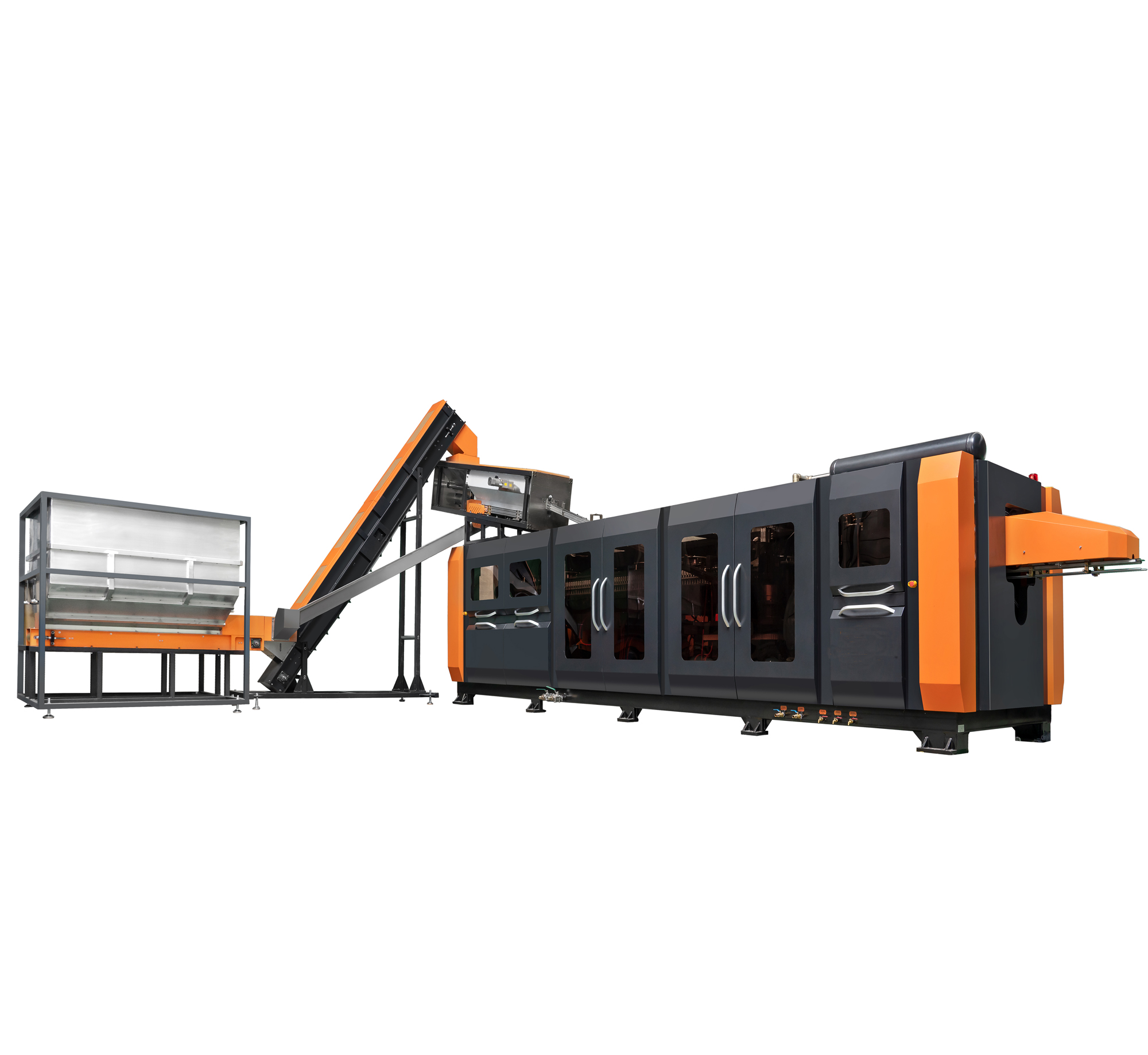
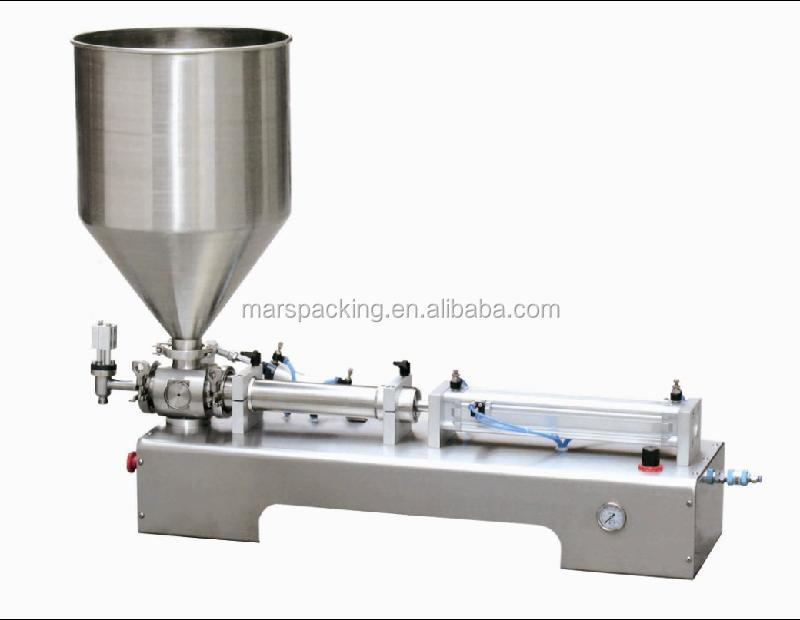
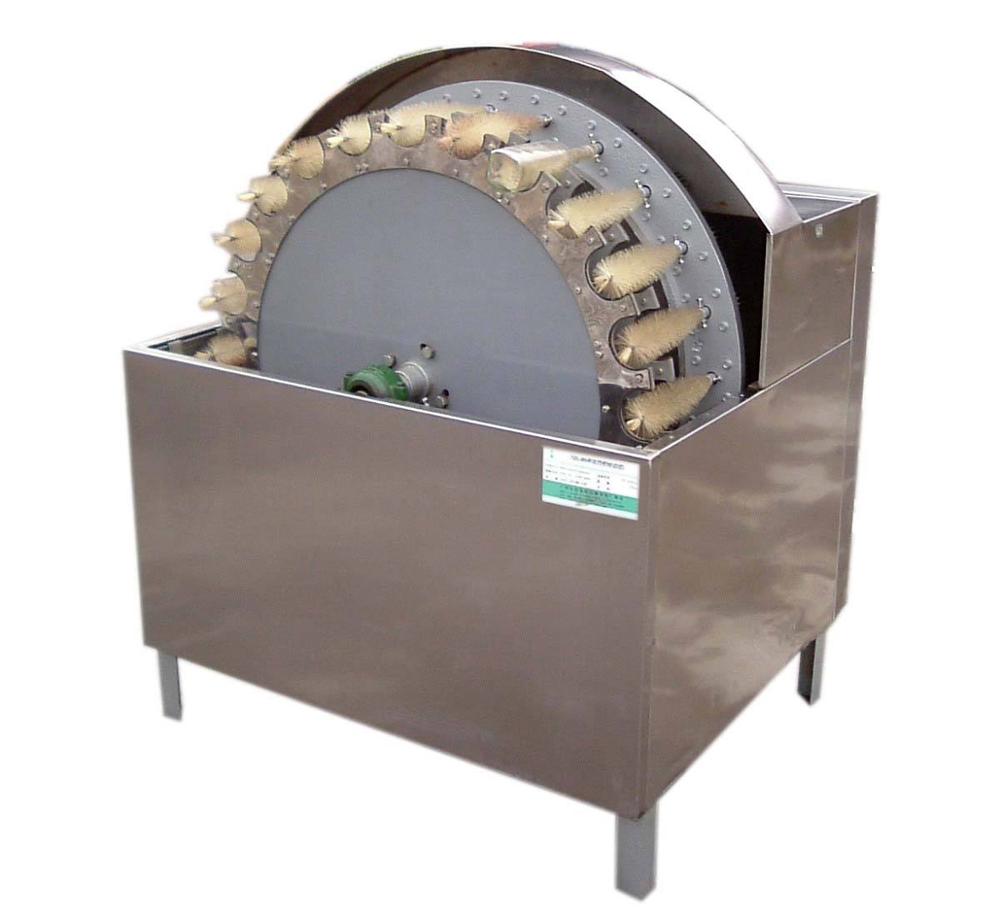
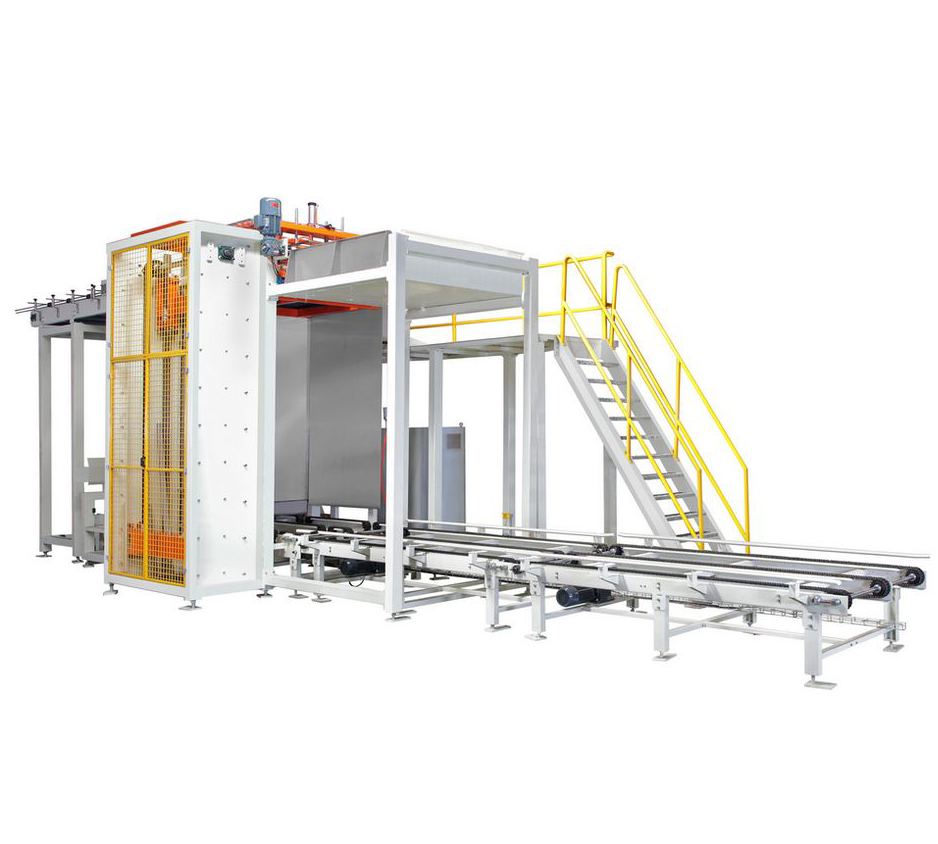
Explore our core CE-certified equipment matrix—spanning automated blow molding, multi-head rinsing, isobaric/gravity filling, linear can sealing, and downstream sterilization modules.

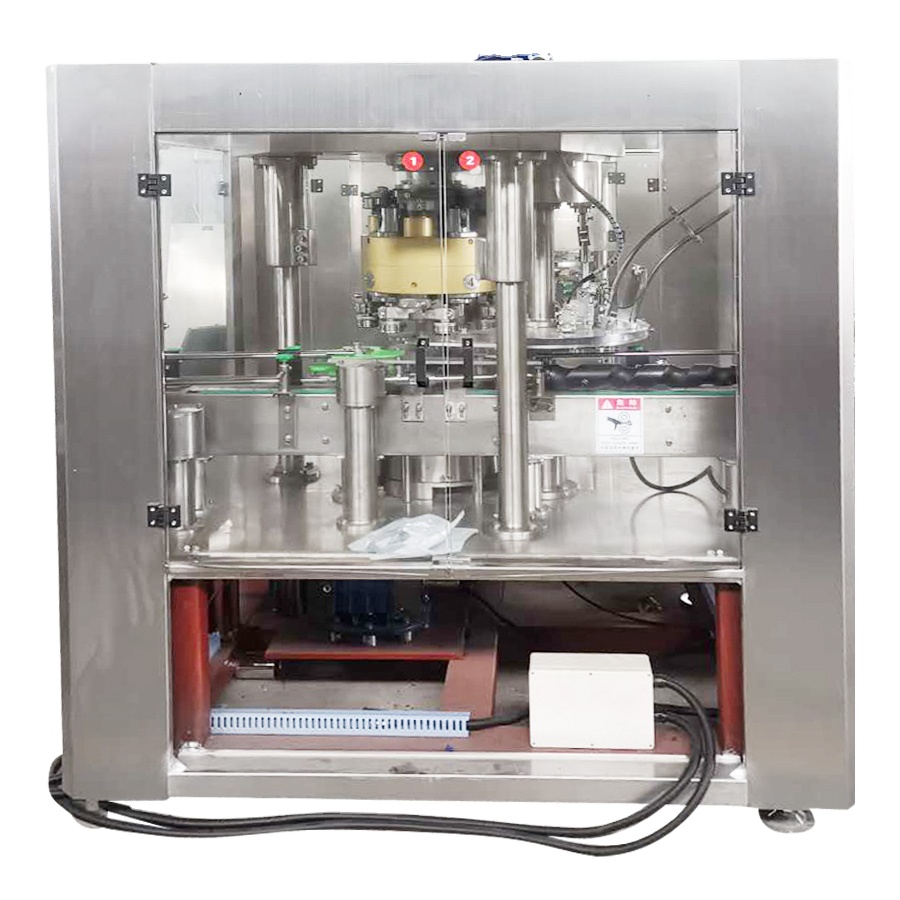
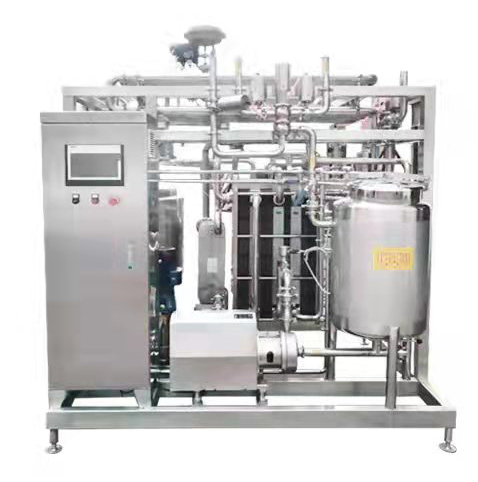
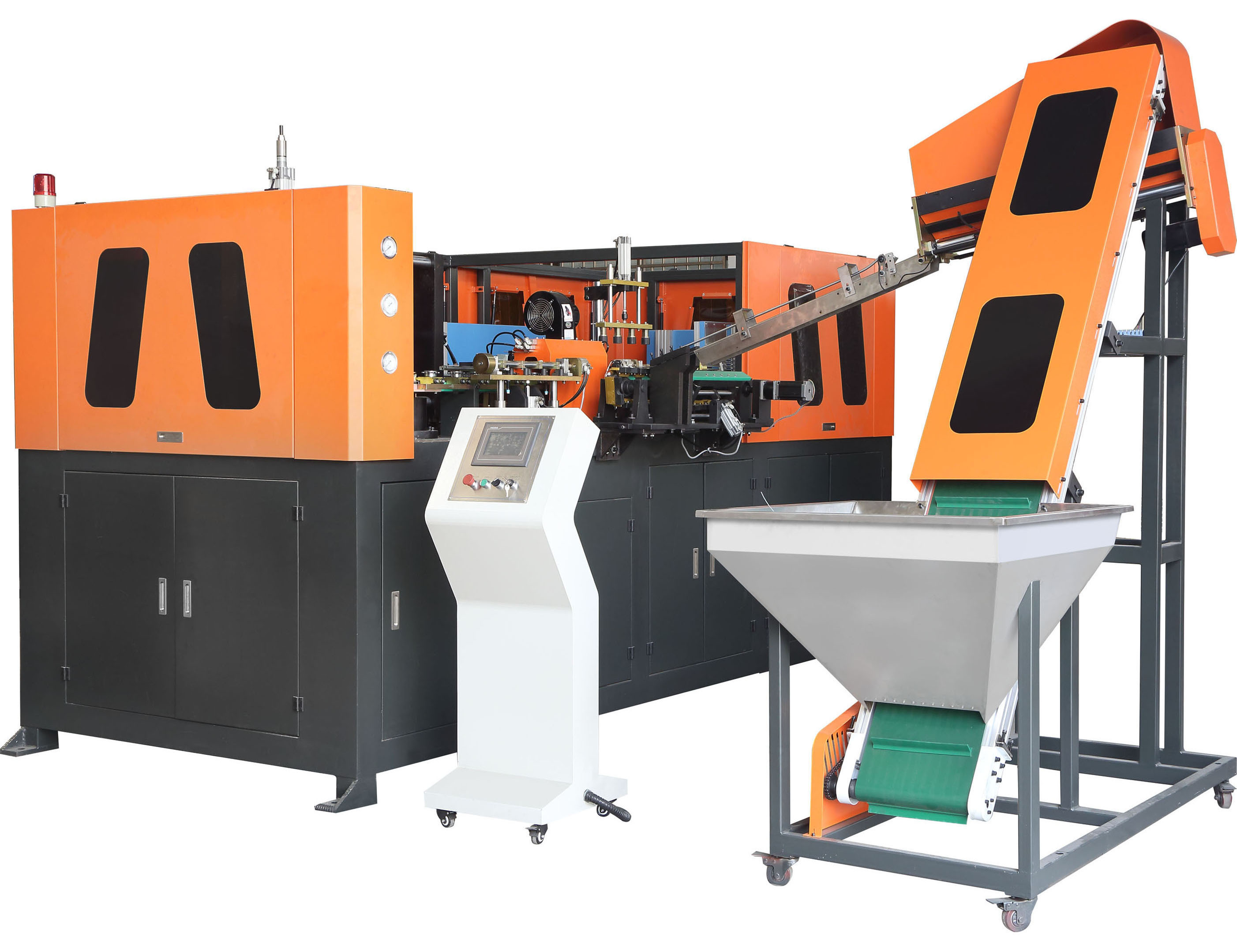
Technical Whitepaper: Engineering Architecture of CE-Certified Monoblocks
In modern high-speed beverage bottling operations, achieving micro-biological security alongside strict mechanical reliability requires a holistic engineering approach. A **Rinser Filler Capper Monoblock** represents the functional core of liquid packaging plants. By integrating container rinsing, precision volume/level filling, and hermetic torque-controlled capping into a synchronized single-chassis machine frame, beverage manufacturers eliminate transport delays, minimize airborne contamination windows, and optimize floor footprint efficiency.
As a specialized CE-certified manufacturer and international exporter based in Zhangjiagang, Jiangsu, China—the global manufacturing hub for beverage automation—our engineering frameworks follow rigorous EU Machinery Directives (2006/42/EC). Product-contact zone components utilize food-grade AISI 304 or AISI 316L stainless steel, processed via high-precision CNC machining to ensure Ra < 0.4 μm surface roughness standards. This eliminates microscopic crevices, preventing bio-film accumulation during CIP (Clean-in-Place) hot-alkali sanitization cycles.
Enterprise Advantages & Precision Manufacturing Capabilities
Lofsu Packing Machinery Co., Ltd. combines over 15 years of liquid packaging innovation with global project execution expertise across 30+ countries.
Certified European Compliance (CE)
Every standard and customized filling line undergoes strict safety and electromagnetic compatibility audits. Standardized under CE 2006/42/EC, our equipment features interlocked safety doors, emergency stop relays, low-voltage control circuits, and CE-marked pneumatic valves for compliance across EU and Western markets.
Tier-1 Component Integration
We do not compromise on core automation hardware. Our control systems integrate original Omron and Delta PLCs, color touchscreen HMIs, Schneider electrical switchgear, and Airtac/Festo pneumatic cylinders, guaranteeing long-term replacement parts availability worldwide.
Dynamic Hydrodynamic Valve Design
Engineered for minimal turbulence, our filling valves feature computerized liquid-channel modeling. Whether operating under atmospheric gravity for purified spring water, hot-fill circulation for juices at 85°C, or isobaric counter-pressure for carbonated beverages, liquid fill accuracy is maintained within ±2mm.
Strict FAT & Third-Party Auditing
Prior to seaworthy wooden crate packaging and container loading, every complete bottling line undergoes a continuous 72-hour Factory Acceptance Test (FAT) utilizing the customer's actual preforms, bottles, caps, and liquid viscosity samples. Factory facilities are audited on-site by international inspection bodies.
Turnkey Global Project Engineering
Exporting to over 30 countries across North America, the Middle East, Southeast Asia, Africa, and South America, our technical team offers complete turn-key support: layout CAD engineering, utility consumption modeling (air, water, power), overseas commission installation, and operator training.
Flexible Modular Customization
From tabletop semi-automatic 2-nozzle fillers for pilot plants to 16,000 BPH fully automated rotary blowing-rinsing-filling-capping complexes, our engineering modularity enables tailored configurations matching exact line speed, bottle geometry (PET, Glass, Aluminium Can), and footprint restraints.
Future Procurement Trends in Liquid Packaging Machinery
Understanding shifting technology trajectories allows procurement executives to make future-proof capital expenditure (CapEx) decisions that maximize return on investment (ROI).
1. Transition Toward Servo-Driven Electronic Filling Over Mechanical Cam Systems
Industrial beverage procurement is rapidly moving away from traditional mechanical lift cylinders operated by floor cams. Modern procurement specifications increasingly mandate **servo-driven volumetric flowmeter or electronic piston filling valves**. Servo control permits infinite digitized adjustment of fill profiles via HMI screens without changing mechanical cams or stops. This reduces product changeover times from 4 hours down to under 15 minutes while eliminating mechanical wear items.
2. Energy Conservation & Water Recovery Closed Loops
With global energy prices and environmental compliance regulations intensifying, beverage plants require machinery that optimizes utility usage. Next-generation rinser filler cappers integrate internal **water recycling manifolds** on rinsing stations, filtering clean final-rinse water for secondary exterior bottle washing or cooling tower makeup. Furthermore, infrared blowing heaters (such as those in the Mars BM-A8 series) utilize optimized lamp reflectors to achieve 25%–35% electrical power savings during PET preform heating.
3. Ultra-Clean Aseptic Cold Filling Replacing High-Energy Hot Filling
While traditional hot filling (85°C–92°C) remains widely used for fruit juices and teas to achieve pasteurization, the beverage industry is actively shifting procurement budgets toward **ultra-clean aseptic cold filling lines**. Aseptic processing preserves sensitive vitamin profiles, flavor top-notes, and allows the use of thinner, lightweight PET bottles (saving 20% to 30% resin weight per container). Procurement strategies now prioritize sterile air isolators, peracetic acid (PAA) preform/bottle sterilizers, and sterile water rinsing modules.
4. Modular Multi-Liquid & Multi-Container Flexibility
Co-packers and emerging beverage brands are abandoning single-purpose machinery in favor of versatile systems capable of handling multiple packaging formats. Procuring modular filler platforms that can be converted between glass bottles, PET containers, and aluminum cans—or handle both still mineral water and carbonated soft drinks (CSD) via dual-mode pressure/gravity valves—provides a competitive hedge against changing consumer packaging trends.
Key Industry Development Trends Shaping Beverage Automation
An in-depth analysis of technological breakthroughs redefining efficiency, quality assurance, and digital control in bottling plants worldwide.
IoT Telemetry, Edge Computing & Predictive Maintenance
Industry 4.0 integration has shifted from a luxury feature to a standard operational baseline. Advanced Rinser Filler Capper monoblocks now incorporate edge-computing PLCs equipped with IoT gateway modules. Sensors continuously monitor pneumatic valve reaction times, magnetic capping head torque stability, main drive gearbox vibration, and vacuum levels. Automated alert algorithms notify maintenance teams of bearing degradation or seal failure *before* un-scheduled line stoppages occur, drastically raising Overall Equipment Effectiveness (OEE).
AI-Powered High-Speed Inline Quality Inspection
Downstream container quality assurance has evolved beyond simple photoelectric sensors. Contemporary bottling installations seamlessly mesh high-speed vision camera systems directly after the capping carousel. Industrial cameras instantly verify cap seating alignment, tamper-evident band integrity, liquid fill level heights, and barcode/QR coding legibility at speeds exceeding 20,000 bottles per hour. Defective containers are automatically segregated by high-speed pneumatic pusher or finger-rejection arms without interrupting line flow.
Older mechanical friction clutch cappers suffer from inconsistent torque due to thermal expansion and pad wear, resulting in either leakers or over-tightened caps that end-consumers struggle to open. Modern monoblocks utilize non-contact magnetic hysteresis capping heads. Permanent magnets deliver frictionless torque transfer, maintaining precise tightening force (±0.2 Nm) independent of operating speed or ambient temperature.
Frequently Asked Questions (FAQ) for Global Buyers
Technical solutions and commercial answers curated specifically for beverage factory project directors, engineering consultants, and purchasing managers.
What production capacities do Lofsu bottling lines cover? +
Our standard liquid packaging equipment spans from compact, semi-automatic tabletop models (e.g., 500–1,000 BPH for small-batch producers) up to fully automated high-speed monoblock lines reaching 16,000 bottles per hour (BPH) for PET water lines, 4,000 BPH for glass beer bottle lines, and 2,000–6,000 cans per hour (CPH) on aluminum/tin canning lines. Every capacity specification is validated through customized mechanical gear sizing and valve flow modeling.
Which specific beverage types and container formats can your machines process? +
Our machinery handles a wide spectrum of liquid viscosities and container types: purified/mineral water, carbonated soft drinks (CSD), hot-fill fruit juices, iced teas, dairy products, beer, wine, edible oils, condiments (vinegar, soy sauce), and household chemicals. Compatible containers include PET bottles, HDPE jugs, 3/5-gallon jars, glass bottles with crown/screw caps, and aluminum or tinplate cans.
Can electrical control systems be configured to match local factory grid standards? +
Yes. Every electrical control panel is custom-engineered to match the destination country's grid requirements. While 380V/50Hz 3-phase is standard, we configure systems for 220V, 400V, 415V, 440V, or 480V operating at either 50Hz or 60Hz. Electrical switchgear, variable frequency drives (VFDs), and PLCs are selected with global UL, CE, or CSA compliance marks as requested.
What quality verification and testing protocols occur prior to shipment? +
Quality assurance follows a mandatory 3-stage protocol: (1) Raw material chemical and physical inspection (certifying SUS304/316 composition); (2) Precision component CNC tolerance inspection; (3) A mandatory Factory Acceptance Test (FAT) where the complete fully assembled machine runs continuously with customer-supplied bottle preforms, caps, and simulated liquid media. Detailed FAT test videos and dimensional inspection certificates are supplied before container dispatch.
Do you provide overseas installation, commissioning, and operator training support? +
Yes. We deploy experienced mechanical and automation commissioning engineers directly to your plant site worldwide. Our engineering team manages physical machine leveling, conveyor integration, utility hook-ups, CIP validation, and conducts intensive hands-on training for your local operational and maintenance personnel. Remote real-time video diagnostic support is also available 24/7.
What international commercial trade terms and payment methods are accepted? +
We accommodate flexible international trade terms including FOB (Shanghai/Ningbo port), CFR, CIF, EXW, DDP, and DDU. Settlement options include Telegraphic Transfer (T/T) and Irrevocable Commercial Letters of Credit at sight (L/C), transacted in USD, EUR, or CNY.
How does the machinery maintain hygiene and prevent cross-contamination? +
Hygiene is guaranteed through integrated CIP (Clean-In-Place) recirculation manifolds, automatic dummy-cup placement on filling heads, contact zones built strictly from AISI 316L/304 stainless steel, sanitizing liquid bottle rinsers, and optional ISO Class 5 HEPA air filtration enclosures over the filler-capper carousel zone.
What is the standard lead time from contract signing to factory dispatch? +
Standard standalone equipment (such as bottle washers or tabletop fillers) typically dispatches within 15 to 25 calendar days. Complete customized automatic Rinser Filler Capper monoblock lines or A-to-Z turnkey plants require 30 to 50 days, allowing ample time for precision CNC machining, electrical cabinet wiring, panel programming, and rigorous FAT testing.
Transform Your Liquid Packaging Operations Today
Partner with a trusted CE-certified manufacturer. Contact our senior engineering team to receive customized plant layout designs, complete equipment quotes, and technical specifications within 24 hours.