Featured Water & Beverage Packaging Machinery
Precision-engineered automatic filling, blowing, capping, and inline processing modules compliant with CE & ISO standards.
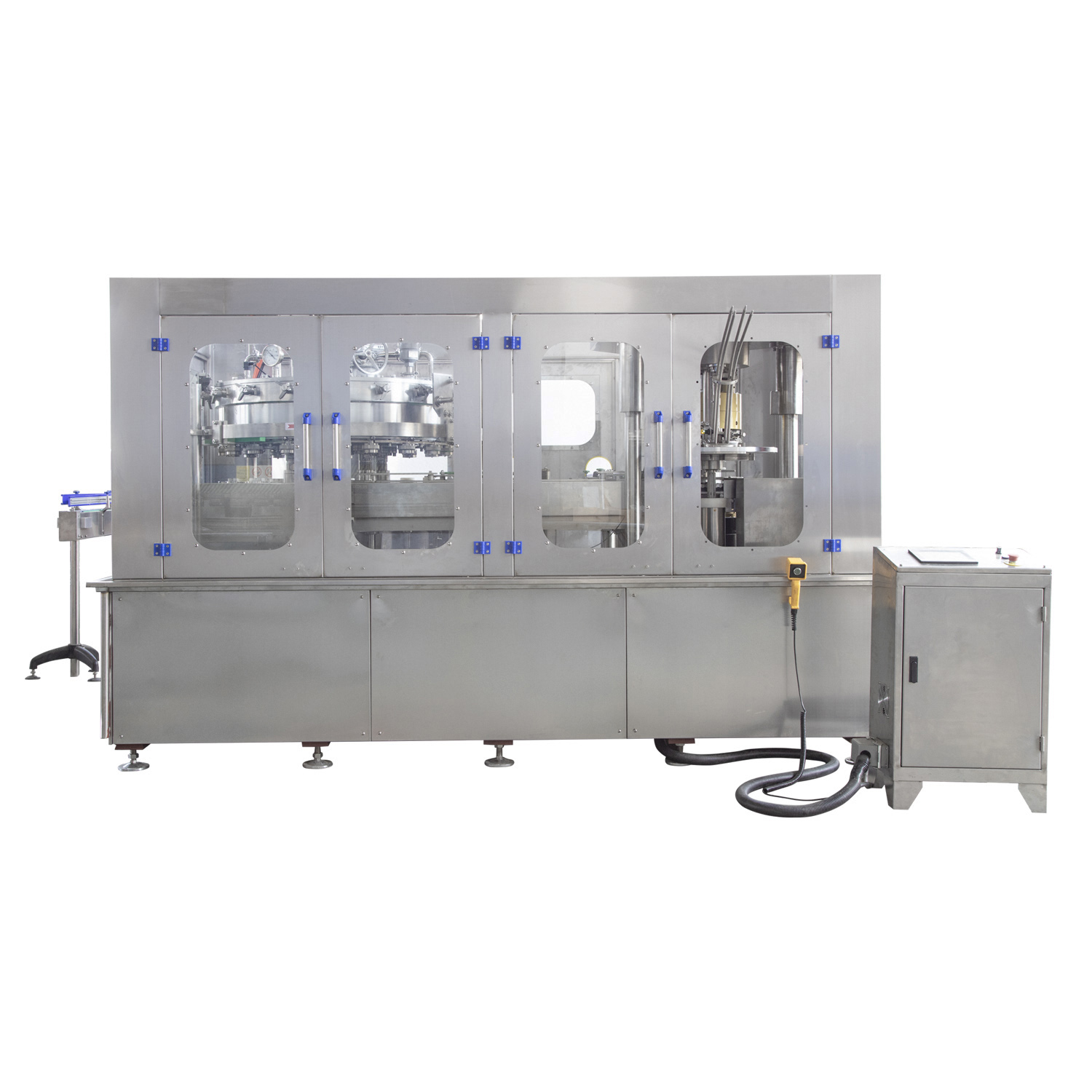
Automatic PLC Carbonated Soft Drink Can Filling Machine
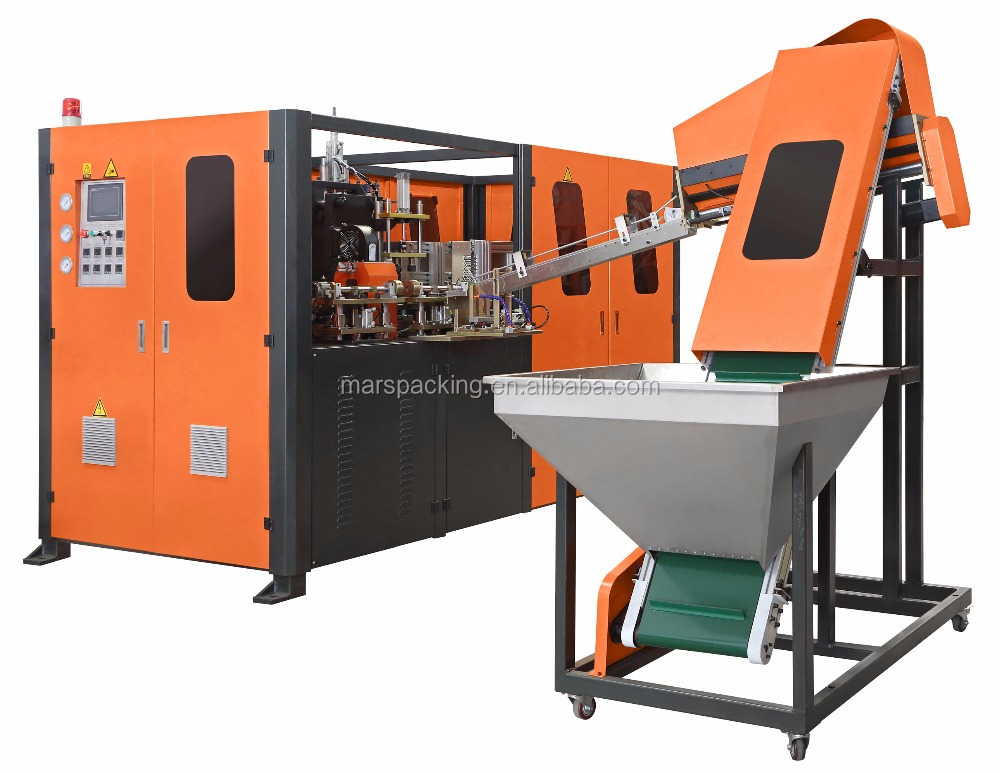
Fully Automatic Servo PET Water Bottle Stretch Blow Molding Machine
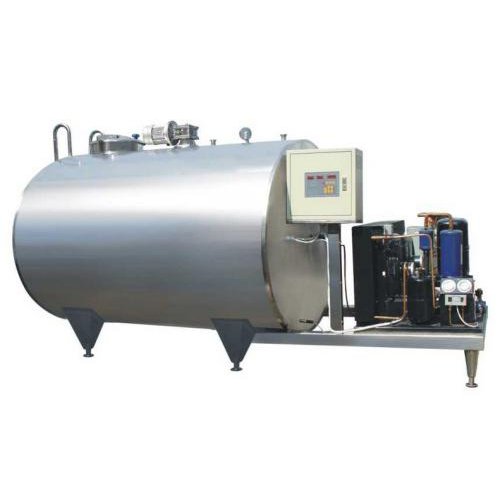
2000L Stainless Steel Horizontal Cooling & Storage Tank

Automatic Soda Water & Carbonated Drink Canning Line
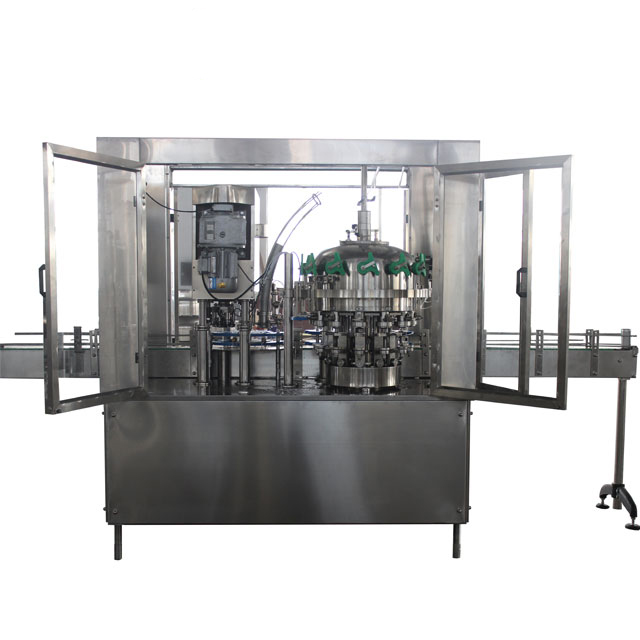
GDF12-1 Automatic Beer Can Filling & Sealing Machine (2000 BPH)
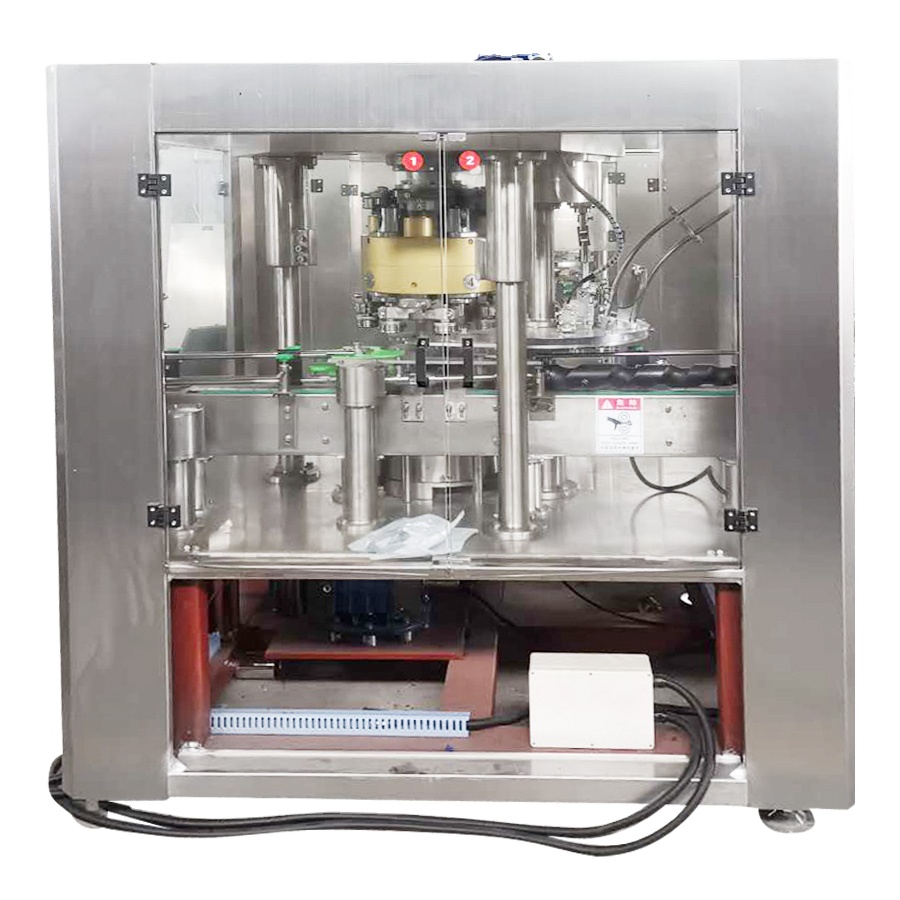
Four Head Automatic Rotary Tin Can Sealing & Closing Equipment
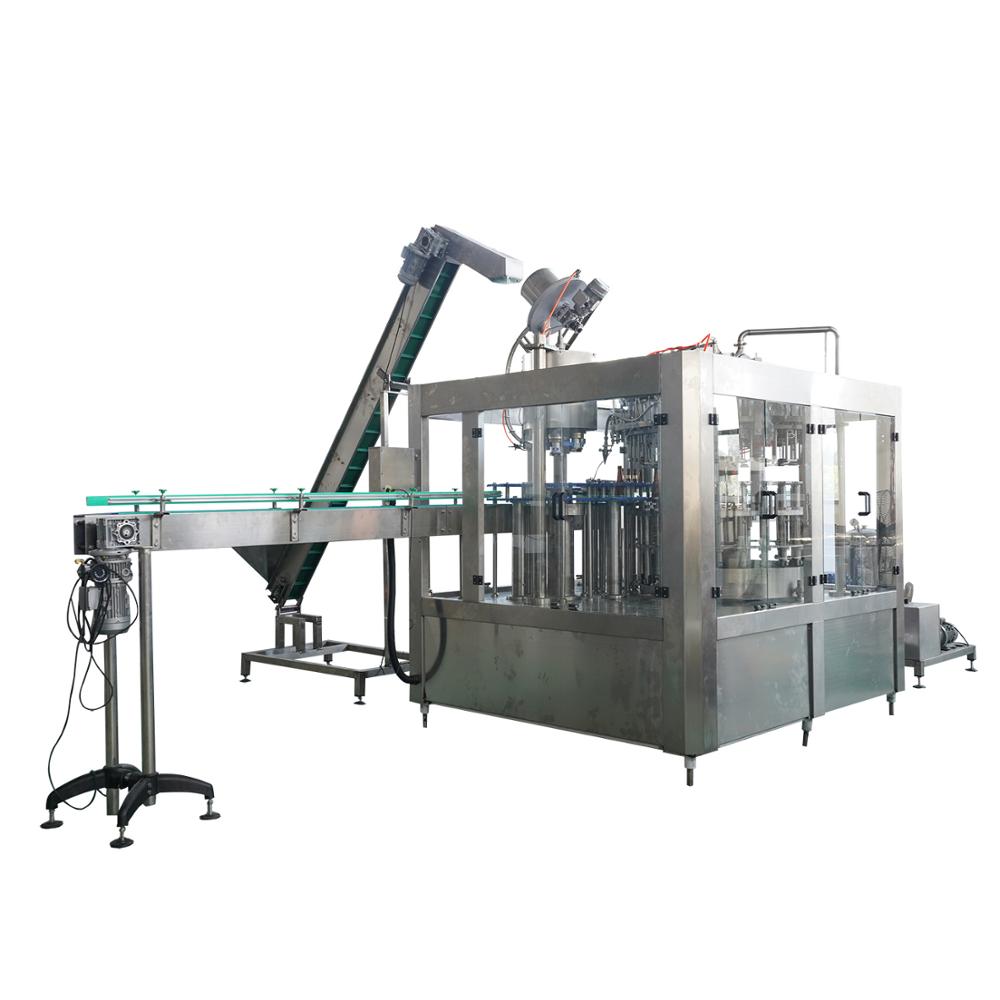
24-Nozzle Automatic Beer Bottle Filling & Crown Capping System
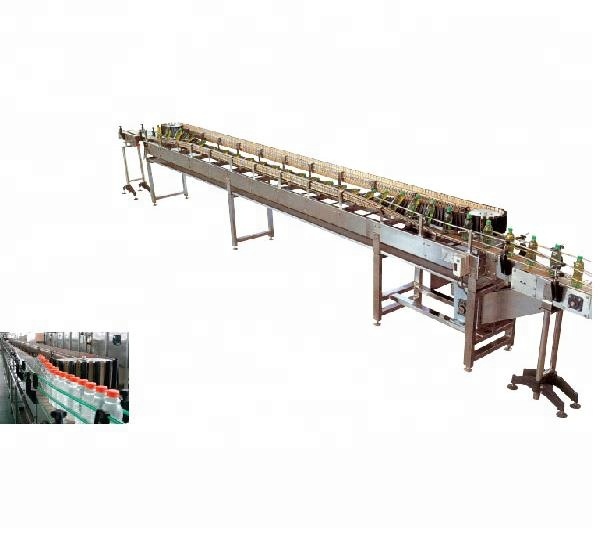
Automatic Stainless Steel Inline Bottle Inverse Sterilizer Machine
Navigating Industrial Water Bottling Procurement in China
Why global liquid food and beverage producers choose Chinese engineering clusters for high-yield, modular, and energy-optimized water packaging lines.
The Strategic Shift Toward Integrated Monoblock Systems
Modern water bottling automation has evolved from isolated machine units linked by standard table-top chain conveyors to fully integrated Combi Monoblock systems. In legacy factory layouts, preform blowing, container rinsing, liquid filling, and cap capping were performed by separate standalone units. This design required large cleanroom footprints, increased electrical consumption, and raised contamination risks during bottle transfer.
Leading Chinese packaging OEMs like Lofsu Packing Machinery Co., Ltd. (located in the Zhangjiagang industrial machinery cluster in Jiangsu) have pioneered neck-handling monoblock architectures. By synchronizing bottle rinsing, gravity/isobaric filling, and magnetic constant-torque capping into a single starwheel transfer mechanism, mechanical wear is cut by 35%, plant footprint is reduced by up to 45%, and microbiological exposure is minimized under positive-pressure HEPA filtration hoods.
A-to-Z Complete Bottling Line Architecture
An end-to-end breakdown of clean water purification, blow molding, filling accuracy, and tertiary packaging.
1. Raw Water Pre-Treatment & Purification
Raw water from municipal or underground sources undergoes multi-stage filtration: Quartz Sand Filters (turbidity removal), Activated Carbon Filters (color & odor absorption), Sodium-Ion Water Softeners, and Dual-Stage Reverse Osmosis (RO) membranes. Final sanitization employs Ozone (O3) generators and inline UV sterilizers to guarantee pure mineral and spring water quality compliant with WHO drinking standards.
2. Servo PET Stretch Blow Molding
Automated preform loading feeds infrared rotary heating ovens with continuous temperature monitoring. High-pressure air recovery systems reuse up to 30% of high-pressure blowing gas for pneumatic machine movements. Precise servo stretch rods enable ultra-lightweight PET bottle designs (down to 9.5 grams for 500ml bottles) while preserving structural top-load strength.
3. Hygienic 3-in-1 Rinsing-Filling-Capping
Bottles enter via air conveyors directly into the neck-gripping rinse wheel. Micro-mist spray nozzles thoroughly wash preforms inside. Non-contact magnetic flowmeter or gravity valve filling prevents drip contamination, achieving filling level accuracy within ±2mm. Magnetic hysteresis capping heads ensure exact screw torque without damaging plastic cap threads.
4. Inline Labeling (OPP Hot-Melt / Cold Glue)
High-speed rotary labeling machines utilize servo-driven label feeding rolls and precise hot-melt adhesive applicators. Capable of processing ultra-thin OPP film labels at rates up to 30,000 bottles per hour. Alternate setups include automatic shrink sleeve labeling tunnels (steam or electric thermal shrinkage) for 360-degree full-body bottle graphics.
5. Shrink Wrapping & Wraparound Case Packing
Bottles are grouped into formats such as 3x2, 4x3, or 6x4. PE thermal film shrink wrappers deliver tight, stable multipacks. For premium export protection, continuous wraparound hot-glue case packers automatically form corrugated cartons, drop in filled bottles, seal flaps with hot-melt glue, and discharge finished cases with zero bottle-to-bottle impact.
6. Smart Central PLC Control & SCADA
The entire production line operates on Siemens or Mitsubishi PLC platforms integrated with industrial color touchscreens (HMI). Real-time telemetry tracks line efficiency (OEE), bottle counters, CIP cycle logs, safety interlocks, and sensor diagnostics. Emergency safety stops and automated line speed synchronization prevent upstream or downstream container jamming.
Future Sourcing & Technology Trends (2025–2030)
Key technological shifts shaping investment decisions for global beverage plant owners and engineering buyers.
1. Transition to 100% rPET (Recycled Polyethylene Terephthalate) Processing
Environmental regulations across Europe, North America, and Asia-Pacific are mandating minimum post-consumer recycled content in plastic containers. rPET resin exhibits different thermal absorption and material flow properties during stretch blow molding compared to virgin resin. Modern blowing machines manufactured in China now integrate dual-pyrometer infrared heating control and adaptive preform stretch curves to eliminate bottle wall thickness variations when blowing 30% to 100% rPET bottles.
2. Ultra-Clean & Aseptic Ambient Filling vs. Traditional Hot Filling
While hot filling (85°C–92°C) remains widely used for fruit juices and teas, thermal processing can alter fresh taste and consume significant energy. High-efficiency aseptic bottling lines utilize hydrogen peroxide (H2O2) vapor or peracetic acid (PAA) liquid sterilization for bottles and caps. This enables shelf-stable filling at ambient room temperatures (20°C), preserving natural flavor profiles and reducing thermal energy demands by over 40%.
3. Modular Quick-Changeover Tooling for Small-Batch Flexibility
Market fragmentation requires beverage brands to produce diverse SKU formats (250ml, 500ml, 1.5L, and 5L containers) on the same core production line. Next-generation machinery prioritizes tool-less quick-changeover starwheels, height-adjustable filling carrousels via motorized electric actuators, and recipe-based PLC memory storage. Changeover time between bottle sizes has decreased from 4 hours down to under 30 minutes.
| Technical Parameter | Legacy Standalone Line | Modern Integrated Monoblock | Next-Gen Smart Aseptic Line |
|---|---|---|---|
| Footprint Requirement | Large (Conveyor Intensive) | Compact (-35% to -45%) | Optimized Modular Cleanroom |
| Filling Level Accuracy | ±3.0 mm (Mechanical) | ±1.5 mm (Gravity / Isobaric) | ±0.5 mm (Mag Flowmeter / Electronic) |
| Power Consumption Efficiency | Standard Base baseline | 18% Energy Savings (Servo Recovery) | 32% Energy Savings (Ambient Process) |
| Hygienic Classification | Class 10,000 Cleanroom | Positive Pressure HEPA (Class 100) | Isolator Aseptic Enclosure |
| Cap Torque Control | Mechanical Friction Clutch | Magnetic Hysteresis Clutch | Servo-Controlled Electric Capping |
Why Partner with Lofsu Packing Machinery?
Direct OEM capabilities, ISO-certified quality assurance, and dedicated field service engineers operating across 30+ international markets.
Rigorous Factory Acceptance Testing (FAT)
Before shipping, every machine undergoes a full 72-hour continuous trial run at our Zhangjiagang manufacturing facility. We run customer-supplied bottle preforms, caps, labels, and liquid samples to verify mechanical speeds, seal integrity, and electronic sensor performance. Video recordings and digital FAT documentation are issued prior to container loading.
- Full 3D CAD layout planning customized to buyer floor plans
- Premium component integration: Siemens PLC, Schneider electrics, Festo pneumatics
- Food-contact parts machined exclusively from certified SUS304 / SUS316L stainless steel
Global On-Site Installation & Service
Deploying liquid bottling plants overseas requires skilled field commissioning. Lofsu dispatches experienced mechanical and automation engineers directly to customer sites across North America, the Middle East, Africa, South America, and Asia. We manage floor layout anchoring, utility wiring, CIP pipeline connections, and operator hands-on training.
- Electrical configuration tailored to destination grids (220V–450V, 50Hz/60Hz)
- Lifetime spare parts availability with fast DHL/FedEx dispatch
- 24/7 Remote PLC telemetry troubleshooting support
Bottling Machine Sourcing FAQs
Direct engineering answers to common technical and commercial queries raised by procurement teams.
What production capacity range do Lofsu water bottling lines cover? +
Our standard automatic PET water bottling lines start at 2,000 bottles per hour (BPH) for small-to-medium bottling ventures (such as the compact CGF8-8-3 monoblock line). Medium-to-large scale industrial projects range from 6,000 BPH to 24,000 BPH on high-speed rotary monoblocks. Ultra-high-speed custom combi lines can reach up to 36,000 BPH for standard 500ml PET containers.
Can a single filling machine process both still water and carbonated drinks? +
Yes. An Isobaric Counter-Pressure Filling Machine can fill both carbonated soft drinks (CSD, soda water, sparkling water) and non-carbonated still mineral water. When filling still water, the counter-pressure gas pressurization cycle is bypassed, allowing normal gravity filling. However, dedicated gravity fillers are recommended if your facility produces 100% still purified water due to lower initial machine capital cost.
How do you adapt electrical components for international voltage requirements? +
We customize electrical cabinets for the buyer's local power grid. Standard Chinese industrial supply is 380V 3-Phase 50Hz. For export projects, we build systems for 220V 3-Phase (Mexico/USA parts), 415V 3-Phase (UK/Australia), 440V/480V (North America), operating at either 50Hz or 60Hz. All motors, VFD inverters, transformers, and heating elements are specified accordingly.
What materials are used for liquid contact parts and CIP sanitation? +
All liquid contact pipelines, filling valves, liquid storage tanks, and pump casings are fabricated from food-grade SUS304 or SUS316L stainless steel with interior mirror polishing (Ra < 0.4μm). Machine structures feature automatic CIP (Clean-In-Place) circulation loops with dummy cup attachments to permit full hot-acid, hot-alkali, and ozonated water sterilizing cycles.
What is the expected delivery lead time and export packaging standard? +
Manufacturing lead time for standard monoblock filling lines is typically 30 to 45 business days following drawing approval. Complete turnkey lines (Blow-Fill-Seal + Labeling + Packaging) require 60 days. All machinery is wrapped in anti-rust protective PE film, secured on heavy-duty steel skid bases, and enclosed in seaworthy export wooden cases compliant with ISPM-15 heat-treatment standards.
How are spare parts and post-warranty technical issues handled? +
Each line ships with a recommended two-year wearing spare parts kit (O-rings, seal gaskets, pneumatic tubing, heating lamps, gripper fingers). All PLC programs feature remote Ethernet gateways allowing our software engineers in China to diagnose code issues online. Mechanical parts can be dispatched via express air freight within 24 to 48 hours.
Accelerate Your Beverage Plant Project
Request a custom CAD line layout, budgetary quotation, or technical machinery consultation with Lofsu’s senior packaging engineering team.